














Suggested Searches

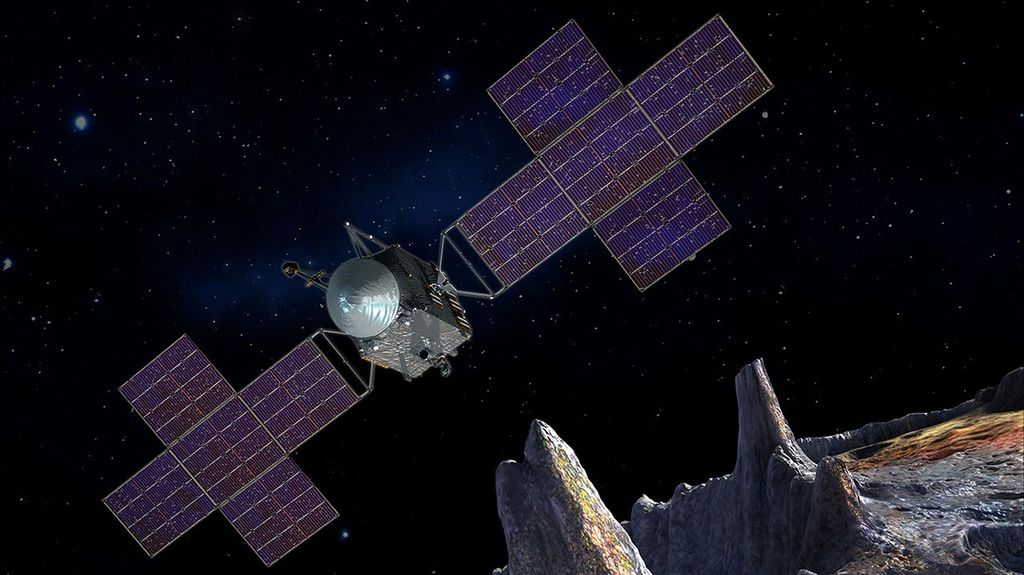
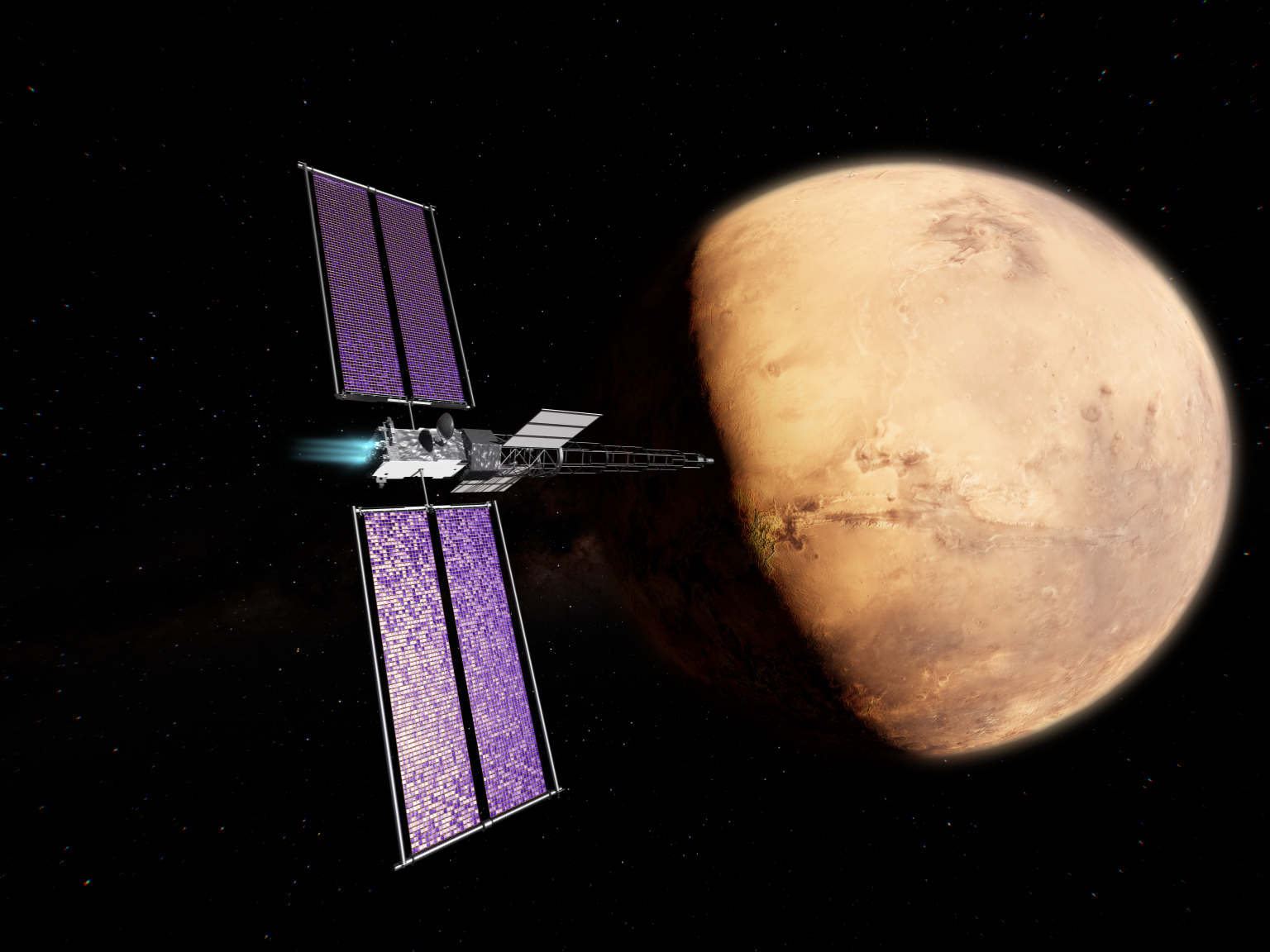
Artist’s concept of NASA’s Space Reactor-1 Freedom spacecraft flying through space near Mars. The spacecraft features a silver central body with two purple-and-white checkered solar arrays on each side. Attached to the body are two gray radiator panels and a long metal boom. Mars appears prominently on the right side of the image.

Space Reactors Division

The Space Reactors Division of NASA’s Research and Technology Mission Directorate is pioneering the next-giant-leap technology to get America underway on nuclear power in space.

Why nuclear?

Solar power works near Earth, but it does not work everywhere the United States needs to go. To sustain a presence on the Moon, send crews to Mars, and explore the outer solar system, the nation needs a power source that works everywhere, without relying on the Sun. Nuclear power is that source.  

Find out more on the Ignition Fact Sheet.

Missions and Offices
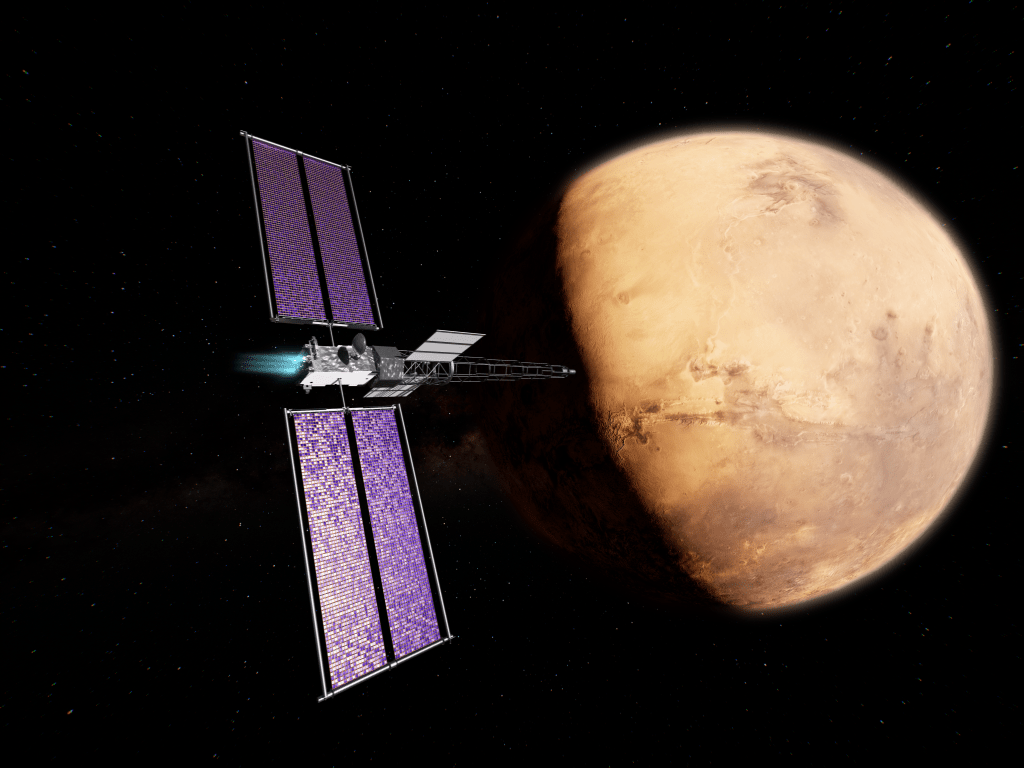
Artist’s concept of NASA’s Space Reactor-1 Freedom spacecraft flying through space near Mars. The spacecraft features a silver central body with two purple-and-white checkered solar arrays on each side. Attached to the body are two gray radiator panels and a long metal boom. Mars appears prominently on the right side of the image.

Space Reactor-1 Freedom

Destined for Mars in 2028, SR-1 Freedom will be the first fission-powered interplanetary spacecraft. It will demonstrate nuclear-electric propulsion and deliver three SkyFall helicopters to Mars.
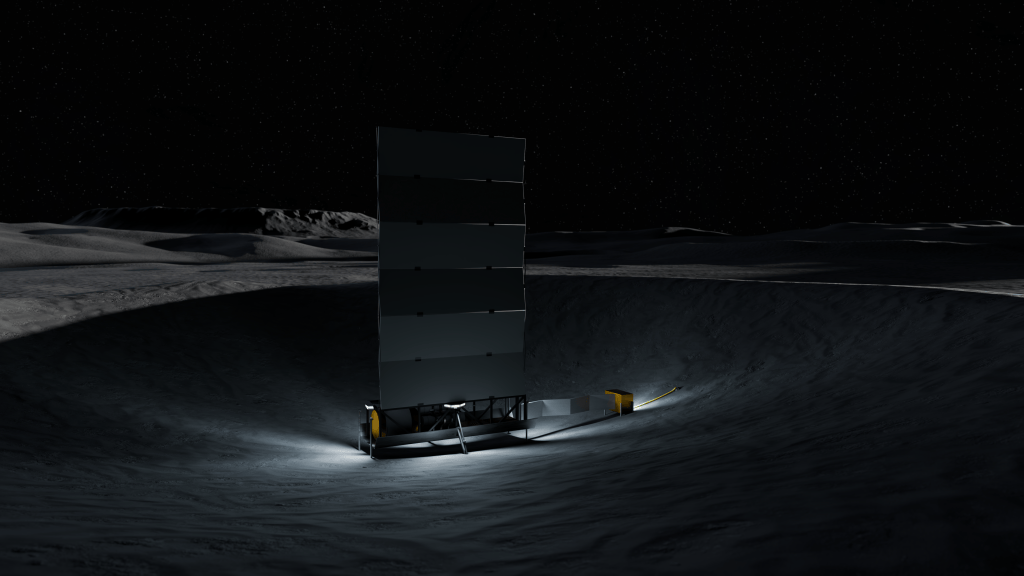
Lunar Reactor-1

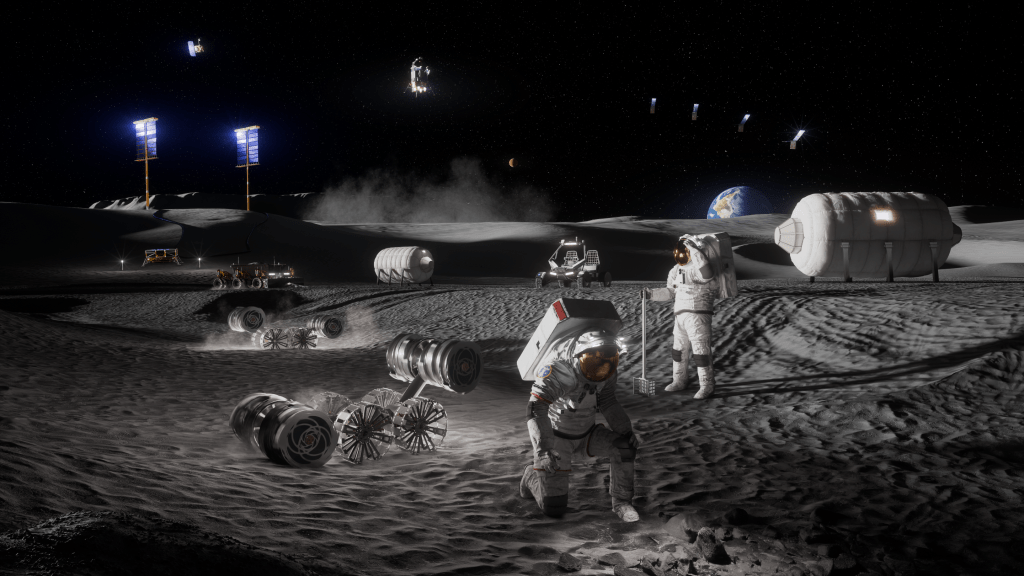
The first fission power system on the lunar surface, LR-1 will power the Moon Base during the long lunar nights helping astronauts live, work, and explore near the Moon’s South Pole.
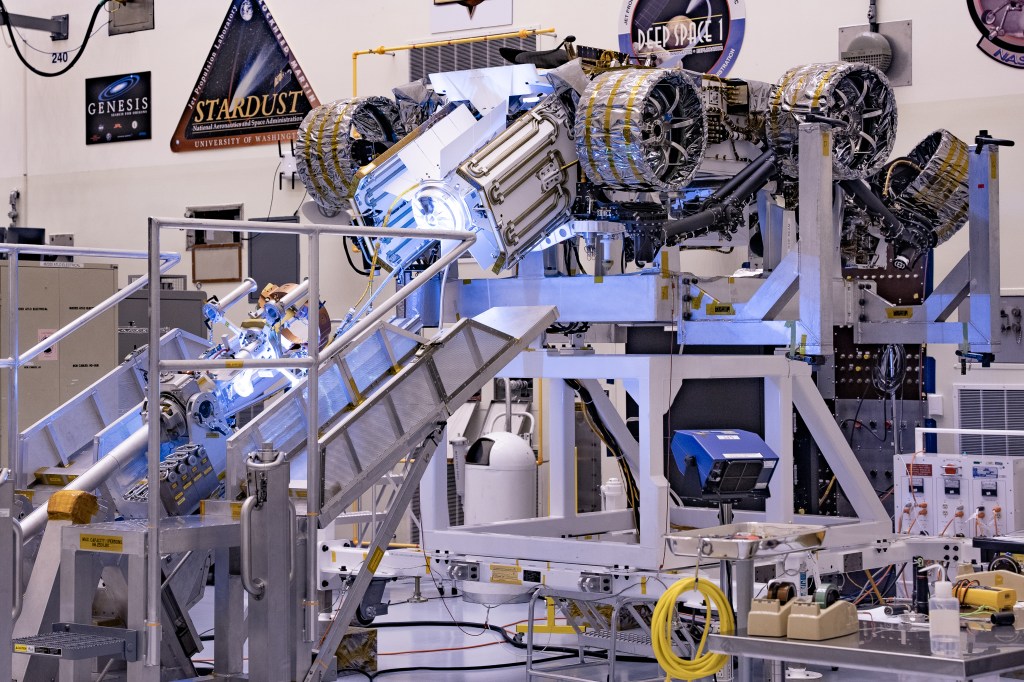
This image shows the Multi-Mission Radioisotope Thermoelectric Generator for NASA'S Mars 2020 Perseverance rover during a fit check with the rover in the payload processing facility at NASA's Kennedy Space Center in Florida on April 16-17, 2020. The Multi-Mission Radioisotope Thermoelectric Generator is a space nuclear power system that produces about 110 watts of electrical power to run the rover's systems and science instruments, and extra heat to keep them warm during the frigid Martian nights and winter seasons.

Radioisotope Power Systems Program Office

These nuclear batteries have been powering spacecraft in the darkest, dustiest, and most distant places in our solar system for more than 60 years.
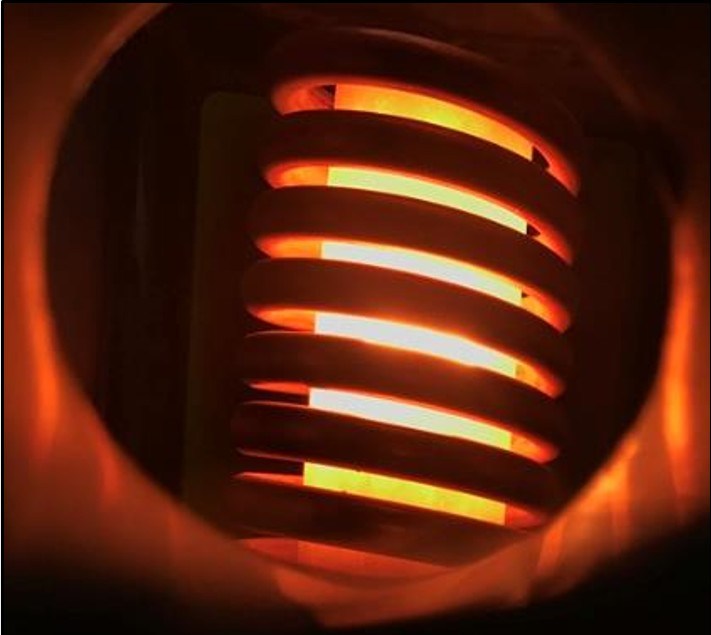
The image shows a glowing orange heating coil seen through a round opening, with the tightly wound metal spirals illuminated by bright light from inside the device.

Advanced Nuclear Technology Office

NASA is propelling America into the next generation of space exploration by proving nuclear technologies that will be essential for future human missions to Mars and beyond.

Opportunities to Collaborate

NASA is partnering with commercial industry, academia, and innovators to develop the technologies and capabilities needed to establish an enduring human presence on the Moon, send crews to Mars, and explore the outer solar system. The future of exploration will be built through collaboration.

Space Power and Reactor Capabilities call for proposals: SAM.gov

Space Reactors Division Leadership

A portrait of Cynthia Simmons with the American flag in the background.

Director, Space Reactors Division

Portrait of Steven Sinacore with American and NASA flags behind him.

Program Director, SR-1 Freedom

Program Manager, Advanced Nuclear Technology

A studio portrait of Carl Sandifer wearing a navy blue suit and patterned tie.

Program Manager, Radioisotope Power Systems

Program Manager, Lunar Reactor-1.

Latest News

Explore Space Reactors Division's latest news stories.

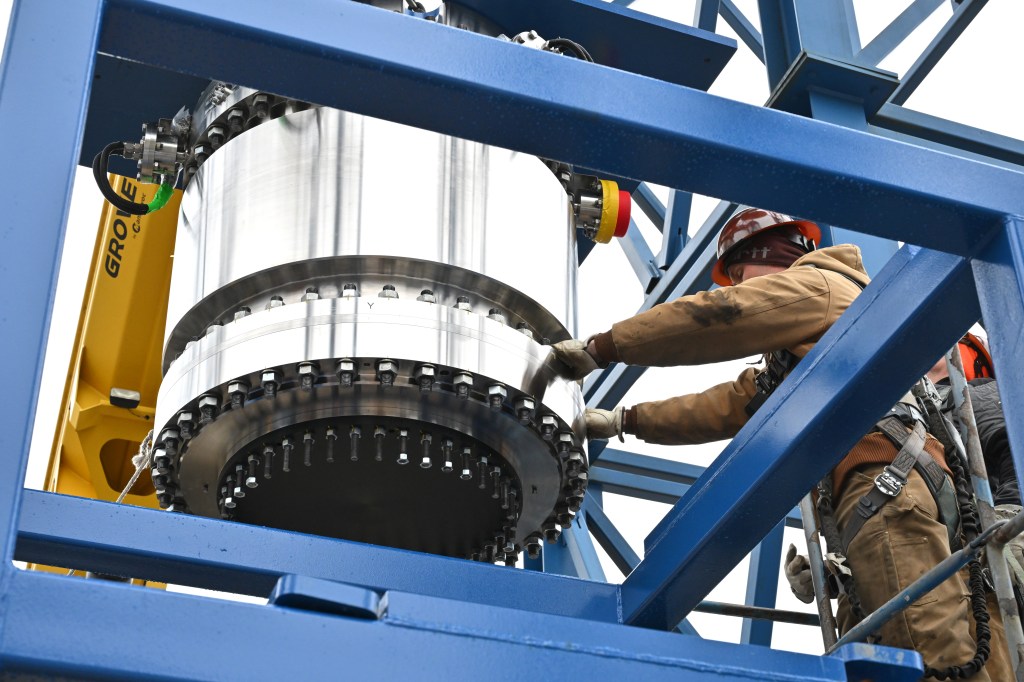
Workers in safety gear guide a large white cylindrical rocket motor or engine component with a black mounting flange as it's positioned within a blue steel test stand structure. Yellow crane equipment is visible on the left side

Small Steps, Giant Leaps: Episode 175: Space Nuclear Propulsion

In the bottom third of the image, the circular opening of a conical structure — a prototype lithium-fed magnetoplasmadynamic thruster — emits a red glow. Against a dark background, the red glow fills most of the top two-thirds of the image.

NASA Fires Up Powerful Lithium-Fed Thruster for Trips to Mars

Concept for Sustained Lunar Surface Operations at the Moon Base

NASA Unveils Initiatives to Achieve America’s National Space Policy