














Work With JPL
Specialties
Daring Mighty Things means solving near-impossible problems with answers that no one has conceived or attempted before. These specialties are our areas of deep, focused expertise where we develop mechanical systems, materials, instruments, and propulsion that turn ambitious ideas into working spacecraft.
Space-Survivable Robotics
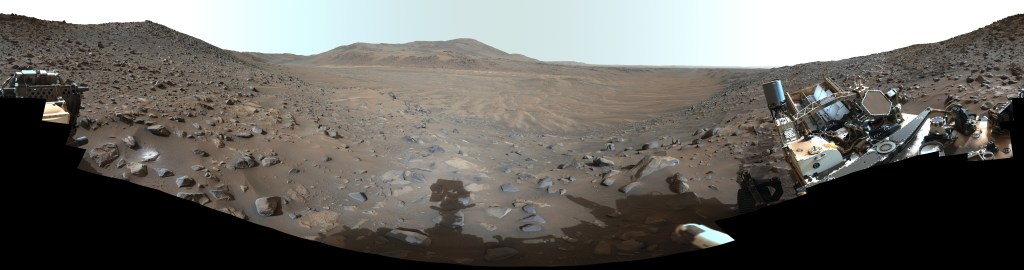
We design and build robotic systems that operate where humans and conventional hardware cannot — in extreme temperatures, pressures, and radiation, and on the alien terrain of distant worlds. Their work spans mobility across, under, and above planetary surfaces, and the tactile manipulation required to place instruments, gather data, and collect and analyze samples, drawing on integrated mechanical and electrical design and software for perception, control, simulation, and operations.
Work with us
Entry, Descent, & Landing
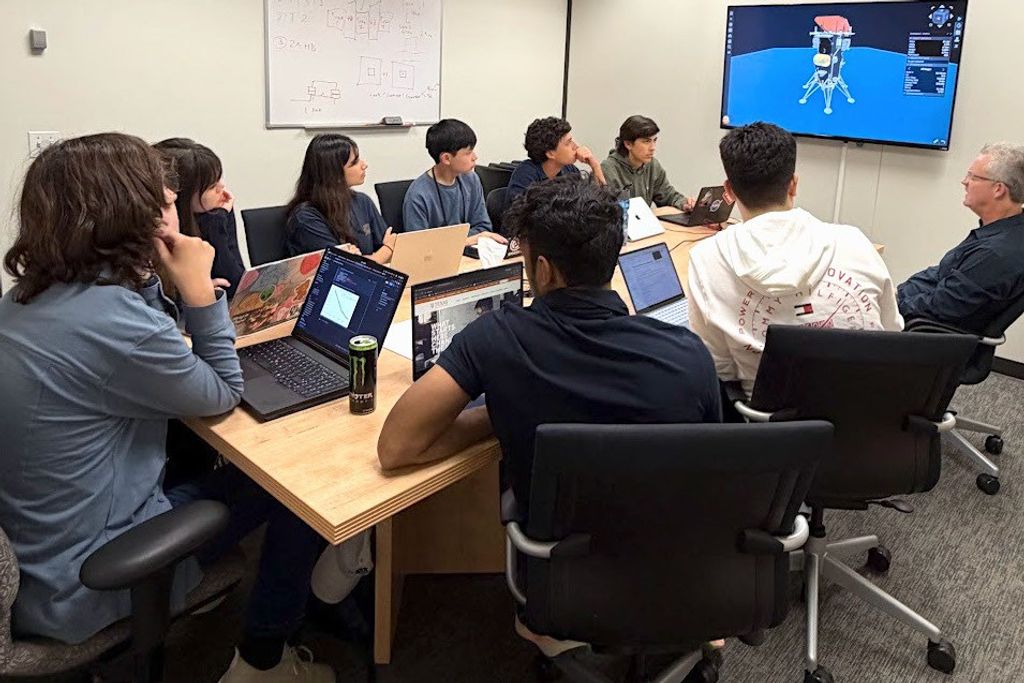
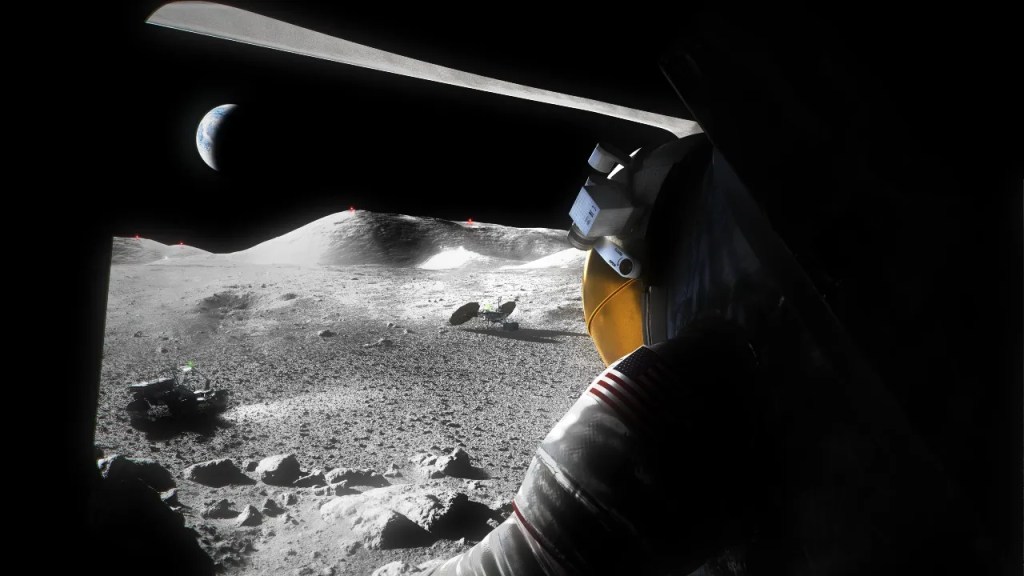
For 50 years, JPL has pioneered and refined safe landings on other worlds, whatever it takes — parachutes, retro-rockets, giant airbags, a sky crane, or nothing at all (except for a well-armored, high-impact capsule). In the 1960s the Surveyor missions to the Moon made sure the ground was stable enough for Apollo astronauts to set down. Since 2000, JPL has deposited a half-dozen landers and rovers of all sizes on Mars; the rest of the world managed just one landing in all that time. And now we’re leading the next generation back to the Moon — our MoonFall propulsive drones will hopscotch the lunar south pole, negotiating steep hazards in low light with autonomous navigation evolved from the Ingenuity Mars Helicopter. The drones will be mapping resources and future landing sites — sites that one day could be touchdown targets for human landing systems, borne of JPL’s expertise and legacy of success.
Work with us
Advanced Materials
We develop advanced and exotic materials that are unavailable commercially, engineered for the unique demands of spaceflight. We have long been a leader in the development of new metal alloys and composites such as custom carbon-fiber structures, metallic glass alloys, and advanced metals engineered at the atomic scale, including multi-material components with varied magnetism, durability, and strength to maximize functionality.
Work with us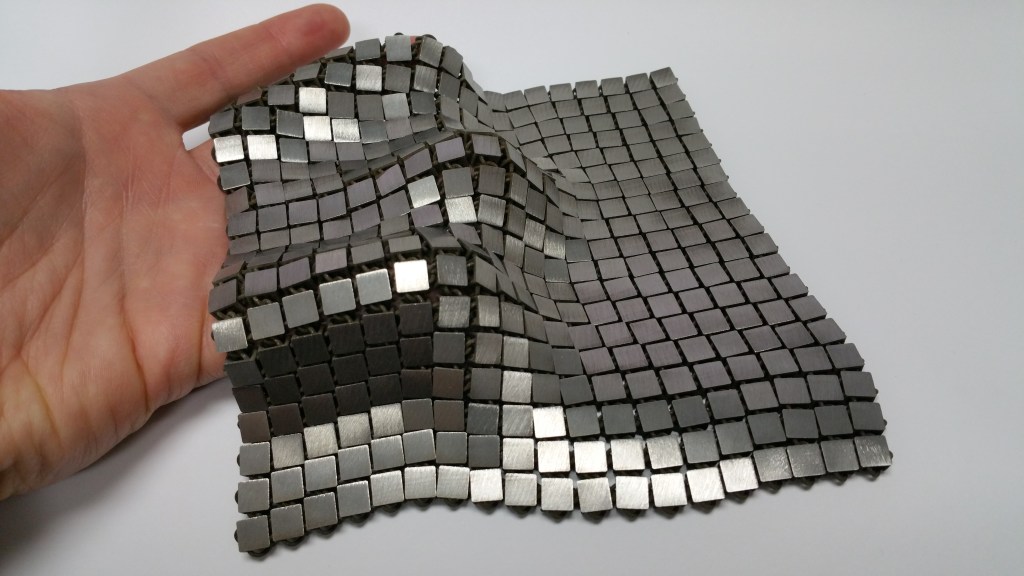
Additive Manufacturing
To make the most advanced spaceflight hardware, we use additive manufacturing processes that enable engineers to print complex geometries and multifunctional structures that conventional fabrication cannot produce, embed mechanisms directly into a part, and consolidate many components into one. Additive manufacturing also allows us to prototype new ideas at reduced schedule and cost, shortening the path from design to finished hardware while cutting part count and mass, ultimately resulting in lighter and more efficient spacecraft.
Work with us
Autonomous Rover & Drone Operations
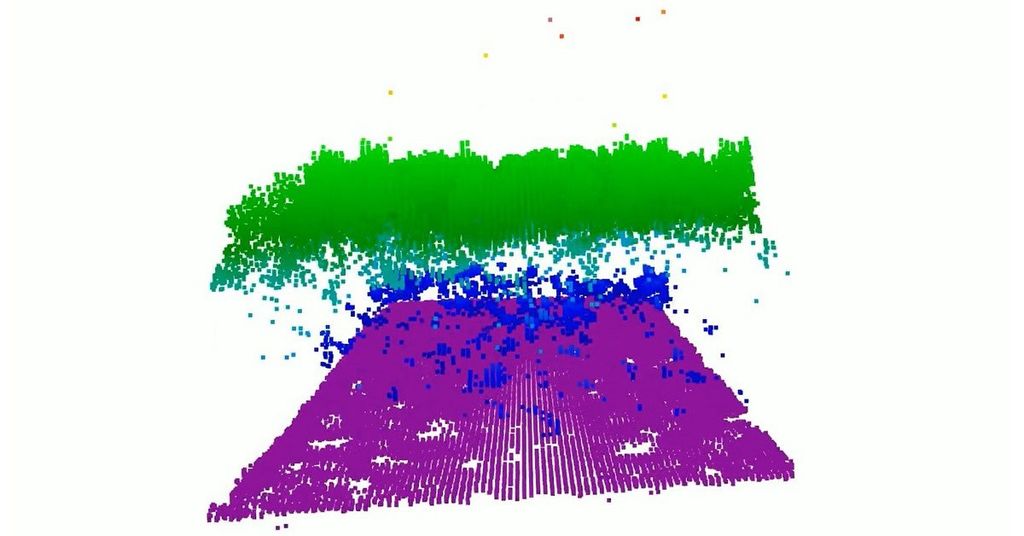
We develop algorithms that enable onboard autonomy for planetary rovers and drones. These algorithms allow spacecraft to sense their surroundings, optimize routes, and avoid hazards without explicit commands to do so, and they are designed to keep working in perceptually-degraded environments. This approach can be adapted across legged, flying, wheeled, tracked, and other mobility systems.
Work with us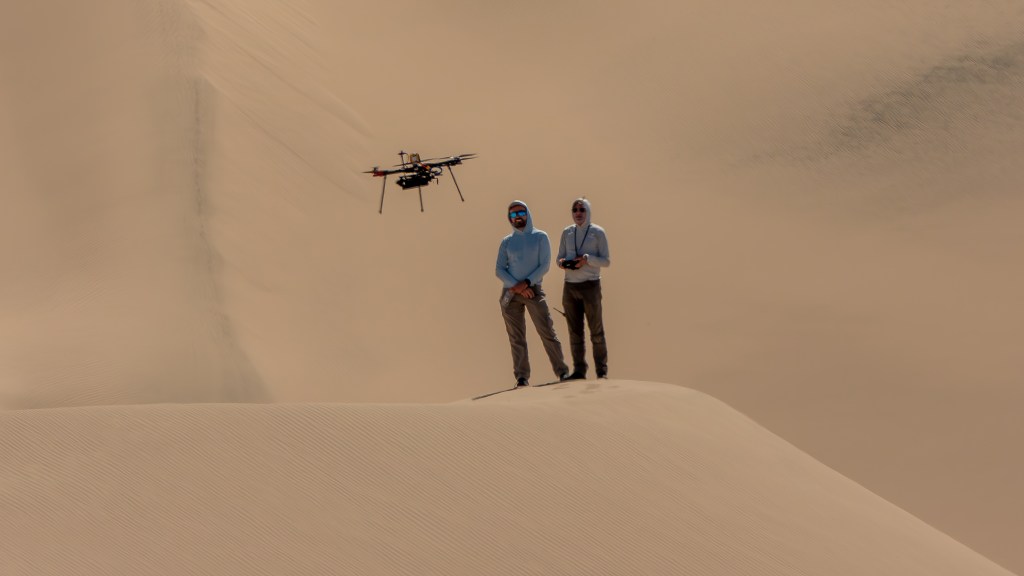
Ultra-Compact, Ultra-Sensitive Detectors & Devices
We develop detectors that measure electromagnetic radiation, from soft X-rays to millimeter wavelengths, and push toward greater spectral range, sensitivity, dimension, and speed. This work, primarily incubated in the Microdevices Laboratory, spans infrared, visible, and ultraviolet imagers, submillimeter and superconducting devices, and related photonics such as semiconductor lasers, diffractive optics, and more. These devices are the critical components that facilitate spacecraft measurements and observations to drive science and discovery forward.
Work with us
Advanced Optics
JPL advances the precision optical technologies that enable NASA’s most ambitious science missions. Our capabilities encompass high-precision laser metrology for ultra-stable segmented observatories, wavefront sensing and control, cryogenic optical instruments, imaging spectrometers, interferometry, and high-contrast imaging. Together, this expertise enables breakthrough missions in Earth science, planetary exploration, astrophysics, and the search for habitable worlds. JPL’s Microdevices Laboratory extends this capacity through pioneering optical microfabrication technologies, including diffractive and metasurface optics, curved spectrometer gratings, coronagraph masks, photonic integrated circuits, optical amplifiers, and cold-atom quantum optical technologies. These innovations enable the next generation of space observatories, remote sensing instruments, and quantum science missions.
Work with us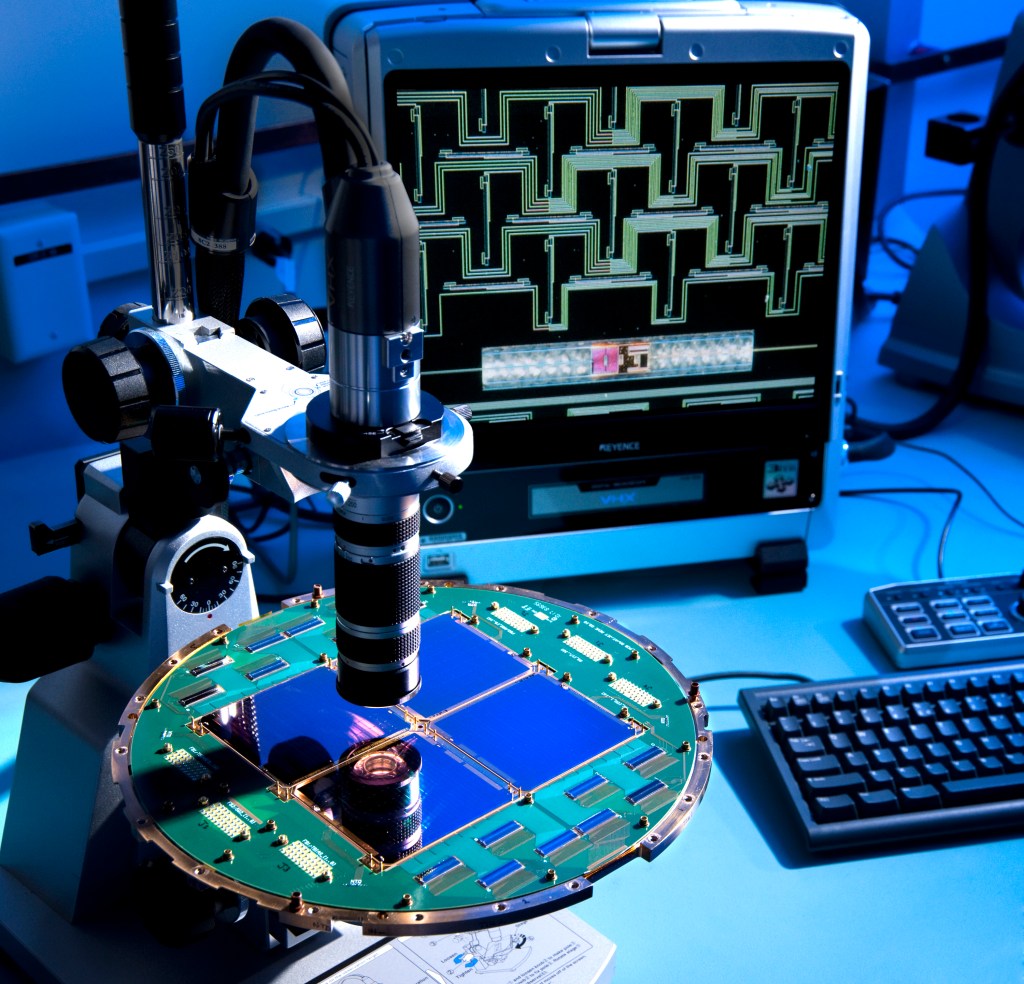
Next-Generation Propulsion Systems
We design, develop, and test electric propulsion systems that range from high-power thrusters to precision micro-thrusters. This effort is led by JPL’s Electric Propulsion Laboratory. Along with several specialized vacuum chambers, the facility includes the National Direct-Drive Testbed, which enables testing of novel direct-drive systems with the potential to deliver tremendous mass and cost savings for high-power electric propulsion missions.
Work with us
Quantum Instruments & Experimentation
We build systems that harness the quantum behavior of near-absolute-zero atoms and individual particles to unlock insights into fundamental physics and develop ultra-precise atomic clocks, atom-interferometer gravity sensors, and other precision tools. Our broader quantum work spans quantum detectors, quantum communication, and advanced sensors such as vector magnetometers, collectively advancing the precision of timekeeping, navigation, and gravity measurement.
Work with us
Mechanical & Control Systems
Our teams ensure mission success by thorough planning, testing, modeling, assembly, and monitoring throughout its lifespan, from concept to completion, whether it’s the smallest tech demo or the most ambitious flagship endeavor. Their efforts to verify and validate every aspect of every element of a spacecraft have led to the continued success and longevity of mission after mission from JPL. They fabricate the electronics and cables that snake through every machine, delivering signals and commands. They design, develop, and deliver structures for upcoming ventures, like landing gear for the MoonFall drones, or the aerial release platform and cape-like radar antennas for the SkyFall Mars helicopters. They figure how to flawlessly extend 30+-foot booms crucial to the NISAR and SWOT satellites while in orbit. They use craft and creativity to turn out flight-ready technology, such as repurposing the JPL-designed open-source F Prime software, originally meant for CubeSats, to enable the Ingenuity Mars Helicopter to become the first aircraft flown on another planet. They transform dreams and designs into flight-ready hardware and software.
Work with us
Passive Microwave Radiometers
Passive microwave radiometers uniquely tell us about physical processes taking place within Earth’s ocean, atmosphere, and ice from the vantage of space. JPL builds novel radiometer systems designed to answer ever more challenging scientific questions as our understanding of these inter-connected Earth spheres grows. We develop new component technologies, such as amplifiers, spectrometers, and antennas when they don’t exist commercially. We build systems ranging from single-pixel sensors to large imaging arrays. We specialize in sensor calibration both before and after the sensors are in space. If you want to harness the power of microwave radiometers for understanding the solar system, JPL is the place to go first. We’ve built specially designed radiometers that have operated in the harsh environments of Jupiter, Venus, and the surface of the Moon, peering deep into these bodies.
Work with us
Active Radar Systems
Radar systems uniquely enable the study of planetary surfaces, oceans, and atmospheres, regardless of darkness, dust, or other concealments, and JPL has long pioneered these systems — from Seasat’s first global radar observations of Earth’s ocean to Cassini’s first images of Titan’s liquid lakes. More recent systems, including SWOT, NISAR, RainCube, MARSIS, and REASON, continue this legacy by opening new windows onto Earth and other planets. JPL has deep expertise in developing RF and millimeter-wave radar systems across a broad range of architectures, including SAR, InSAR, TomoSAR, scatterometers, sounders, altimeters, and atmospheric radars. We develop technologies and systems for ground, airborne, and spaceborne platforms, addressing science and strategic needs. Our expertise spans the entire lifecycle of a radar system, from development, through integration and test, to data processing and scientific analysis. When searching for a partner to develop radar for once-impossible measurements, ping JPL first.
Work with us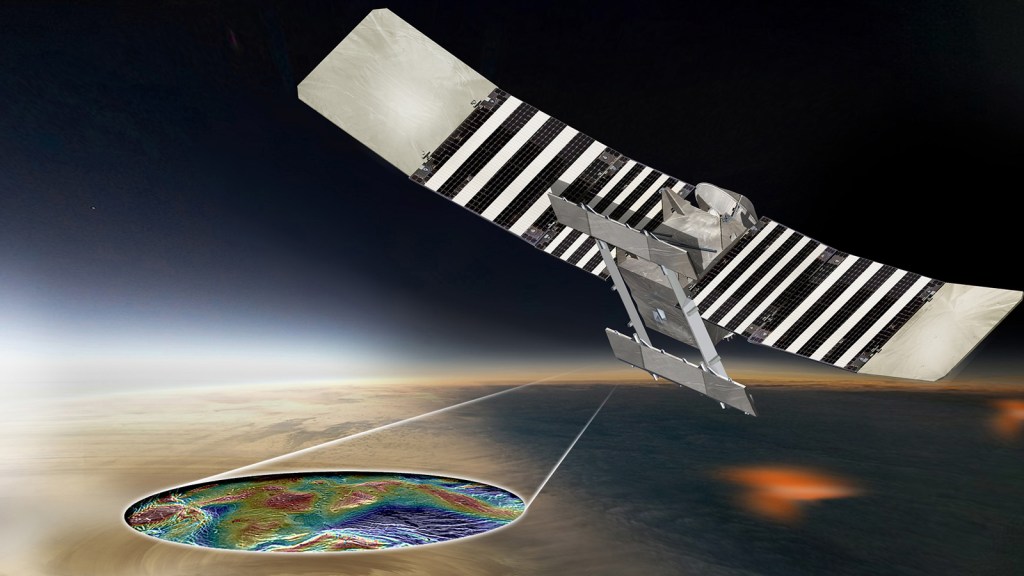
Contact Us
At JPL we’re engineering the impossible, transforming setbacks into breakthroughs and crafting improbable solutions with agility and ingenuity — that’s been our specialty since 1936. What others are dreaming, we’ve already done. What do you have in mind? We’ll help turn it into reality.
Get in touch