














Work With JPL
Areas of Expertise
Our core competencies are wide-ranging and far-reaching, because that’s where our determination, innovation, and creativity have carried us for 90 years and counting.
Robotics & Space Exploration
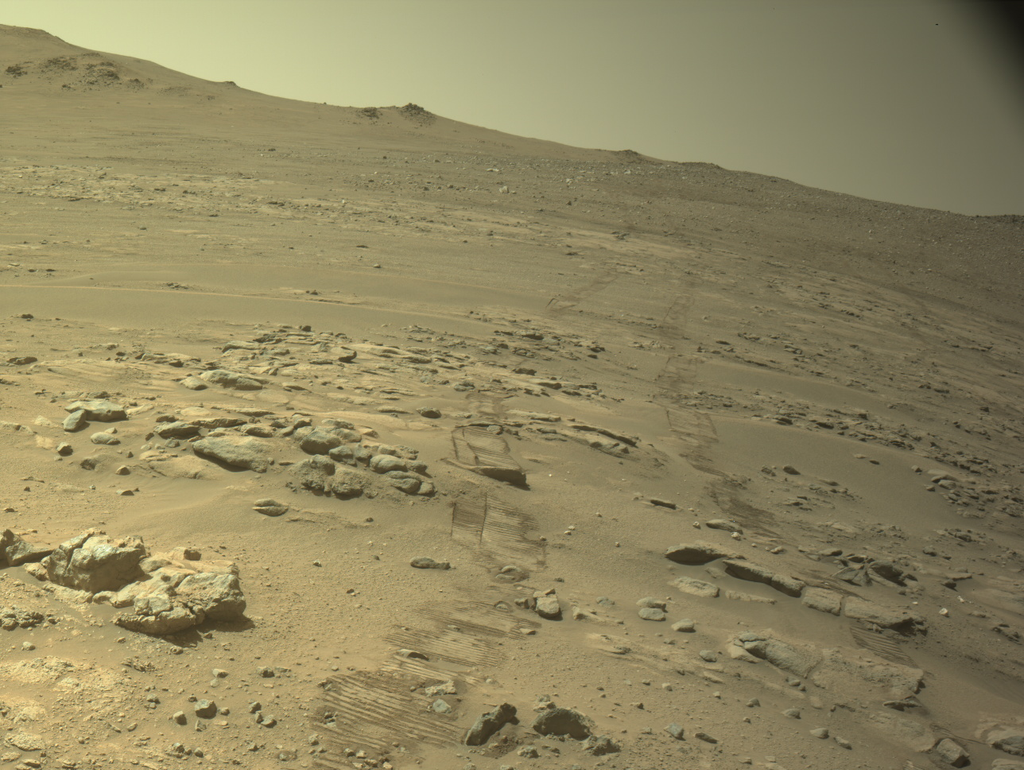
From the Voyager probes, the only human-made objects to reach interstellar space, to more than a dozen Earth-observing satellites, JPL spacecraft are exploring the cosmos near and far, from mapping surface water on our home planet to examining the gas, dust, and other materials that exist in the space between stars. JPL continues building on a record of space exploration unmatched by any other nation in the world. Starting with Explorer 1, the United States’ first satellite in space, through the Ingenuity Mars Helicopter, the first powered aircraft on another planet, our missions have flown to every planet and the Sun in a quest to understand our place in the universe, and to enrich life here on Earth.
Work with us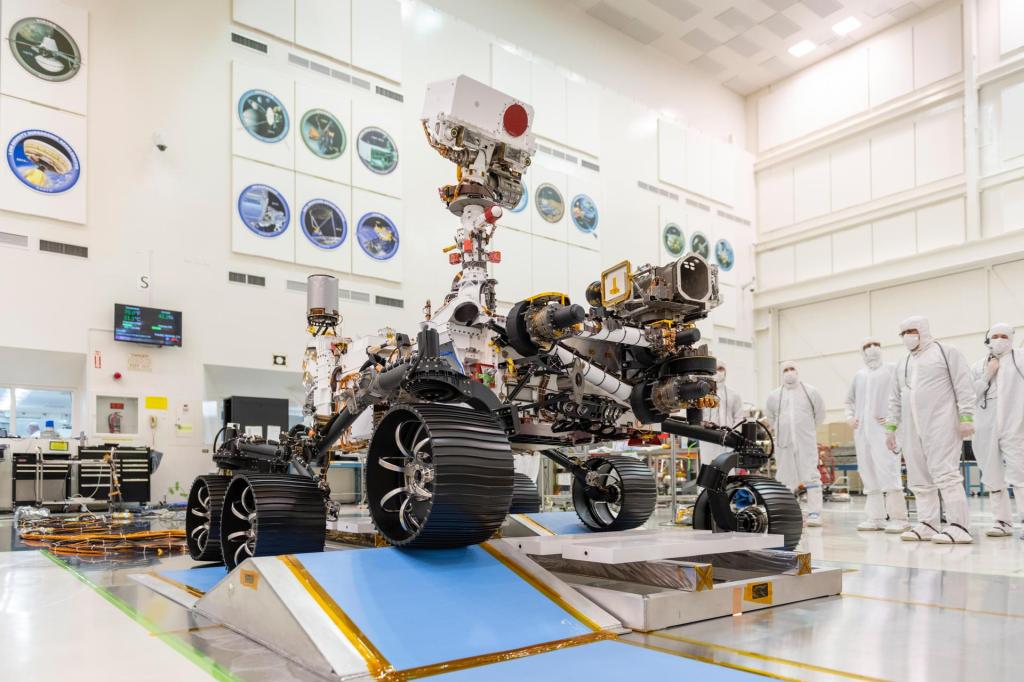
Microdevices & Sensors
Our Microdevices Laboratory invents and delivers novel devices and unique technologies, revolutionizing space science and making life better and safer on Earth. MDL has produced seminal contributions to the microdevice technology revolution and provides end-to-end support of design, fabrication, and characterization of advanced components and sensors. In fields such as submillimeter wave technology, advanced detectors and nanomaterials, superconducting materials and devices, flight imaging systems and packaging, advanced microsensors and microsystems, mass spectrometry, chemical analysis and life detection, photonics, and quantum sensors, MDL delivers for NASA, supports other agencies, and partners with industry — collaborating, licensing, and transferring technology.
Work with us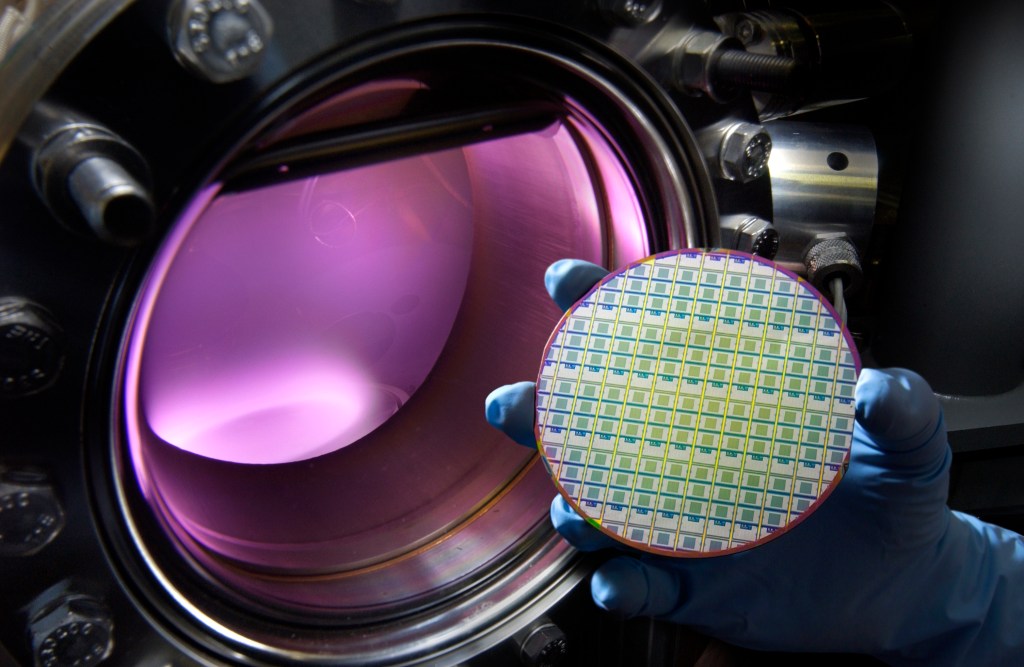
National Security Space
JPL’s roots as Caltech researchers supporting the U.S. Army Air Corps date back before World War II and the formation of NASA. Multiple times over the decades since its founding in 1936, JPL has fielded new and consequential capabilities for national security while challenging conventional wisdom on the feasibility of key technologies. As one of the nation’s few FFRDCs with full-lifecycle capacity in the development of large, first-of-a-kind space systems, JPL is uniquely positioned to bridge investments made by NASA with the rapid evolution of the U.S. aerospace industry, driving down acquisition costs while augmenting industrial prowess. It combines historical strengths in robotic systems, remote sensing, deep-space navigation and communications, and systems engineering with expertise in cutting-edge nanotechnology, quantum sensing, and AI-driven autonomy in service of the nation’s strategic interests. With a large cadre of technical and support staff cleared for national-security programs, combined with facilities to handle a wide range of systems development for a diverse U.S. government customer base, JPL seeks partnerships of importance to the nation while enriching NASA’s technological and human capital.
Work with us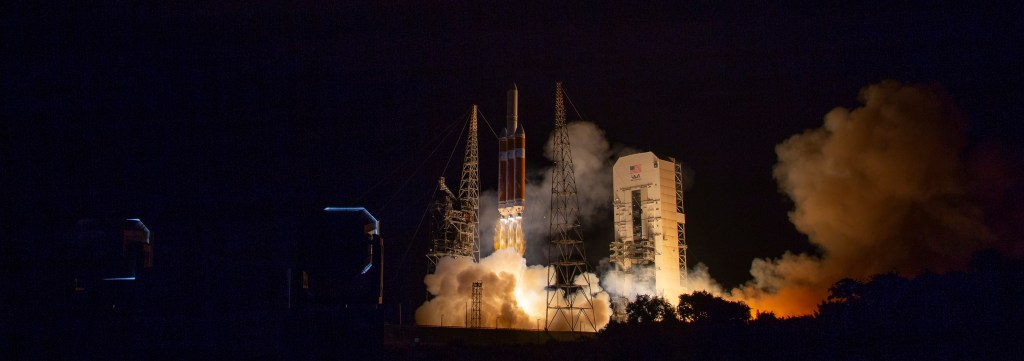
Modeling & Simulations
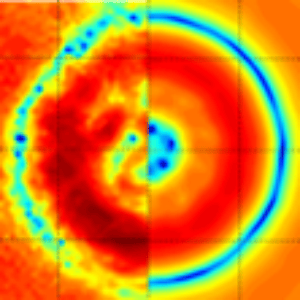
Our powerful modeling and simulations can guide designs, to reduce or even avert costly “trial-and-error” tests, help discover or identify unknown physics that may lead to breakthrough capabilities, and reduce qualification costs by verifying performance and capabilities that would be prohibitively expensive to demonstrate by conventional means. JPL’s Dynamics And Real-Time Simulation Laboratory (DARTS) develops advanced high-fidelity, multi-mission modeling and simulation tools. Its capabilities have been widely used by missions including Galileo, Cassini, Deep Space 1, Stardust, Mars Exploration Rover, Phoenix, the Curiosity Mars rover, the InSight Mars lander, the Perseverance Mars rover, Ingenuity Mars Helicopter, and NASA’s Artemis program. Its simulations inform technology development in areas including ground vehicles, robotics, aero-capture, rotorcraft, planetary balloons, autonomous sampling, and molecular dynamics research.
Work with us
Testing & Flight Qualifying
When only real-world, real-time testing will do, JPL can help with wide-ranging facilities to put technology and equipment of almost any size through almost any situation. JPL maintains several vacuum facilities for evaluating operations, performance, and lifetime, with chambers ranging from small bell jars to the large 3-meter-by-10-meter Owens Test Facility, used for high-power electric propulsion thruster testing. Simulate a launch with random vibration and shock testing. Deep-freeze or bake your product, with thermal vacuum testing in several facilities that can reach temperatures from minus-120 degrees Celsius to more than 450 degrees Celsius. Other spaces include a 420 square-foot clean room for test and flight hardware, and the only large-volume vacuum facility in the nation capable of testing high-power, liquid-metal fueled thrusters. Our facilities and personnel are available to support project development in government, academia, and industry.
Work with us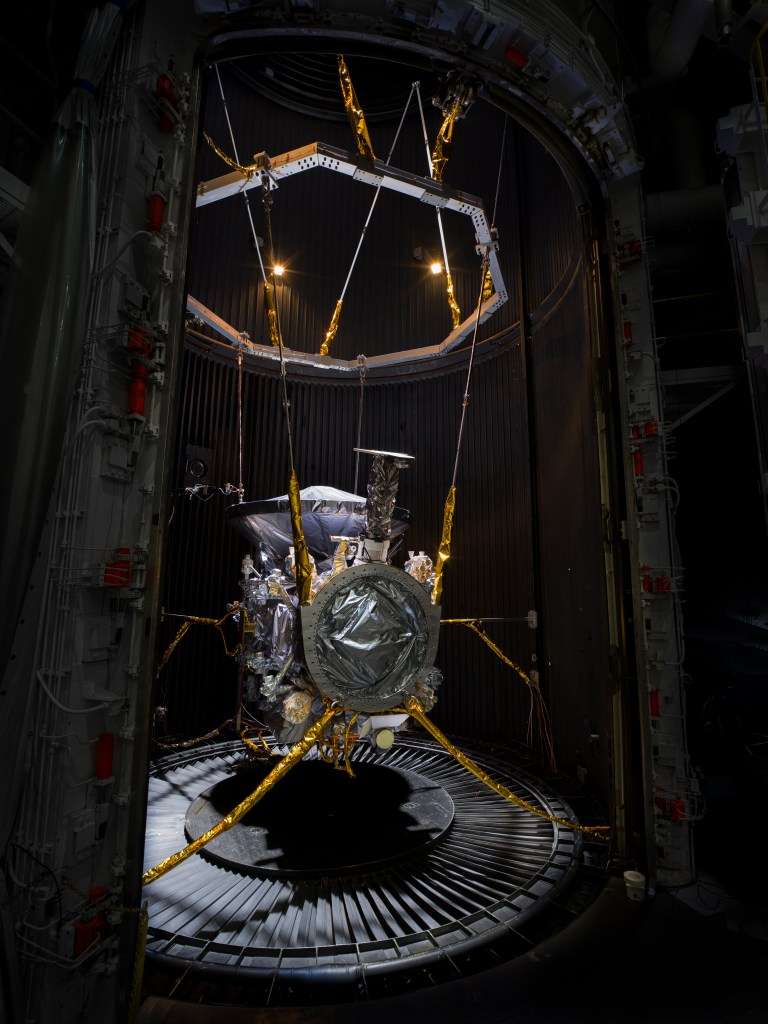
Fundamental Science Research
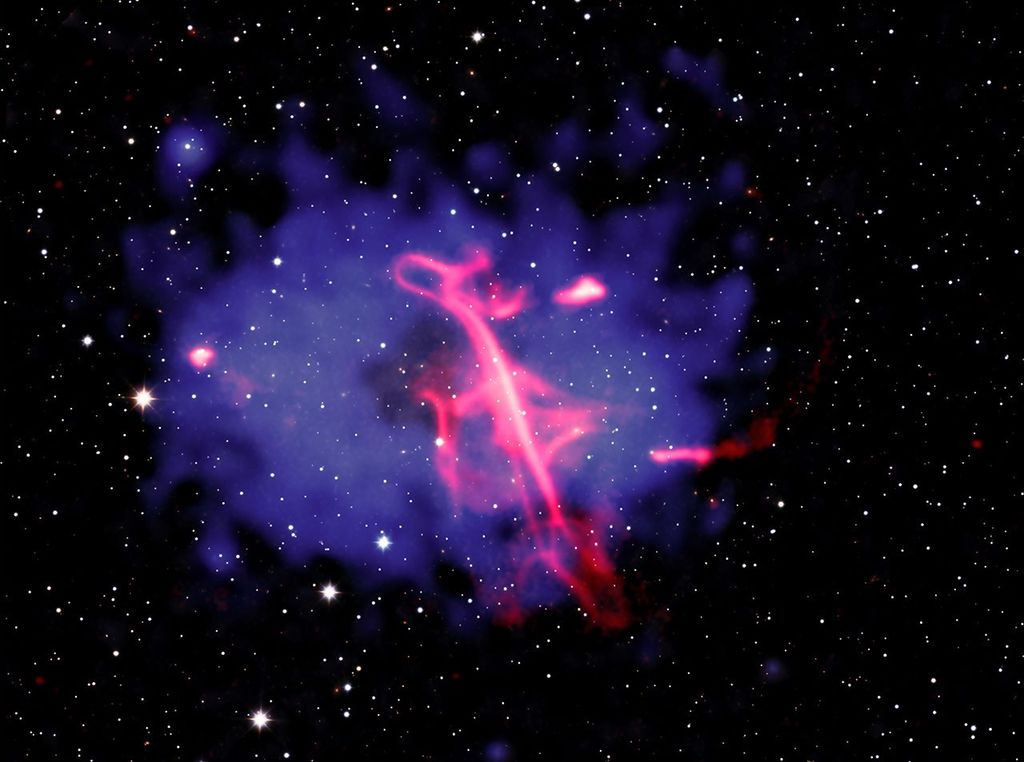
JPL launched humanity’s first science investigation into space with the Explorer satellite in 1957. Ever since, we’ve continued to push boundaries and probe for answers to the toughest questions — on Earth, in orbit, and out to the farthest reaches of the universe. JPL scientists researching harmful algal blooms in waters off Florida and California have developed AI tools to help them predict and pinpoint these events that can poison sea life and cause respiratory damage to humans. In its first six months, the JPL-managed SPHEREx observatory captured its first full-sky map, gathering data that will help scientists learn how galaxies have changed and the ingredients for life scattered across the 14-billion-year history of the universe. And the JPL-led science teams for the Curiosity and Perseverance Mars rovers have uncovered complex organic molecules and “potential biosignatures,” tantalizing hints that ancient microbial life might have once existed on the Red Planet. From protecting life and health on Earth, to unlocking mysteries about the formation and history of the universe, to decoding clues about whether life has ever existed anywhere else, JPL teams are working toward answers for the hardest problems and biggest questions in science.
Work with us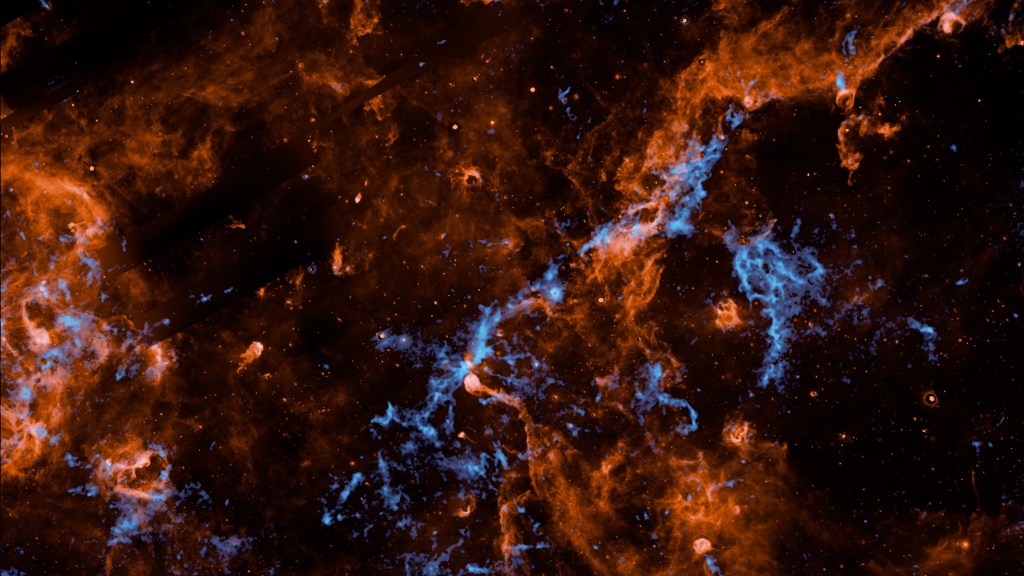
Space Computing & Communications
Building on its legacy managing NASA’s unmatched Deep Space Network communications system, JPL has pioneered the next great advance in mission messaging. Its demonstration of the Deep Space Optical Network proved the capability of laser light to carry vastly greater volumes of data and communications than traditional radio signals could between Earth and outer space missions. Also, a JPL-led team developed High Performance Spaceflight Computing processors, capable of providing up to 500 times the computational capacity of current spaceflight computers. They’re built to endure extreme radiation and other challenges in space, while handling spacecraft navigation, communications, power management, scientific instruments, and autonomous operations.
Work with us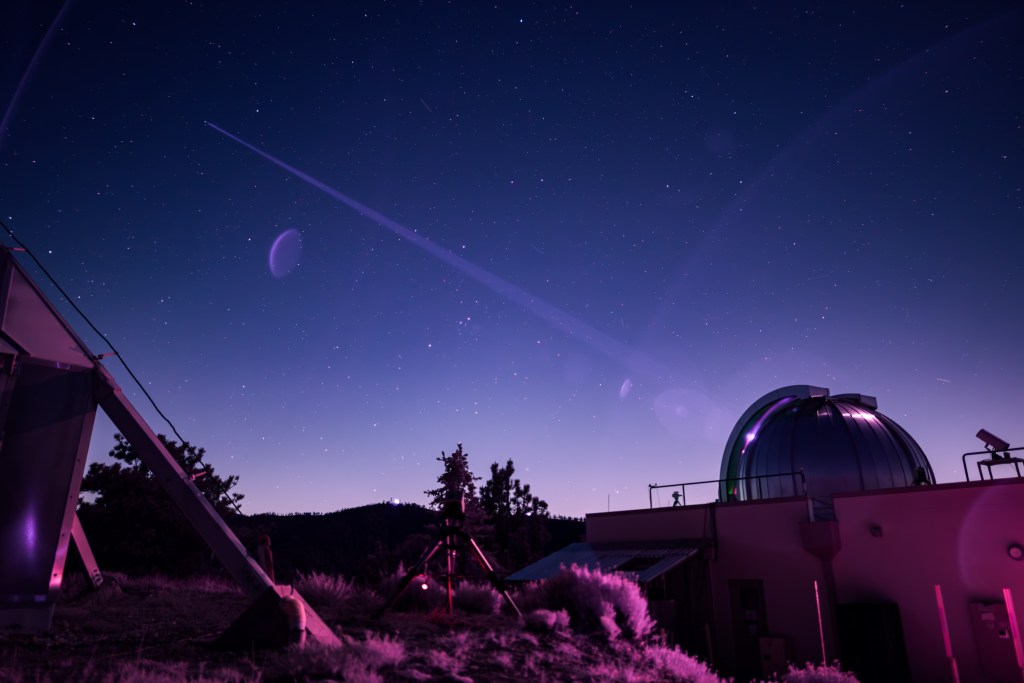
Breakthrough Solutions
An obstacle arises, a crisis looms. Others will turn back or try to go around. We dive in and work toward a solution. A faulty mirror turned Hubble Space Telescope images blurry; JPL created a fix that enabled its revolutionary views of the cosmos. The COVID-19 pandemic overwhelmed hospitals, suddenly desperately short of vital medical equipment; JPL engineers, in 37 days, created a simple, affordable ventilator and offered the license free to manufacturers worldwide to meet the crisis. The Cassini mission to orbit Saturn sought an alternative to traditional heavy, bulky spacecraft cameras; JPL engineers invented the CMOS image sensor, shrinking the camera to a computer chip. CMOS wasn’t chosen for Saturn, but now it’s everywhere else — it’s in your pocket (your cellphone camera). And your computer. And your doorbell. And on the Perseverance rover.
Work with us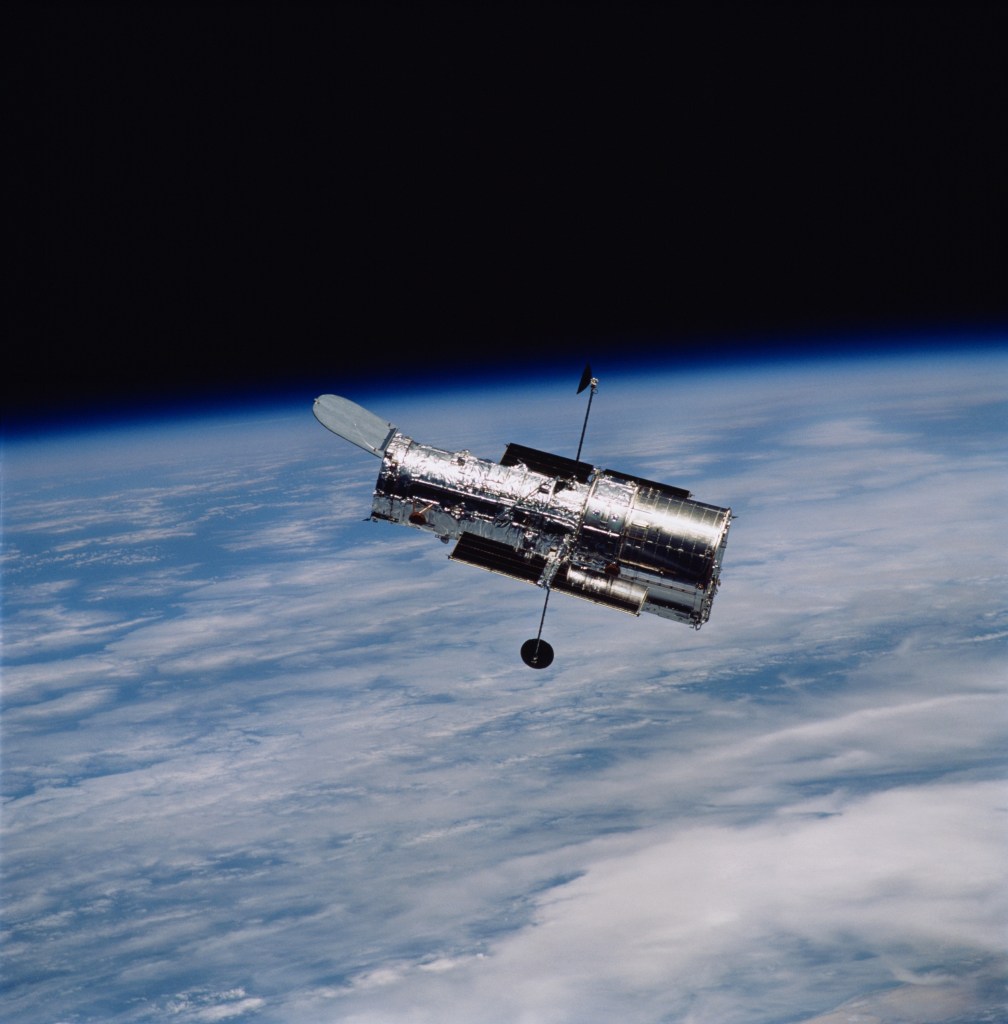
Contact Us
At JPL we’re engineering the impossible, transforming setbacks into breakthroughs and crafting improbable solutions with agility and ingenuity — that’s been our specialty since 1936. What others are dreaming, we’ve already done. What do you have in mind? We’ll help turn it into reality.
Get in touch