
















Work With JPL
The Jet Propulsion Laboratory is NASA’s center of excellence for robotics and deep-space exploration. As the agency’s only federally funded research and development center, JPL operates in the public interest with objectivity and independence, strengthening and leveraging private-sector resources to advance America’s space program and key national objectives.
Location
Southern California
founded
Oct. 31, 1936
Active Missions
40
managed by
Caltech
Areas of Expertise
Robotics & Space Exploration
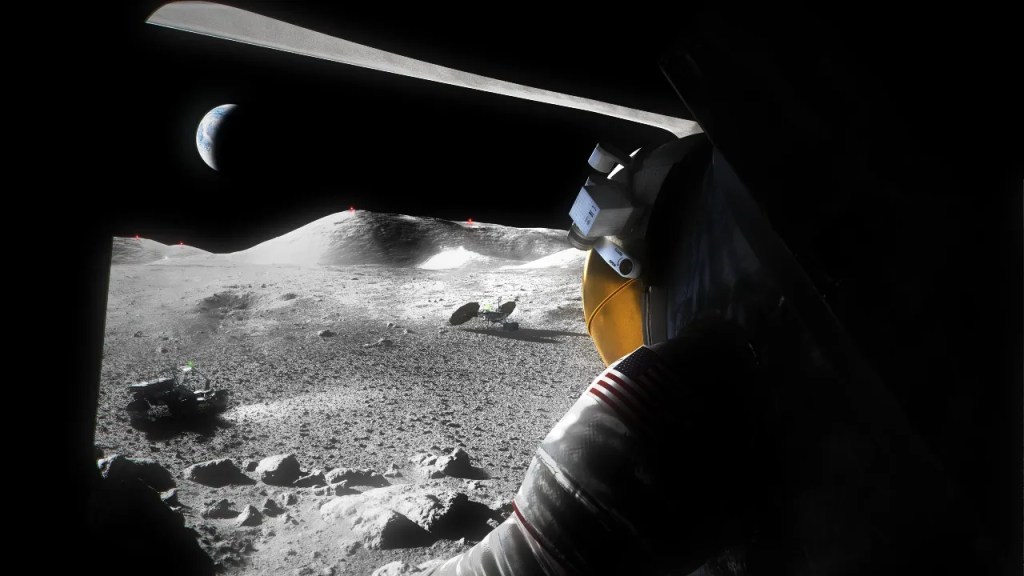
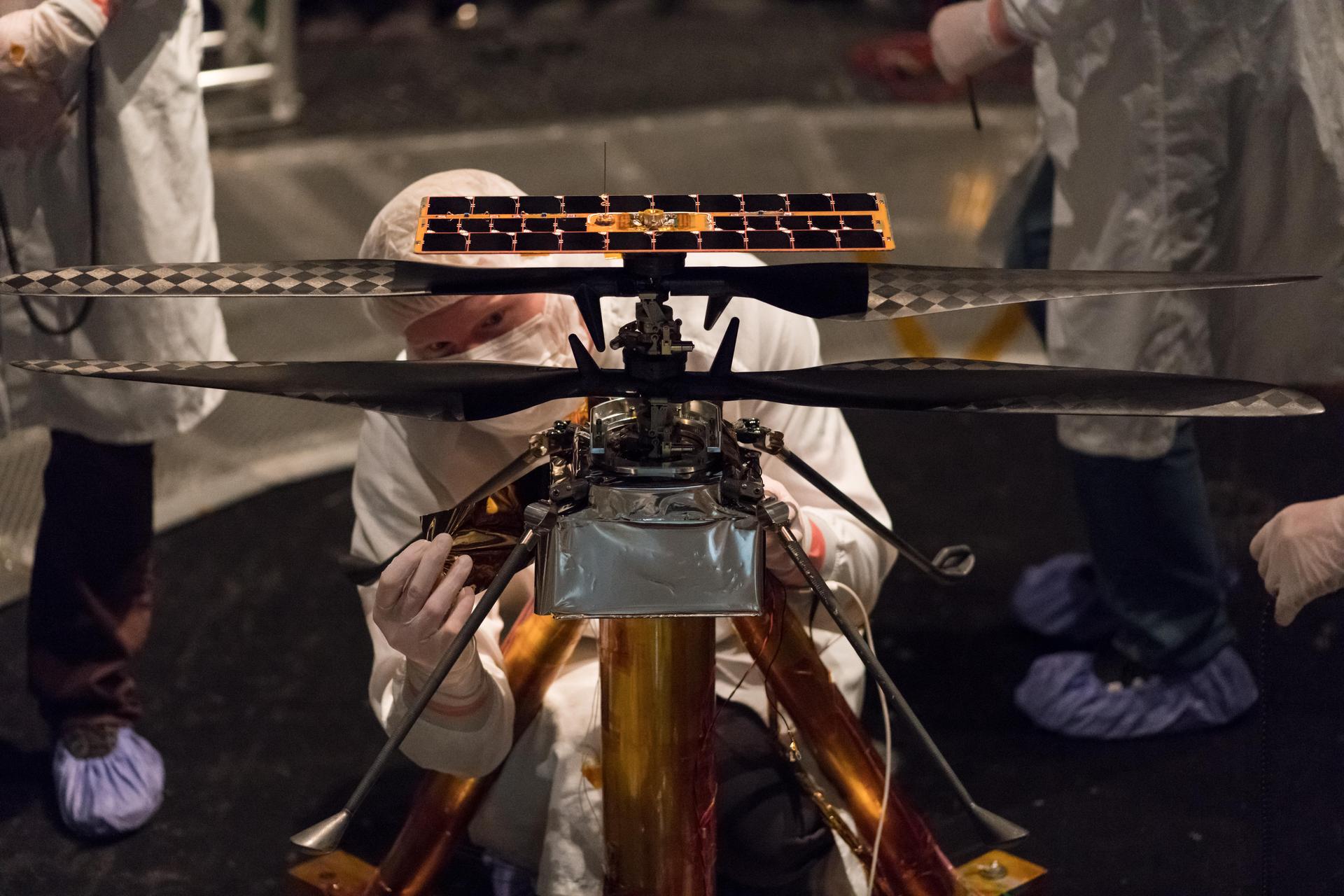
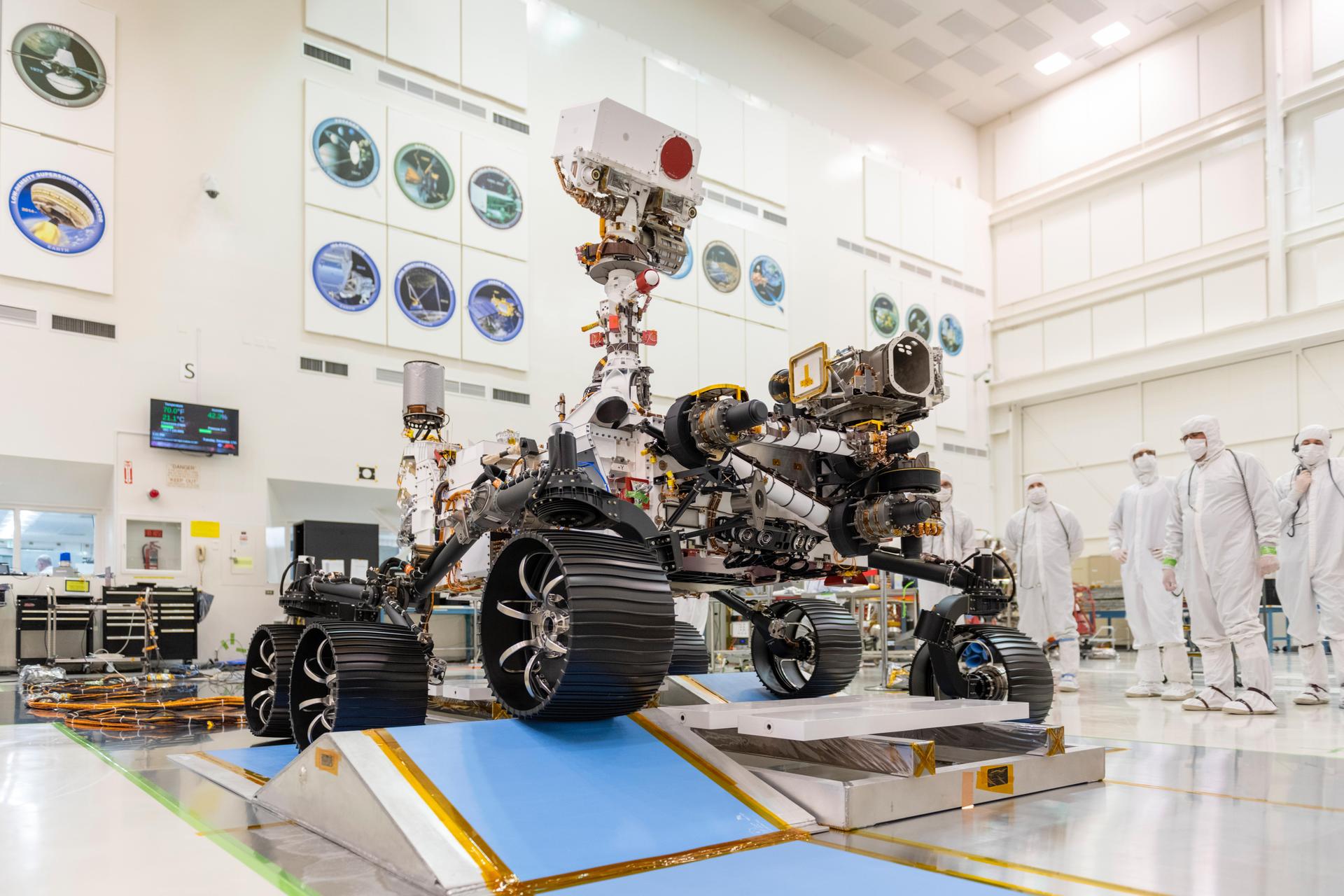
Leading scientific discovery and robotic exploration of Earth, the Moon, Mars, the farthest edges of the solar system, and beyond; building and operating rovers, probes, observatories, and more.
Microdevices & Sensors
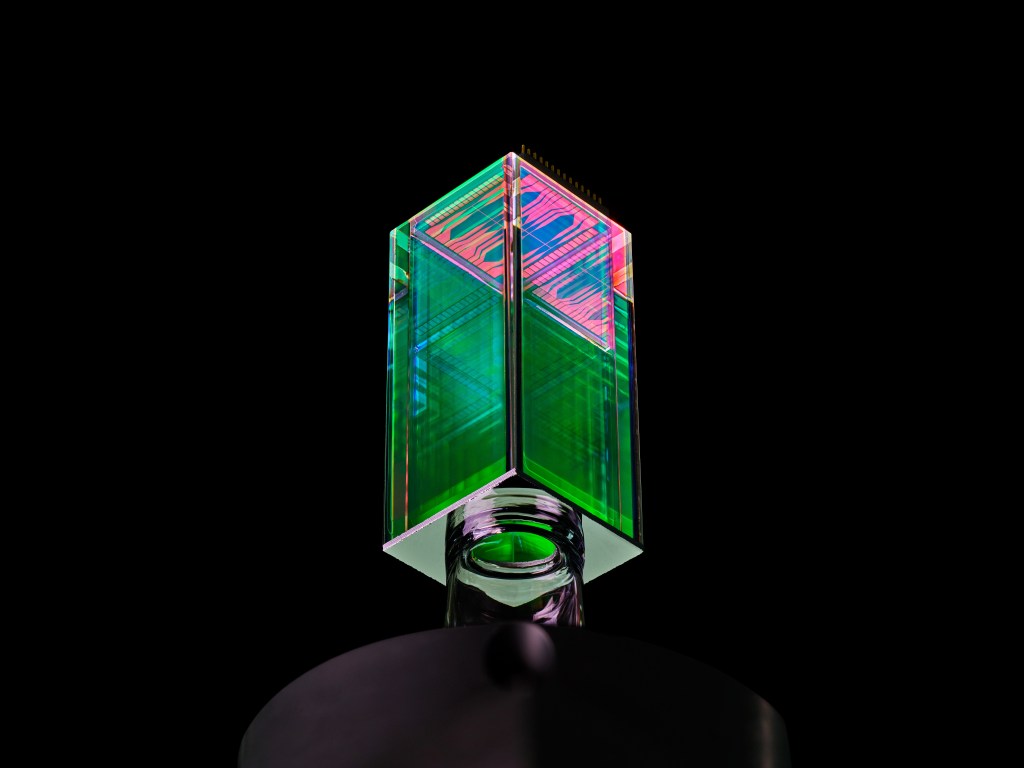
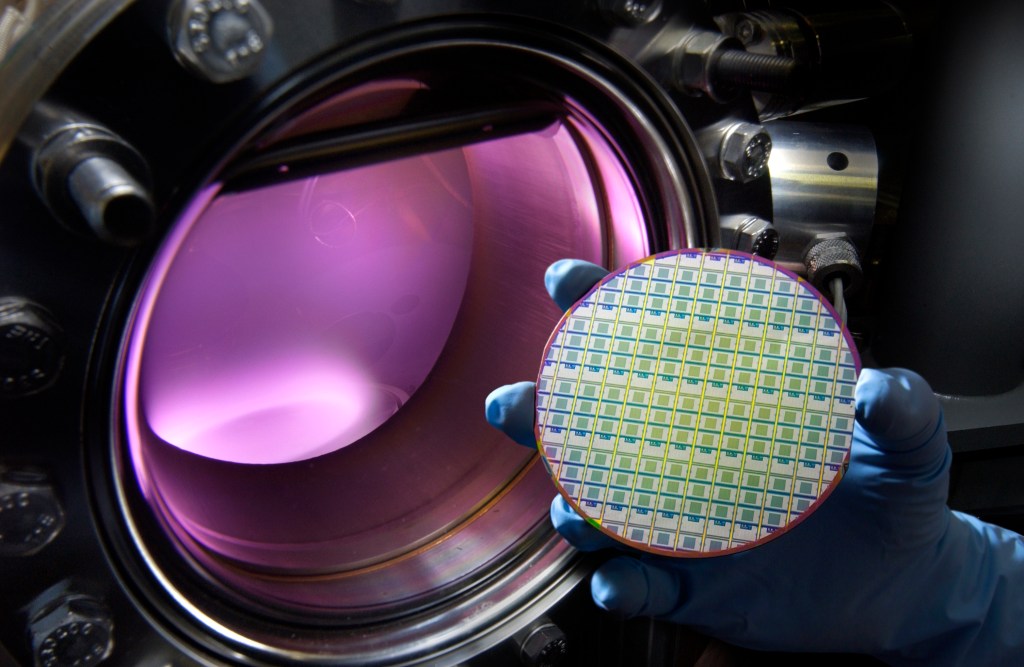
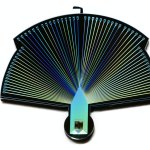
Developing a wide variety of flight-worthy microdevices and sensors that enable new science instruments and missions. These technologies make possible unique projects that revolutionize space science and make life better and safer on Earth.

National Security Space
Collaborating across the space ecosystem with industry, government, and universities to deliver technologies and capabilities that further America’s competitive advantages in all domains.
Modeling & Simulations
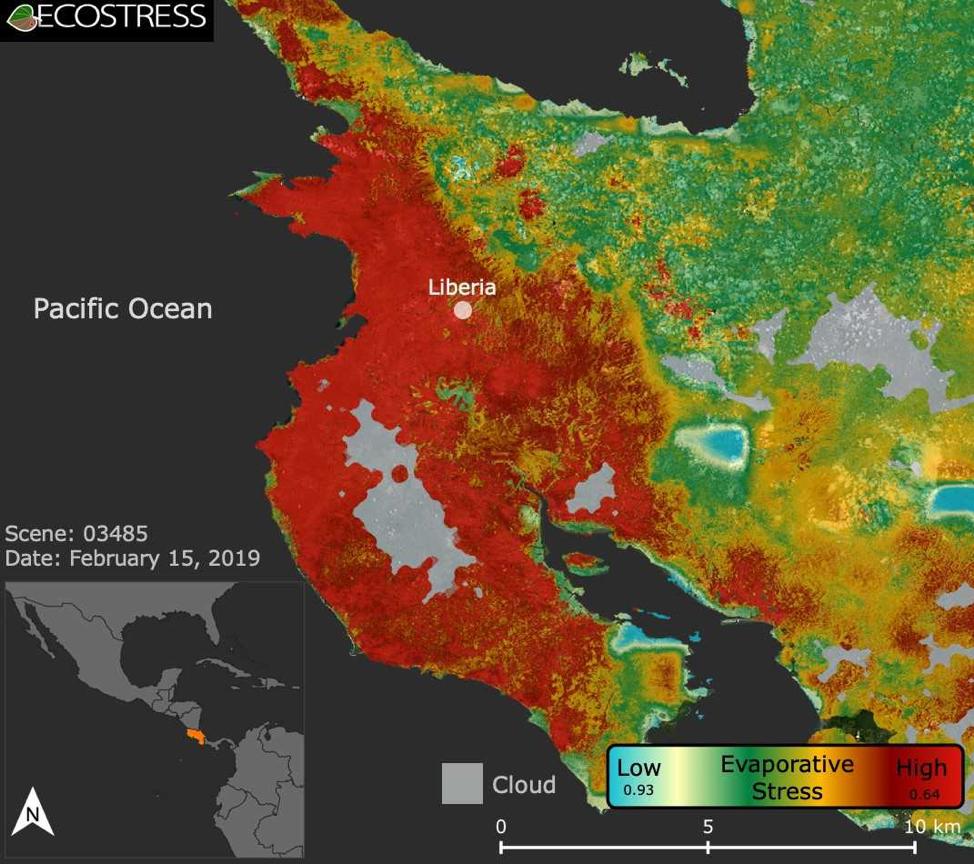
Developing and implementing world-leading, physics-based software that models, simulates, and renders digital twins on Earth, in orbit, and on other planetary bodies, maximizing science return.
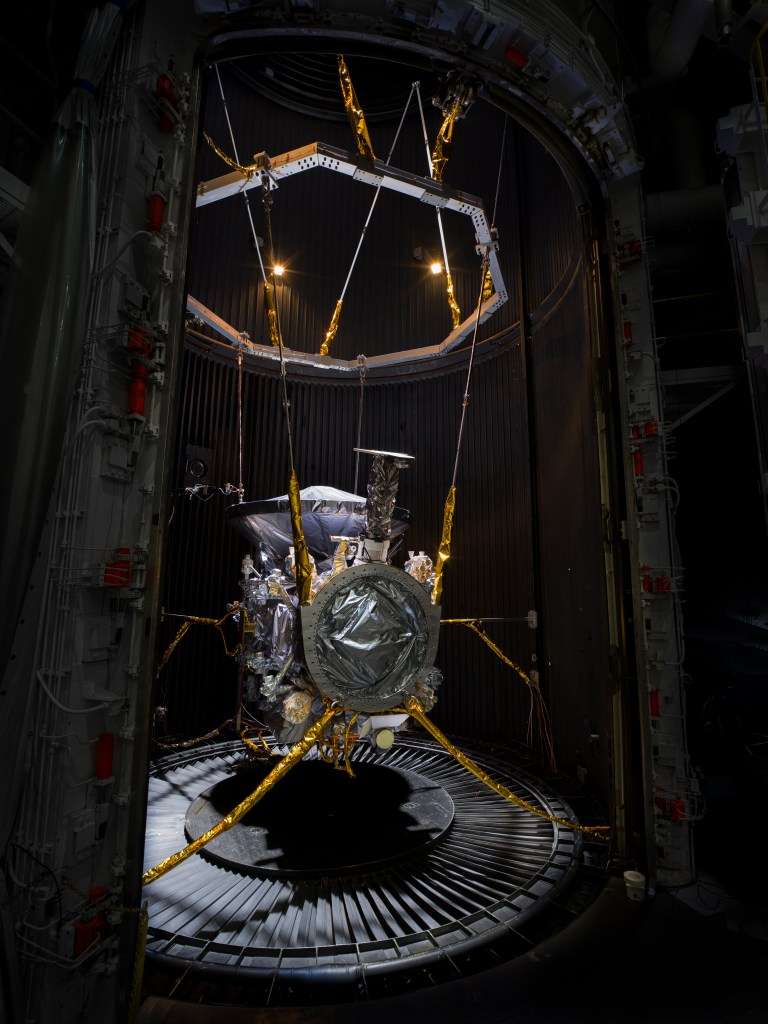
Testing & Flight Qualifying
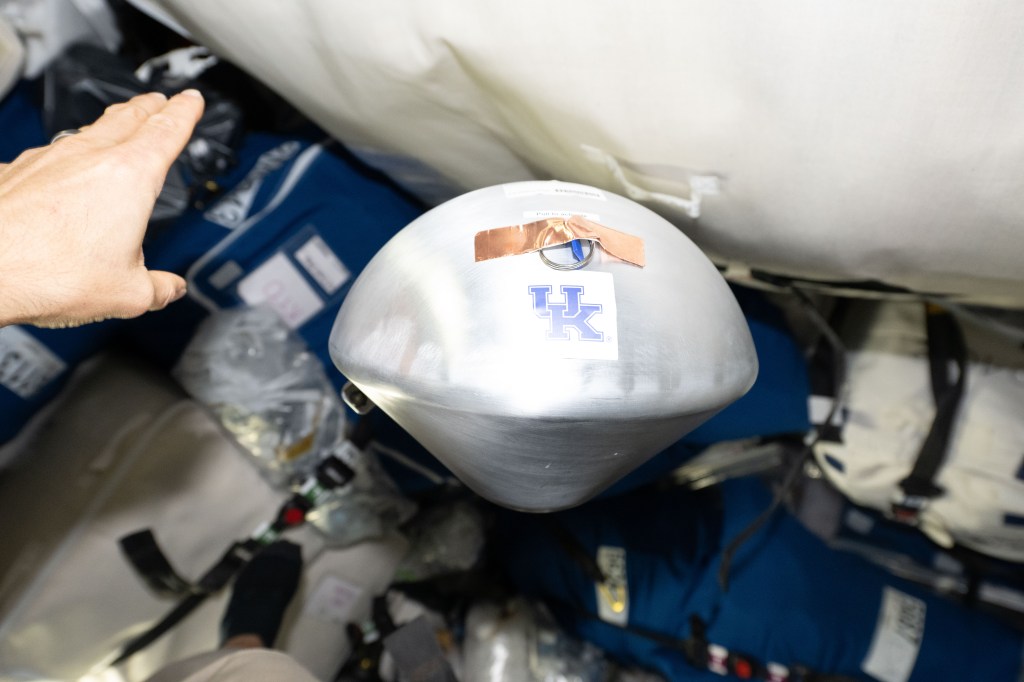
Providing advanced physical testing and flight qualification ranging from component-level analysis to integrated hardware exposure in extreme vacuum, thermal, and terrain environments.
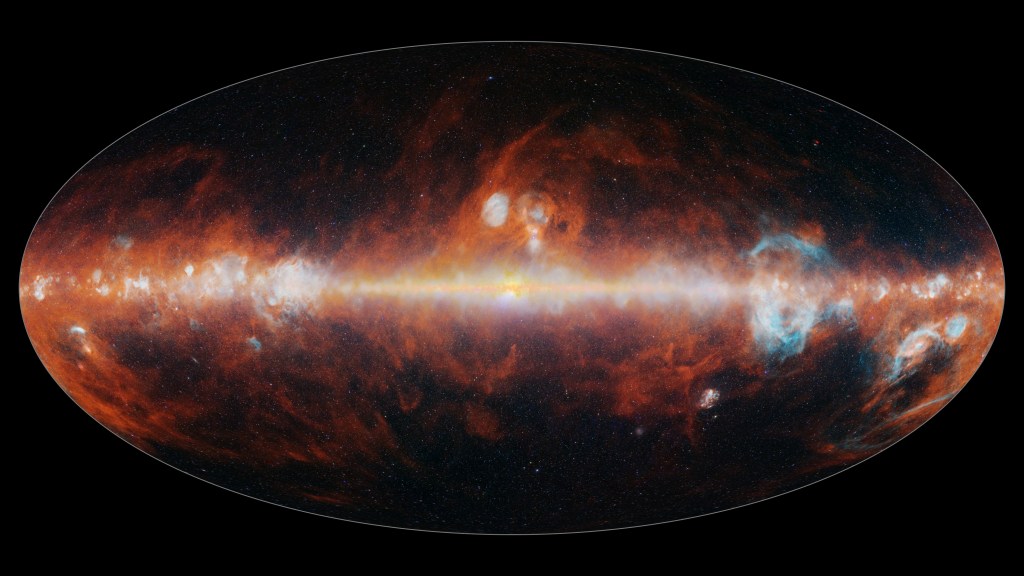
Fundamental Science Research
Pushing boundaries and probing for answers to the toughest questions — on Earth, in orbit, and out to the farthest reaches of the universe.
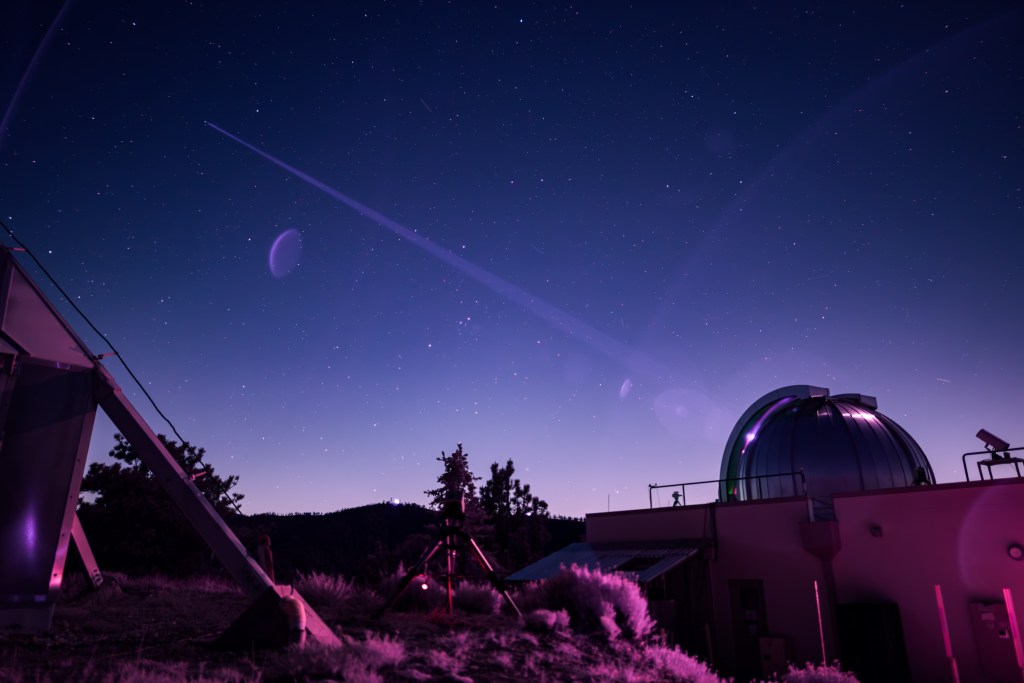
Space Computing & Communications
Trusted and time-tested heritage of communications with even the most-distant spacecraft; now lighting the way forward with laser-focused optical communications.
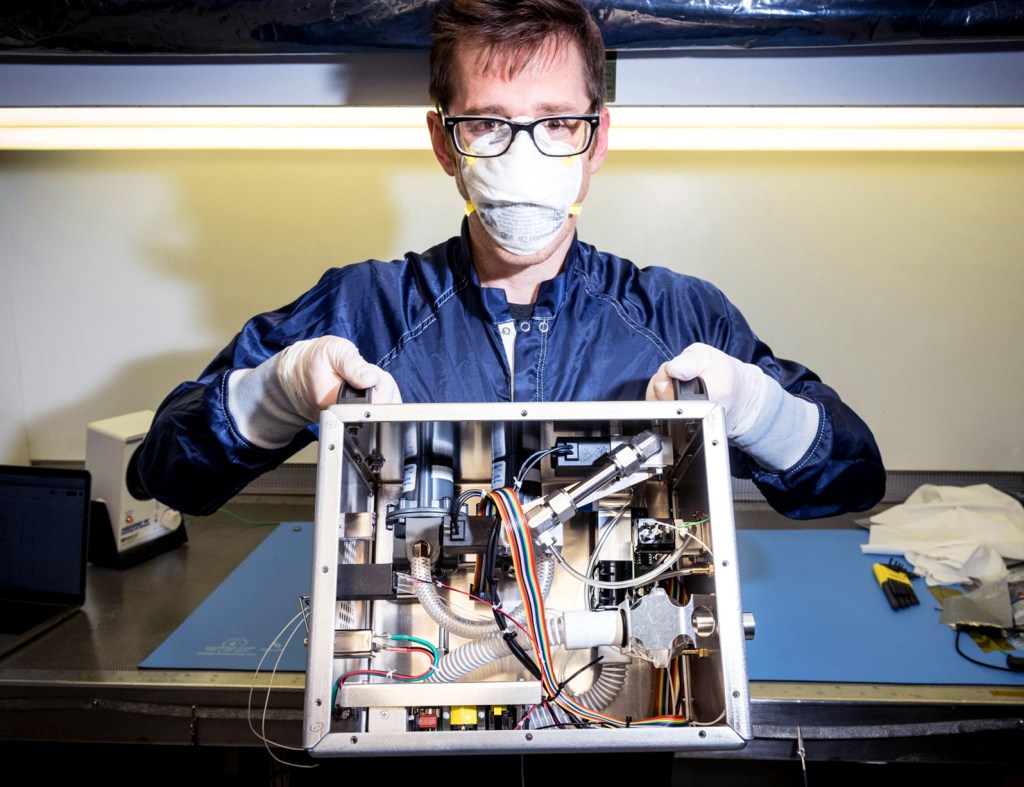
Breakthrough Solutions
Engineering bespoke capabilities at the frontiers of physics by generating novel technologies where commercial options do not yet exist.
FACILITIES
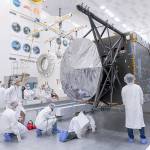
Spacecraft Assembly Facility
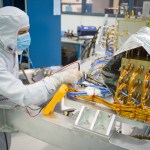
Build and integrate flight spacecraft
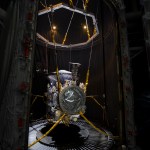
25-Foot Space Simulator
Simulate deep space to qualify hardware
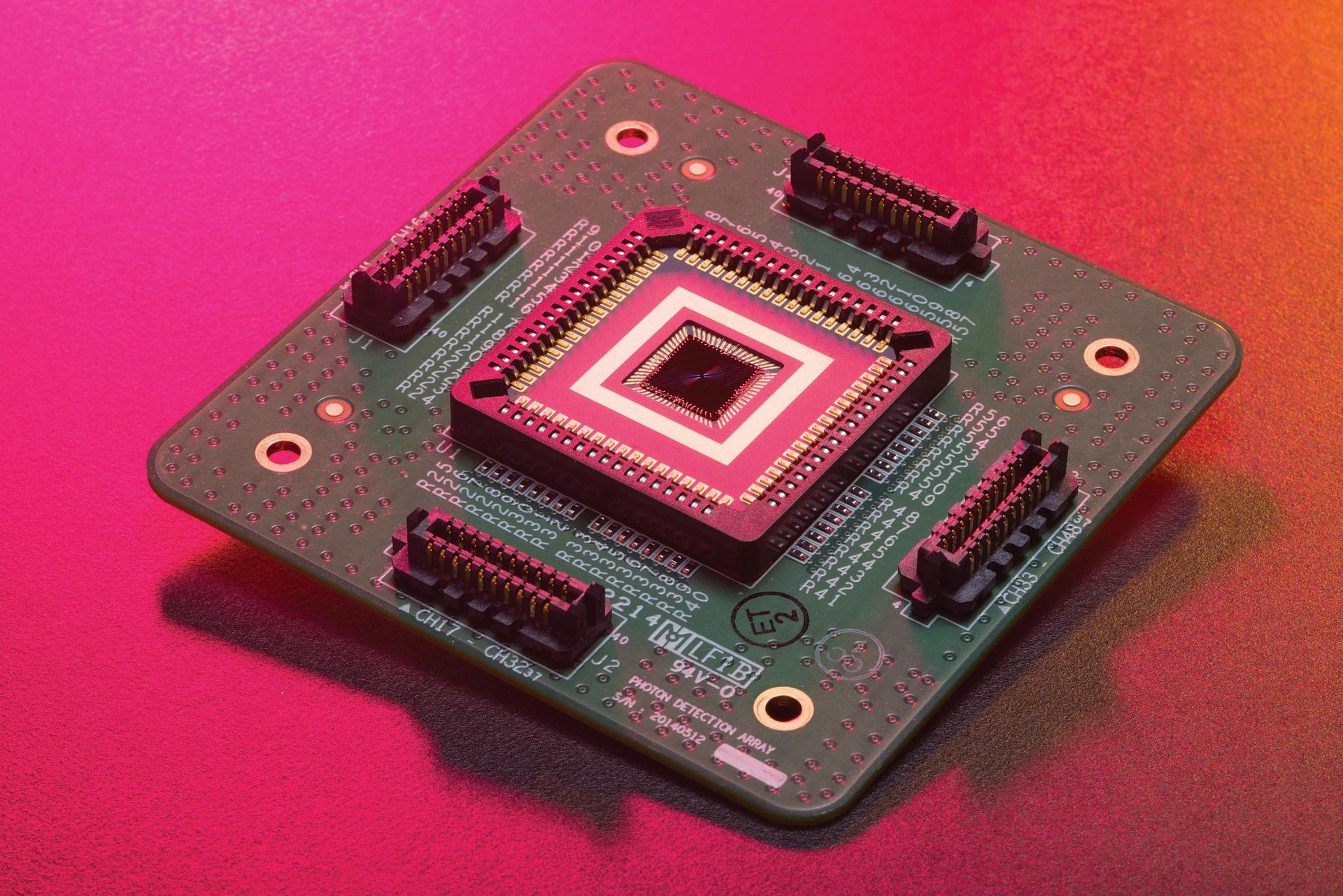
Microdevices Laboratory
Fabricate custom detectors, sensors, and lasers
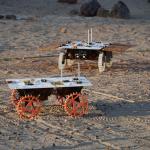
Rover Operations Center & Mars Yard
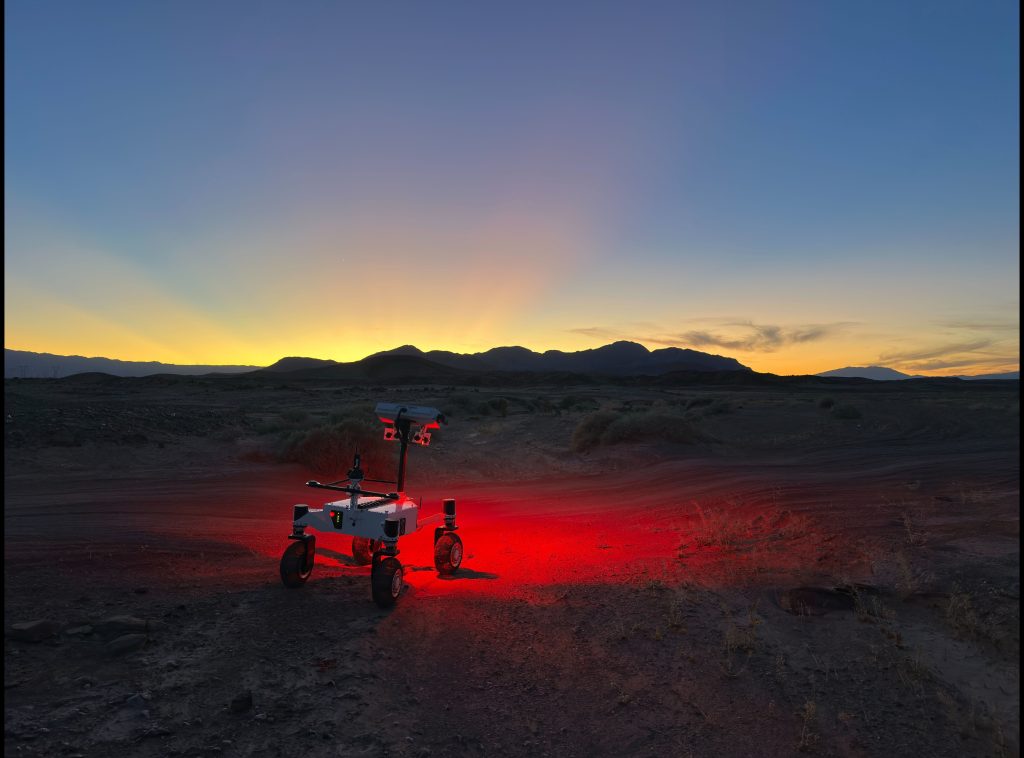
Test and operate robots on or over analog and real terrain
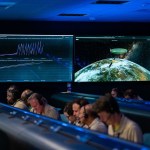
Space Flight Operations Facility
Command missions across deep space

Electric Propulsion Laboratory
Develop and test electric thrusters
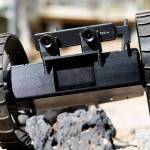
Spacecraft Autonomy Testbed
Develop autonomous guidance, navigation, and control systems
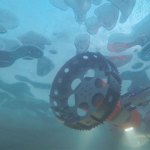
Ocean Worlds Lab
Analyzing their physics, chemistry, and potential habitability
Specialties



Contact Us
At JPL we’re engineering the impossible, transforming setbacks into breakthroughs and crafting improbable solutions with agility and ingenuity — that’s been our specialty since 1936. What others are dreaming, we’ve already done. What do you have in mind? We’ll help turn it into reality.
Get in touch