





Snow covered the ground that Tuesday morning 100 years ago, when a college professor and his wife took a morning drive to the family farm a few miles south in Auburn, Massachusetts. Along for the ride, the couple brought two work colleagues — and “Nell.”
They may not have known it at the time, but thanks to Nell, the four New Englanders were about to attend an auspicious birth.
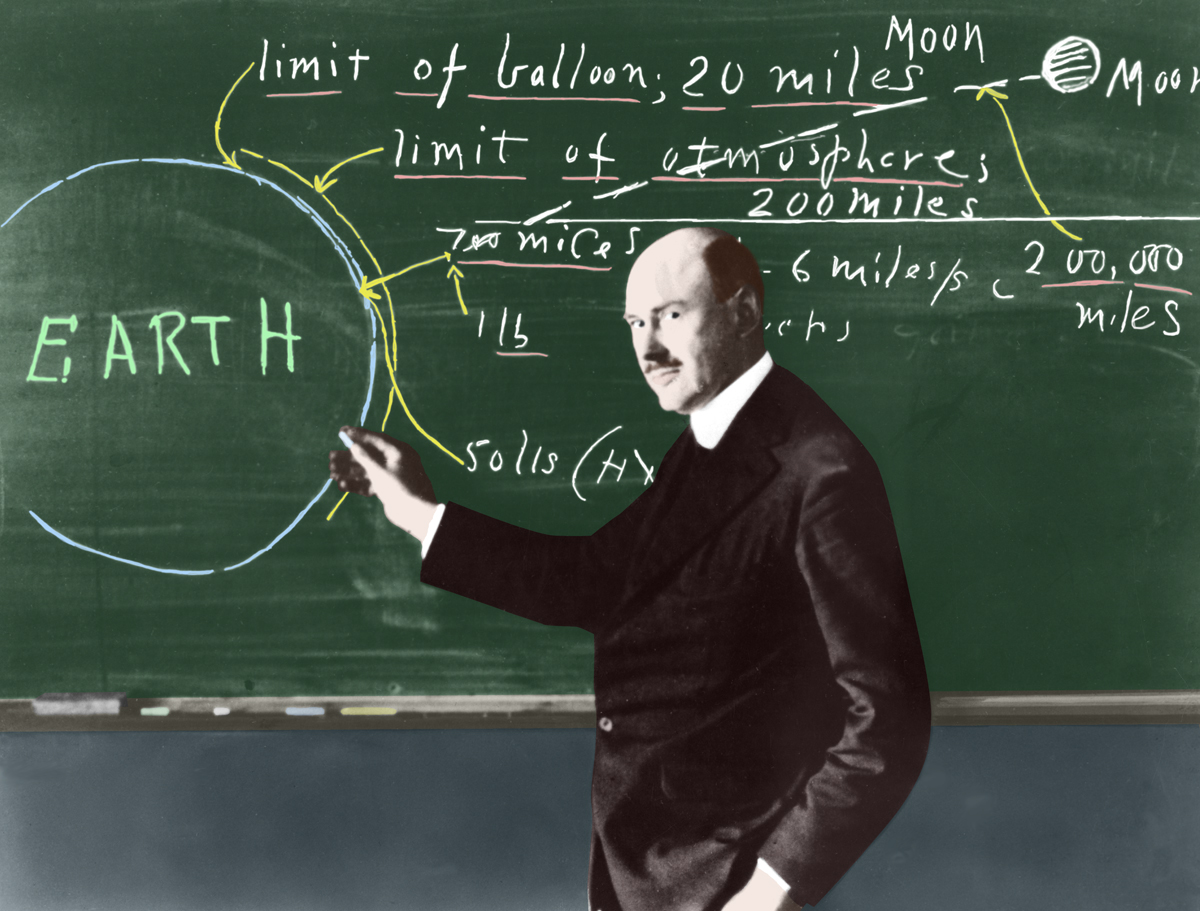
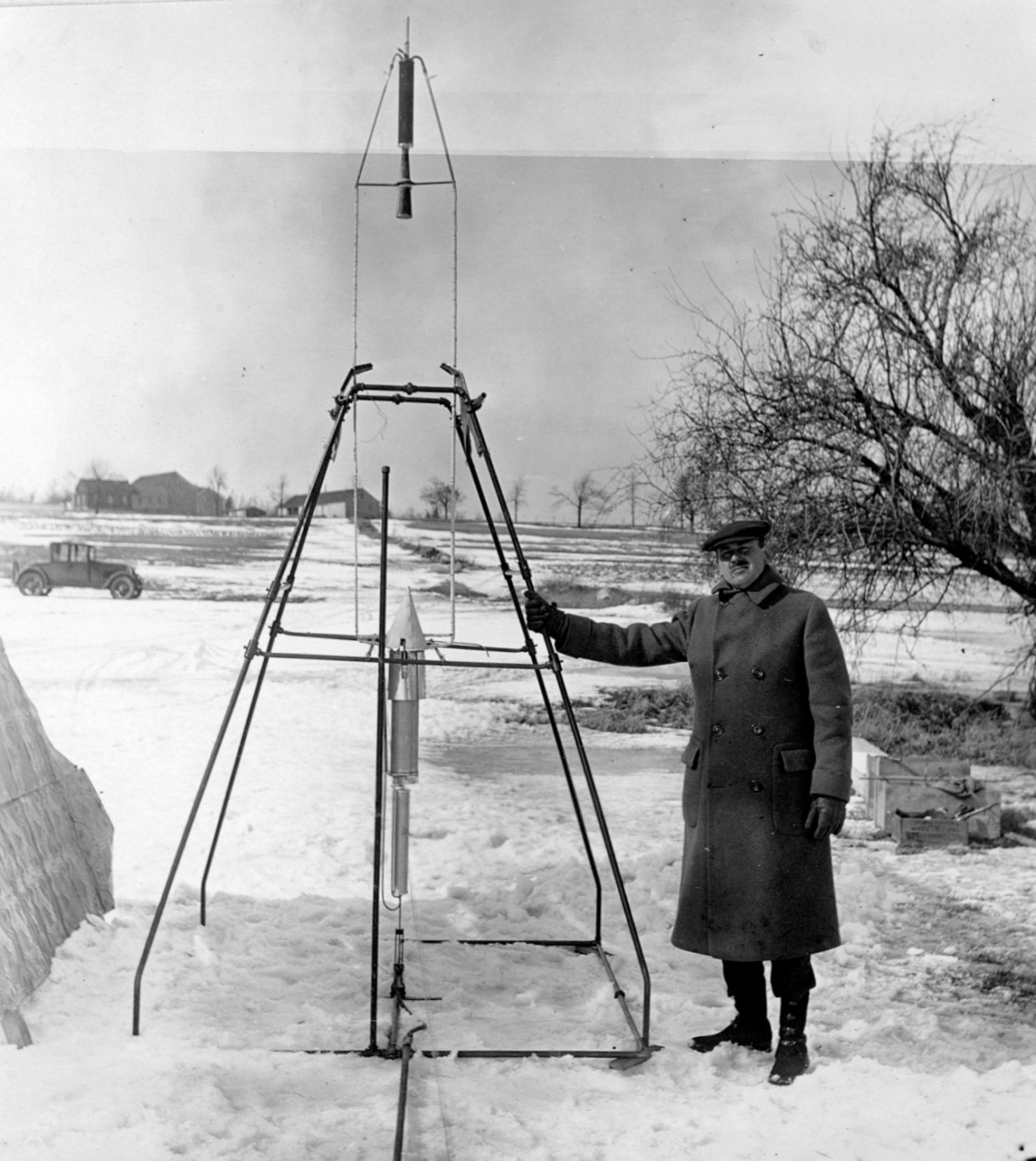
Some eleven feet tall and weighing a mere 10 pounds, Nell was a contraption of the professor’s invention. He had devised, constructed, and tested Nell methodically, incrementally, over the course of many, many years.
That snowy morning at Aunt Effie’s farm, the professor’s assistant took a blowtorch to Nell.
Moments later Nell ascended. The gangly apparatus climbed 41 feet high and landed in a cabbage patch 60 yards away. The entire journey took less than three seconds, but March 16, 1926, had just become the date of the world’s first liquid-fueled rocket flight, and Dr. Robert Goddard had just become a father of modern rocketry.
“It looked almost magical as it rose, without any appreciably greater noise or flame, as if it said, ‘I’ve been here long enough; I think I’ll be going somewhere else, if you don’t mind,’” Goddard wrote in his journal the next day.
The idea of a liquid-fueled rocket was not new. Others around the world had been pondering theory and sketching designs for years: Liquid propellant would offer greater thrust control than solid fuel, but the benefit accompanies tricky challenges, like how to pressurize and control the rate of fuel mixture. Goddard, who filled Nell up with a blend of gasoline and liquid oxygen, became the first in the world to build and successfully launch such a rocket.
Recognition was slow to arrive — ridicule came faster. In 1920, The New York Times opined that Goddard’s work in rocketry and his suggestion that such a device could reach the Moon was “a severe strain on credulity”: How could a rocket function in a vacuum with no air to push against, the newspaper accused. “Of course [Goddard] only seems to lack the knowledge ladled out daily in high schools.”
It is difficult to say what is impossible, for the dream of yesterday is the hope of today, and the reality of tomorrow.
DR. ROBERT H. Goddard
Rocketry Pioneer
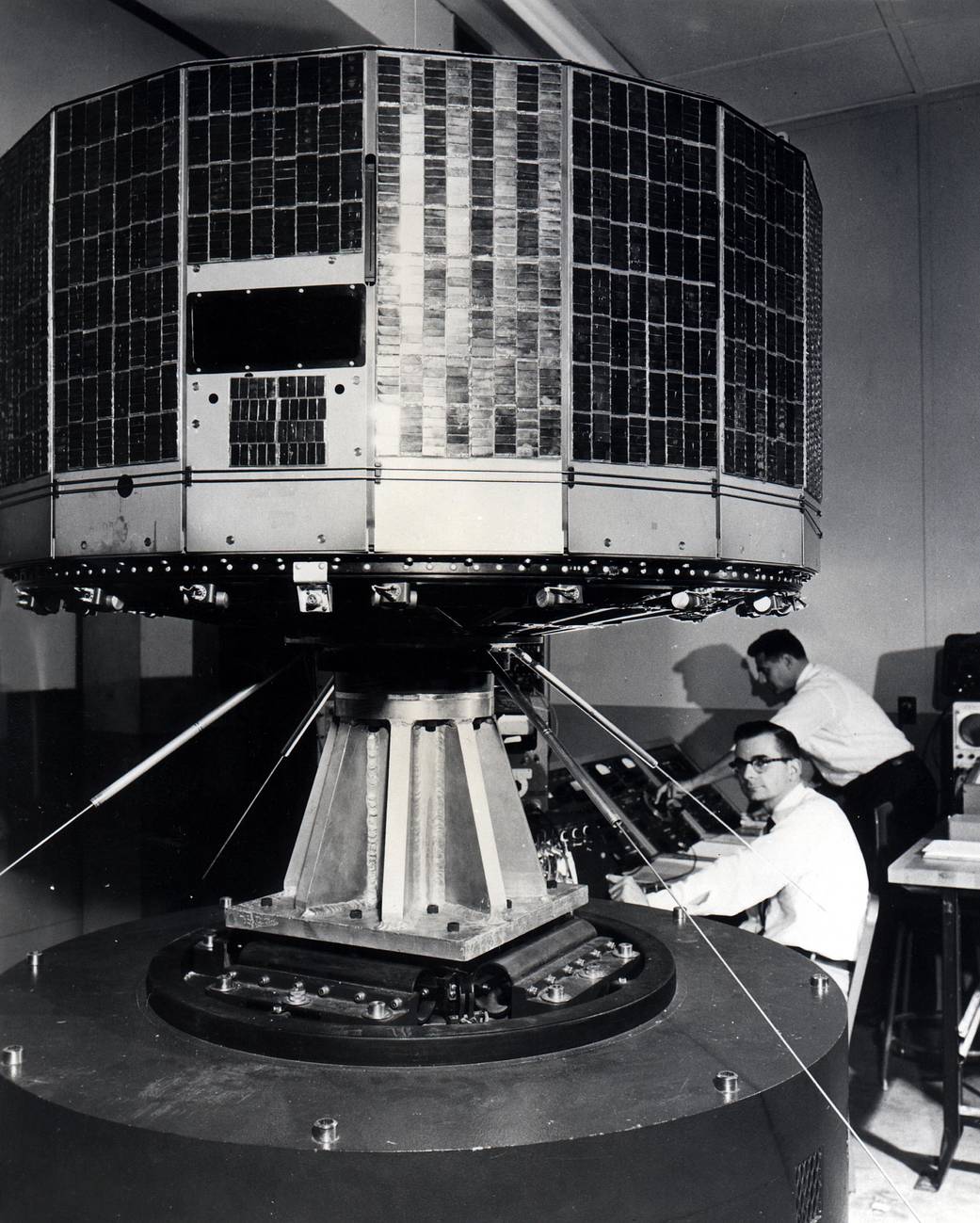
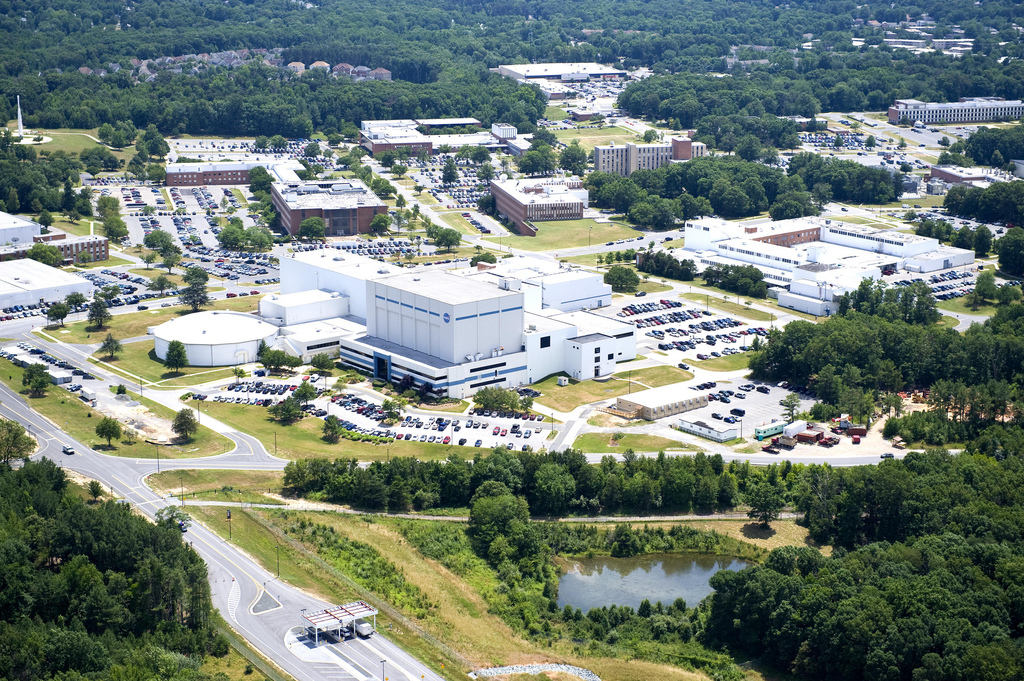
But Goddard pressed on, refining and retooling his rockets over the years. At the dawn of the Space Age and with Esther Goddard championing her late husband’s work (Robert Goddard died in 1945), the true significance of the Clark University professor’s work became clearer. NASA named its first new complex the Goddard Space Flight Center in his honor in 1959. Liquid-propelled rocketry has been the backbone of spaceflight ever since.
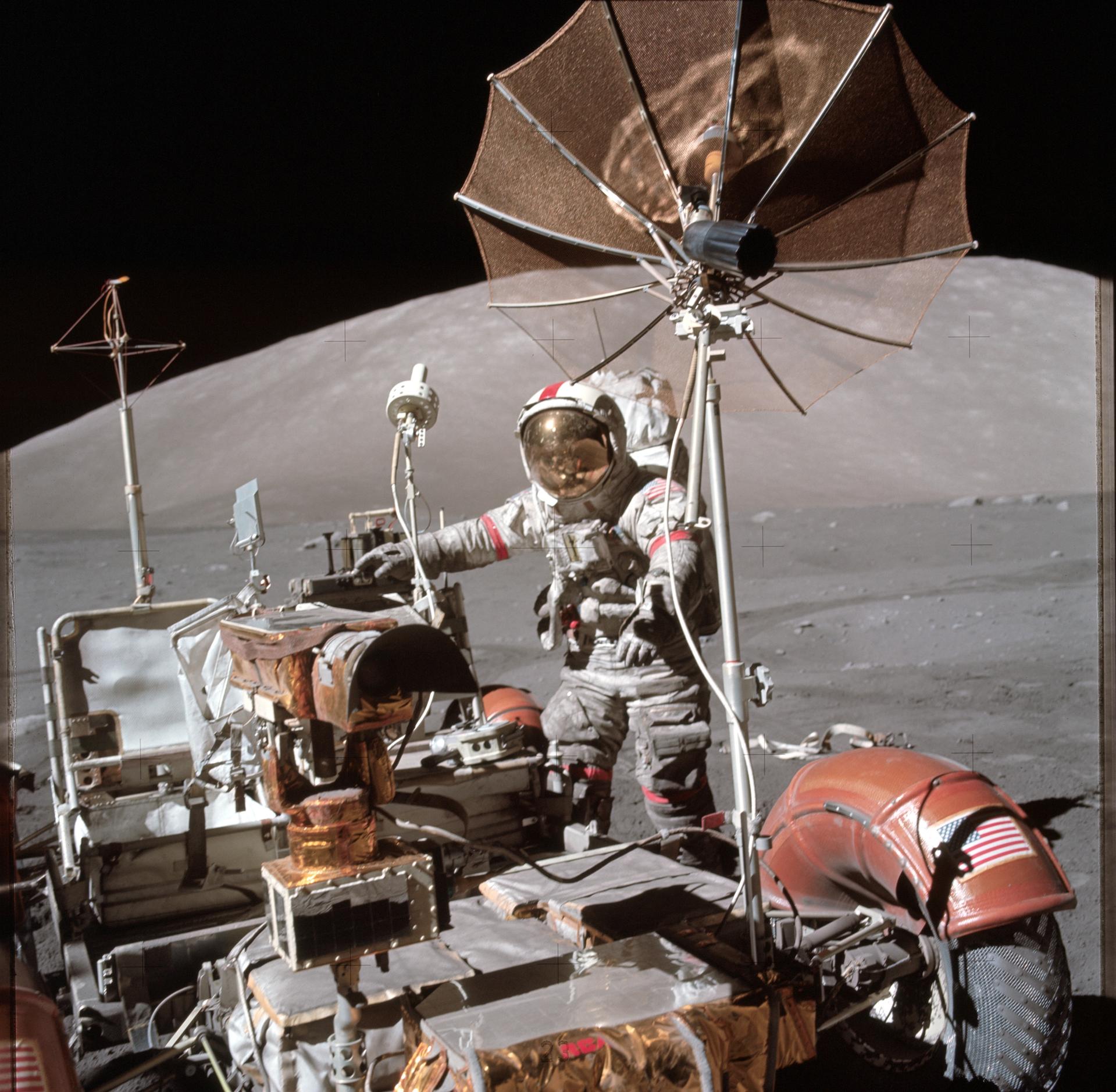
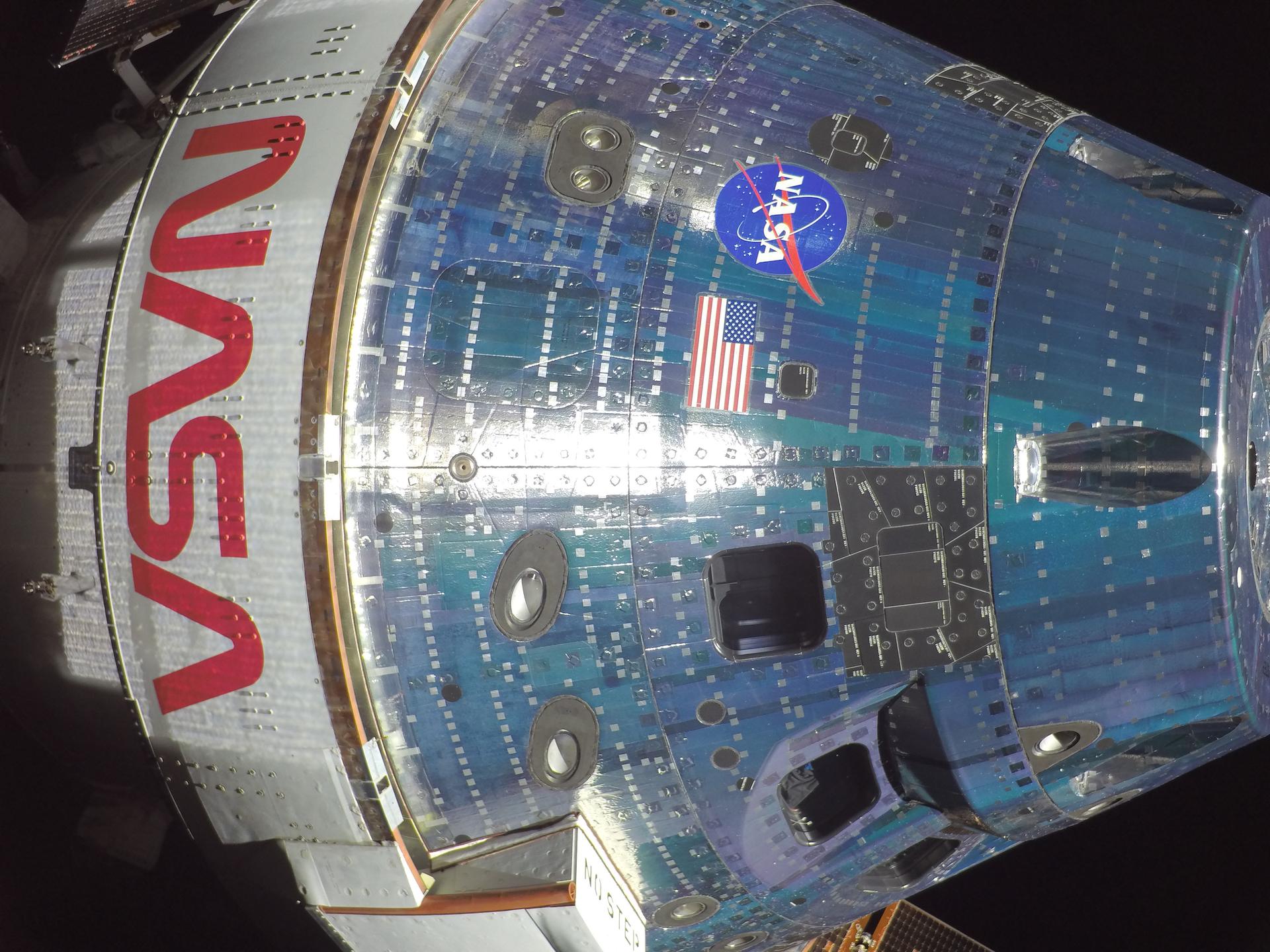
A century after Goddard’s first launch, NASA’s Artemis II mission is poised to bring astronauts around the Moon for the first time since 1972. The SLS (Space Launch System) rocket that will take them there is 30 times taller and half a million times heavier than Nell — but still liquid-fueled, just as Goddard predicted and pioneered, 100 years ago in a snowy field next to a cabbage patch.
By Rob Garner
NASA’s Goddard Space Flight Center, Greenbelt, Md.
References & Resources
- Goddard, Esther, “Figure 126: Robert Goddard standing next to rocket at Ward Farm, March 16, 1926” (1926). March 16, 1926: The First Liquid-Propellant Rocket Launch. 23.
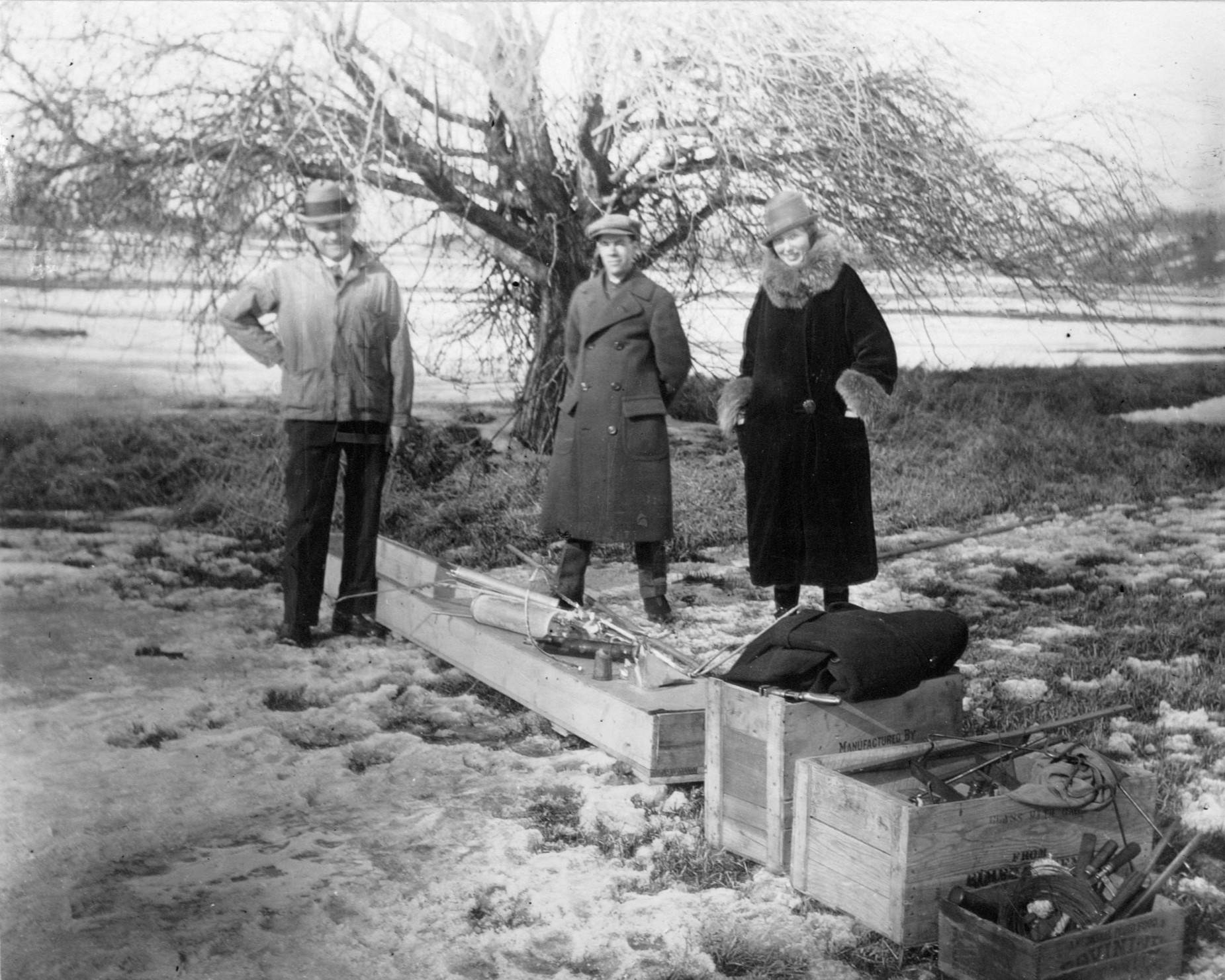
- Goddard, Robert H., “Figure 128: Henry Sachs, Percy Roope, and Esther Goddard with parts of first liquid-propellant rocket after flight, March 16, 1926” (1926). March 16, 1926: The First Liquid-Propellant Rocket Launch. 24.
- NASA’s Goddard Space Flight Center (1982). Dr. Robert H. Goddard — 100th Anniversary October 5, 1882 – 1982. Greenbelt, Md.
- Rosenthal, Alfred (1968). Venture Into Space: Early Years of Goddard Space Flight Center. Washington, D.C.: NASA.