













Suggested Searches

Blogs

  • Sun Releases 2 Strong Solar Flares

    The Sun emitted two strong solar flares, the first peaking at 9:07 p.m. ET on April 23. The second strong solar flare peaked at 4:13 a.m. ET on April 24. NASA’s Solar Dynamics Observatory, which watches the Sun constantly, captured images of the events.  Solar flares are powerful bursts of energy. Flares and solar eruptions […]

  • NASA’s Dragonfly Rotorcraft Gets Decked Out, Tested

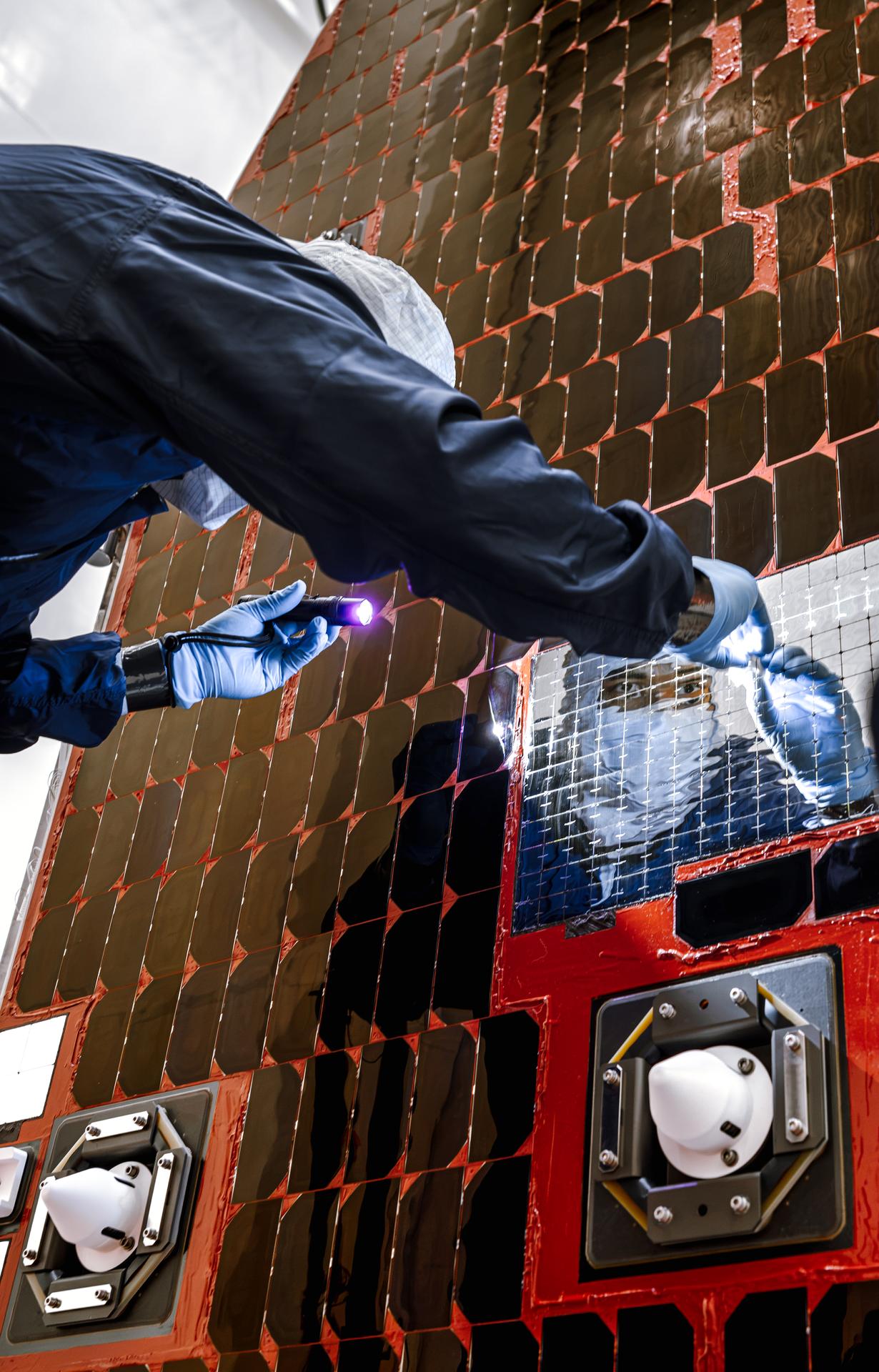
    NASA’s Dragonfly rotorcraft is beginning to take shape – literally – with the delivery of the panels that make up the rotorcraft lander’s body. Built from ultra‑lightweight honeycomb panels designed at the Johns Hopkins Applied Physics Laboratory (APL) in Laurel, Maryland, and manufactured by Lockheed Martin Space in Denver, the primary structure is specially designed for the challenges of flight on Saturn’s largest moon Titan.

  • DNA Research on Station Promoting Cancer Therapies, Radiation Repair

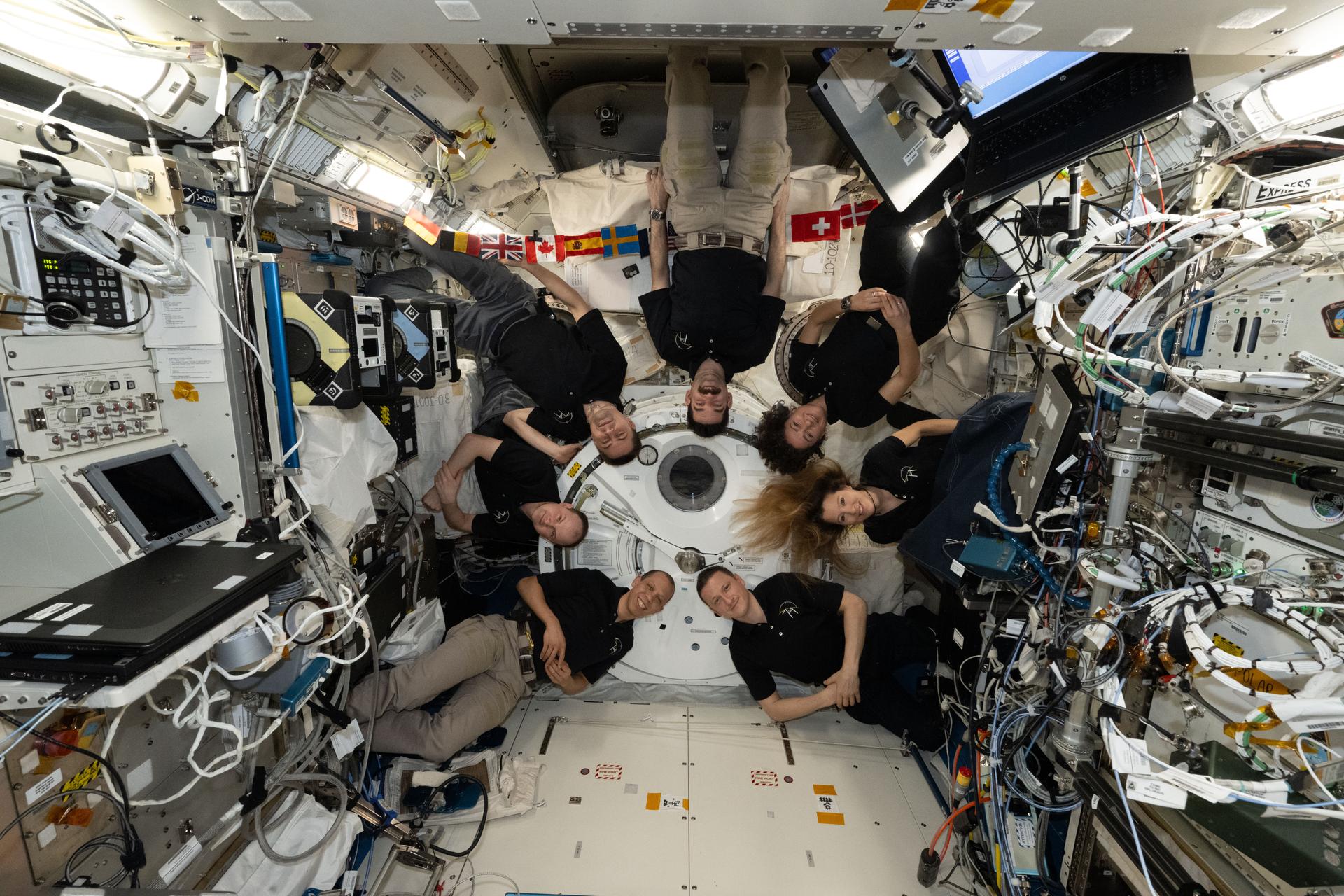
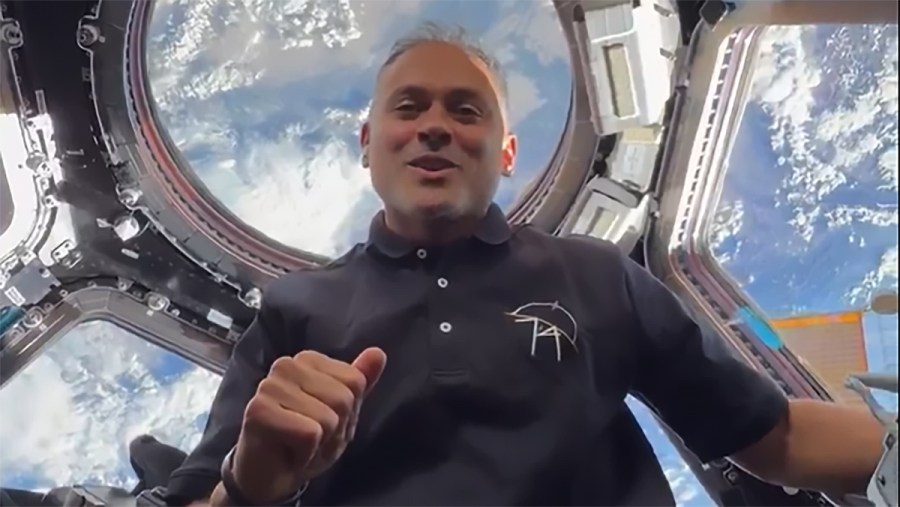
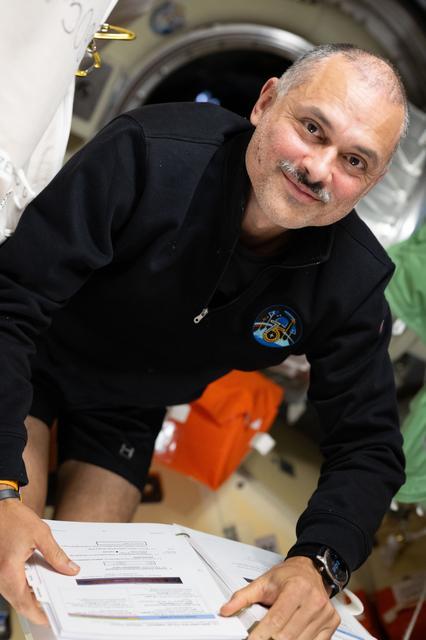
    NASA astronaut and Expedition 74 flight engineer Chris Williams configures research hardware inside a portable glovebag for a biotechnology investigation exploring how bacteria affect heart tissue in the microgravity environment. Results from the MVP (Multi-use Variable-g Platform) Cell-09 experiment could lead to advanced methods for preventing or treating heart damage in humans living on and off the Earth.

    More biotechnology research was underway aboard the International Space Station on Wednesday taking advantage of the microgravity environment to boost knowledge about the properties of DNA and DNA-like nanomaterials. The Expedition 74 crew also completed the installation of an advanced exercise device and tested a set of new virtual reality goggles while continuing to unpack a U.S. cargo spacecraft.

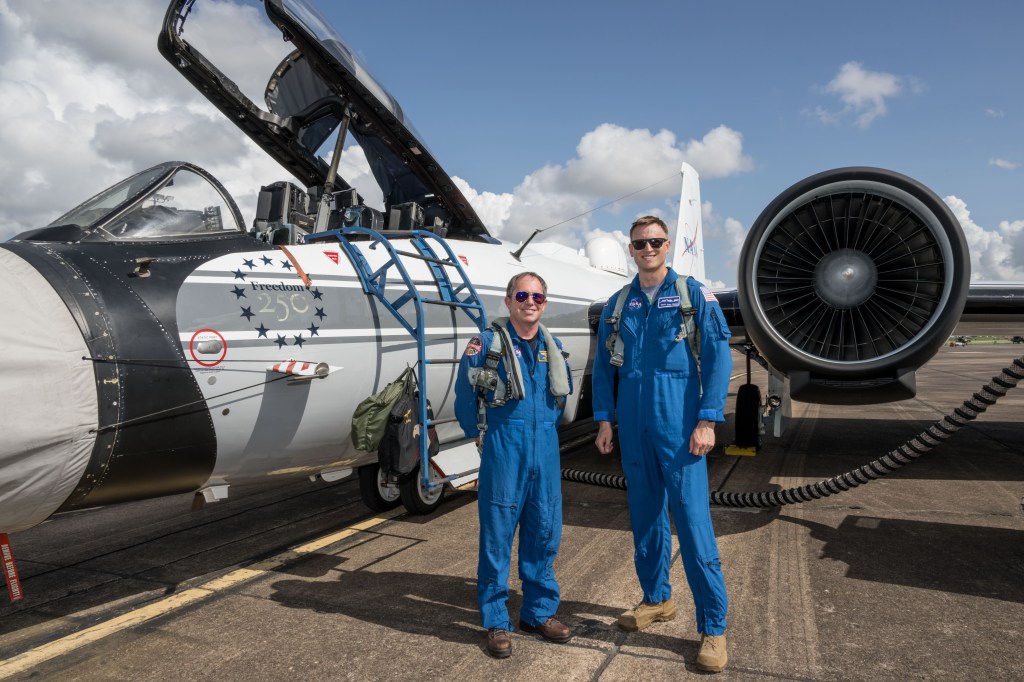
  • X-59 Adds Freedom 250 Logo

    A close-up of NASA's X-59 tail showing a NASA graphic on the tail. "X-59" on the side of the jet engine, and a Freedom 250 logo toward the front of the engine.

    A new look for X-59 NASA’s X-59 is helping the nation celebrate the 250th anniversary of its independence with an update to its livery – its official paint job and insignia. The X-59 has sported a Freedom 250 logo on its engine since its second flight, and it will continue showing off the new detail […]

  • Roscosmos Progress 93 Cargo Spacecraft Departs Station

    April 20, 2026: International Space Station Configuration. Four spaceships are parked at the space station including the SpaceX Crew-12 Dragon, Northrop Grumman's Cygnus XL, the Soyuz MS-28 crew ship, and the Progress 94 resupply ship.

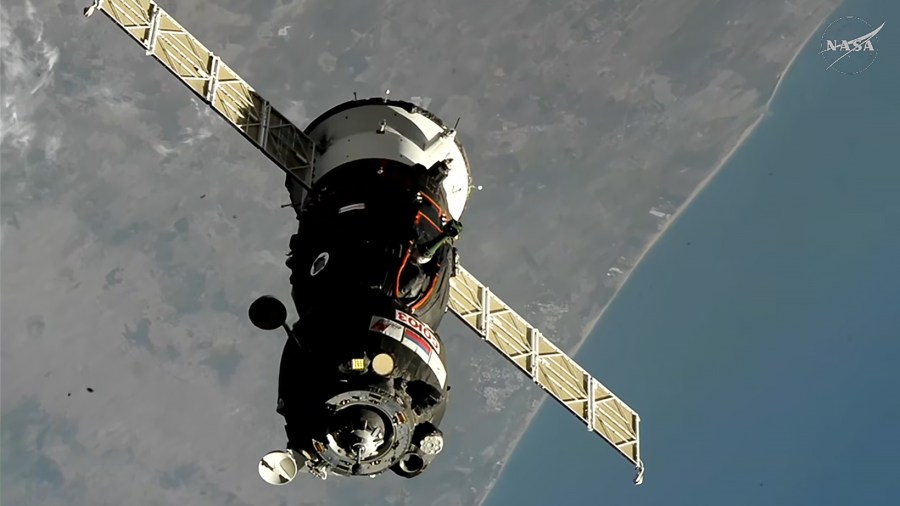
    The unpiloted Roscosmos Progress 93 spacecraft undocked from the International Space Station at 6:08 p.m. EDT Monday, backing away for a deorbit maneuver and a planned destructive re-entry into Earth’s atmosphere to dispose of trash loaded by the crew.

  • NASA Wallops to Support April Rocket Launch

    Aerial view of NASA's Wallops Flight Facility's launch range structures along the coastline of Wallops Island, Virginia. Ocean, bay and marsh lands surround the range.

    A suborbital rocket is scheduled to launch from NASA’s Wallops Flight Facility in Virginia during a window extending from April 20-28, 2026. No real-time launch status updates or livestream will be available.   NASA Wallops provides services such as vehicle tracking, data telemetry, and range safety from NASA’s only owned and operated launch range to ensure successful missions operations for […]

  • NASA Shuts Off Instrument on Voyager 1 to Keep Spacecraft Operating

    On April 17, engineers at NASA’s Jet Propulsion Laboratory (JPL) in Southern California sent commands to shut down an instrument aboard Voyager 1 called the Low-energy Charged Particles experiment, or LECP. The nuclear-powered spacecraft is running low on power, and turning off the LECP is considered the best way to keep humanity’s first interstellar explorer […]