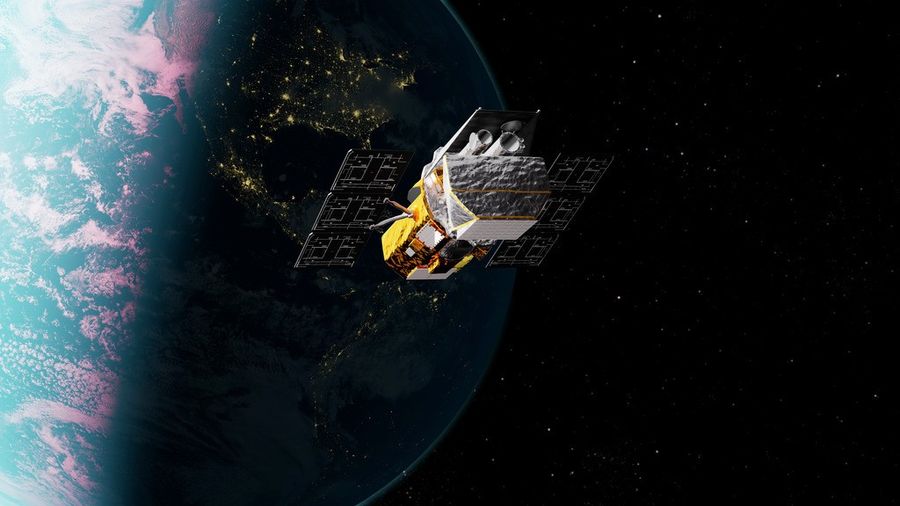









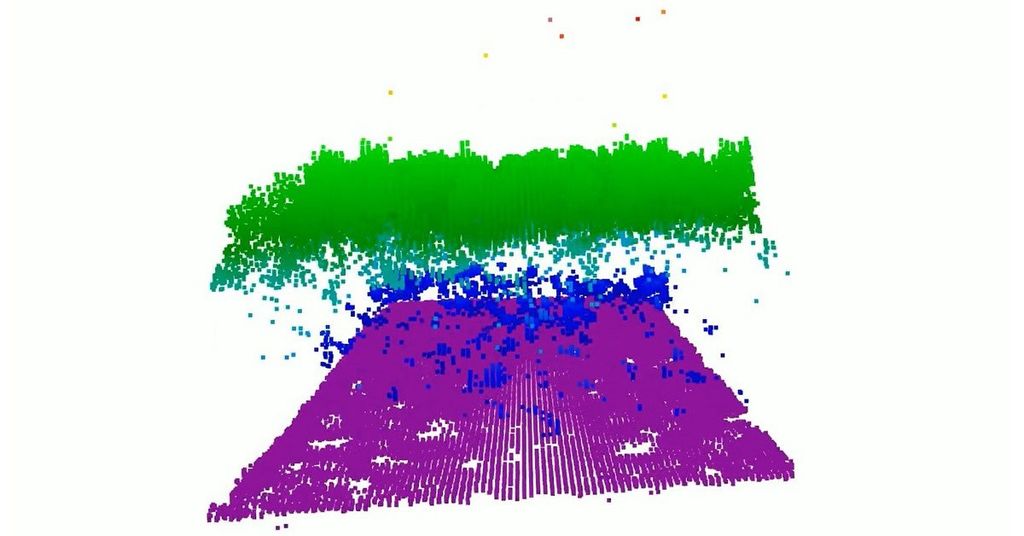






The waters and ocean sediments offshore of Uruguay are highly understudied, making it a unique location for a PACE PVST field campaign and an exciting opportunity to work alongside SPARC scientists.
NASA’s Artemis Core Stage Arrives at Kennedy

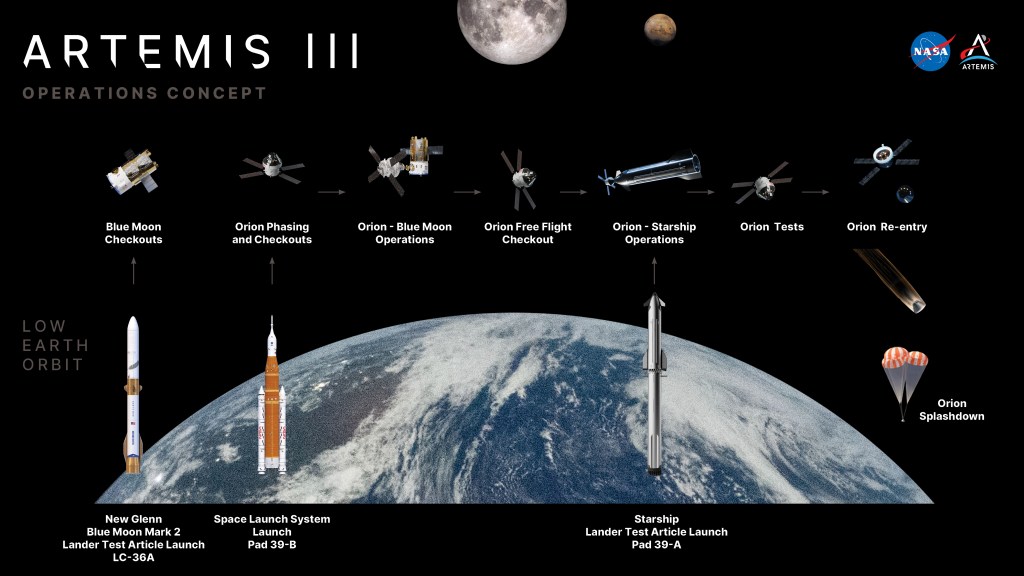
The largest rocket section for NASA’s Artemis III mission arrived at the agency’s Kennedy Space Center in Florida on April 27. The SLS (Space Launch System) core stage traveled 900 miles on the Pegasus barge from NASA’s Michoud Assembly Facility in New Orleans where the stage is manufactured, to complete assembly of the massive rocket at NASA Kennedy. Teams will transport the top four-fifths of the 212-foot-long core stage, the section containing the liquid hydrogen tank, liquid oxygen tank, intertank, and forward […]
Progress 95 Cargo Craft Launches to Resupply Station Crew

The unpiloted Roscosmos Progress 95 spacecraft is safely in orbit and headed to the International Space Station following its launch at 6:21 p.m. EDT (3:21 a.m. Baikonur time Sunday, April 26) on a Soyuz rocket from the Baikonur Cosmodrome in Kazakhstan.
Progress 95 Cargo Craft Counts Down to Launch on NASA+

The unpiloted Progress 95 spacecraft is scheduled to launch at 6:21 p.m. EDT (3:21 a.m. Baikonur time Sunday, April 26) on a Soyuz rocket from the Baikonur Cosmodrome in Kazakhstan. The Roscosmos spacecraft will carry about three tons of food, fuel, and supplies for the Expedition 74 crew aboard the International Space Station.
Cargo Mission Launching Saturday as Crew Wraps Week with Research

The Progress 95 cargo spacecraft from Roscosmos stands atop its launch pad at the Baikonur Cosmodrome in Kazakhstan counting down to a liftoff at 6:21p.m. EDT on Saturday to resupply the Expedition 74 crew.
Sun Releases 2 Strong Solar Flares

The Sun emitted two strong solar flares, the first peaking at 9:07 p.m. ET on April 23. The second strong solar flare peaked at 4:13 a.m. ET on April 24. NASA’s Solar Dynamics Observatory, which watches the Sun constantly, captured images of the events. Solar flares are powerful bursts of energy. Flares and solar eruptions […]
NASA’s Dragonfly Rotorcraft Gets Decked Out, Tested

NASA’s Dragonfly rotorcraft is beginning to take shape – literally – with the delivery of the panels that make up the rotorcraft lander’s body. Built from ultra‑lightweight honeycomb panels designed at the Johns Hopkins Applied Physics Laboratory (APL) in Laurel, Maryland, and manufactured by Lockheed Martin Space in Denver, the primary structure is specially designed for the challenges of flight on Saturn’s largest moon Titan.
Biotech Research on Station Informing Advanced Cancer and Heart Treatments

Biotechnology research was back on the schedule aboard the International Space Station on Thursday as the Expedition 74 crew conducted a pair of heart studies, explored cancer therapies, and demonstrated a self‑sustaining life‑support system.
DNA Research on Station Promoting Cancer Therapies, Radiation Repair

More biotechnology research was underway aboard the International Space Station on Wednesday taking advantage of the microgravity environment to boost knowledge about the properties of DNA and DNA-like nanomaterials. The Expedition 74 crew also completed the installation of an advanced exercise device and tested a set of new virtual reality goggles while continuing to unpack a U.S. cargo spacecraft.
X-59 Adds Freedom 250 Logo

A new look for X-59 NASA’s X-59 is helping the nation celebrate the 250th anniversary of its independence with an update to its livery – its official paint job and insignia. The X-59 has sported a Freedom 250 logo on its engine since its second flight, and it will continue showing off the new detail […]