















Aircraft Flown at Armstrong
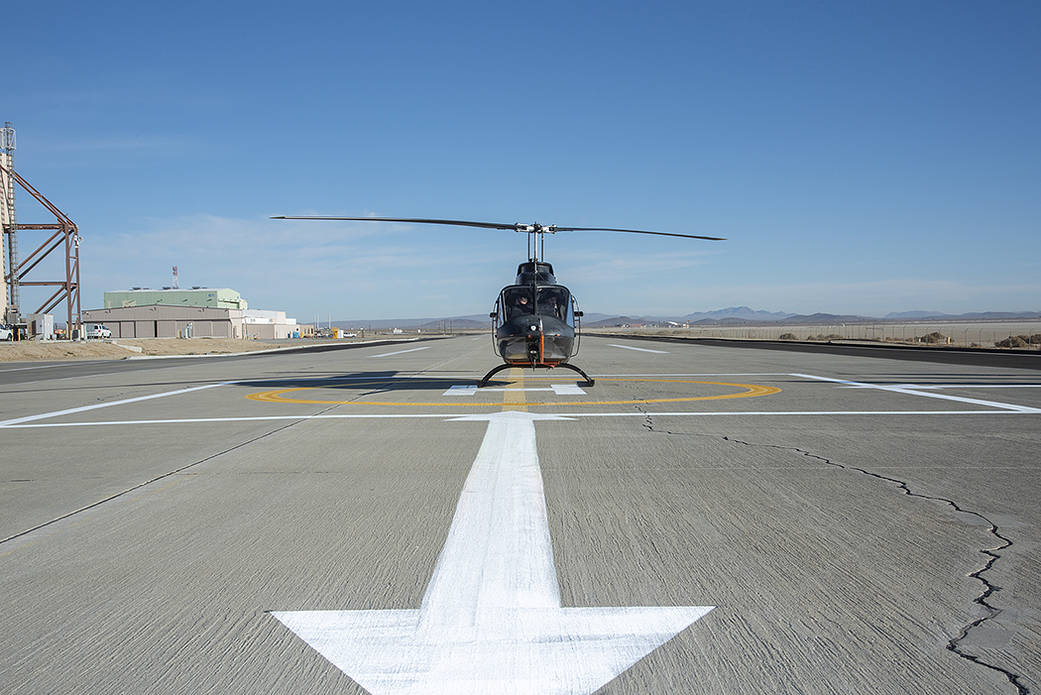
For almost eight decades, pilots at NASA’s Armstrong Flight Research Center in Edwards, California, have flown everything from light aircraft to high-speed jets and rocket-powered airplanes.
NASA Armstrong’s fleet brings together a diverse mix of research aircraft designed to tackle the most challenging questions in aeronautics and spaceflight. Each platform plays a distinct role in advancing how we fly, gather data, and explore the edges of the atmosphere, making the center’s lineup as versatile as it is groundbreaking.
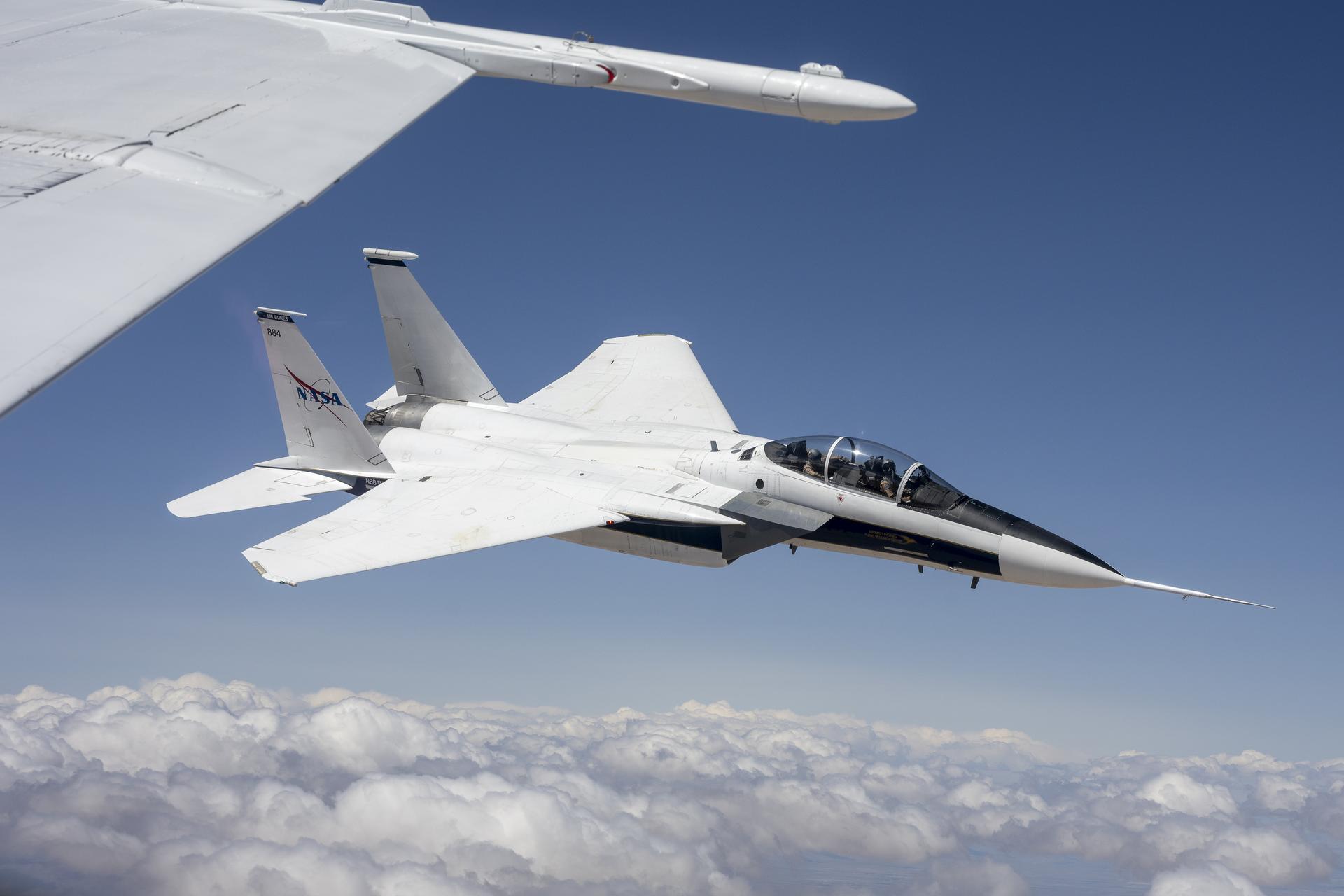
F-15 tail numbers (TNs) 836, 884, and 885
NASA Armstrong’s F-15s are used for dedicated research support and pilot training. These three, two-seat modified F-15s are twin-engine jet aircraft that provide NASA, industry, and academia a way to efficiently flight test aerodynamic, instrumentation, propulsion, and other flight research experiments. Pilots can fly safely up to 60,000 feet, allowing for operations at altitudes most standard aircraft cannot reach. These aircraft are also used for photo and video support, often acting as “chase planes,” monitoring and escorting other research aircraft. Live video from the air is streamed back to the center so engineers can visually monitor missions as they are flying, which greatly enhances flight safety.

F/A-18 TNs 846, 862, and 867
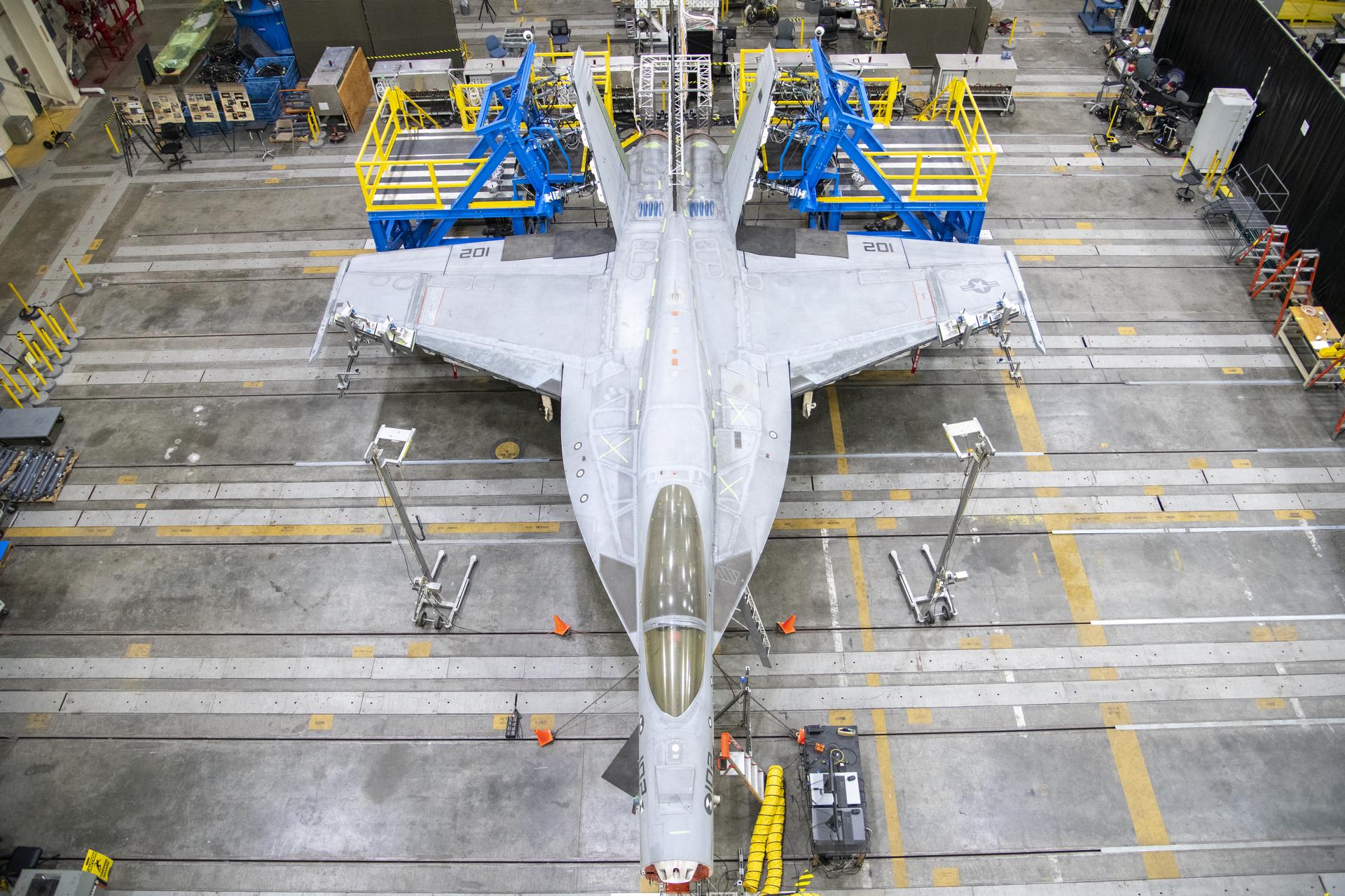
NASA flies three F/A-18 jets for to support research and pilot training, and to gather photo and video and act as chase planes. The F/A-18 are two-seat versions of the aircraft.

C-20A TN 802
This C-20A, a military version of a Gulfstream G-III acquired from the Air Force, is used for environmental and geophysical research missions. It houses a synthetic aperture radar in an underbelly pod, a self-contained on-board Data Collection and Processing System, and a precision autopilot that enables the aircraft to fly repeat passes over a target within 15 feet of the original flight path.
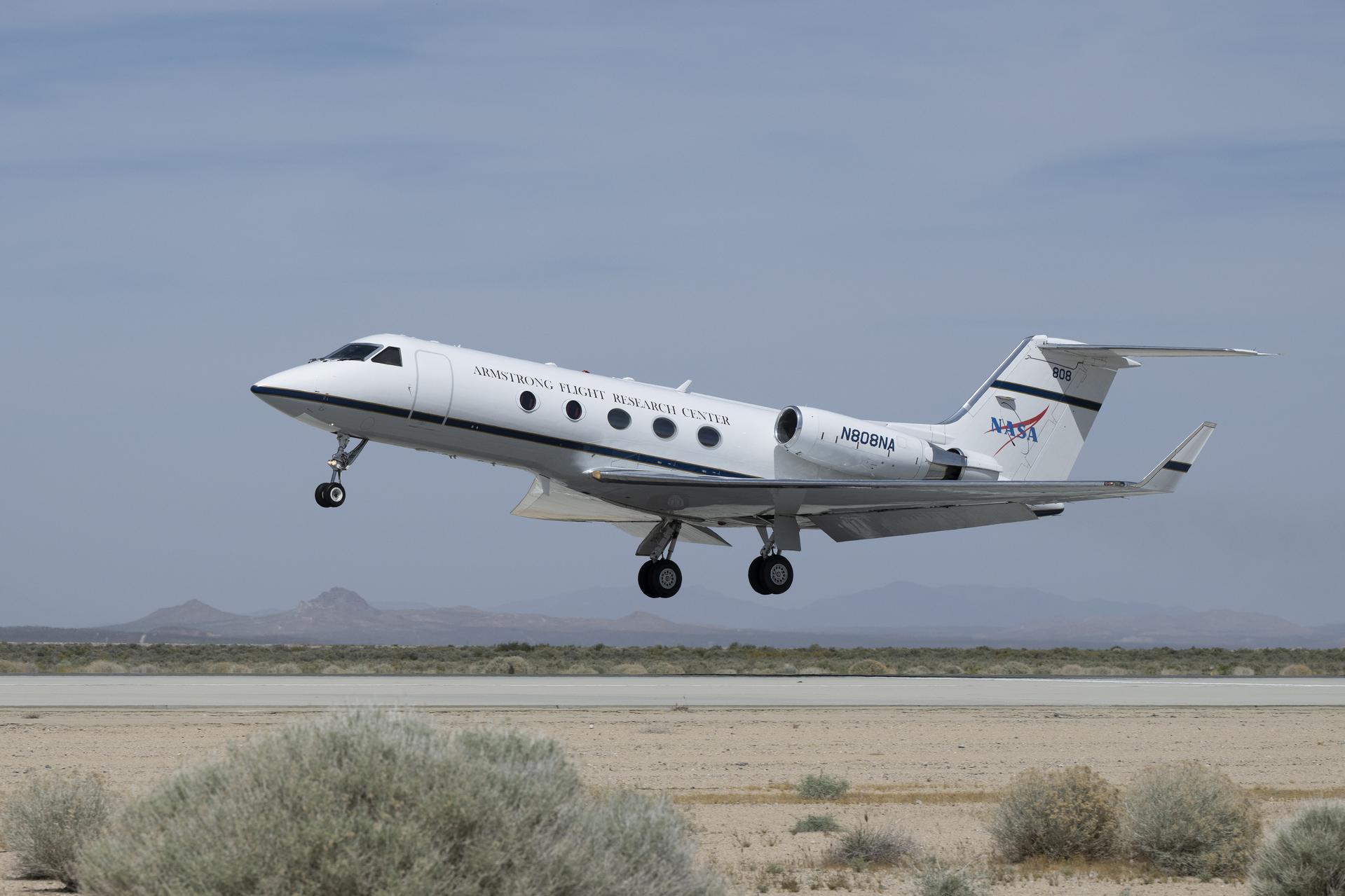
Gulfstream G-III TN 808
The G-III can carry a variety of scientific instruments onboard as a research instrument test bed and serve as an FAA certified passenger transport aircraft. On April 10, 2026, when NASA’s Artemis II flight test crew returned from their historic voyage to orbit the moon, this aircraft collected data on the heat shield of their Orion spacecraft during reentry.
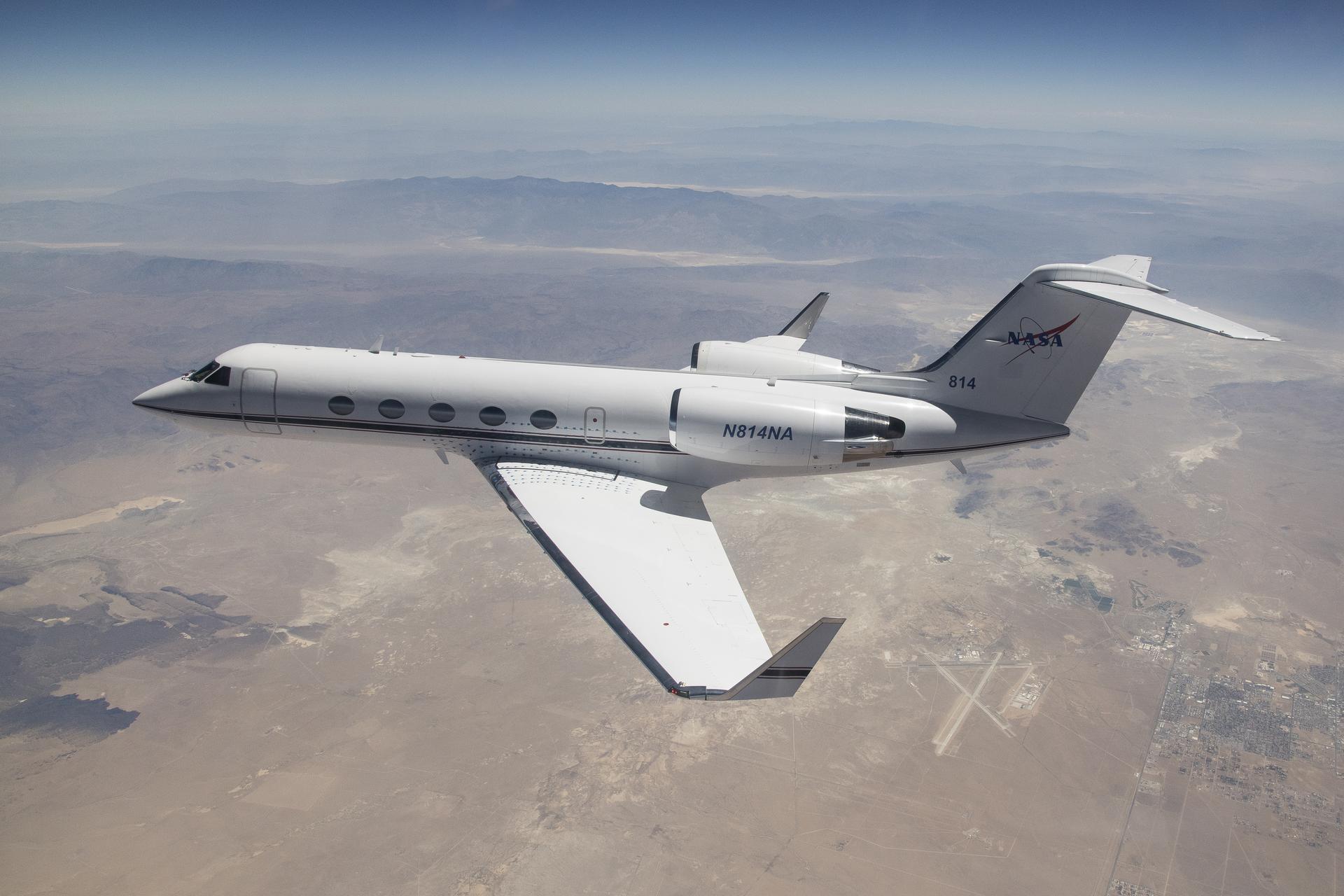
Gulfstream G-IV TN 814
This aircraft carries the NASA Next Generation Airborne Synthetic Aperture Radar, which sends and receives microwave signals to collect information about Earth’s topographic features and how they change over time. Ultimately, the G-IV will be able to hold three radars simultaneously for additional science research.
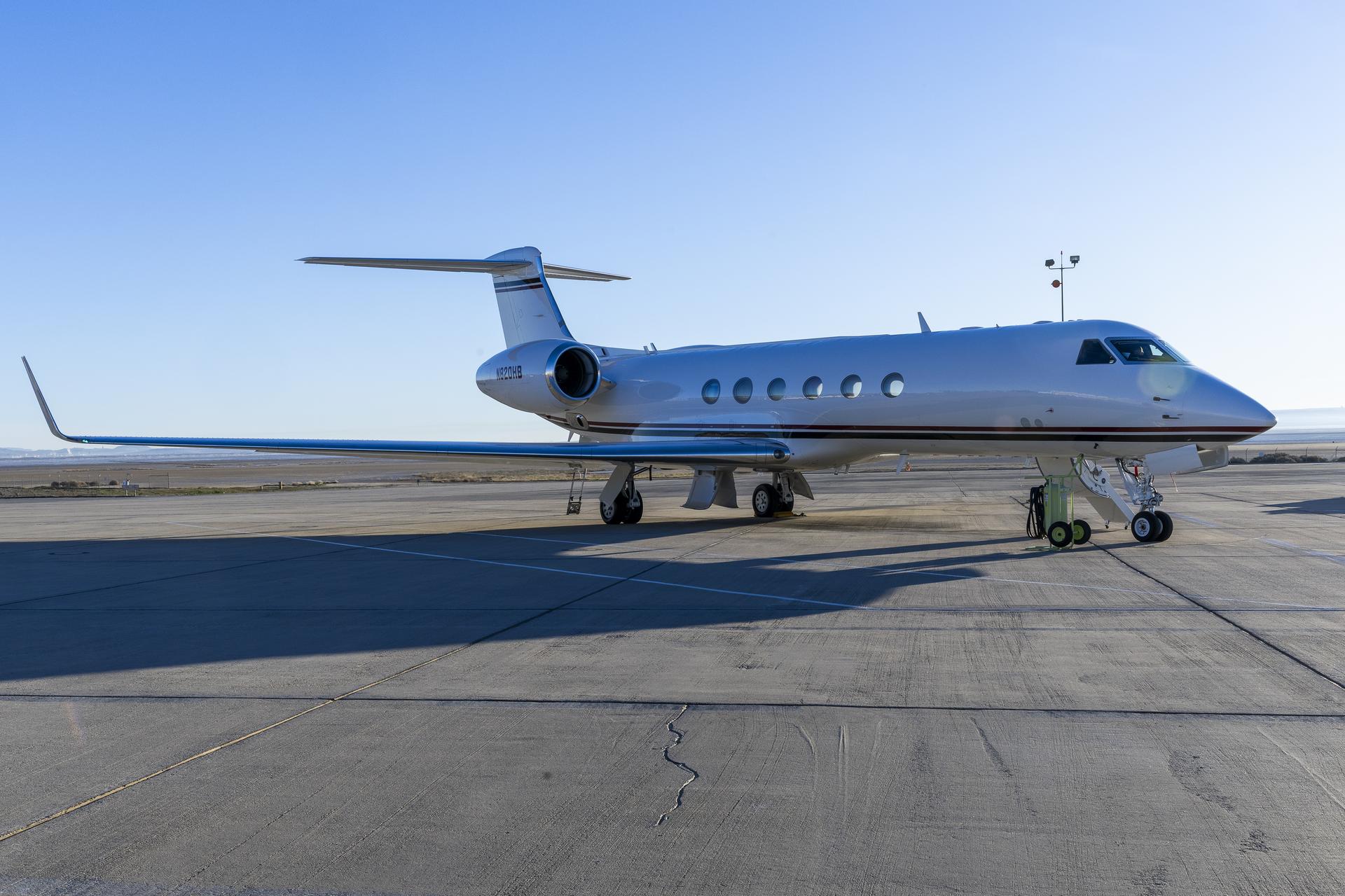
Gulfstream GV TN 815
This long-range remote sensing research aircraft houses instrumentation to support Earth science, atmospheric investigations, and spaceflight operations. This will include geophysical mapping, air quality studies, and satellite data validation.
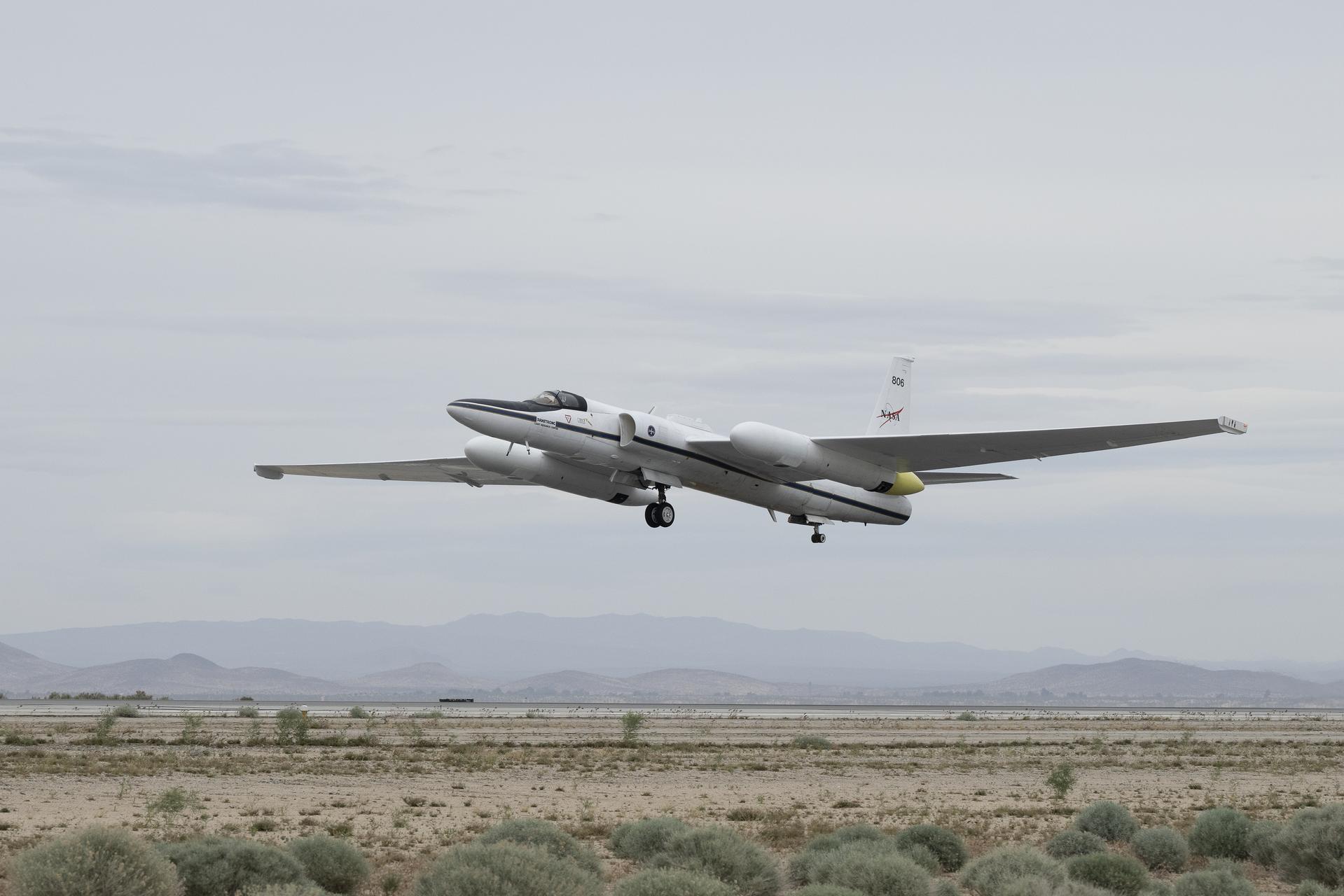
ER-2 TNs 806 and 809
Onboard NASA’s ER-2s, scientists can use onboard instrumentation to collect information about Earth’s resources, atmospheric chemistry and dynamics, and oceanic processes, as well as make celestial observations. The aircraft are also used for electronic sensor research and development, satellite calibration, and satellite data validation. The modular design of the ER-2 permits rapid installation or removal of payloads to meet changing mission requirements. Pilots flying the ER-2 must wear pressure suits because this it can fly at altitudes of up to 70,000 feet.
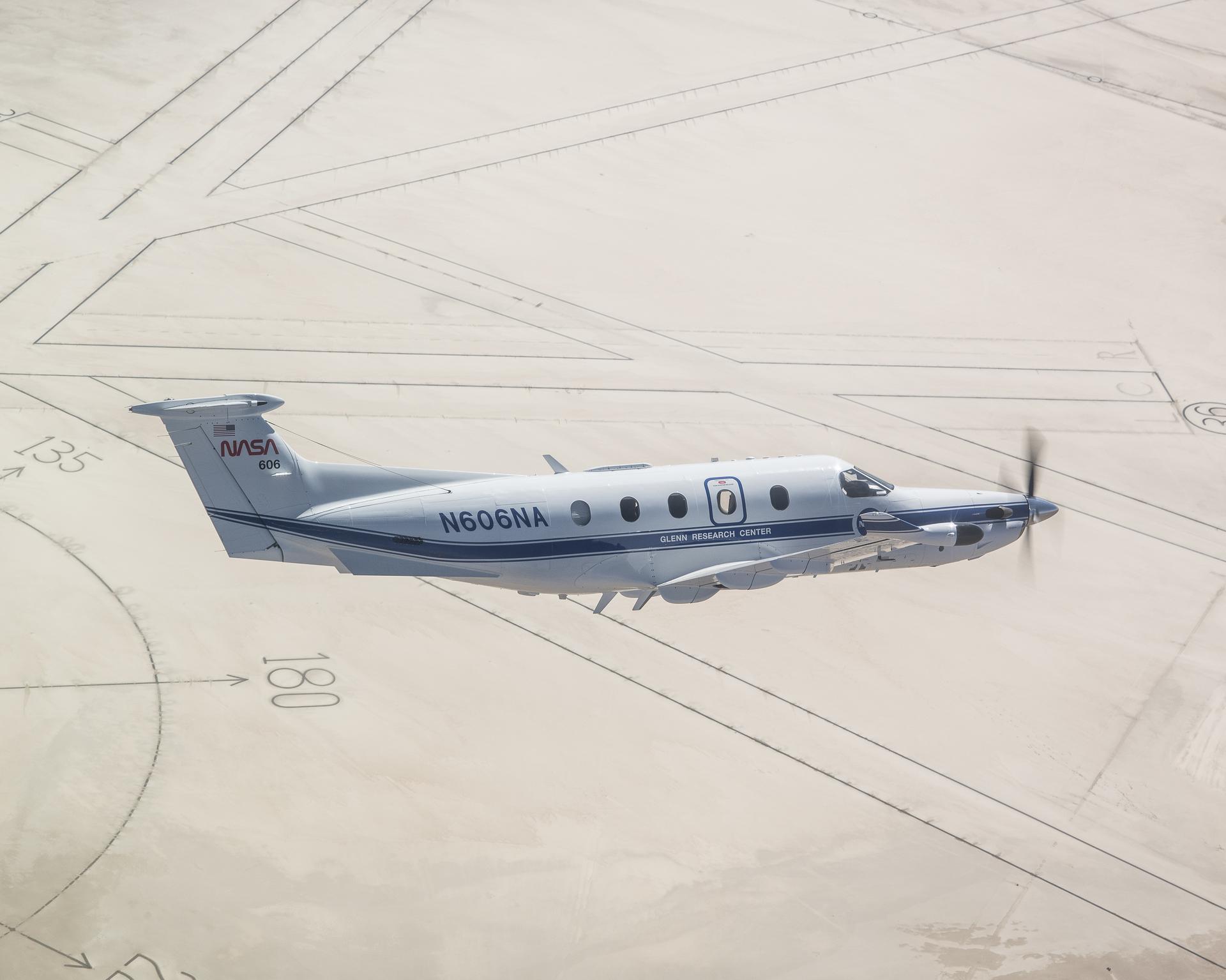
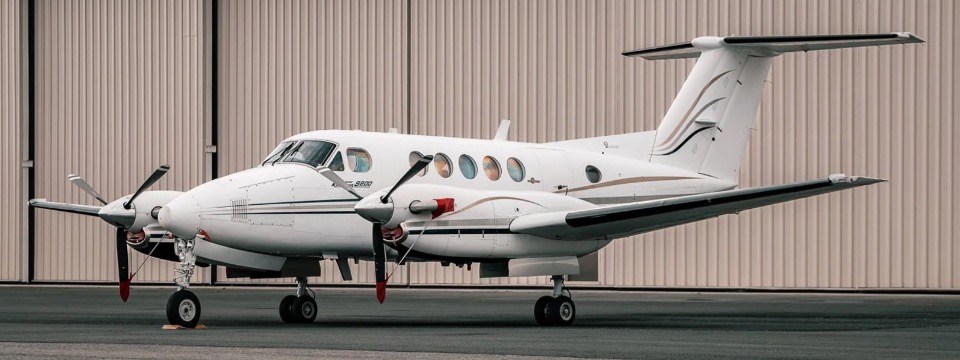
Pilatus PC-12 TN 606
NASA Armstrong acquired the PC-12 in 2026 from NASA’s Glenn Research Center in Cleveland. The aircraft will expand its flight research work across NASA centers while continuing to support work at Glenn.
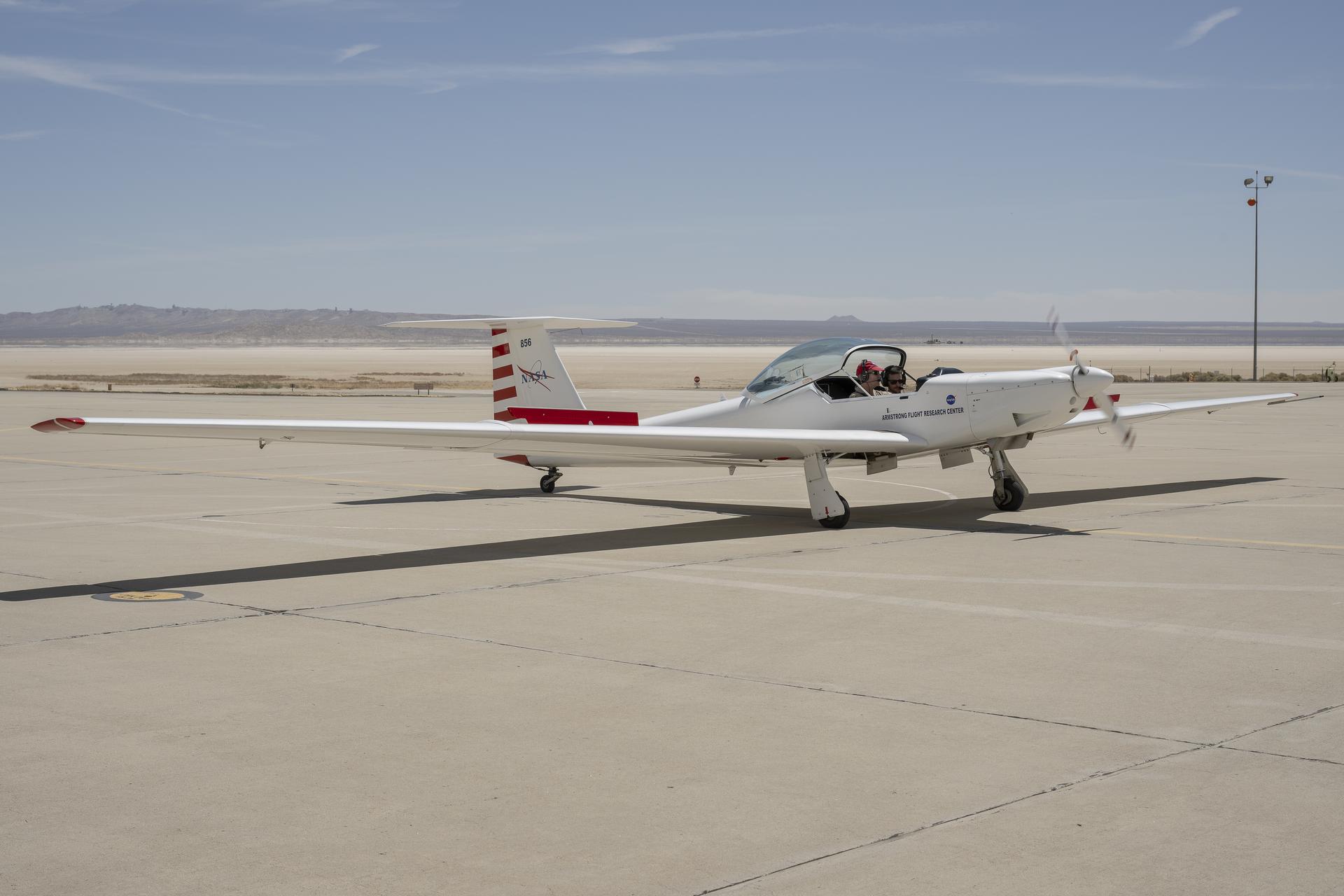
TG-14 TN 856
The TG-14 is a small, powered glider. Most recently, NASA equipped the aircraft with onboard microphones to capture sonic boom noise generated during flights of a NASA F-15B that was standing in for the experimental X-59. The tests helped researchers measure the acoustic signature of supersonic aircraft flying relatively close to the ground.
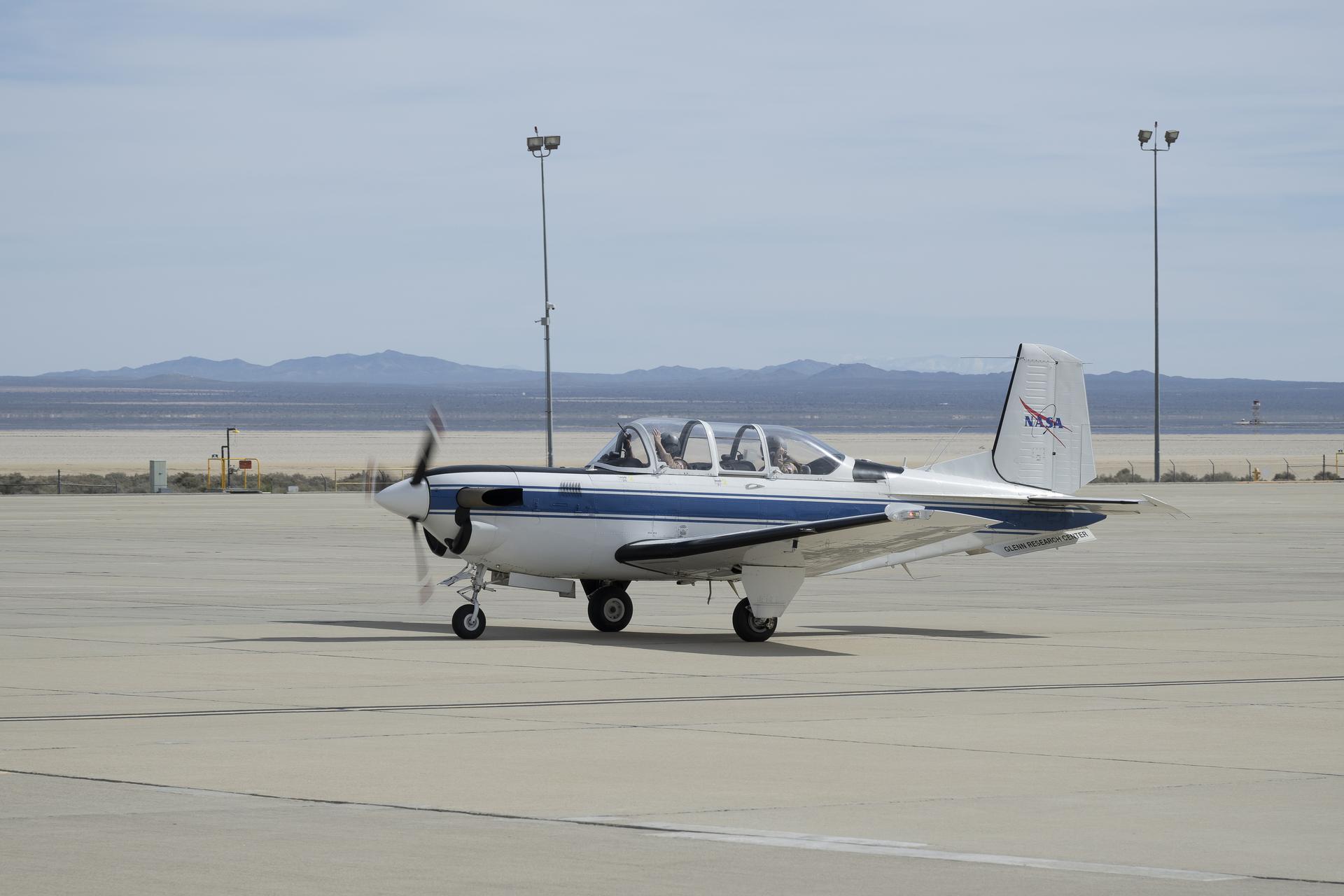
T-34 TNs 865 and 602
The T-34 allows NASA pilots to conduct flight research or train to fly the agency’s larger PC-12. The T-34’s design allows for the mounting of equipment pods, providing NASA researchers with the option to develop new capabilities.
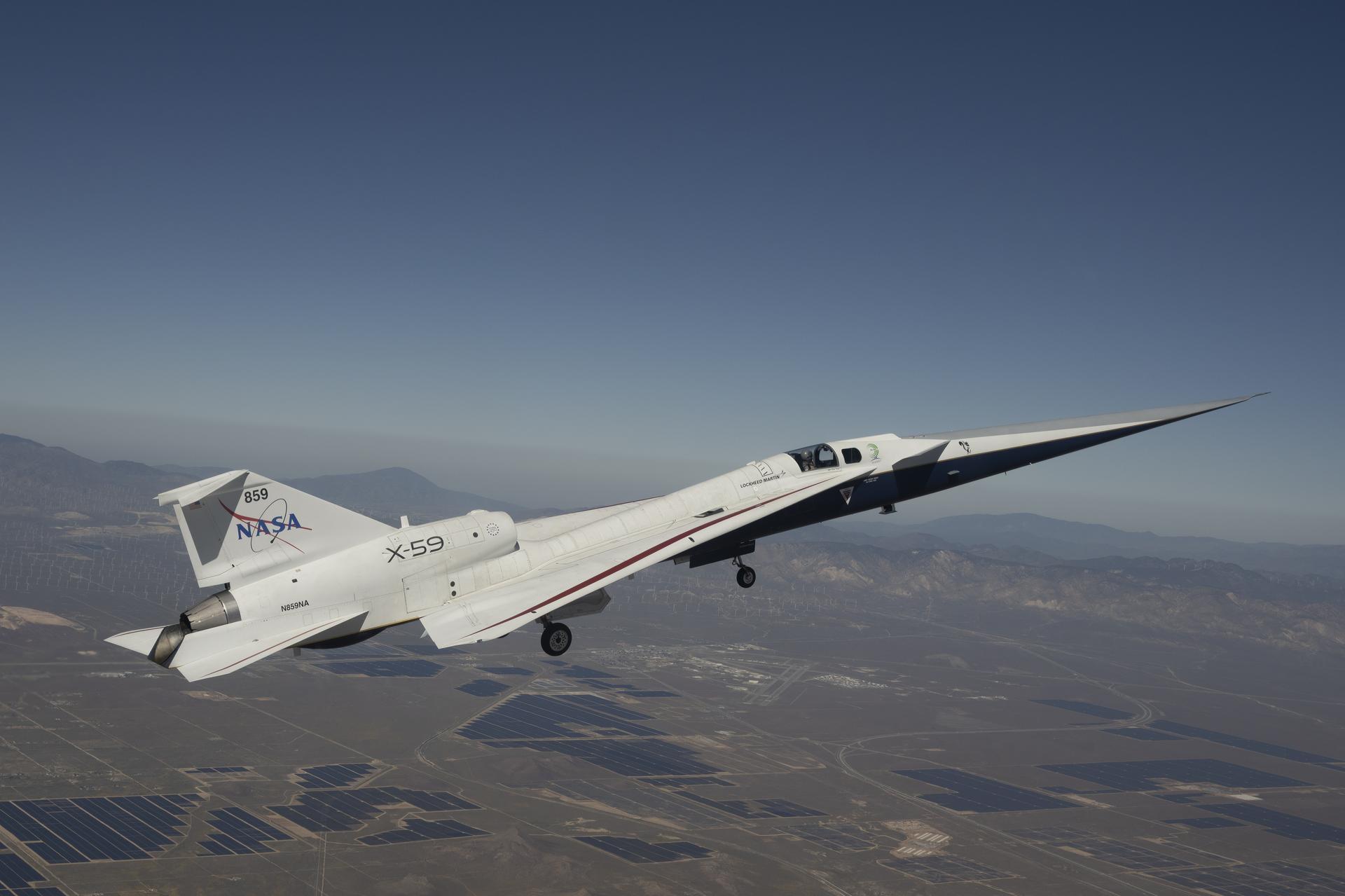
X-59
The X-59 is the centerpiece of NASA’s Quesst mission, which aims to usher in a new age of quiet, commercial supersonic flight over land. The X-59 will demonstrate that an aircraft can fly faster than the speed of sound while reducing the typical loud sonic boom to a quieter thump.
X-Planes at Armstrong
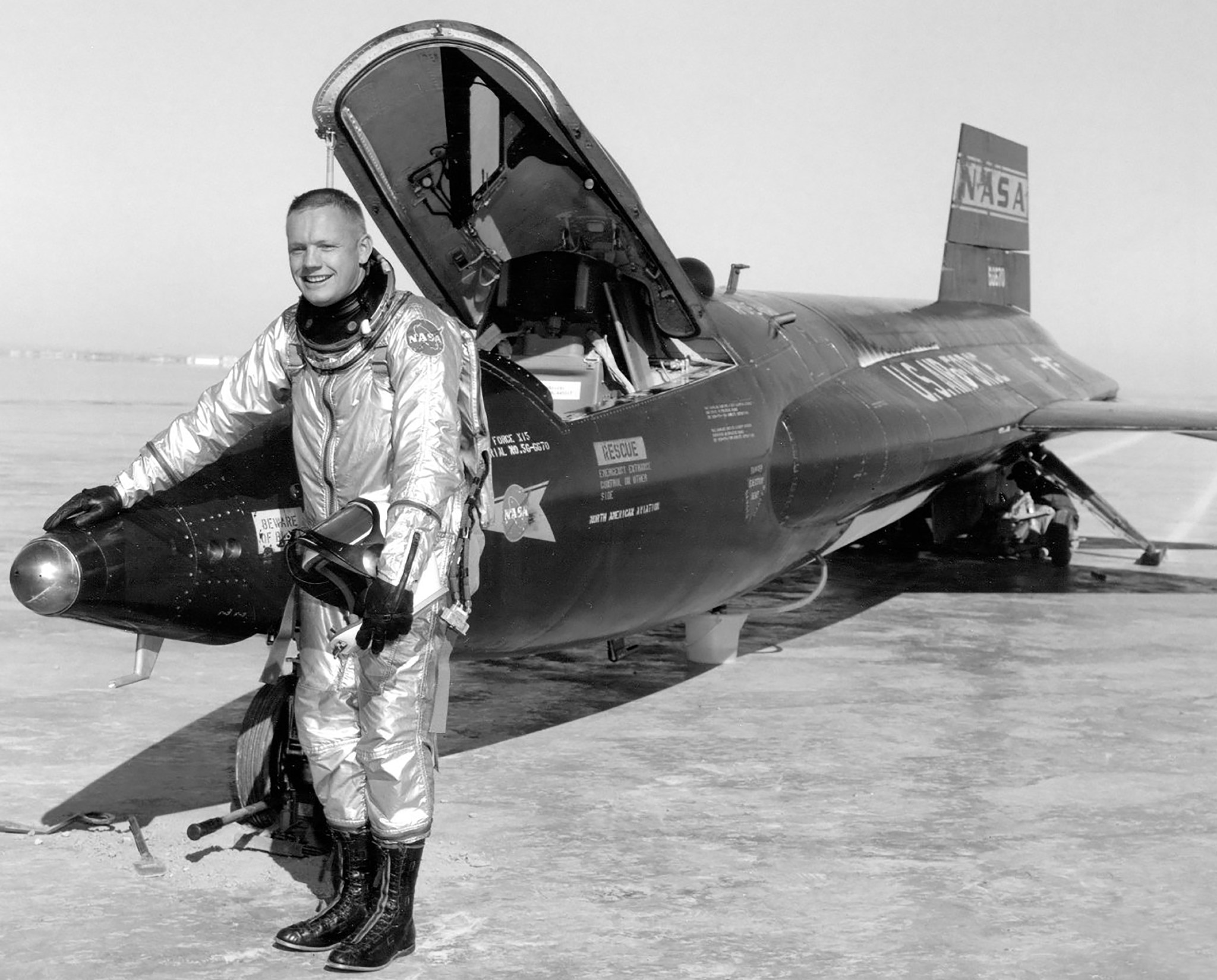
Experimental aircraft, or X-planes, are built for a wide range of research purposes – technology or concept demonstrators, unmanned test missiles, and even as prototypes.
Learn More about X-Planes at Armstrong