



















Autonomous Vehicle Applications Lab (AVAL)
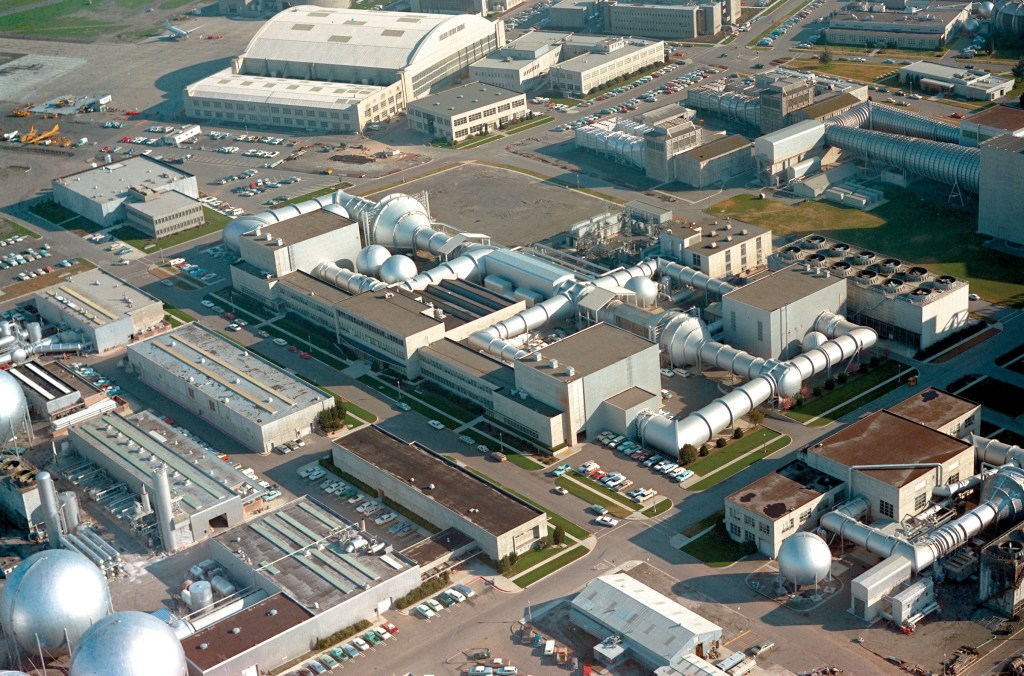
The Autonomous Vehicle Applications Lab (AVAL), part of NASA Ames Research Center’s Human Systems Integration Division, focuses on the development of human interaction concepts for autonomous vehicle systems. Its mission centers on enhancing and improving the interface between humans and autonomous technologies, especially with regard to emerging unmanned air mobility systems.
Lab Capabilities
Trial Planning Tools
The lab has developed automated tools that compute and provide new route options to support decision-making research. These tools help resolve traffic conflicts, avoid hazardous weather, divert to alternate landing locations, and recover from missed approaches. A central feature is the Operation Table, which visually supports these functions. This tool supports decision-making research and demonstrates applications for Urban Air Mobility (UAM), including the strategic use of vertiports and structured airspace for optimized route planning.
AVAL Research
Use Case Development / Concepts
The AVAL begins its research by crafting operational scenarios that illustrate the intended use of new systems. The Use Case Team identifies behaviors and collaborative actions between performers, defines operational parameters, and formulates research questions to guide concept development. These research questions serve as the basis for formal dissertations and broader research projects. The team collaborates with subject matter experts to ground its work in practical realities. Urban Air Mobility is of particular interest due to its potential to leverage low-altitude airspace, reduce ground traffic congestion, connect nearby regions, and support emergency evacuations. The Concept of Operations, as published by the Federal Aviation Administration (FAA) and industry partners, guides the research—especially when current capabilities are challenged by new UAM demands.
Research deliverables include:
- Sequence Diagrams: These outline all actions and interactions throughout a flight, including off-nominal cases like speed changes or missed approaches. Diagrams are broken into stages (pre-flight, departure, enroute, arrival) and highlight conditional or simultaneous actions.
- Storyboards: These are reader-friendly translations of sequence diagrams which are especially useful to help increase understanding.
- MagicDraw Activity Diagrams: These diagrams, built using Systems Modeling Language (SysML), offer a standardized, graphical way to model use cases.
The outcomes of these efforts drive the development of our research agenda, inform collaboration with stakeholders (e.g., FAA, industry), and build shared understanding about system operation.
Urban Air Mobility (UAM) Human Systems Integration Research
Operator Roles and Responsibilities
The UAM operator is responsible for the overall management of UAM operations. This includes conflict resolution within established airspace structures and adapting to future regulatory frameworks.
Tools and Automation Development
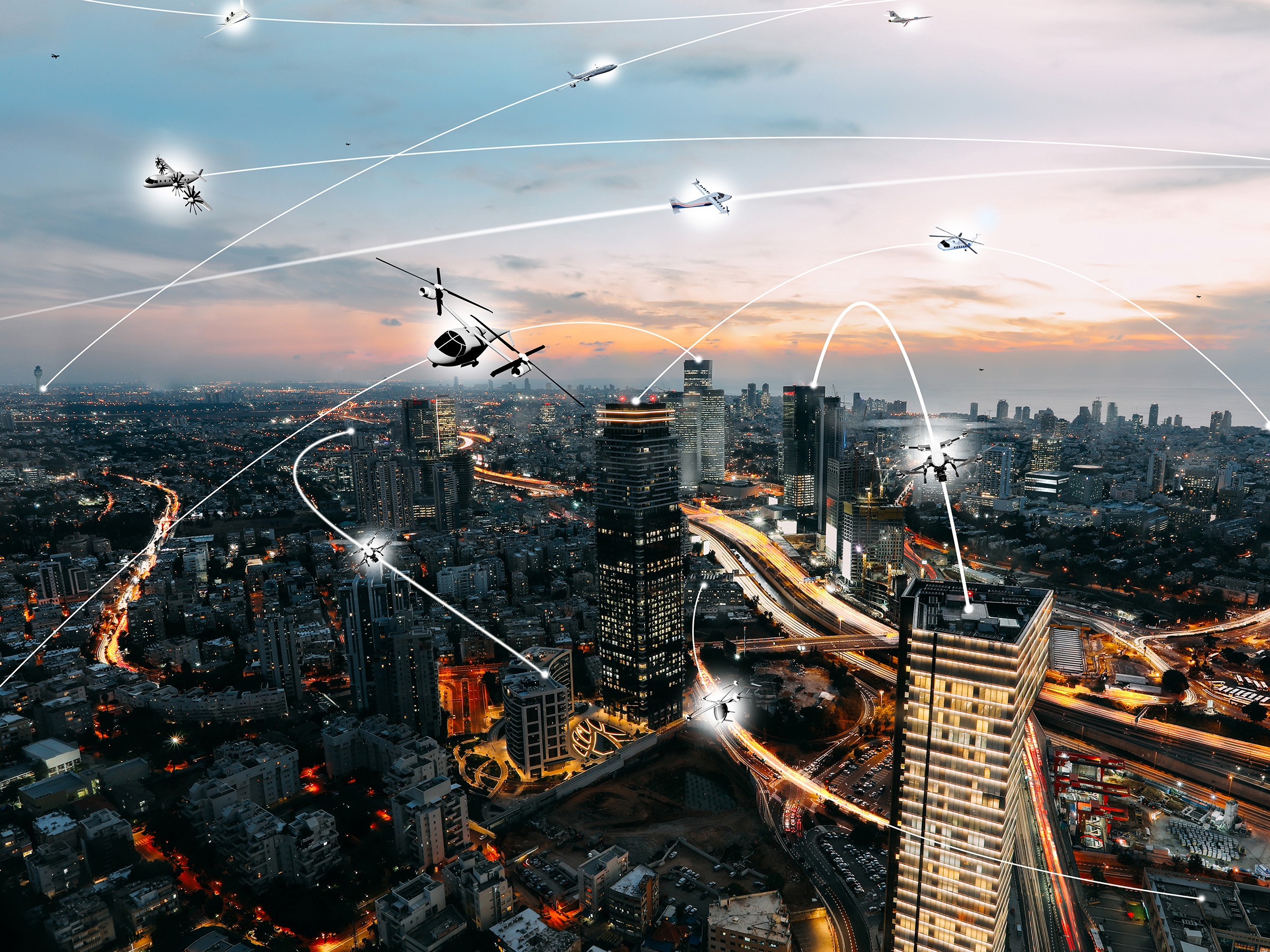
This work draws on the Trial Planning tool and additional software systems to enable human-system integration research for UAM environments. Visual tools and interface prototypes support this effort and are essential to simulation and evaluation.
High Density Vertiplex (HDV)
Overview
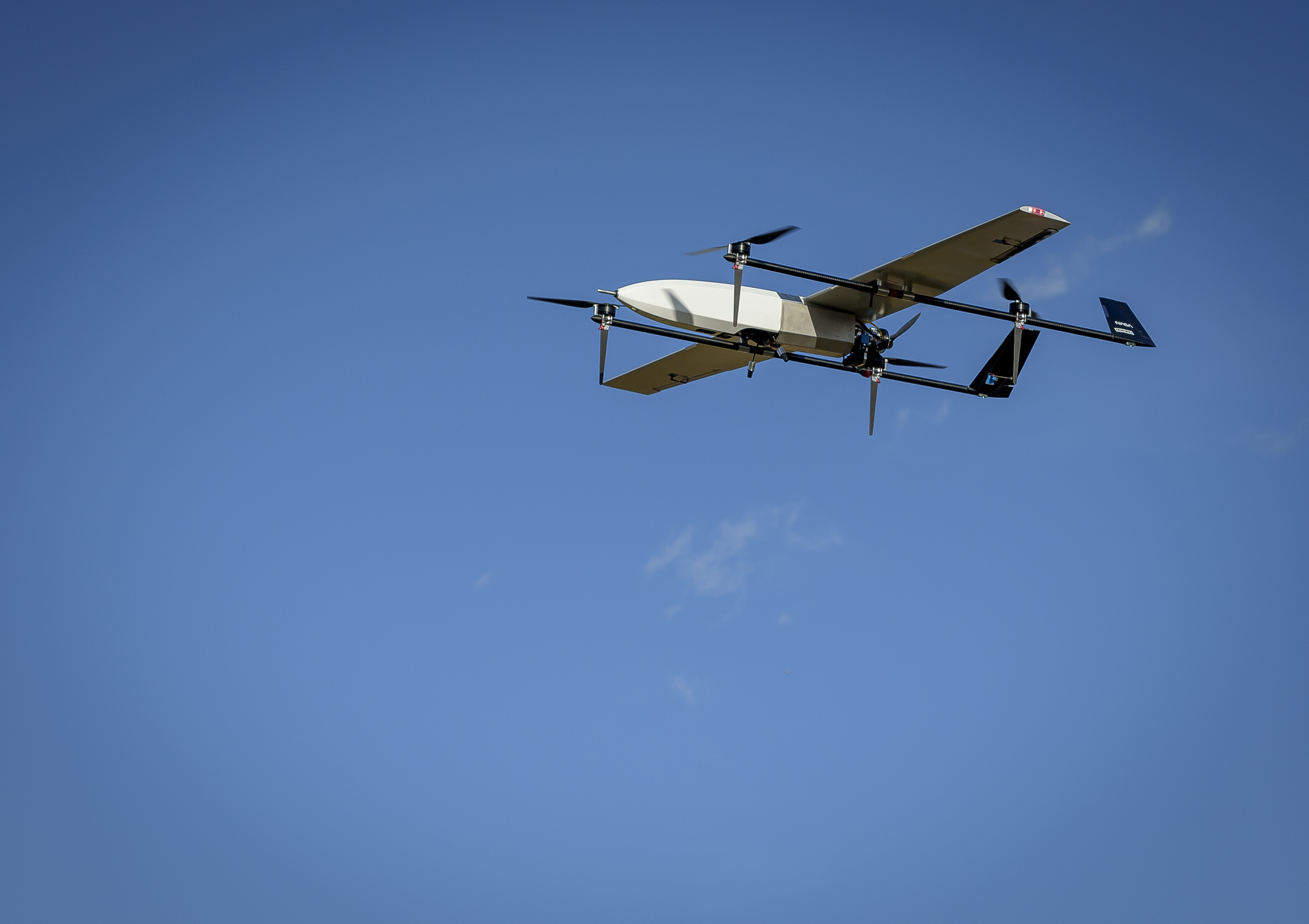
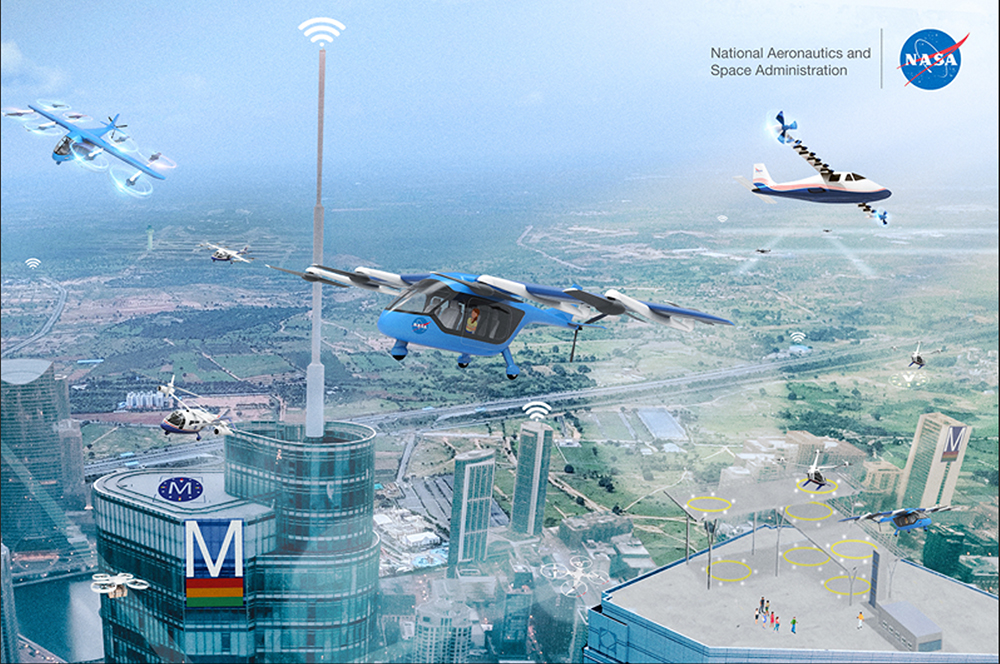
This is a sub-project within the Advanced Air Mobility (AAM) initiative. It focuses on rapid prototyping and assessment of the UAM ecosystem, incorporating automated onboard systems, ground-based infrastructure, fleet management, airspace coordination, and Vertiport Automation Systems (VAS). The project is tested across five distinct UAM flight scenarios.
Purpose
The aim is to address the growing need for a robust AAM ecosystem that can support urban air taxi services. The project integrates and evaluates prototype systems and technologies essential for safe and efficient UAM operations.
Outputs include:
- Integration of fleet management tools and airspace services with Unmanned Aerial Systems (UAS) ground control stations
- Development and testing of a Vertiport Automation System
- Demonstrations of vehicle, airspace, and vertiport automation technologies in dense urban settings
- Simulations and flight tests to address safety, integration, and operational challenges
- Integrated system prototypes demonstrating design readiness and interoperability
Impact
The High Density Vertiplex initiative supports the development of autonomous technologies and architectures vital to UAM operations. Its contributions advance the AAM concept and propose transformative changes in daily transportation, from commuting to cargo transport.
Publications
- A Flight Replanning Tool for Terminal Area Urban Air Mobility Operations
- A Framework for Assessment of Autonomy Challenges in Air Traffic Management
- A Human-In-The-Loop Simulation for Urban Air Mobility in the Terminal Area
- Enabling Urban Air Mobility: Human-Autonomy Teaming Research Challenges and Recommendations
- High Density Vertiplex – Scalable Autonomous Operations – Flight Test Report
- High Density Vertiplex: Scalable Autonomous Operations Prototype Assessment Simulation
- Missed Approach Procedures in Advanced Air Mobility: Conceptual Exploration
- Progressive Development of Fleet Management Capabilities for a High Density Vertiplex Environment
- Technical capability level 2 unmanned aircraft system traffic management (UTM) flight demonstration: Description and analysis
- The High Density Vertiplex Advanced Onboard Automation Overview
- Usability Evaluation of Fleet Management Interface for High Density Vertiplex Environments
Contact
Quang Dao- quang.v.dao@nasa.gov, 650-604-6620