
















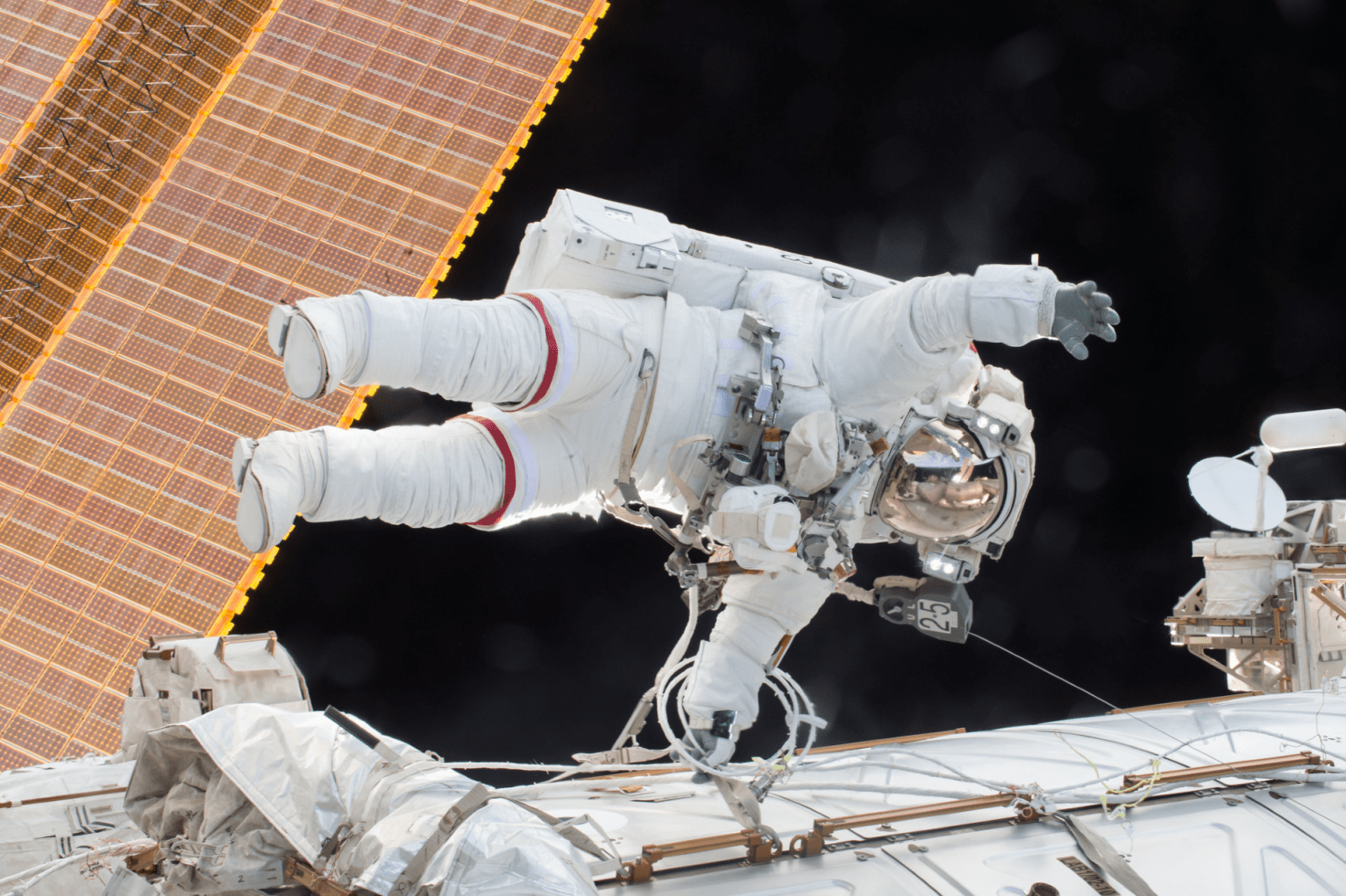
Ongoing HRP Research in Space
Human Investigations on NASA's Artemis II Mission
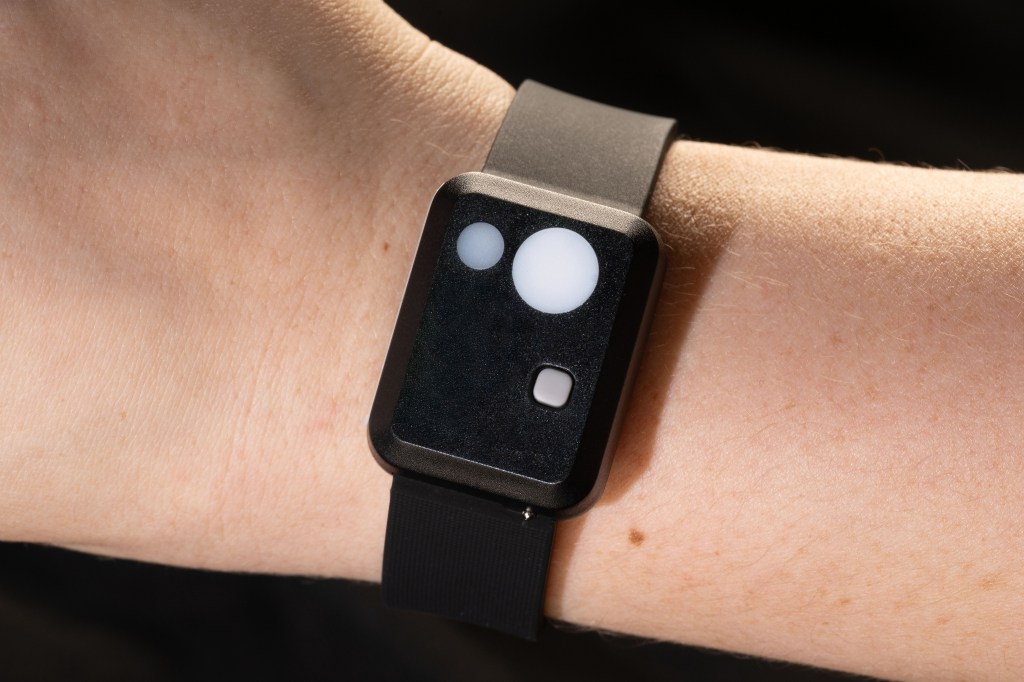
ARCHeR
A study on Artemis II monitored astronauts' well-being, activity, and sleep patterns to learn more about human health and performance in deep space.
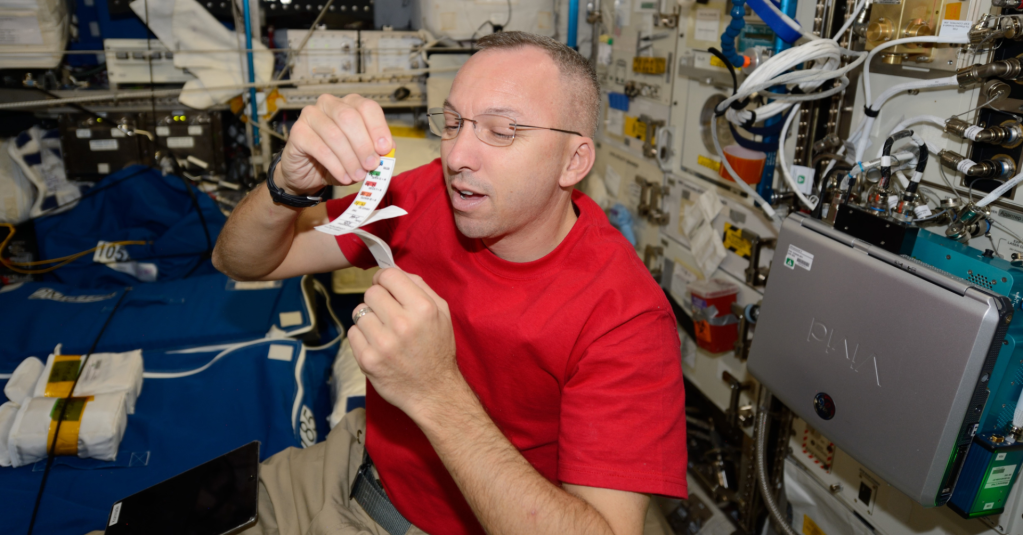
Immune Biomarkers
Scientists analyzed blood and saliva samples from Artemis II crew members to see how deep space changes the immune system.
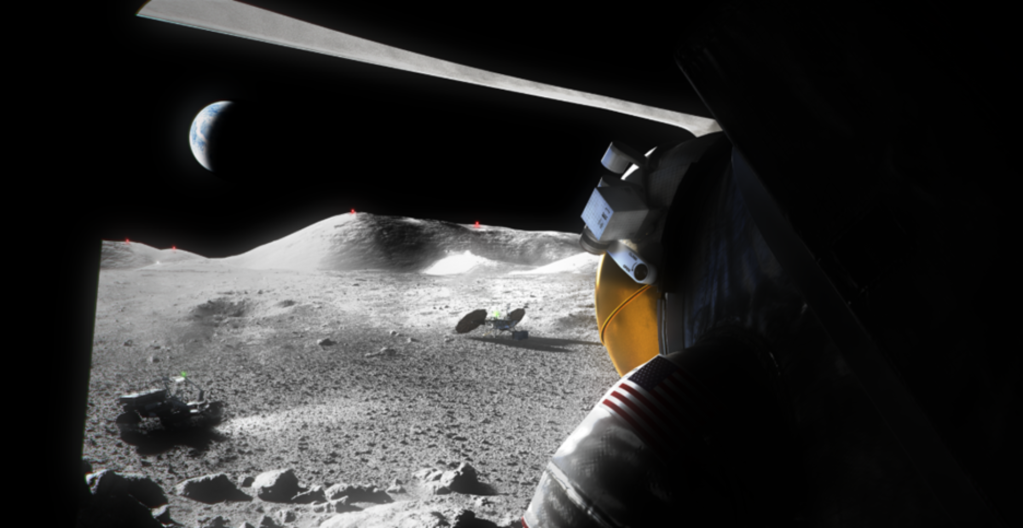
Artemis II Standard Measures
Crews supplied a consistent set of health information to a data bank so that future researchers can learn more about astronaut health.
Human Investigations in Low Earth Orbit

B-Complex
Investigating if a daily B vitamin supplement can prevent or mitigate brain and eye changes that may affect some humans in space
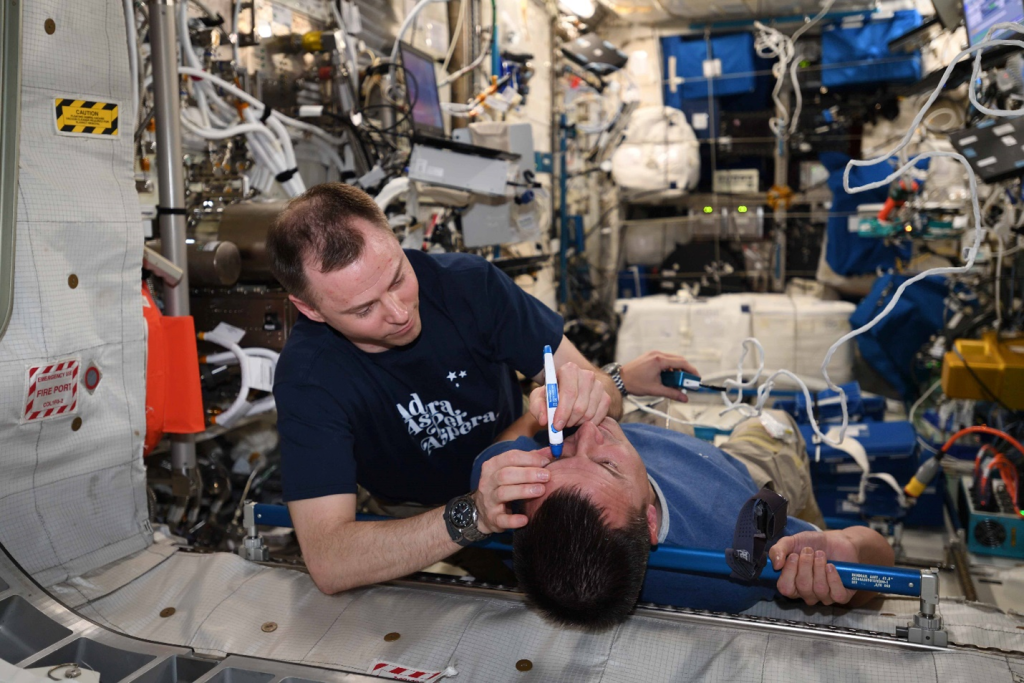
Brain Fluid Pressure
Examining the relationship between fluid pressure inside the skull and changes to the eyes and brain of astronauts
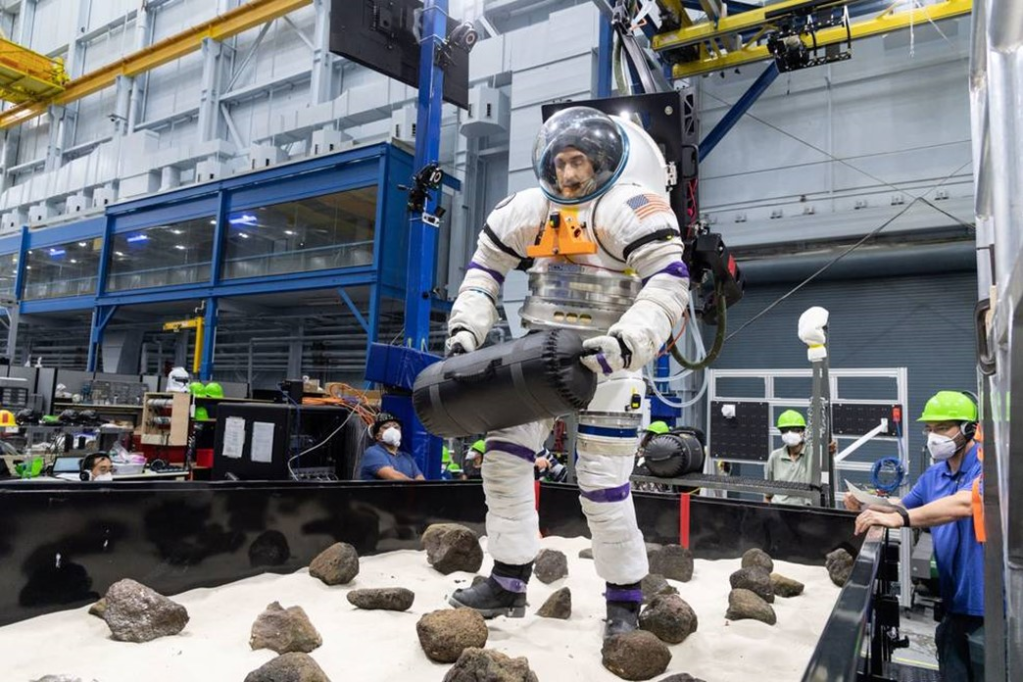
CIPHER
Providing a better understand of how the human body changes while orbiting the Earth via a suite of studies examining multiple body systems
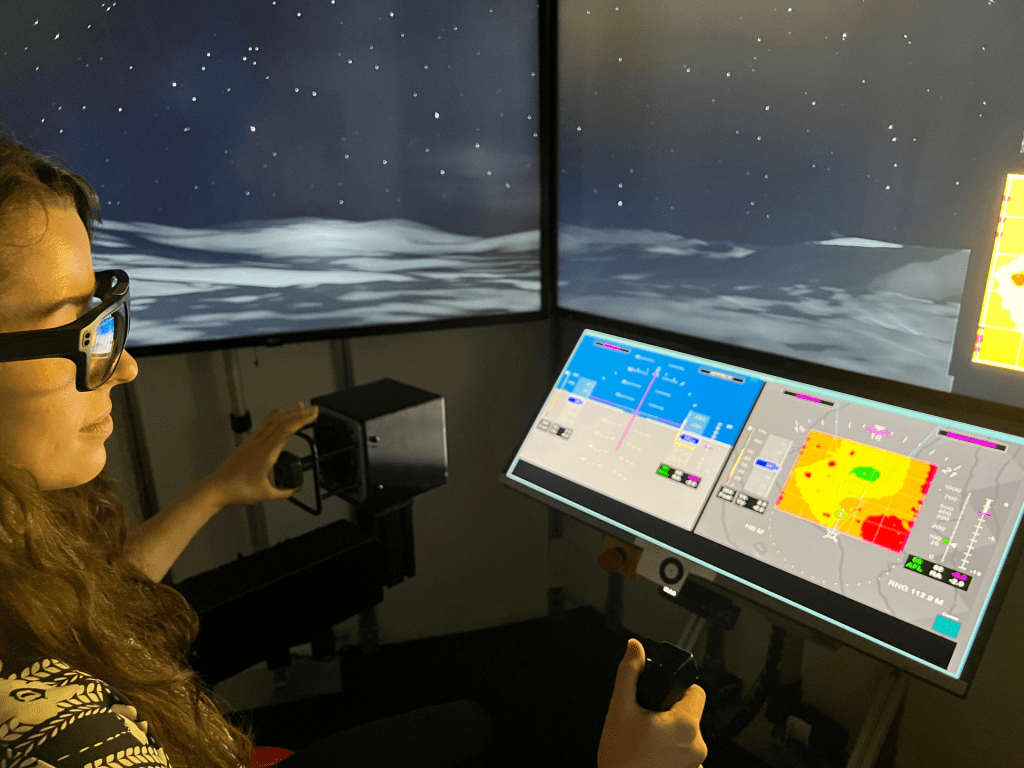
Simulating Manual Piloting for Moon Landings
Assessing how gravity transitions may affect the piloting capabilities of astronauts for future Moon landings

Spacecraft Occupant Protection
Surveying crew members' potential discomfort during re-entry to Earth and combining it with sensor data on spacecraft

Spinal Fluid Biomarkers
Detecting substances in the spinal fluid of astronauts associated with space-related brain and eye changes
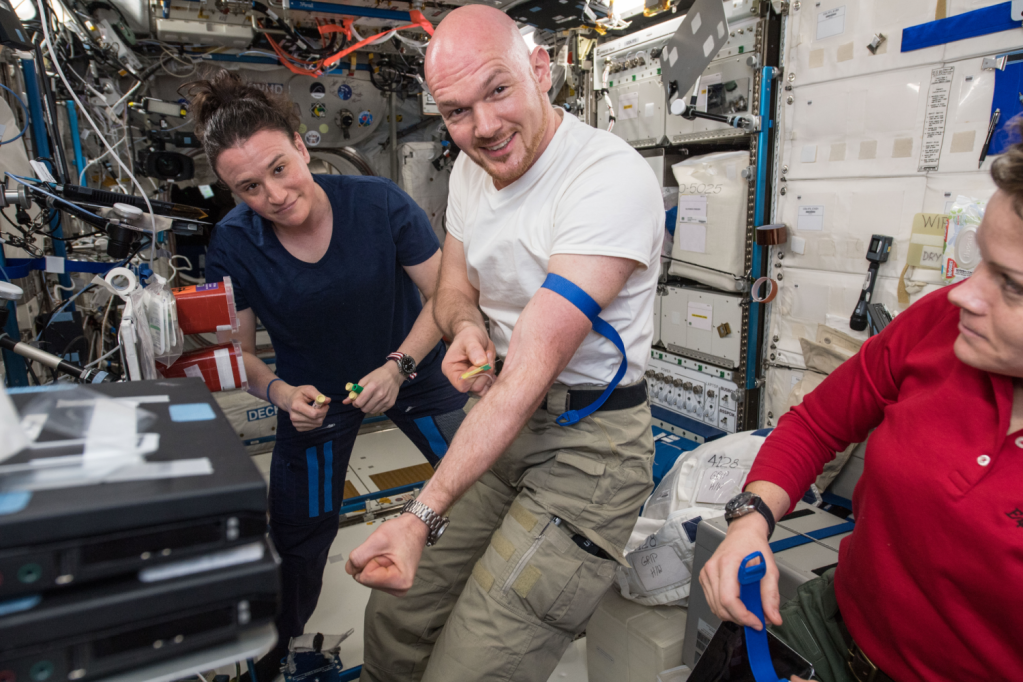
Standard Measures
Collecting a consistent set of physiological and psychological measurements to better understand how spaceflight affects the bodies and minds of crew members
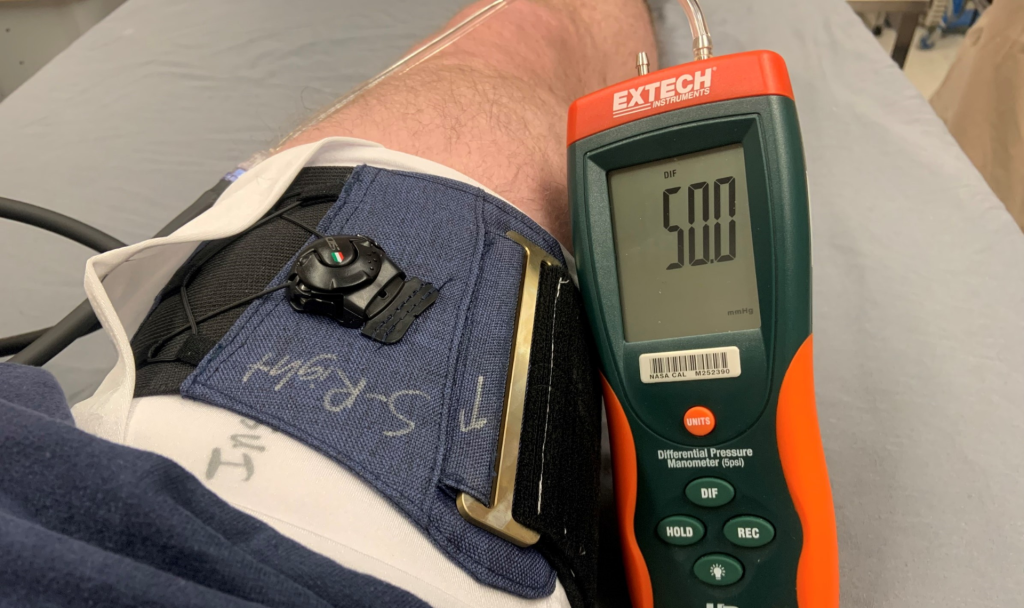
Thigh Cuff
Testing if wearing tight thigh cuffs could keep more bodily fluids in the legs to help determine if future strategies can avert the eye disorders that can develop in space
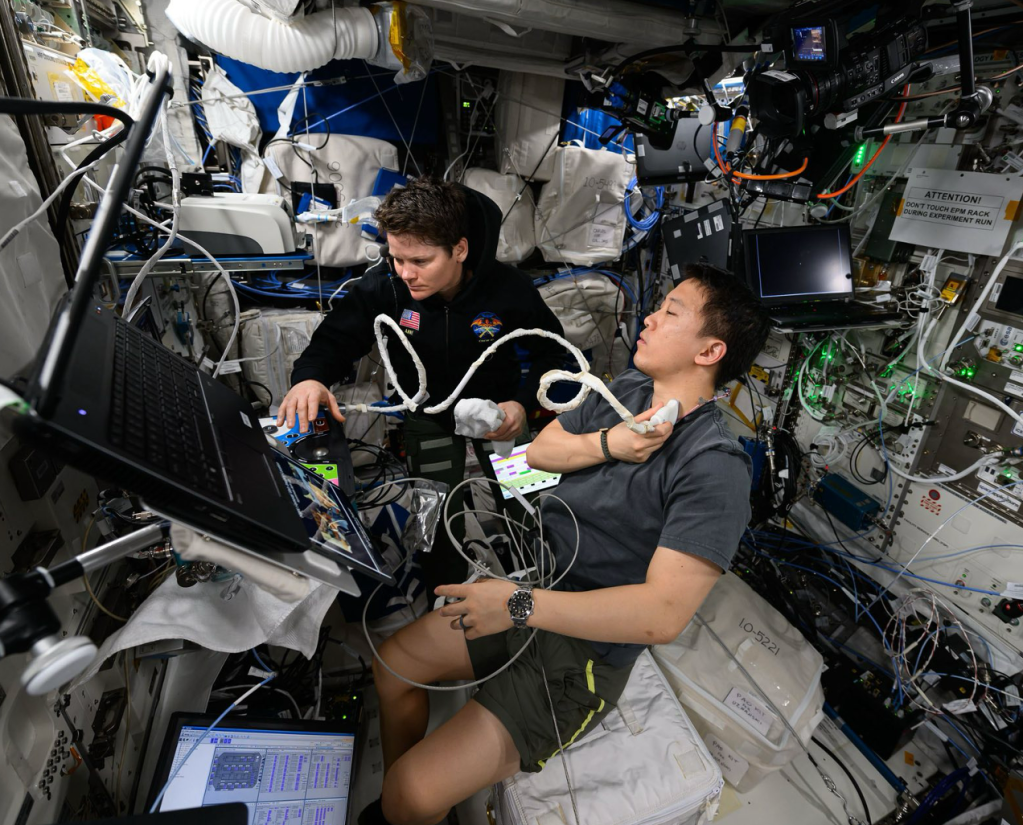
Venous Haemostasis
Examining physical differences in astronauts that may contribute to blood flow and blood coagulation changes in space
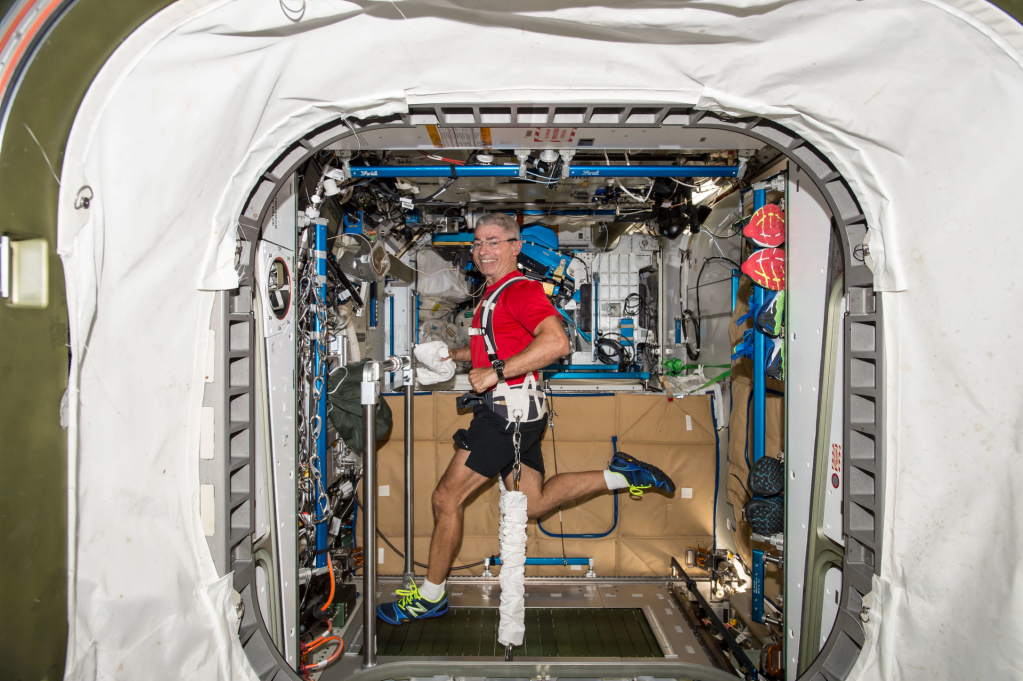
Zero T2
Examining how exercise in space without a treadmill affects human health and performance ahead of deep space missions
Past Human Investigations
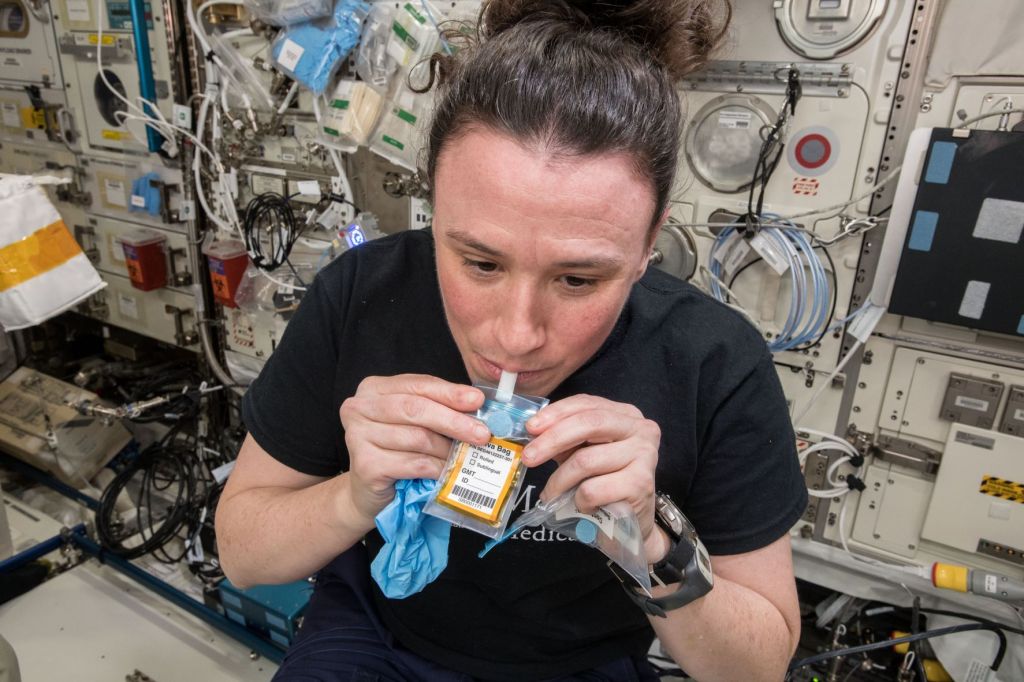
Altered Immunity
Analyzing blood, saliva, and urine samples to investigate how spaceflight alters the immune system

Food Acceptability
Assessing how long-term spaceflight affects food appeal to improve current and future space food systems

Food Physiology
Determining whether an enhanced spaceflight diet could help astronauts better adapt to space
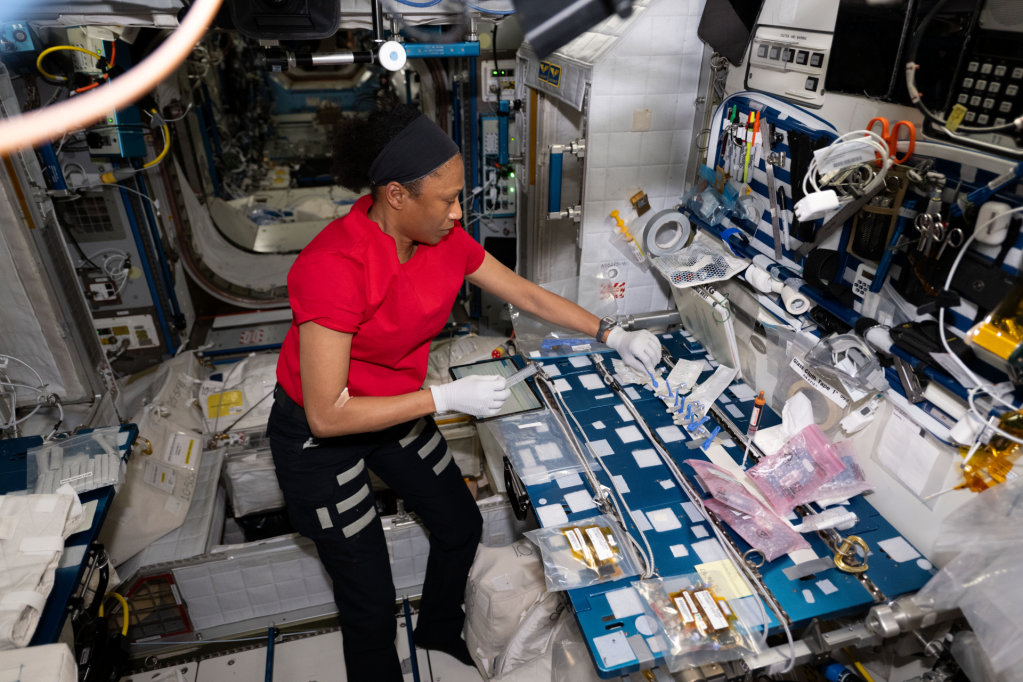
Omics Archive
Collecting astronauts’ blood, urine, saliva, feces, and cells to document how long-duration spaceflight influences human health and performance and changes the body at the molecular level
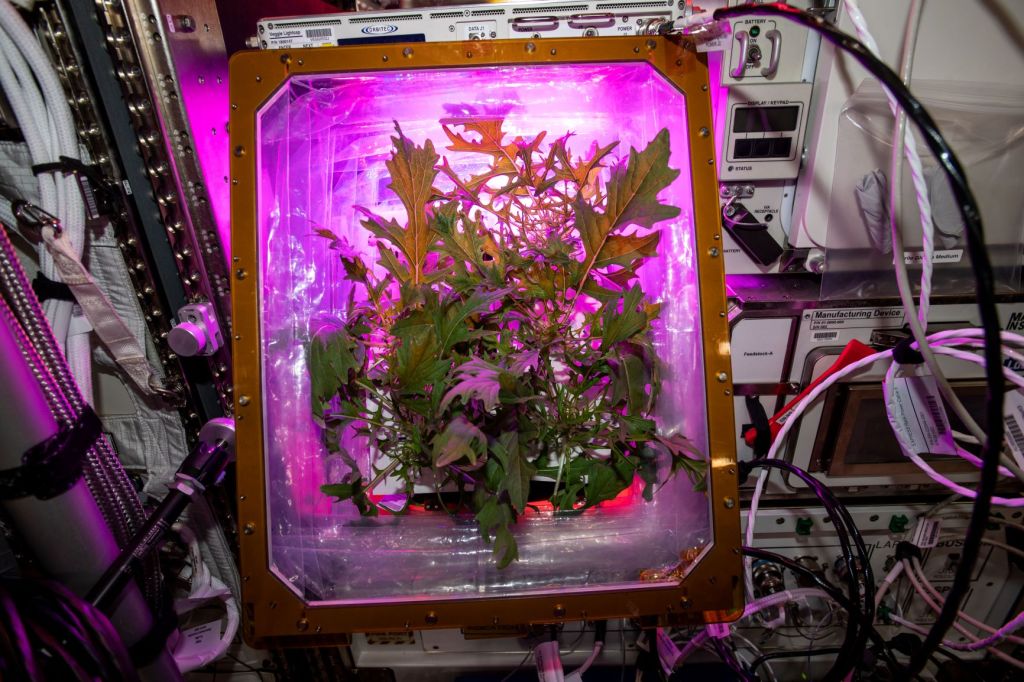
Space Gardening
Surveying whether growing fresh vegetables in space can ease astronauts’ sense of isolation and confinement
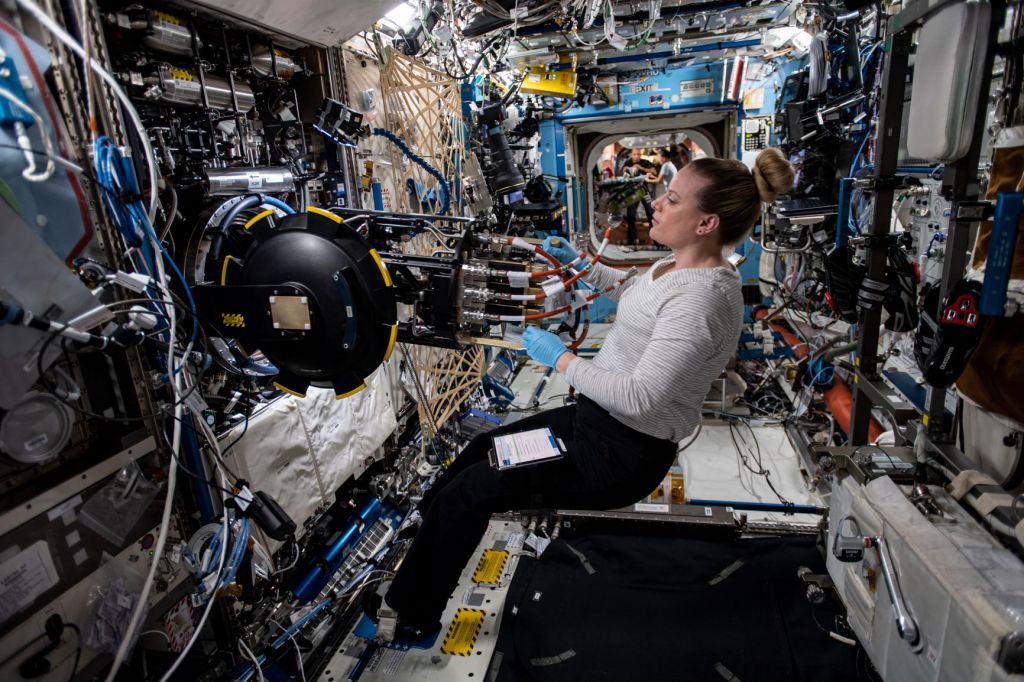
Spinal Health
Scrutinizing scans of astronauts’ spines to inform strategies that counter bone and muscle loss in space
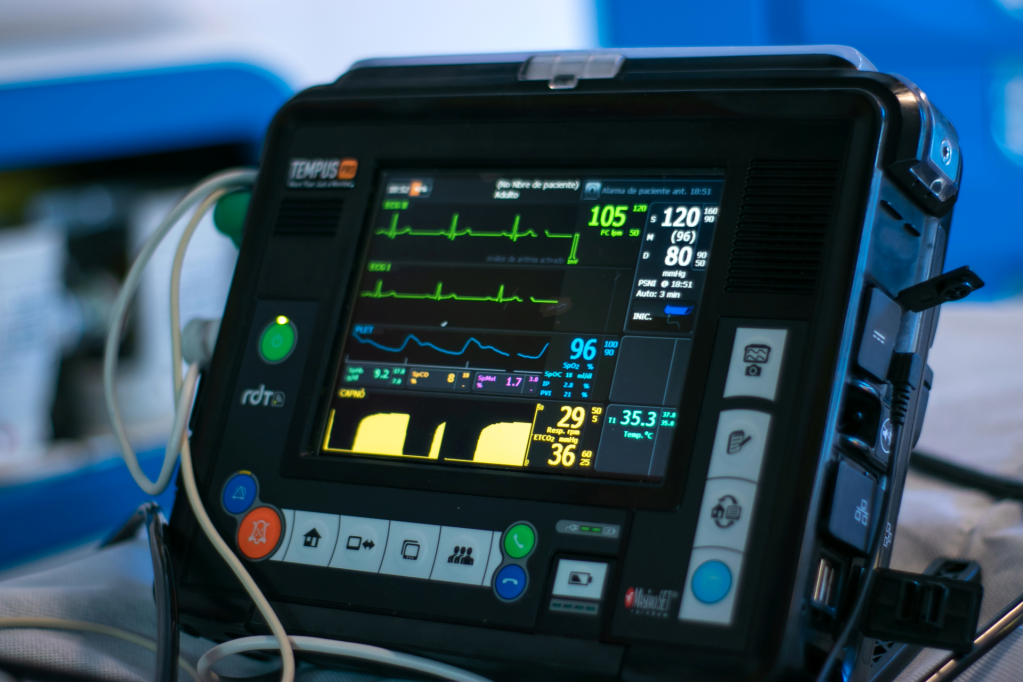
Tempus Pro
Test-driving a commercial telemedicine device used to collect and integrate health data, potentially enabling remote, near real-time diagnoses

Veggie Monitoring
Monitoring microbial growth on hardware that stores crops in space to develop a better plant production system and ensure crew safety

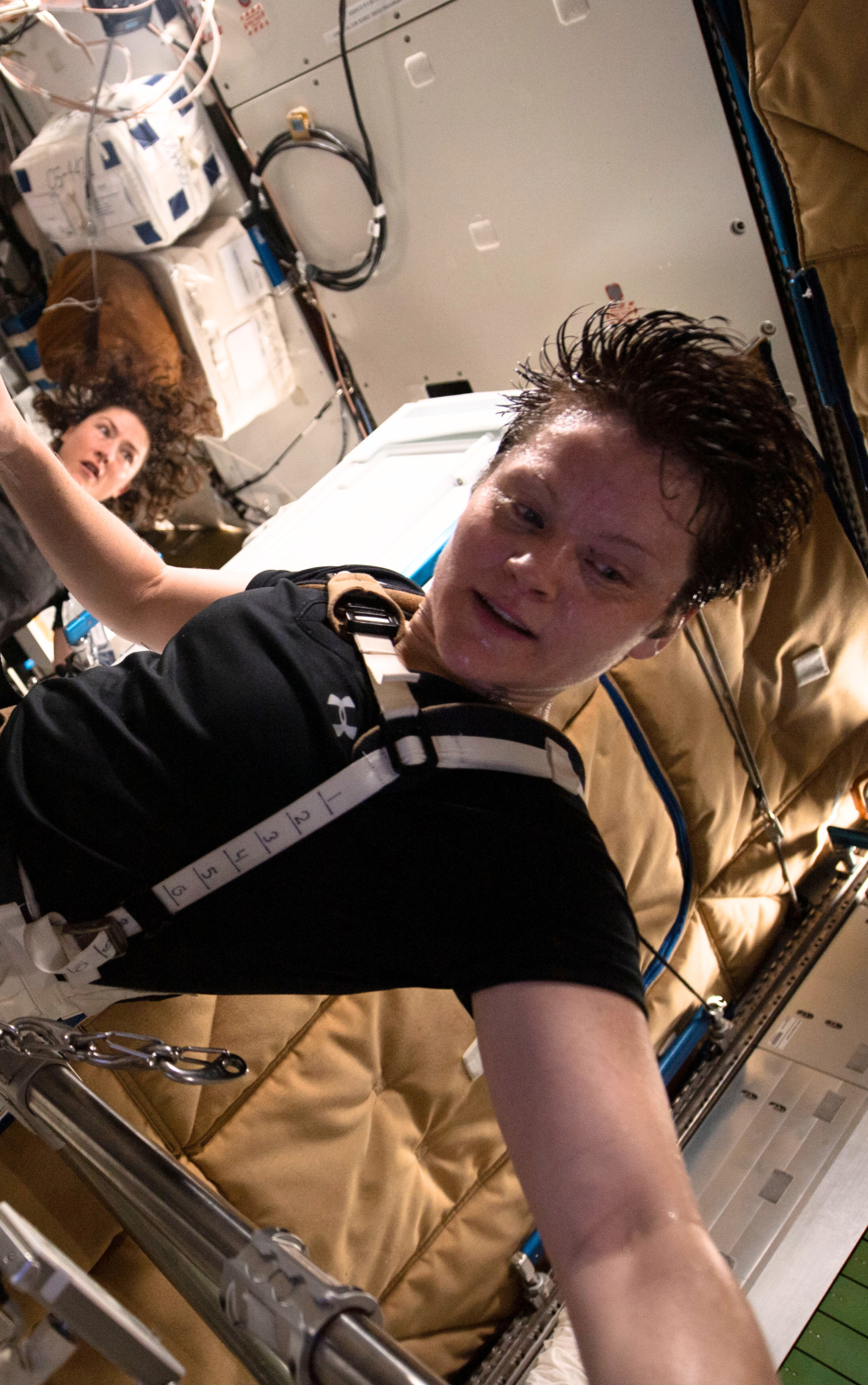

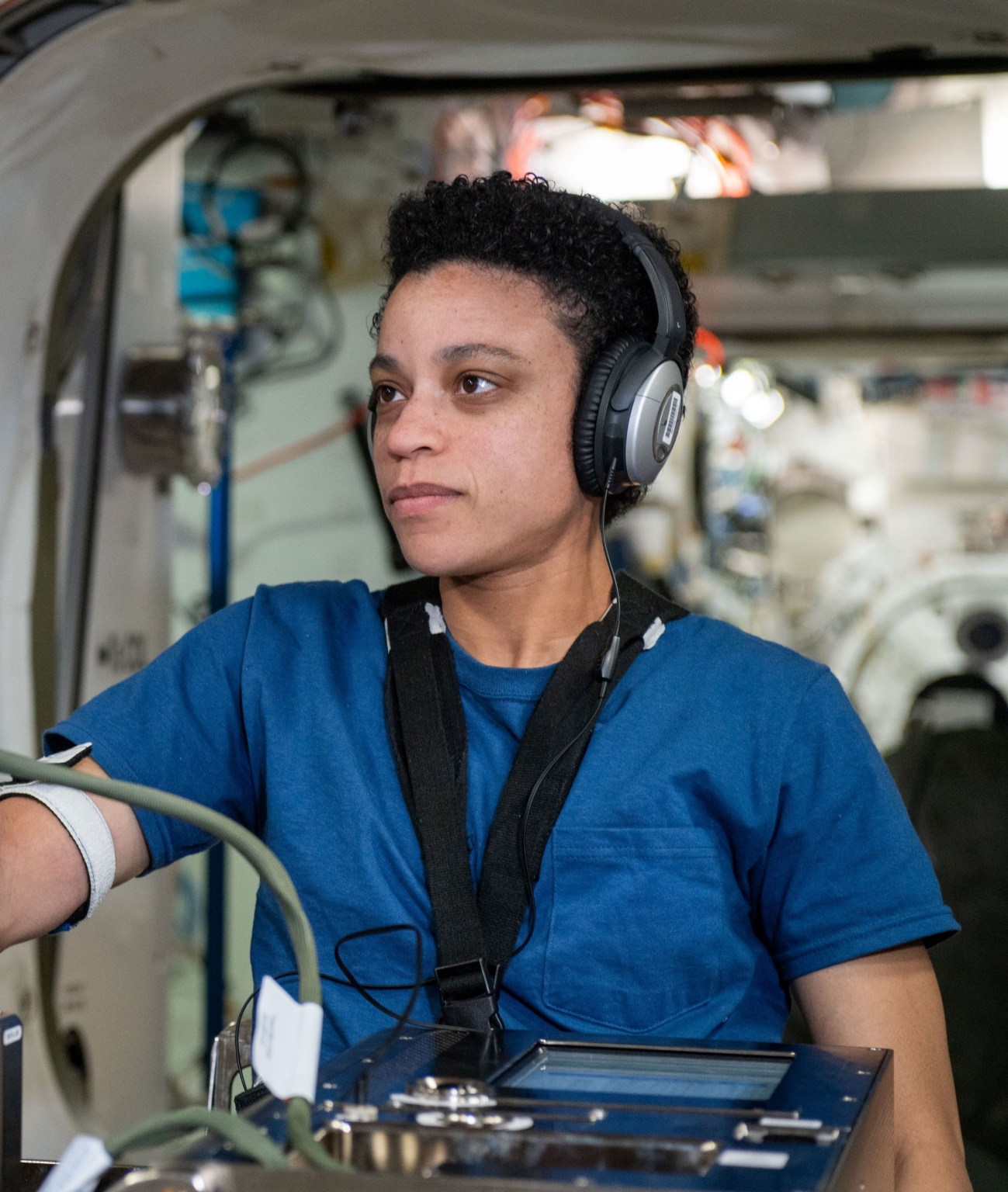
HRP Overview
Get to know our program, the spaceflight hazards we study, and the specific risks and knowledge gaps our research addresses.
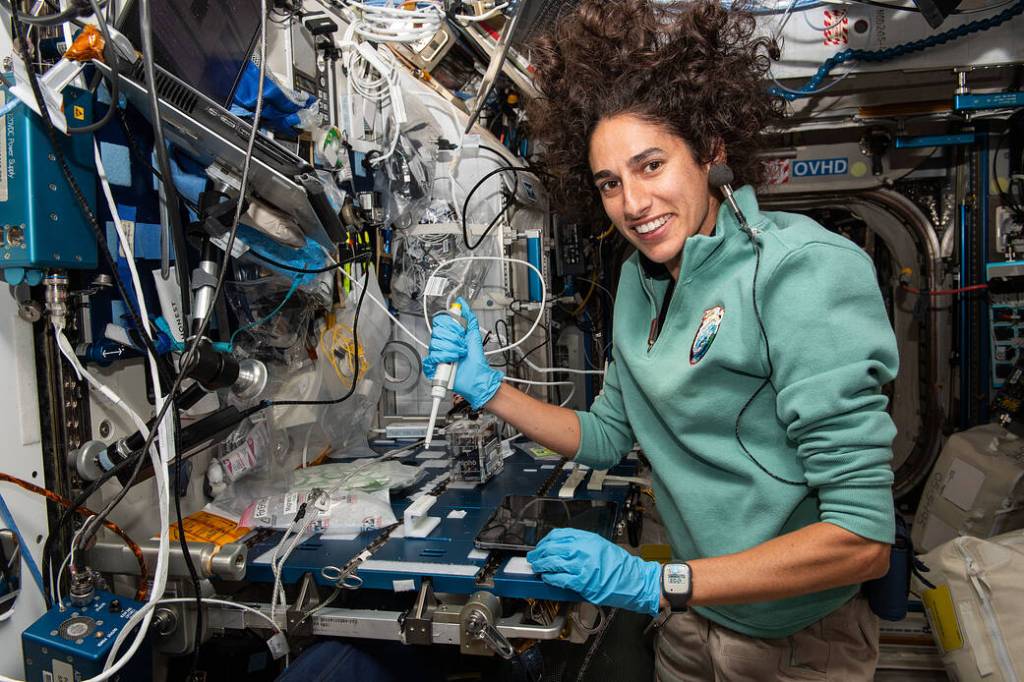
Who We Are
HRP uses research to develop methods to protect the health and performance of astronauts in space.
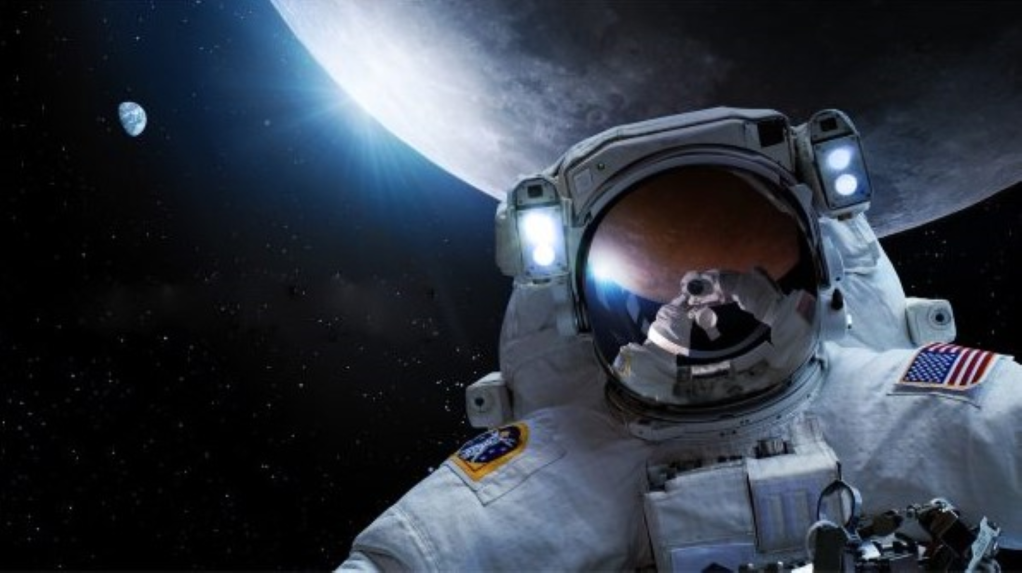
View Our Hazards
HRP has identified five hazards of human spaceflight: space radiation, isolation and confinement, distance from Earth, gravity (or lack thereof), and hostile or closed environments.
Human Research Roadmap
The Human Research Roadmap provides an overview of the risks and knowledge gaps that HRP associates with human spaceflight.