




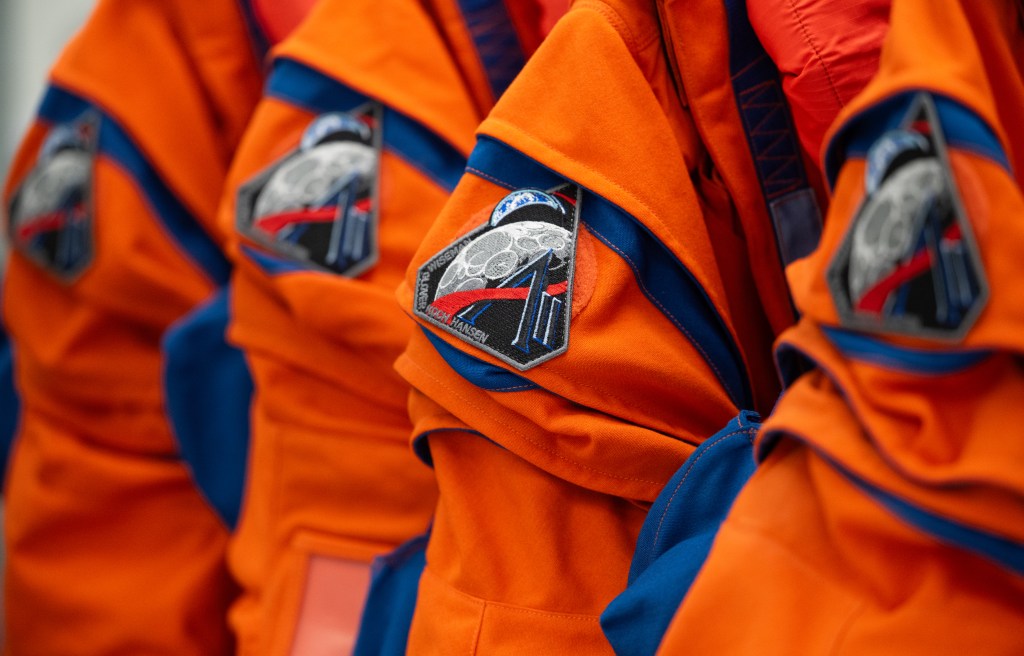

Become An Astronaut
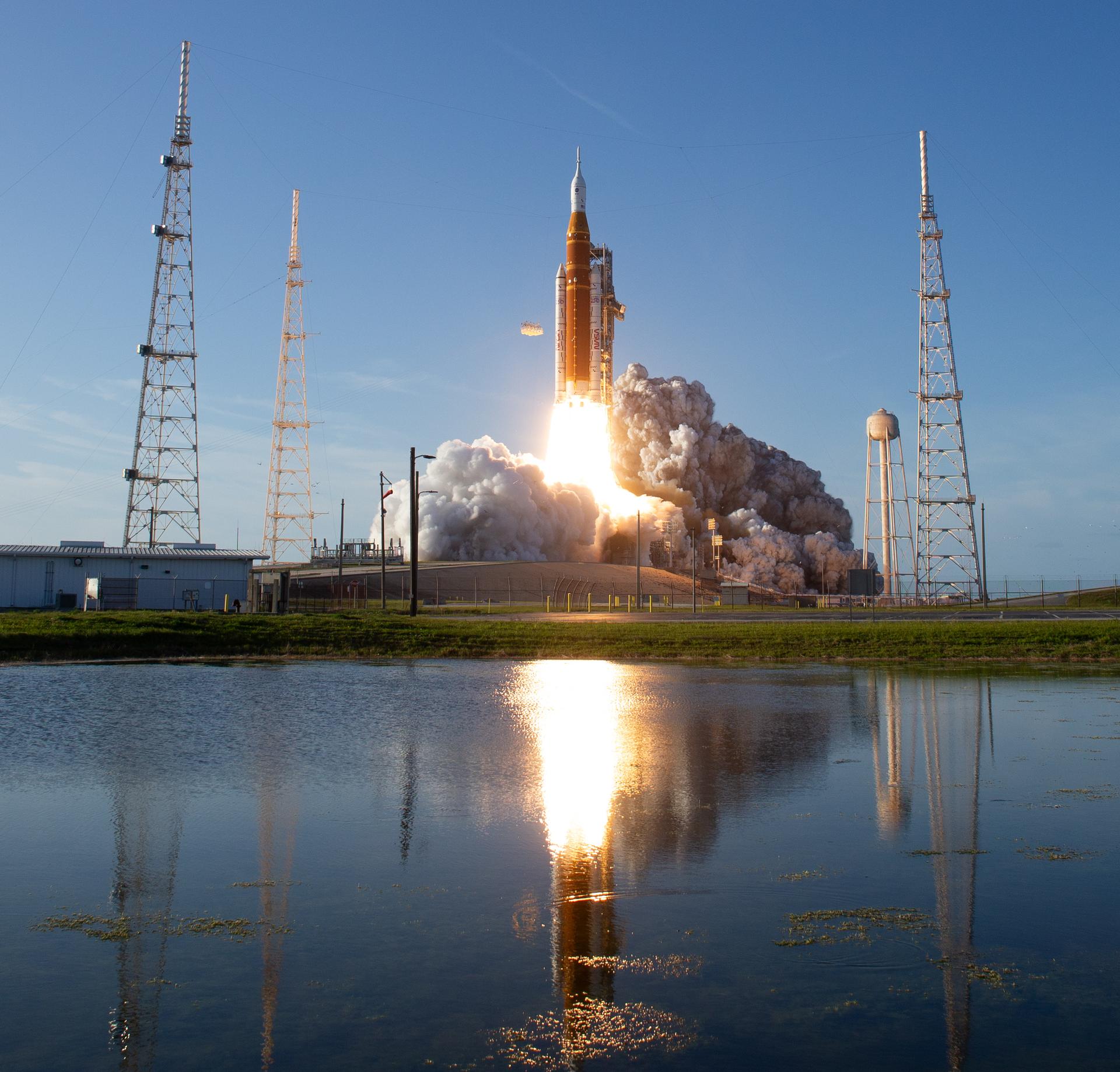
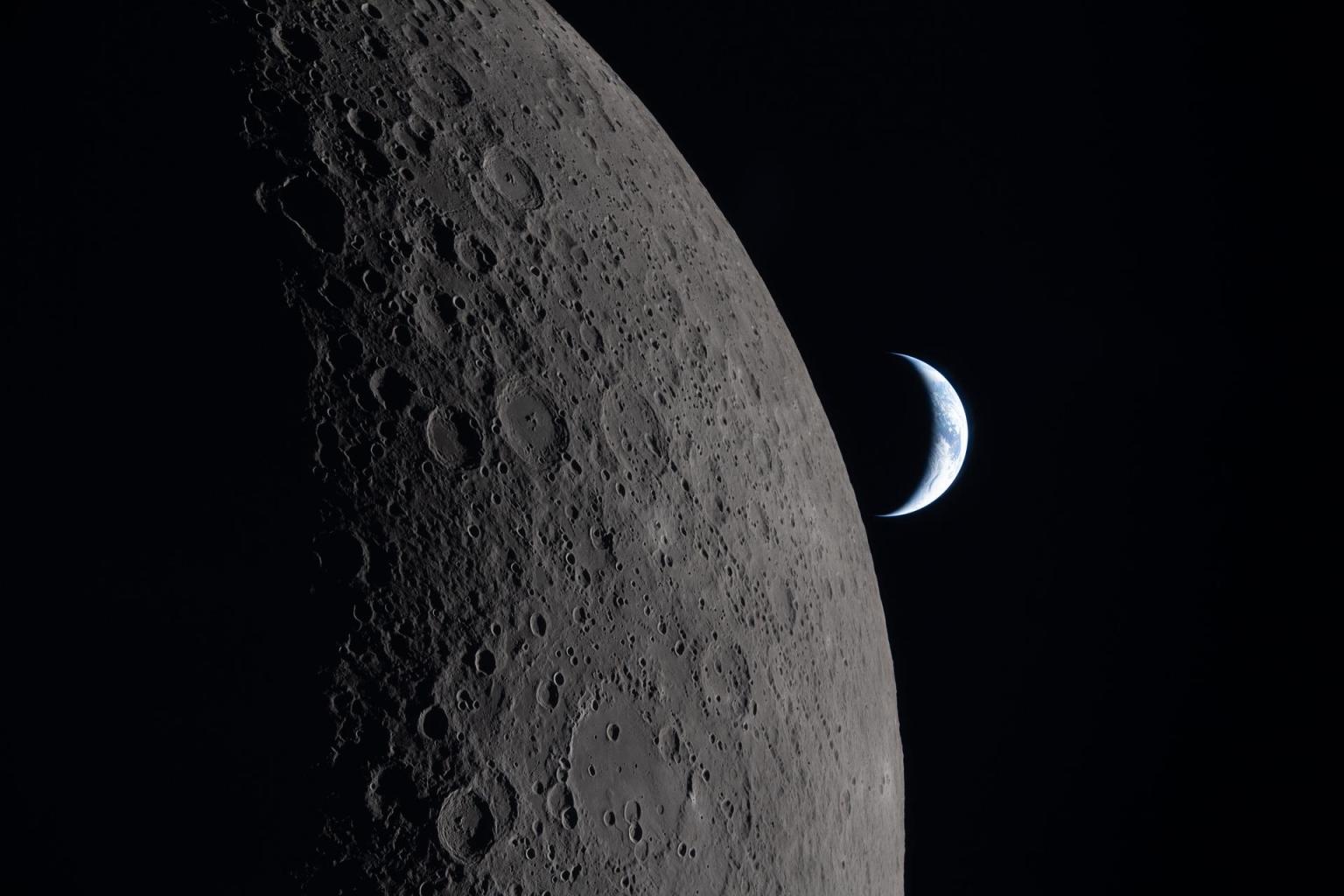
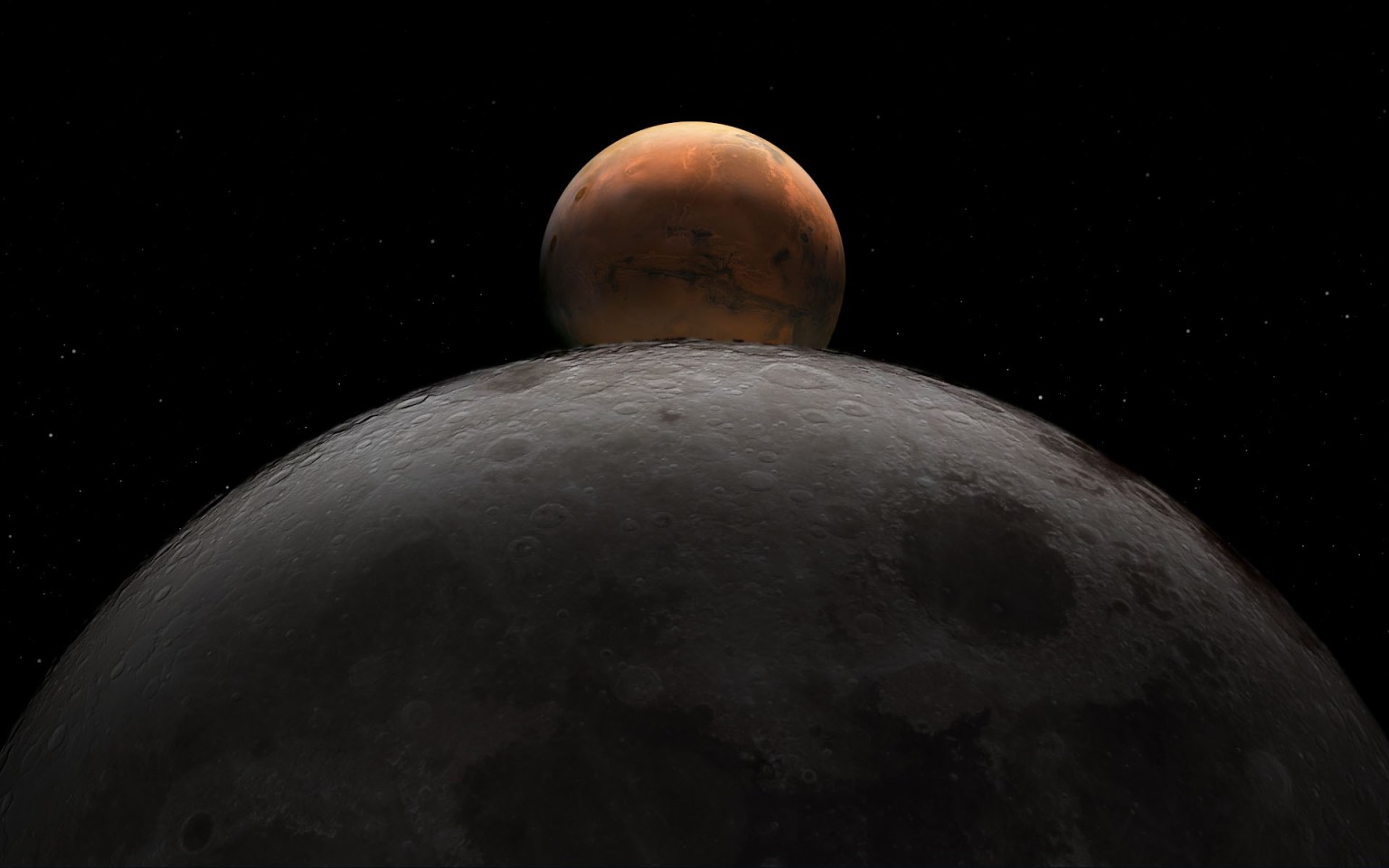
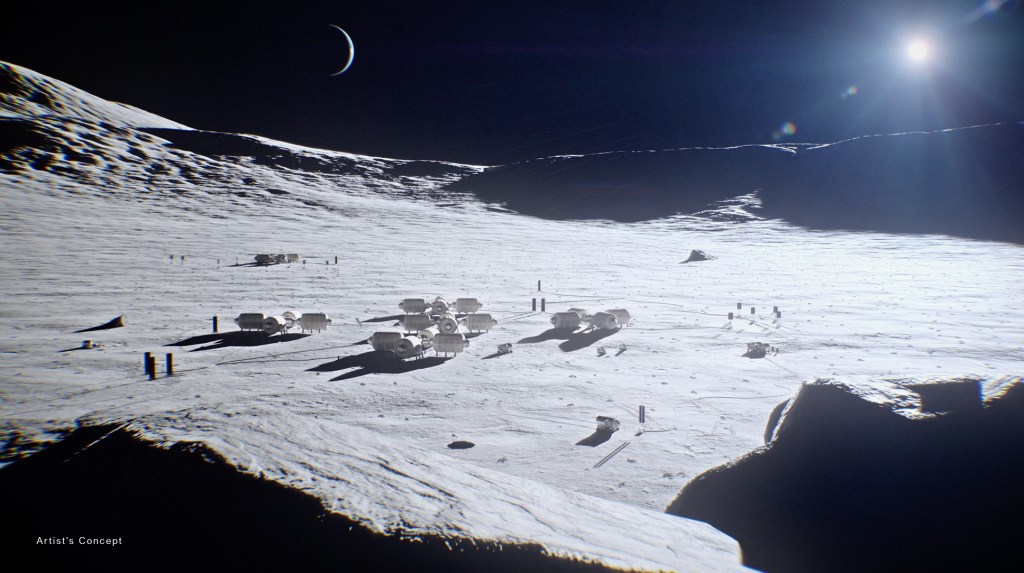
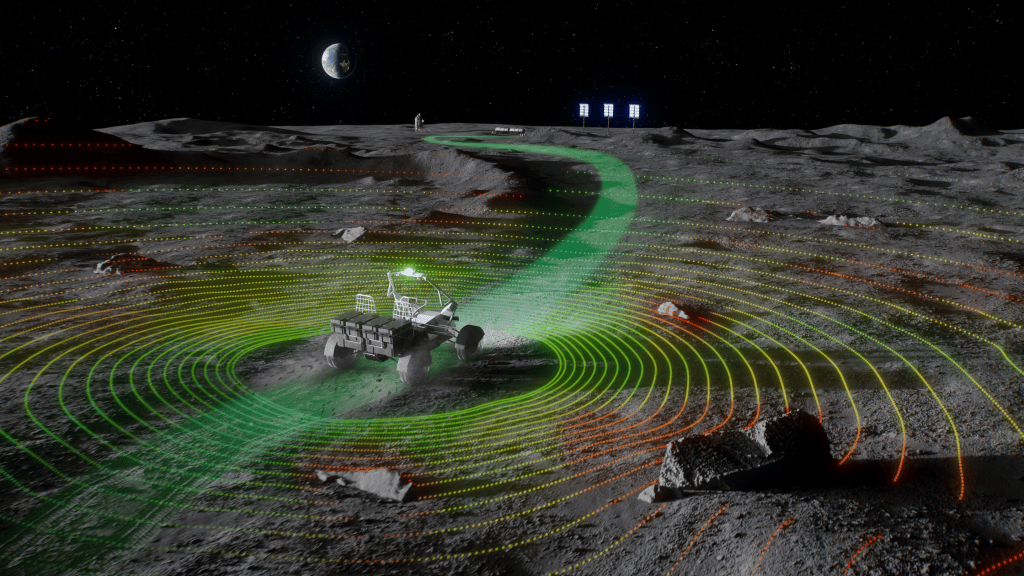
Since its inception, NASA’s astronaut corps has represented the very best of American ingenuity, skill, and determination, carrying out missions that achieve the near impossible, expanding humanity’s understanding of Earth, the Moon, and beyond. As NASA builds a Moon Base and advances the Artemis program, astronauts will undertake missions that will return humans to the Moon, establish a sustained human presence on the lunar surface, and lay the foundation for future exploration of Mars. The experience gained through these missions will help develop the technologies, capabilities, and knowledge needed for humanity’s next giant leap into deep space.
NASA is now accepting astronaut applications through 11:59 p.m. EST, Thursday, Dec. 3. Apply at USAJOBS – Job Announcement.
Requirements to Become an Astronaut
Astronaut requirements have changed with NASA’s goals and missions. Today, to be considered for an astronaut position, applicants must meet the following qualifications:
- Be a U.S. citizen
- Have a master’s degree* in a STEM field, including engineering, biological science, physical science, computer science or mathematics, from an accredited institution.
- Have a minimum of three years of related professional experience obtained after qualifying degree completion.
- OR For Pilots:
- High-Performance Jet: 750 hours of Pilot-In-Command time
- Other Fixed Wing Aircraft: 1,500 total hours, 750 of which must be Pilot-In-Command time
- Rotary Wing Aircraft: 1,000 hours total, 300 of which must be Pilot-In-Command time
- OR For Medical Doctors:
- Time in residency can count towards the experience requirement and must be completed by July 2027
- OR For Pilots:
- Be able to successfully complete the NASA long-duration flight astronaut physical.
*The master’s degree requirement can also be met by:
- Two years of work towards a doctoral program in a related science, technology, engineering, or math field.
- Completed Doctor of Medicine, Osteopathic Medicine, Physician Assistant, Doctor of Nursing Practice, Family Nurse Practitioner, or related medical degree
- Completion (or current enrollment that will result in completion by July 2027) of a nationally recognized Test Pilot School (TPS) program.
Astronaut candidates must also have skills in leadership, teamwork and communications.
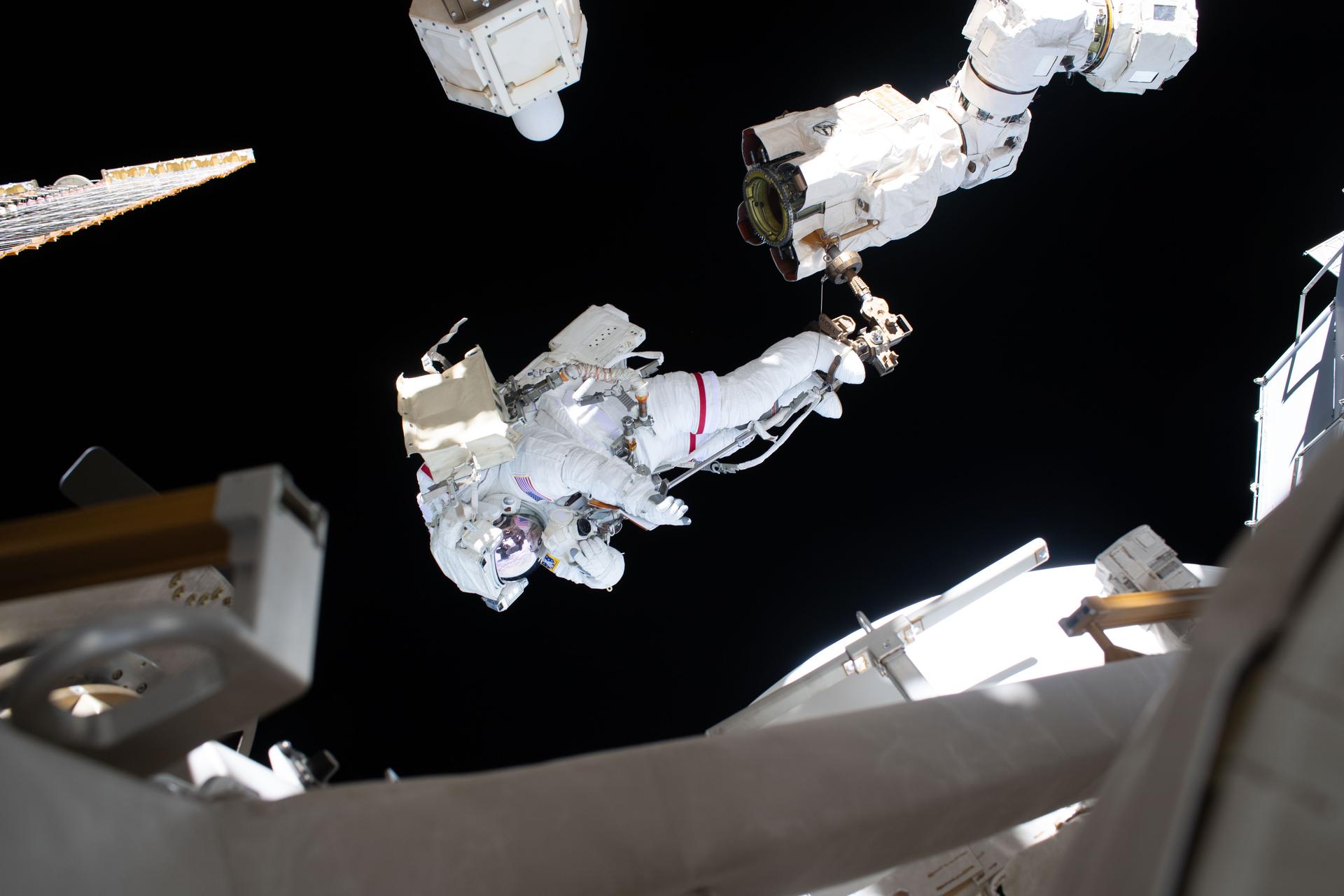
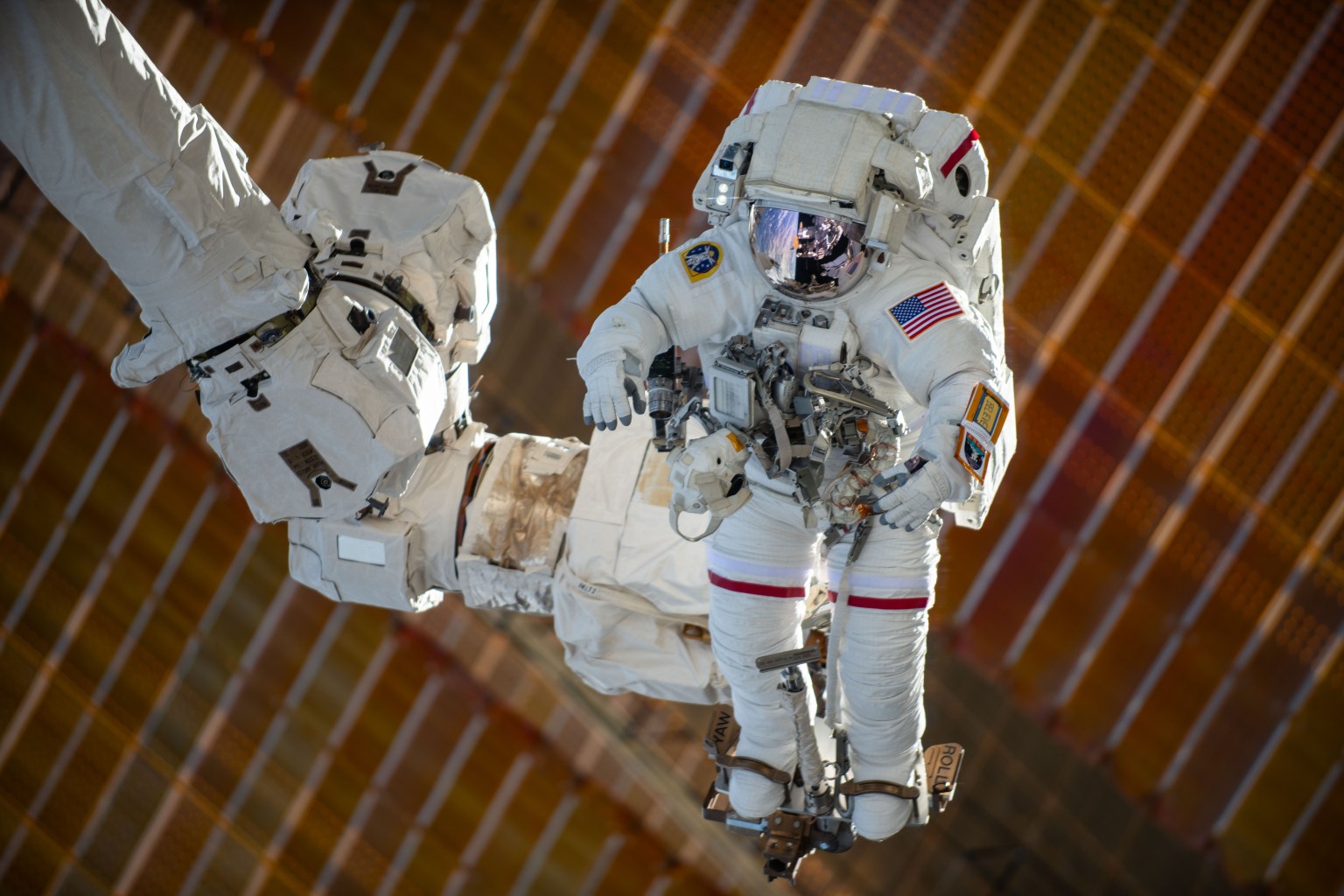
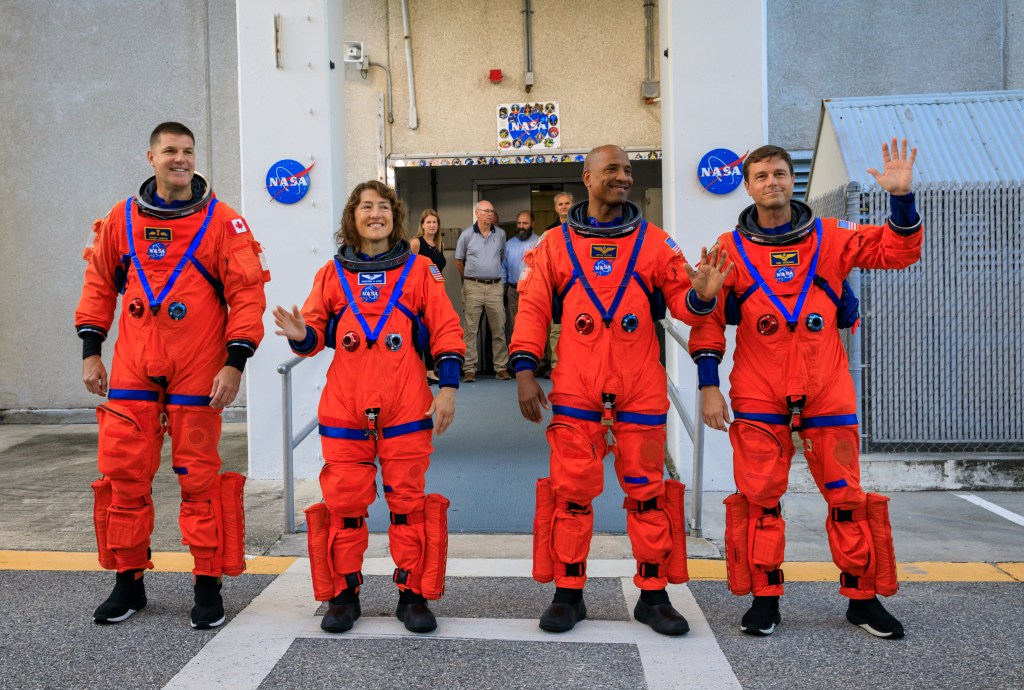
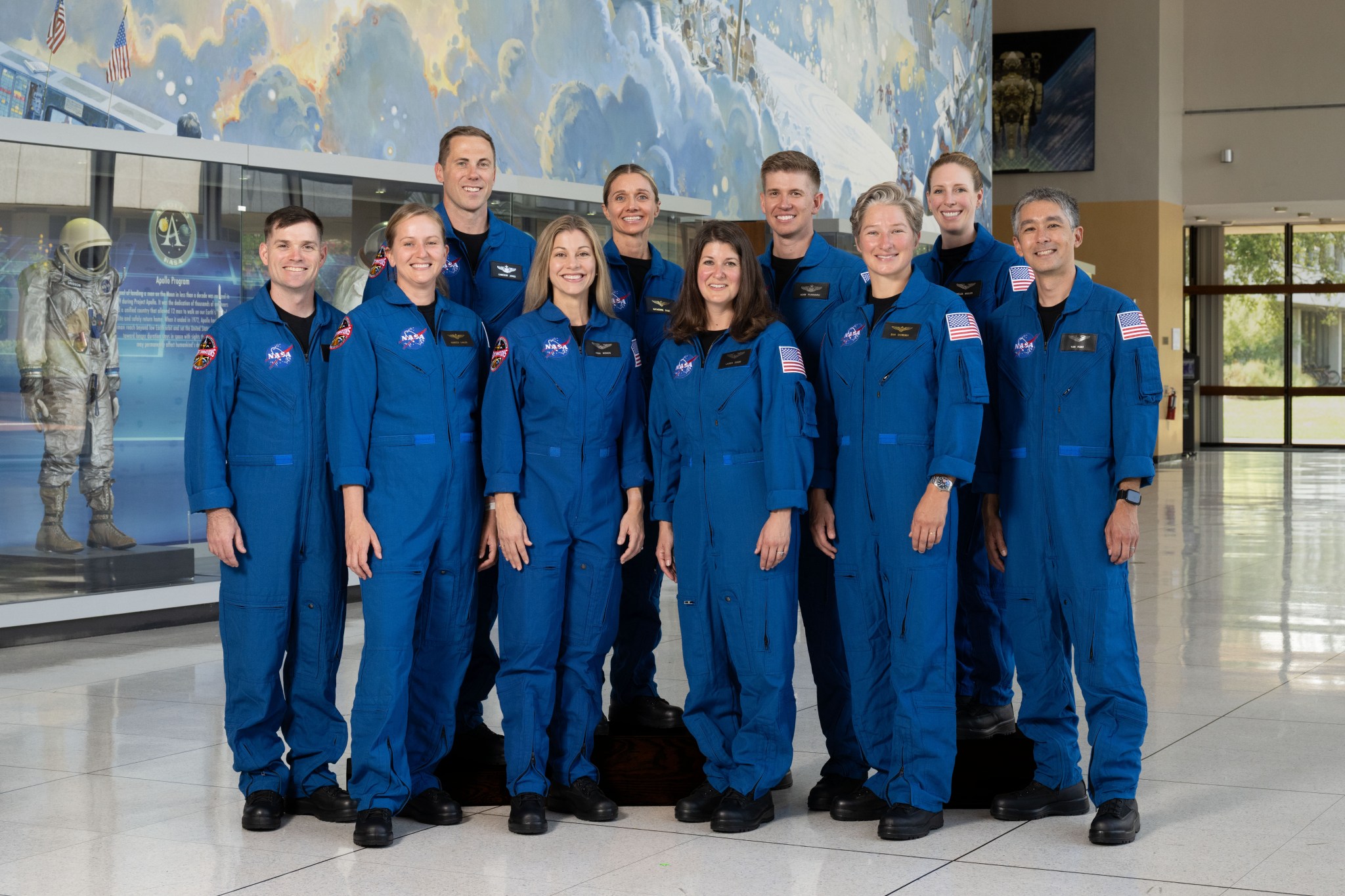
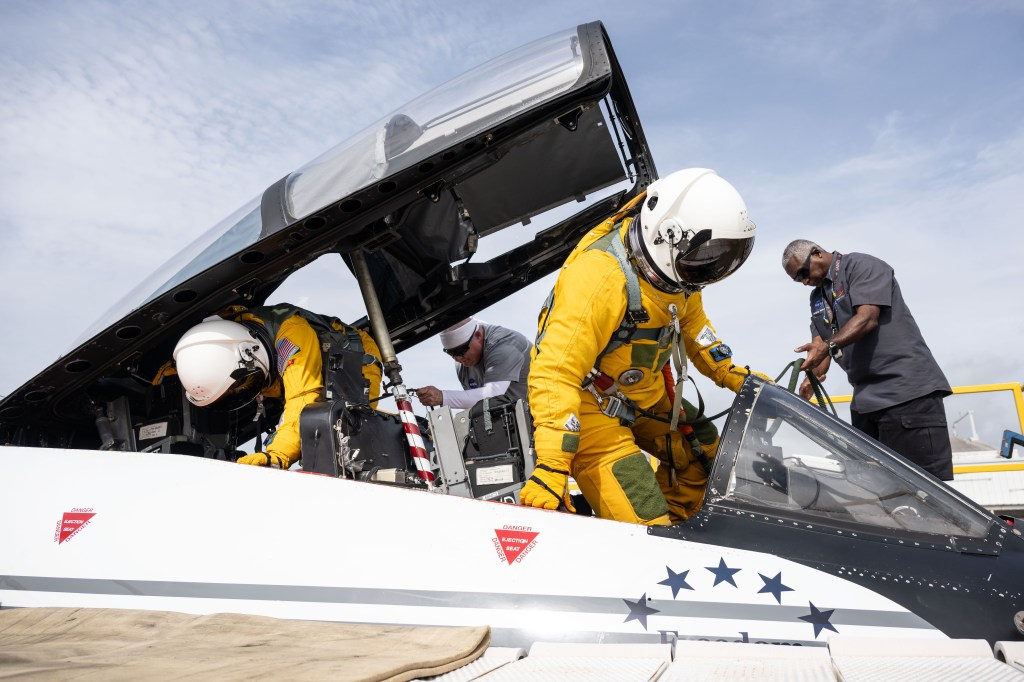
NASA’s Astronaut Selection Board reviews the applications and assesses each candidate’s qualifications. The board then invites a small group of the most highly qualified candidates for interviews at NASA’s Johnson Space Center in Houston, Texas. Of those interviewed, about half are invited back for second interviews. From that group, NASA’s new astronaut candidates are selected. They report for training at Johnson and spend the next two years learning basic astronaut skills like spacewalking, operating the space station, flying T-38 jet planes and controlling a robotic arm.
With NASA’s plans for the future of exploration, the agency’s next astronaut class will play a critical role in advancing exploration, strengthening American leadership in space, and helping write the next chapter of discovery for the Artemis generation and beyond.
Application Timeline
NASA selects astronauts in groups of various sizes on an as-needed basis. Filling out an application is just the beginning. Highly qualified applicants may be asked to come to NASA’s Johnson Space Center in Houston for further evaluation.
Frequently Asked Questions
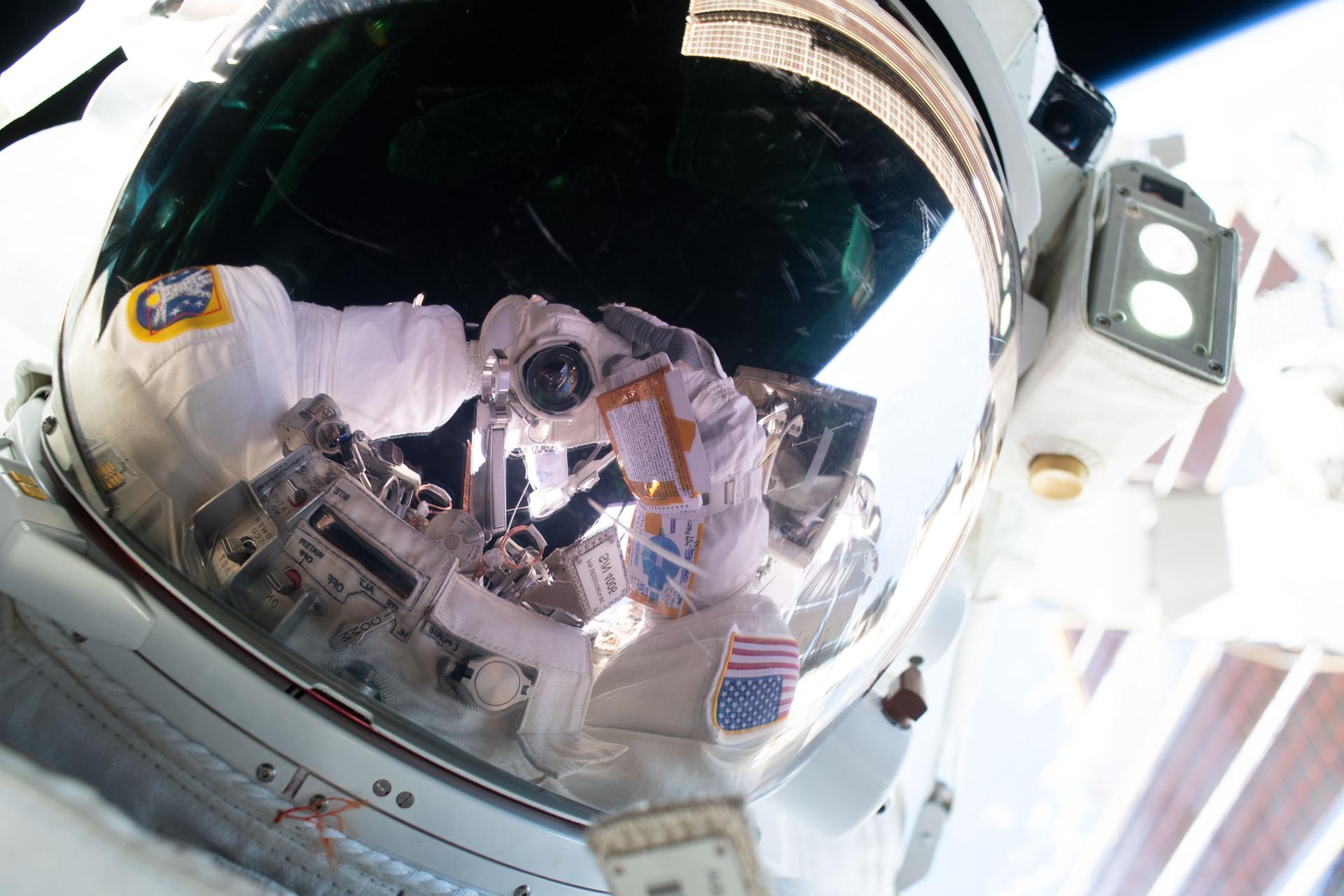
For questions about the application process and the requirements to apply to become an astronaut, please see the Frequently Asked Questions.
Astronaut Candidates
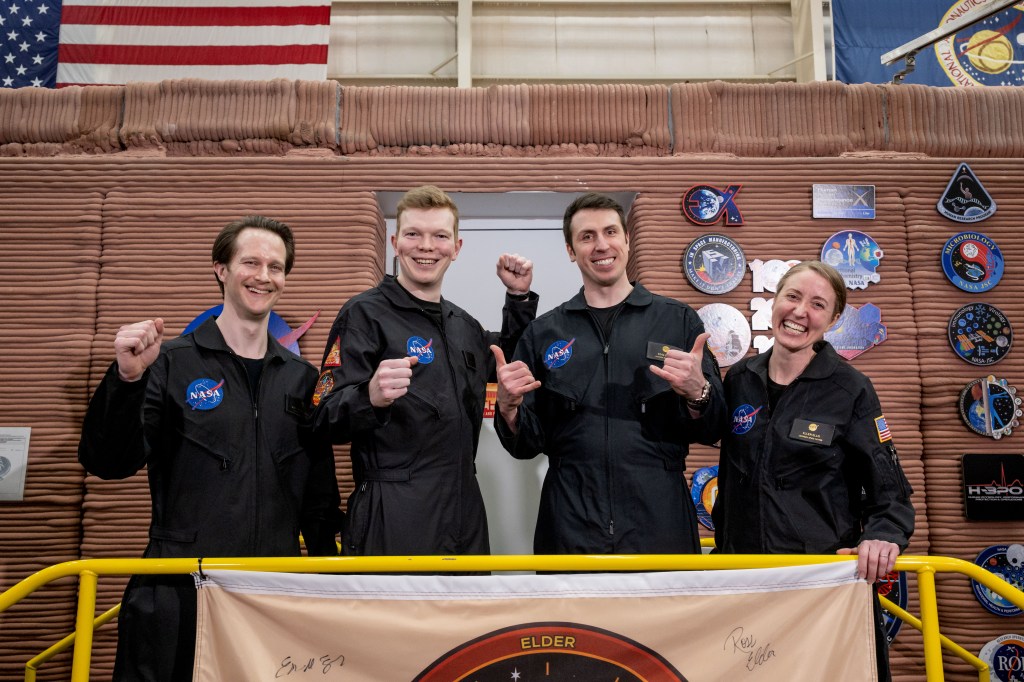
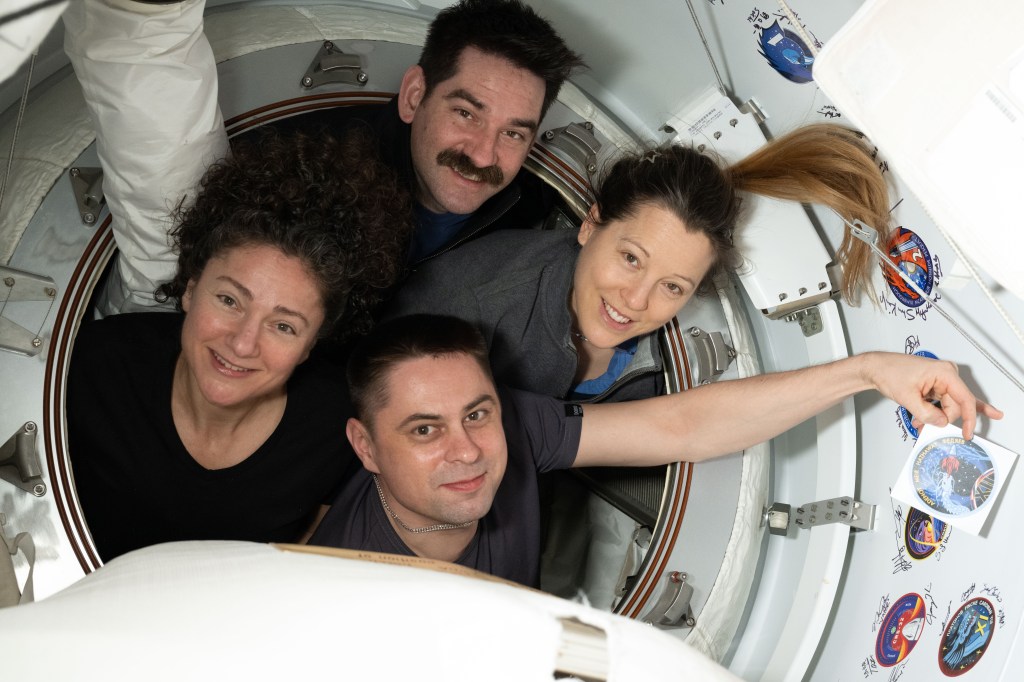
The term astronaut candidate refers to individuals who have been selected by NASA as candidates for the NASA astronaut corps and are currently undergoing a candidacy training program at the Johnson Space Center.
Astronaut Selection History
To date, NASA has selected 370 astronaut candidates to fly on its increasingly challenging missions to explore space.
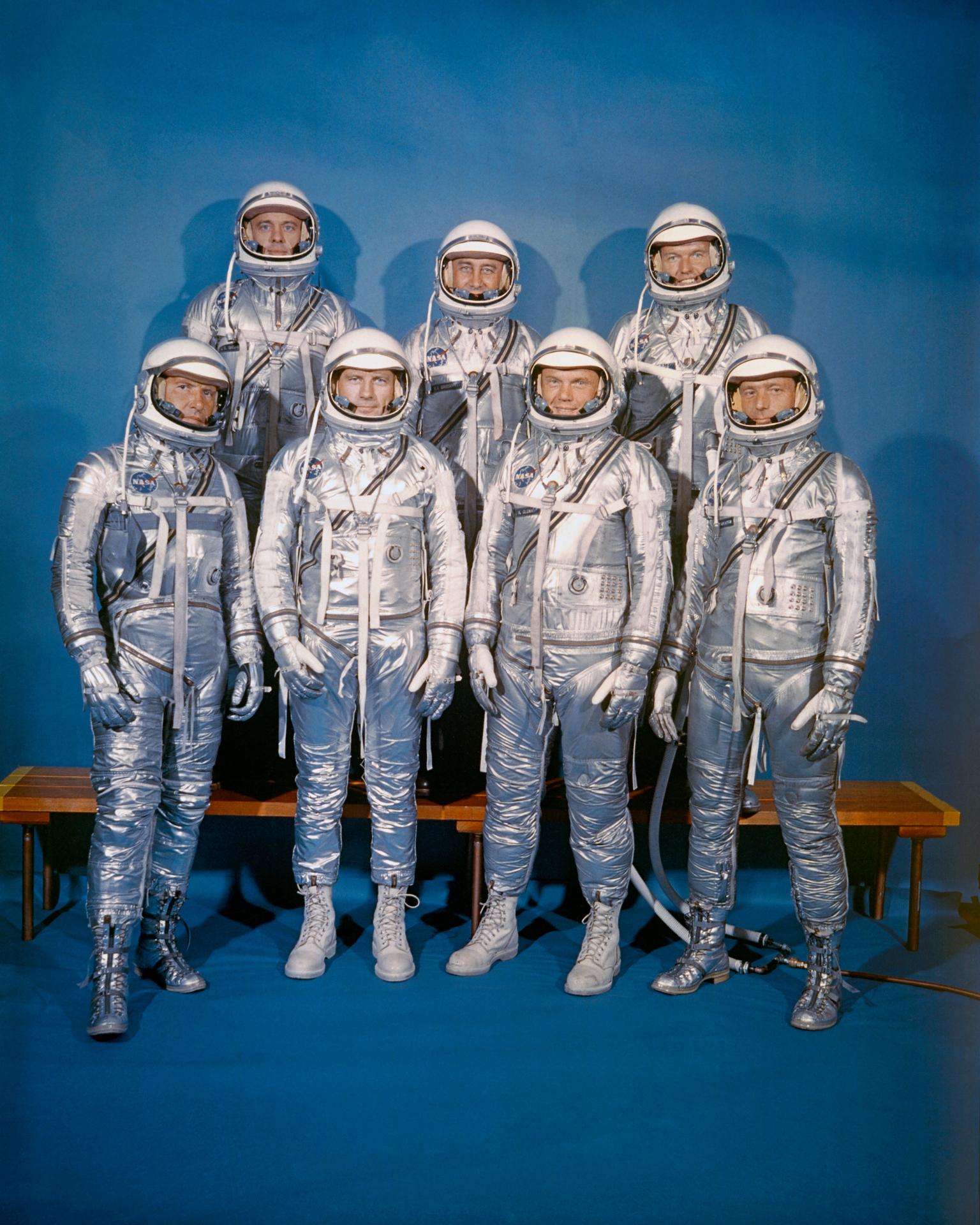
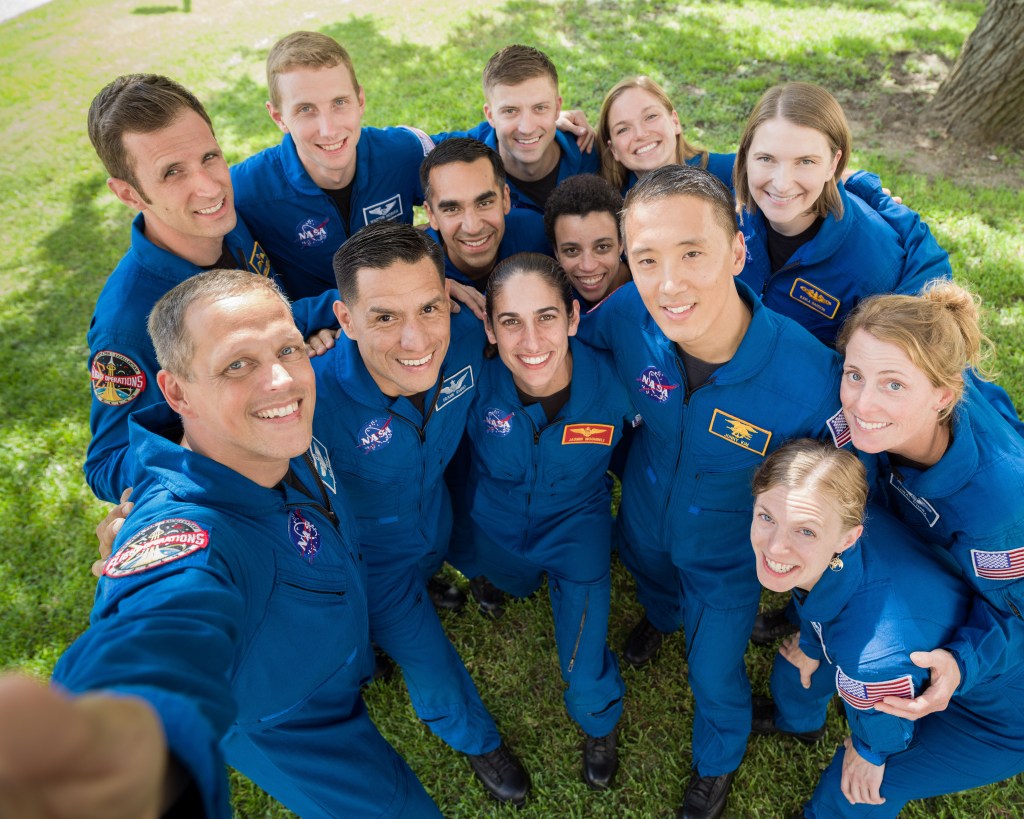
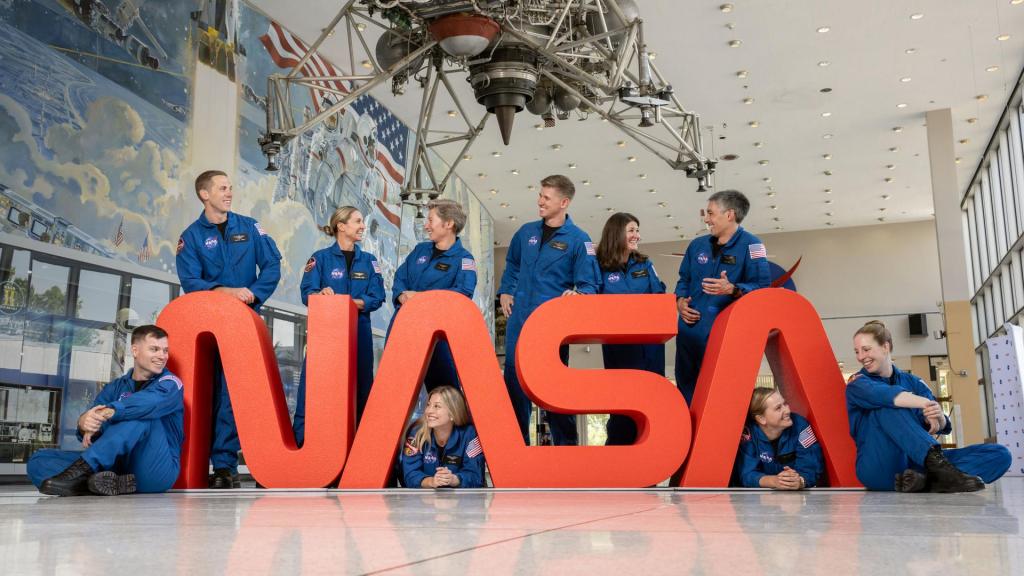
The first U.S. astronauts were selected in 1959, before human spaceflight operations began. NASA asked the military services to provide a list of personnel who met specific qualifications. After stringent screening, NASA announced its selection of seven men, all pilots, as the first American astronauts. NASA has selected 23 more groups of astronauts since the “Original Seven.” The backgrounds of NASA’s latest group of astronaut candidates include test pilots, engineers, medical professionals, a geologist, and more.
NASA selects astronauts from a large pool of talented applicants with backgrounds spanning science, engineering, technology, medicine, aviation, and other disciplines. Those chosen for the intensive Astronaut Candidate training program join a proud legacy of explorers who have pushed the boundaries of what is possible while inspiring future generations to pursue careers in science, technology, engineering, and mathematics.