













Space Reactors Division
The Space Reactors Division of NASA’s Research and Technology Mission Directorate is pioneering the next-giant-leap technology to get America underway on nuclear power in space.
Why nuclear?
Solar power works near Earth, but it does not work everywhere the United States needs to go. To sustain a presence on the Moon, send crews to Mars, and explore the outer solar system, the nation needs a power source that works everywhere, without relying on the Sun. Nuclear power is that source.
Find out more on the Ignition Fact Sheet.
Missions and Offices
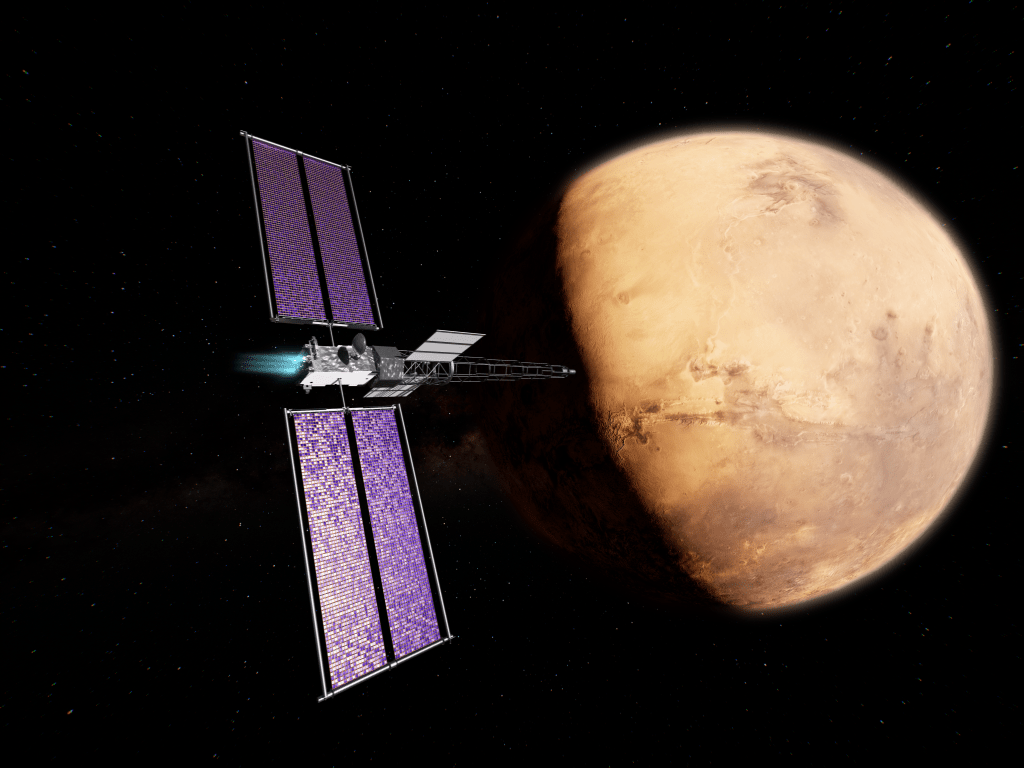
Space Reactor-1 Freedom
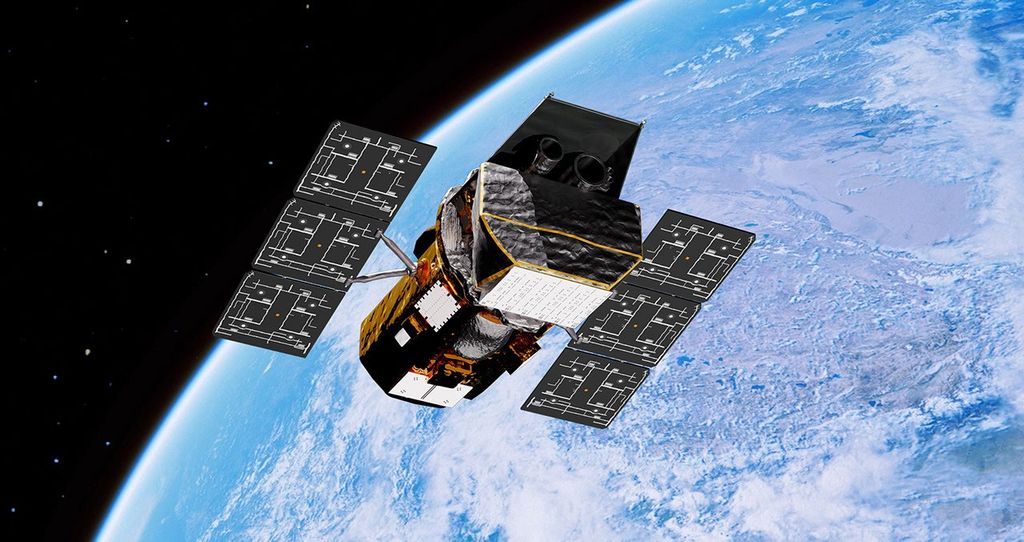
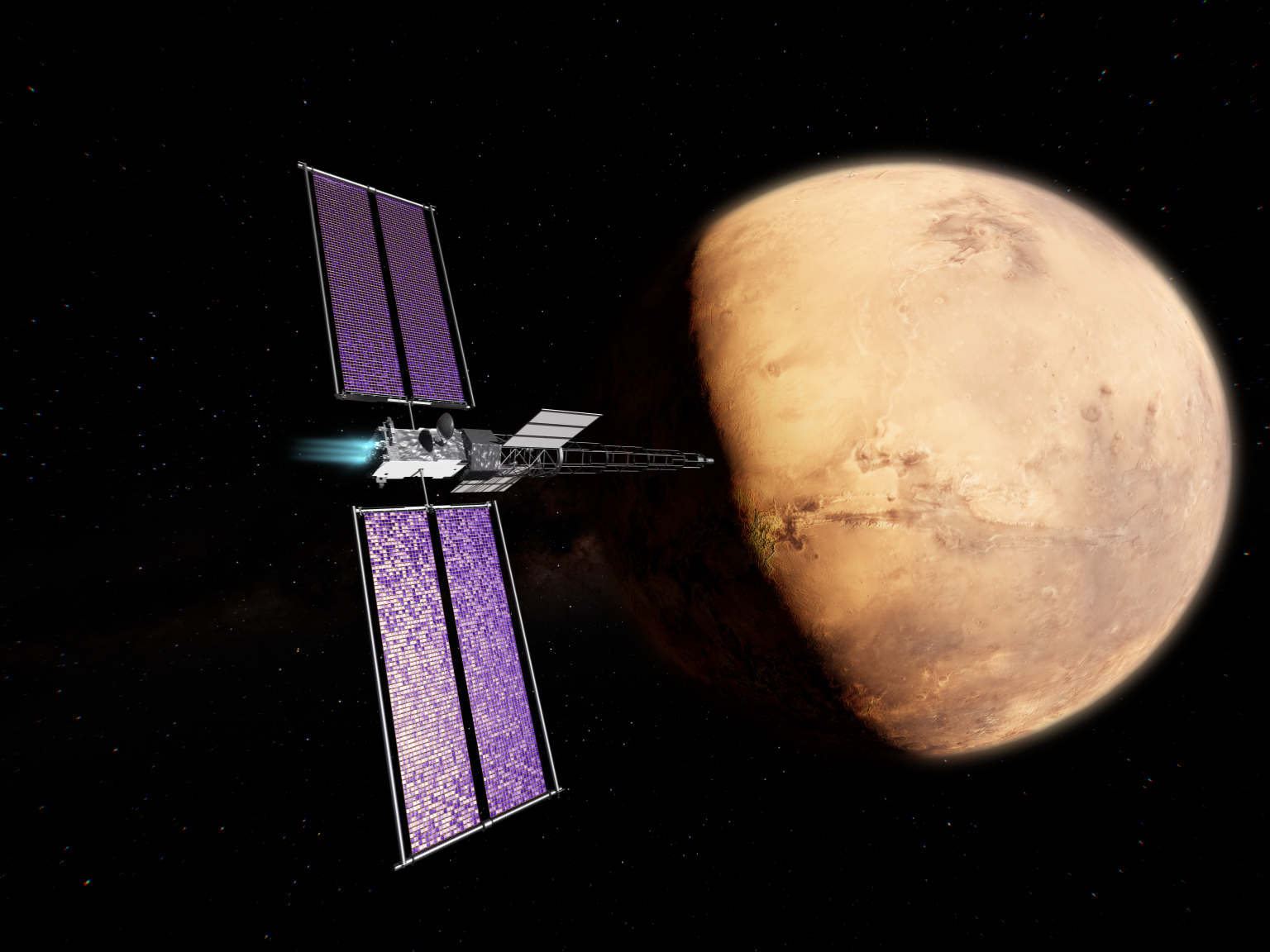
Destined for Mars in 2028, SR-1 Freedom will be the first fission-powered interplanetary spacecraft. It will demonstrate nuclear-electric propulsion and deliver three SkyFall helicopters to Mars.
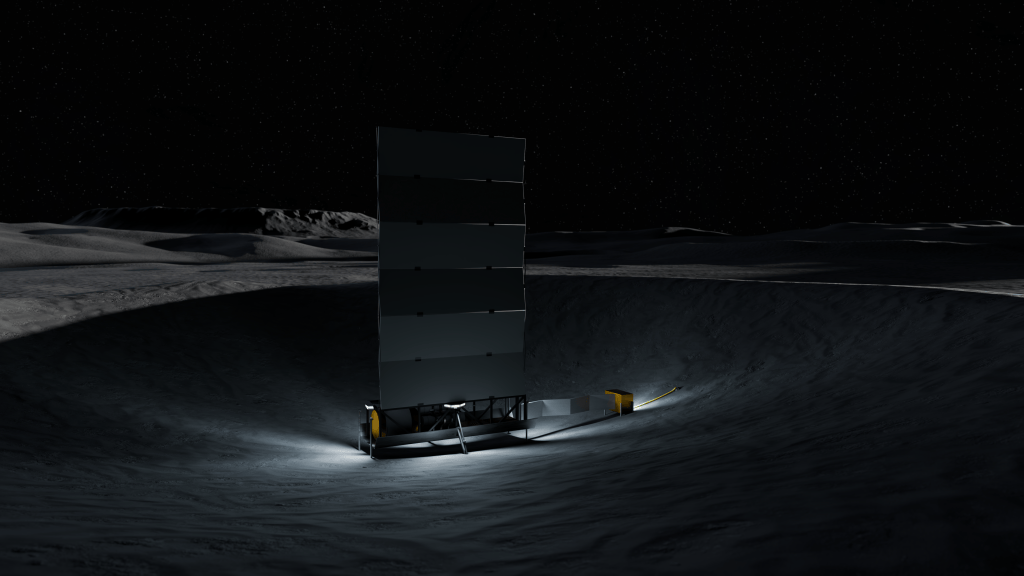
Lunar Reactor-1
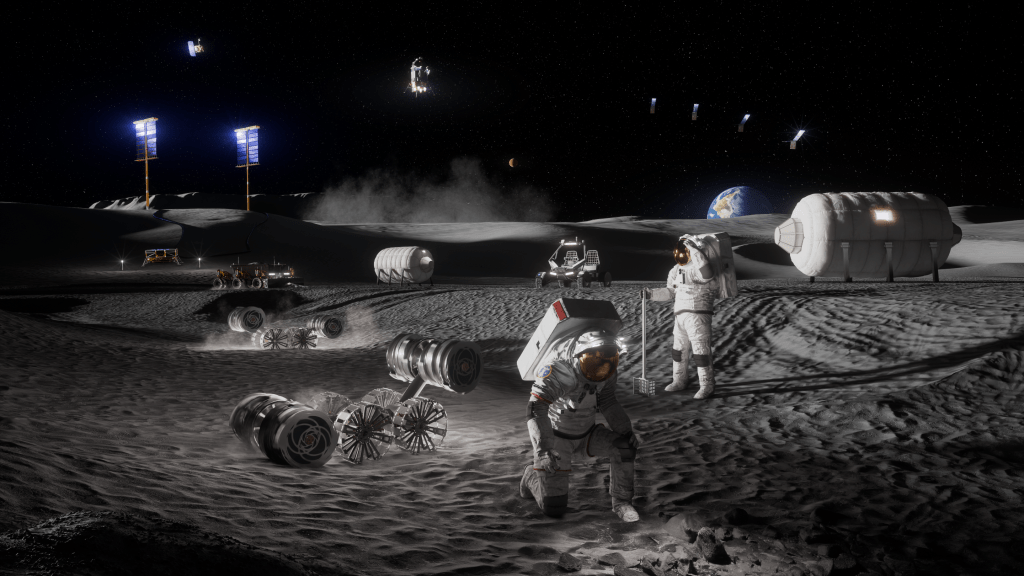
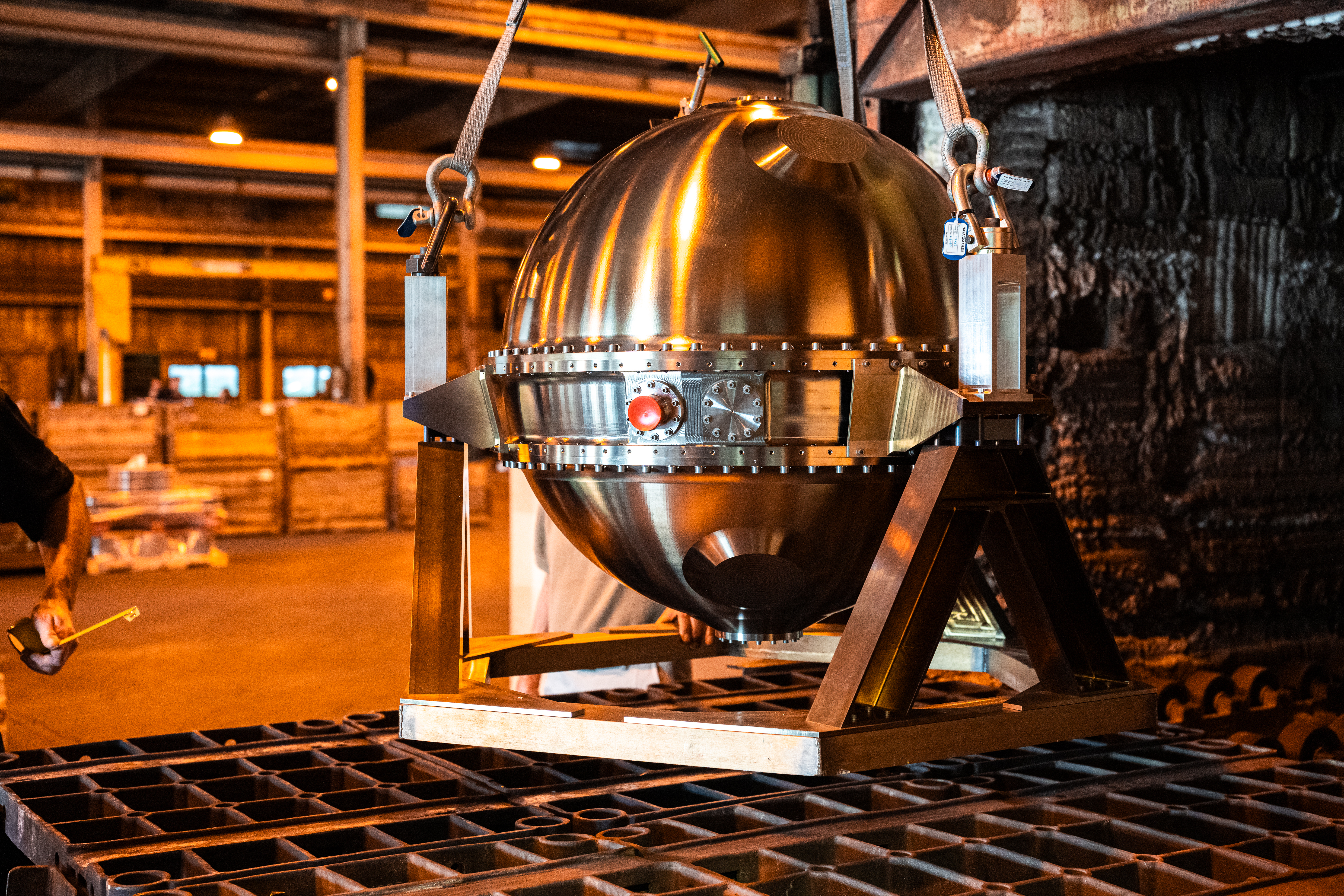
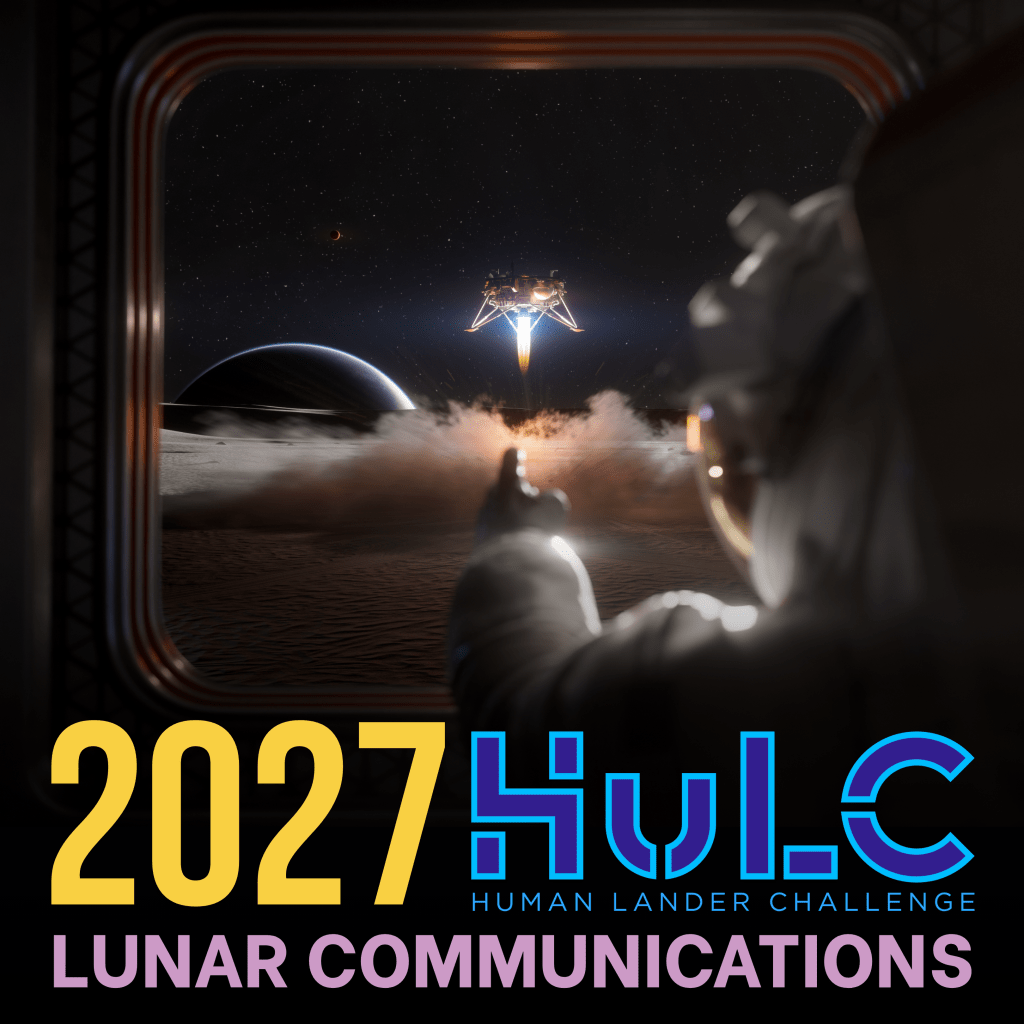
The first fission power system on the lunar surface, LR-1 will power the Moon Base during the long lunar nights helping astronauts live, work, and explore near the Moon’s South Pole.
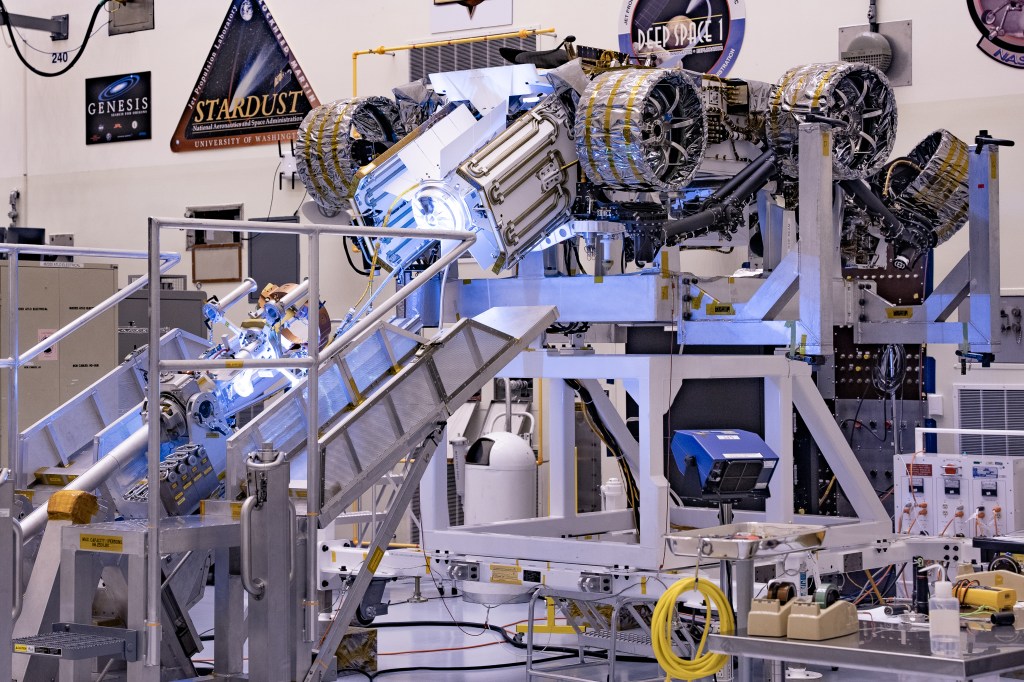
Radioisotope Power Systems Program Office
These nuclear batteries have been powering spacecraft in the darkest, dustiest, and most distant places in our solar system for more than 60 years.
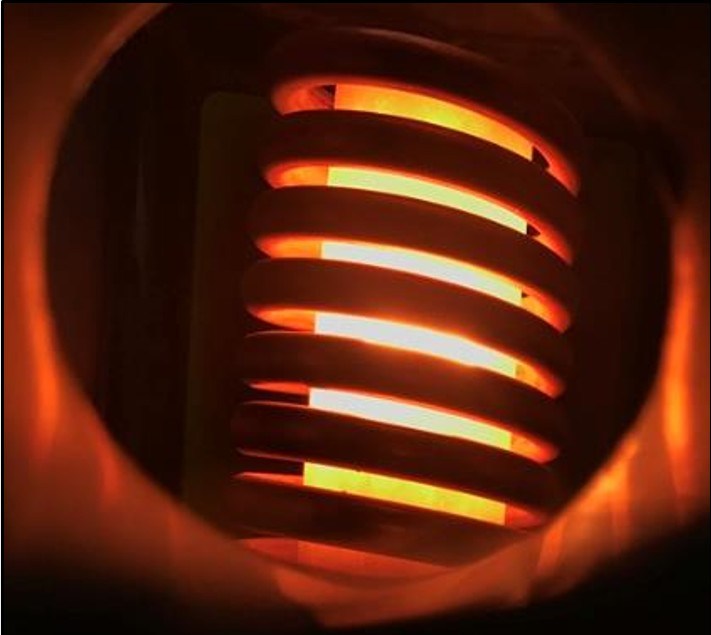
Advanced Nuclear Technology Office
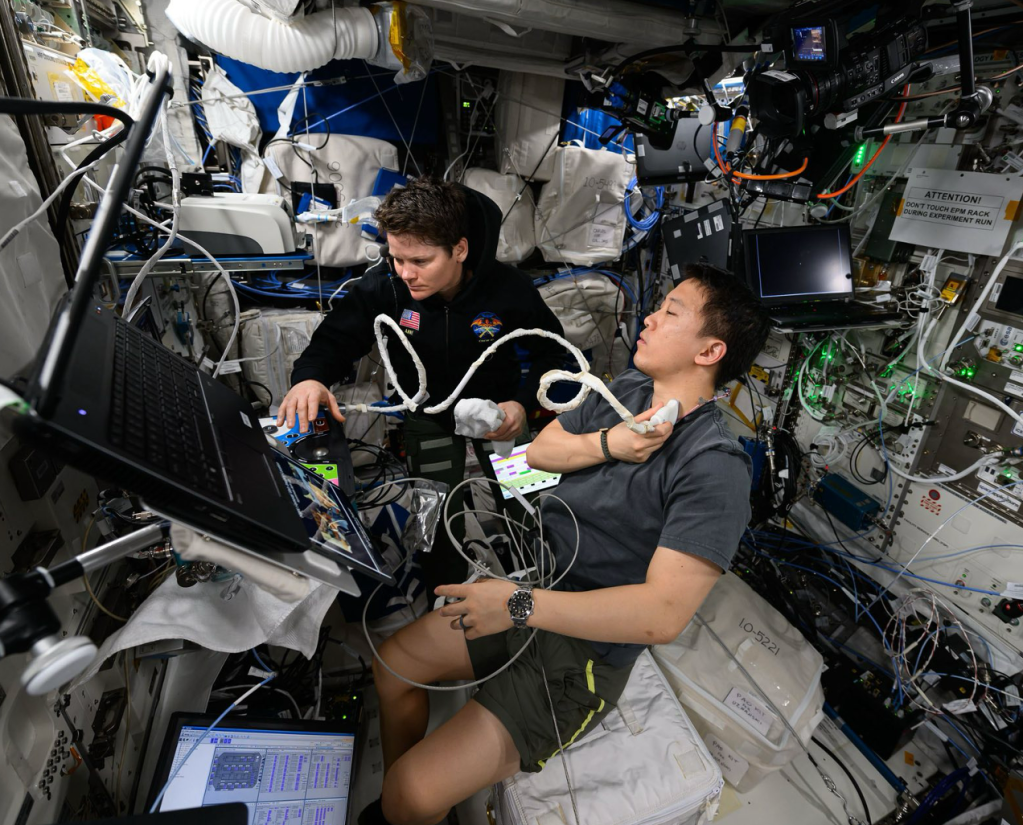
NASA is propelling America into the next generation of space exploration by proving nuclear technologies that will be essential for future human missions to Mars and beyond.
Opportunities to Collaborate
NASA is partnering with commercial industry, academia, and innovators to develop the technologies and capabilities needed to establish an enduring human presence on the Moon, send crews to Mars, and explore the outer solar system. The future of exploration will be built through collaboration.
Space Power and Reactor Capabilities call for proposals: SAM.gov
Space Reactors Division Leadership

Cynthia Simmons
Director, Space Reactors Division
Steven Sinacore
Program Director, SR-1 Freedom

Jeremy Kenny
Program Manager, Advanced Nuclear Technology

Carl Sandifer
Program Manager, Radioisotope Power Systems

Brian Giblin
Program Manager, Lunar Reactor-1.