





















Lunar Terrain Vehicle
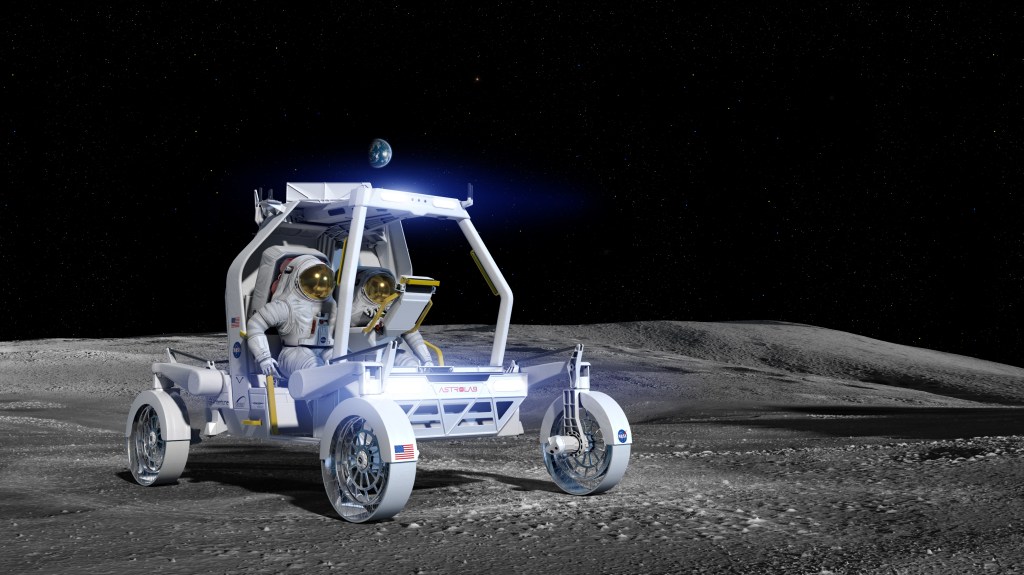
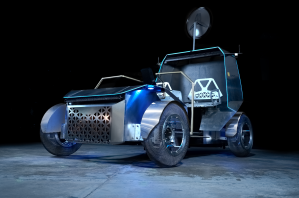
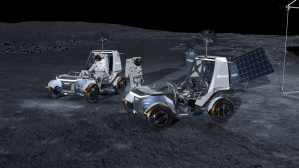
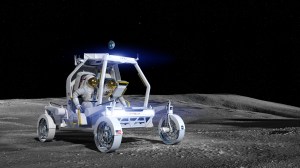
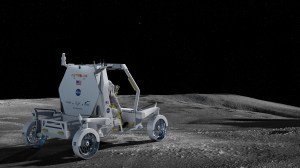
As astronauts explore the South Pole region of the Moon during Artemis missions, they will be able to go farther and conduct more science than ever before thanks to a new lunar terrain vehicle.
The lunar terrain vehicle will take us further than ever before.
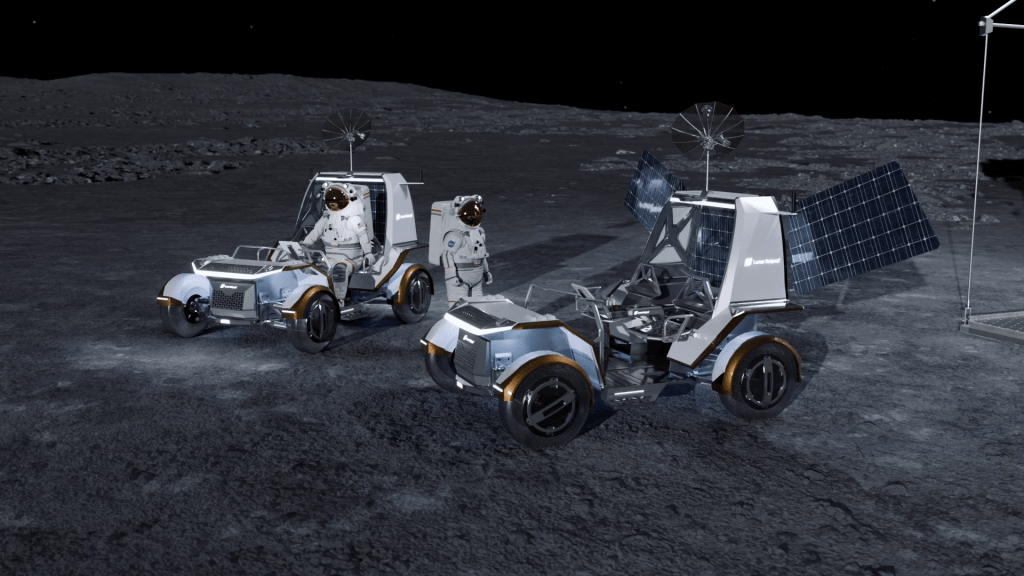
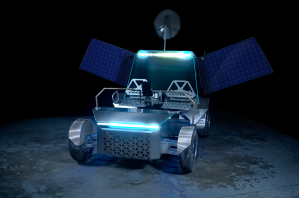
Human mobility on the lunar surface is crucial for enhancing scientific discovery on each mission and preparing for planetary mobility on Mars. Instead of owning the vehicle, NASA plans to contract it as a service from industry. The LTV will be the ultimate lunar surface terrain vehicle with advanced power management, autonomous driving, state of the art communications and navigation systems, along with other extreme environment technologies that will provide the ability to collect and conduct science while keeping astronauts and the vehicle safe and ready for its next mission.
Quick Facts
The LTV will function like a cross between an Apollo-style lunar rover and a Mars-style uncrewed rover.

As the Lunar Roving Vehicle did for the Apollo Program, the LTV will greatly expand human reach and scientific research on the Moon for future surface missions.

The LTV also can be operated remotely to transport cargo and science payloads to new landing sites between crew missions, enabling significant science returns by combining the best of human and robotic exploration.

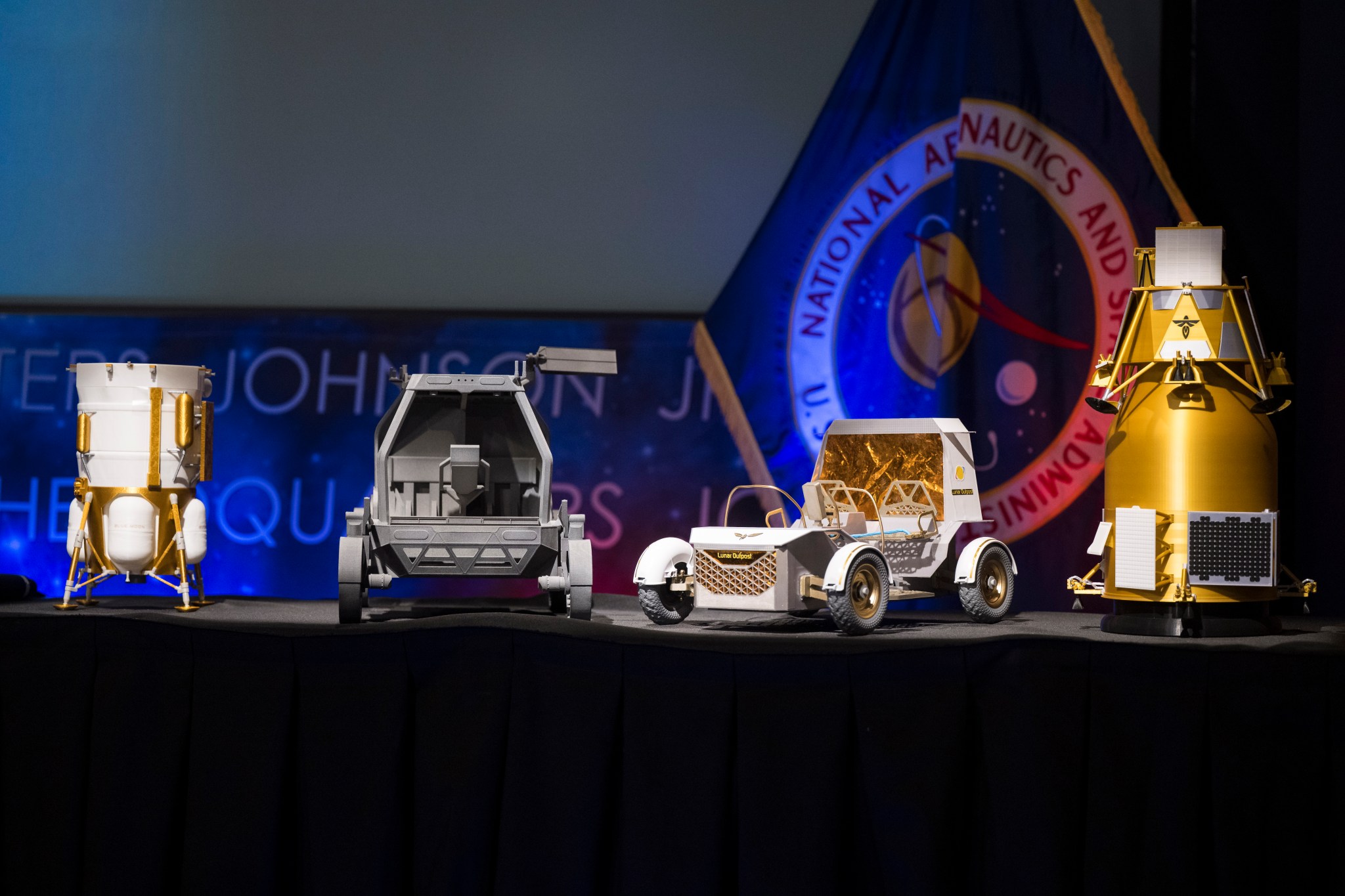
NASA Provides Update on Moon Base Rovers, Landers, Missions
During a Moon Base event at NASA’s Headquarters in Washington, the agency announced new contracts for lunar rovers for crew to drive and uncrewed cargo landers bound for the Moon. NASA leaders also shared target launch timeframes and upcoming milestones for the first Moon Base infrastructure and exploration missions to the lunar South Pole region ahead of Artemis astronaut landings.
NASA Selects Instruments for Artemis Lunar Terrain Vehicle Mars Rover
NASA has selected three instruments to travel to the Moon, with two planned for integration onto an LTV (Lunar Terrain Vehicle) and one for a future orbital opportunity.
Learn More
Commercial Artemis Moon Rovers Undergo Testing
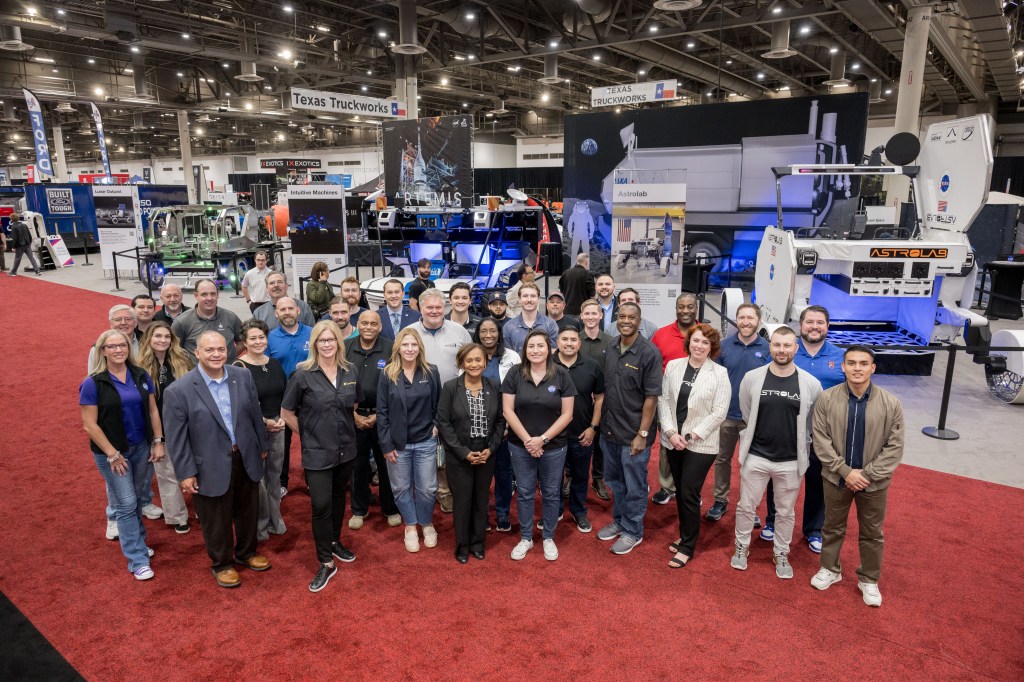
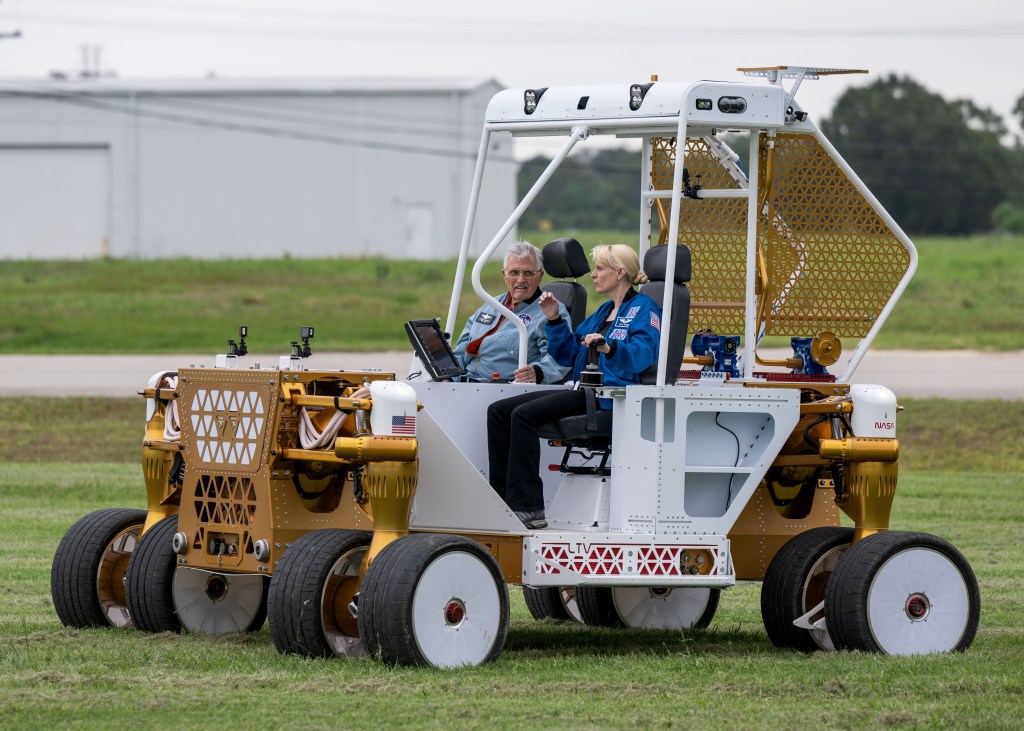
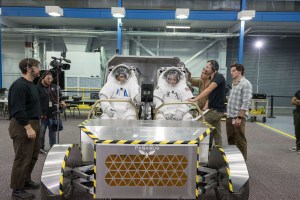
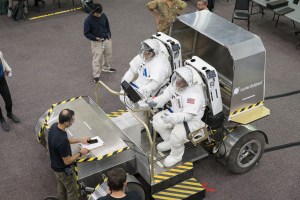
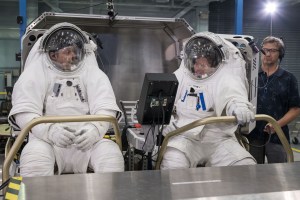
The agency completed the first round of testing on three commercially owned and developed LTVs (Lunar Terrain Vehicle) from Intuitive Machines, Lunar Outpost, and Venturi Astrolab at NASA’s Johnson Space Center in Houston.
Learn More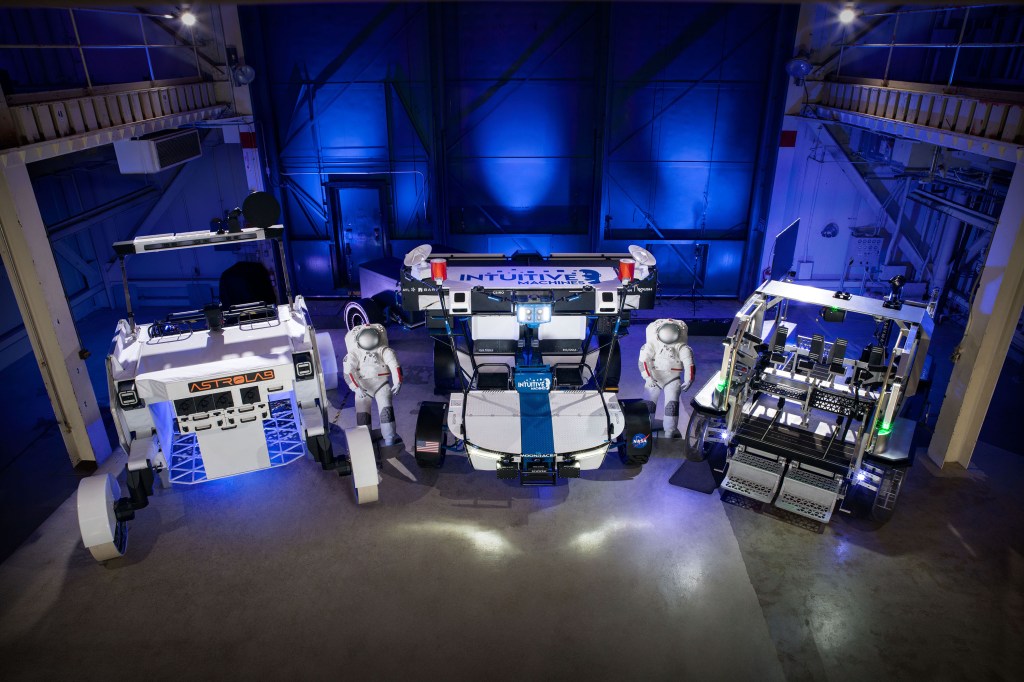
Lunar Terrain Vehicle Commercial Companies
Lunar Rovers
Come and join us as we take a ride on the new lunar terrain vehicles that will be used for the Artemis Missions. You will learn about the different capabilities these new rovers will have which will allow us to explore further and enable more scientific discoveries for humanity.
Watch NowHouston We Have a Podcast
From Earth orbit to the Moon and Mars, explore the world of human spaceflight with NASA each week on the official podcast of the Johnson Space Center in Houston, Texas. Listen to in-depth conversations with the astronauts, scientists and engineers who make it possible.
View Series
Lunar Terrain Vehicle in the News
Learn more about how the Lunar Terrain Vehicle will allow astronauts to explore more of the lunar surface than ever before during Artemis missions.

Lunar Terrain Vehicles


Additional Lunar Terrain Vehicle News


Videos
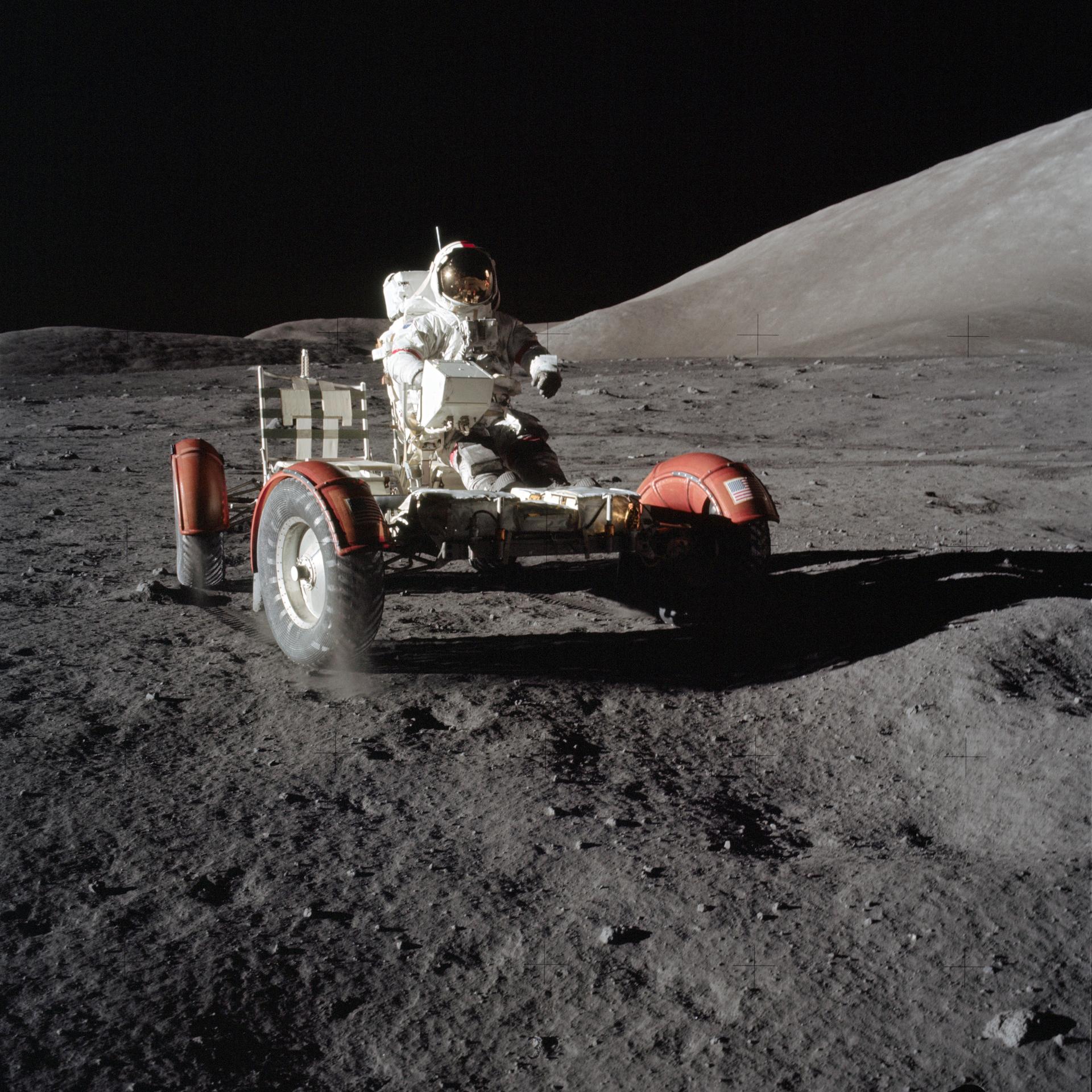
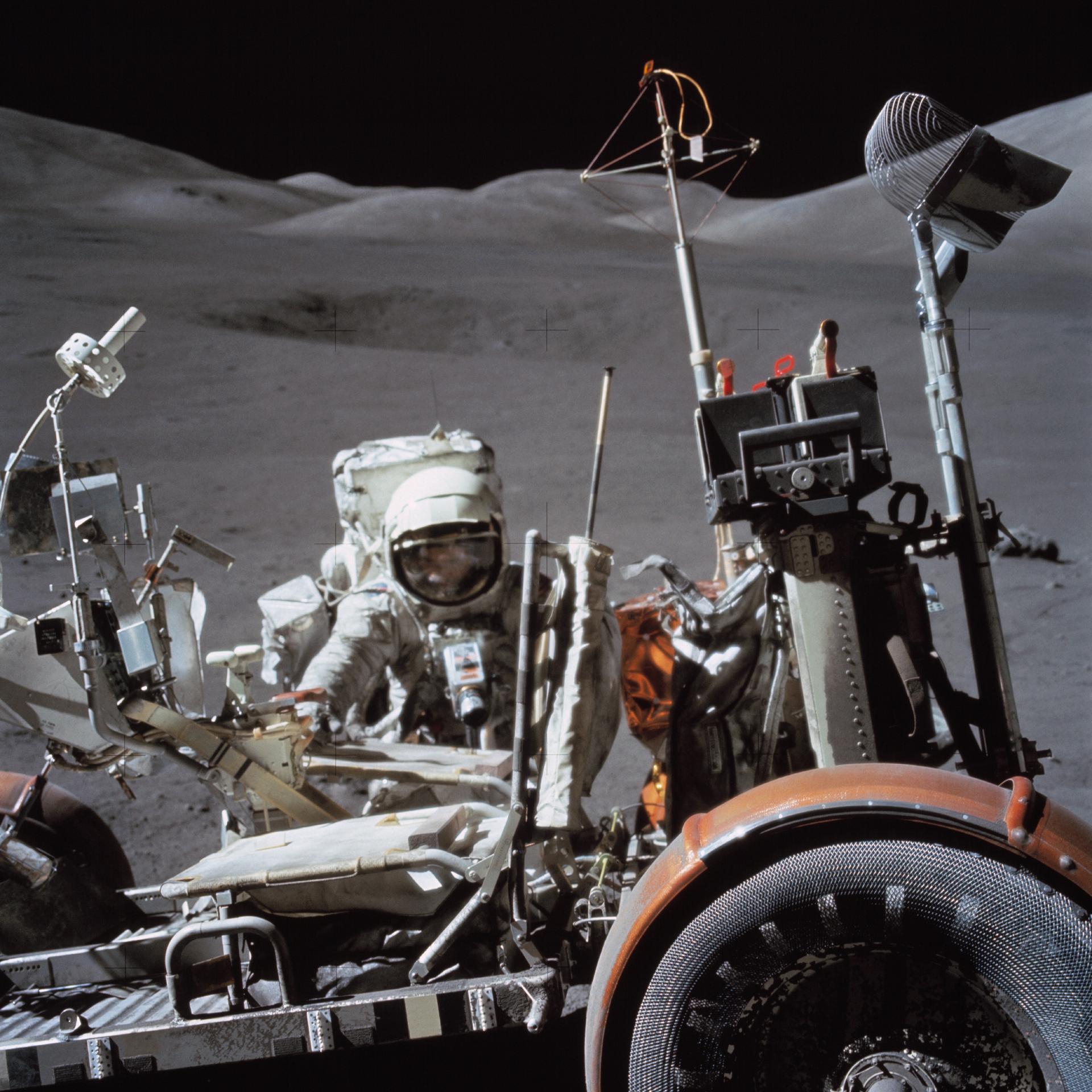
The Lunar Roving Vehicle
The Lunar Roving Vehicle was an electric vehicle designed to operate in the low-gravity vacuum of the Moon and to be capable of traversing the lunar surface, allowing the Apollo astronauts to extend the range of their surface extravehicular activities. This archival video chronicles the early history of that program as well as its deployment as part of the Apollo 15 mission.