















FLIGHT OPPORTUNITIES COMMUNITY OF PRACTICE WEBINAR
Advancing Space Power Capabilities Through Flight Tests
April 1, 2026
Speakers
- Dr. Kerrigan Cain, Research Engineer, Photovoltaic and Electrochemical Systems Branch, NASA’s Glenn Research Center
- Gene Arkenberg, Chief Engineer / Clean Energy Engineering Manager, Teledyne Energy Systems, Inc.
- Chris Cox, Director of Product Development, Teledyne Energy Systems, Inc.
- Ben Boxler, Fuel Cell Program Manager, Teledyne Energy Systems, Inc.
Abstract
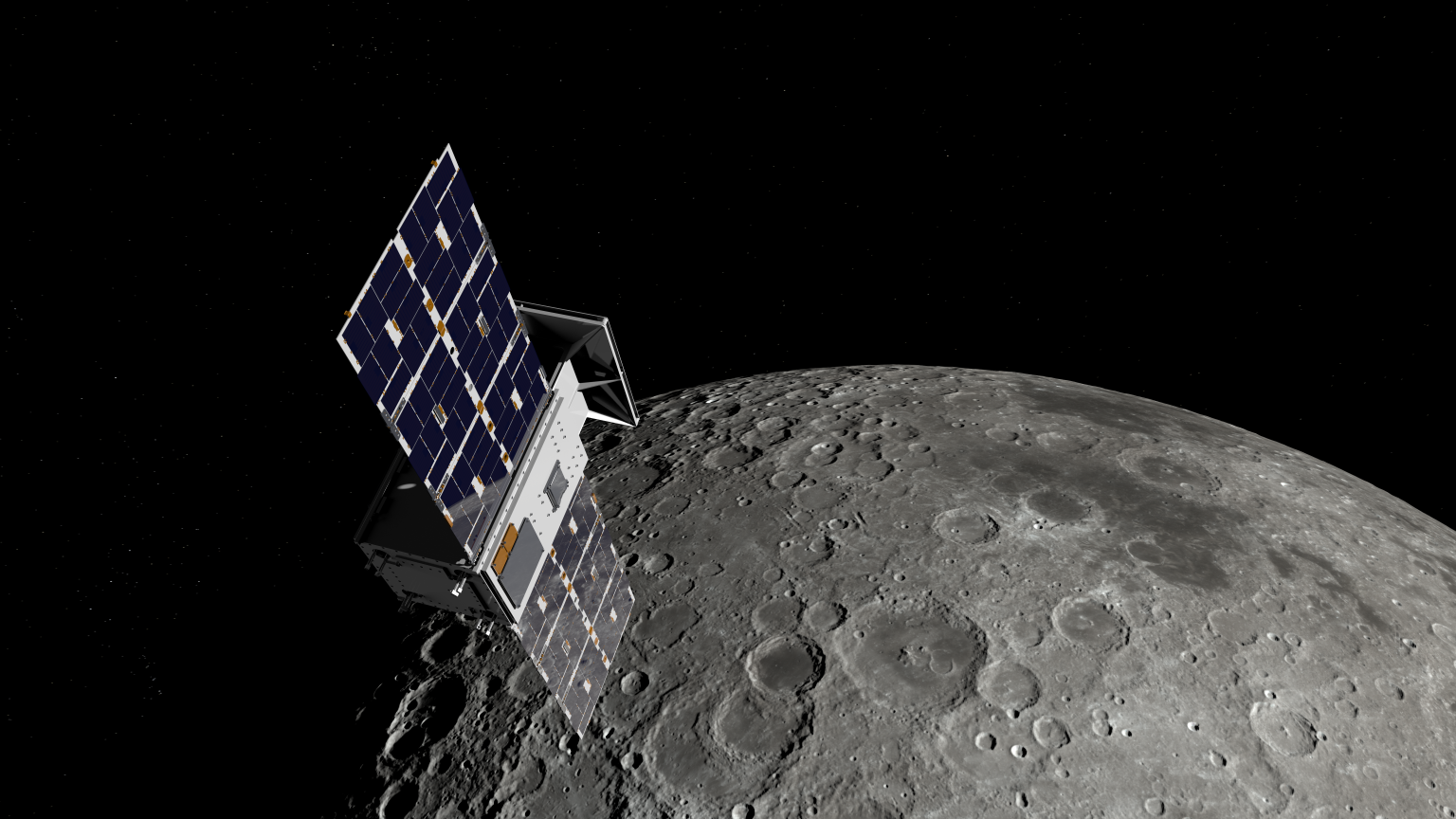
All space missions require power, and fuel cell systems are an integral part of the solution. Join this webinar to hear how a new hydrogen fuel cell technology was matured through NASA’s Flight Opportunities program, providing a potentially important power capability that can operate efficiently in extreme environments from Earth’s ocean floor to the Moon and beyond.
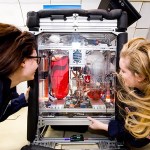
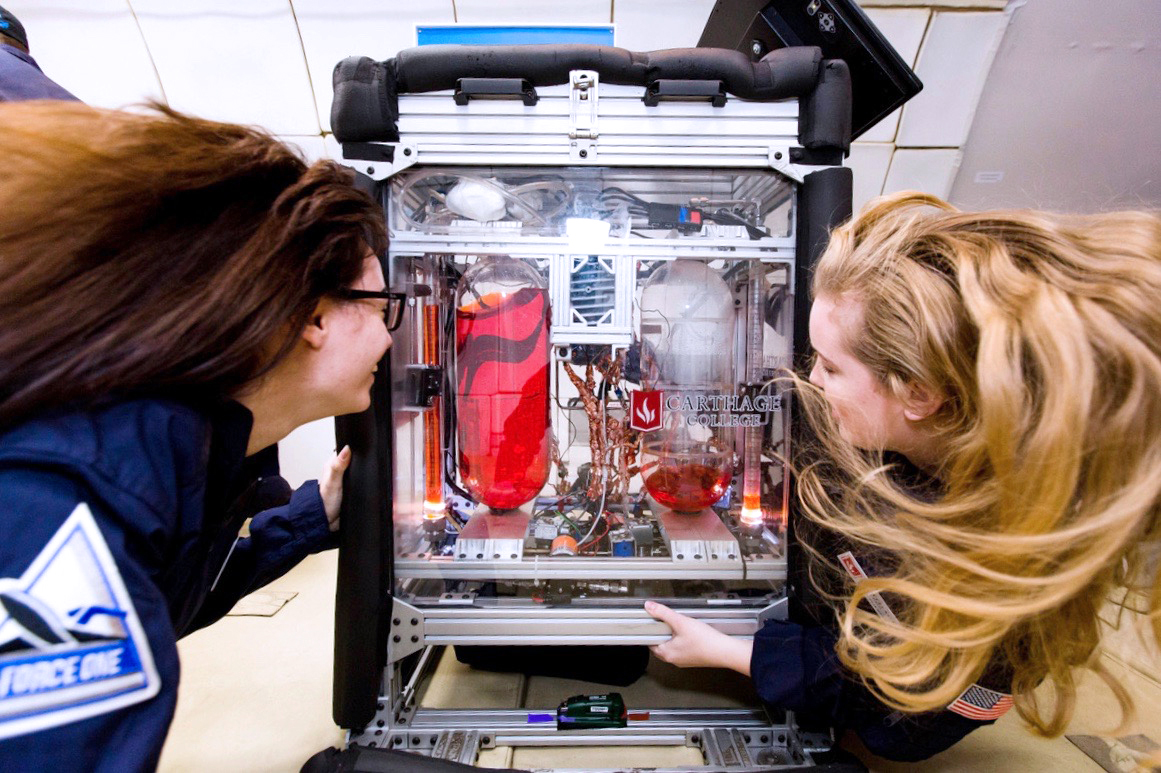
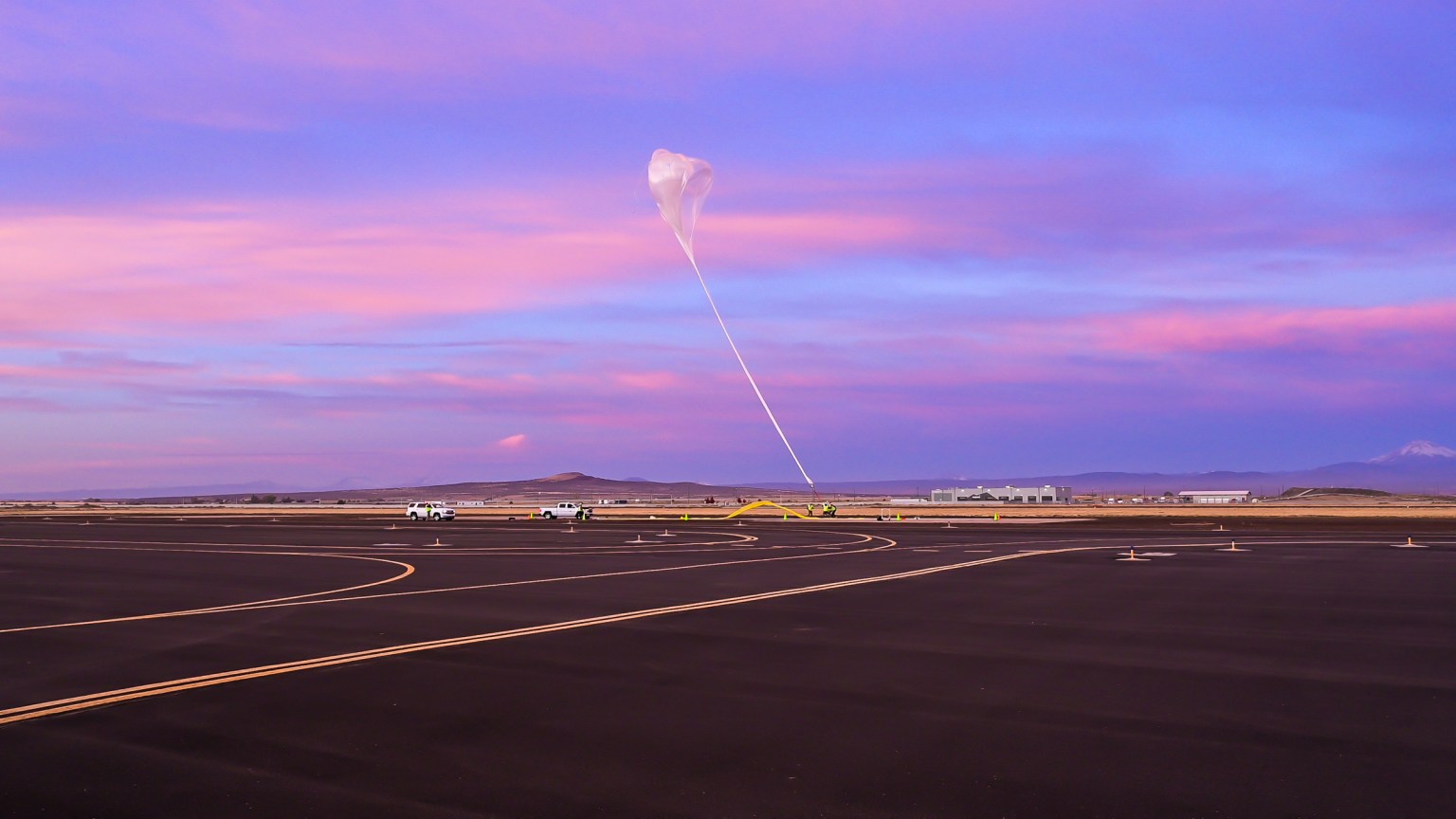
Teledyne Energy Systems, Inc., advanced its Hydrogen Electrical Power System (HEPS) across two parabolic flights with Zero Gravity Corp. in 2022 as well as a 2025 flight test aboard Blue Origin’s suborbital rocket system – all supported by Flight Opportunities with its fly-fix-fly ethos.
Designed to convert hydrogen and oxygen into water and electricity, Teledyne’s fuel cell system can provide continuous power when sunlight is not available and is scalable, meaning it can power a small experiment or a large lunar base. NASA provided the company with a Tipping Point award and access to facilities and expertise at Glenn Research Center to support its development.
Join the session to hear how Teledyne leveraged flight tests in microgravity and space environments to demonstrate system operation, validate water separation, and generate data to advance the system for future space missions. Learn how results can guide future integration into lunar and Mars infrastructure and help inform NASA’s plans for sustainable lunar exploration.
Speaker Bios
Dr. Kerrigan Cain is a research engineer at NASA’s Glenn Research Center, specializing in cutting-edge power and energy storage technologies vital to NASA’s missions. His work bridges fundamental research into flight systems, with expertise in design, integration, and testing. Currently, he is leading several projects aimed at advancing electrochemical technologies such as fuel cells and electrolyzers for applications on the Moon and Mars. He also leads public-private partnerships that accelerate innovation and drive collaborative research. Dr. Cain is an Akron, Ohio native and holds a B.S. in chemical engineering from Case Western Reserve University and a Ph.D. in chemical engineering from Carnegie Mellon University.
Gene B. Arkenberg is chief engineer for clean energy at Teledyne Energy Systems, where he provides technical leadership for advanced fuel cell and energy system technologies supporting aerospace, defense, and commercial markets. He brings over 20 years of experience across fuel cells, electrochemical sensors, catalysis, and advanced materials, with prior leadership roles at Nexceris, LLC and Teledyne Energy Systems. Mr. Arkenberg holds a B.S. in chemical engineering from The Ohio State University and has served as principal investigator on multiple NASA, Department of Defense, and U.S. Army programs, including a successful NASA Tipping Point flight demonstration. He is the author or co‑author of sixteen technical papers and an inventor on one international patent, two issued U.S. patents, and one pending U.S. patent application, with innovations spanning fuel cell stack architectures and electrochemical sensing technologies.
Chris Cox is director of product development at Teledyne Energy Systems and is responsible for the company’s technical roadmap, business development and sales functions. Before joining Teledyne, Mr. Cox supported Hubble Space Telescope Servicing Missions 3A and 3B, helping design, test, and integrate flight hardware at NASA’s Goddard Space Flight Center. At W.L. Gore & Associates, he served in spaceflight engineering and product management roles, translating mission needs into qualified hardware and services. He holds an MBA from Eastern University and a B.S. in mechanical engineering from the University of Maryland. He brings deep expertise in product development and commercialization from concept through launch and scale to the NASA Tipping Point project.
Ben Boxler is a program manager with over 15 years of experience leading complex technical programs across defense and commercial sectors. He holds a B.S. in aerospace engineering (propulsion) from Embry-Riddle Aeronautical University. Upon graduation, Mr. Boxler served as an active duty Army officer where he trained and operated on a variety of weapons platforms. In the private sector, he served as the lead engineer on numerous multi-disciplinary capital projects in high-speed manufacturing environments. At Teledyne Energy Systems, Mr. Boxler served as program manager for the recently successful NASA Tipping Point program and leads the battery pack manufacturing operations. He contributes expertise in aerospace engineering, systems integration, and cross-functional team leadership.