










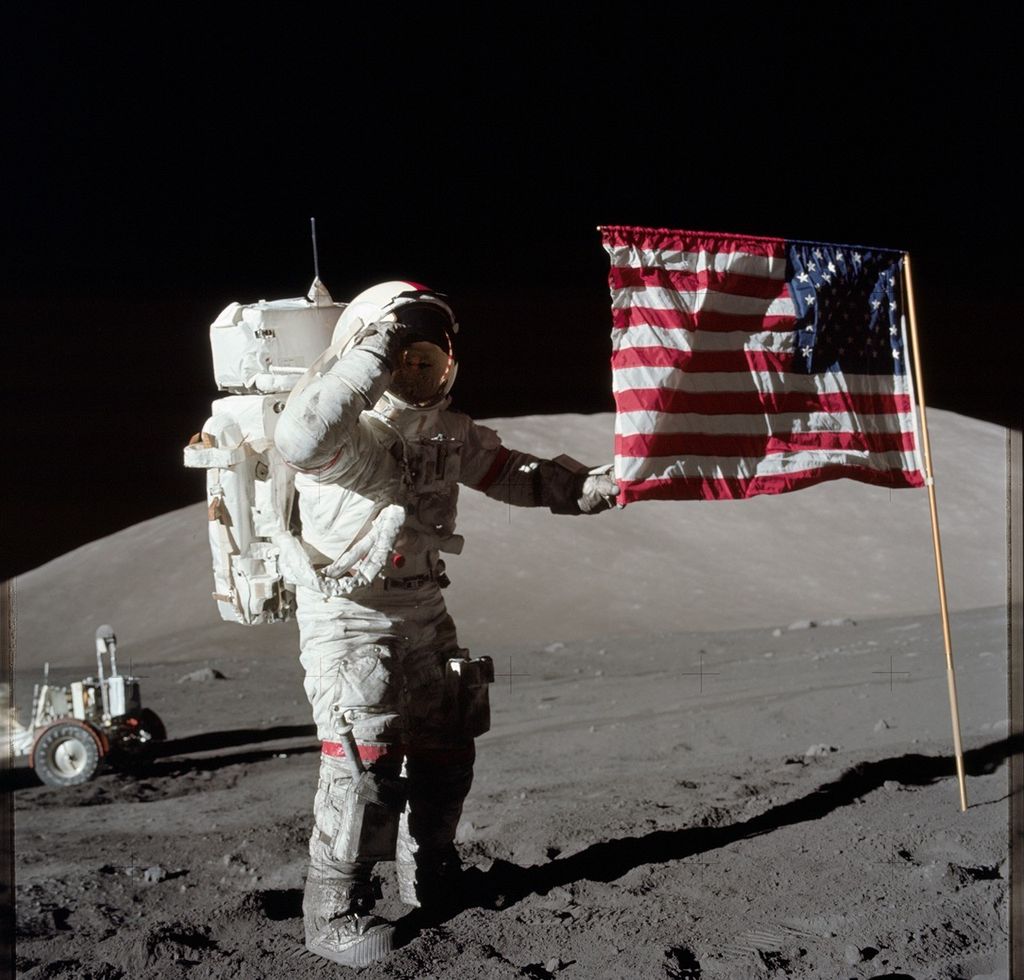







NASA’s technical workforce put boots on the Moon, tire tracks on Mars, and the first reusable spacecraft in orbit around Earth. Learn what’s next as they build missions that redefine the future with amazing discoveries and remarkable innovations.
NASA’s technical workforce put boots on the Moon, tire tracks on Mars, and the first reusable spacecraft in orbit around Earth. Learn what’s next as they build missions that redefine the future with amazing discoveries and remarkable innovations.
Before scientists can use those satellite imagery for research, the data must be carefully calibrated to ensure measurements are accurate and consistent over time. Julia Barsi, NASA calibration scientist, explains.
Space nuclear power and propulsion engineering could play a key role in sending robots and humans to deep space, enabling faster and farther journeys.
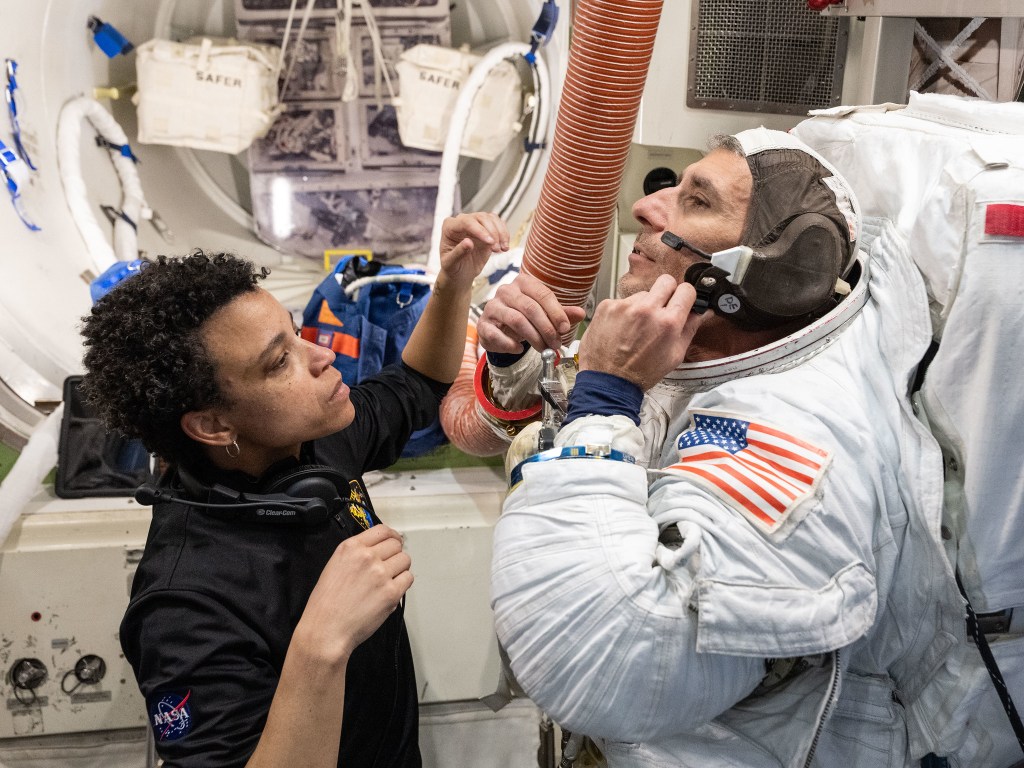
The “test like you fly” approach is an engineering philosophy that means testing hardware, software, and flight operations as close to reality as possible. Erika Alvarez, deputy director of NASA's Space Systems Department, explains.
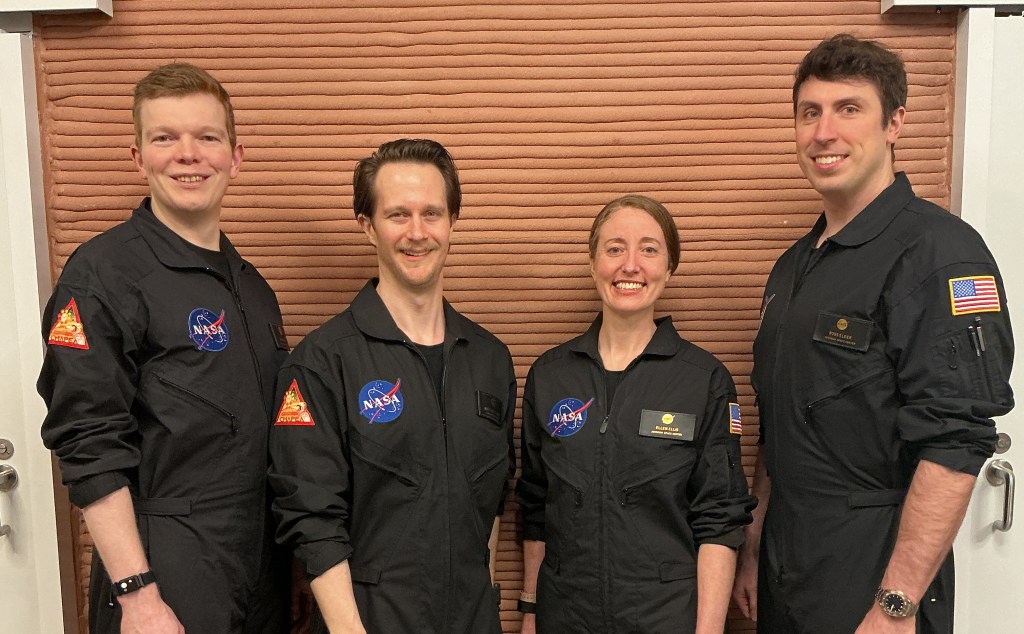
So-called “soft skills” like good teamwork and communication can become just as valuable as technical skills to advance exploration.