









GeneLab and AWGs enable knowledge of re-adaptation after simulated spaceflight
Long-term exposure to microgravity and ionizing radiation are known factors that directly affect astronaut health in future exploratory missions to the Moon and Mars. Many spaceflight studies currently focus on physiological responses during and after spaceflight, but few try to understand how an organism readapts to Earth’s environment, which is equally important for astronaut health. A recent publication by Dr. Amber Paul, “Immunological and hematological outcomes following protracted low dose/low dose rate ionizing radiation and simulated microgravity,” based on the reanalysis of a transcriptional profiling dataset GLDS-211, details how a ground-based model can be used to simulate spaceflight (i.e. microgravity and low-dose gamma irradiation) to obtain a more in-depth understanding of the immune and hematological systems one week post exposure. Dr Paul, from NASA’s Space Biosciences Division, is a contributing member of the GeneLab analysis working group. Recently GeneLab spoke to the author about her work, and this interview highlights how the GeneLab analysis working groups enabled this analysis.
GeneLab: What were the most important findings in this study?
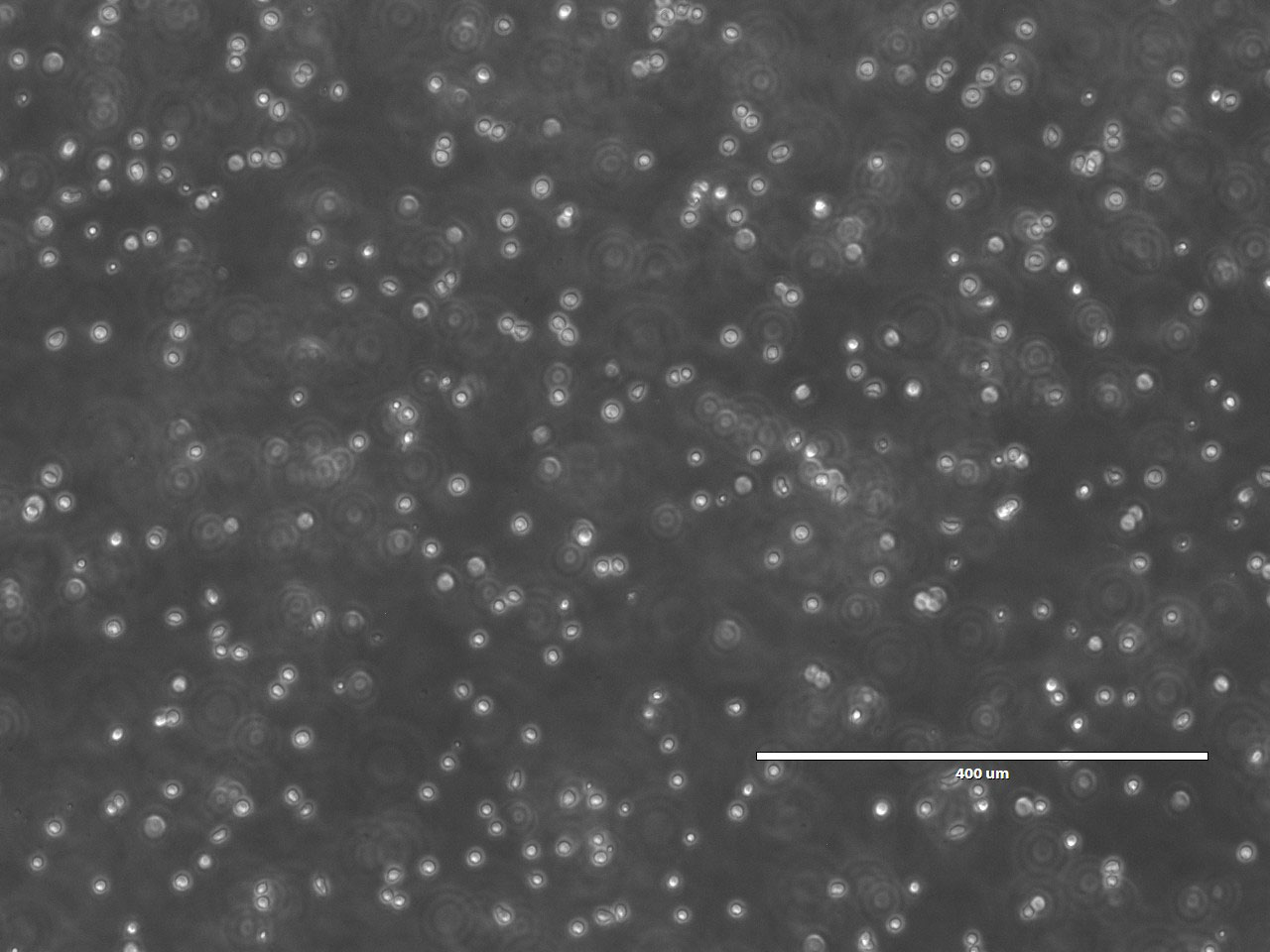
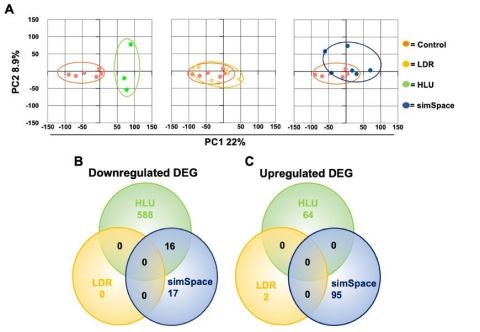
Amber Paul: We conducted an in-depth survey of the immune and hematological systems of mice at 7-days post-simulated spaceflight exposure. The exposure parameters included 21-days of single-housed, hindlimb unloading (HLU) combined with continuous low-dose gamma irradiation (LDR, total dose of 0.04 Gy). Analyses of blood cells and splenic tissue were assessed which indicated negligible differences in immune cell differentials, yet the hematological system displayed differences in red blood cell morphology, suggestive of anemia. Reactome networks displayed differentially expressed genes (DEG) involved in signal transduction, metabolism, cell cycle, chromatin organization, and DNA repair. DEGs associated with inflammation and dysregulated immune function where also identified, while human blood disease gene orthologs related to blood pressure regulation, transforming growth factor-β receptor signaling, and B cell differentiation were noted. Collectively, these results suggest up to one-week post-simulated spaceflight conditions displayed immunological and hematological differences, suggesting recovery from spaceflight exposures is an unremitting process.
GL: How did the GeneLab database and tools assist this work?
AP: Processed data from GLDS-211 was used for this study. In addition, GeneLab visualization tools, including principal component analysis (PCA) and volcano plots that were embedded in the GeneLab analysis platform were used to display data, highlighting the usability of this platform for manuscript preparations.
GL: How did the GeneLab Analysis Working Groups help you achieve your goals?
AP: GeneLab AWGs have been instrumental in providing reference to an otherwise unknown subject area for myself. As an immunologist, I am not formally trained in computer sciences, therefore communication with expert AWG bioinformaticians provided an excellent source for collaboration. AWGs are comprised of scientists with multiple backgrounds therefore networking with experts in different fields is possible, which is an important step for building valuable scientific partnerships.
GL: What are the next steps?
AP: These results are important to inform the space biosciences community about the recovery process following spaceflight exposures, shedding light on suitable timepoints for therapeutic intervention to promote immune homeostasis and restoration. Future transcriptional studies that assess different dosing schemes and types of irradiations are in development for comparative purposes. In addition, while the necessity of immune homeostasis to Earth’s gravity is important, considerations for future findings on immune recovery in reduced gravity environments, such as the Moon and Mars, are necessary.
 | Stay connected with the NASA Open Science Data Repository: |  |  |  |  |  | |