























Artemis III
FLIGHT TEST
MOON TO MARS
for the benefit of all
Artemis News





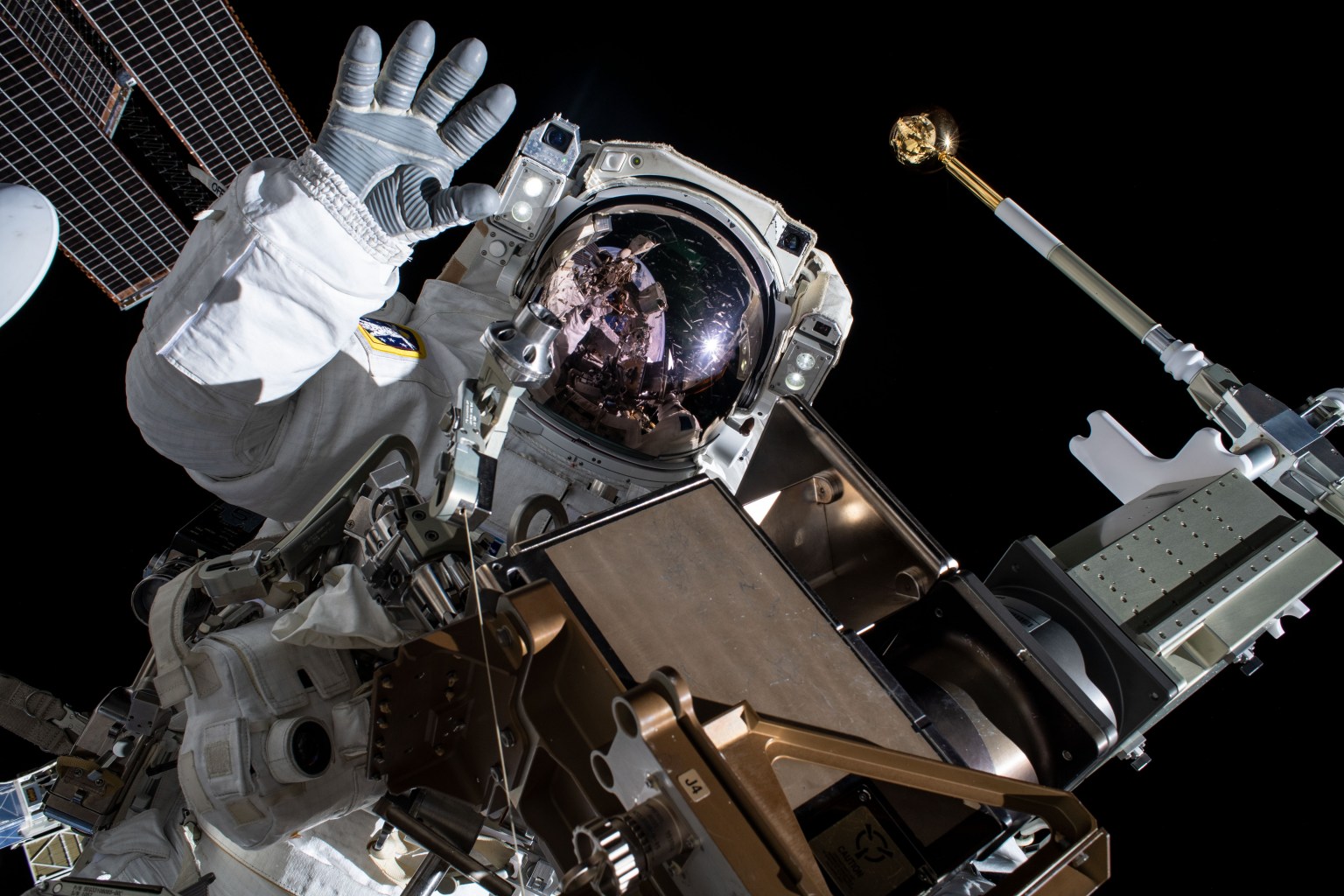
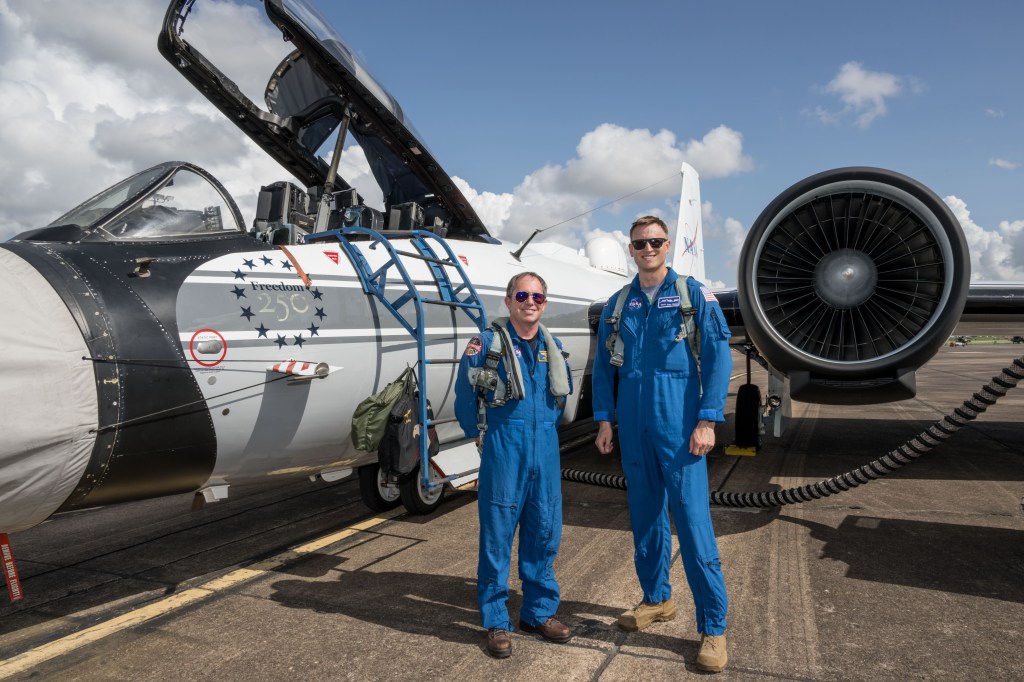
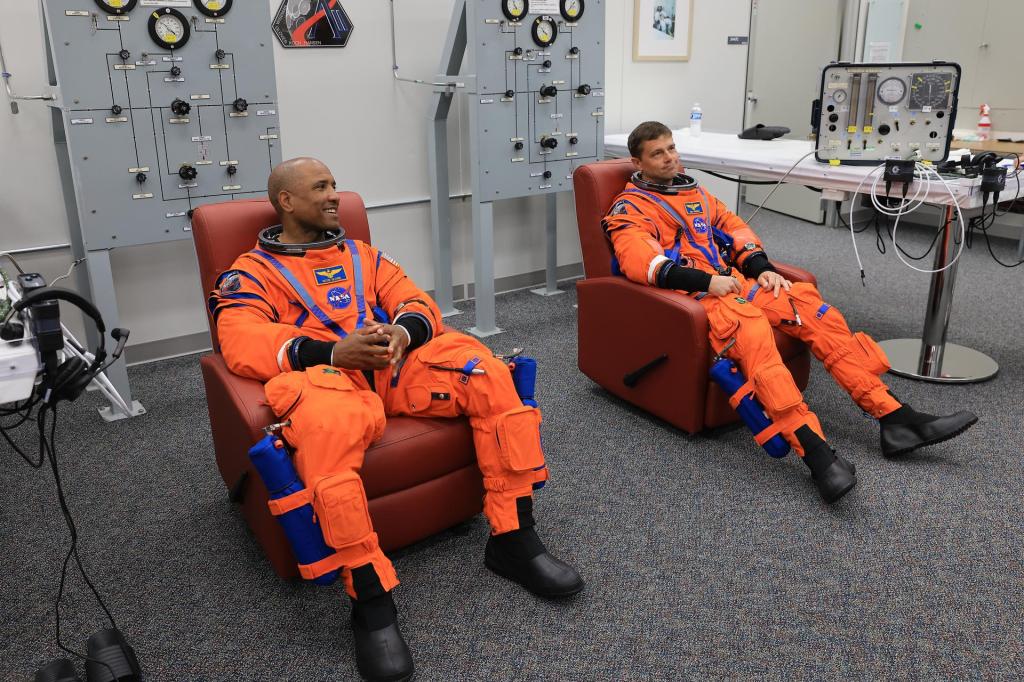
Our Artemis III Crew
Meet the astronauts who will carry out a series of objectives to demonstrate critical systems needed for a future lunar landing, helping NASA and its partners reduce risk before Americans return to the Moon on Artemis IV.
Paving the Way about Our Artemis III Crew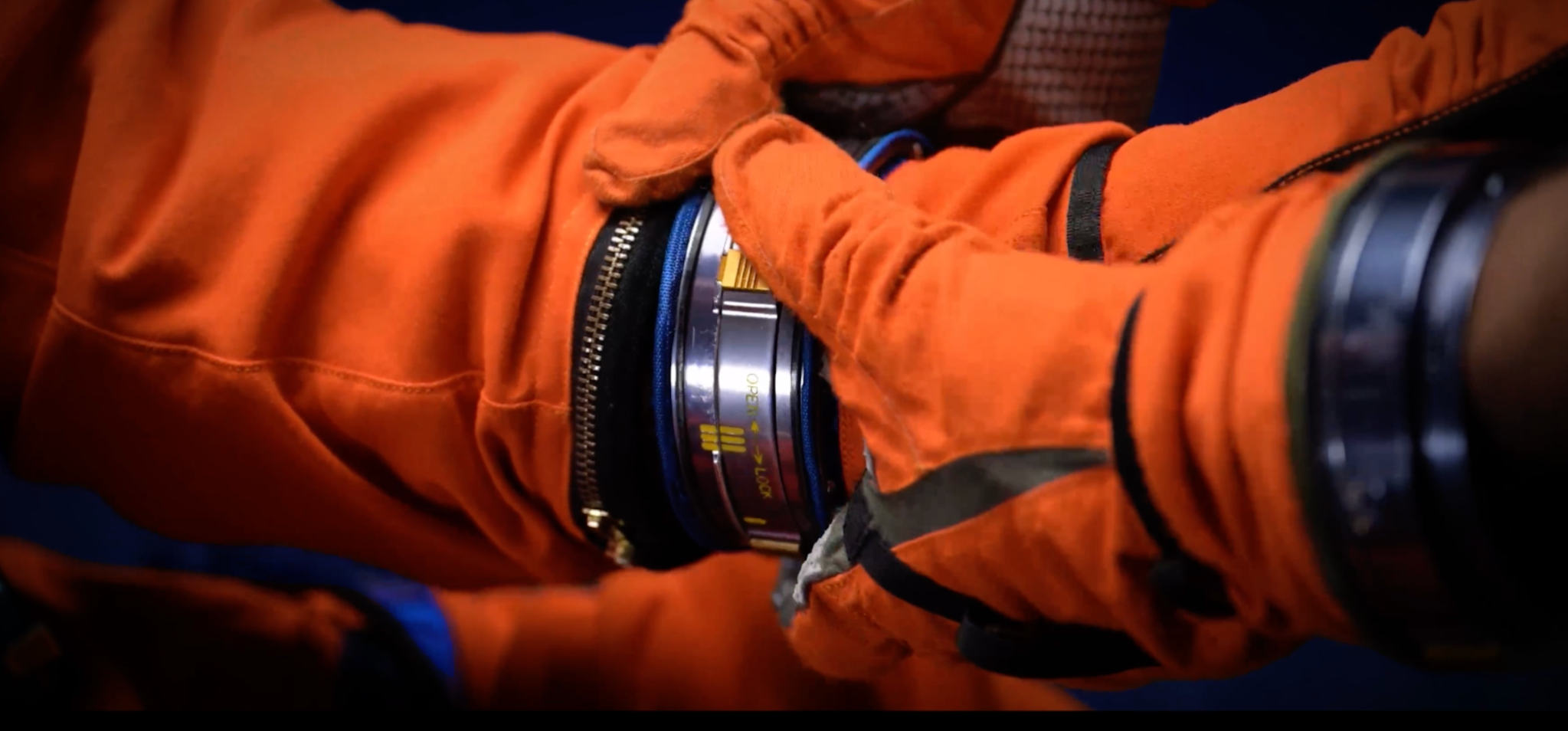
Carrying Humanity to the Moon
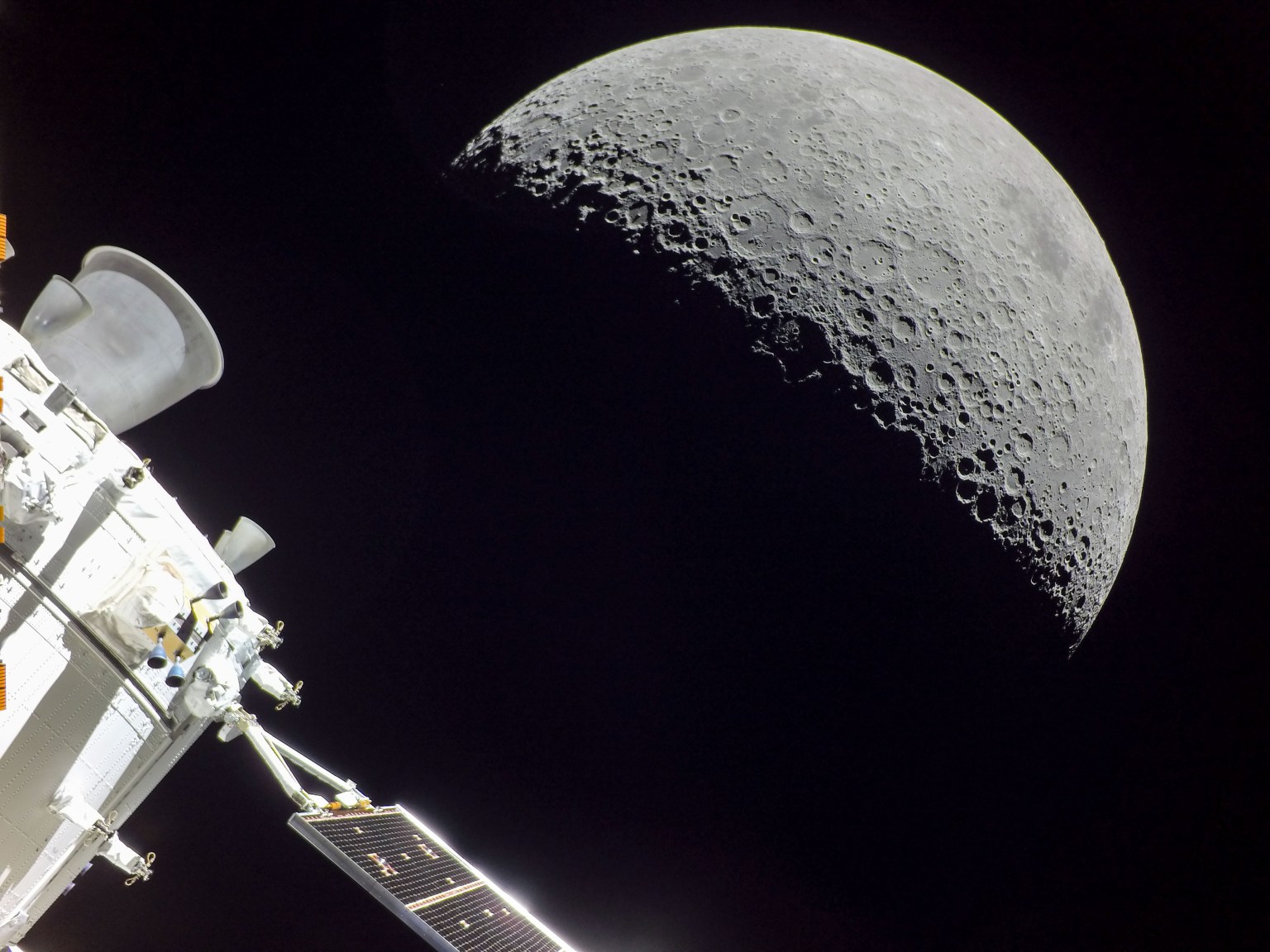
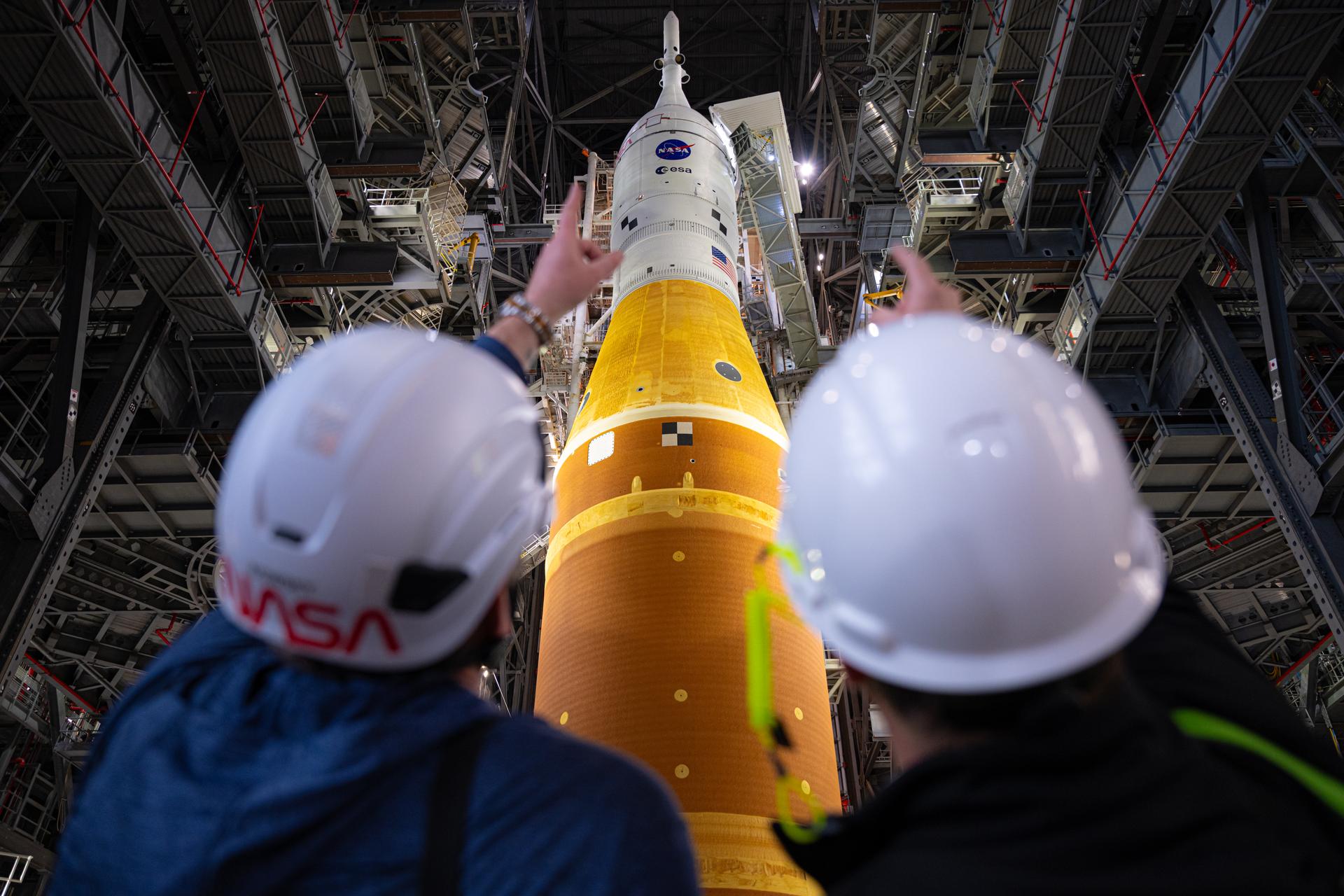
Orion is developed to be capable of sending astronauts to the Moon and is a crucial step toward eventually sending crews on to Mars.
The Orion spacecraft is an exploration vehicle that will carry and sustain the crew on Artemis missions to the Moon and return them safely to Earth. Orion will launch on NASA’s heavy-lift rocket, the SLS (Space Launch System).
A Single Launch
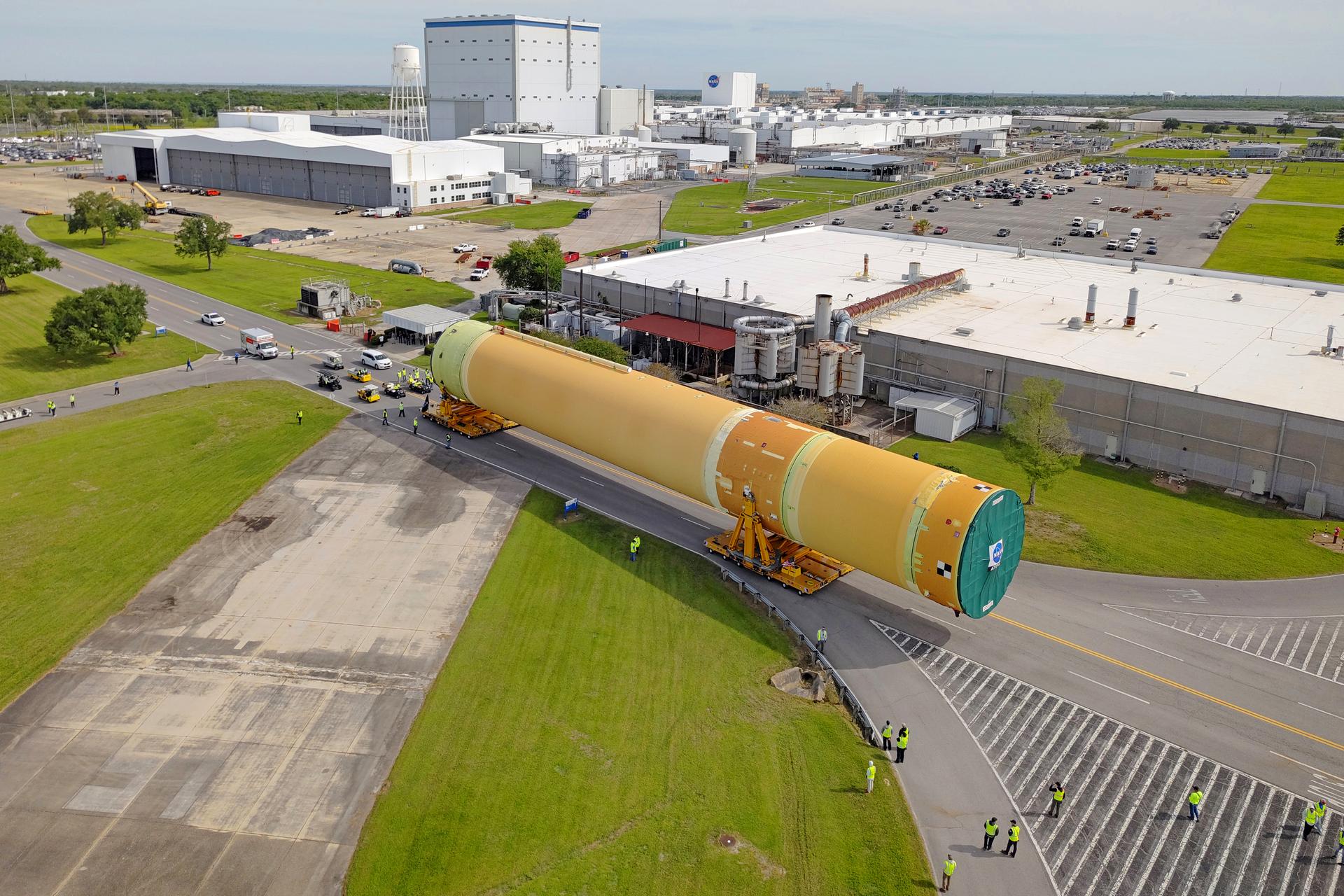
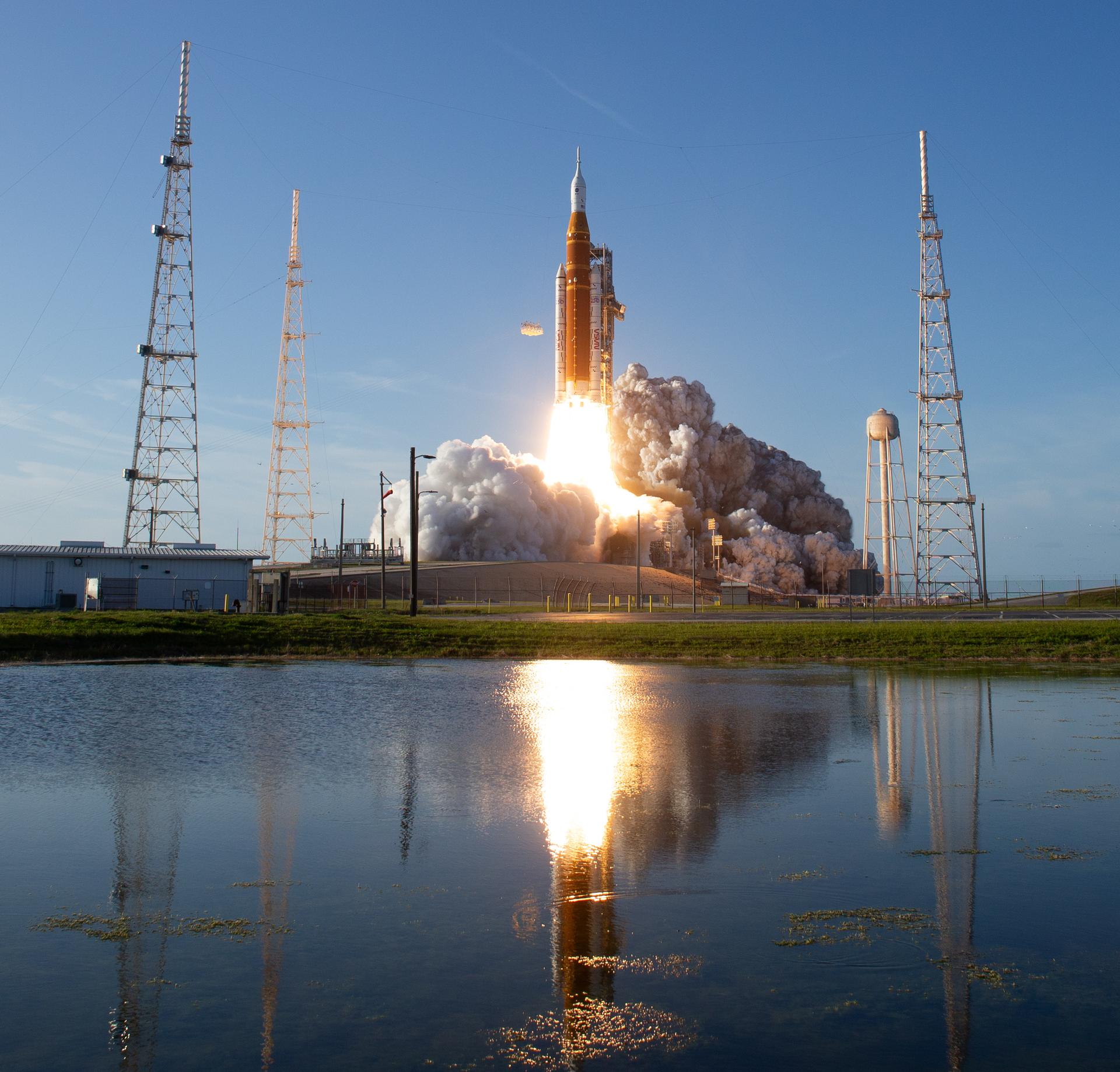
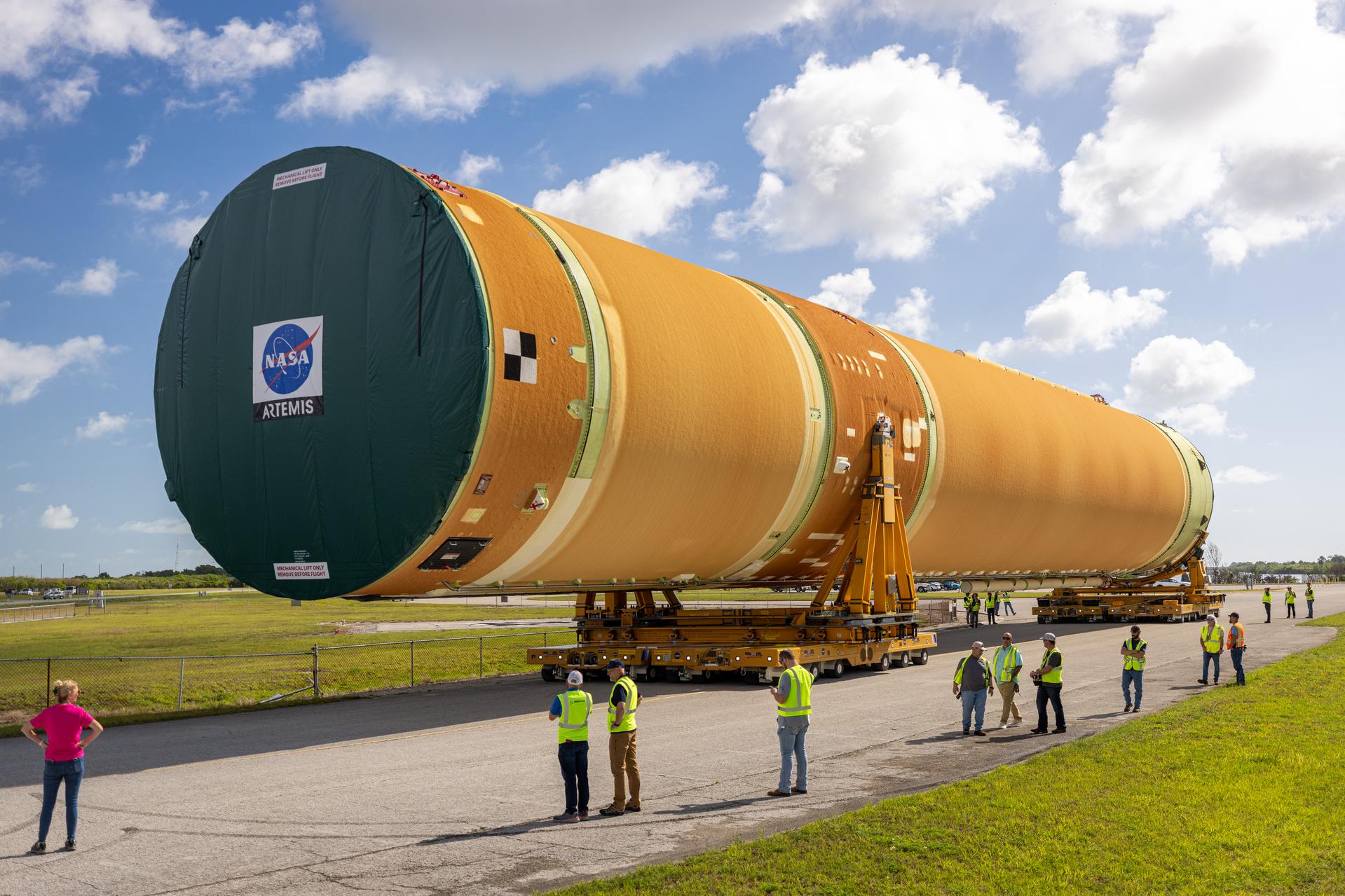
NASA’s Space Launch System (SLS) offers more payload mass, volume, and departure energy than any other single rocket.
Combining power and capability, NASA’s SLS (Space Launch System) rocket is part of NASA’s backbone for deep space exploration and Artemis. SLS is the only rocket that can send Orion, astronauts, and cargo directly to the Moon in a single launch.
The Infrastructure
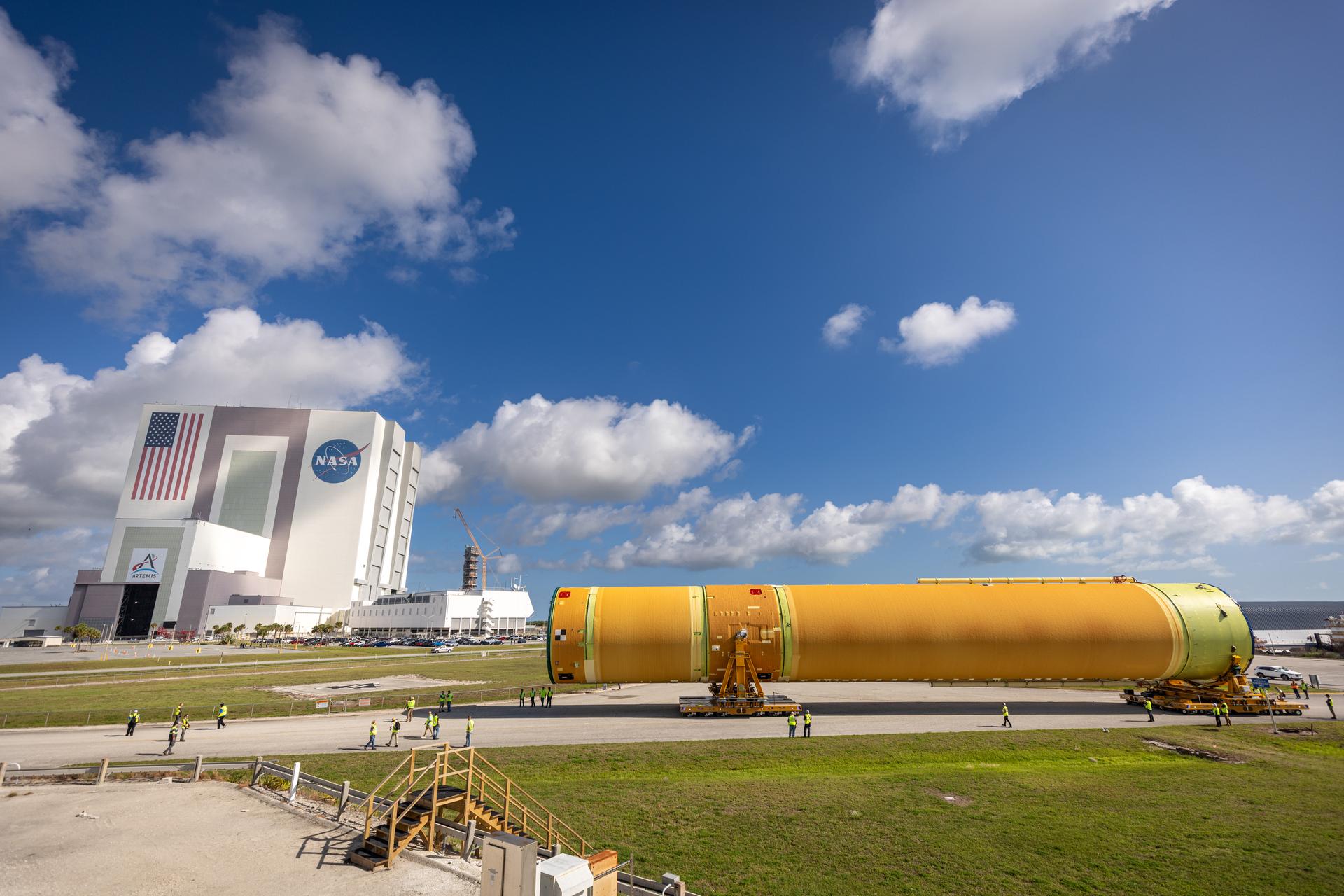
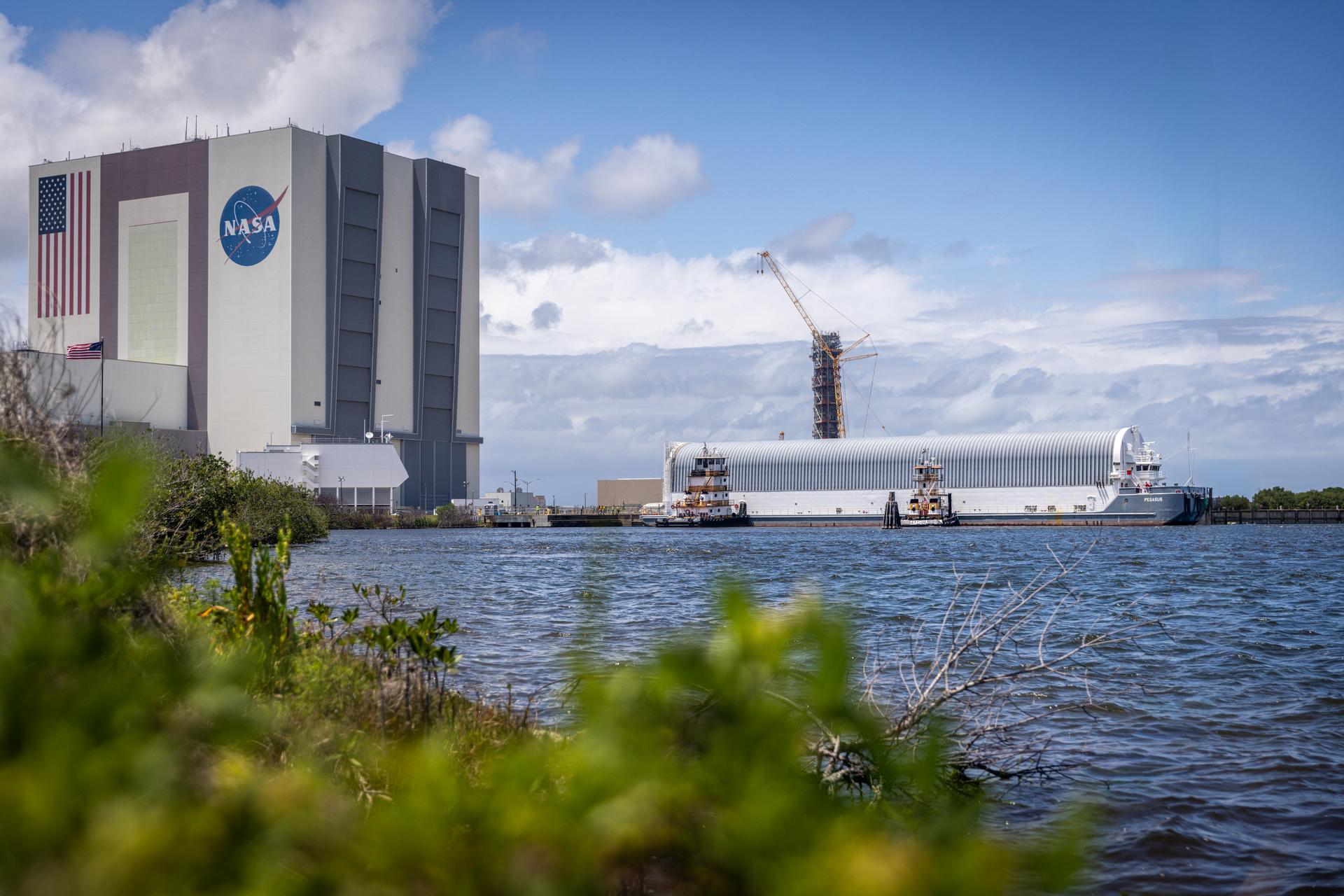
Preparing the infrastructure to support NASA’s SLS (Space Launch System) rocket and Orion spacecraft.
Exploration Ground Systems, based at Kennedy Space Center in Florida, develops and operates the systems and facilities needed to process, launch, and recover rockets and spacecraft for NASA’s Artemis missions.

Testing Commercial Landing Systems
Partnering with U.S. industry to bolster the American space economy and industrial base while reducing costs to taxpayers.
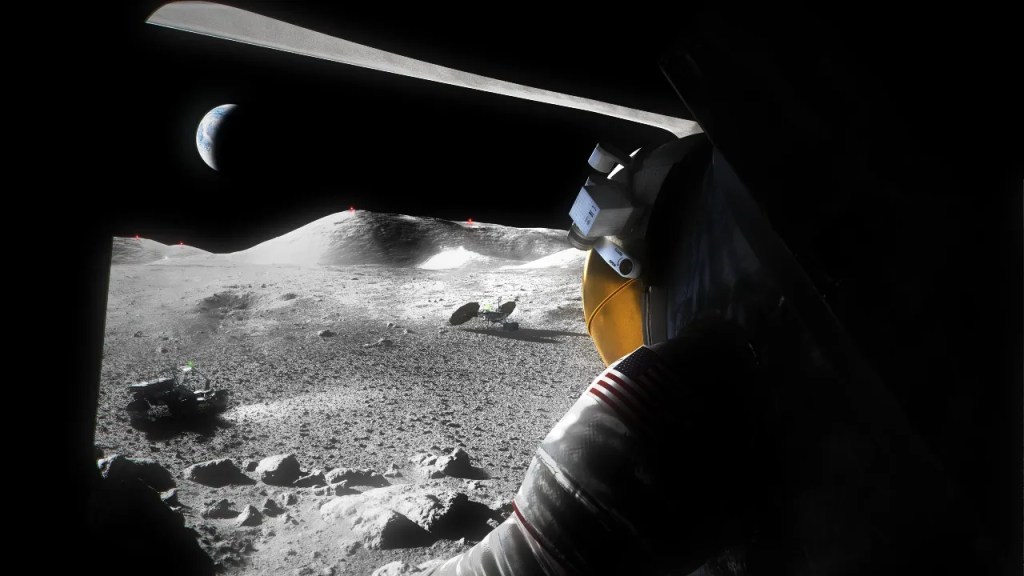
The Human Landing System (HLS) is the mode of transportation that will take astronauts to the lunar surface as part of the Artemis program. NASA’s HLS Program is working with two U.S. companies to develop landers that will safely carry astronauts from lunar orbit to the surface of the Moon and back. On Artemis III, NASA will test one or both human landing systems in low Earth orbit, demonstrating rendezvous and docking operations.
A Lunar Economy
Men and women across America and around the world are building the systems to support missions to the Moon, Mars, and beyond.
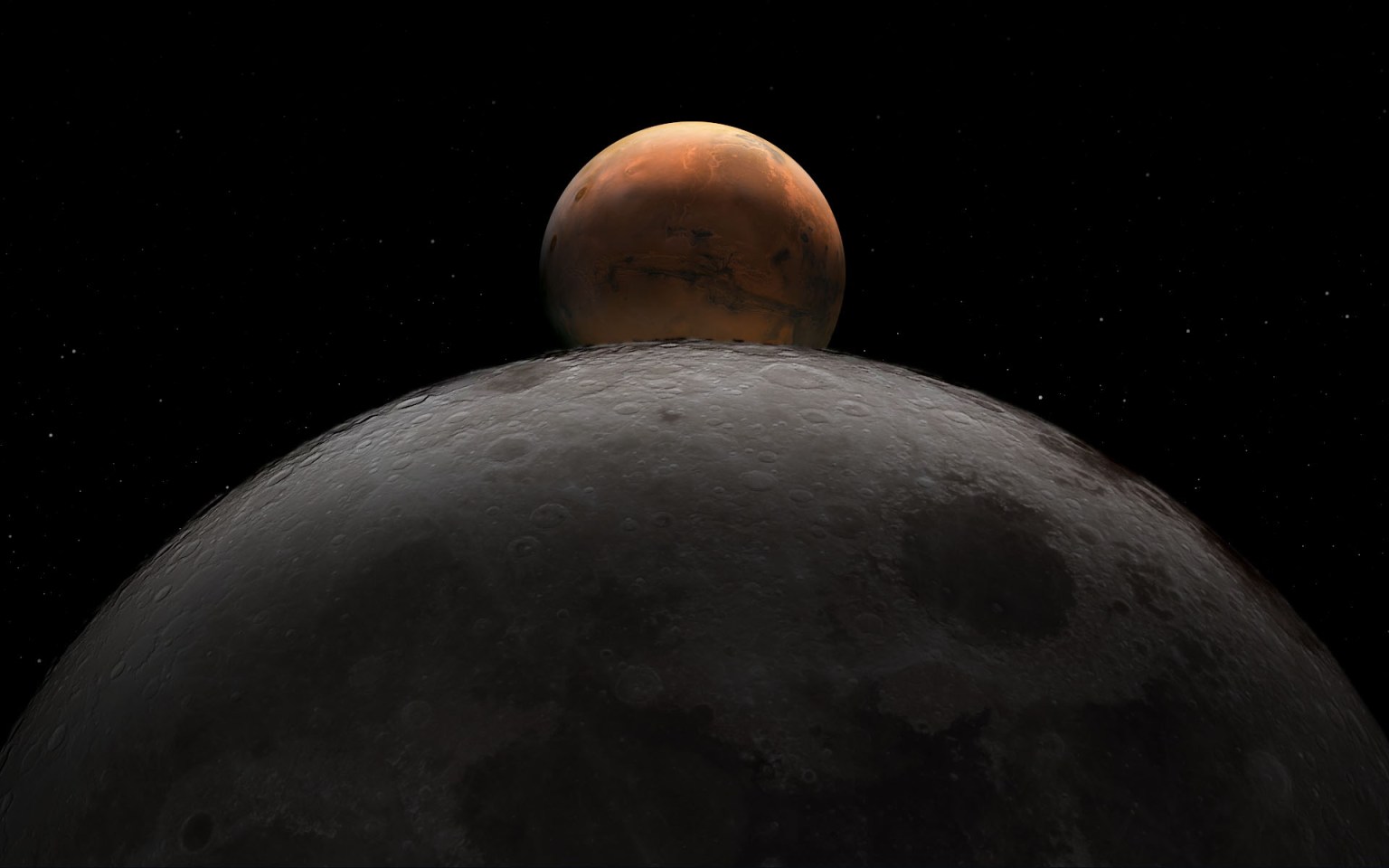
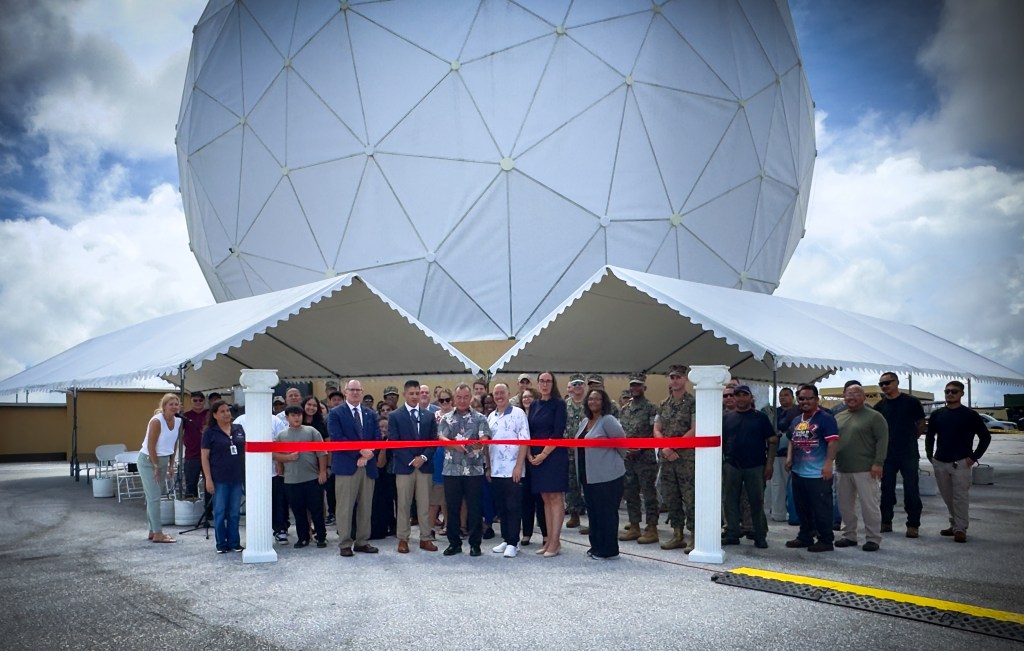
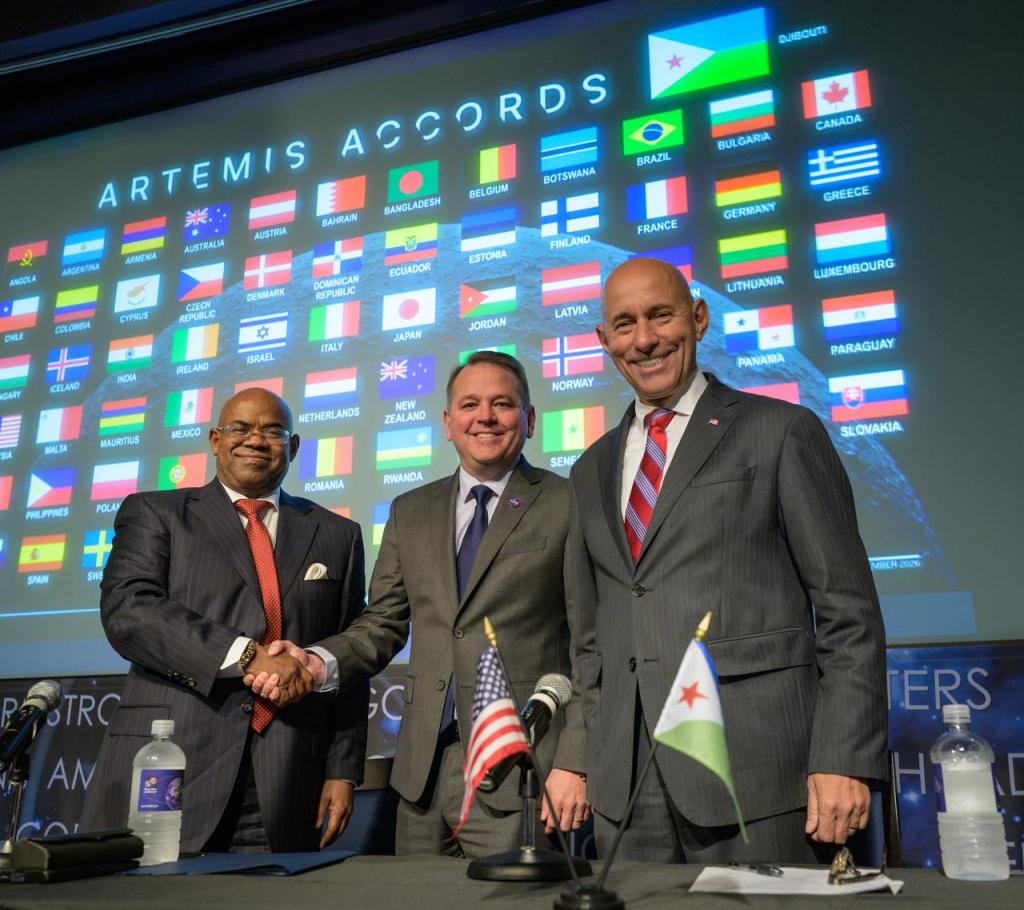
Since its inception, every state in America has made a contribution to the success of NASA’s Artemis campaign, with companies hard at work on innovations that will help establish a long-term human presence at the Moon. These missions are critical to an expanding space economy, fueling new industries and technologies, supporting job growth, and furthering the demand for a highly skilled workforce.

Artemis III







Learning Resources
Join Artemis
Find your place in space.
Explore student opportunities and competitions, Artemis-themed lesson plans, and free downloadable graphics for space explorers of all ages.
Start Exploring about Join Artemis