

















Lunar Surface Innovation Initiative
Building capabilities to support America’s presence
on the Moon and beyond.
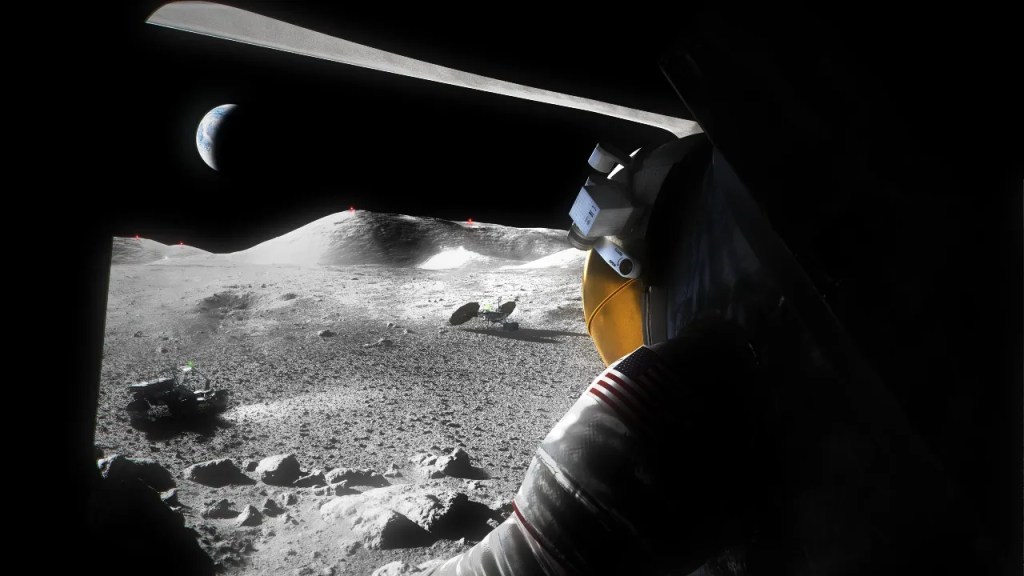
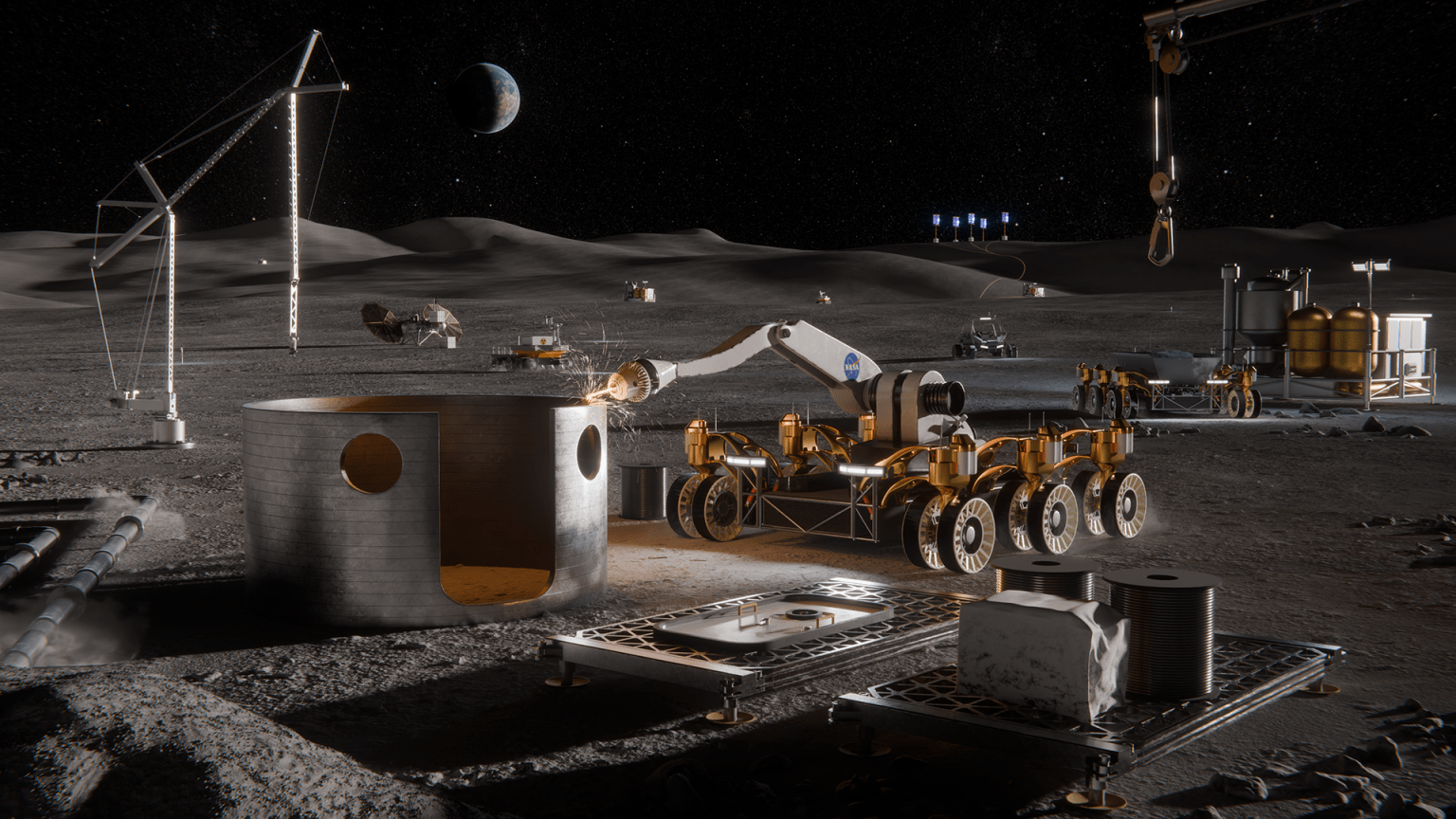
To support NASA’s goals of returning humans to the Moon for long-term missions through Artemis, the agency’s Lunar Surface Innovation Initiative (LSII), within the Space Technology Mission Directorate, brings together a full range of stakeholders including NASA experts, industry, small business, academia, entrepreneurs and non-profit institutions to bring new technologies online for long-duration surface missions.
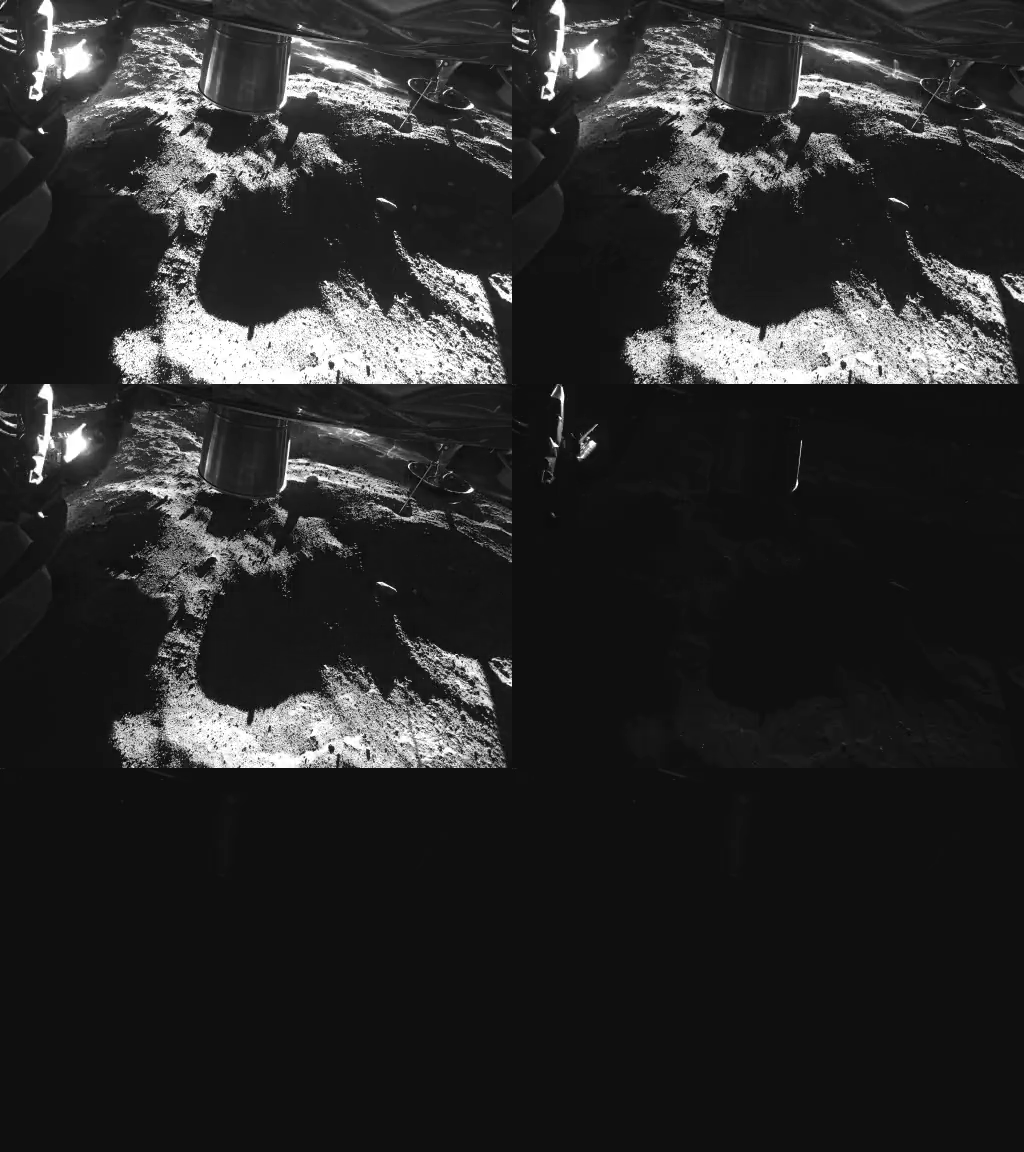
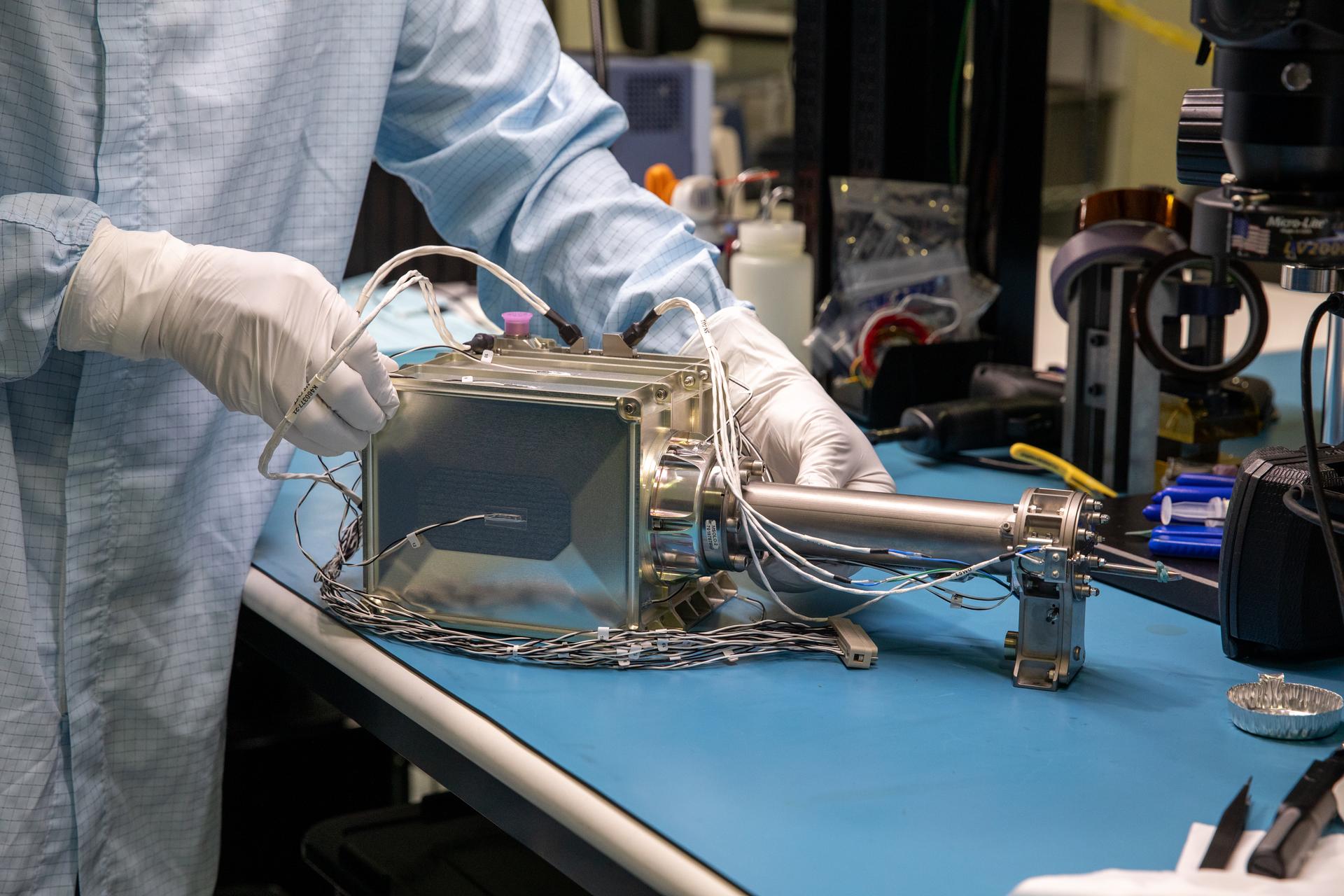
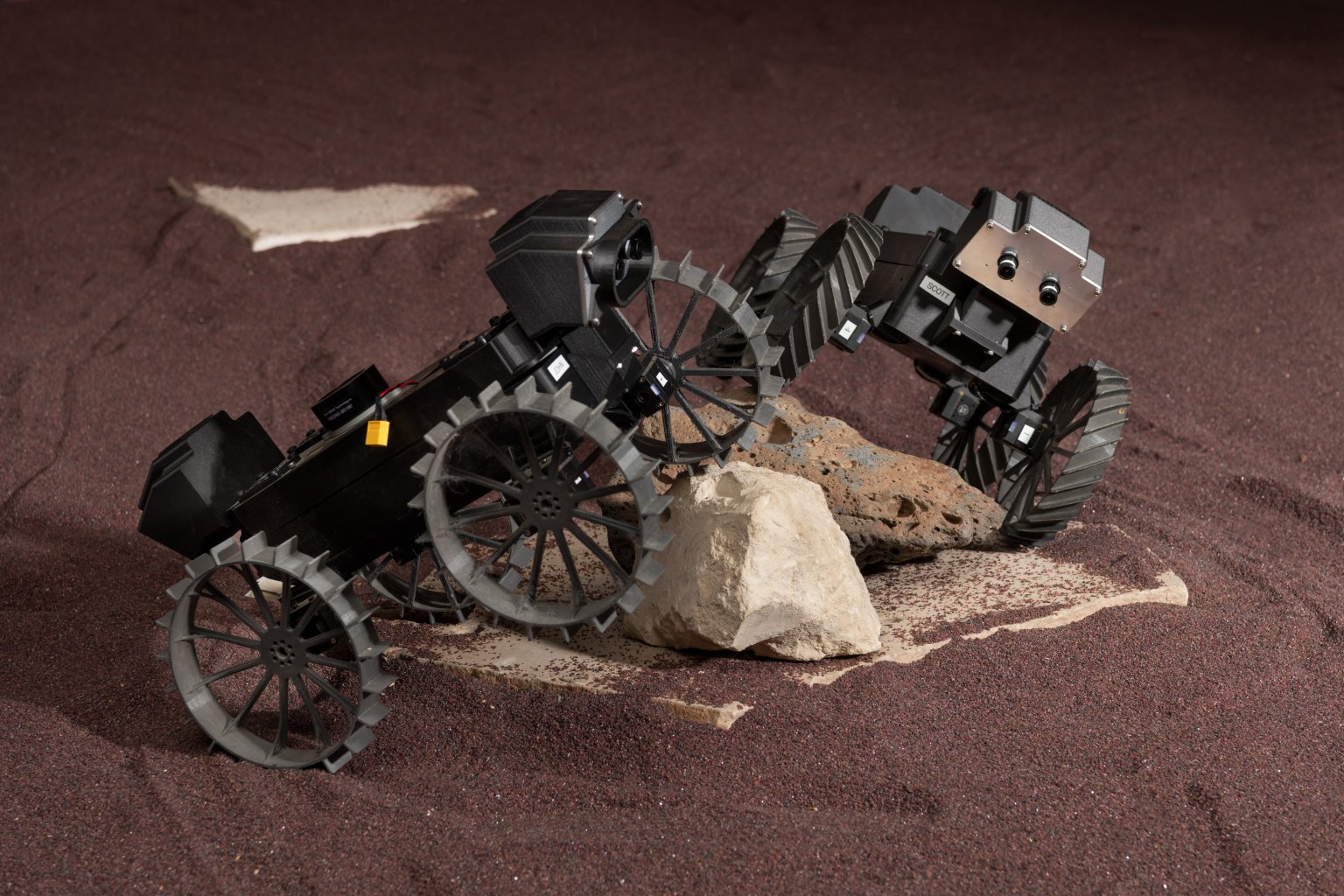
Technology development areas include power and thermal management, autonomous robotics, excavation and construction, and dust mitigation to address capabilities to support successful missions on the Moon. Maturation of technologies leads to ground demonstrations, test flights, and demonstrations in relevant lunar environments. Several technologies supported by LSII have flown with providers through NASA’s Commercial Lunar Payload Services (CLPS) initiative, demonstrating successfully on the Moon while returning valuable data.
Opportunity
NASA Calls
for Proposals to Accelerate Lunar Surface
Technologies
NASA is seeking proposals to advance the technology and infrastructure needed to explore the Moon and establish a
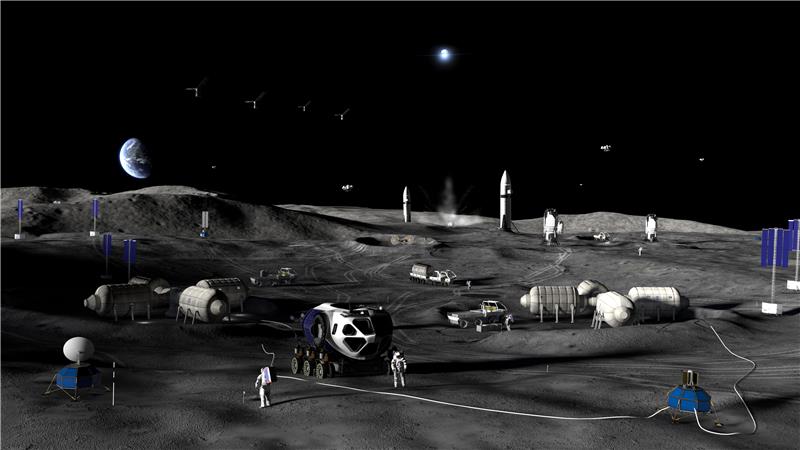
Moon Base in the lunar South Pole region.
Announced on Tuesday, Sept. 8, the solicitation targets capability gaps, including power generation, oxygen extraction, and producing materials on the Moon required for construction and operations. These technologies are essential to making humanity’s next great leap in lunar exploration.
Learn More about NASA Callsfor Proposals to Accelerate Lunar Surface
Technologies
Cross-Sector Collaboration
Lunar Surface Innovation Consortium (LSIC)
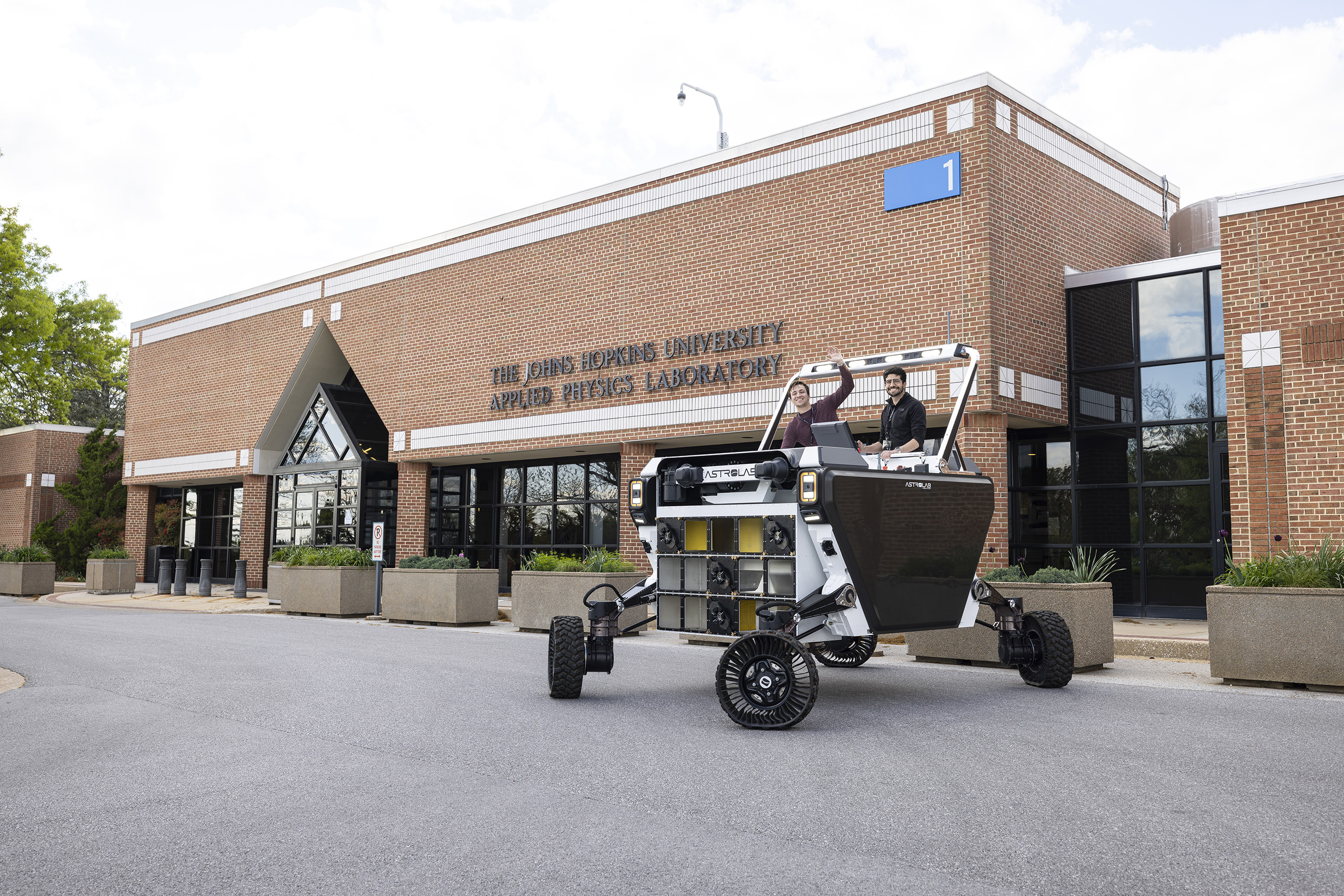
The Lunar Surface Innovation Consortium (LSIC) brings together government, academia, non-profit institutions, and the private sector to identify technology solutions for achieving a sustained presence on the surface of the Moon, both human and robotic.
LSIC centers its work on NASA’s Lunar Infrastructure key capability areas such as surface power and thermal systems, in-situ resource utilization, excavation and construction, dust mitigation, environments, logistics, and robotics and autonomy. The Consortium provides a forum for NASA to communicate technological requirements, needs, and opportunities; and for the community to share with NASA existing capabilities and critical gaps.
Visit LSIC’s Official Website about Lunar Surface Innovation Consortium (LSIC)
2026 LSIC Fall Meeting
The 2026 Lunar Surface Innovation Consortium (LSIC) Fall Meeting will be held at the Georgia Institute of Technology on October 14-15, 2026. Registration is open, click link below.
Learn More About LSIC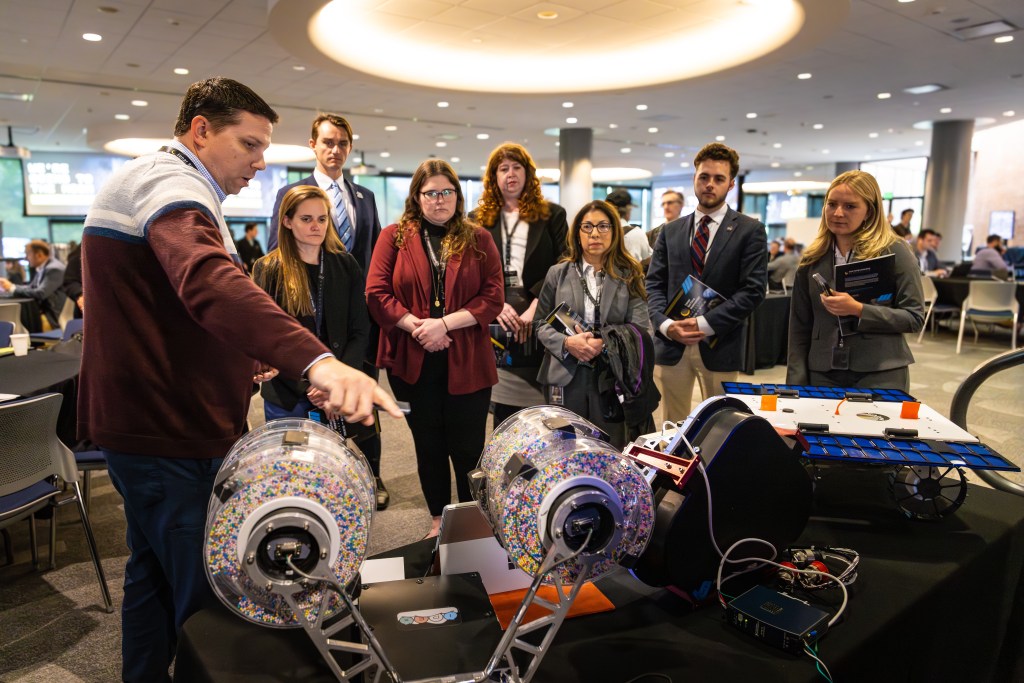
LSIC by the Numbers
LSIC Bi-Annual Meetings
Lunar Surface Innovation Consortium (LSIC) Spring and Fall meetings bring together leading experts in the field of lunar surface technology development whose goal is to harness the best technologies in the nation to advance a U.S.-led sustainable lunar economy. Community members and stakeholders share developments and findings in a wide array of capability areas that are of priority to NASA, including surface power, environments, In-Situ Resource Utilization (ISRU), excavation and construction, and dust mitigation – with a shared goal of accelerating progress and expediting development.
Commercial Lunar Payload Services (CLPS)
Through CLPS, NASA is working with American companies to deliver scientific, exploration, and technology payloads to the Moon’s surface and orbit.
Learn More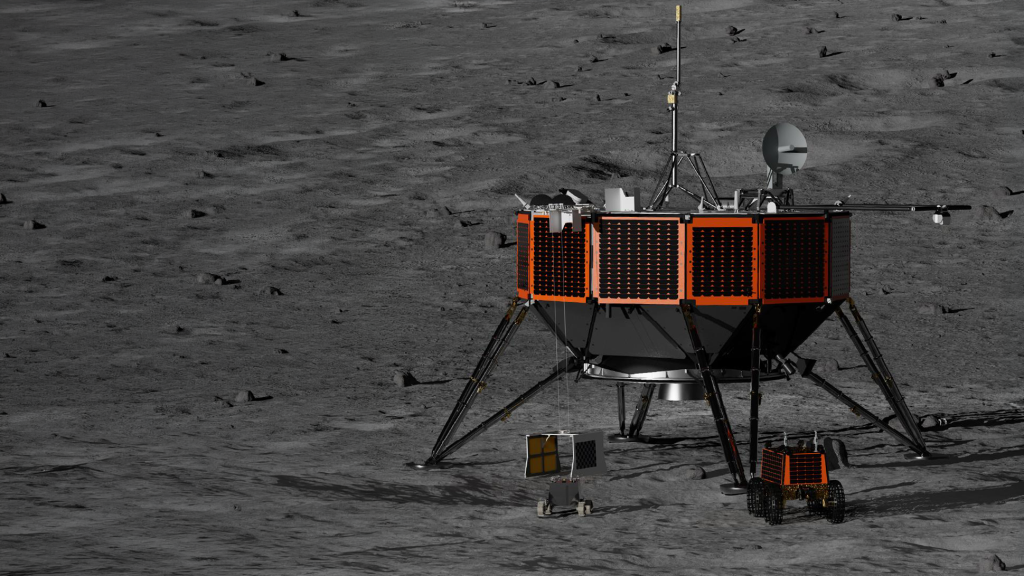

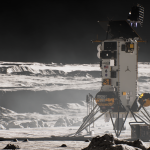
Learning Resources: NASA’s Lunar Activities
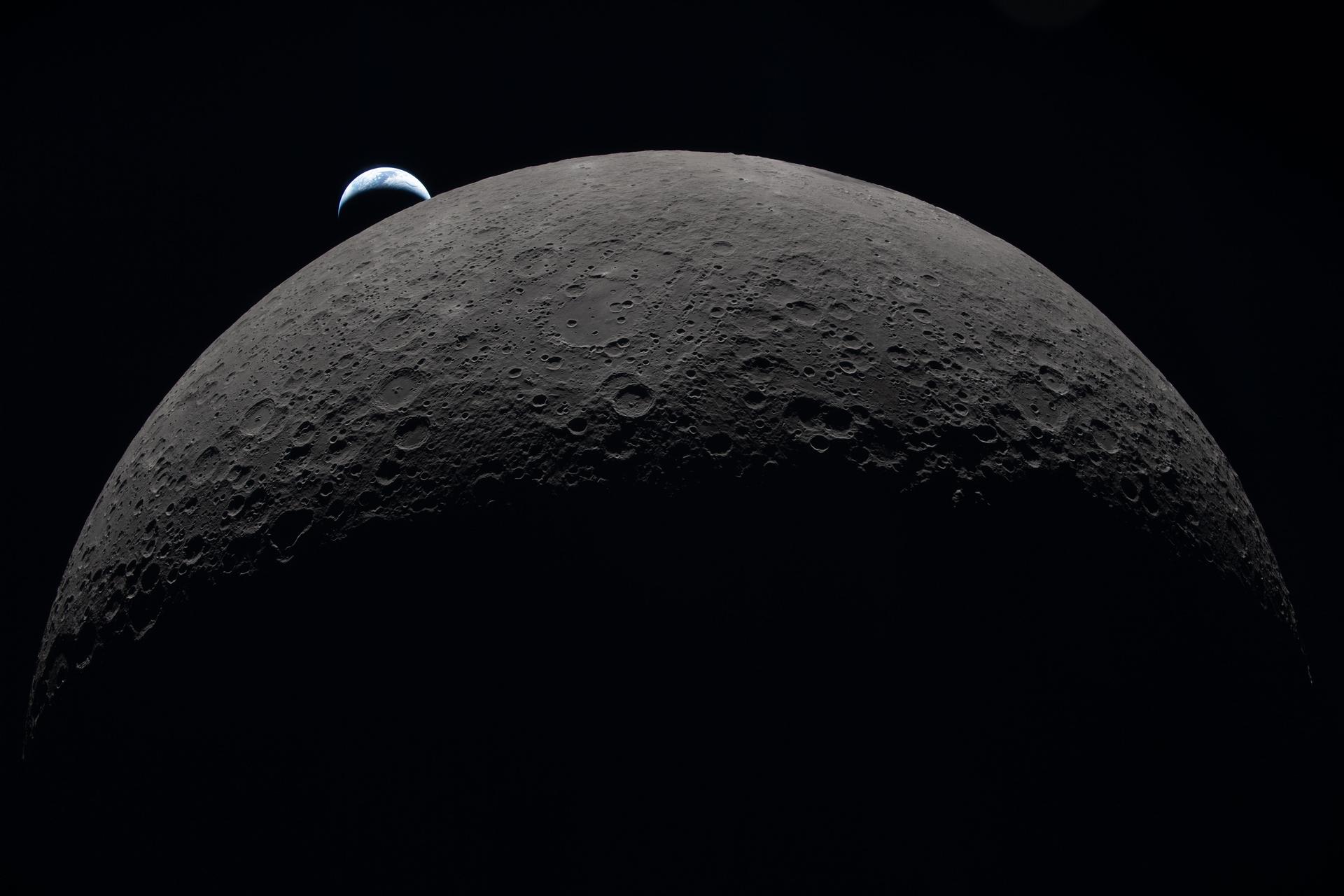
Artemis: Why We Are Going
We’re going back to the Moon for scientific discovery, economic benefits, and inspiration for a new generation of explorers: the Artemis Generation. While maintaining American leadership in exploration, we will build a global alliance and explore deep space for the benefit of all.






Explore the Universe from your Inbox
Subscribe to the NASA newsletter
We will never share your email address.