







Cockpit Simulators
Humans are arguably the most important factor in the safety of all complex aviation and space systems, so a focus on human-centered design is needed to ensure safe operations. NASA Ames human factors engineers have been at the forefront of cockpit simulation development at NASA Ames Research Center. Throughout the 1960s, Ames human factors engineers contributed to the design and development of a human-rated, six-degree-of-freedom simulator for testing rotorcraft.
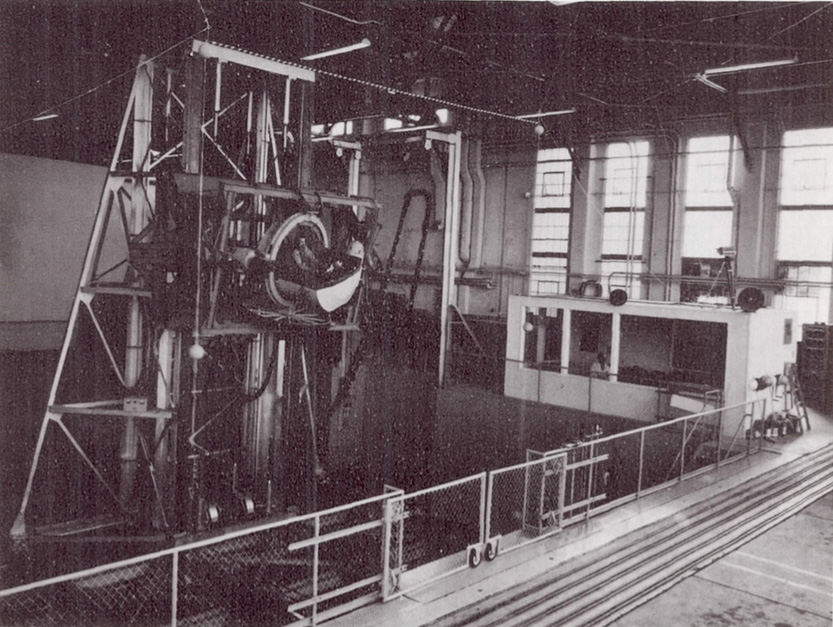
In addition, Ames built a spacecraft cockpit simulator at the end of a centrifuge arm. The rotational speed of the centrifuge created G-forces similar to those experienced during spaceflight launch. This simulator was used for training Apollo astronauts.
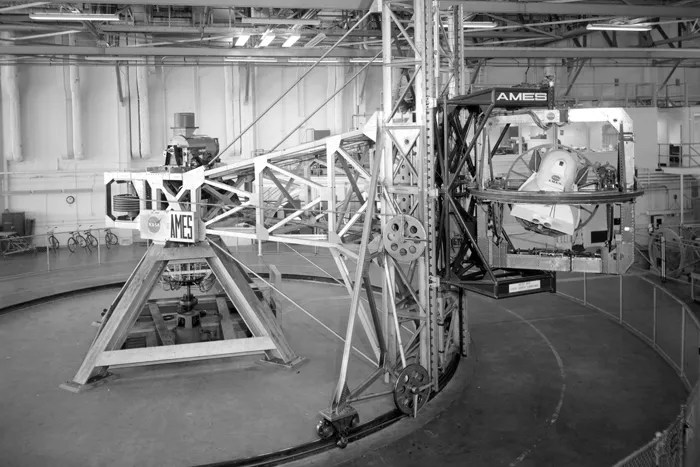
NASA human factors researchers continued to contribute to the design and development of advanced cockpit simulators for decades, ensuring safer, and more efficient missions (and safer flights) for the benefit of all mankind. Much of the research performed and tools created by the NASA’s Human Factors Research and Technology Division, later known as the Human Systems Integration Division, can be found in the cockpits of todays aircraft and space vehicles.
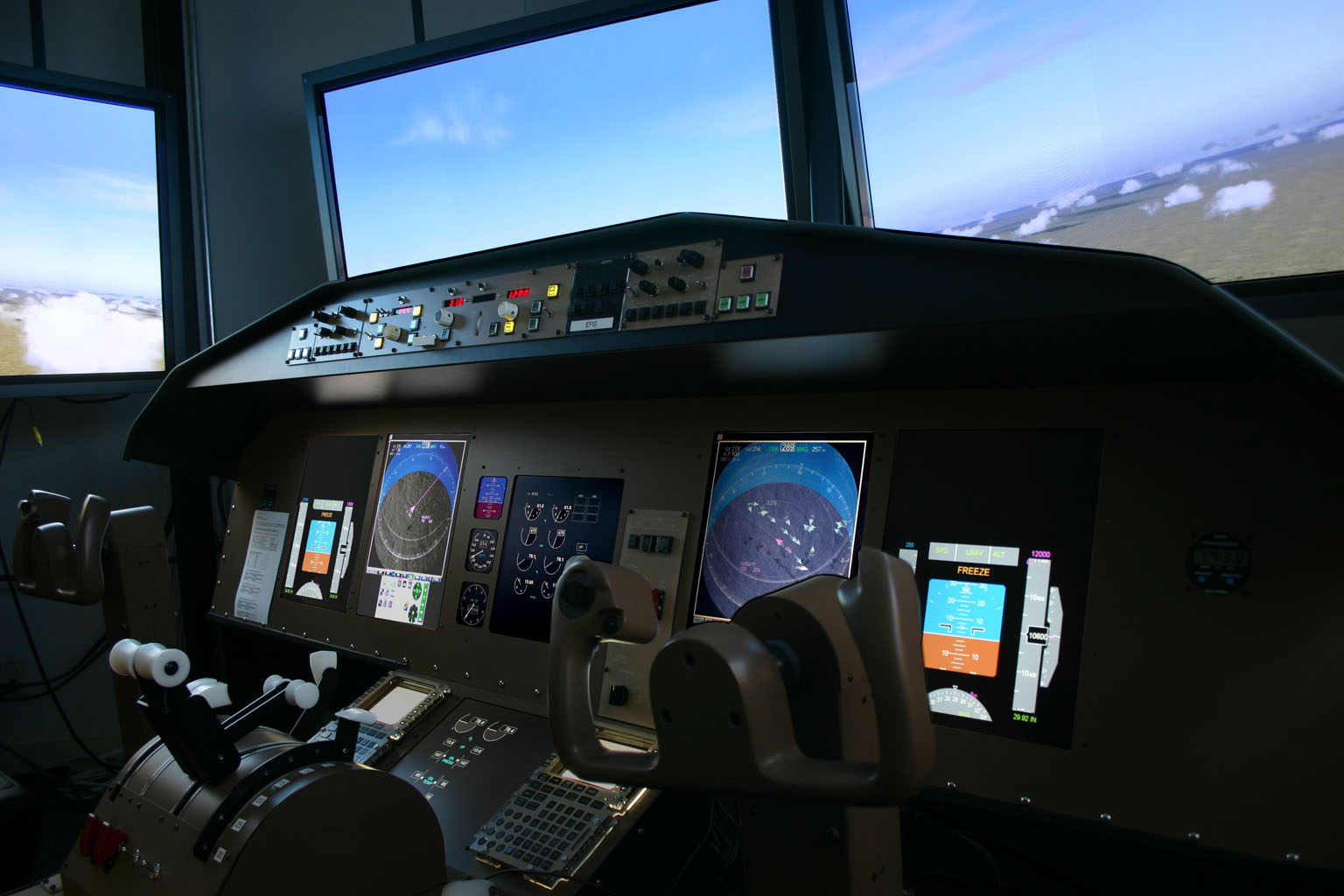
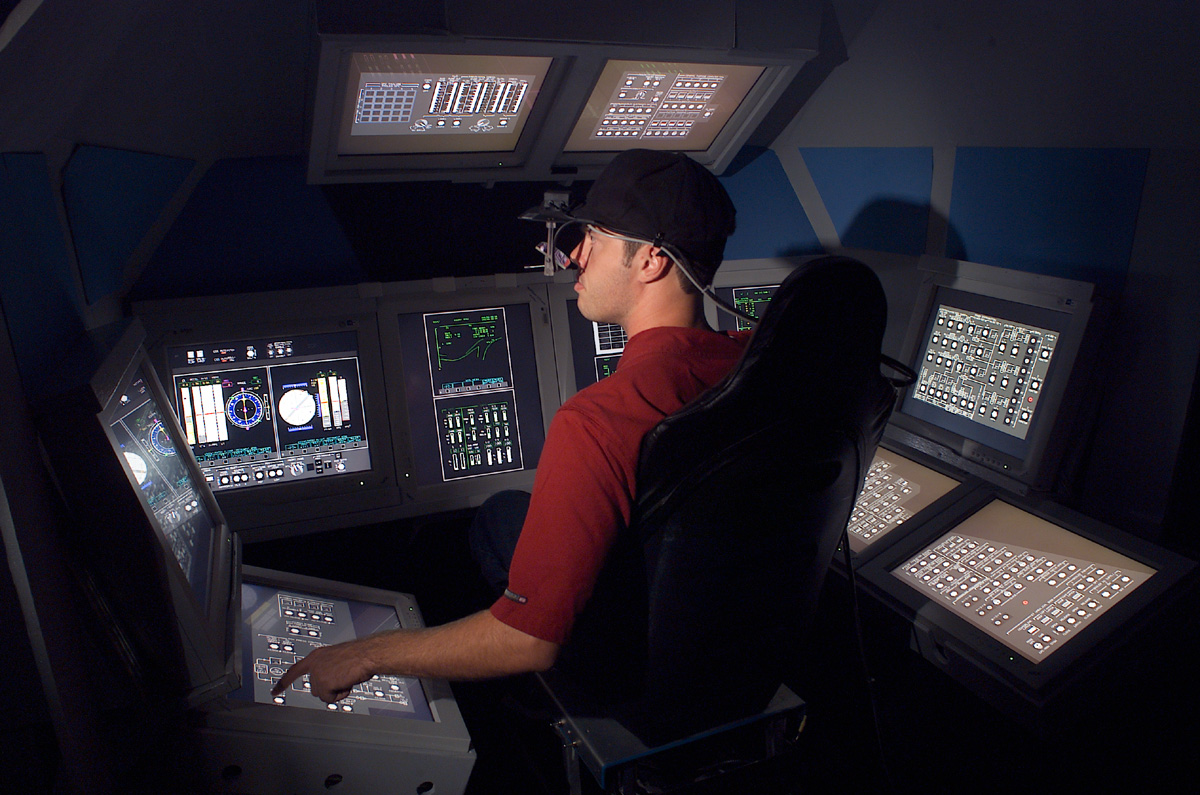
NASA research led by the Intelligent Spacecraft Interface Systems Lab also used cutting-edge simulators to test and evaluate advanced spacecraft operations concepts and associated crew-vehicle interfaces during dynamic flight phases via human-in-the-loop simulation support testing by verification and testing by analysis.
* Please note, this webpage is not actively maintained and is for historical reference only.