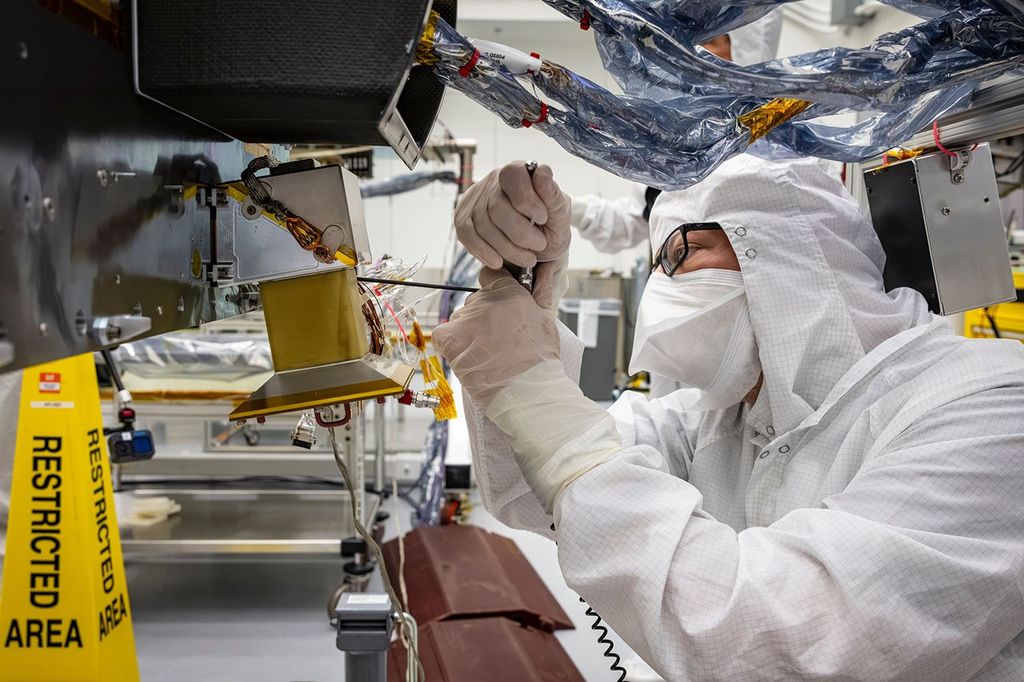
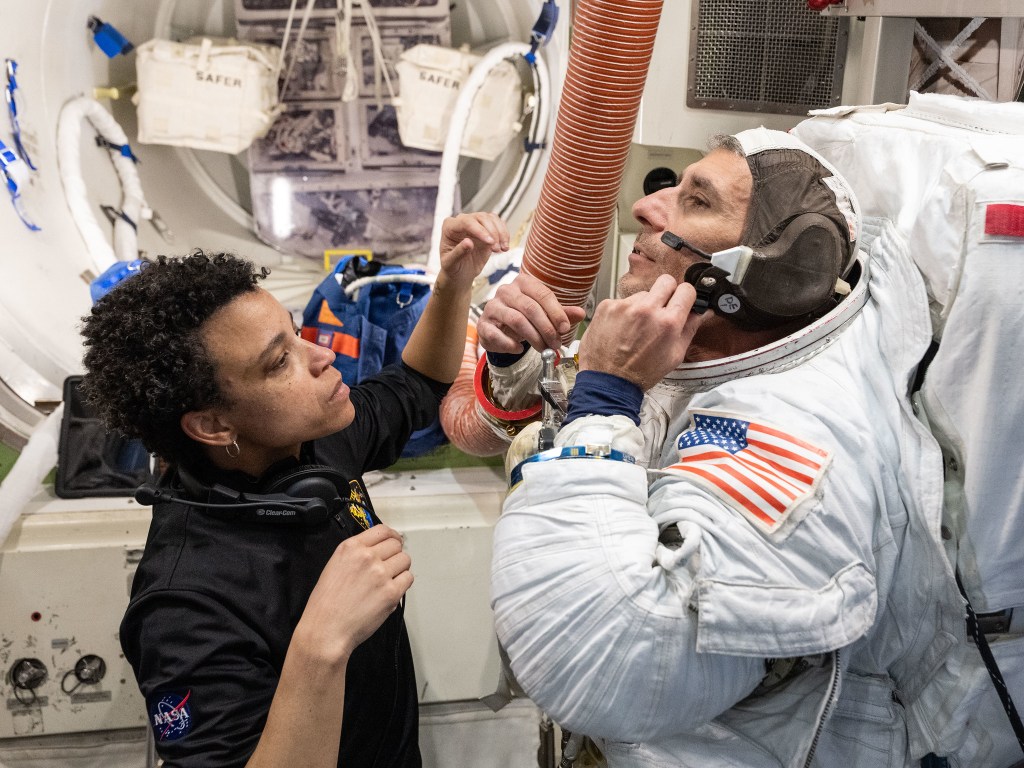
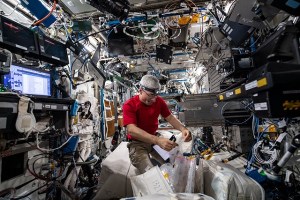
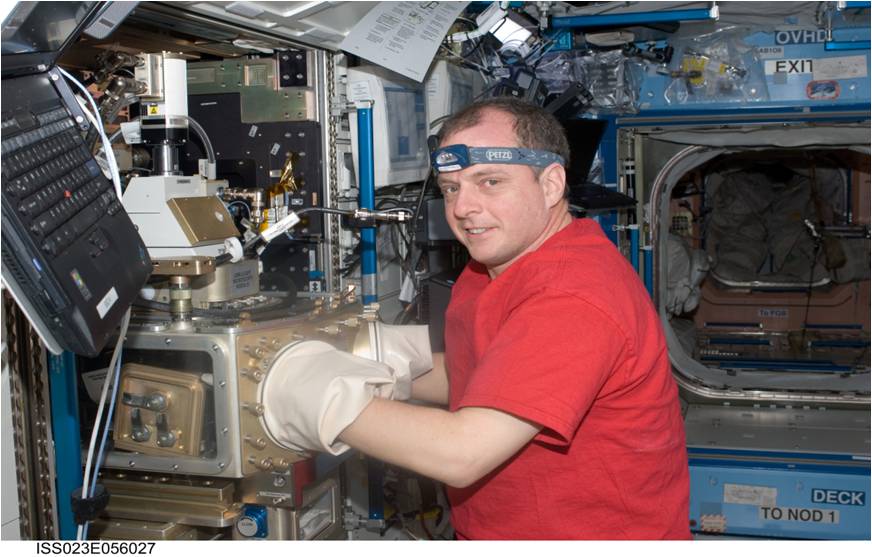
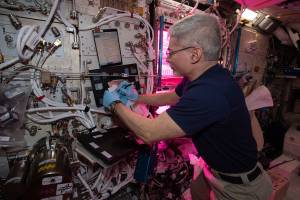
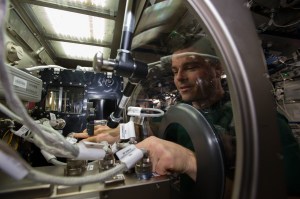
Explore Fluid Science being performed at Glenn Research Center in Cleveland, Ohio.
Overview
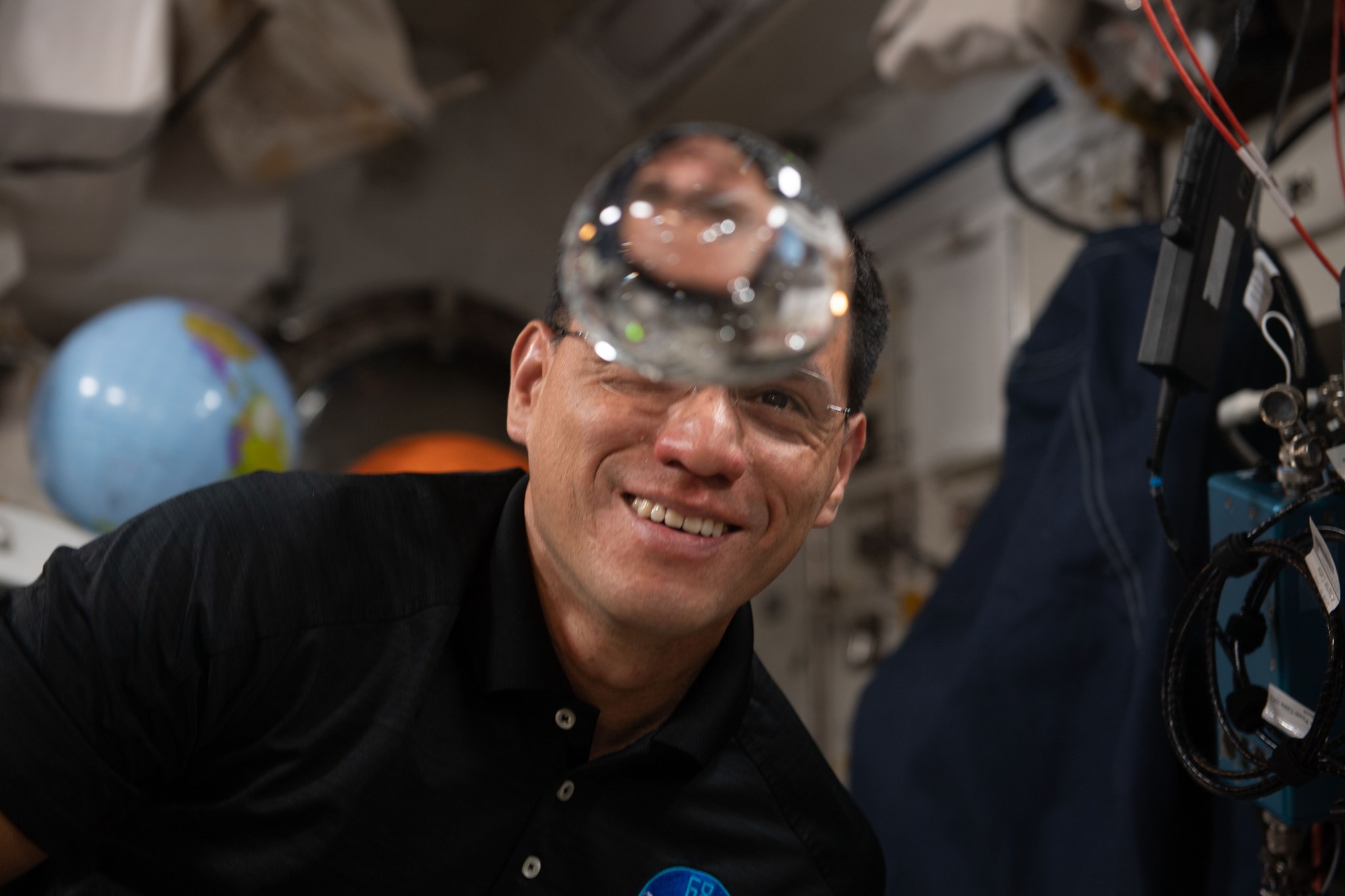
A fluid is any material that flows in response to an applied force, therefore liquids and gases are fluids. Their motion accounts for most transport and mixing in natural and man-made processes and within all living organisms. Fluid physics is the study of liquid and gas motion and the associated transport of mass, momentum and energy. The need to better understand fluid behavior has created a multidisciplinary research community whose ongoing vitality is marked by the continuous emergence of new fields in basic and applied science. The International Space Station’s low-gravity environment offers a unique place to study fluid physics and transport phenomena. Nearly weightless conditions allow researchers to observe and control fluid phenomena in ways not possible on Earth. Research areas include adiabatic two phase flows, flow boiling and condensation, capillary flows and interfacial phenomena, and flows related to cryogenic systems.
Current Fluid Science Experiments
fluid science experiment
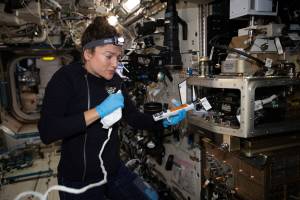
Flow Boiling and Condensation Experiment (FBCE)
The proposed research aims to develop an integrated two-phase flow boiling/condensation facility for the International Space Station (ISS) to serve as a primary platform for obtaining two-phase flow and heat transfer data in microgravity.
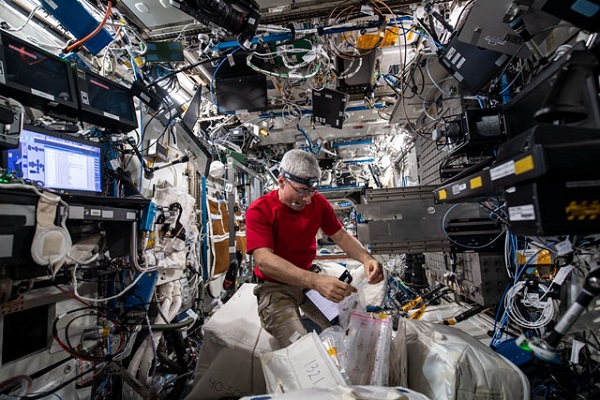
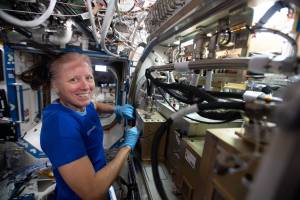
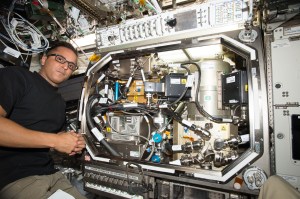
GMT341_09_51_Kayla Barron_Mark Flow Boiling and Cond Exp Setup
fluid science experiment
Zero Boil-Off Tank-NC (ZBOT-NC)
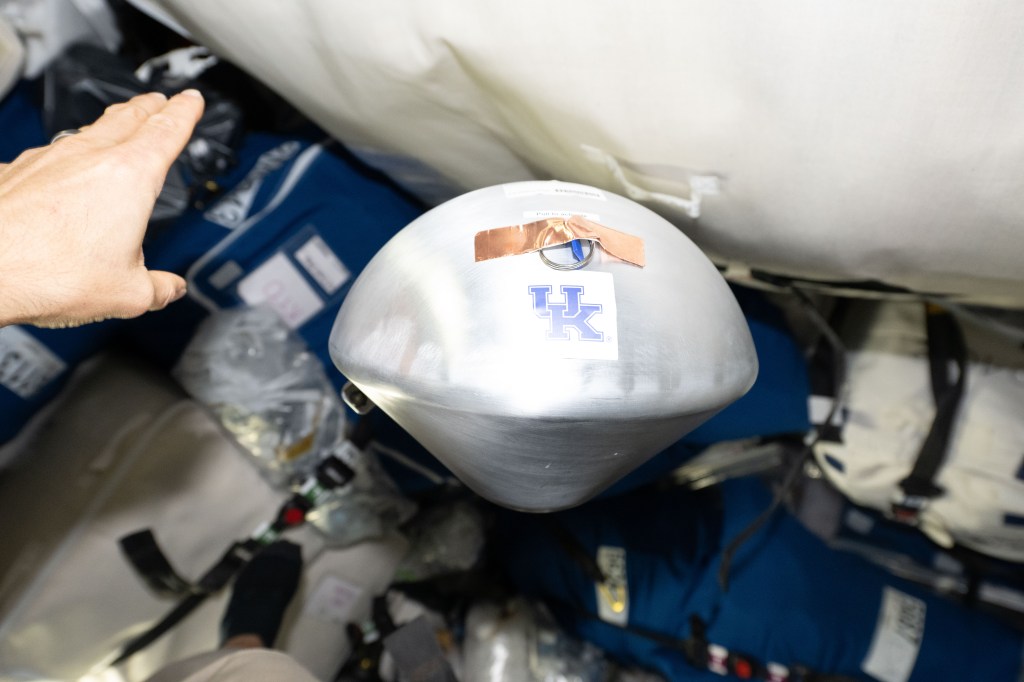
Affordable and reliable cryogenic fluid storage for propellant or life support systems is integral to all phases of NASA’s projected space and planetary expeditions.
Explore hands-on activities, interactive, lesson plans, educator guides, and other downloadable content about this topic.
Advanced Plant EXperiments (APEX)
Advanced Plant EXperiments-03-1 (APEX-03-1) continues a highly successful investigation into the effects of microgravity on the development of roots and cells on plant seedlings.
Boiling Experiment Facility (BXF)
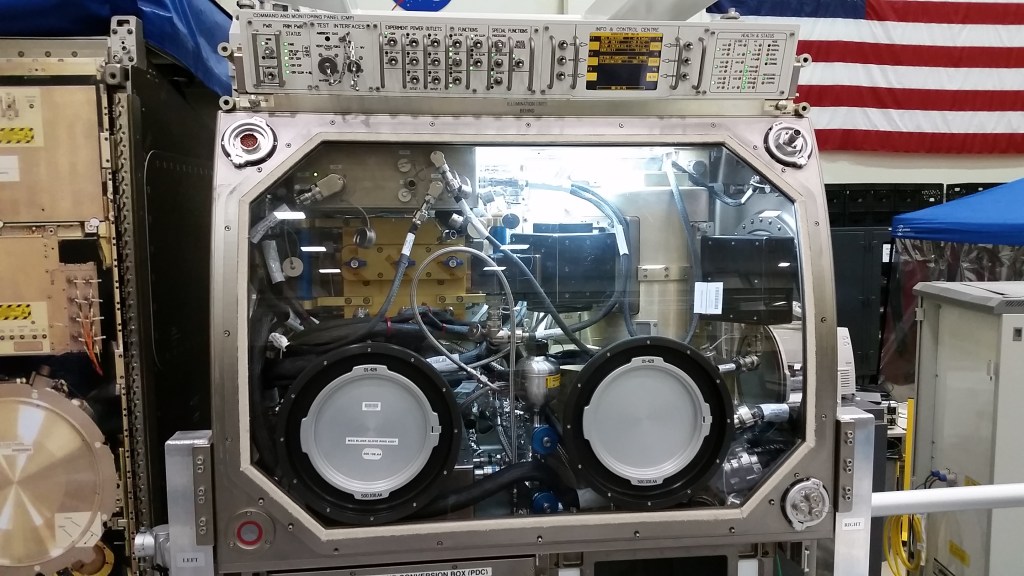
The Boiling Experiment Facility (BXF) was designed to operate in the Microgravity Science Glovebox (MSG) on the International Space Station (ISS).
Capillary Channel Flow (CCF)
Capillary Channel Flow (CCF) was a versatile experiment performed on the International Space Station for studying a critical variety of inertial-capillary dominated flows key to spacecraft systems that cannot be studied on the ground.
Capillary Flow Experiment (CFE)
Explore hands-on activities, interactive, lesson plans, educator guides, and other downloadable content about this topic.
Coarsening in Solid-Liquid Mixtures (CSLM)
The Coarsening in Solid-Liquid Mixtures (CSLM) experiment is a materials science space flight experiment whose purpose is to investigate the kinetics of competitive particle growth within a liquid matrix.
Constrained Vapor Bubble (CVB)
The thermophysical principles underlying change-of-phase heat transfer systems are not well understood in microgravity conditions and are less than optimized even in earth gravity.
ElectroHydroDynamic (EHD)
In space, it’s hard to keep your cool—especially if you’re a high-powered electronic device. Much of the electronic hardware found in modern satellites and space vehicles generates considerable heat.
Light Microscopy Module (LMM)
Explore hands-on activities, interactive, lesson plans, educator guides, and other downloadable content about this topic.
Packed Bed Reactor Experiment (PBRE)
A critical unit operation used with many of the leading water reclamation and air revitalization technologies for advanced life support systems is the fixed packed bed reactor.
Two-Phase Flow in a Microgravity Environment (TPFSE)
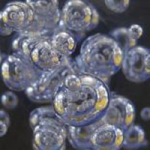
Flow is essential to many processes, and there are seven kinds of flow distinguishable on earth due to forces imposed by gravity. Microgravity is able to simplify flow due to the almost non-existent amount of gravity present; there are three principal types of flow regimes in microgravity: bubbly, slug, and annular.