














Zero Boil-Off Tank (ZBOT)
Background
 Affordable and reliable cryogenic fluid storage for propellant or life support systems is integral to all phases of NASA’s projected space and planetary expeditions. One challenge facing engineers is self-pressurization. It can be caused by the cryogen vaporization that results from heat leaks into a tank from its surroundings and support structure. Engineers can relieve this self-pressurization through venting, but repeated venting of the vapor during long-duration on-orbit or on-surface storage will result in significant propellant loss, rendering the cost of long distance human space expeditions prohibitive[1].
This realization has provided a significant impetus for researchers to develop innovative pressure control designs—based on mixing the bulk tank fluid together with some form of active or passive cooling—to allow storage of cryogenic fluids with zero or reduced boiloff. Complicated dynamic interactions govern both tank pressurization and pressure control, including those between forced mixing, various gravity-dependent transport mechanisms in the vapor and liquid phases, and the condensation-evaporation process at the interface. Consequently, effective implementation and optimization of a dynamic pressure control system for space applications can be difficult to achieve, especially without prior relevant microgravity experimental data.
[1] J. Salzman, “Fluid management in space-based systems,” in Proceedings of the Engineering, Construction, and Operations in Space, 5th International Conference on Space, Vol. 1, 1996.
Research Overview
The Zero Boil-Off Tank (ZBOT) series of investigations involve small-scale fluid tank tests conducted in a microgravity environment to gather relevant data for validation of computational fluid dynamic (CFD) models and to study techniques for managing tank pressurization caused by the gradual warming of highly volatile liquids. The CFD models can be used to design future, larger storage tanks containing fluids such as cryogenic propellants. This research ultimately reduces the risk and costs of future space expeditions.
The ZBOT investigations are being carried out in three phases:
- ZBOT-1: studies self-pressurization and mixing destratification in microgravity
- ZBOT-NC: studies the effects of non-condensable gases on self-pressurization and mixing destratification in microgravity
- ZBOT-DP: studies droplet phase change in microgravity with and without non-condensable gases
- ZBOT-FT
Space Applications
Long-term storage of cryogenic fluids is necessary for spacecraft propulsion and life support. Scientific sensors aboard space telescopes and other space probes also require operation at cryogenic temperatures, but can only work as long as the cryogenic fluids last. The ZBOT investigations carry out small-scale microgravity tests to enable further research for lightweight, efficient and long-duration cryogenic storage in space.
Earth Applications
Cryogenic tanks require complicated storage and flow solutions for fluids that act as both liquid and gas, depending on their temperatures. The ZBOT investigations study the role of phase change physics and heat transport on the pressure control of these volatile fluids. Results from the investigations improve models used to design tanks for long-term cryogenic liquid storage, which are essential in biotechnology, medicine, industrial, and many other applications on Earth.
Gallery
Contacts
- Principal Investigator: Dr. Mohammad Kassemi, NCSER/NASA Glenn Research Center
- Co-Investigator: Dr. Manoochehr Koochesfahani, Michigan State University
- Co-Investigator: Michael Meyer, NASA Glenn Research Center
- Project Scientist: Dr. Howard Pearlman, NASA Glenn Research Center
- Project Manager: Daniel Brown, NASA Glenn Research Center
- Payload Developer: ZIN Technologies, Inc.
Zero Boil-Off Tank – 1 (ZBOT-1)
Status
Complete
SummaryZBOT-1 – the first in a series of three investigations – studies the self-pressurization and mixing destratification of cryogenic storage tanks in microgravity using a small-scale simulant-fluid experimental system.
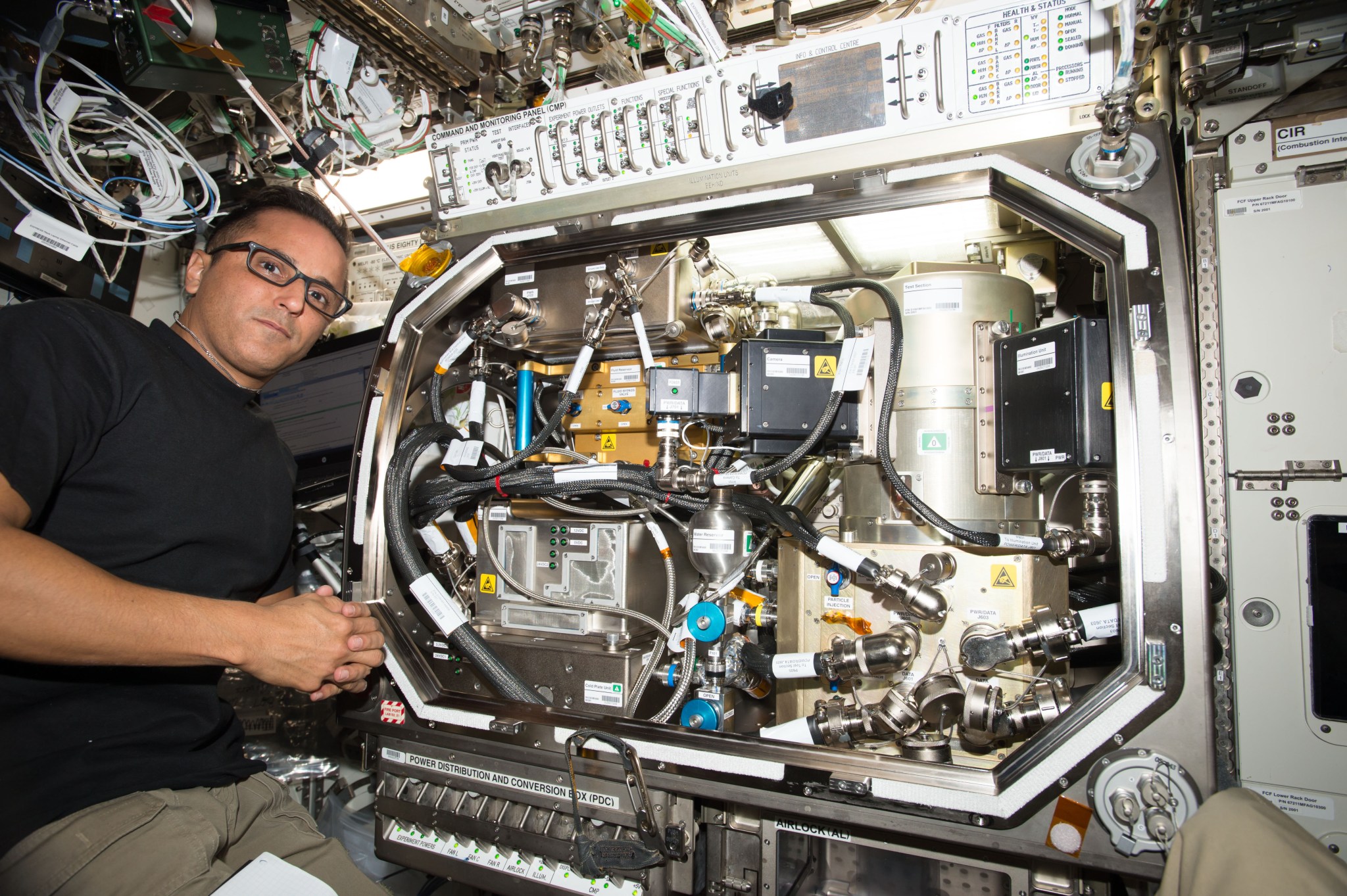
The ZBOT flight hardware was delivered to the ISS aboard Orbital Cygnus flight OA-7, which launched on April 18, 2017 and was installed in the Microgravity Science Glovebox (MSG) facility by Astronaut Joe Acaba on September 19 and 20. System thermal and fluid characterizations started on September 24 and actual test runs began on October 1. All data and images were downloaded to the ground prior to hardware removal from the MSG and stowage, which occurred on December 1, 2017.
The ZBOT flight hardware was returned to Earth on SpaceX flight SpX-13 on January 18, 2018 and ultimately delivered to NASA Glenn Research Center (GRC) to be reconfigured for follow-on investigations.
Key Findings and Science Deliverables
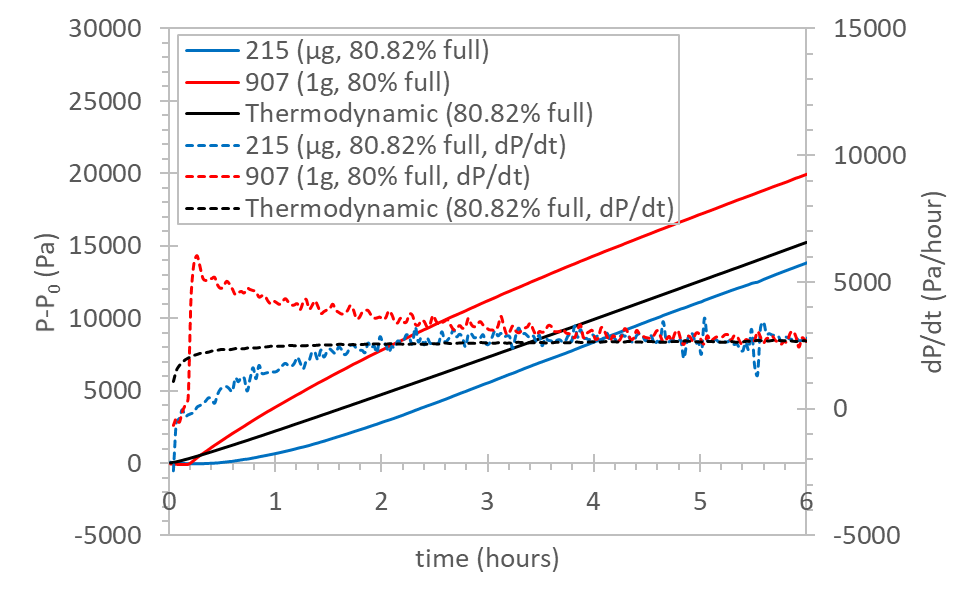
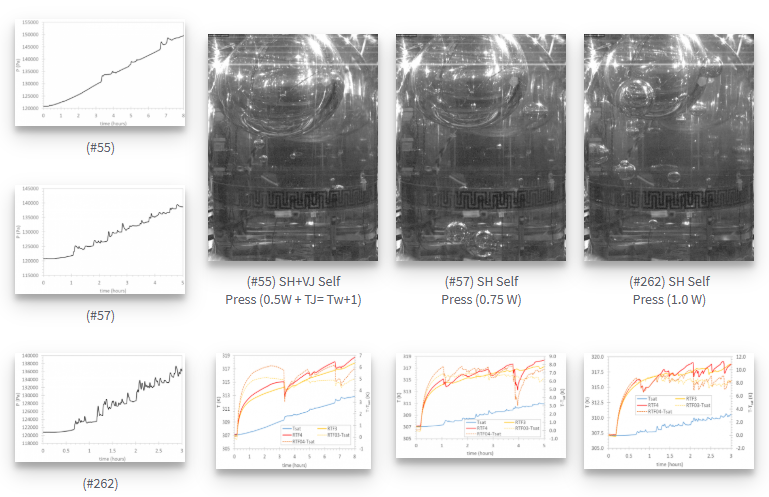
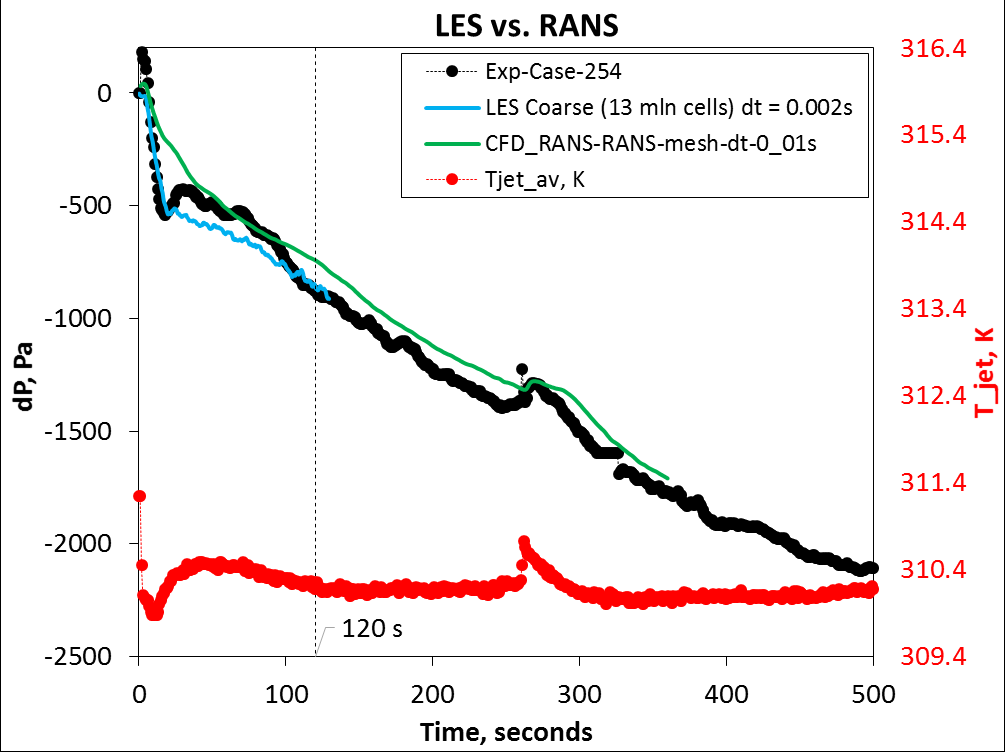
- Provided first data on microgravity self-pressurization rate that was used to validate CFD models
- Showed that classic self-pressurization can be easily disrupted by nucleate boiling in micro-g as compared to 1g, due to thermal stratification in the absence of natural convection, changing heat transfer at the tank wall
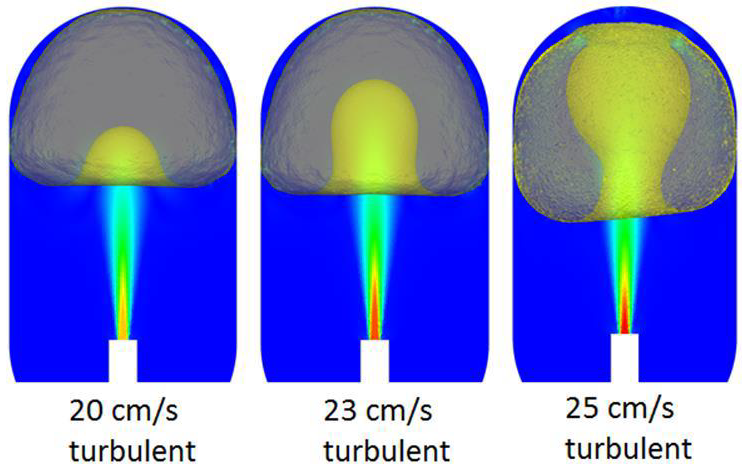
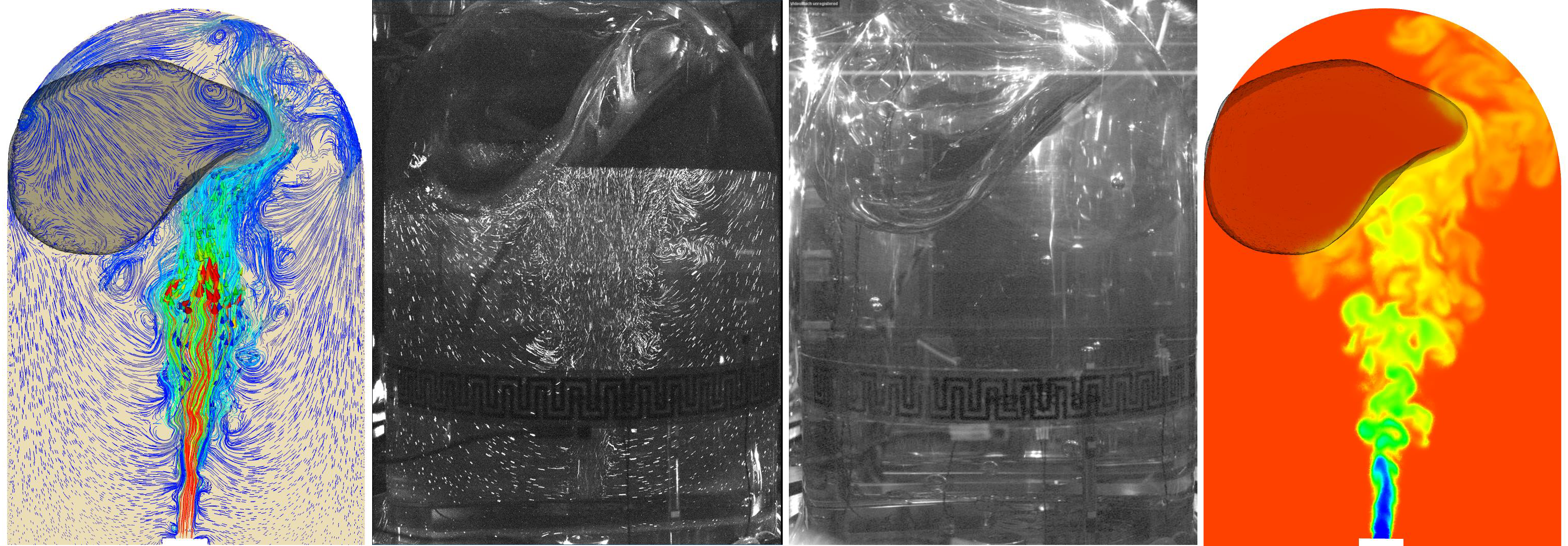
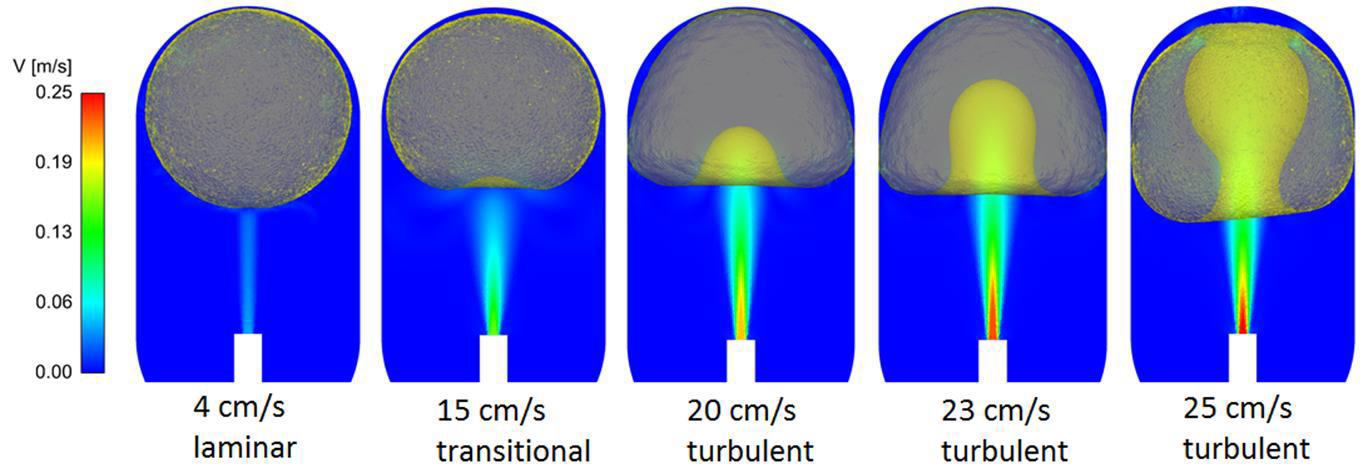
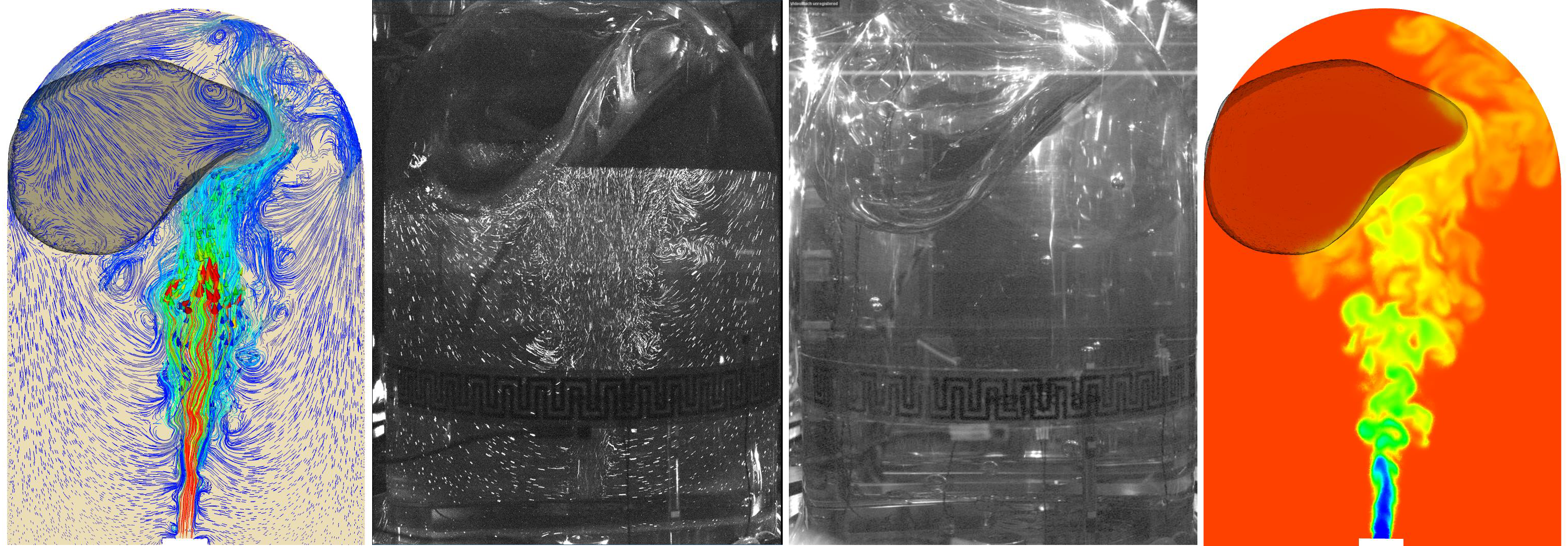
- Revealed a non-intuitive and unexpected Jet-Ullage interaction, and ullage deformation and movement in microgravity defying previous CFD prediction that form the basis of current tank design
- Established that tank fluid flow, heat transfer, ullage movement and self-pressurization rate are all insensitive to high-frequency vibrational accelerations but significantly impacted by low-frequency engine thrust acceleration
- Demonstrated for the first time an unexpected and inadequately understood intense microgravity cavitation during subcooled jet mixing with significant implications for tank pressure control design for microgravity operations
Implication of ZBOT Findings for Propellant Tank Design
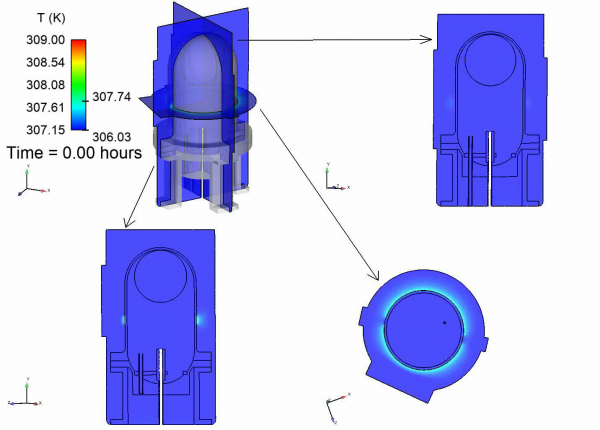
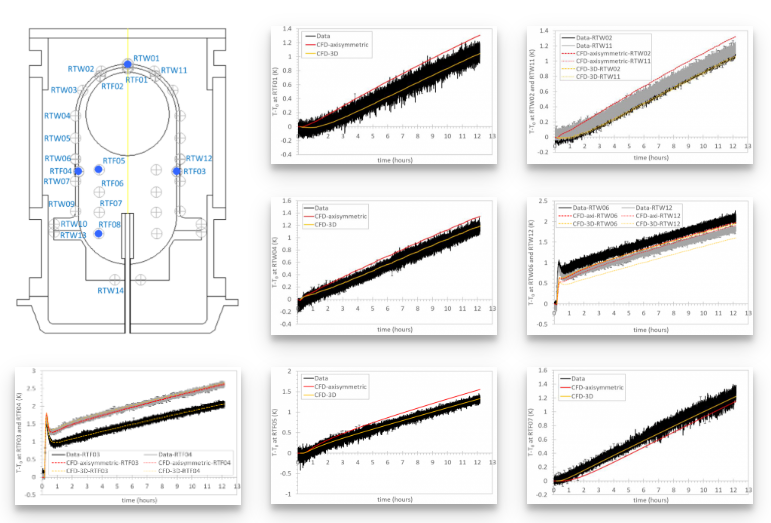
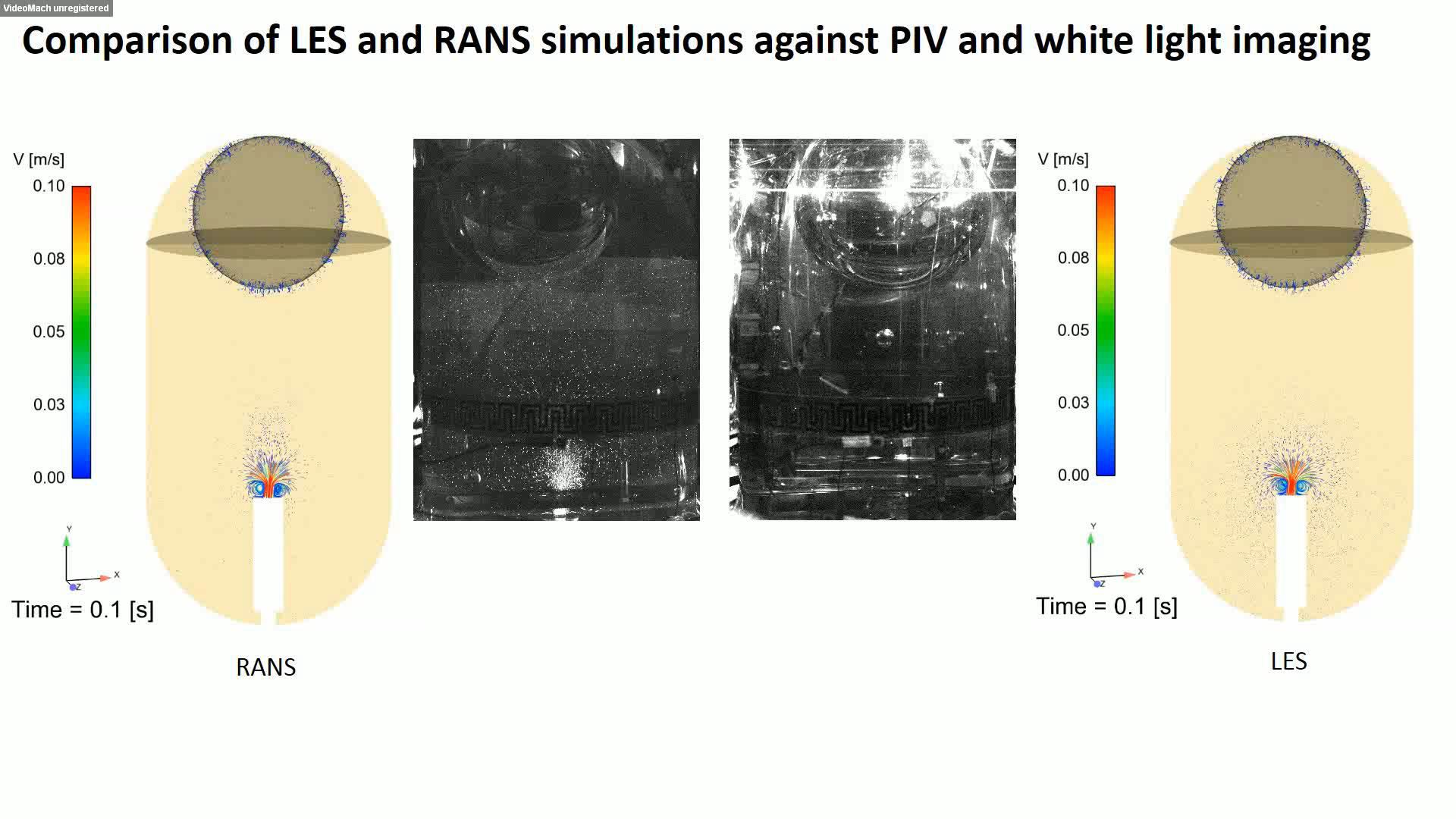
- CFD two-phase model validated by over 30 model validation test case studies
- Thermodynamic model predictions and ground-based data can be used as conservative estimates of the stationary (long term, undisturbed) tank self-pressurization rate needed for sizing tank insulation system
- Transient self-pressurization rates and pressure levels under different mission scenarios can only be provided to designers with high fidelity, validated ZBOT-CFD models
- Boiling will be prevalent in storage tanks in microgravity under heat fluxes that don’t lead to boiling in 1g
- Use of metallic (steel and aluminum) tanks with perforated inner surfaces is advantageous where boiling will occur sooner and with minimal intensity and is predictable by Boiling Incipience models
- Composite tanks with smooth inner surfaces can result in delayed explosive boiling that is hard to predict with pressure spikes that may be detrimental to the tank structural integrity
- Envisioned use of thruster accelerations to position the ullage for liquid-free venting or vapor-free liquid extraction is effective but during self-pressurization can lead to undesirably large pressure spikes
- Ullage-jet interaction is non-intuitive and the envisioned use of liquid jet to split the ullage and cool the tank wall may not be possible as envisioned by designers especially at higher fill levels
- Mixing without cooling causes destratification but cannot be effective for reducing the tank pressure
- ZBOT demonstrated that ZBO pressure control is feasible and effective in microgravity using subcooled jet mixing
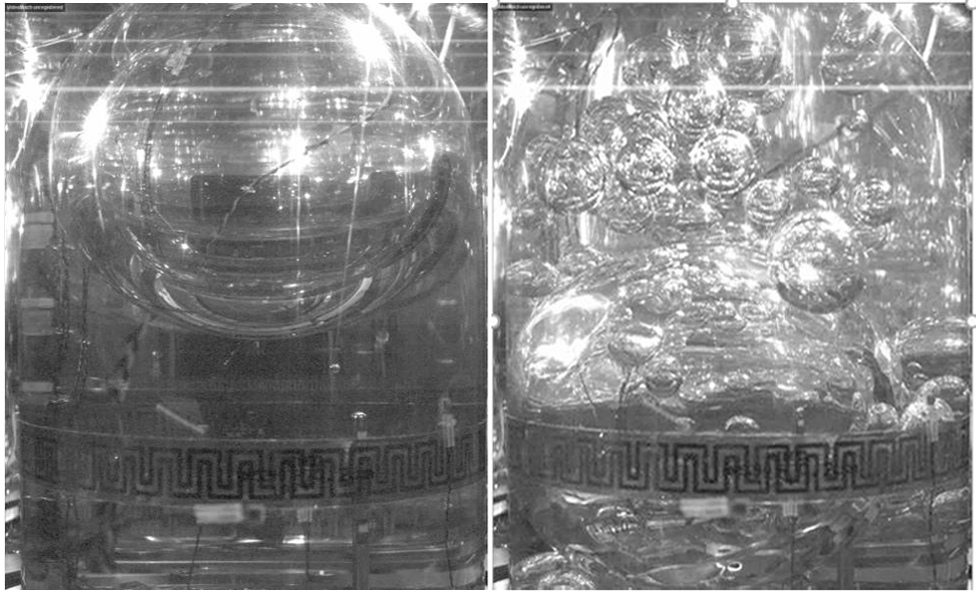
- Unexpected ZBOT results demonstrated intense microgravity cavitation during subcooled jet mixing that is an important strike against this pressure control design option for Space applications
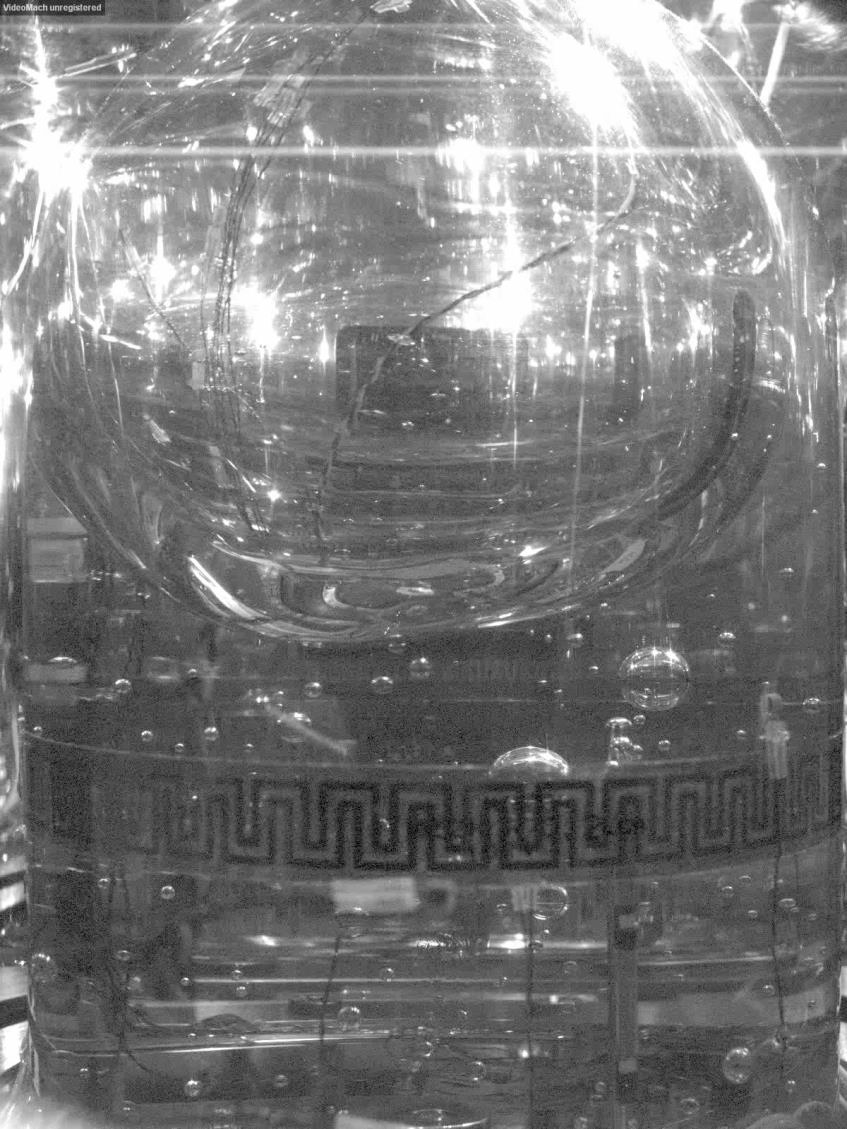 | 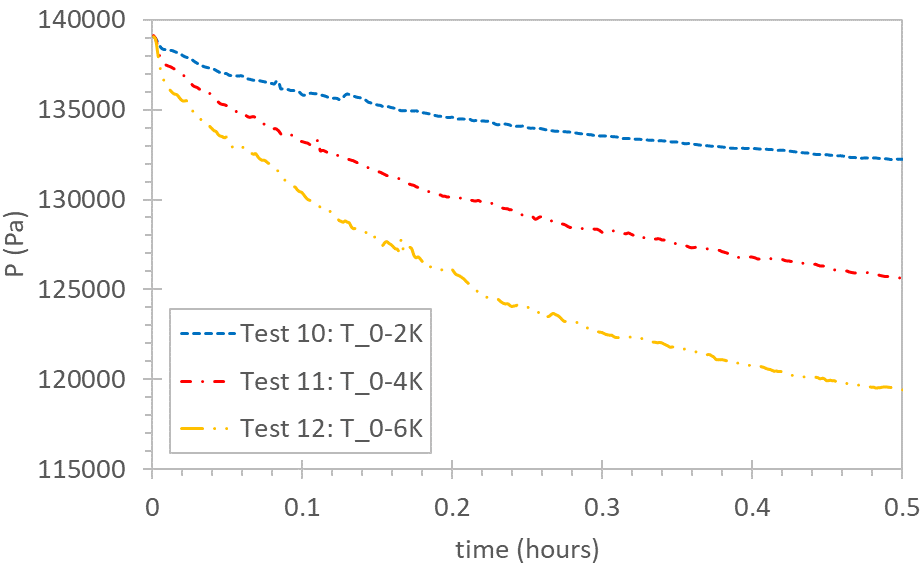 | 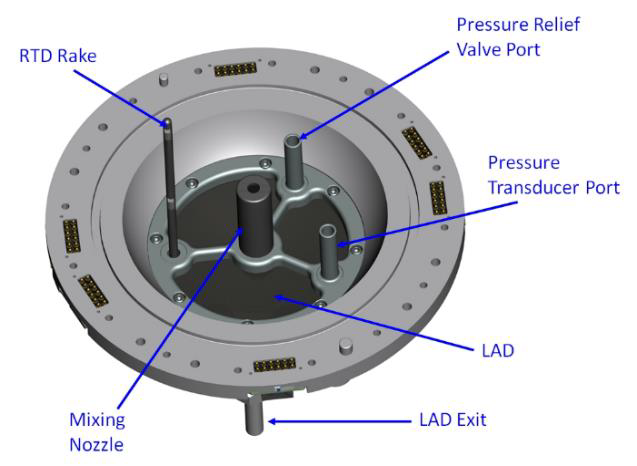 |
| (#11) To 4 K 6 cm/s SC Jet 30 min 1 f/2s | Tank Pressure | ZBOT SCREEN LAD |
ZBOT Results – Microgravity Cavitation at the LAD during Pressure Control
Zero Boil-Off Tank – DP (ZBOT-DP)
Status
Pending Funding
Key Science Questions to be Investigated
- How is liquid atomization/disintegration different in microgravity?
- How is transport of droplet different in microgravity?
- What is the effect of droplet evaporation on tank pressure? Is it affected by non-condensable gas?
- How is droplet-wall and droplet-interface interaction modified in microgravity?
- What is the effect of flash vaporization on the walls?
- Is the Leidenfrost effect strong enough to propel droplets away from the wall in microgravity?
- How is this film formation and transport different in microgravity?
Implication of ZBOT-DP Findings for Propellant Tank Design
- Advantages of a change to Droplet Phase Change pressure control design from jet mixing:
- Depressurizes the tank using evaporation therefore not susceptible to non-condensable gas effects
- Will not lead to cavitation at the LAD screen as observed in first ZBOT investigation
- Pressure control is independent of ullage location that changes continuously in microgravity
- Disadvantages of Droplet Phase Change design:
- Is ZBO using Droplet Phase Change feasible in microgravity? – it has never been tested in microgravity
- More complicated than jet mixing
 |
| Droplet Injection Pressure Control in 1G |
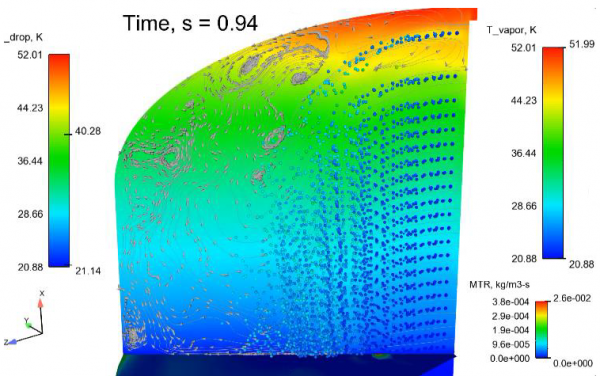
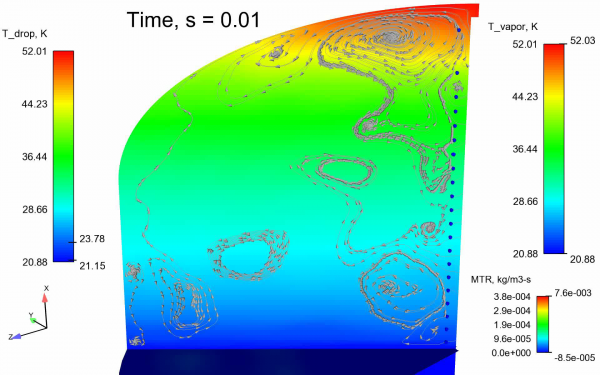
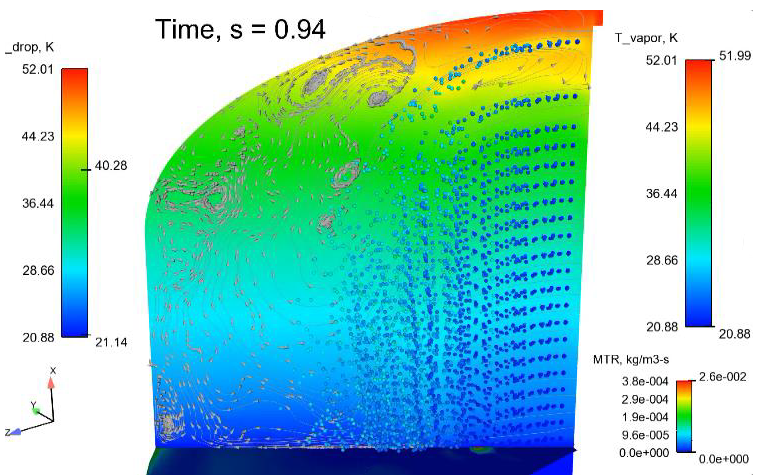
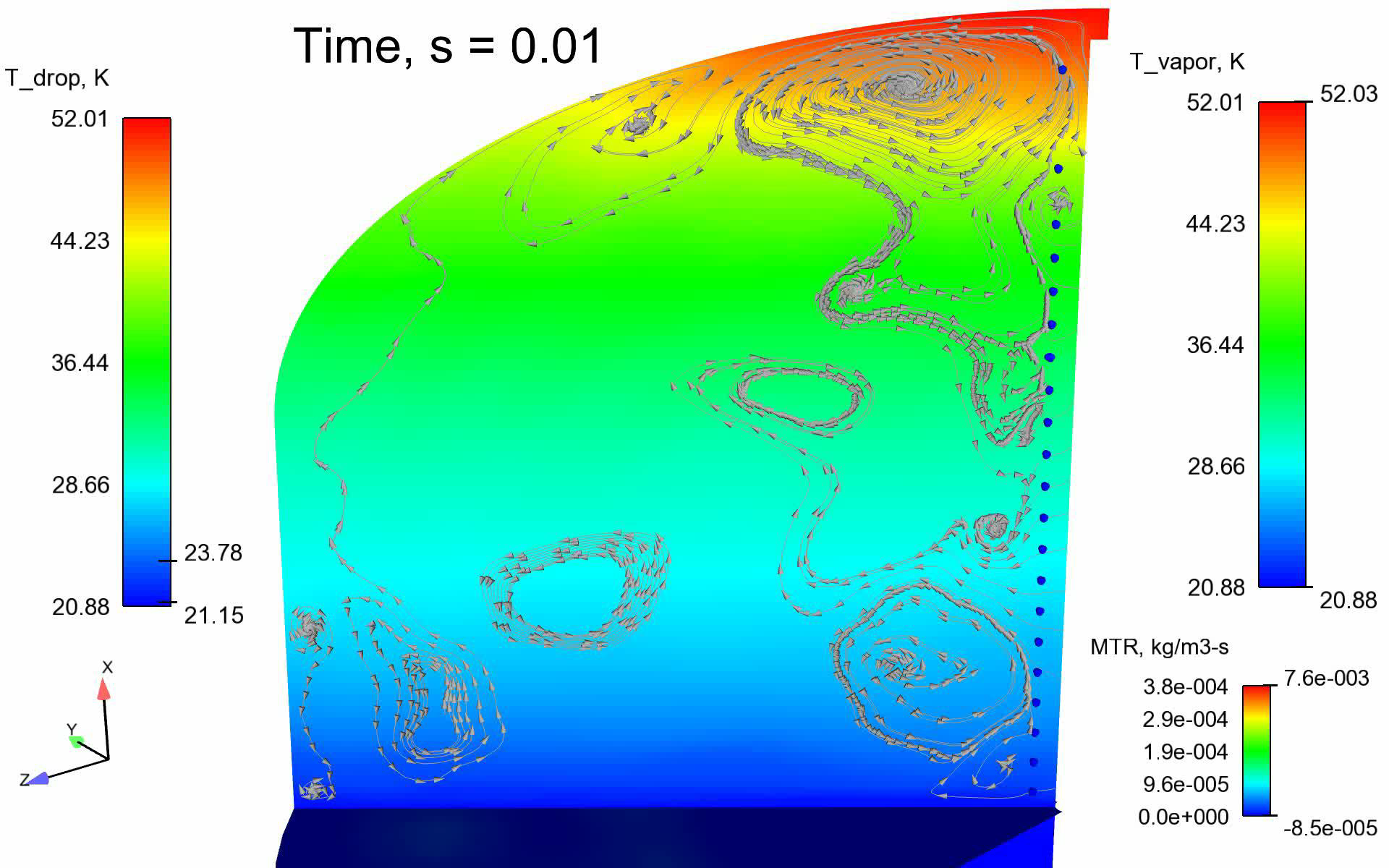
| What are the impacts of microgravity and NC gases on droplet phase change & transport in a sealed tank. |
 |
Zero Boil-Off Tank – Non-Condensables (ZBOT-NC)
Status
 In-Work
Target Launch: 2024
Key Science Questions to be Investigated
- What are the transport and kinetic effects of non-condensable gases on condensation and associated depressurization?
- What is the effect of the diffusive transport barrier at the liquid/vapor interface?
- What effect do non-condensable gases have on condensation by penetrating the Knudsen layer?
- What is the effect of a unique class of Marangoni convection on diverting the liquid jet away from the liquid/vapor interface and changing flow structures in the tank?
- How to detect thermal signatures of NCG-induced Marangoni convection with an innovation use of quantum dots for microgravity full field thermometry
- Does non-condensable gas come out of solution at screens or hot spots in microgravity?
Implication of ZBOT-NC Findings for Propellant Tank Design
- If non-condensable gas significantly impedes condensation, there will likely be a major shift toward pressure control design options that use evaporative cooling
Zero Boil-Off Tank – DP (ZBOT-DP)
Status
Pending Funding
Key Science Questions to be Investigated
- How is liquid atomization/disintegration different in microgravity?
- How is transport of droplet different in microgravity?
- What is the effect of droplet evaporation on tank pressure? Is it affected by non-condensable gas?
- How is droplet-wall and droplet-interface interaction modified in microgravity?
- What is the effect of flash vaporization on the walls?
- Is the Leidenfrost effect strong enough to propel droplets away from the wall in microgravity?
- How is this film formation and transport different in microgravity?
Implication of ZBOT-DP Findings for Propellant Tank Design
- Advantages of a change to Droplet Phase Change pressure control design from jet mixing:
- Depressurizes the tank using evaporation therefore not susceptible to non-condensable gas effects
- Will not lead to cavitation at the LAD screen as observed in first ZBOT investigation
- Pressure control is independent of ullage location that changes continuously in microgravity
- Disadvantages of Droplet Phase Change design:
- Is ZBO using Droplet Phase Change feasible in microgravity? – it has never been tested in microgravity
- More complicated than jet mixing
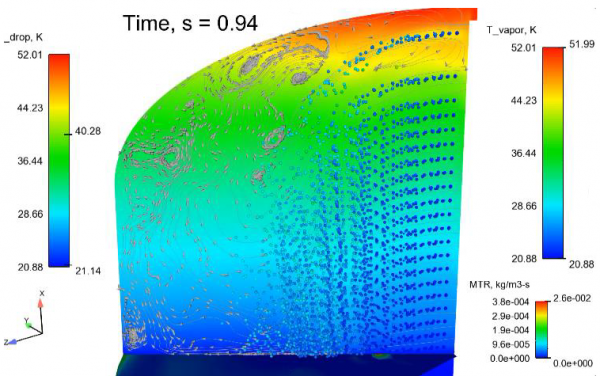
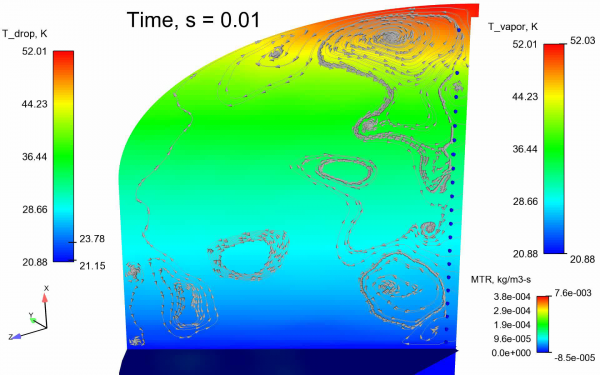
What are the impacts of microgravity and NC gases on droplet phase change & transport in a sealed tank.
Zero Boil-Off Tank Experiment Filling and Transfer (ZBOT-FT)
Status
Pending Funding