













Transformative Aeronautics Concepts Program
The Transformative Aeronautics Concepts Program (TACP) solicits and encourages revolutionary concepts, creates the environment for researchers to experiment with new ideas, performs ground and small-scale flight tests, allows failures and learns from them, and drives rapid turnover into potential future concepts to enable aviation transformation.
PROGRAM DIRECTOR
Dr. John Cavolowsky
DEPUTY PROGRAM DIRECTOR
Angela Surgenor

TACP Leadership
Learn more about the leadership for the Transformative Aeronautics Concepts Program.


TACP Projects
TACP is a dynamic ecosystem where disruptive concepts, foundational research, and university-led innovation converge.
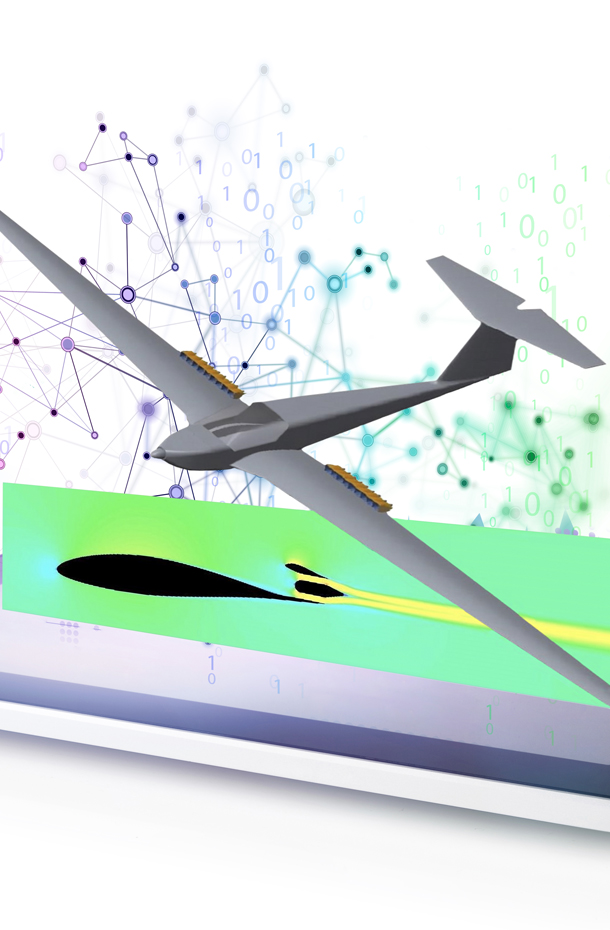
Transformational Tools and Technologies (TTT)
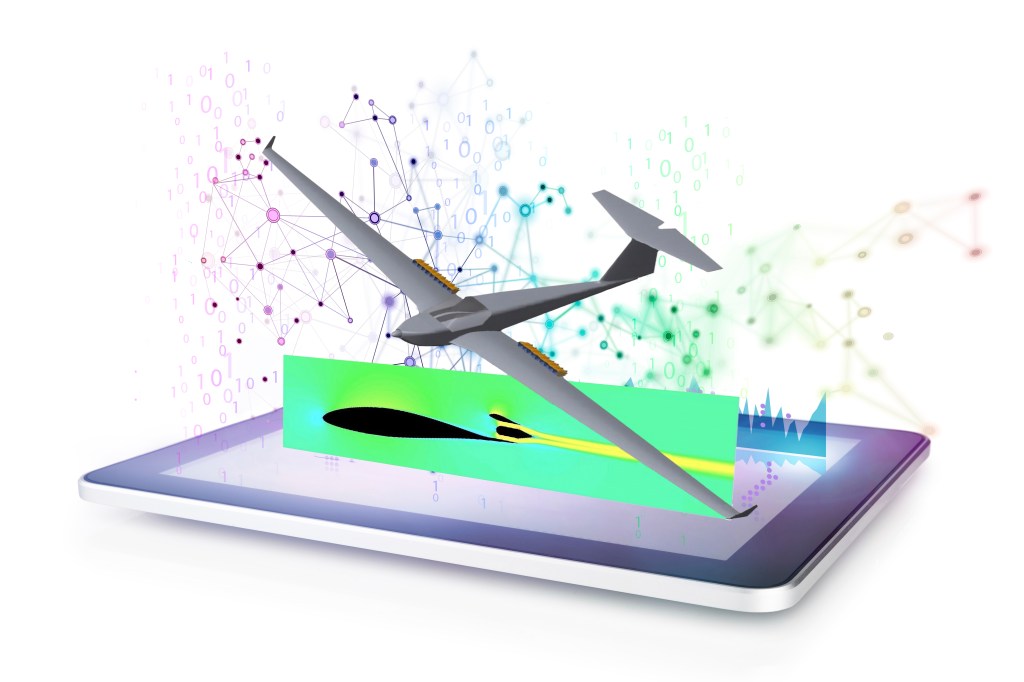
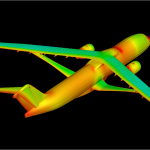
This project develops state-of-the-art computational and experimental tools and technologies that are vital to Aeronautics Research Mission Directorate's (ARMD's) ability to advance the prediction of future aircraft performance in flight, such as first-of-a-kind tools that isolate the complex turbulent airflow around vehicles and within propulsion systems. TTT creates computer-based tools, models and associated scientific knowledge that can be applied to the entire ARMD portfolio.
University Innovation (UI)
The UI project supports educating the next generation of aeronautical innovators by providing opportunities for university-led teams to conduct research into transformative technology that supports NASA's research goals. These opportunities include the University Leadership Initiative and the University Student Research Challenge. The idea is to spur universities to take a larger leadership role in advancing ideas that will transform aviation and maintain the nation’s leadership in the global aviation community.
NASA Tests Research Aircraft to Improve Air Taxi Flight Controls
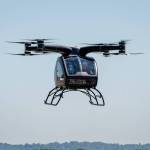
NASA researchers are currently using wind tunnel and flight tests to gather data on an electric vertical takeoff and landing (eVTOL) scaled-down small aircraft that resembles an air taxi that aircraft manufacturers can use for their own designs. By using a smaller version of a full-sized aircraft called the RAVEN Subscale Wind Tunnel and Flight Test (RAVEN SWFT) vehicle, NASA is able to conduct its tests in a fast and cost-effective manner.
Watch More TACP Videos on YouTubeTransformative Aeronautics Concepts Gallery
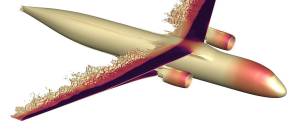
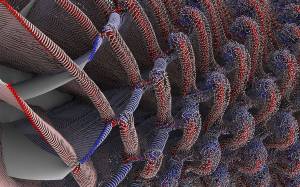

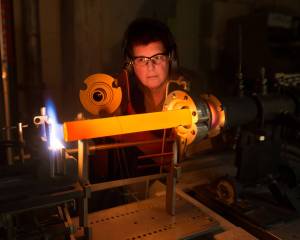
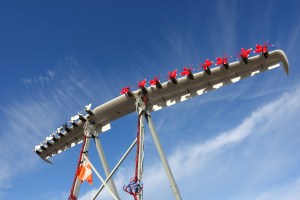

University Leadership Initiative
Learn about the Transformative Aeronautics Concepts Program's University Leadership Initiative (ULI).
Learn More About ULI about University Leadership Initiative
A Gateway to Aviation Transformation
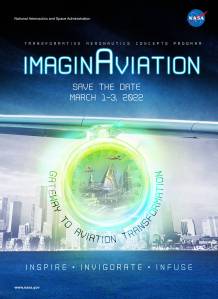
imaginAviation is NASA Aeronautics’ signature virtual event showcasing the ideas, technologies, and people shaping the future of flight. Hosted by the NASA Transformative Aeronautics Concepts Program, this three‑day experience brings together a vibrant, multidisciplinary community—from early‑career students to world‑class industry leaders—all united by a shared goal: to imagine and create the aviation system of tomorrow.
Although the event is currently on pause, you can explore our past sessions and dive into the innovative thinking that drives NASA’s vision for the future of aviation. about A Gateway to Aviation Transformation
Learn More and Get Involved



Other Aeronautics topics
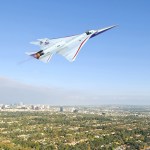
Supersonic Flight
Research about flying faster than the speed of sound.
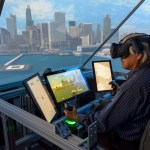
Flight Innovation
Stories about pioneering the frontiers of 21st century flight.
Drones & You
All about new ways to get from here to there in the air.
Ultra-Efficient Aviation
Learn about research to make aviation more sustainable.

Air Traffic Solutions
Read about how NASA is opening up the sky for all.