


















Integrated Aviation Systems Program
NASA’s Integrated Aviation Systems Program matures technologies through flight to enable industry adoption for faster and more efficient air travel, expanded markets, and bolstered U.S. competitiveness.
PROGRAM DIRECTOR Acting
Kate McMurtry
Deputy program director
Christopher Williams

Integrated Aviation Systems Program Leadership
Learn more about the leadership for the Integrated Aviation Systems Program.


IASP Projects
IASP pursues its research goals across these projects.
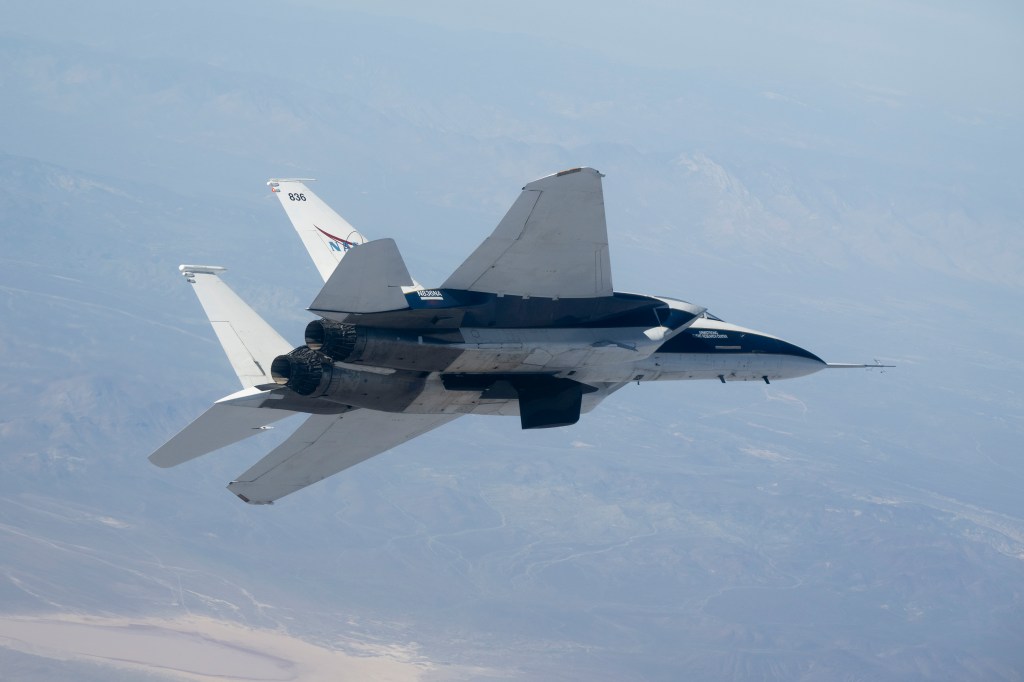
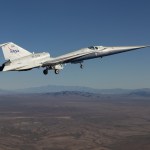
Flight Demos and Capabilities (FDC)
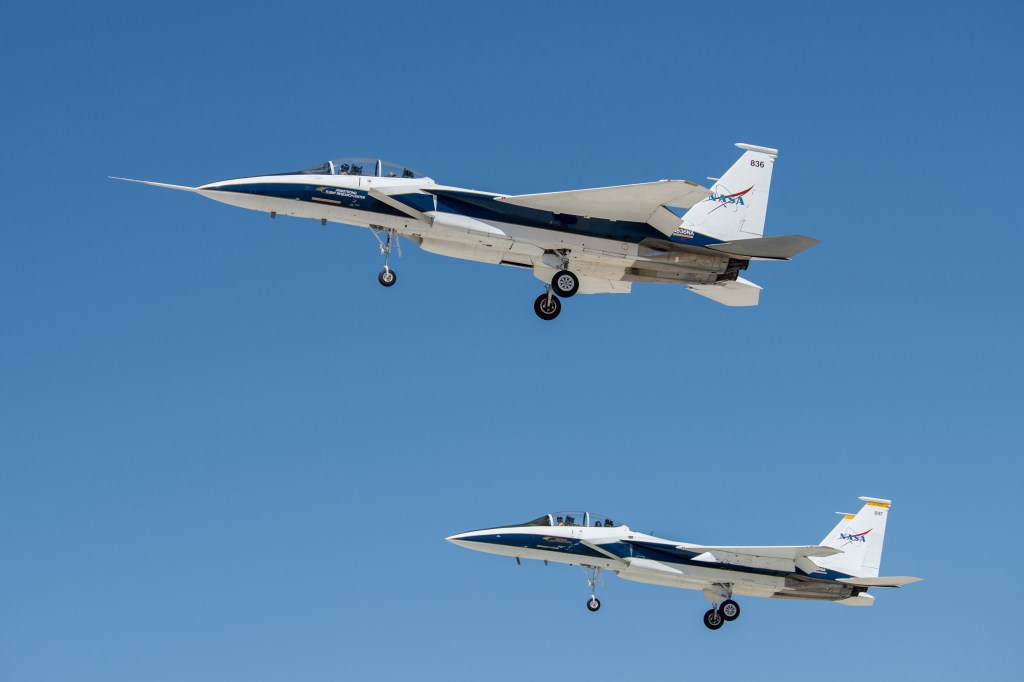
The Flight Demonstrations and Capabilities (FDC) project conducts complex and integrated flight research demonstrations in support of NASA’s aeronautics research programs.
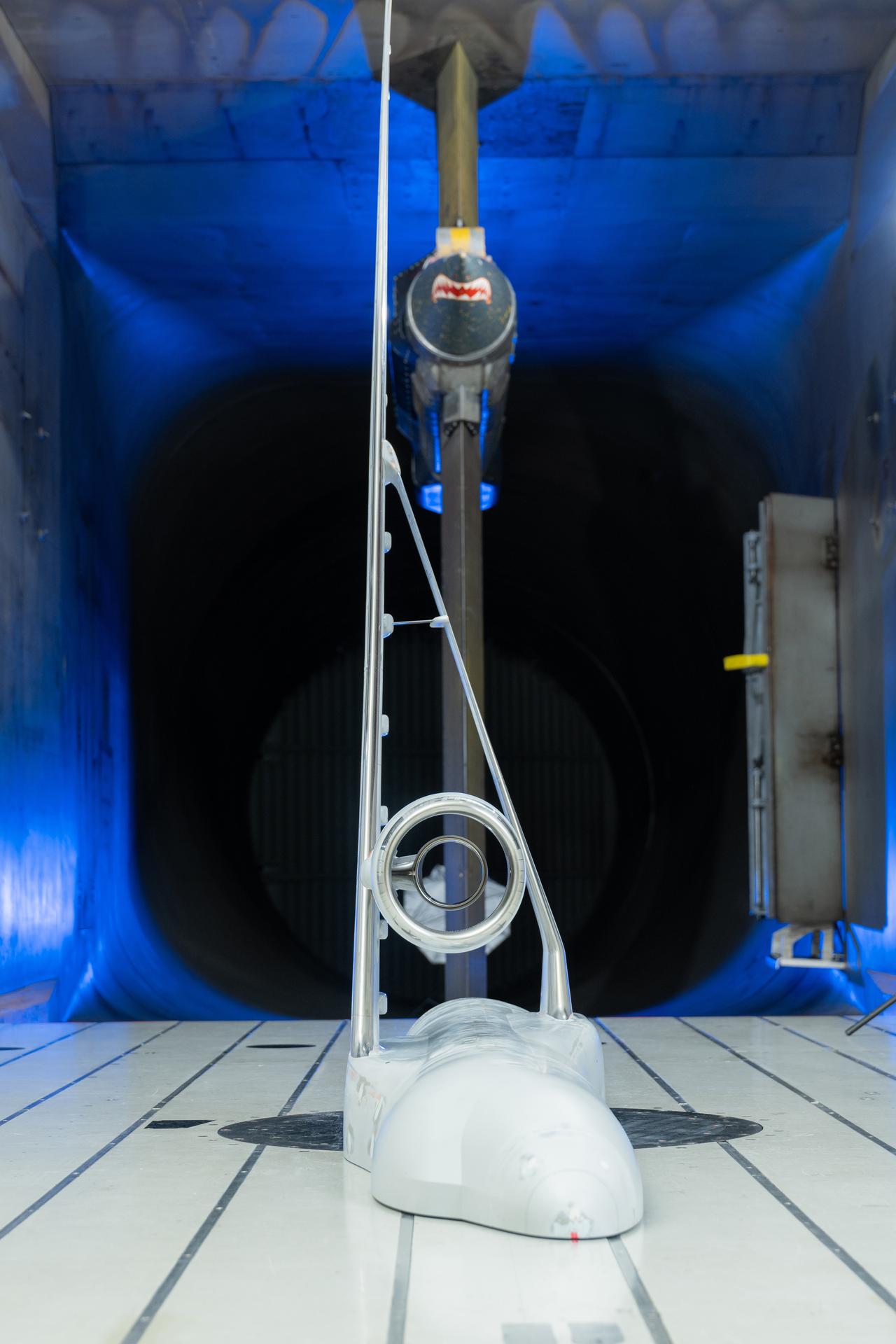
Subsonic Flight Demonstrator (SFD)
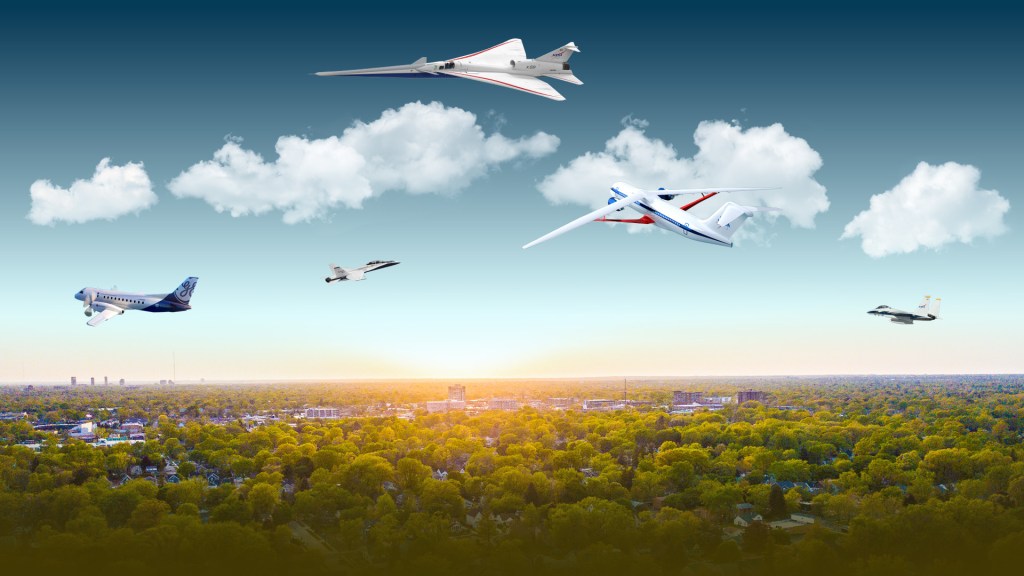
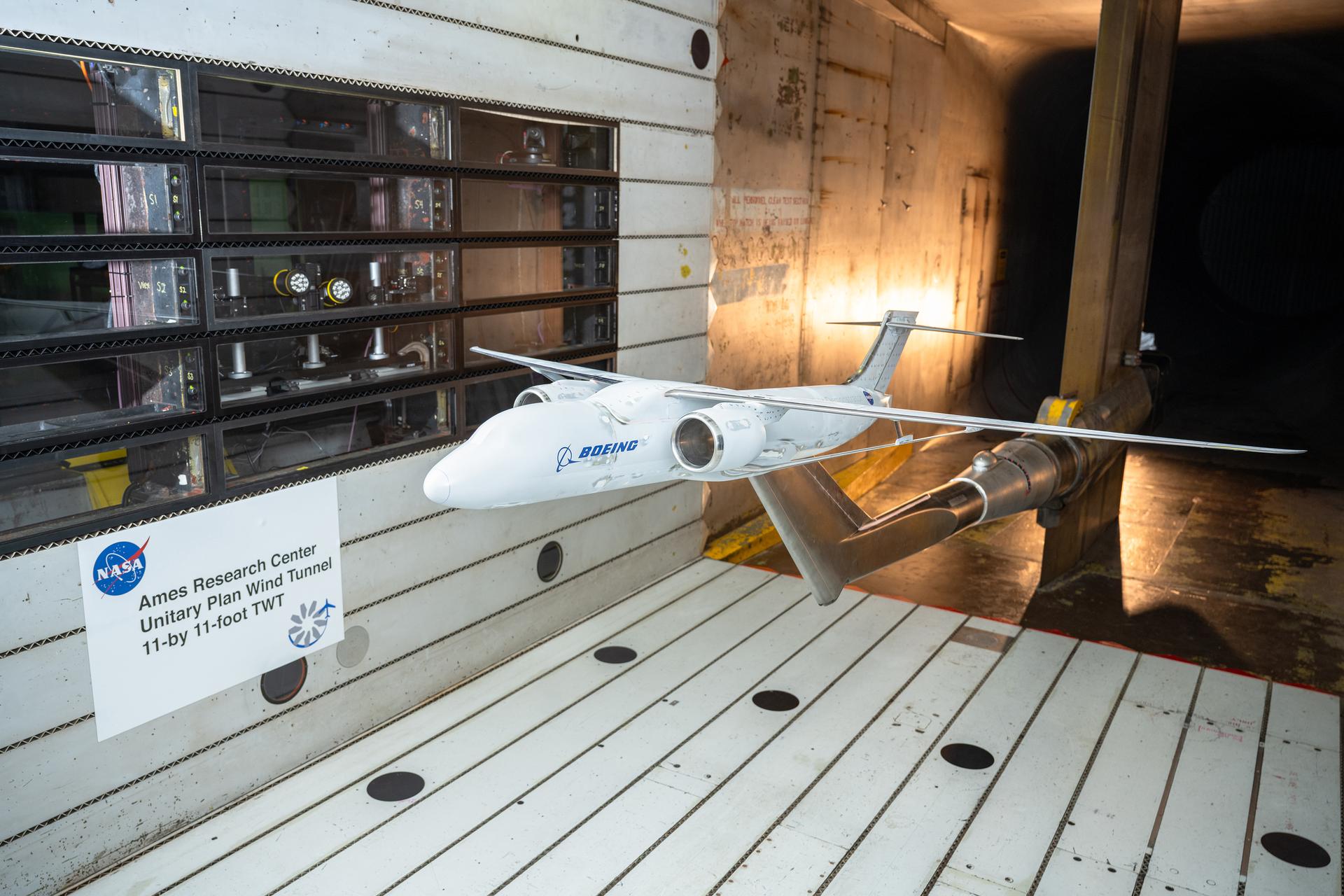
The purpose of the Subsonic Flight Demonstrator (SFD) project is to engage with industry and other government organizations to identify, select, and mature key airframe technologies—such as new wing designs—that have a high probability of transition to the next‑generation single‑aisle-seat class airliner.
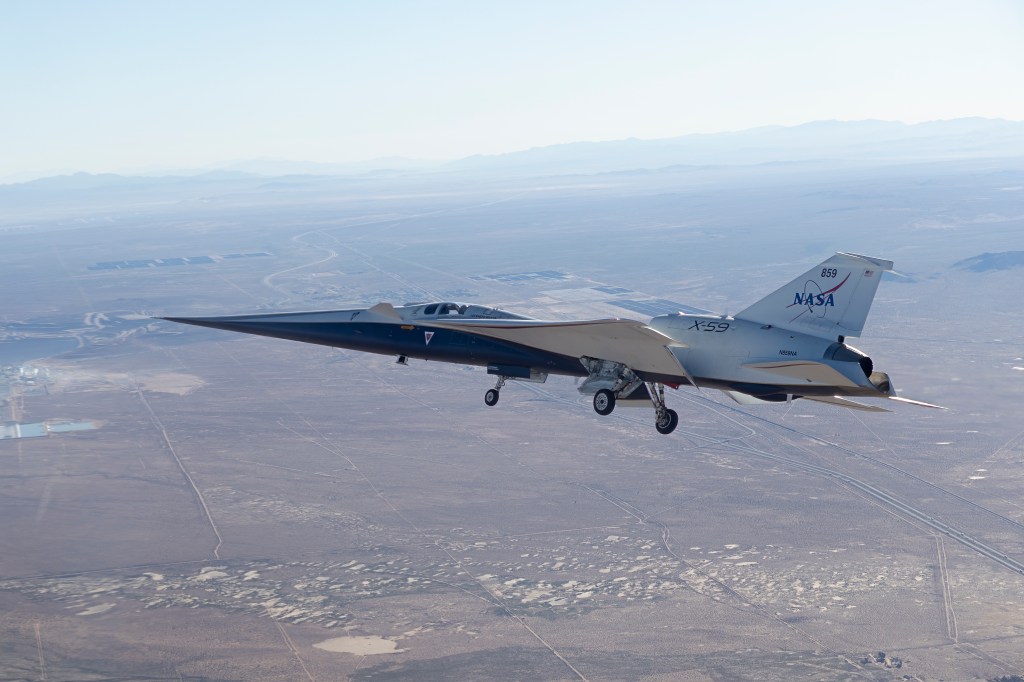
Low Boom Flight Demonstrator (LBFD)
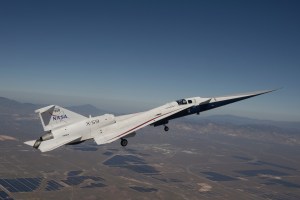
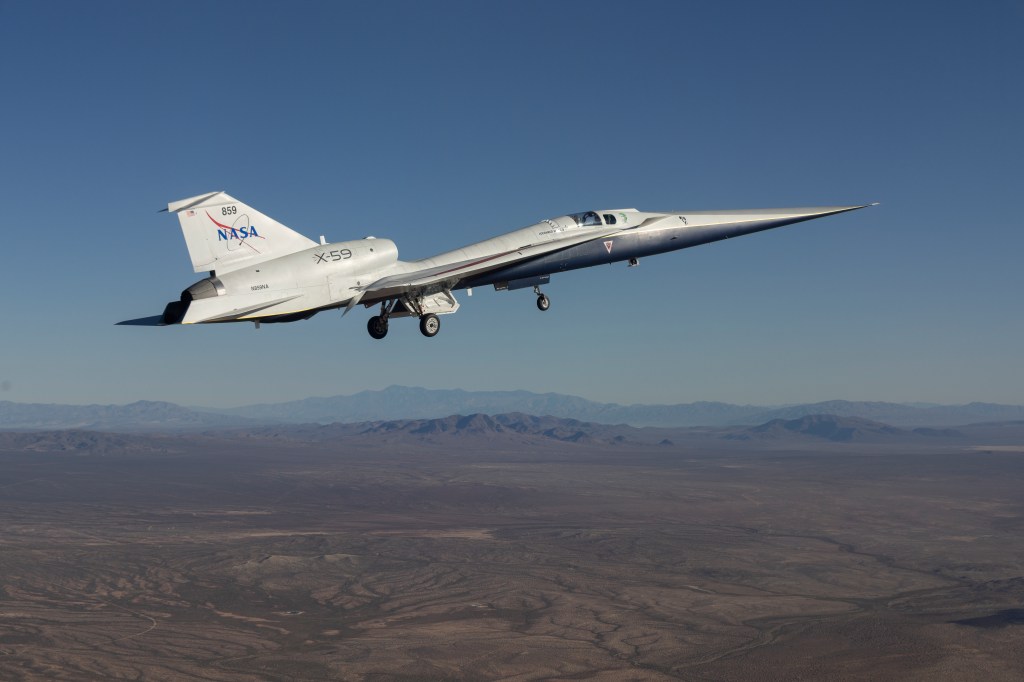
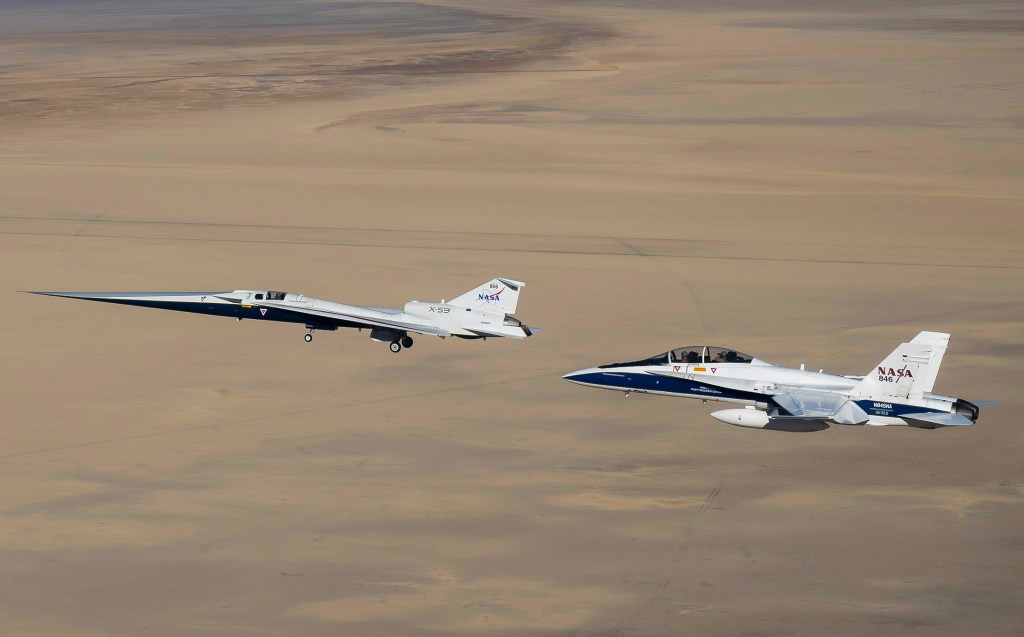
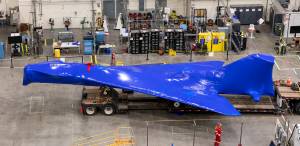
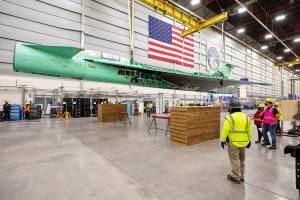
The Low Boom Flight Demonstrator (LBFD) project oversees the development of the X-59 research aircraft, which will use quiet supersonic technologies to fly over communities as part of the Quesst mission.
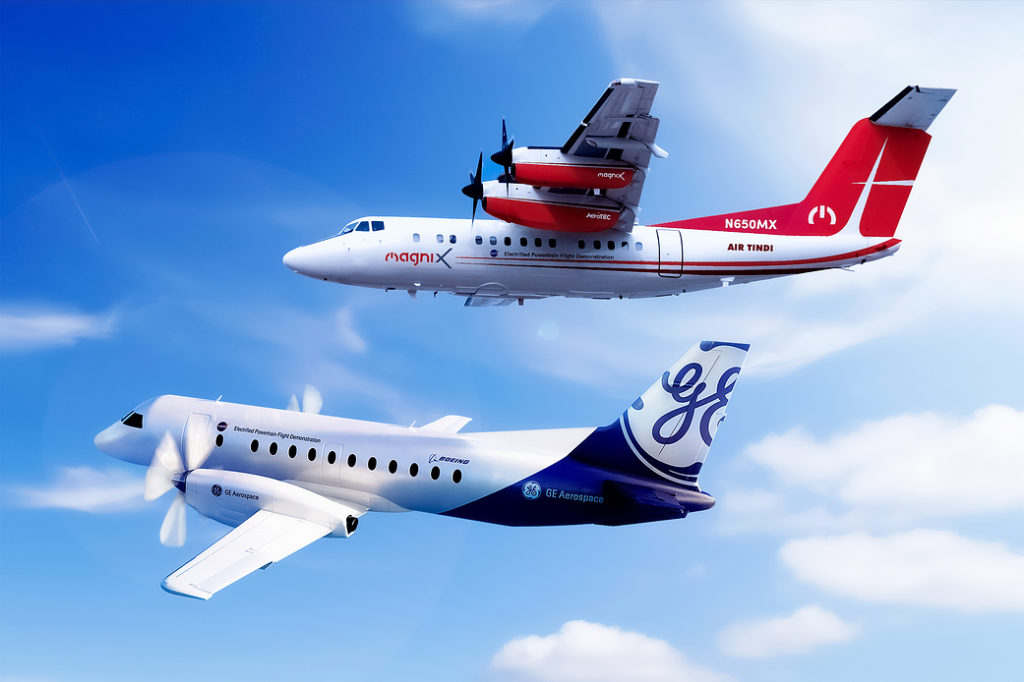
Electrified Powertrain Flight Demonstration (EPFD)
The EPFD project conducts ground and flight tests of electrified aircraft propulsion (EAP) technologies to enable a new generation of electric-powered aircraft. NASA is collaborating with industry partners to demonstrate these technologies by using existing aircraft that will be flown with EAP systems and components.
Integrated Aviation Systems Program Videos
Watch informative videos on the various Integrated Aviation Systems Program projects.
Watch More IASP Videos on YouTubeIntegrated Aviation Systems Program Gallery

Quesst Mission
Interested in flying to your next destination in half the time? NASA's Quesst mission is to lead a government-industry team to collect data that could make commercial supersonic flight over land possible, dramatically reducing air travel time in the United States or anywhere in the world. The centerpiece of the mission is the X-59 aircraft.
Learn More About the Quesst Mission about Quesst Mission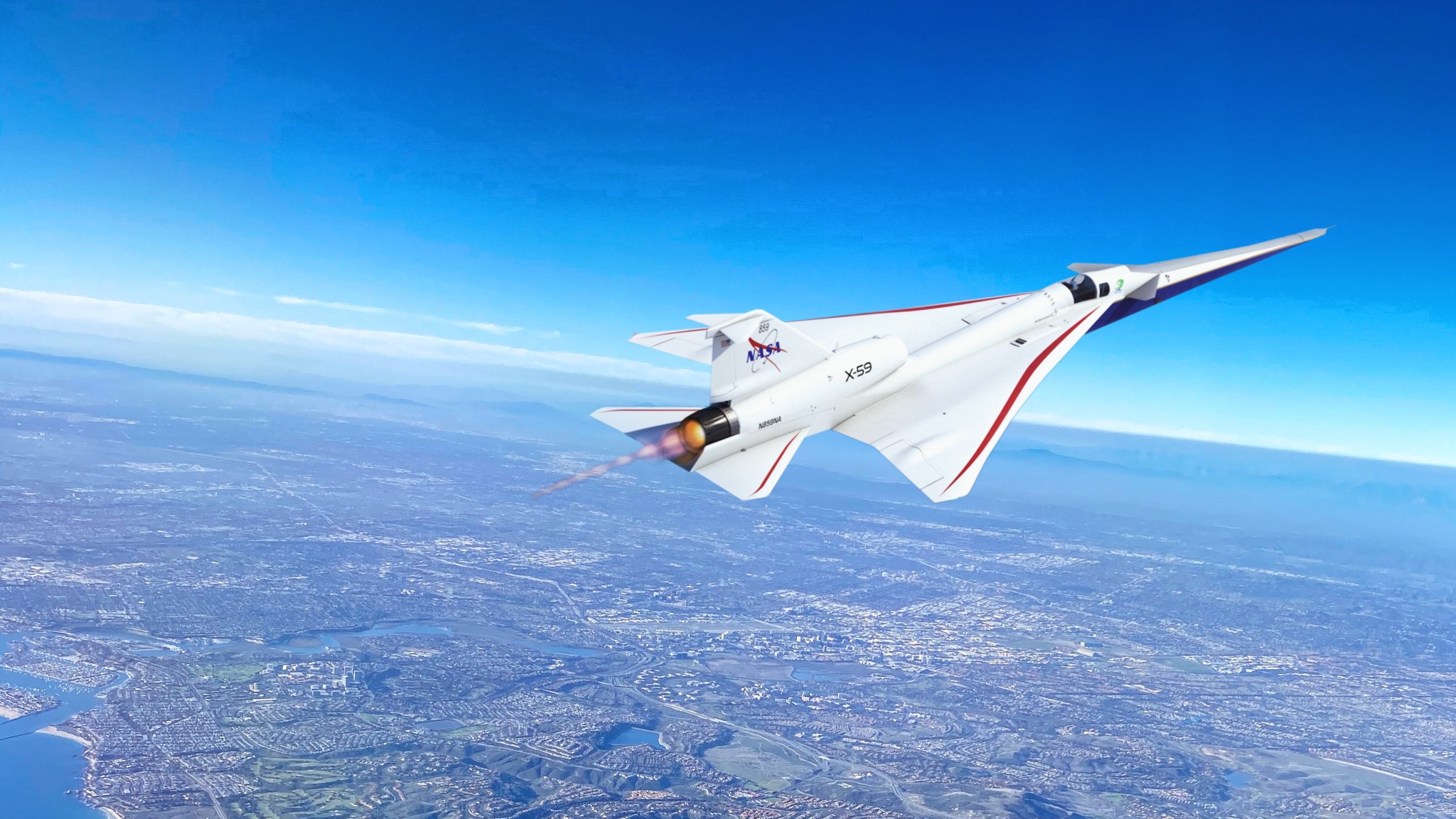
Learn More and Get Involved





Other Aeronautics topics
Supersonic Flight
Research about flying faster than the speed of sound.

Flight Innovation
Stories about pioneering the frontiers of 21st century flight.
Drones & You
All about new ways to get from here to there in the air.
Ultra-Efficient Aviation
Learn about research to make aviation more sustainable.

Air Traffic Solutions
Read about how NASA is opening up the sky for all.