






Advanced Biomedical Research Tops Crew Schedule Aboard Station
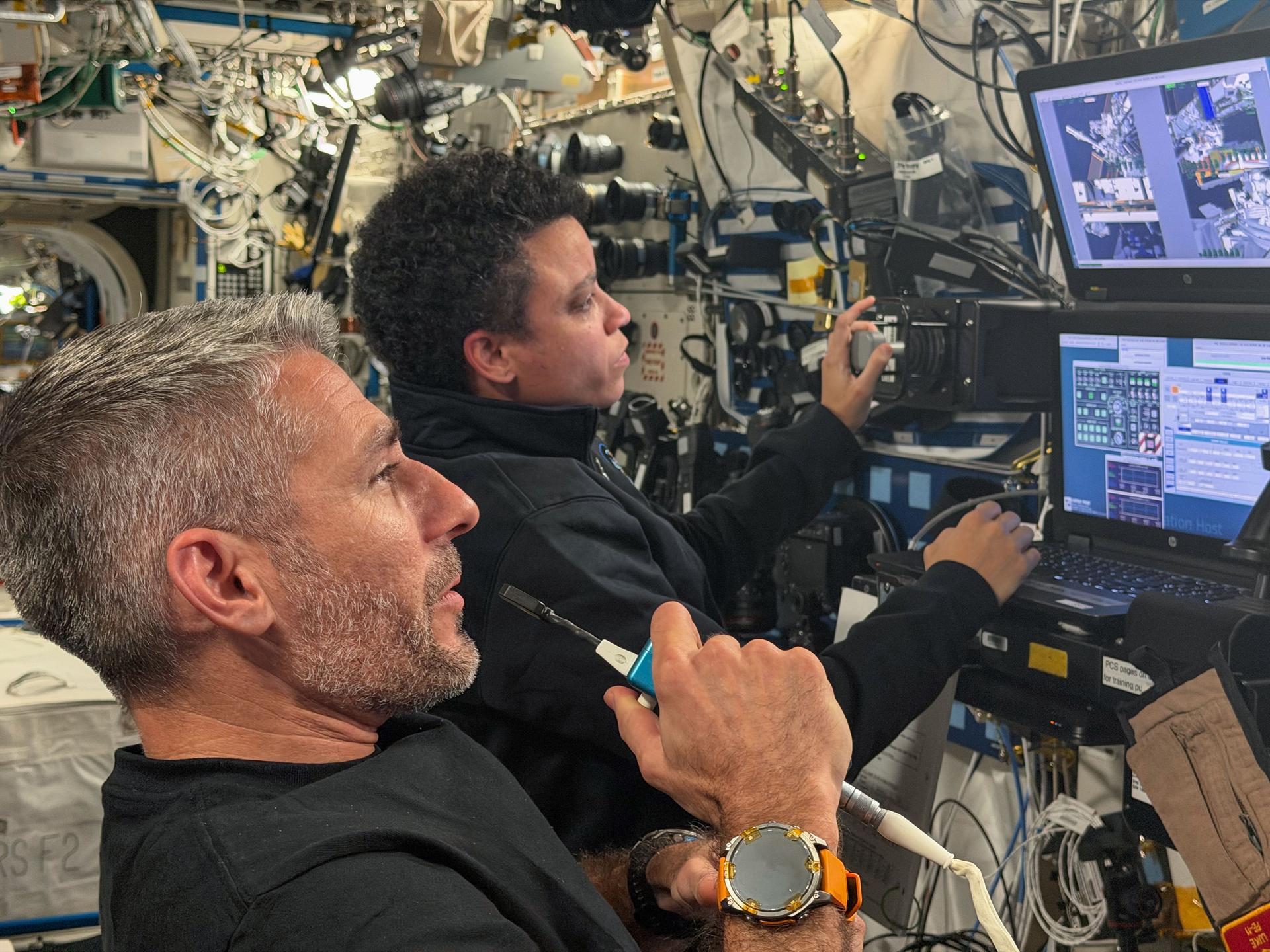
Sequencing microbe DNA, producing stem cells, and testing blood samples in microgravity were the main research priorities aboard the International Space Station on Monday. The Expedition 75 crew members also explored exercising in weightlessness, studied virtual reality, and photographed Earth landmarks at the beginning of the week.
Studying microbes, stem cells, and astronaut health in weightlessness gives doctors unique insights unobtainable in Earth’s gravity environment and may lead to solutions promoting healthier humans on the ground and in space.
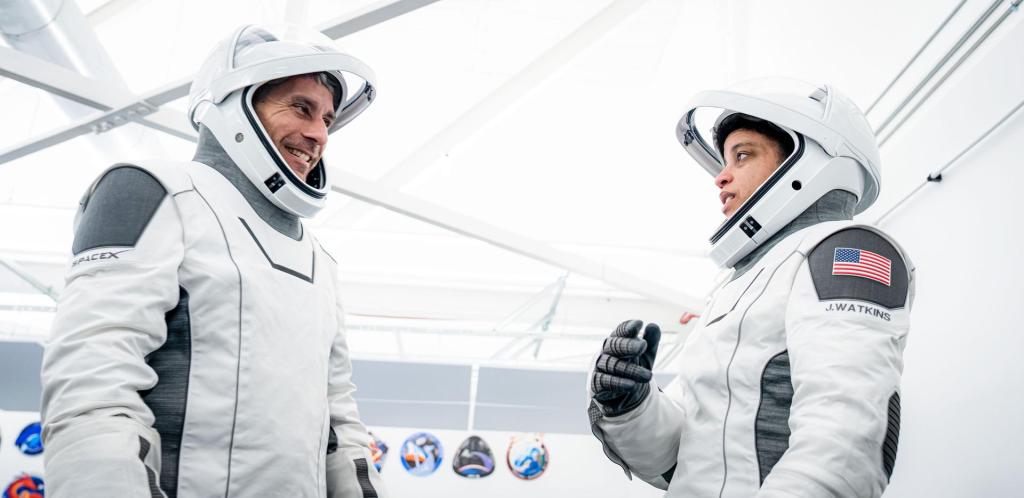
NASA flight engineer Jessica Watkins worked inside the Harmony module on Monday investigating how microbes adapt to microgravity and preparing microbial DNA samples for sequencing using a palm-sized, portable device. Scientists are interested in how space alters antibiotic-resistant bacteria to protect crew health and spacecraft systems.
NASA flight engineer Luke Delaney nourished stem cell samples growing inside the Kibo laboratory module’s Life Science Glovebox to demonstrate manufacturing cells in space for developing new therapies. Doctors may learn how to produce high-quality blood-forming cells from human stem cells off the Earth possibly leading to treatments for a range of diseases such as leukemia, lupus, and more.
NASA flight engineer Anil Menon analyzed blood samples for the Acute Care Testing in Space investigation that is demonstrating using a portable diagnostic reader and disposable test cartridges aboard the orbital outpost. The experiment is examining the tools’ abilities to detect possible space-caused blood conditions without using complex biomedical equipment during a spaceflight.
Flight engineer Joshua Kutryk of CSA (Canadian Space Agency) worked out on the new European Enhanced Exploration Exercise Device installed inside the Columbus laboratory module. Kutryk performed a series of rowing and resistive exercises on the compact workout facility being investigated for its ability to maintain muscle and bone health on crewed space missions farther away from Earth.
Roscosmos flight engineer Sergey Teteryatnikov wore a set of virtual reality goggles and responded to computerized stimuli to test his sense of orientation and balance in weightlessness. Afterward, he collected radiation exposure data from sensors and downloaded the information for analysis on the ground. Cosmonauts Pyotr Dubrov and Anna Kikina, station commander and flight engineer respectively, set up and activated Earth observation equipment to automatically photograph natural and man-made landmarks across South America, Africa, and Europe.
Learn more about station activities by following the space station blog, @space_station on X, as well as the ISS Facebook and ISS Instagram accounts.
Get the latest from NASA delivered every week. Subscribe here.
