

Cygnus XL Cargo Craft Launches to Resupply Expedition 74 Crew
Cygnus XL Cargo Craft Launches to Resupply Expedition 74 Crew
















Cygnus XL Cargo Craft Launches to Resupply Expedition 74 Crew
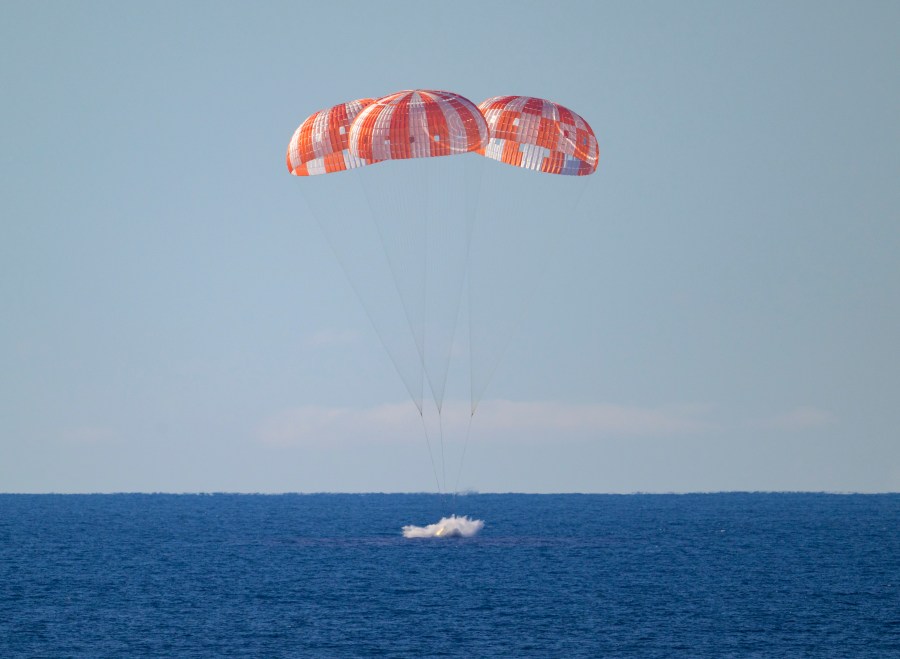
Live re-entry updates for NASA’s Artemis II mission will be published on this page. All times are Eastern. 4:27 a.m. The Orion spacecraft is secured in the well deck of USS John P. Murtha after splashing down in the Pacific Ocean and carrying NASA astronauts Reid Wiseman, Victor Glover, Christina Koch and Canadian Space Agency astronaut Jeremy Hansen on an approximate 10-day mission around the […]
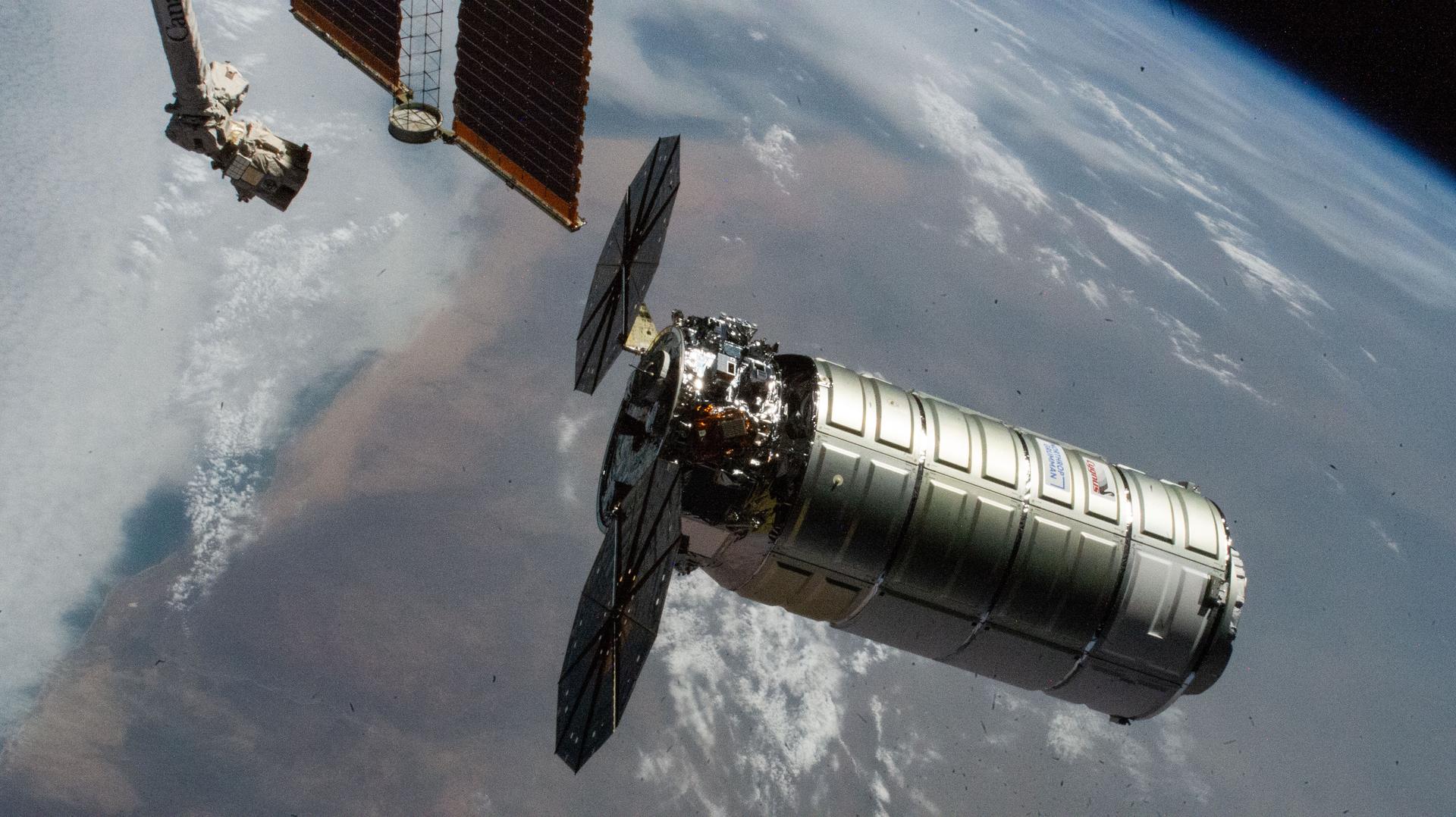
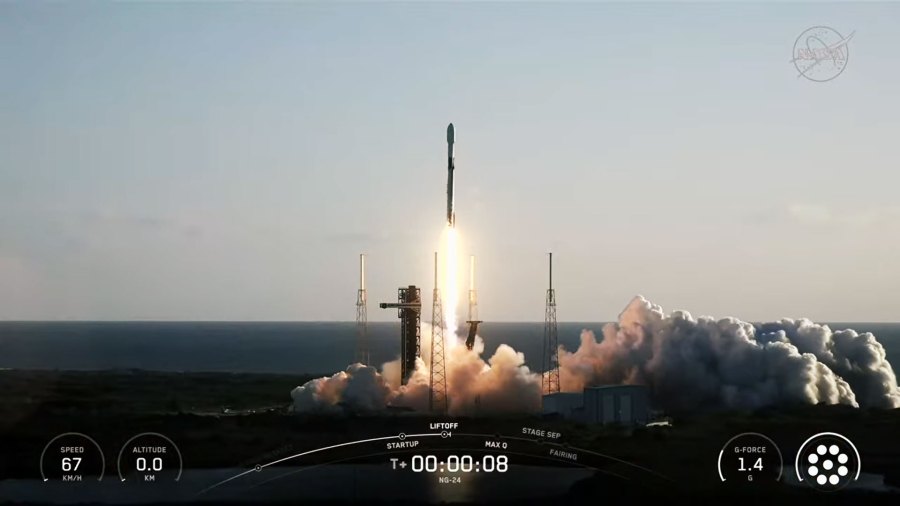
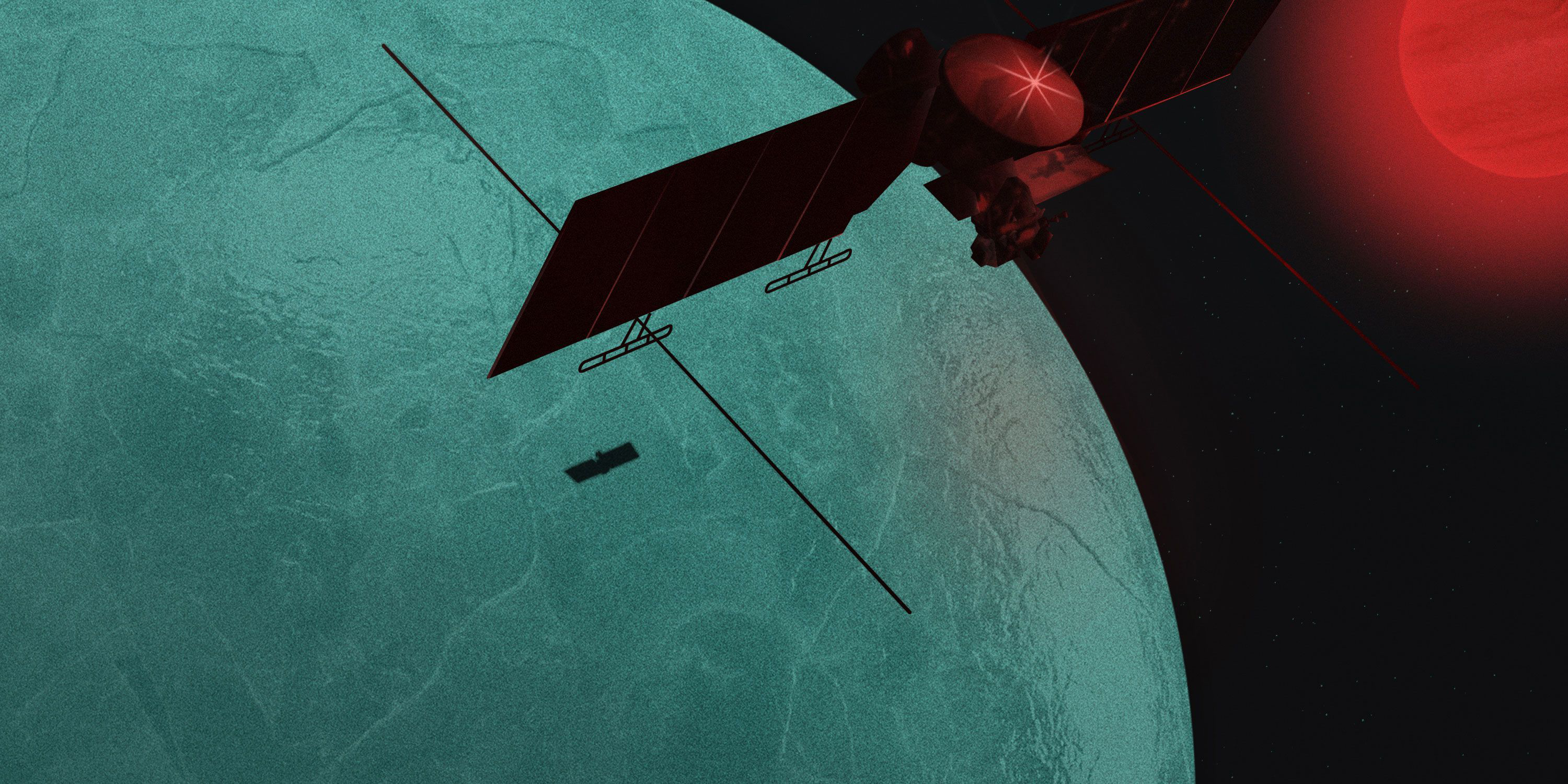
Northrop Grumman’s Cygnus XL cargo spacecraft sits atop a SpaceX Falcon 9 rocket counting down to a launch targeted at 7:41 a.m. EDT on Saturday to resupply the Expedition 74 crew. Packed with over 11,000 pounds of lab hardware, science experiments, and crew supplies, Cygnus XL is due to arrive at the International Space Station where it will be captured with the Candarm2 robotic arm on Monday.
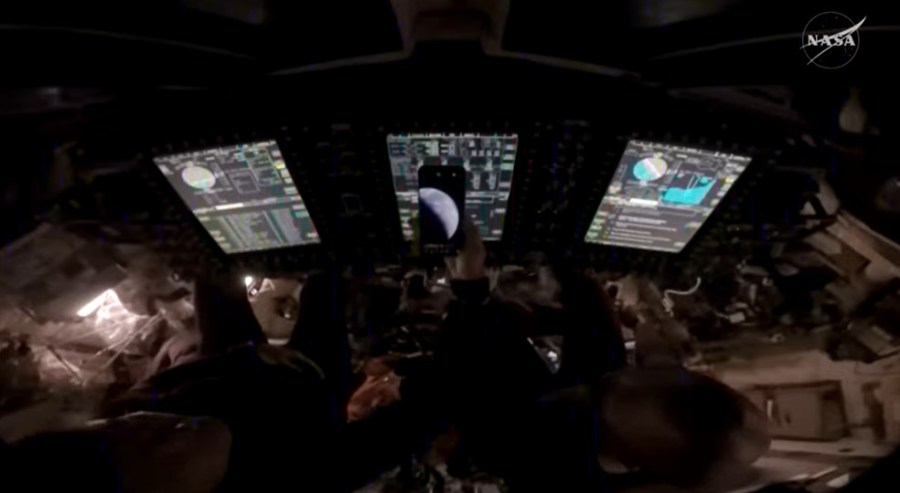
At 2:53 p.m. EDT, the Orion spacecraft ignited its thrusters for 8 seconds, producing a change in velocity of 4.2 feet-per-second and pushing Artemis II toward Earth. NASA astronauts Reid Wiseman, Victor Glover, Christina Koch and CSA (Canadian Space Agency) astronaut Jeremy Hansen reviewed procedures and monitored the spacecraft’s configuration and navigation data.
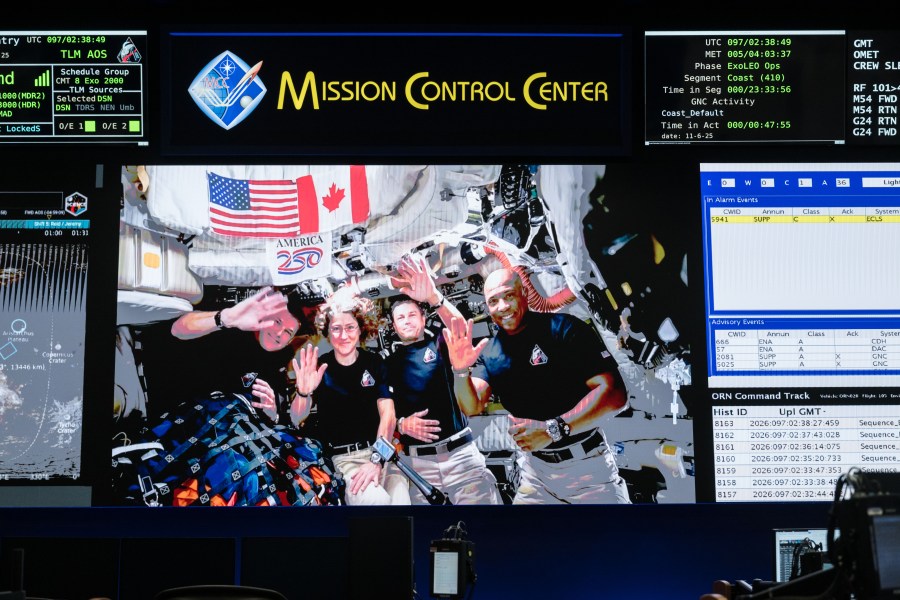
The Artemis II crew — NASA astronauts Reid Wiseman, Victor Glover, Christina Koch and CSA (Canadian Space Agency) astronaut Jeremy Hansen — began the final phase of their journey home to the songs “Run to the Water” by Live, selected by the crew, and “Free” by Zac Brown Band, as they prepared for their third return trajectory correction burn and shifted into full re-entry and splashdown preparations. When they woke up, they were 61,326 miles from Earth.
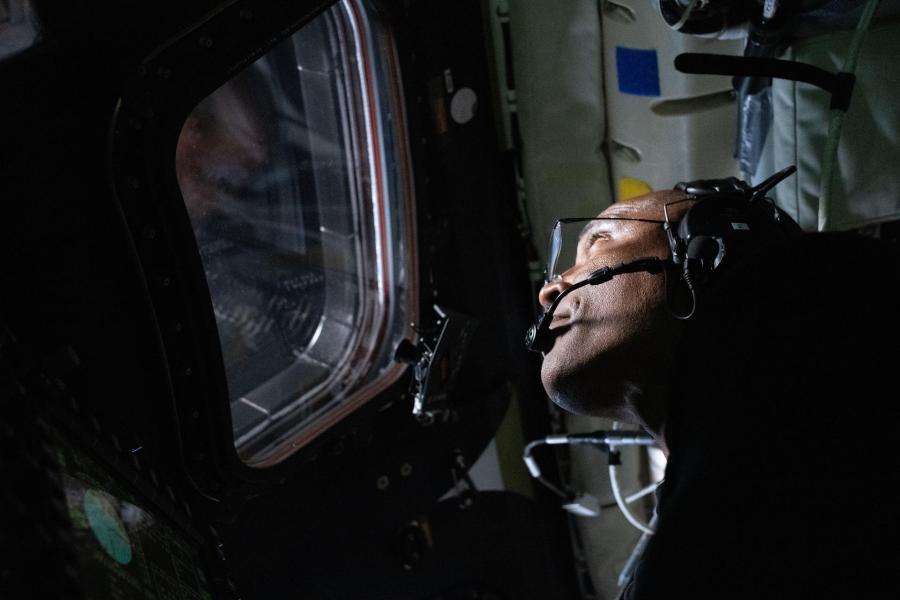
At 10:53 p.m. EDT, the Orion spacecraft ignited its thrusters for 9 seconds, producing an acceleration in velocity of 5.3 feet-per-second and pushing the Artemis II crew toward Earth. The crew is now more than halfway home.
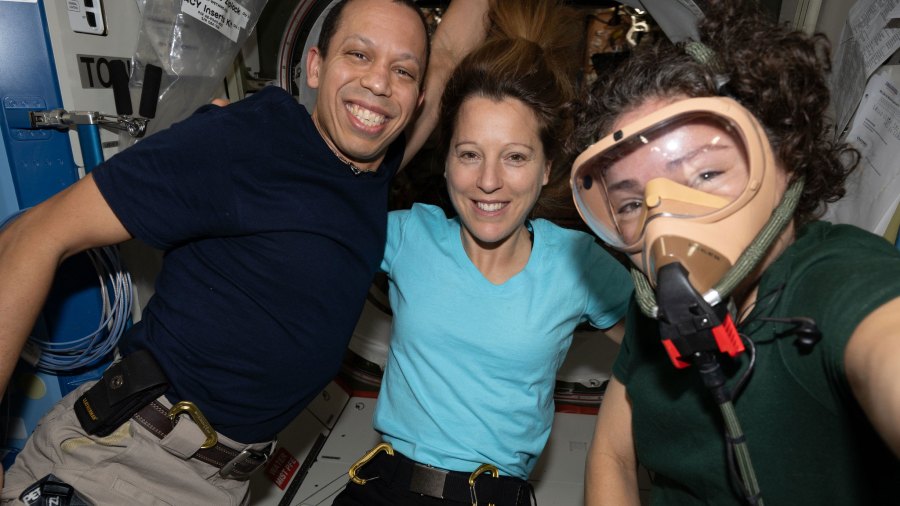
A packed schedule filled with numerous science objectives and critical lab maintenance tasks greeted the Expedition 74 crew aboard the International Space Station on Thursday. Meanwhile, the orbital residents await the next U.S. cargo mission.
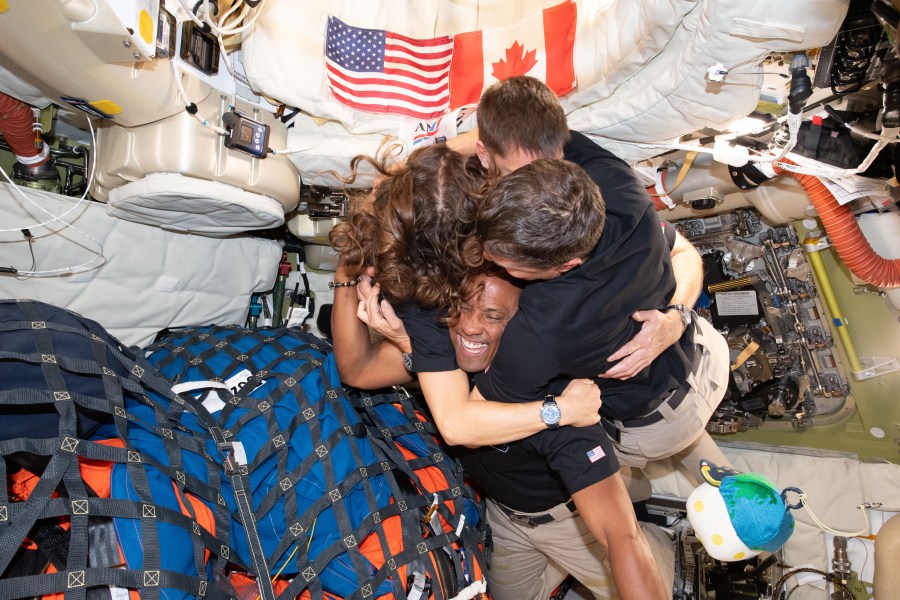
On their last full day in space, the Artemis II crew began the morning with “Lonesome Drifter” by Charley Crockett as they approached Earth at 147,337 miles.
NASA, Northrop Grumman, and SpaceX now are targeting no earlier than 7:41 a.m. EDT Saturday, April 11, for the next Cygnus XL and Falcon 9 launch opportunity to resupply the International Space Station. Teams adjusted the Friday, April 10, launch opportunity due to forecasted inclement weather at Space Launch Complex 40 at Cape Canaveral Space Force Station in Florida.

Editor’s Note: This blog was updated on April 8, 2026, to update the time for the crew news conference. In addition, flight controllers elected to forgo the 10:55 p.m. EDT manual piloting demo. Editor’s Note: This blog was updated to provide information on the originally scheduled radiation shielding demonstration. Aboard the Orion spacecraft, named Integrity, […]