


















Division Overview
Mission Statement
The Human Systems Integration Division enables the development of complex aerospace systems through analysis and modeling of human performance and human-automation interactions. We enhance aviation safety and performance for manned and unmanned aerial systems by designing human-centered automation, decision support tools, evaluation techniques, and organizational practices.
Overview
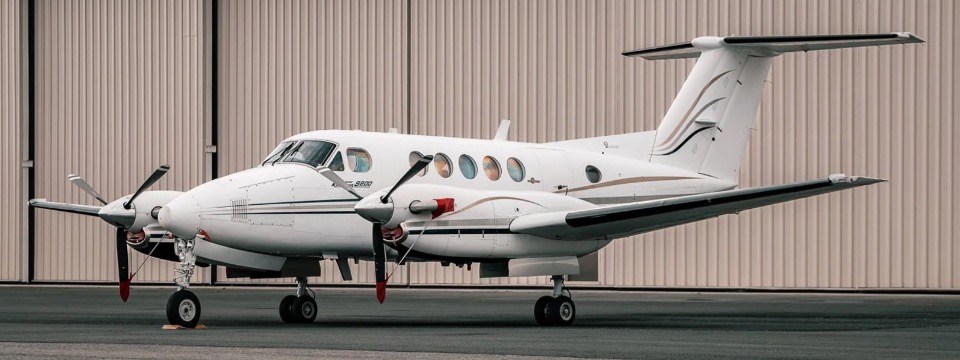
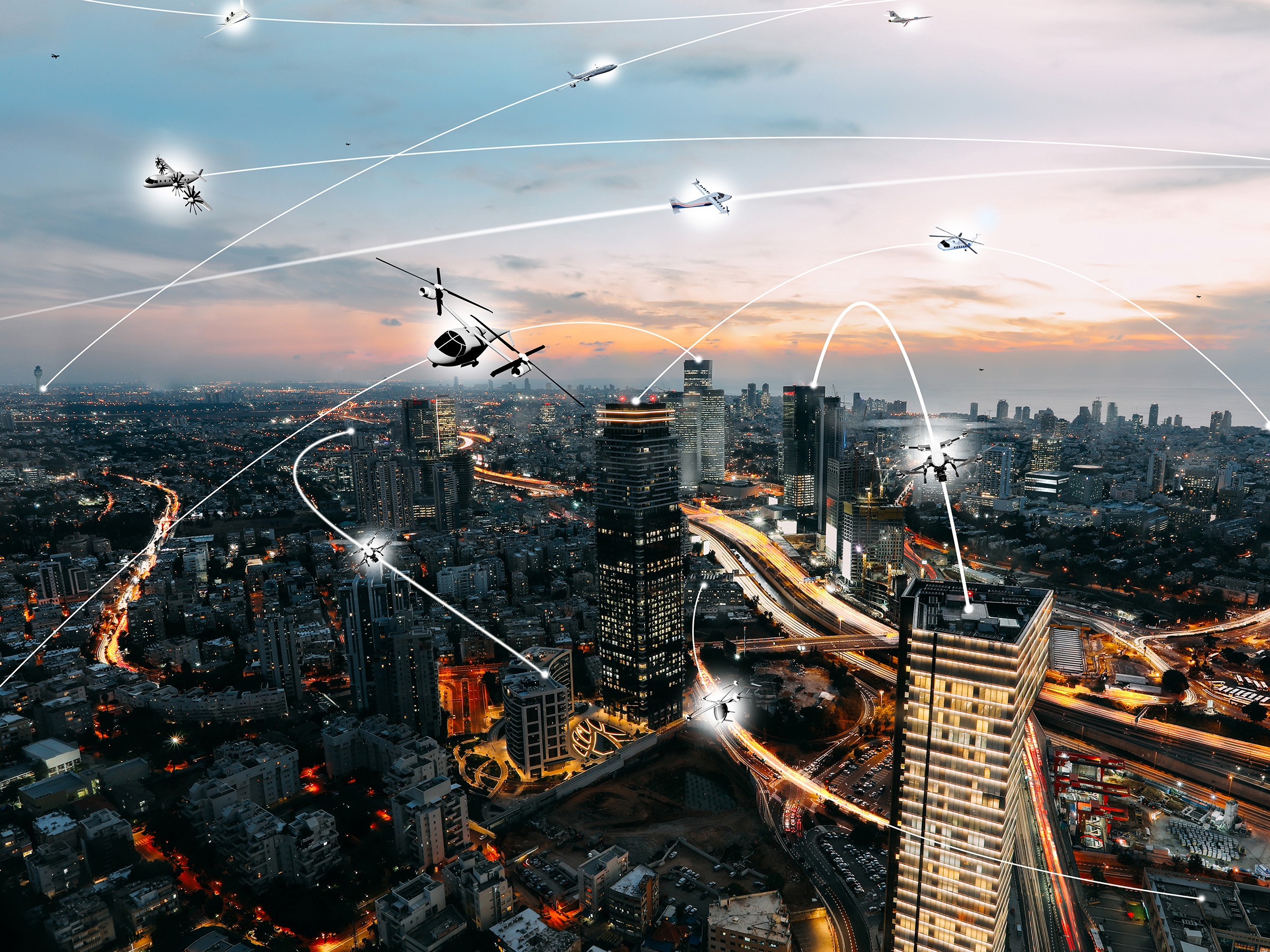
In aeronautics, humans are the backbone of a National Airspace System (NAS) that must be able to adapt and grow to accommodate the 45,000+ flights and nearly 3 million passengers serviced daily by the Federal Aviation Administration (FAA). By 2030, 12 billion people are expected to take to the skies. In addition, the NAS must be able to accommodate a new and diverse set of manned and unmanned air vehicles which will create further challenges to the air traffic management system.
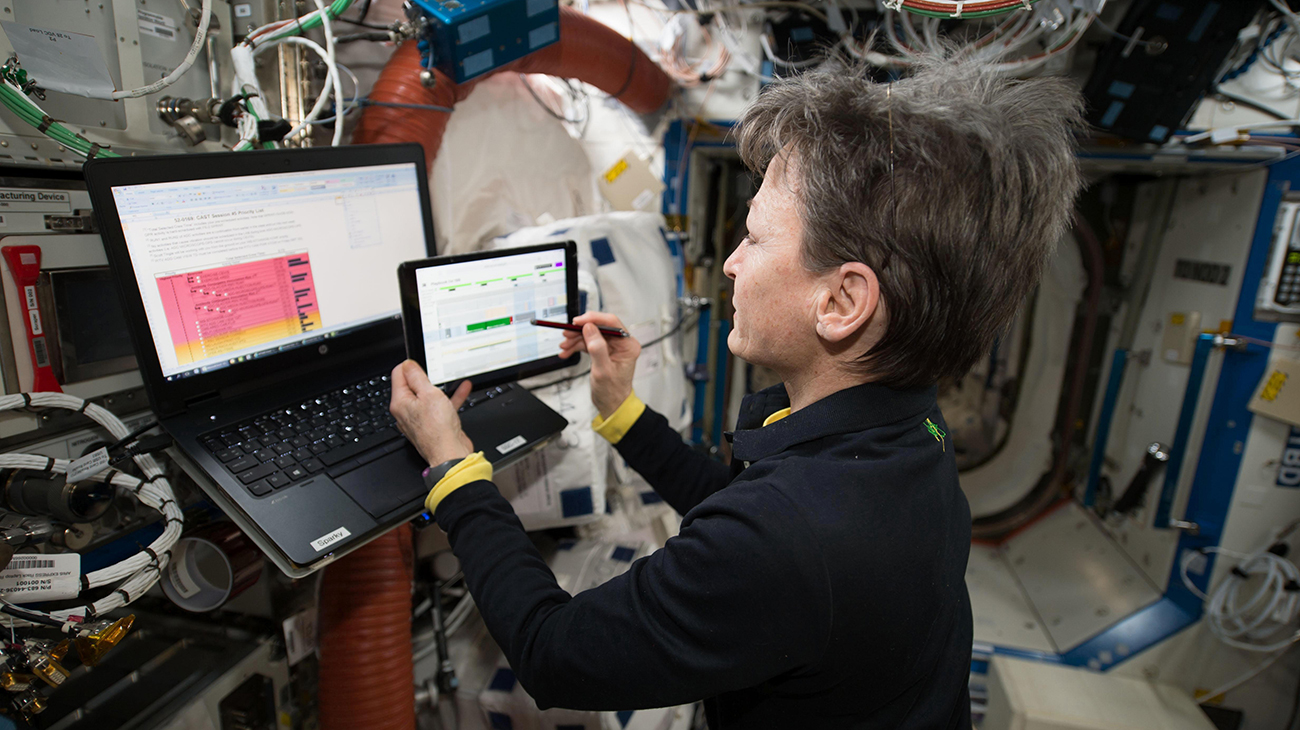
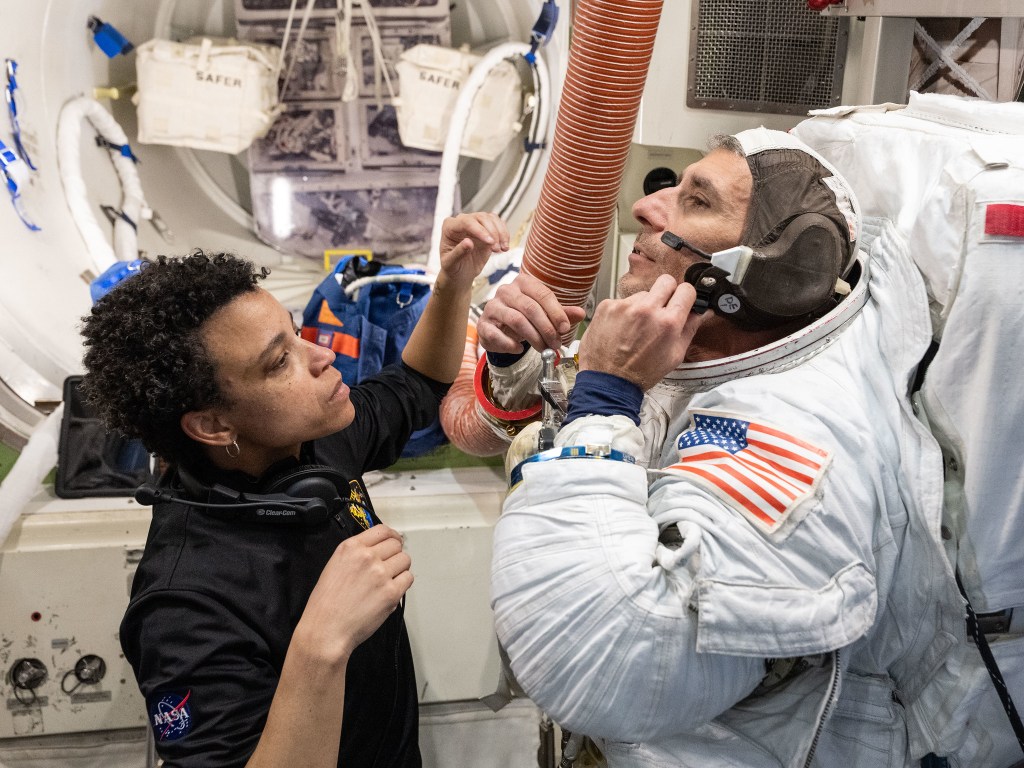
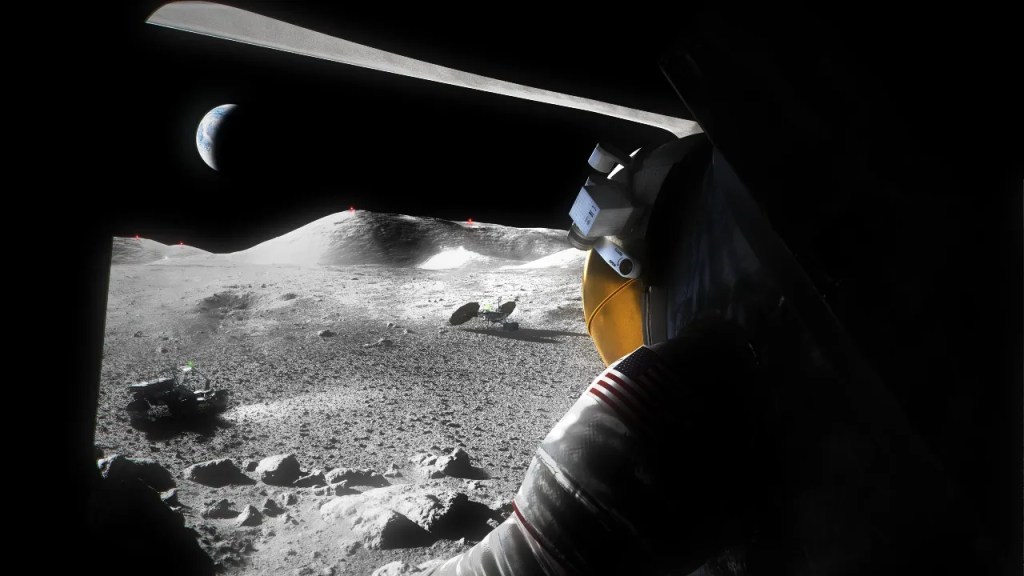
In space, long-duration exploration missions, such as a mission to Mars, will require revolutionary changes in the roles of astronauts and mission controllers to support autonomous operations. For both aeronautics and space, the design of hardware and software systems must address the need for safe, efficient and cost-effective operations, in space, in-flight and on the ground. The Human Systems Integration Division is developing and applying a new understanding of how individuals and teams assimilate and perform in pursuit of goals critical to the success of NASA missions.
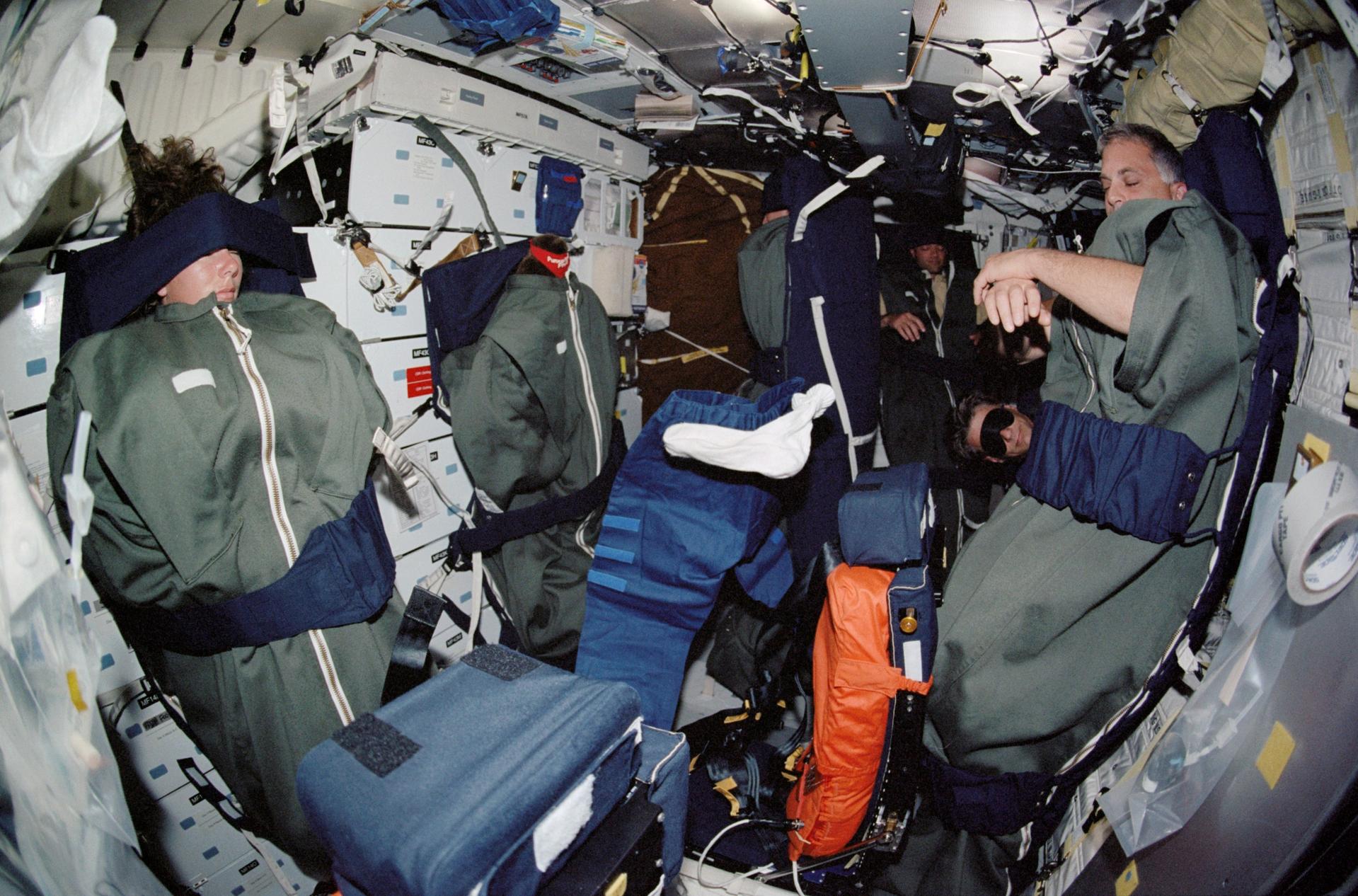
Thoughtful development and implementation of automation for aerospace systems is required to enable new missions and concepts of operation. As expected, such automation creates new challenges for humans operating in those systems. Though humans are often seen as the most common source of errors, they are arguably the most critical element in the safety, reliability, and performance of any complex system. The Human Systems Integration Division’s highly adaptive problem-solving capabilities create resilient operations across aerospace applications, allowing us to intervene when automated systems don’t perform as expected. Advances in machine learning, adaptive automation, advanced display technologies, and information accessibility will have an impact on human performance, but will also generate new opportunities for safe, effective, game-changing human-automation teaming.
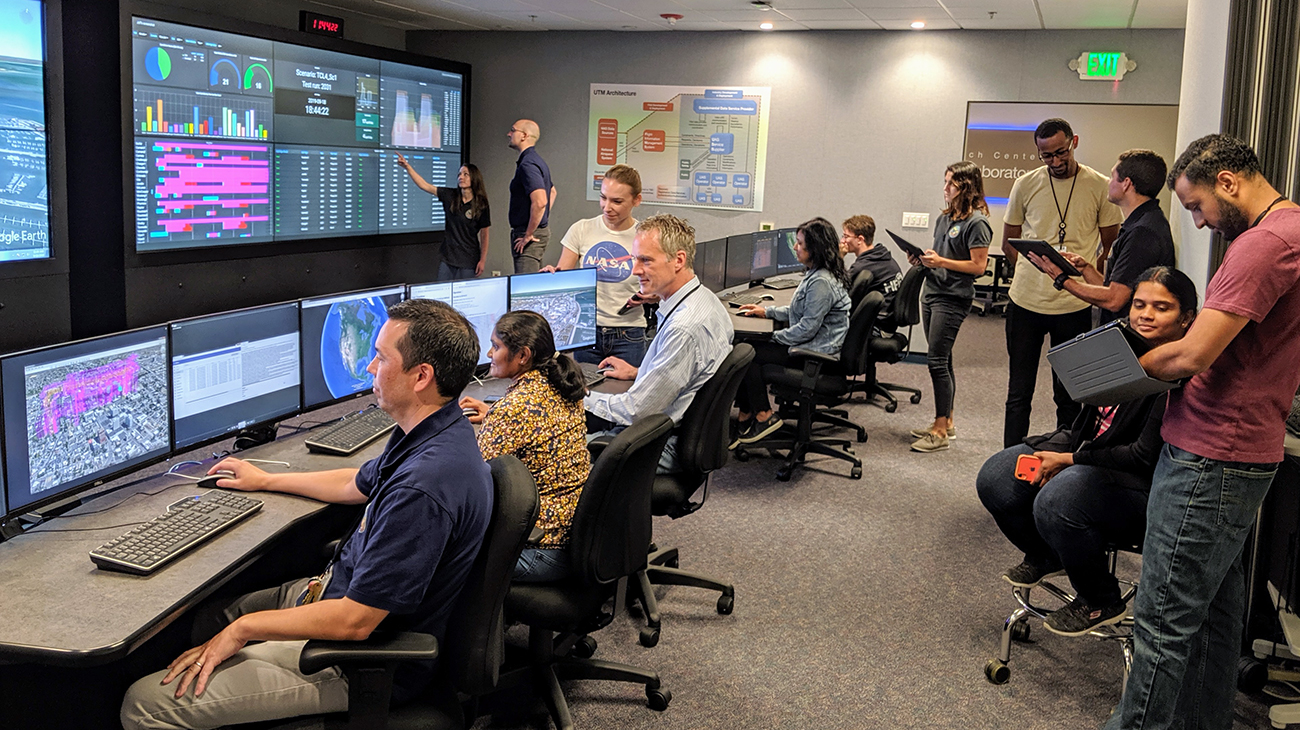
In support of NASA’s bold vision for space exploration, the Human Systems Integration Division is also developing measurably better NASA software through careful application of Human-Computer Interaction (HCI) methods. These software tools will enable NASA astronauts, mission specialists and mission controllers to operate with more autonomy, while maximizing mission safety and efficiency, all while traveling millions of miles away from Earth.