
























PExT
Polylingual Experimental Terminal


First-of-its-Kind Demonstration
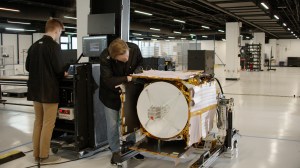
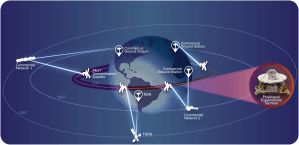
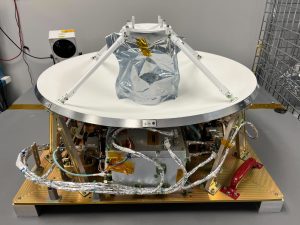
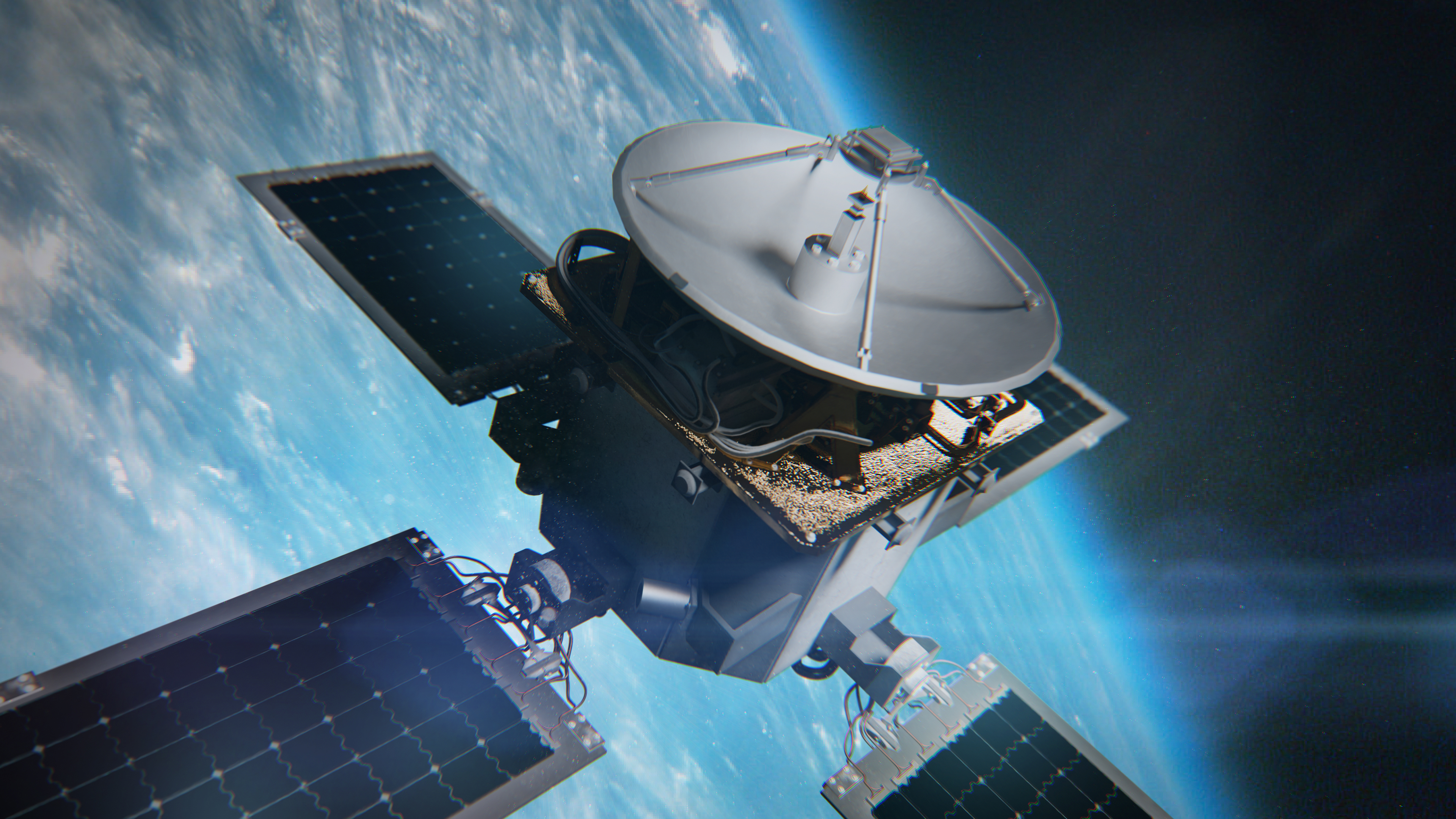
NASA missions rely on critical data exchanges to navigate, monitor spacecraft health, and transmit scientific information back to Earth. For almost 40 years, NASA has relied on its Tracking and Data Relay Satellite (TDRS) fleet to provide communications services for missions near-Earth. Now, future science missions launching as early as 2031 will leverage commercial satellite relay services. NASA is testing wideband terminals through PExT, an emerging technology that allows missions to roam between government and commercial networks in space, like cellphones roam between networks on Earth. This game-changing technology could provide multiple benefits to government and commercial missions by enabling more reliable communications with fewer data interruptions.
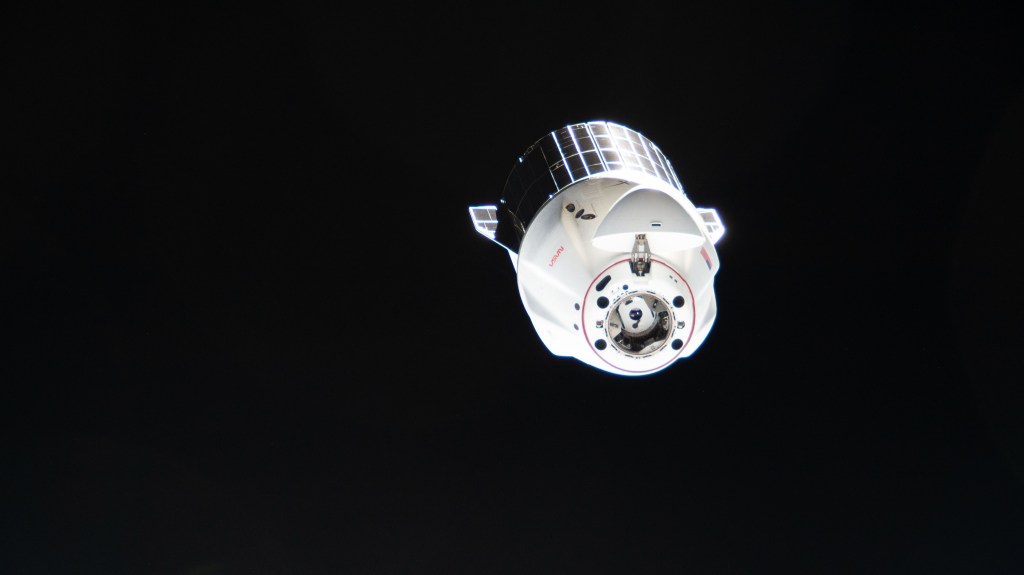
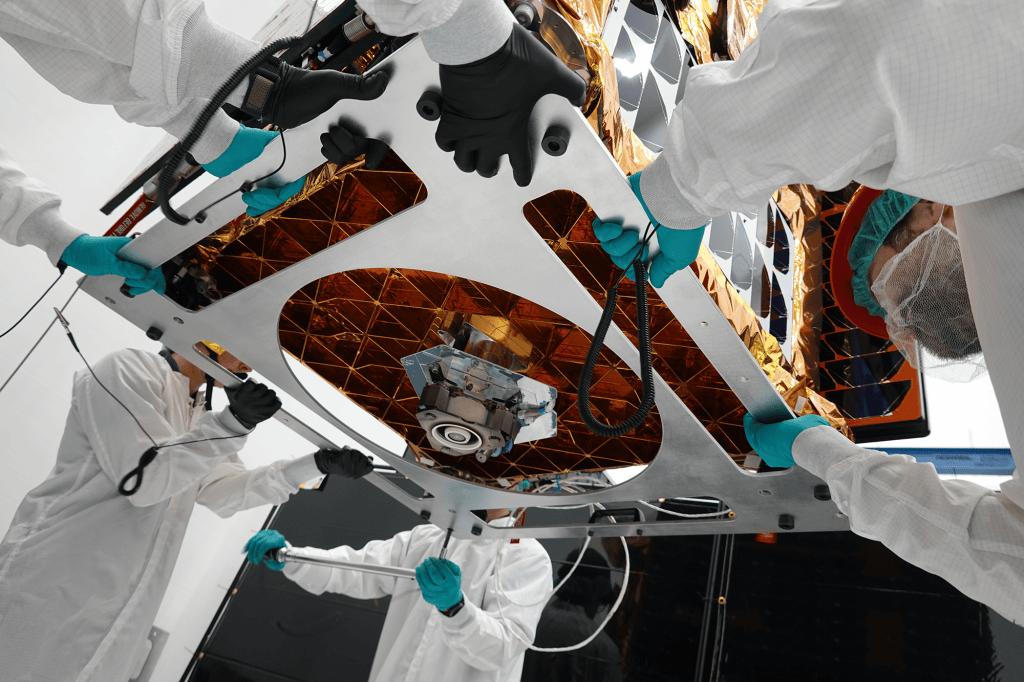
On July 23, 2025, PExT launched aboard the York Space Systems BARD mission. Once in low Earth orbit, the terminal successfully relayed data between the BARD spacecraft, NASA’s TDRS fleet, commercial networks operated by Viasat and SES Space & Defense, and mission control on Earth.
Extended Missions Operations
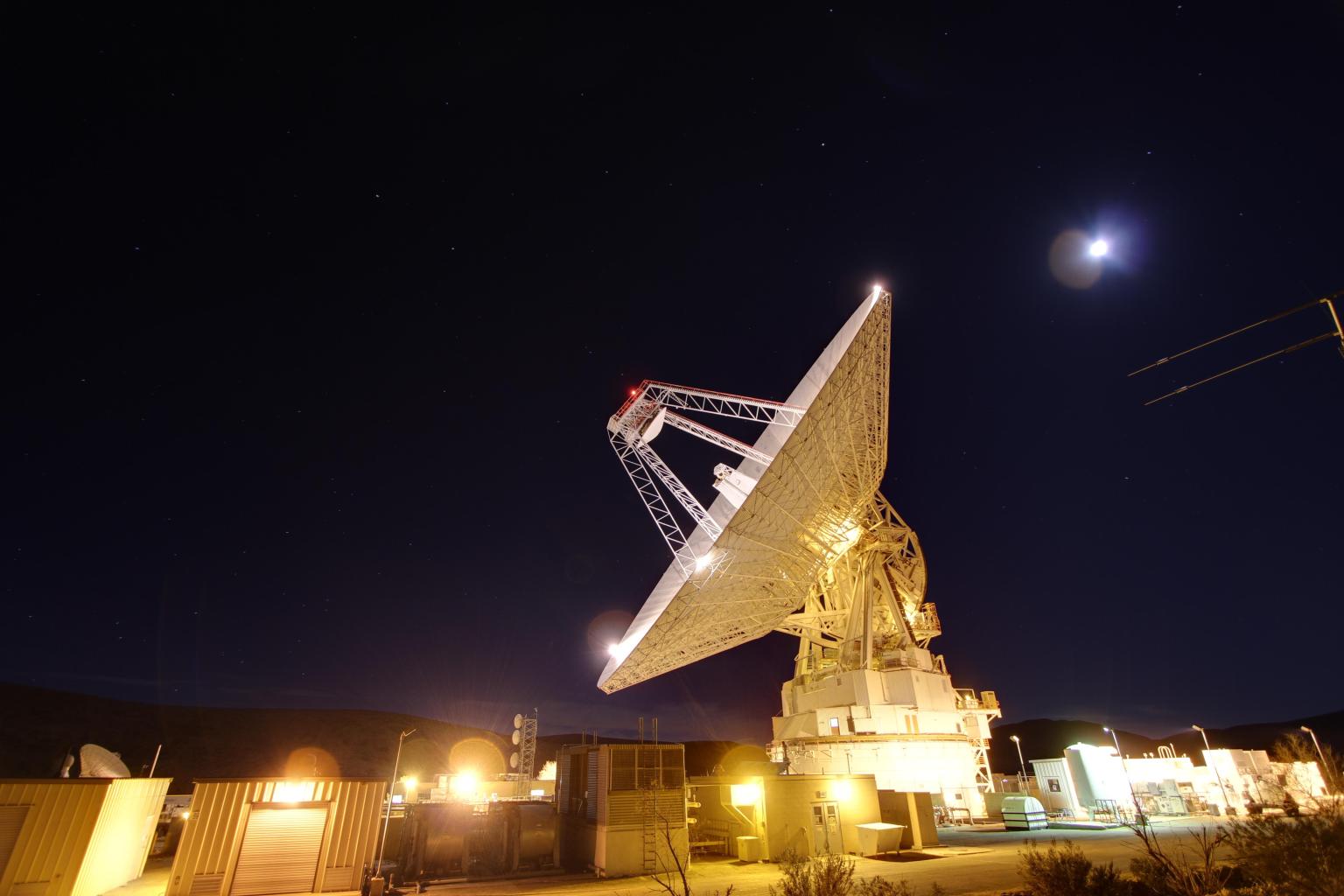
Due to the success of the demonstration, NASA recently extended PExT operations through April 2027 for an additional 12 months of testing. Extended mission operations will include new direct-to-Earth demonstrations with the Swedish Space Corporation’s ground station network, scheduled to begin in 2026.
Wideband Technology
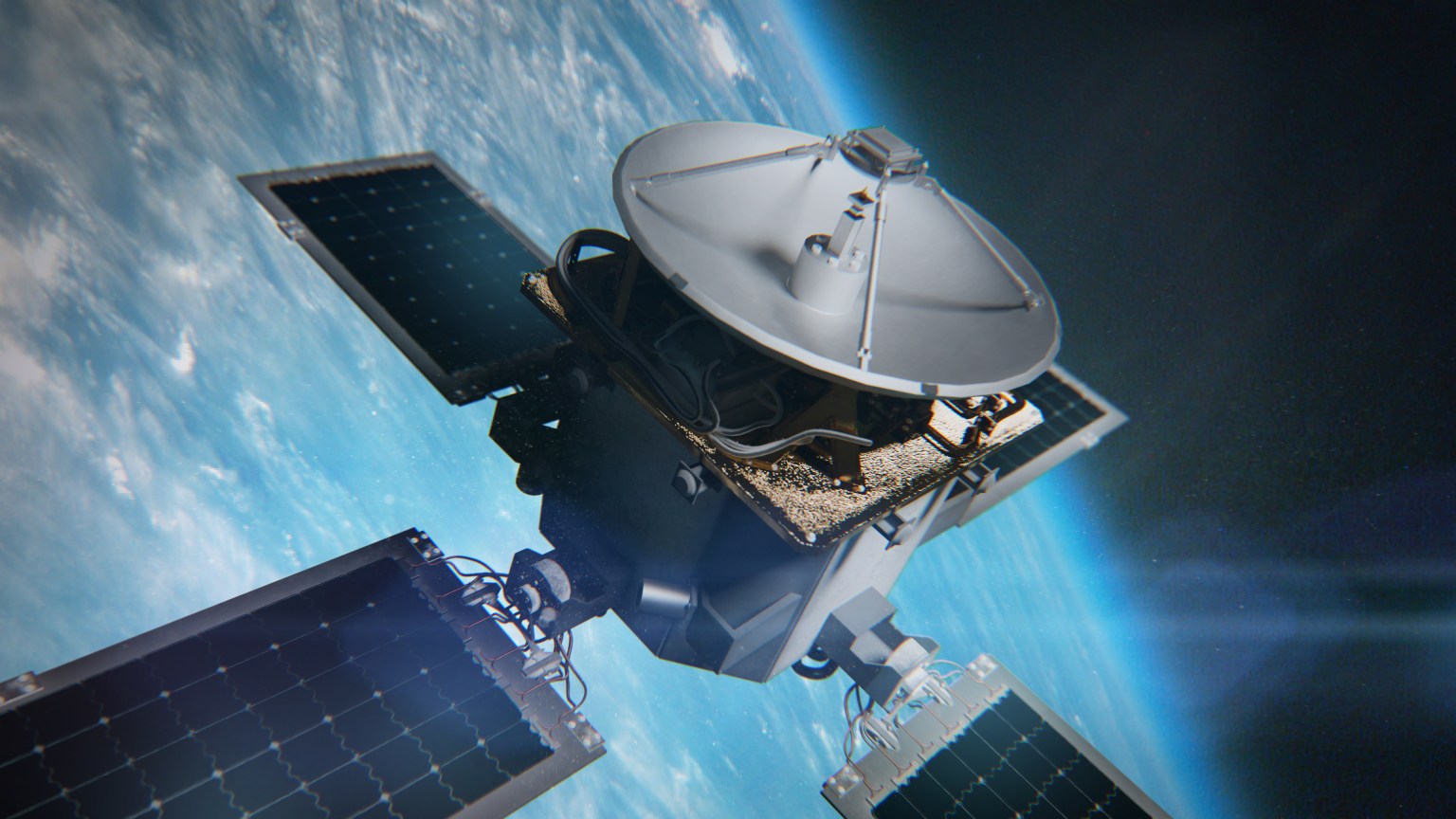
Wideband technology enables data exchange across a broad range of frequency bands used by both government and commercial networks. By providing interoperability between government and commercial assets, this technology unlocks new advantages currently unavailable to spaceflight missions.
Learn More
NASA’s Wideband Technology Demo Proves Space Missions are Free to Roam
Just like your cellphone stays connected by roaming between networks, NASA’s Polylingual Experimental Terminal, or PExT, technology demonstration is proving…
Read the Story
Commercializing Space Communications
NASA is opening space to more science, people and opportunities through public-private partnerships. The SCaN (Space Communications and Navigation) Program is committed to a seamless transition from government-owned communications assets to commercial alternatives, ensure mission continuity, cost-effectiveness, and alignment with national priorities.
Learn More