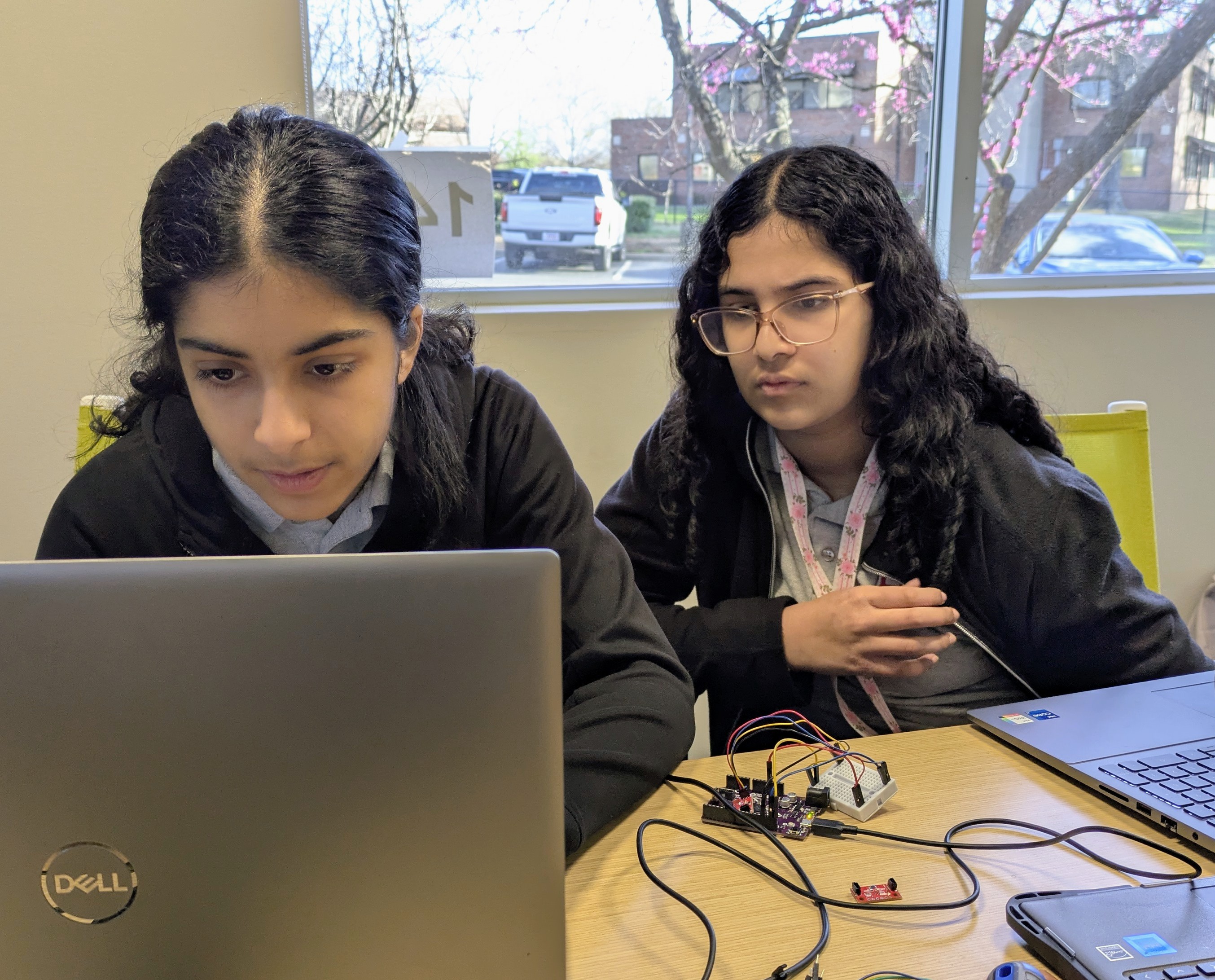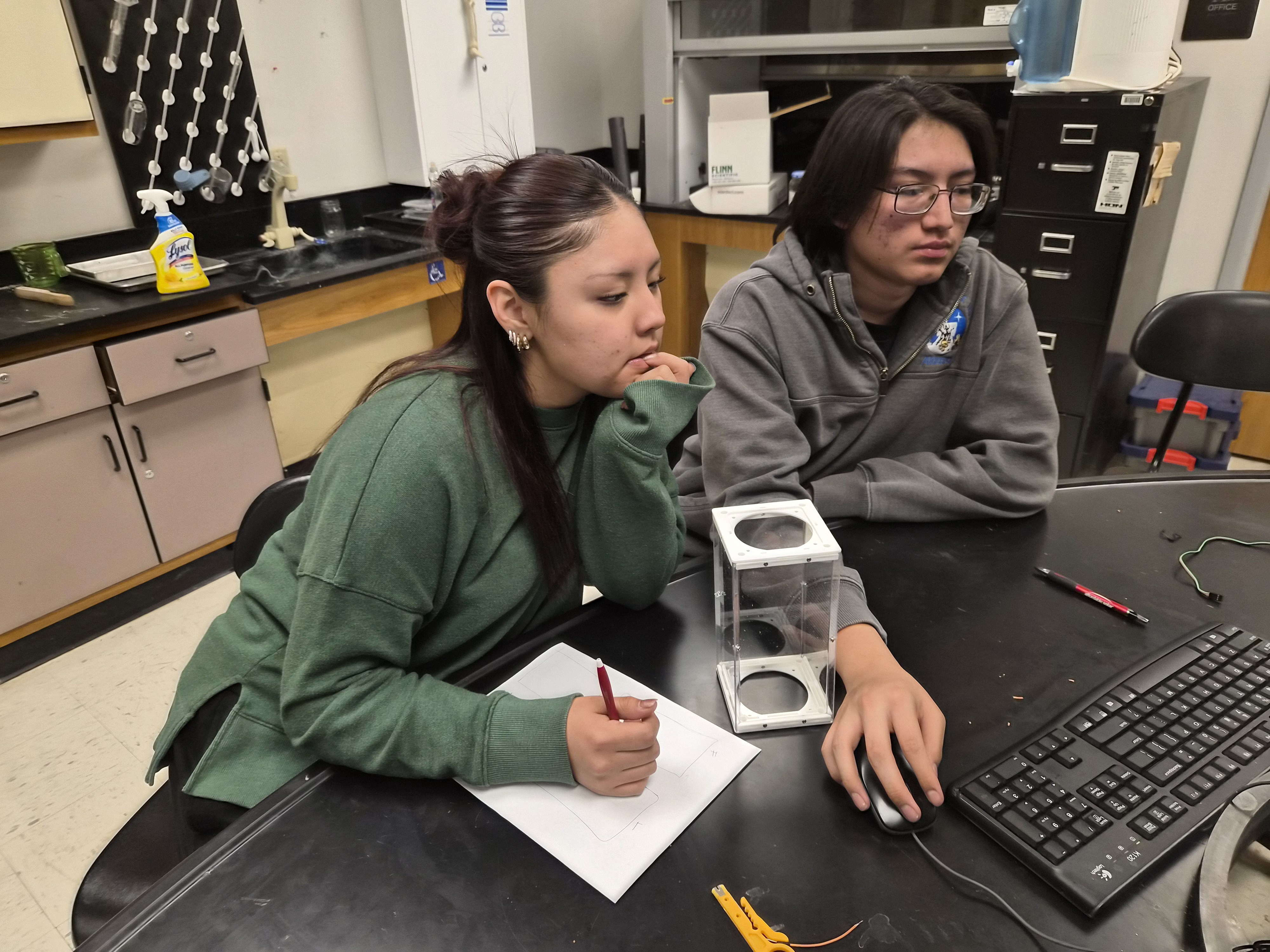


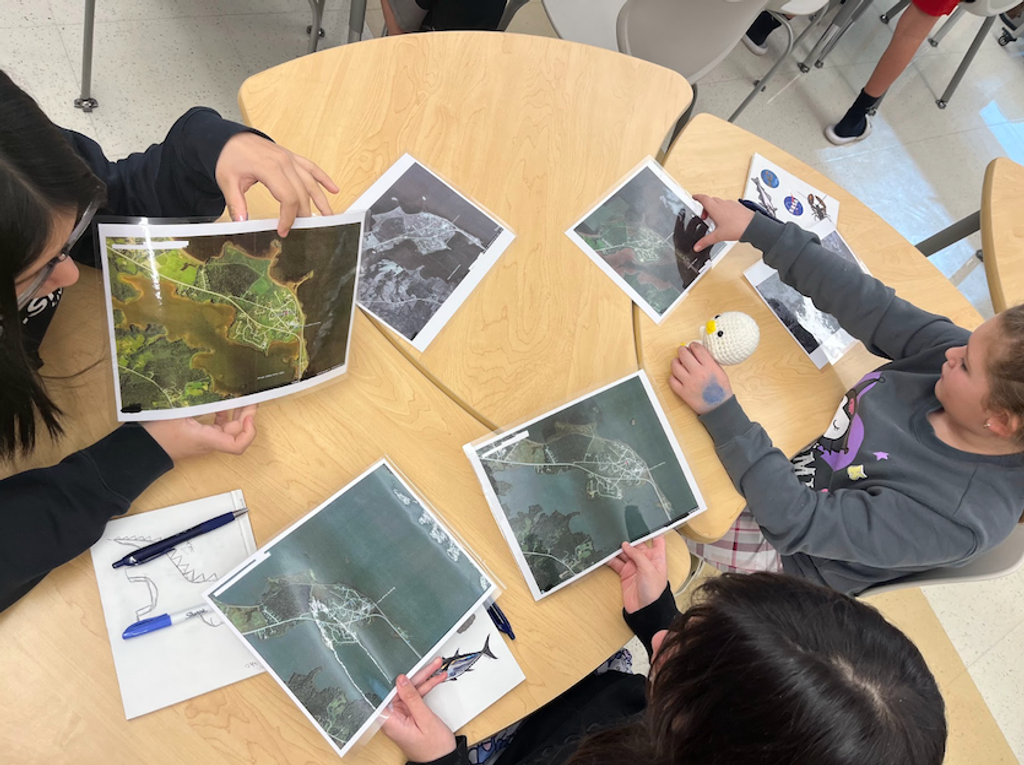



The TechRise Challenge is a nationwide contest inviting middle and high school students to team up with their schoolmates to design an experiment under the guidance of an educator. For the 2025-2026 challenge, more than 370 students from 52 states and territories worked to turn their proposed science and technology experiments into reality, giving them real-world, hands-on experience with the same processes that professional researchers follow.
Of the 60 winning teams announced this year, 25 of the teams’ experiments flew on a high-altitude balloon operated by World View Enterprises of Tucson, Arizona. The remaining 35 payloads will fly on a Suborbital-Spaceship operated by Virgin Galactic of Orange County, California. Read on for more information.
GRade Levels
6-12
Number of Students
370+ students at 60 schools
High-Altitude Balloon
World View Enterprises
Suborbital Spacecraft
Virgin Galactic
High-Altitude Balloon Flight
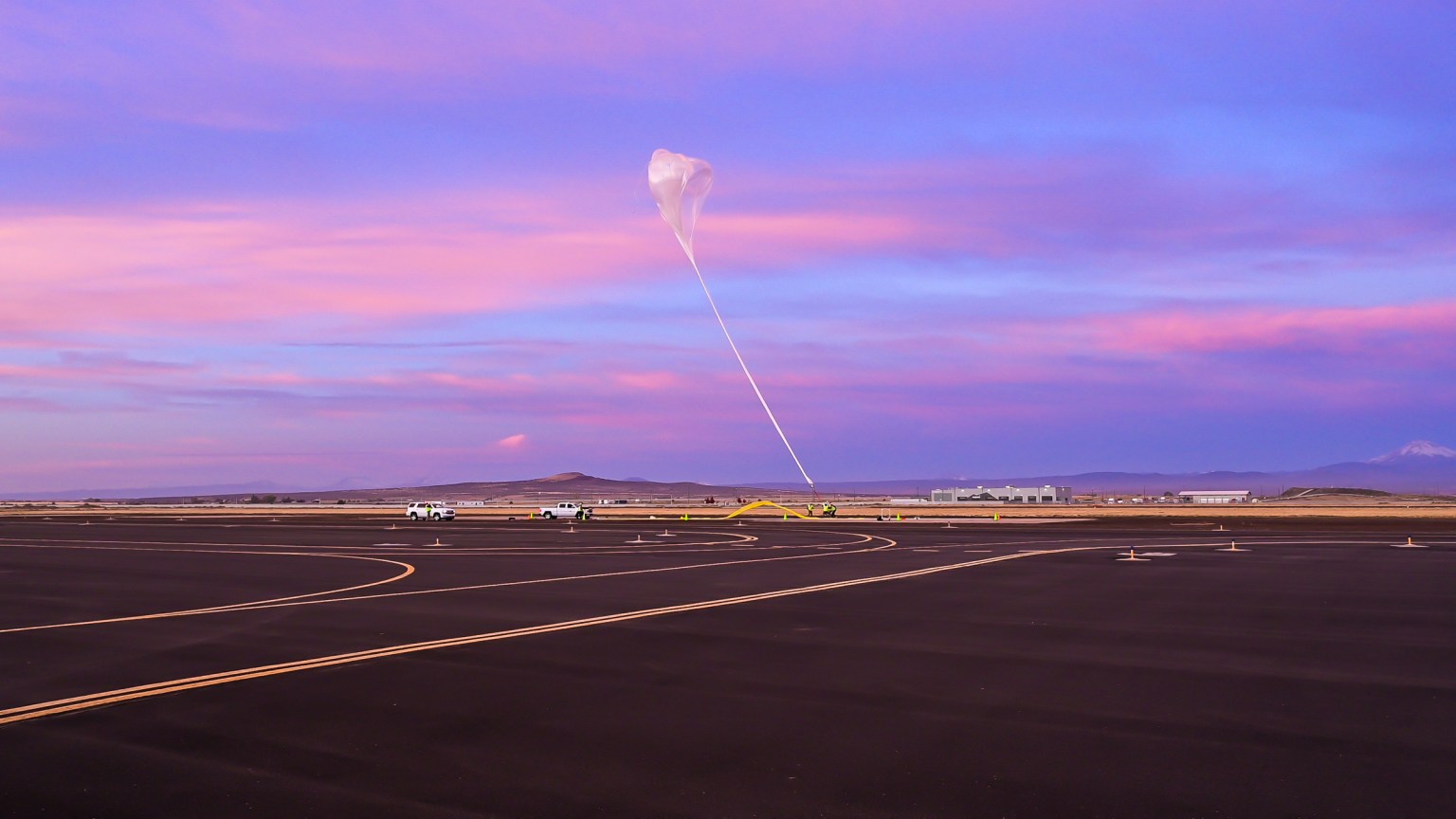
On July 1, 2026, students from 25 middle and high schools watched their experiments launch aboard a high-altitude balloon as part of the fifth TechRise Challenge. The high-altitude balloon operated by World View launched at 6:37 a.m. MST (9:37 a.m. EDT) from Page, Arizona.
Read more about the student payloads on this flight below about High-Altitude Balloon Flight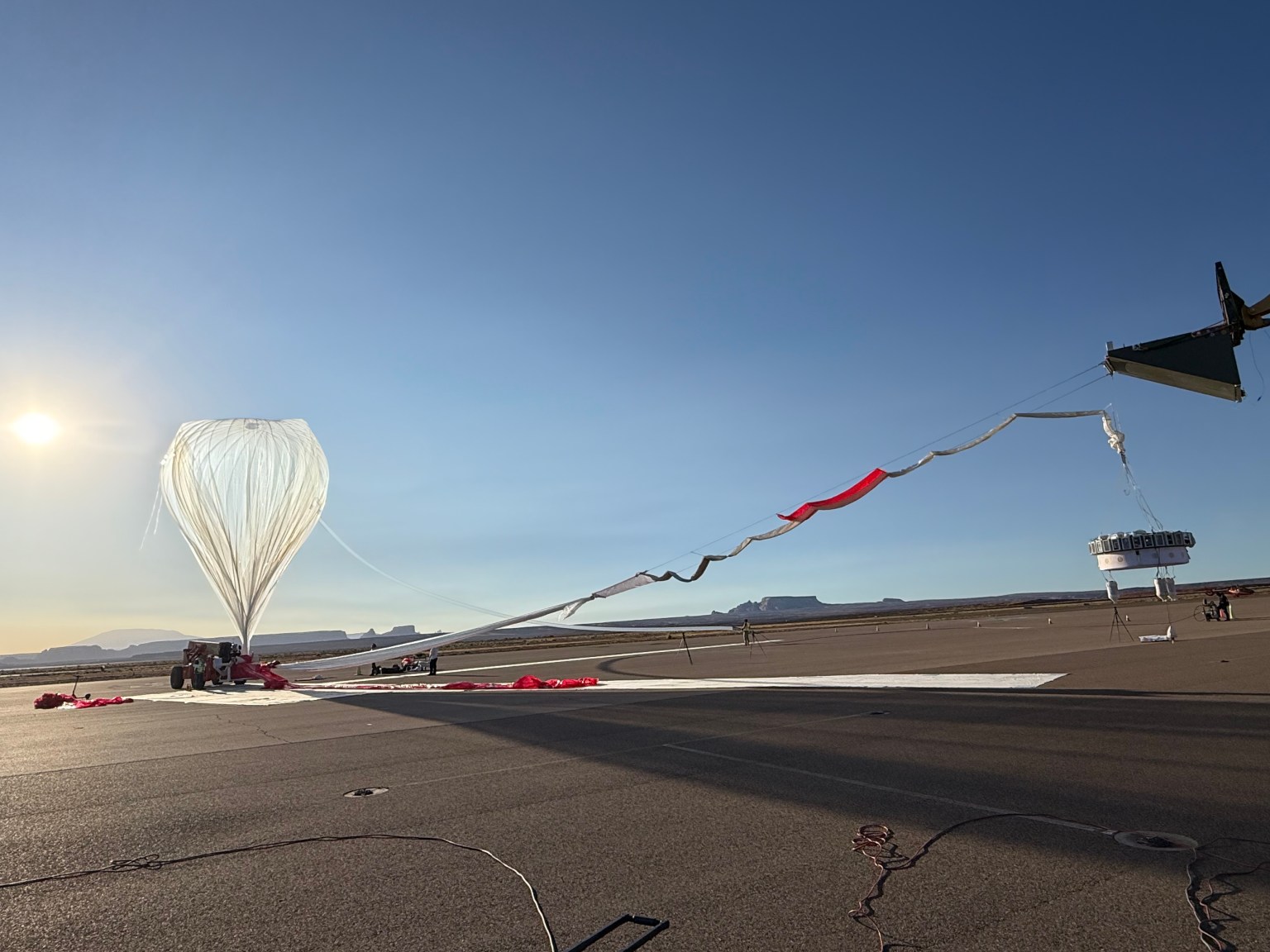
About the Payloads Aboard the High-Altitude Balloon Flight
Student projects flew for approximately 3.5 hours in the stratosphere at over 70,000 feet with exposure to Earth’s upper atmosphere, radiation, and perspective views of Earth. At that altitude — about 13 miles above Earth — payloads experienced the stratosphere’s unique thermal and atmospheric environment, providing conditions that ground-based testing cannot replicate. The high-altitude balloon also allowed payloads to observe the surface below them, collect data on features such as vegetation and bodies of water, and examine the unique properties of the atmosphere at varying altitudes.
Student experiments tackled a diverse set of challenges. For example, the team from Lisa Academy West Middle School in Little Rock, Arkansas, investigated the effectiveness of sunscreen at high altitudes. The students’ payload measured ultraviolet (UV) radiation and temperature levels protected by sunscreens with different sun protection factors (SPFs). They hypothesized that while the higher SPF sunscreen would provide greater protection, the reduced atmospheric protection would allow more UV to pass through the layer of sunscreen.
A team of 11th graders from Mescalero Apache School in Mescalero, New Mexico, explored how extreme environmental conditions — such as low temperatures, UV radiation, and reduced atmospheric pressure — affect synthetic human skin at high altitudes. Understanding the material’s behavior under these conditions could help engineers and scientists design protective systems for future space missions.