

















Glenn Expertise:
Icing Research
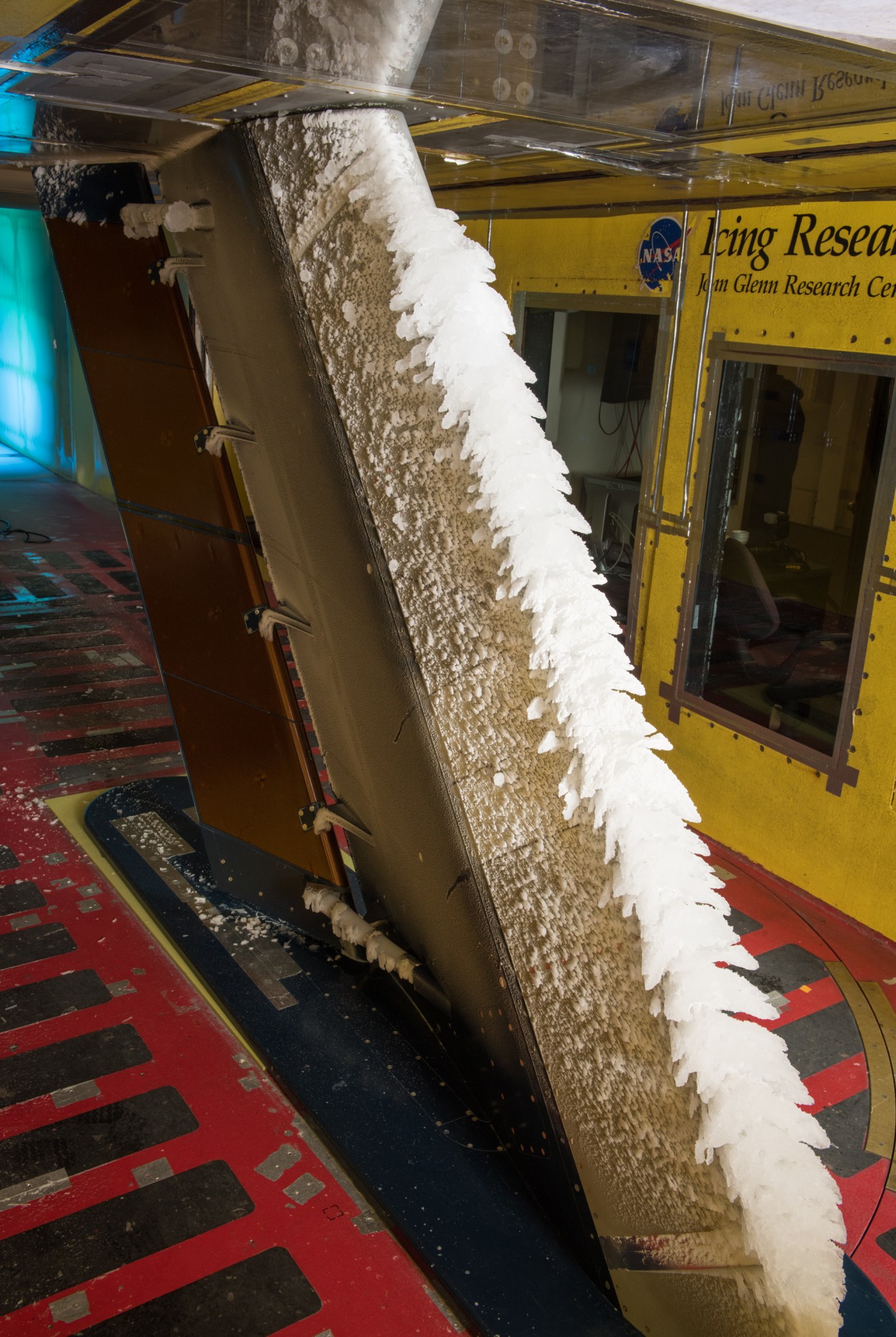
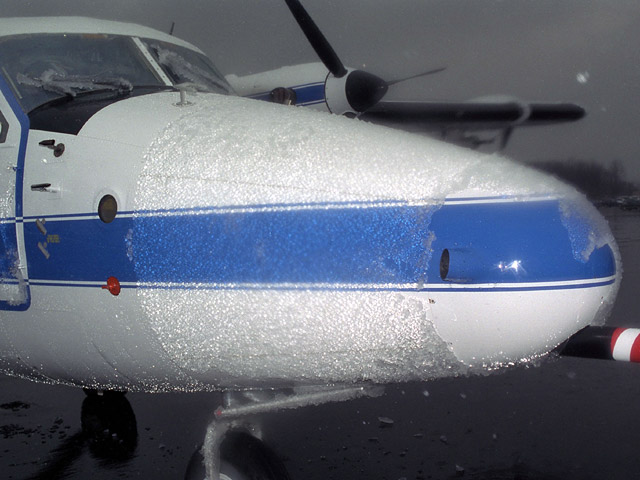
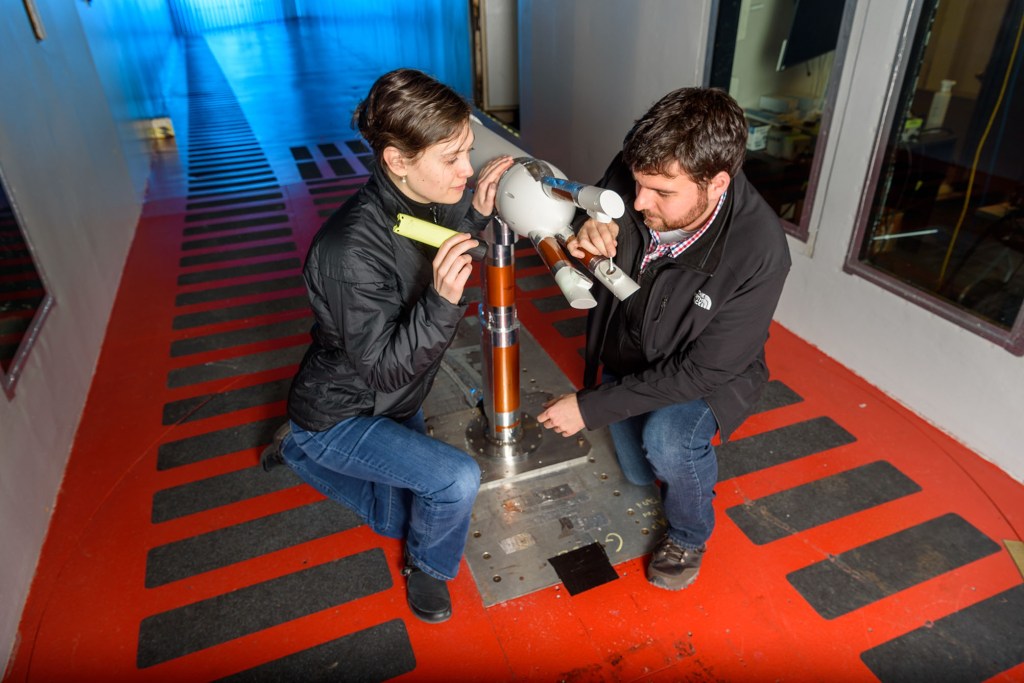
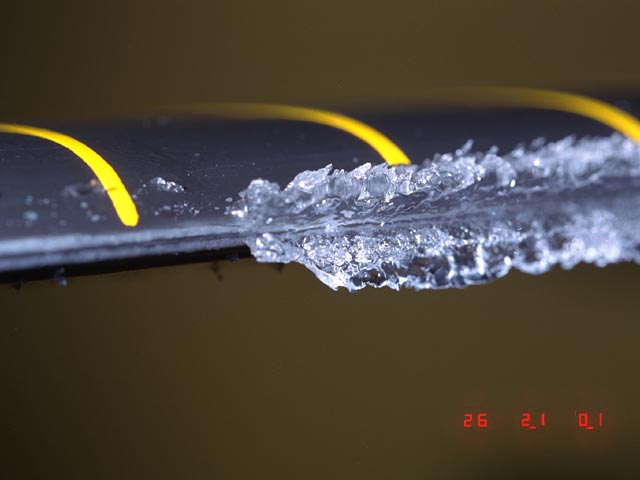
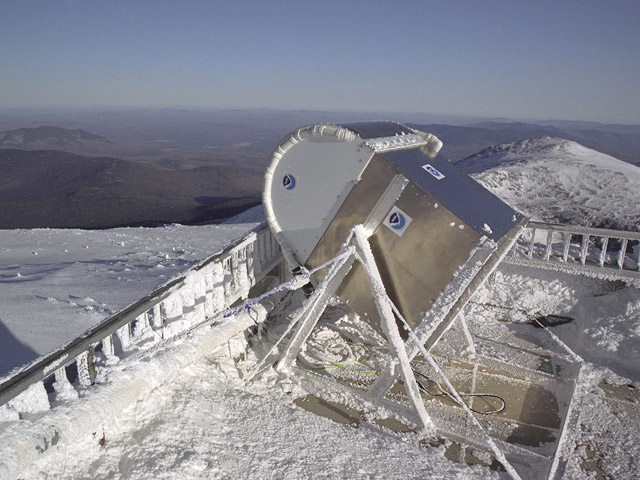
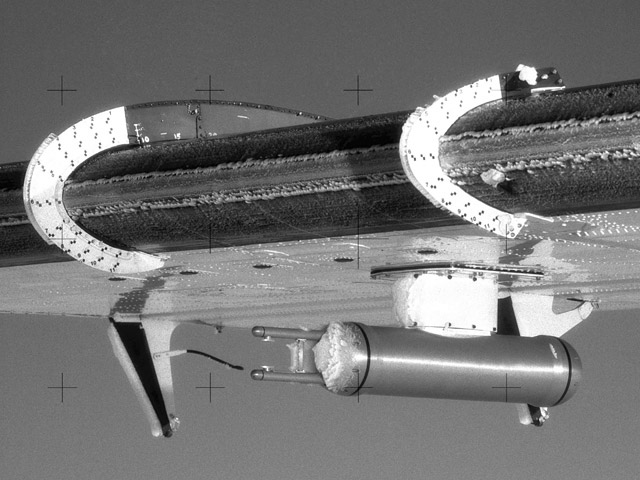
NASA’s icing research involves the development of tools and methods for evaluating and simulating the growth of ice on current and future aircraft surfaces or inside their engines as well as the effects that ice may have on the behavior of aircraft in flight.
Recent News
GlennICE Software Released on the NASA Software Repository (May 2025)
New Aircraft Wing Undergoes Crucial NASA Icing Testing (March 25, 2025)
An Inside Look: NASA’s Ice Tunnel (The Weather Channel – October 29, 2024)
Glenn Celebrates 80 Years of Cool Aviation Research (2024)
NASA Tunnel Generates Decades of Icy Aircraft Safety Data (September 5, 2024)
Overview
At NASA’s Glenn Research Center in Cleveland, “We Freeze to Please.”
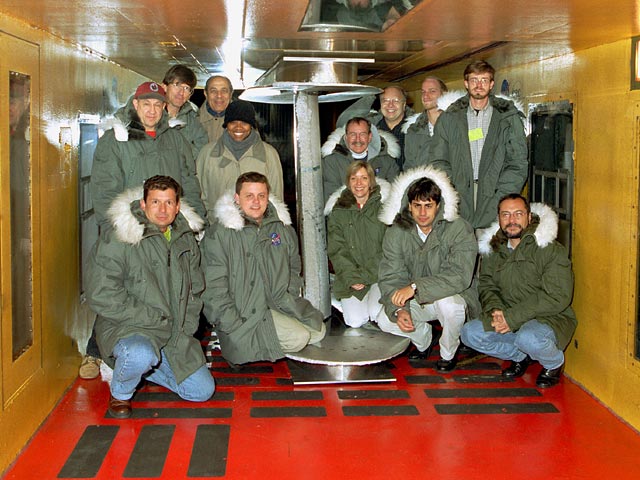
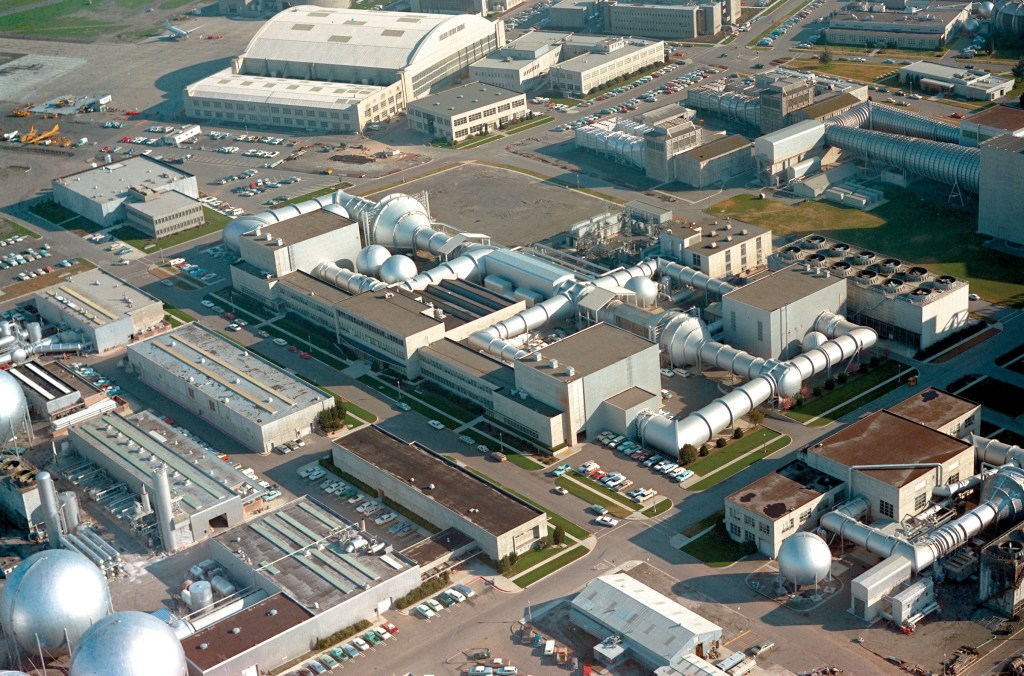
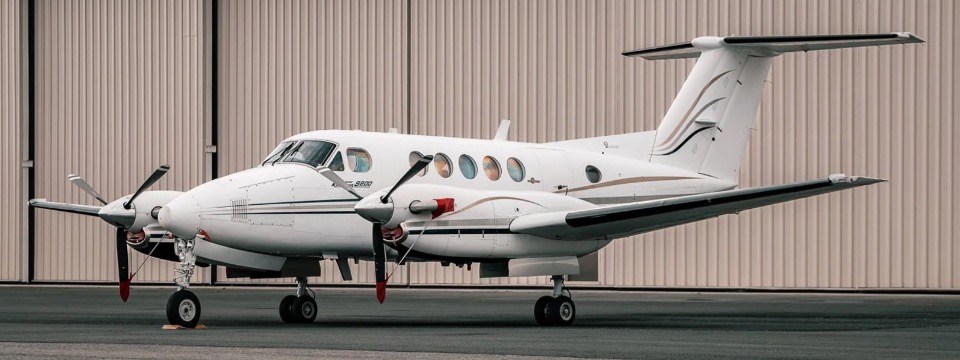
Glenn icing research teams use a refrigerated wind tunnel, an engine test cell, and small-scale laboratories to create icing conditions for models and airfoils on the ground, as well as flying laboratories to study aircraft icing in the sky. They have also developed software tools to help predict ice growth and the effects of ice contamination on aircraft or inside of engines. The icing research conducted at NASA leads to developed and validated simulation methods, both computational and experimental, suitable for use as both certification and design tools when evaluating aircraft systems for operation in icing conditions. NASA is challenged to look forward to new technologies being developed and consider what potential issues may arise related to flight into icing.
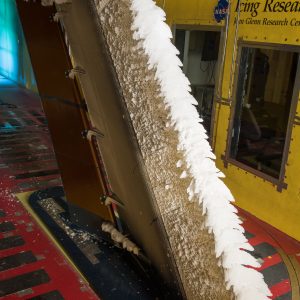
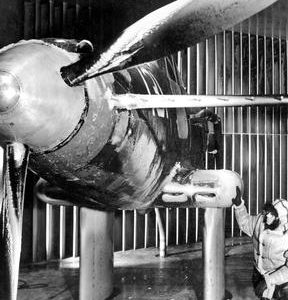
NASA began icing testing in 1944 with the completion of its Icing Research Tunnel – the longest-running and second-largest icing facility in the world. Most ice protection technologies in use today were largely developed at this facility. NASA has provided information over the years that has informed regulatory agencies on the range of icing conditions – via flight, ground, engineering tools, and databases, most recently for Supercooled Large Droplets (SLD) and High Ice Water Content (HIWC). As such, NASA leads international research on aircraft and engine icing, contributing to an increase in aircraft safety.
Facilities
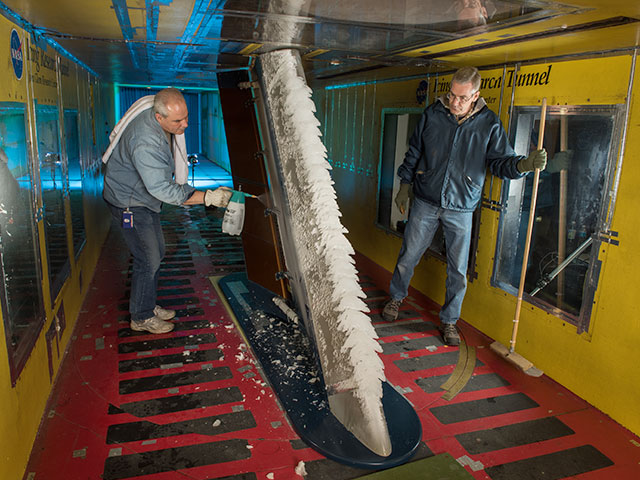
Icing Research Tunnel (IRT)
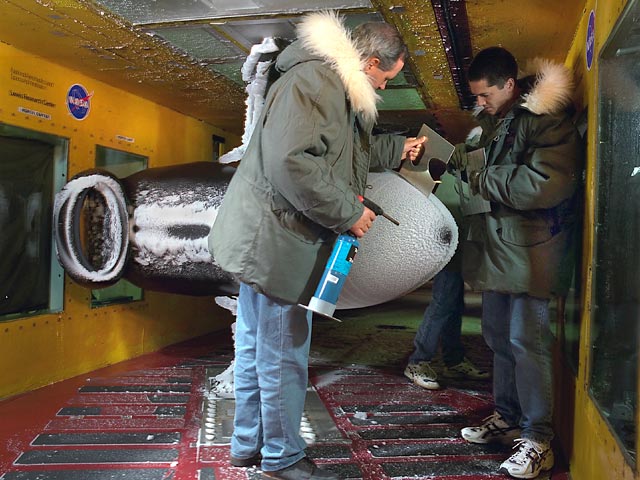
NASA Glenn’s Icing Research Tunnel supports the development of tools and methods for simulating the growth of ice on aircraft surfaces as well as the development and certification of ice protection systems.
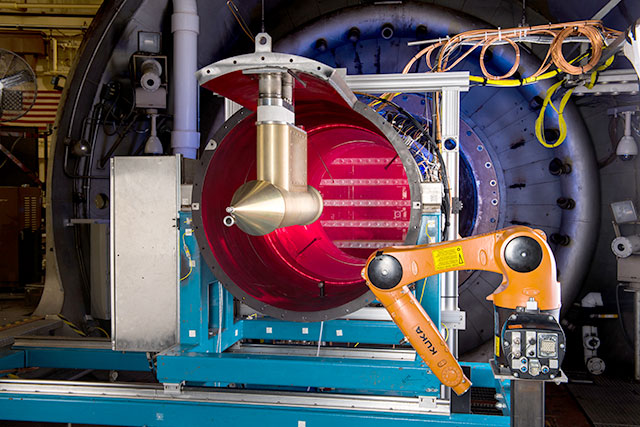
Propulsion Systems Laboratory (PSL)
The Propulsion Systems Laboratory (PSL) is NASA’s only ground-based test facility that provides true flight simulation for experimental research on air-breathing propulsion systems.
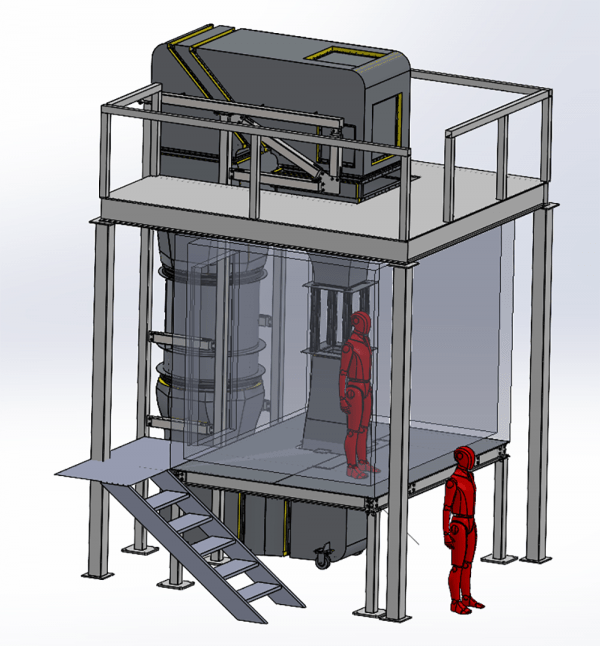
Adaptive Icing Tunnel (AIT)
The Adaptive Icing Tunnel (AIT) is a closed-loop, vertical refrigerated icing wind tunnel with a 1-foot-by-1-foot test section.
Laboratories
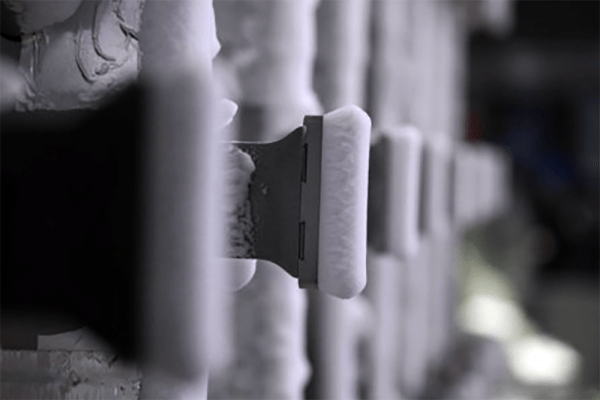
Revolutionary Icing Materials Evaluation (RIME)
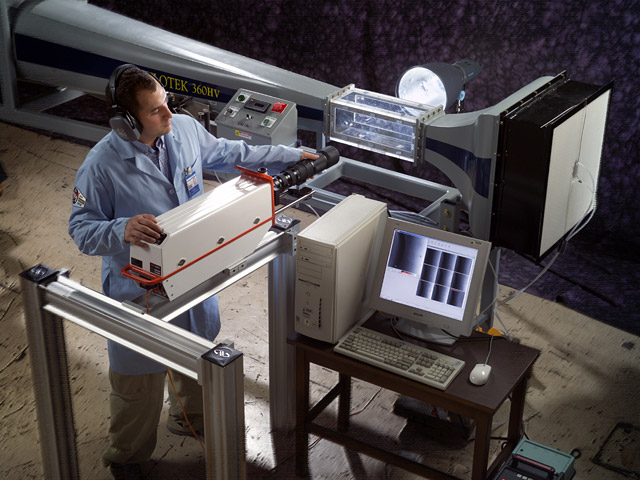
The Revolutionary Icing Materials Evaluation (RIME) Lab, located at NASA Glenn, has capabilities to conduct experiments and data analysis necessary to understand the adhesive strength of impact ice on various substrates.
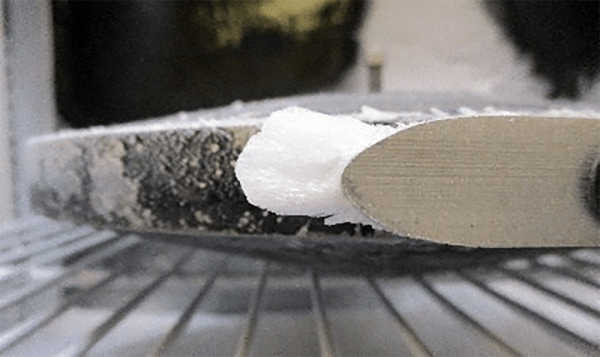
Laboratory for Adhesion Mitigating Projects (LAMP)
The Laboratory for Adhesion Mitigating Projects (LAMP) is used to assess the durability and efficacy of low ice adhesion coatings to help mitigate in-flight icing.
Computation Simulation Tools
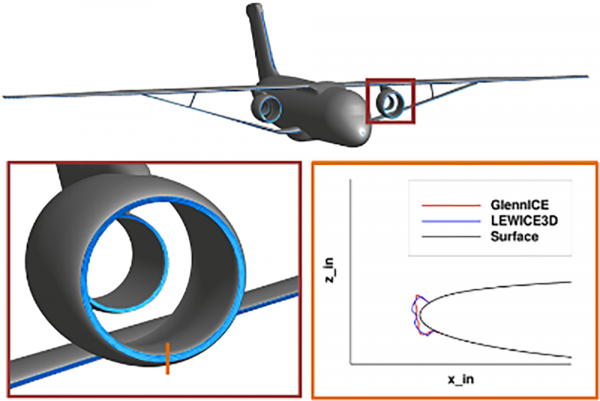
GlennICE
GlennICE is the foundational code through which NASA will develop and evaluate physical models associated with ice accretion.
LEWICE
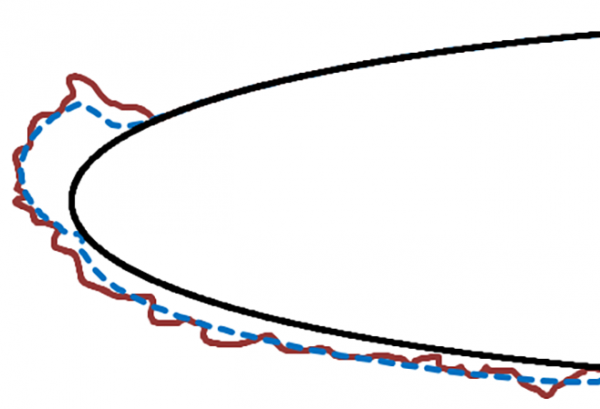
LEWICE is a computer code that calculates the ice accretion that occurs when supercooled droplets impinge on a body. The code evaluates the water droplet impingement and subsequent thermodynamics of the freezing process to predict the ice shape.
LEWICE 3D
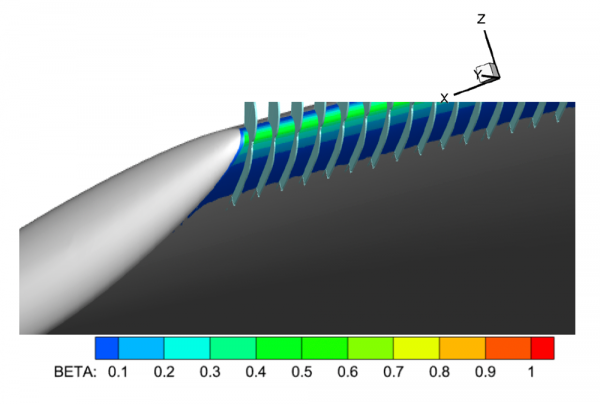
LEWICE3D is a software system capable of predicting the accumulation of ice on three-dimensional aircraft surfaces given the flight and meteorological conditions of an icing cloud.
TADICE
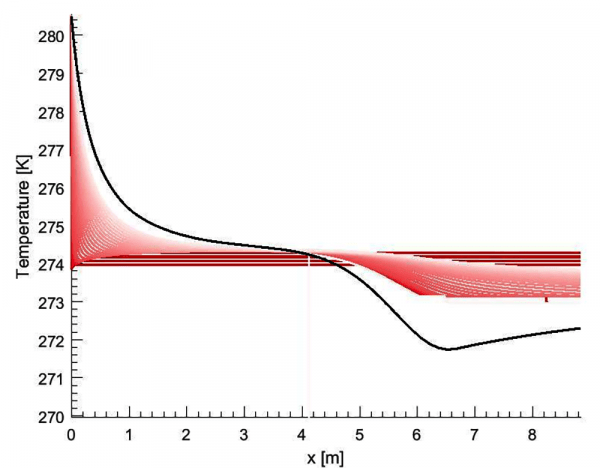
TADICE is a dimensional (1D) numerical model (software) which simulates icing wind tunnels by modeling the thermodynamic interactions between the water/ice particles of an icing cloud and the flowing air.
COMDES-MELT
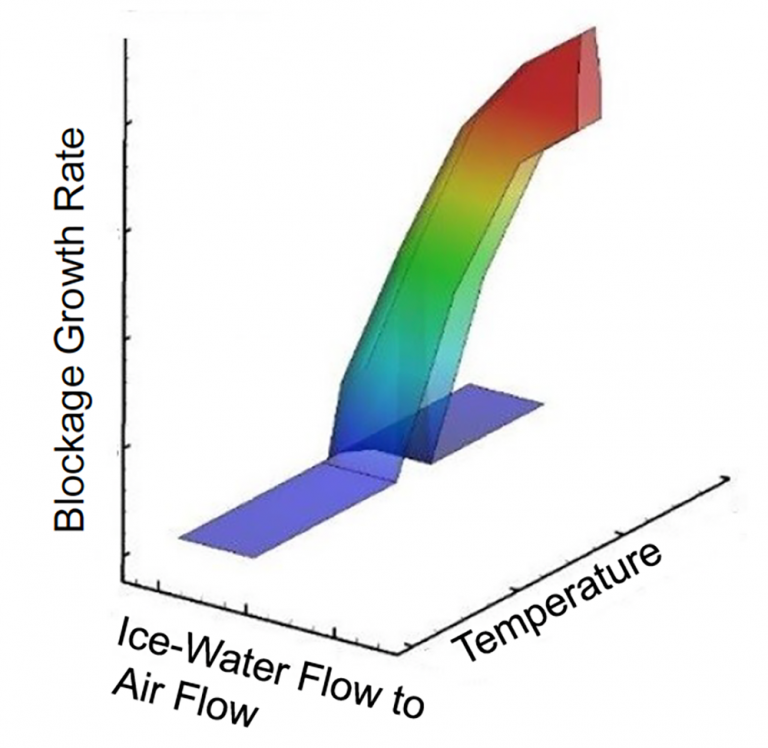
COMDES-MELT, is a mean-line compressor analysis code coupled with an ice crystal thermodynamic state code.
What We're Working On
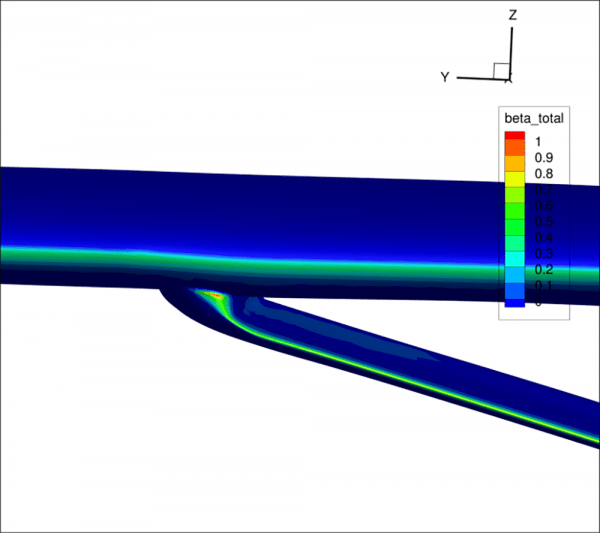
Transonic Truss-Braced Wing
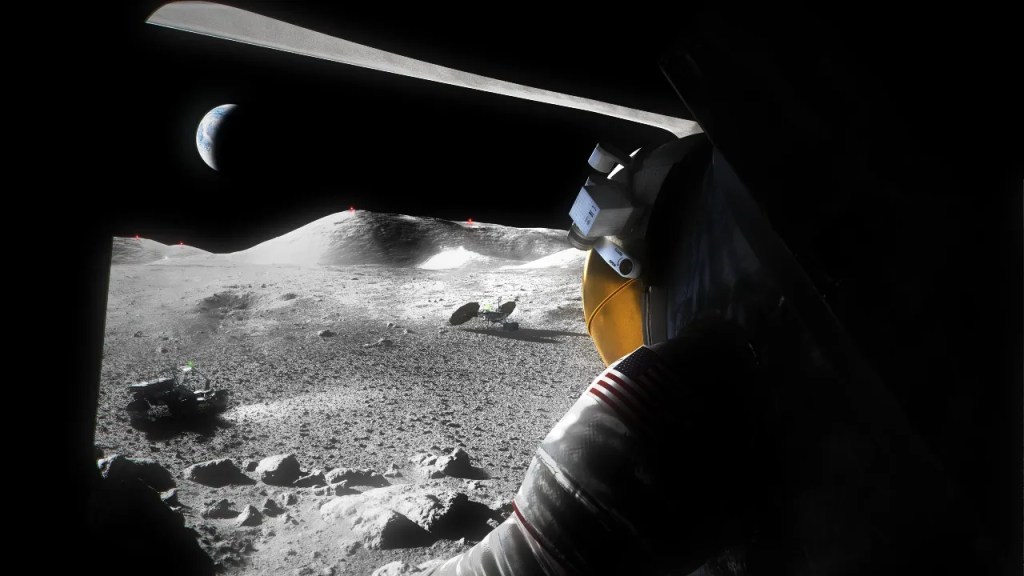
TTBW is a concept aircraft with extra-long, thin wings stabilized by diagonal struts designed to be more fuel efficient than a traditional airliner.
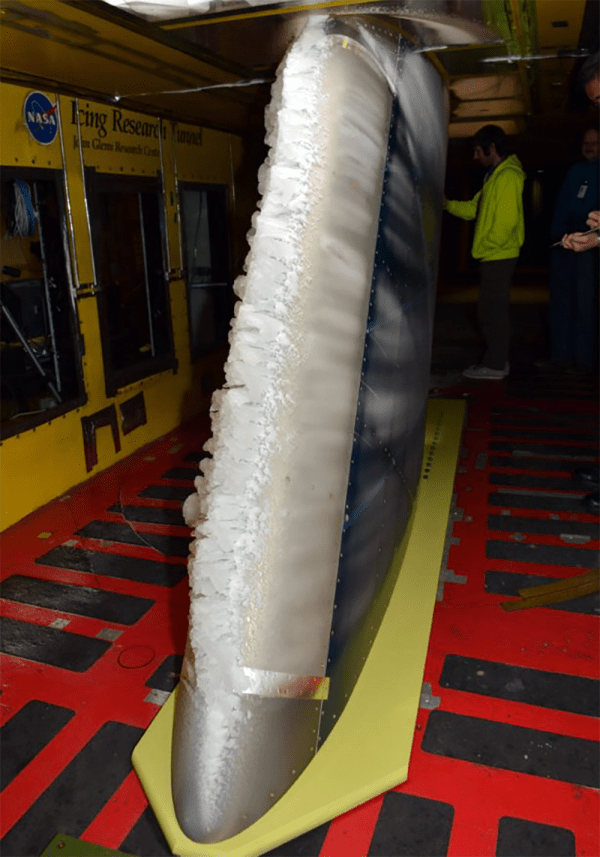
High Lift Common Research Model
The High Lift Common Research Model, in collaboration with Boeing, seeks to predict the dry air aerodynamics around an iced or uniced vehicle.
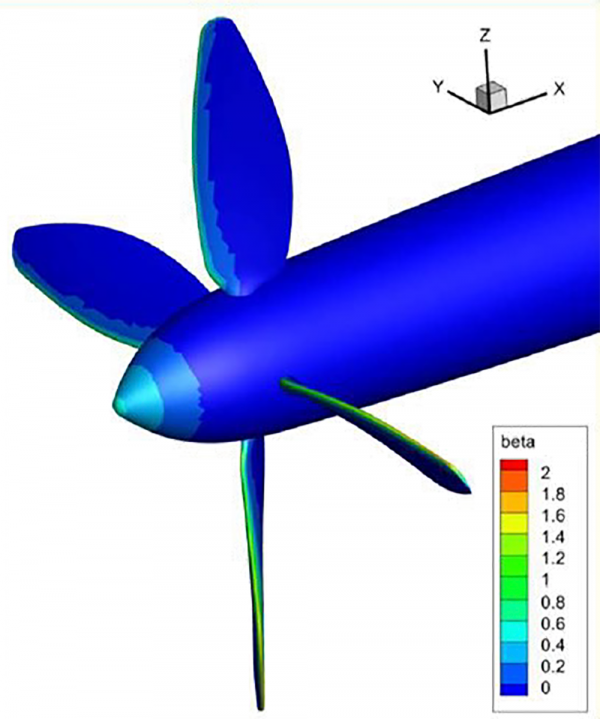
Advanced Air Mobility Icing
Advanced Air Mobility (AAM) is seeking to provide safe, sustainable, and more accessible air transportation services of both people and cargo to augment current ground modes of transportation.
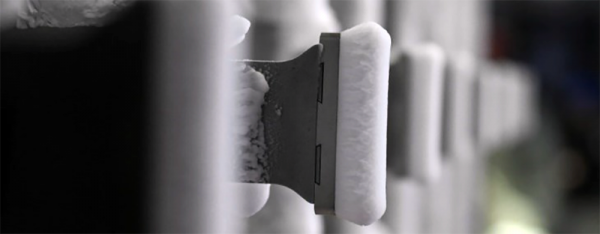
Characterization of Low Ice Adhesion Materials
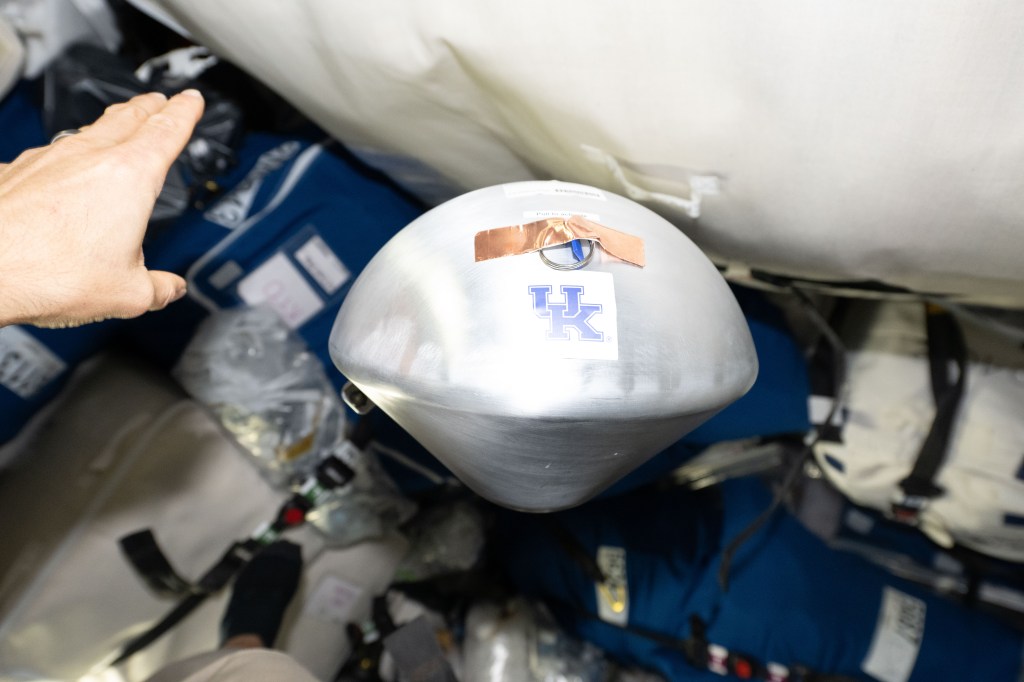
This effort seeks to characterize ice adhesion properties with the ultimate goal of understanding ice shedding and advancing the development of low ice adhesion materials.
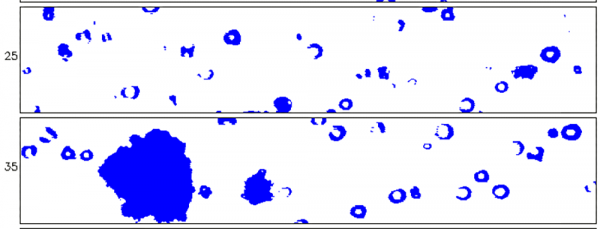
High Ice Water Content (HIWC) Flight Research
The HIWC flight research addresses turbofan engine power-loss and damage events attributed to the ingestion of high concentrations of ice crystals.
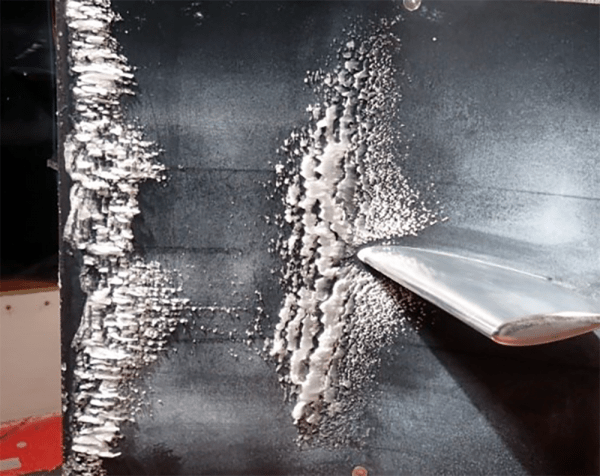
Simulated Inter-compressor Duct Research Model (SIDRM)
The Simulated Inter-compressor Duct Research Model (SIDRM) is a test article whose geometry is representative of an inter-compressor duct and strut region of a turbofan engine.
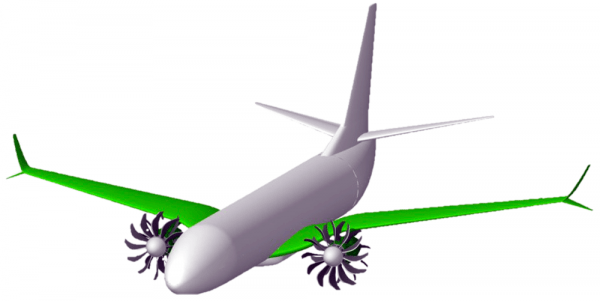
Efficient Quite Integrated Propulsor (EQUIP)
Under the EQUIP Technical Challenge, NASA seeks to develop simulation capabilities to estimate the 3D location, extent, and shedding of ice accretion on next-generation integrated propulsors (ducted or un-ducted).