















Humans in Space
Building on 60 years of exploration experience and more than two decades of continuous human presence on the International Space Station, NASA will expand humanity’s reach deeper into space than ever before.
Years Of Exploration
Active Astronauts
NASA+ Series
Down to Earth
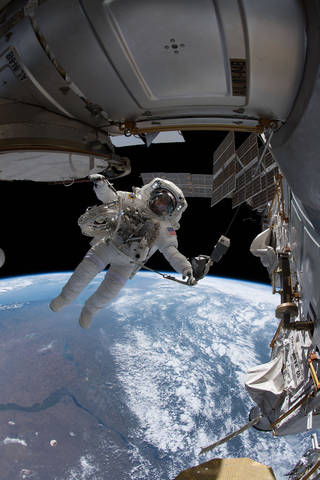
In this original series, NASA astronauts take viewers on a journey to the International Space Station, exploring the life-changing experience of an orbital perspective.
Watch about Down to Earth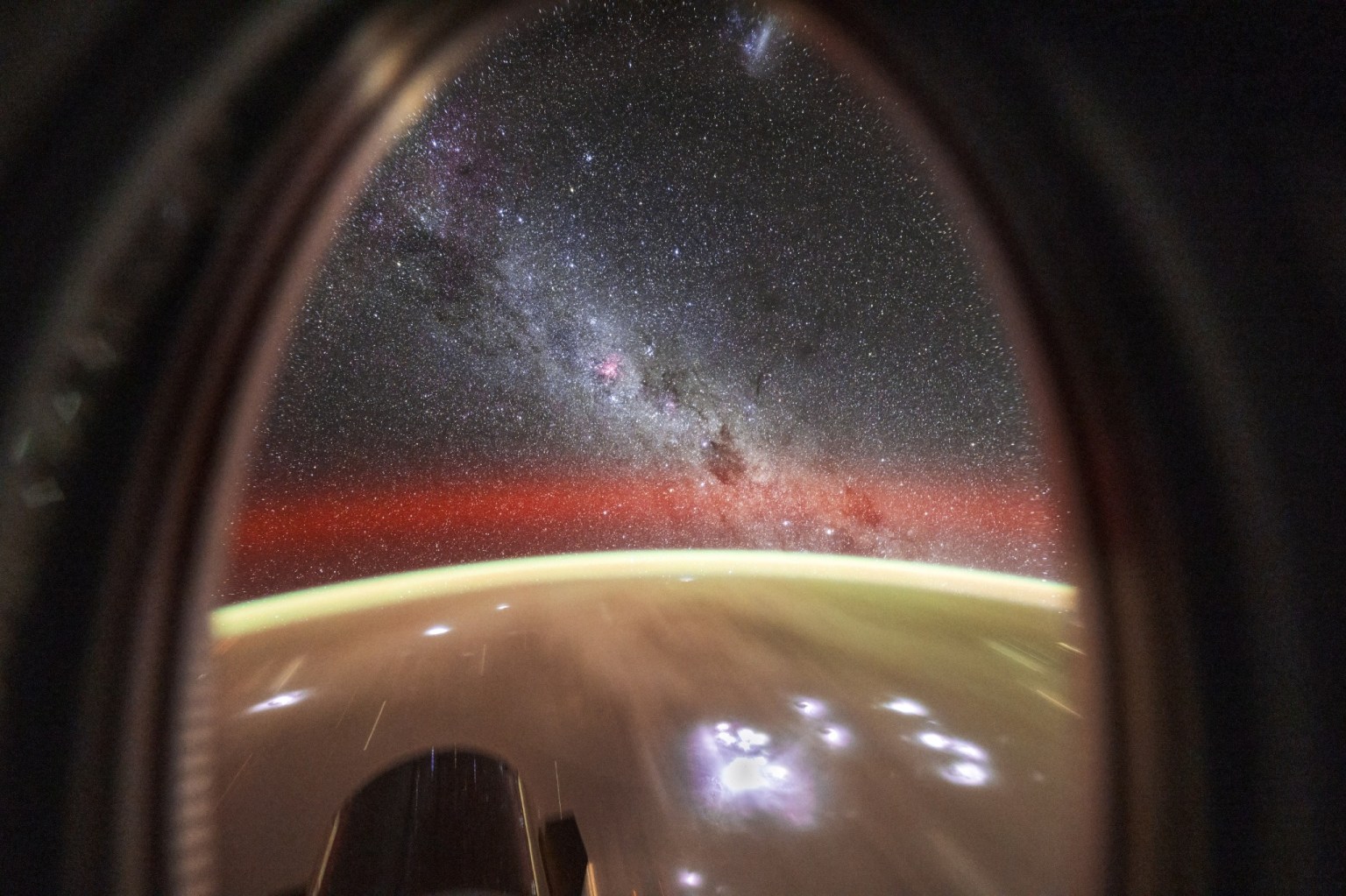
NASA Astronauts
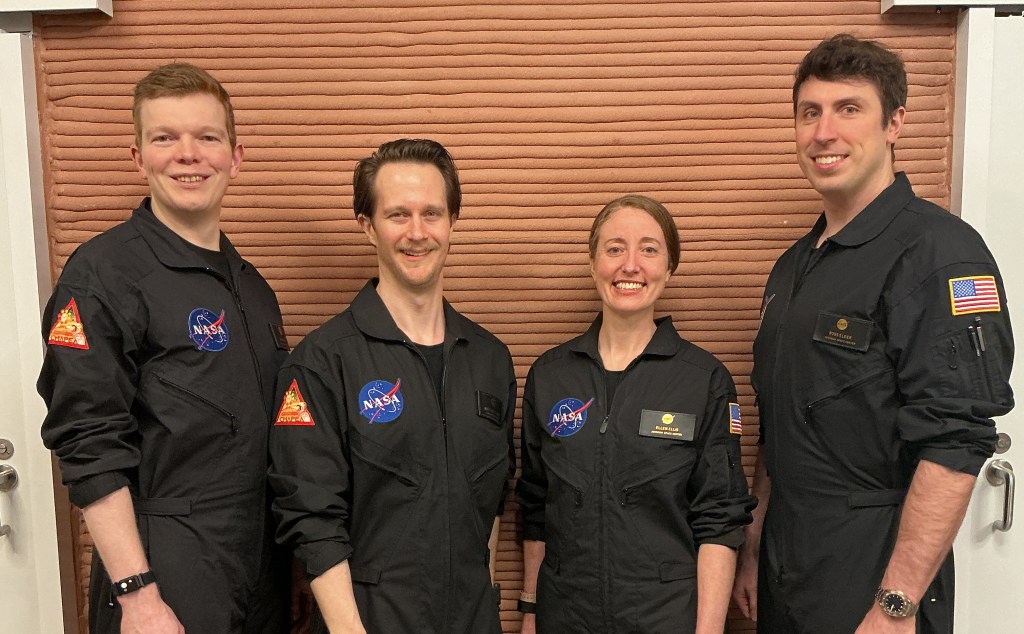
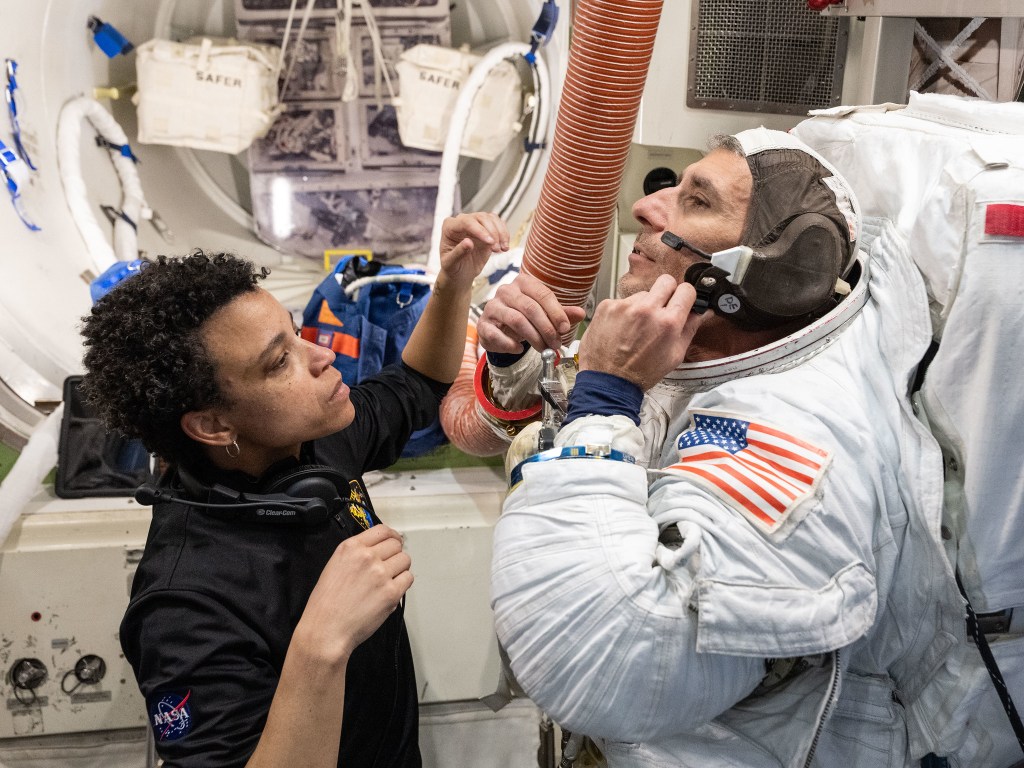
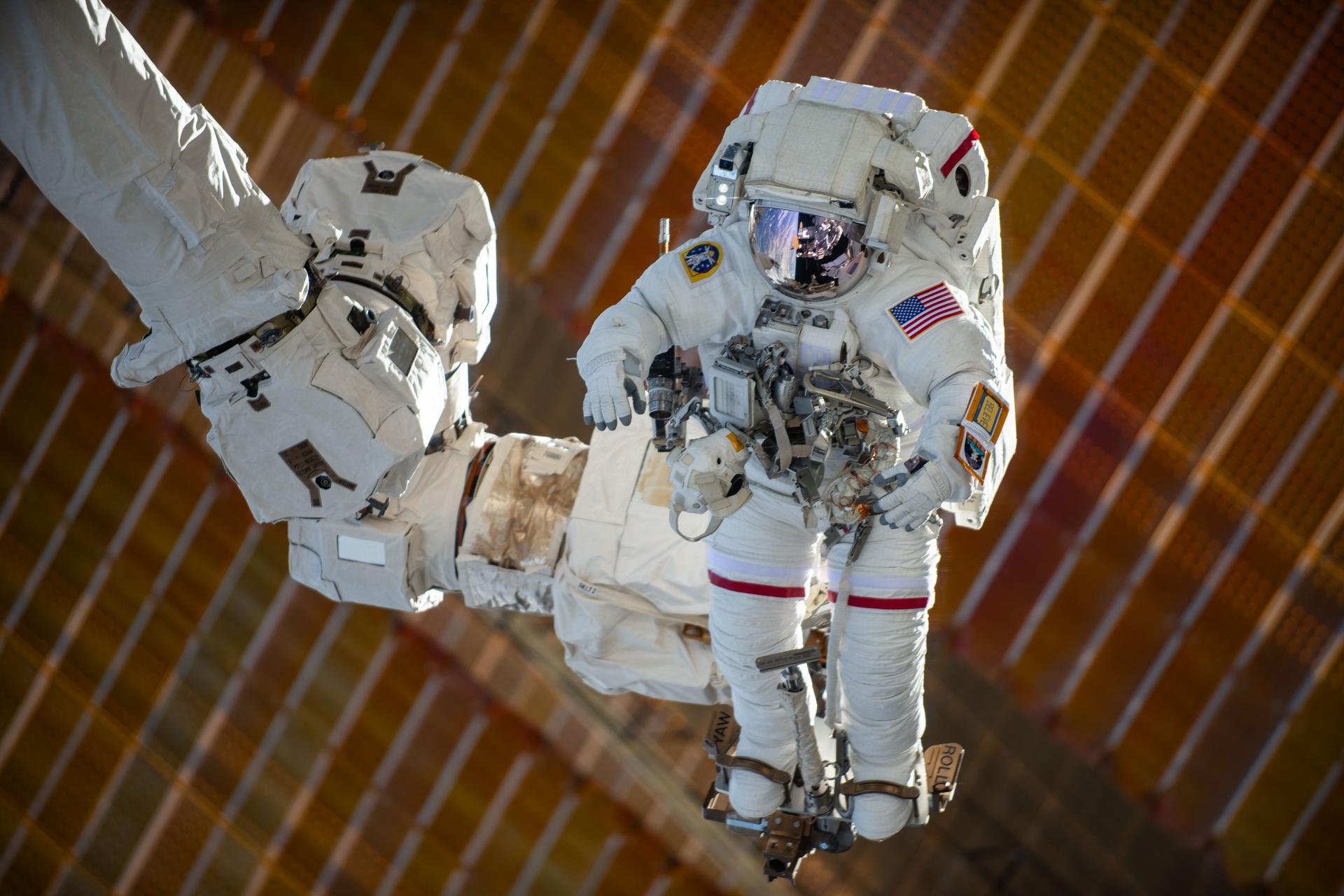
NASA selected the first group of astronauts in 1959. The most recent astronaut candidate group named in Sept. 2025, NASA Class 24, are currently completing training before becoming eligible for flight assignments supporting future science and exploration missions to low Earth orbit, the Moon, and Mars.
Learn More about NASA Astronauts
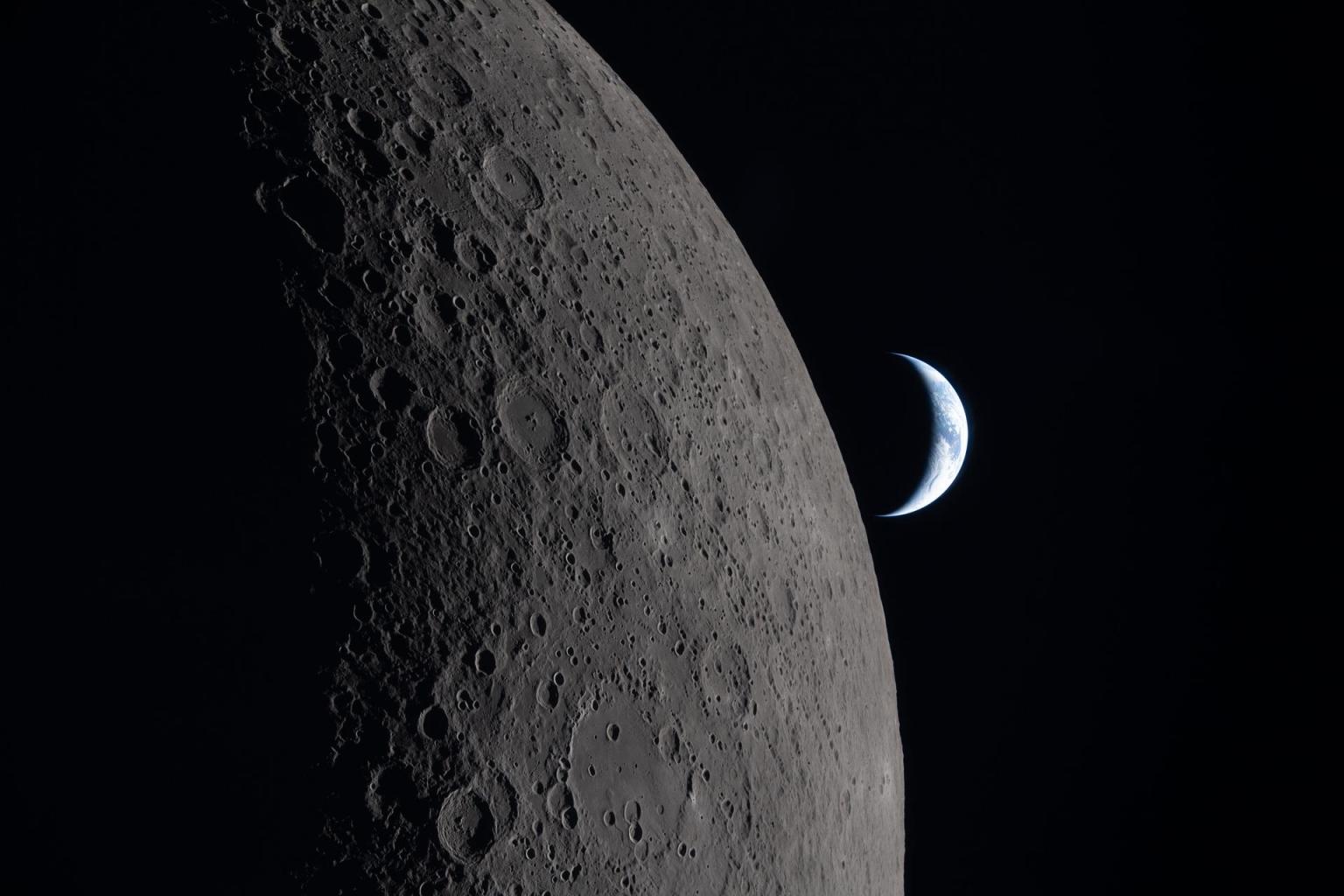
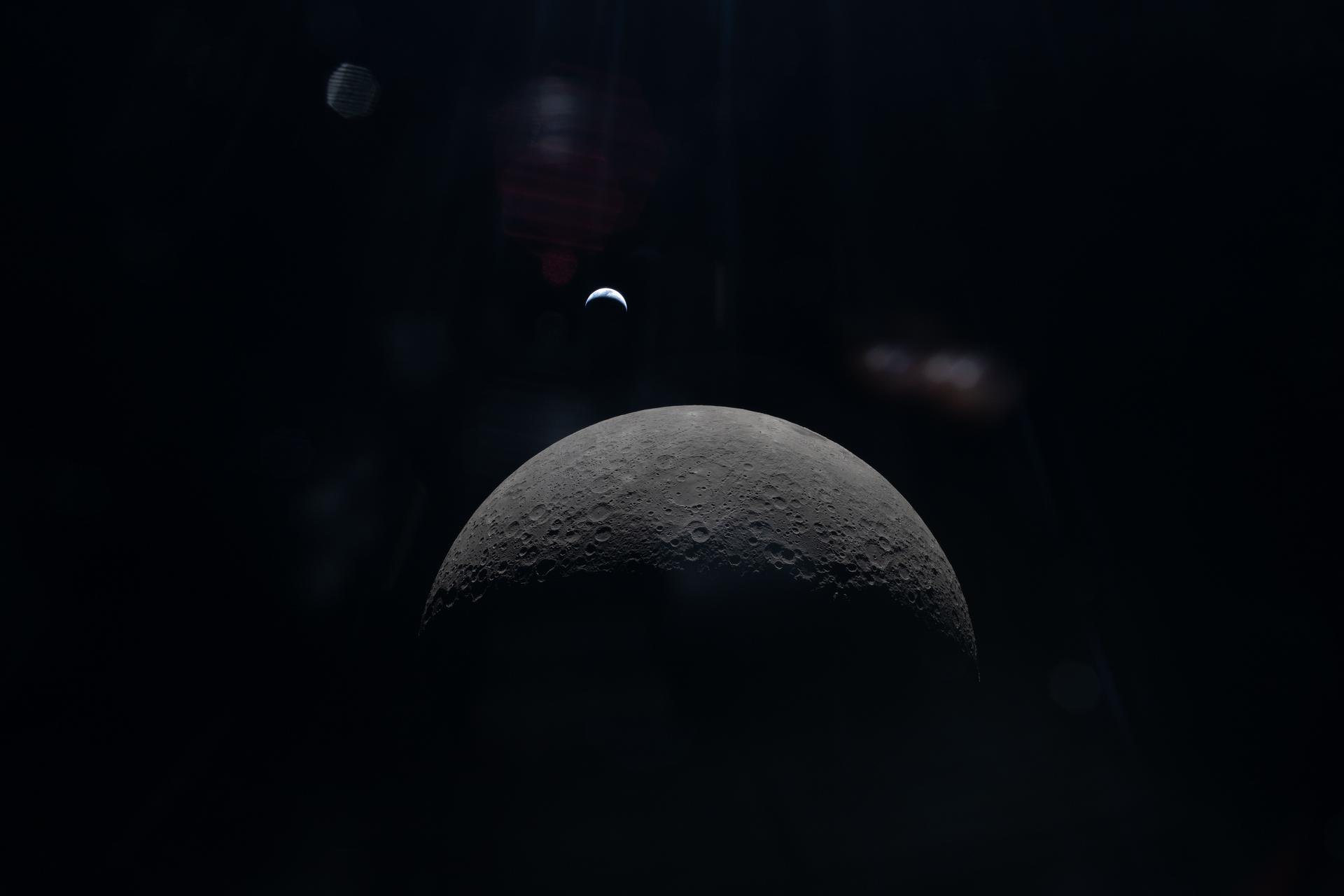
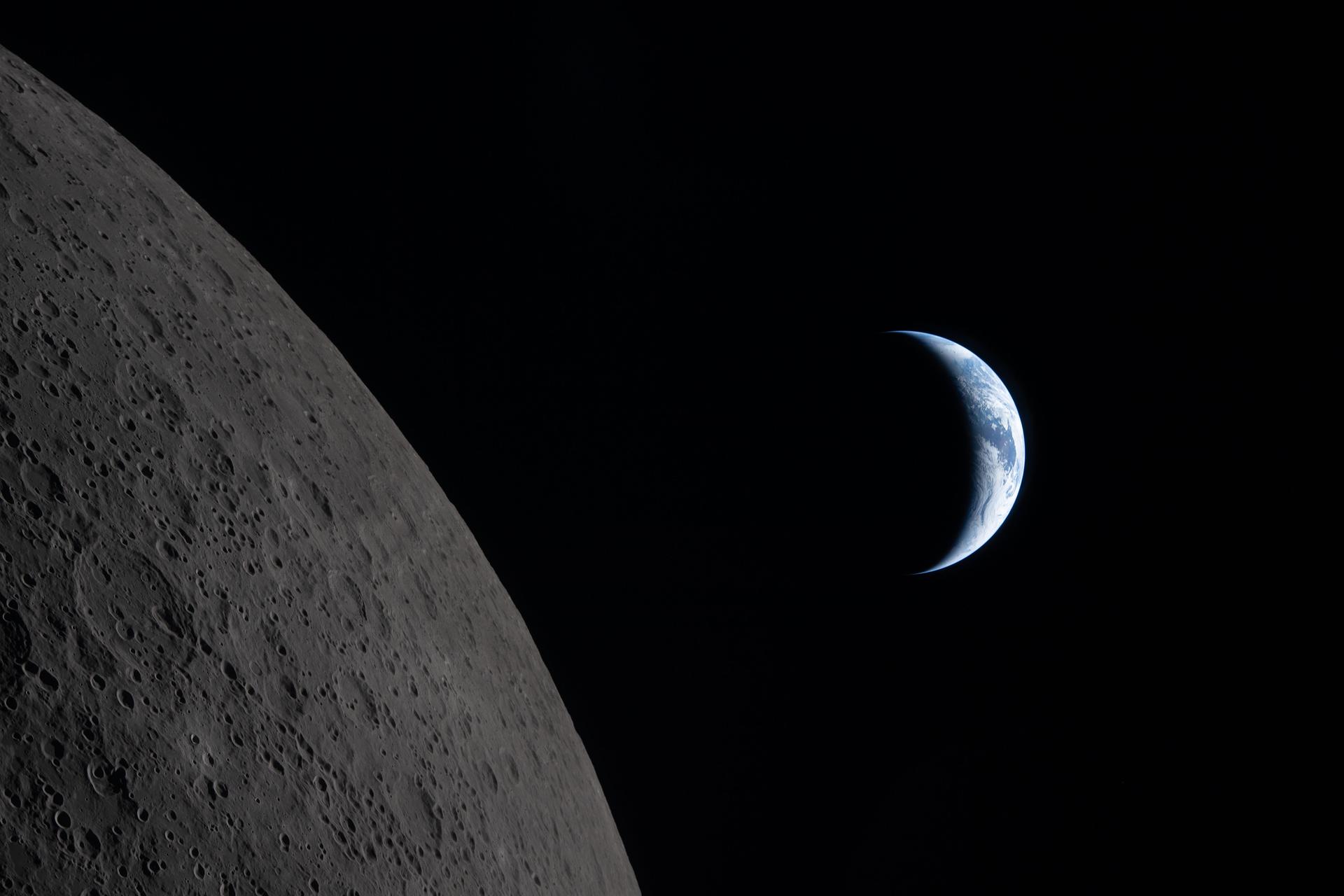
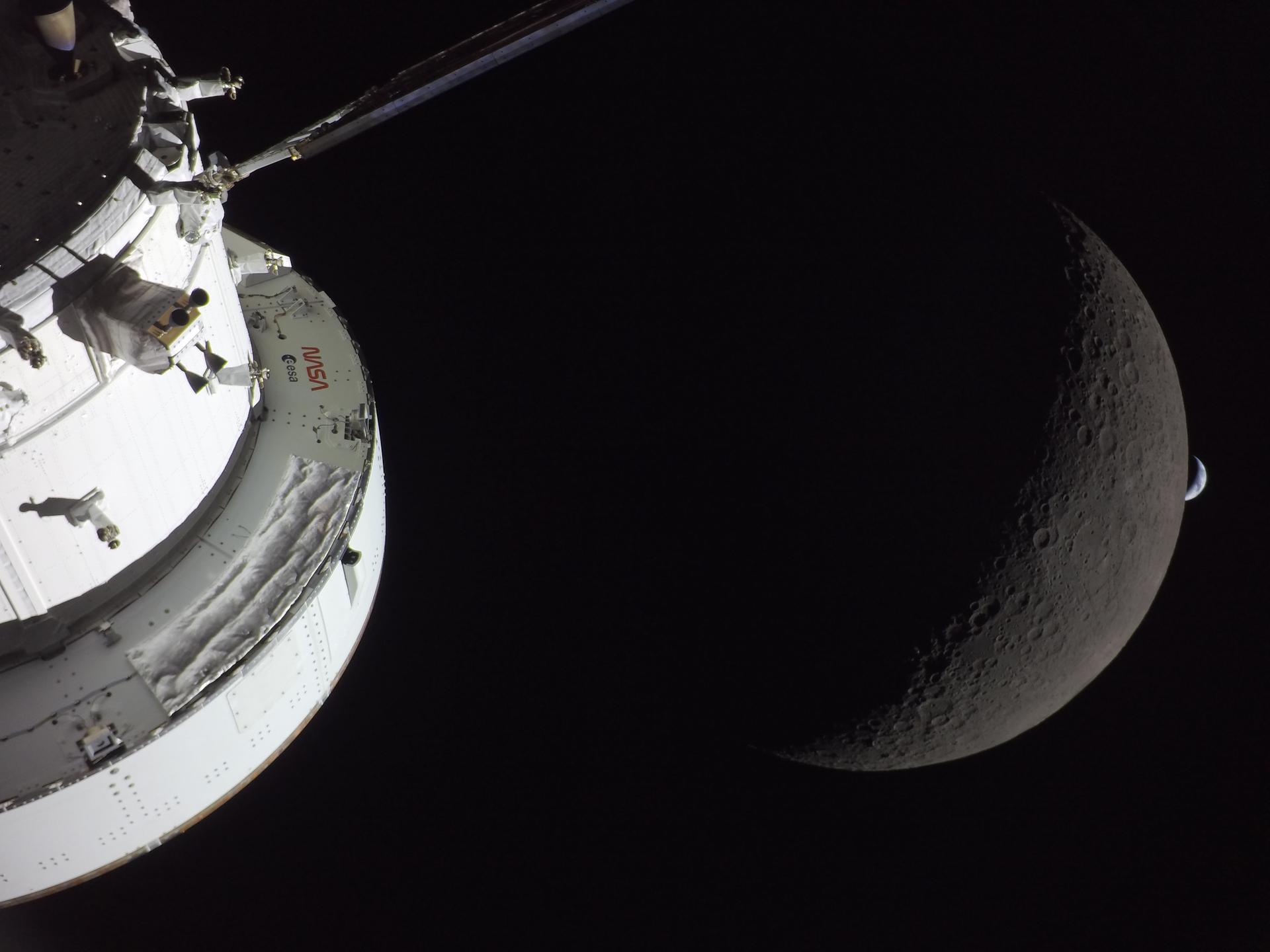
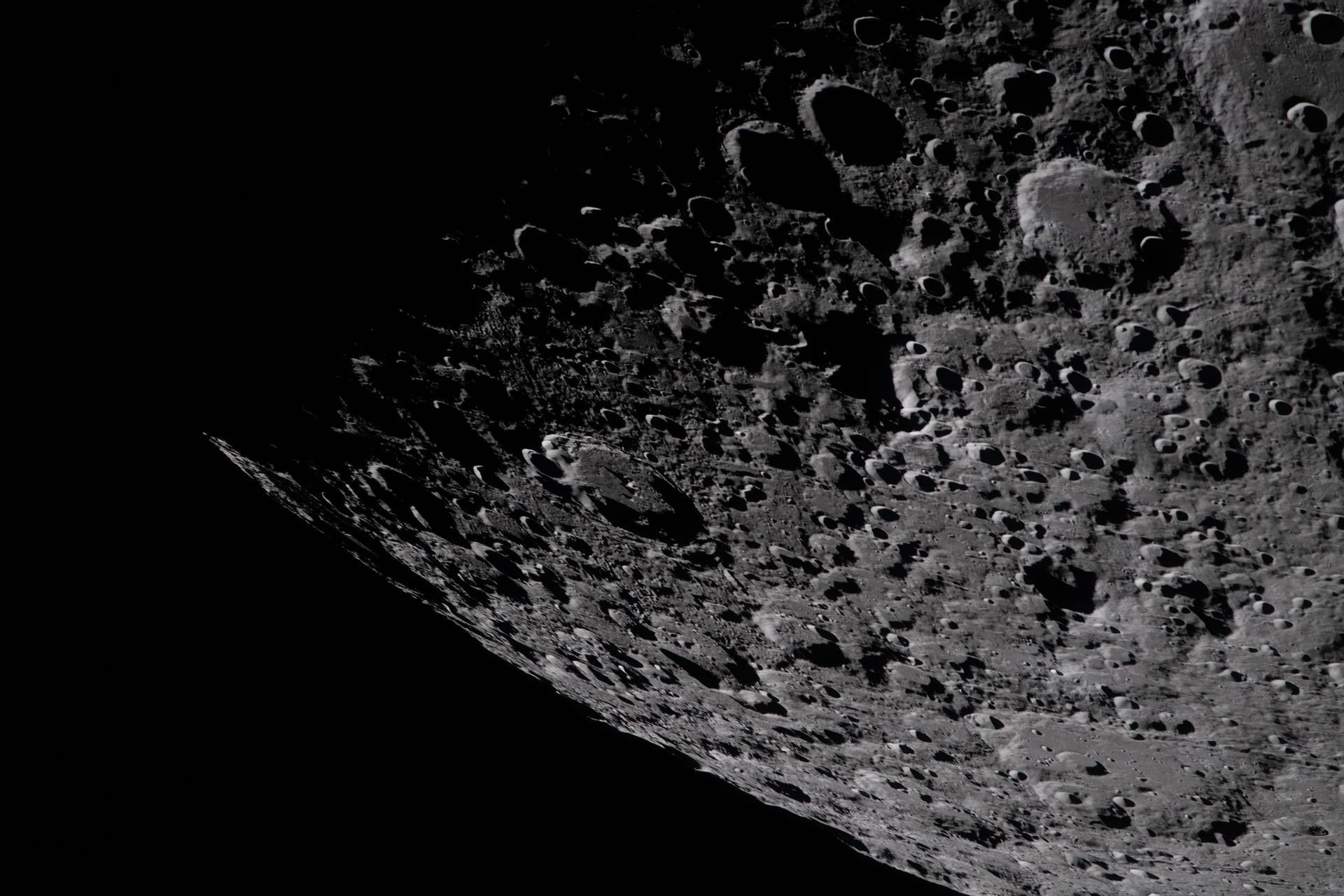
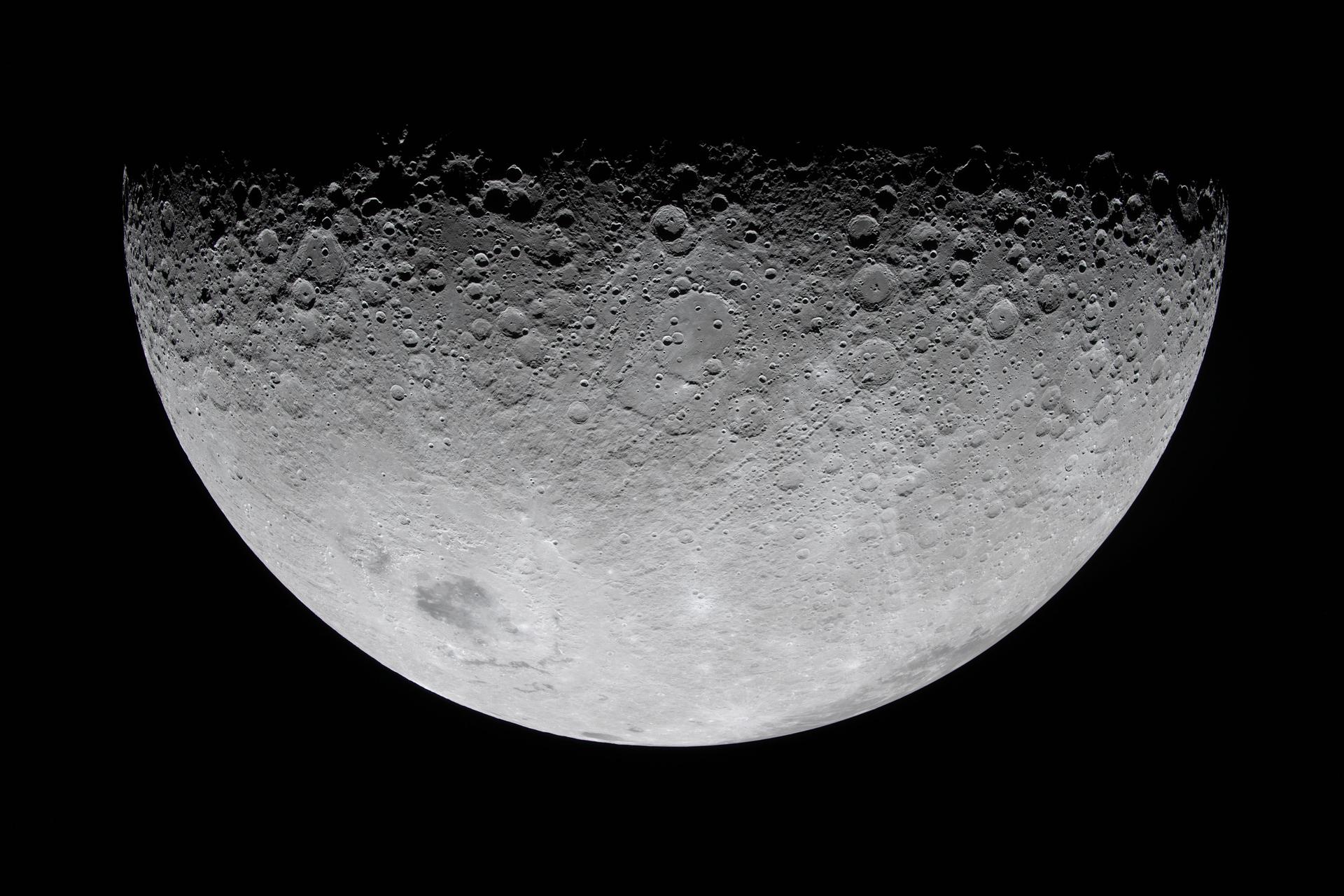
Artemis II Lunar Flyby



Humans in Space
Human Spaceflight
The Human Spaceflight Mission Directorate leads NASA’s human spaceflight and space-enabling activities across low Earth orbit, the Moon, and beyond. The directorate provides unified leadership for the agency’s systems, operations, and architectures to deliver on the next era of human spaceflight.
Learn More about Human Spaceflight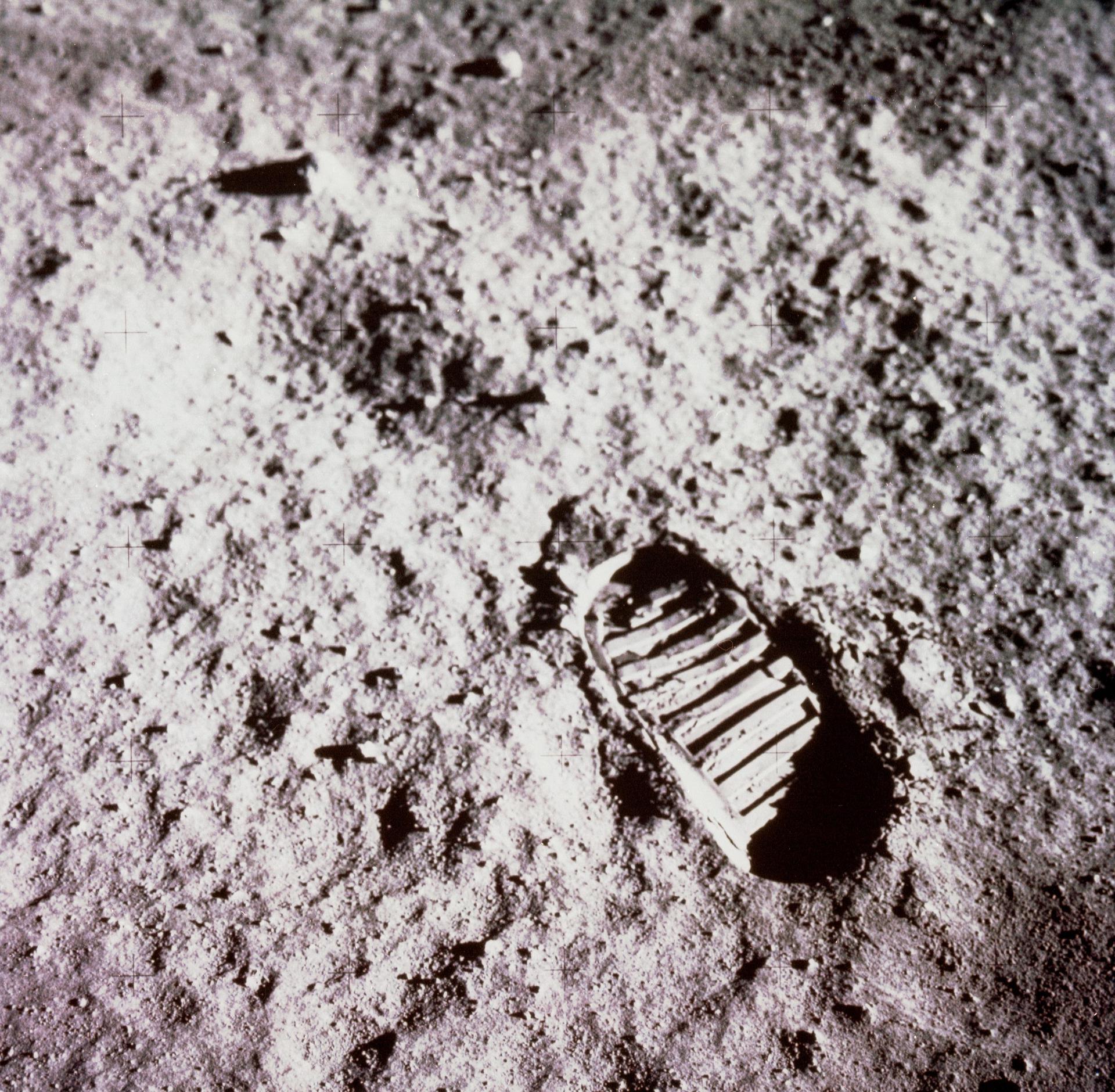
Featured Missions
Expedition 75
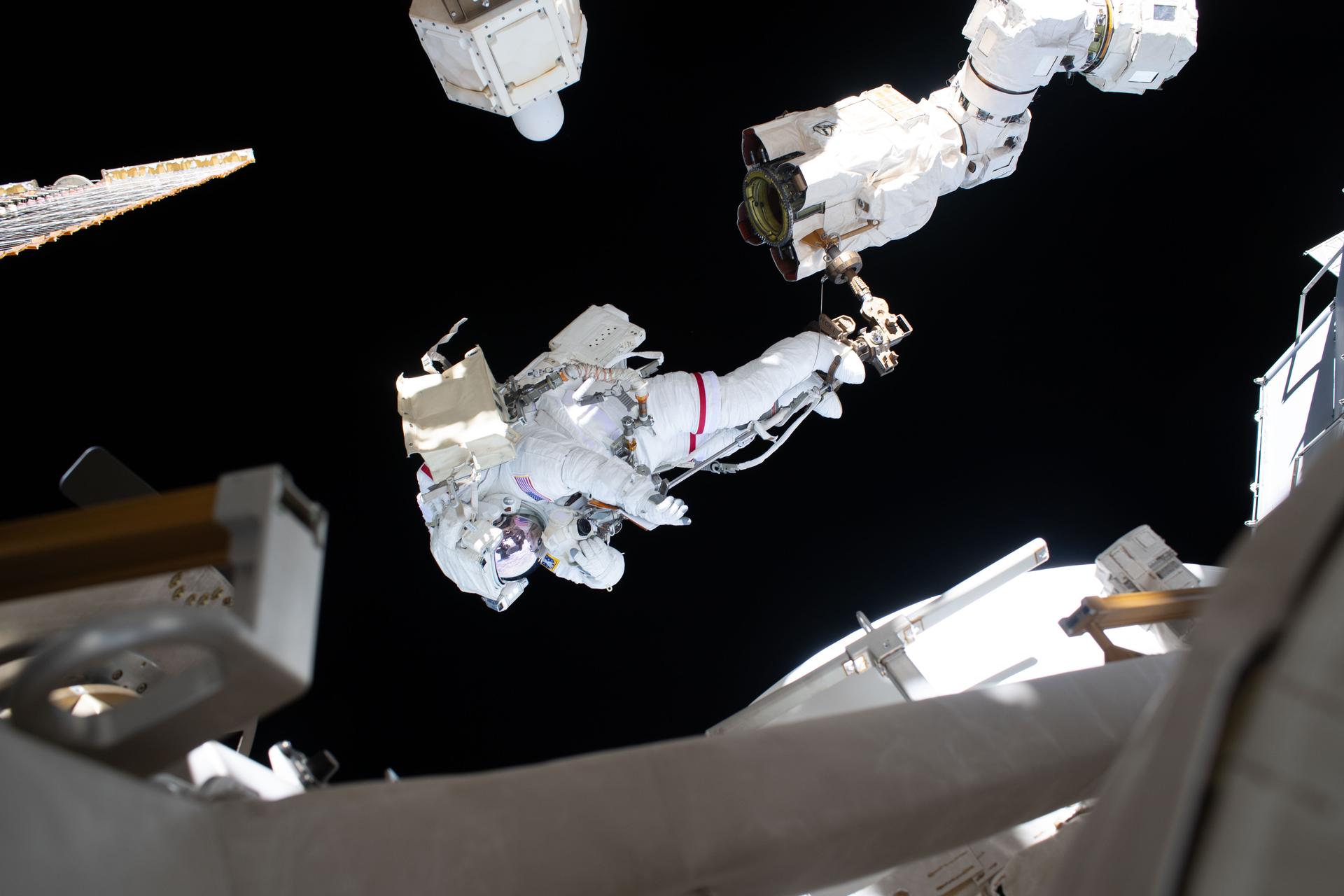
Expedition 75 began on July 26, 2026, and will end in spring 2027. The crew will participate in cutting‑edge science happening off Earth — from pioneering in‑space manufacturing and testing augmented‑reality, AI‑powered health tools to advancing the frontier of bioprinting human tissue in microgravity.
Artemis III
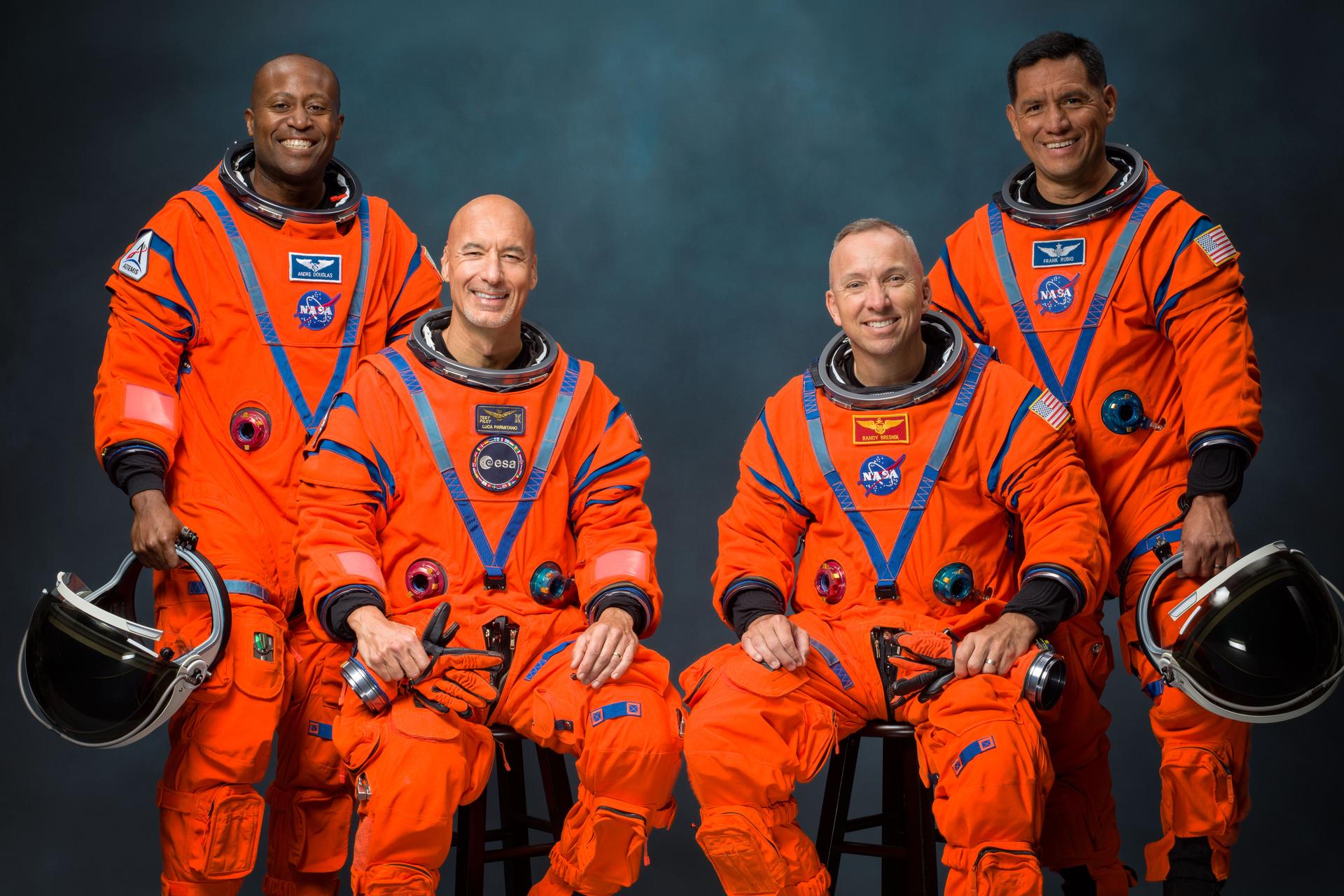
Artemis III will carry out a series of objectives in low Earth orbit designed to demonstrate critical systems needed for future lunar landings, beginning with Artemis IV. During the mission, the SLS (Space Launch System) rocket will launch four crew members aboard the Orion spacecraft from Kennedy Space Center in Florida.
Moon Base
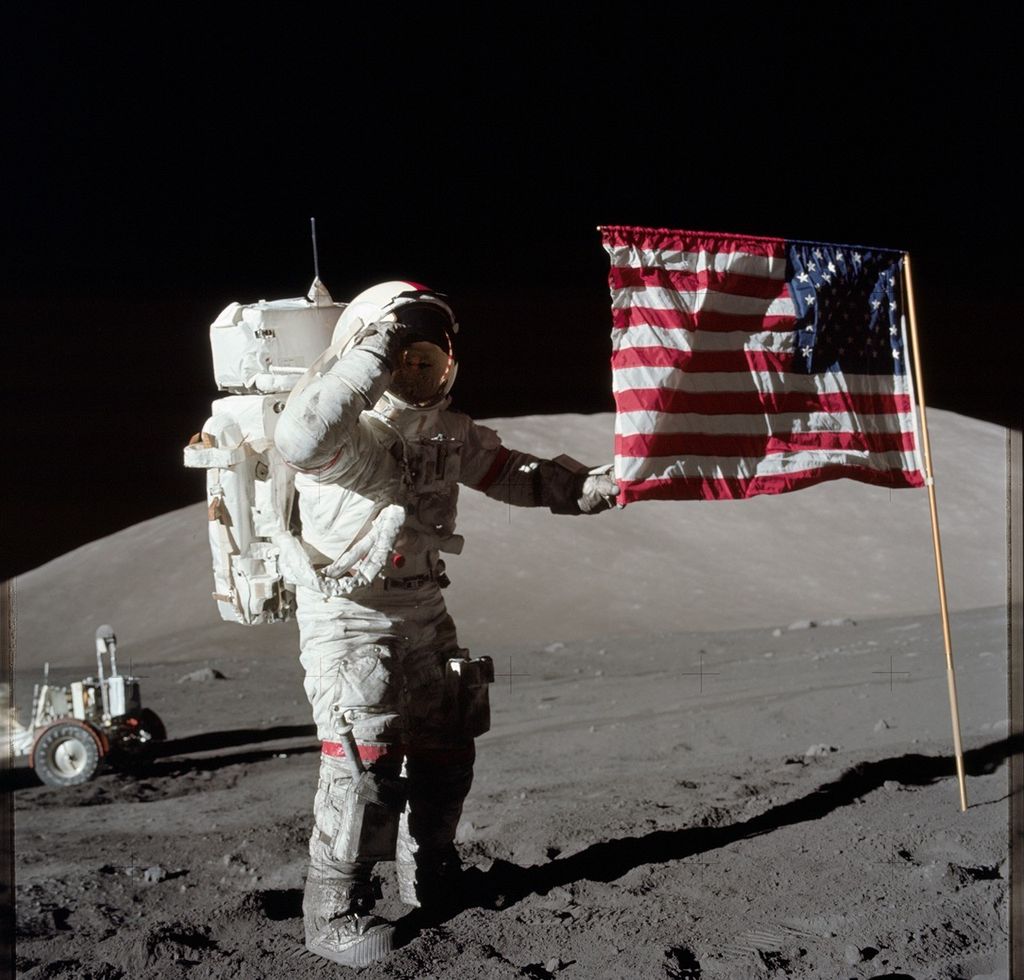
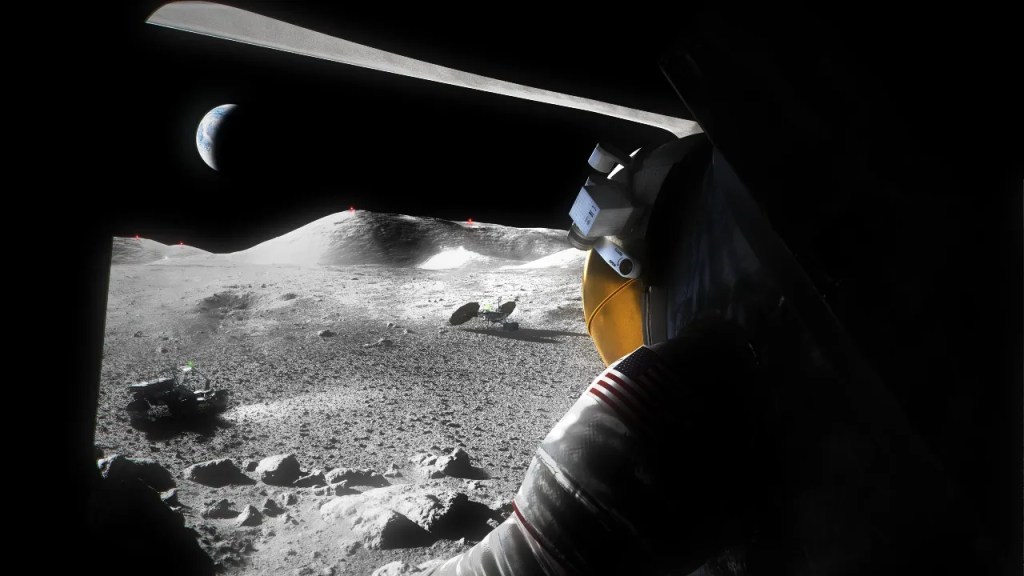
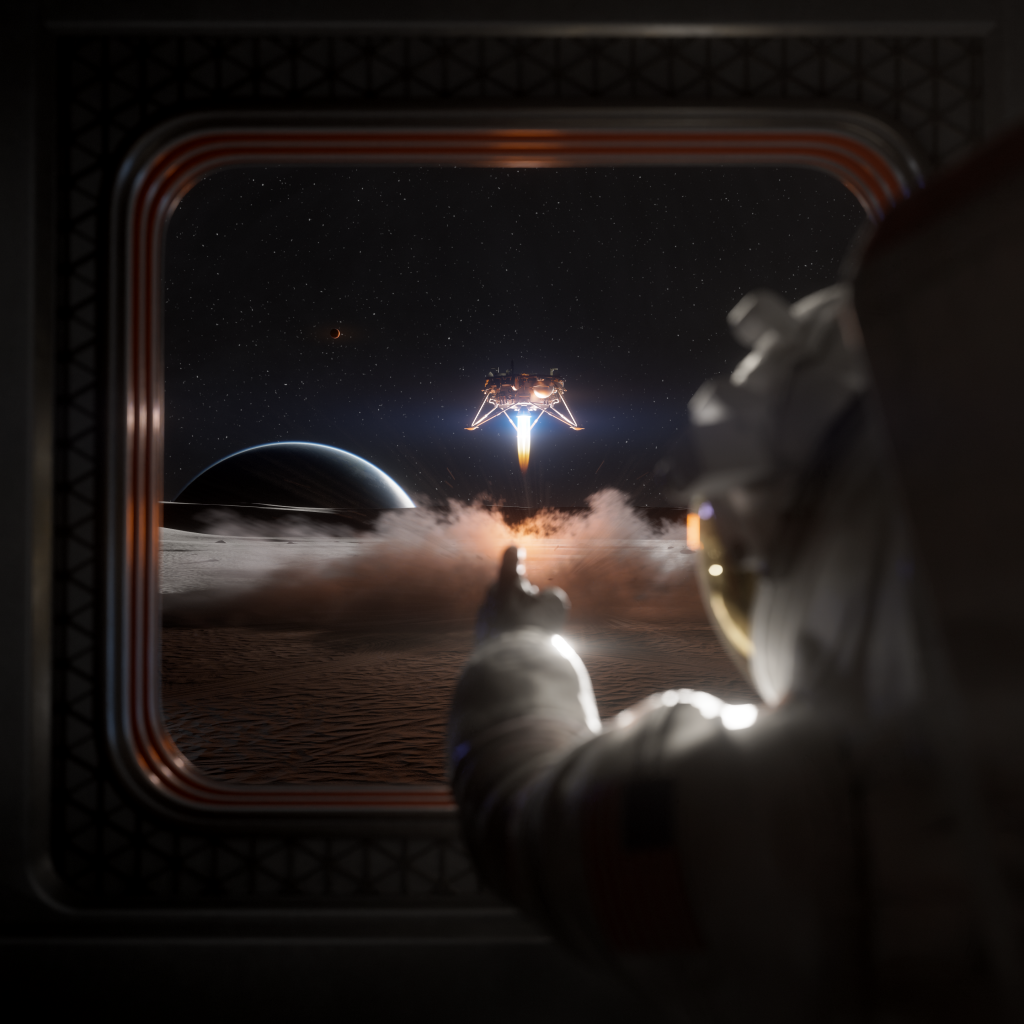
The Moon Base is humanity’s first lunar outpost, a place where astronauts will live, work, and explore near the Moon’s South Pole. Through a series of crewed and uncrewed missions, NASA and its partners will build the infrastructure needed to support an enduring human presence on the Moon, unlock new scientific discoveries, and prepare for future exploration of Mars.