











NASA State Hubs for Skilled Technical Workforce
Advancing NASA’s Skilled Technical Workforce Through Partnership and Innovation
The rapid expansion of the space economy and renewed national priorities in human space exploration have created an urgent demand for a robust skilled technical workforce—individuals in critical science- and engineering-based roles who do not require a bachelor’s degree. To address nationwide shortages and ensure U.S. competitiveness in aerospace and defense, NASA’s Office of STEM Engagement is launching the NASA Aerospace Skilled Technical Workforce Hubs initiative.
State Hub Awardees
NASA has established state or regionally focused hubs that will serve as strategic centers for developing and sustaining a skilled technical workforce aligned with aerospace industry and NASA mission needs. Serving as a focal point for NASA, a state’s Hub facilitates coordination between NASA industry partners, education providers, and state/regional economic development agencies to accelerate workforce readiness efforts by creating clear pathways for students to pursue high needs skilled technical workforce careers.
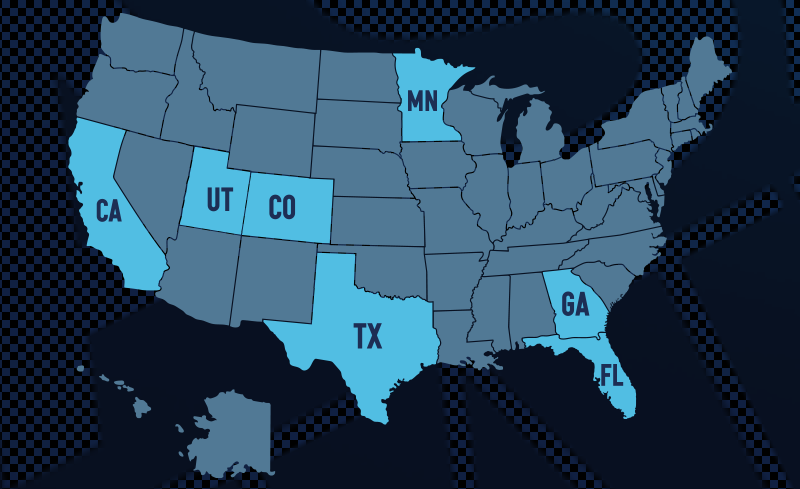
Antelope Valley Community College District is building a regionally grounded aerospace workforce ecosystem designed to meet urgent industry needs through the Southern California NAS_Hub. The initiative creates clear, stackable pathways that guide learners from high school career and technical education into hands-on college programs, micro-internships, cooperative education, registered apprenticeships, and direct employment in high-demand aerospace roles. Led by Antelope Valley College with key partners MiraCosta College and Pasadena City College, the Hub is structured to rapidly produce job-ready technicians who can support NASA missions and the broader aerospace industry.
The Hub closes a growing skilled technical workforce shortage in NASA-connected aerospace supply chains by developing and validating industry-aligned credential pathways across 11 disciplines, including composites fabrication, non-destructive inspection, precision metrology, machining, electronics, and more. Curricula are shaped by an Industry Curriculum Advisory Panel with faculty and employer representatives from NASA-connected aerospace employers. Together, these institutions anchor a coordinated model that connects learners to high-value technical careers aligned with NASA’s needs.
The Hub will expand aerospace-aligned training programs, increase apprenticeships and internships, strengthen early career awareness for high school students, and integrate NASA mission content and faculty development to ensure graduates understand how their skills contribute to Artemis and other national priorities. Guided by a regional convening infrastructure and supported by dissemination tools, the Hub will document its progress through annual reports, educator and employer resources, and a toolkit for peer colleges. Antelope Valley will also leverage its partnerships with NASA Armstrong Flight Research Center, NASA Ames Research Center, Jet Propulsion Laboratory, and major aerospace employers to inspire young learners and build strong pipelines into postsecondary aerospace training.
Georgia Tech, in partnership with the Georgia Space Grant Consortium, Technical College System of Georgia, Georgia Southern University, Georgia College and Career Academies, and leading aerospace employers, is launching the Southeast Space Technology & Aerospace Readiness Skills (SE-STARS) Hub to expand Georgia’s skilled technical workforce supporting NASA missions.
SE-STARS operates as a coordinated statewide system, scaling Georgia Tech’s Starfleet Academy space-relevant technical courses and aligning them with diploma and certificate pathways across technical colleges and career academies. The program delivers more than three dozen hands-on courses in avionics, propulsion, advanced manufacturing, systems testing, machining, and assembly, ensuring students gain employer-validated skills for the aerospace industry. Instructor capacity is strengthened through annual “Teach the Teacher” institutes, preparing educators to deliver space-focused modules with ongoing mentorship and support.
Technical College System of Georgia’s 22 colleges and 88 campuses serve as regional instructional hubs, providing equitable access to training and connecting students to industry internships and apprenticeships. Georgia Southern University engages thousands of K–12 and technical college-bound learners through experiential STEM programming, hands-on labs, and paid apprenticeships targeting advanced manufacturing and robotics.
Industry partners, including the Georgia Aerospace & Defense Alliance, Space Force, GE Aerospace, and NASA centers, help shape curriculum and connect students to real-world opportunities. The program leverages Georgia Tech’s Advanced Manufacturing Pilot, which operates high school engineering labs as testbeds for space-focused, project-based learning.
Over three years, SE-STARS will prepare curriculum, onboard instructors, place students in internships, and scale up credentialing and dissemination. An independent evaluator will guide continuous improvement through regular reporting. By linking Georgia Tech expertise, statewide delivery capacity, NASA and industry engagement, and experiential learning, SE-STARS is establishing a scalable workforce model that strengthens NASA’s technical talent pipeline across Georgia and the Southeast.
Minnesota is building a statewide aerospace workforce ecosystem designed to meet urgent national needs through the Minnesota Aerospace Skilled Technical Workforce Hub (MnASTW). The initiative creates clear, stackable pathways that guide learners from high school career and technical education into hands‑on college programs, registered apprenticeships, security‑clearance readiness training, and direct employment in high‑demand aerospace roles. Led by the Minnesota State Transportation Center of Excellence with key partners across the state’s college system, the Hub is structured to rapidly produce job‑ready technicians who can support NASA missions and the broader aerospace industry.
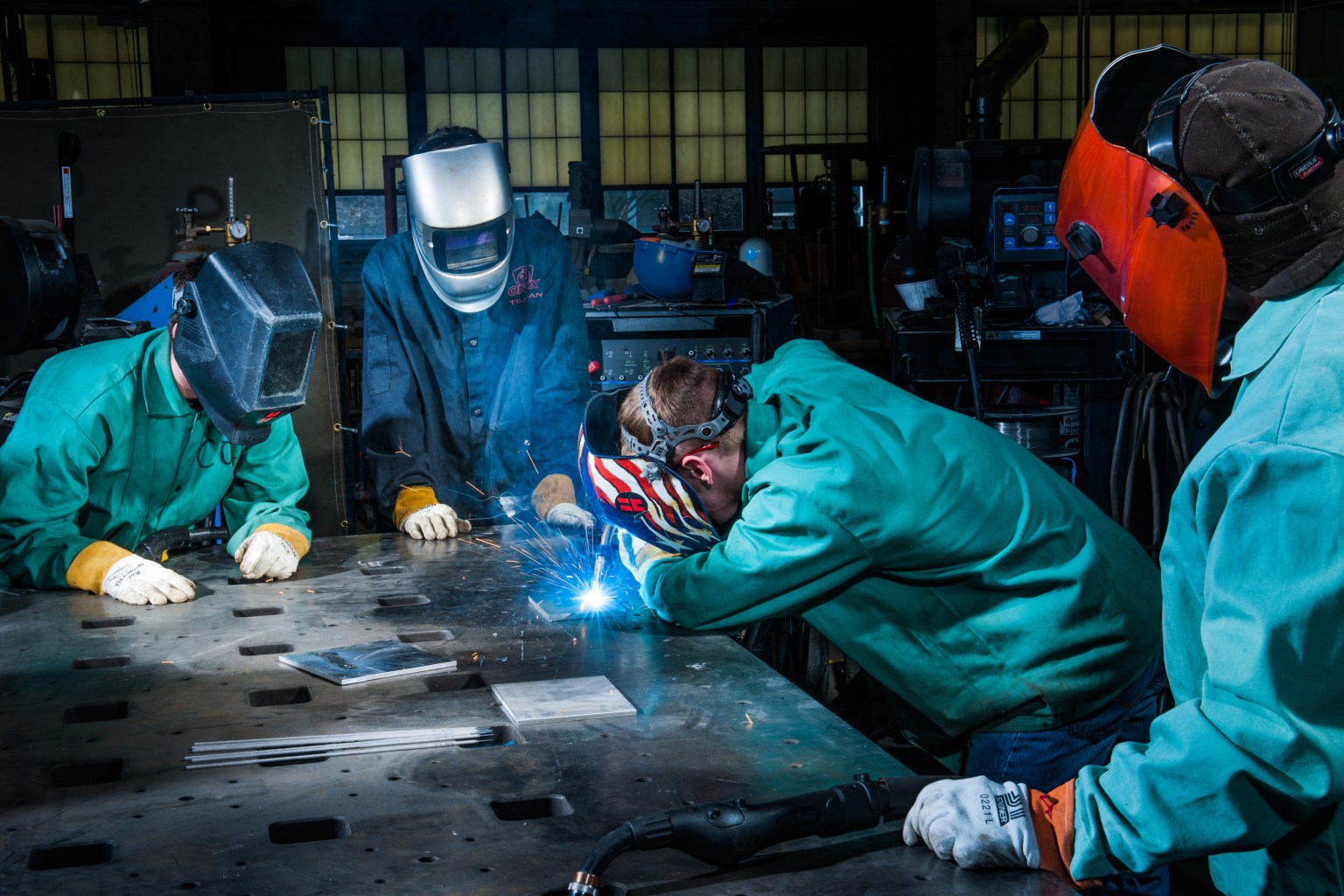
Minnesota’s strong technical college network provides a powerful foundation for this work. Dakota County Technical College contributes leading welding and advanced manufacturing programs, Pine Technical & Community College expands capacity in machining, automation, and robotics, and Ridgewater College offers nationally recognized Nondestructive Testing pathways closely connected to major aerospace employers. Together, these institutions anchor a coordinated model that connects learners to high‑value technical careers aligned with NASA’s needs.
The Hub will expand aerospace‑aligned training programs, increase apprenticeships and internships, strengthen early career awareness for high school students, and integrate NASA mission content and faculty development to ensure graduates understand how their skills contribute to Artemis and other national priorities. Guided by a statewide advisory structure and supported by shared data tools, the Hub will document its progress through annual reports, educator and employer resources, and a national replication toolkit. Minnesota will also leverage its FutureForward Welding Competitions to inspire young learners and build strong pipelines into postsecondary aerospace training.
Southern Utah University is establishing a statewide coordination system to align aerospace employers, educators, and workforce agencies around employer-validated pathways into skilled technical aerospace careers. The Utah NASA Aerospace Skilled Technical Workforce Hub (Utah NAS_Hub) connects high school career and technical education, postsecondary programs, and industry partners to build a robust pipeline supporting NASA and aerospace employers across Utah.
The Hub leverages the Utah Aerospace & Manufacturing Pathways (UAMP) Program, the convening capacity of 47G, and direct engagement with NASA Centers and Vertical Aviation International to create a data-driven workforce alignment system. Through collaborative partnerships, the Hub integrates K-12 initiatives like NASA HUNCH, launches the Aviation Launchpad (Build, Fix, and Fly pathways), and forms an Employer Advisory Group to ensure workforce needs are at the center of every design decision.
Over three years, the Hub will establish coordination infrastructure, pilot employer-validated skill mapping, convene the Aerospace Workforce Alignment Summit, and scale Aerospace Launchpad cohorts. Employer hiring agreements tied to validated competencies will support job placements and long-term sustainability. The initiative aims to connect learners with hands-on coursework, facilitate direct job placements, and foster industry-recognized certifications. By engaging thousands of students and educators statewide, the Utah NAS_Hub is strengthening Utah’s position as a leader in aerospace workforce development and ensuring a steady flow of talent for NASA and its partners.
Key partners include 47G Utah Aerospace and Defense, Northrop Grumman, Utah Space Grant, Southwest Technical College, Snow College, Talent Ready Utah, Iron County School District, Washington County School District, and Beaver County. The Hub is also actively pursuing engagement with NASA HUNCH.in aerospace workforce development and ensuring a steady flow of talent for NASA and its partners.
Space Florida is advancing a statewide aerospace workforce vision through Project ORBIT, an effort designed to connect Florida’s many education, training, and industry systems into a unified strategy that supports NASA’s mission needs. By coordinating federal, state, and regional workforce partners, Project ORBIT works to ensure Floridians can develop the in‑demand technical skills needed across aerospace, advanced manufacturing, semiconductors, cybersecurity, and other related industries. This integrated approach creates clear, frictionless pathways for learners to move from career exploration into high‑quality training programs, internships, pre‑apprenticeships, and registered apprenticeships that align with industry‑validated skills and credentials.
At the center of this work is a strong network of partners, including state agencies, workforce boards, technical colleges, universities, and numerous industry leaders connected to Kennedy Space Center. Through continued convenings with employers and education partners, Project ORBIT helps identify essential technical competencies, recommend timelines for skill attainment, and support training providers as they expand programs that meet current and emerging aerospace workforce needs. This collaboration strengthens opportunities for middle and high school students, increases enrollment in key career and technical education programs, and expands hands‑on learning experiences that prepare learners for high‑growth fields critical to Florida’s aerospace sector.
Project ORBIT will also create a statewide talent portal that allows individuals to showcase their skills, credentials, and work‑based learning experiences to aerospace employers. By making it easier for Florida’s companies to identify and hire qualified talent, the initiative supports both NASA’s mission objectives and the long‑term growth of the region’s aerospace ecosystem. Through these coordinated efforts, Space Florida aims to generate a robust skilled technical workforce that meets the evolving needs of Kennedy Space Center and strengthens Florida’s position as a national leader in aerospace workforce development.
State Board for Community Colleges and Occupational Education, hosted by Arapahoe Community College, is advancing Colorado’s aerospace workforce through the Colorado Space Institute. This statewide work-tank model connects community colleges, high school Career and Technical Education programs, workforce agencies, and industry partners to build industry-validated pathways into skilled technical aerospace careers.
Colorado’s space ecosystem is among the largest per capita in the nation, spanning satellite manufacturing, propulsion systems, advanced manufacturing, geospatial intelligence, cybersecurity, and space operations. Despite this strength, aerospace employers face persistent shortages in skilled technical roles that do not require bachelor’s degrees but demand advanced technical proficiency. The Colorado Space Institute aims to address these gaps by mapping and aligning existing K-20 CTE assets, formalizing employer-informed competency frameworks, expanding apprenticeship and internship pipelines, and integrating structured security-readiness education into technician pathways.
The Institute will launch the first Associate of Applied Science in Space Science, develop stackable credentials, and expand accessible entry points for K-12 feeder programs, returning learners, and traditional students. Through a hybrid work-tank environment, learners and employers collaborate directly on real-world projects, ensuring hands-on learning opportunities before employment. Community-led programming such as stakeholder workshops, educator bootcamps, and lecture series will help break down stigmas around skilled technical careers and benefit the greater Colorado community. CSI’s collaborative network brings together organizations from across Colorado’s educational and aerospace landscape, including Space Grant, Lockheed Martin, Space Safran Defense, Advanced Space, Albedo, Space Foundation, Aerospace Colorado, Colorado Office of Economic Development and International Trade, and Colorado Department of Labor and Employment. By leveraging this robust infrastructure, the Colorado Space Institute is positioned to strengthen NASA’s technical workforce supply chain, enhance employment readiness, and establish a scalable coordination model that advances NASA strategic priorities and supports America’s national aerospace competitiveness.
Texas Space Commission is advancing a statewide aerospace workforce vision through the Texas Space STEM Alliance (TSSA), an effort designed to connect Texas’s many education, training, and industry systems into a unified strategy that supports NASA’s mission needs. The Alliance proposes the use of the TAP+ portal and regional pipeline efforts to expand student access to high-wage aerospace careers. TSSA engages learners early through Space STEM Days and Space STEM Week, then expands participation by enrolling more than 25,000 students into TAP+ by Year 2, giving them structured access to aerospace pathways, internships, and apprenticeships.
At the center of this work is a strong network of partners, including Axiom, Barrios, Blue Origin, Intuitive Machines, Lockheed Martin, NASA Space Grant, Space Center Houston, numerous workforce boards, community and technical schools, and school districts. Through statewide collaboration, TSSA helps identify and facilitate the sharing of high-demand assets to rural and underserved communities.
The TAP+ portal will serve as a high-visibility pipeline map and registry of internships, apprenticeships, employment opportunities, and scholarships, helping students and employers connect across Texas. The Alliance also focuses on expanding adult education, with a specific emphasis on veteran retooling and upskilling. Metrics of success include verified growth in internship and apprenticeship participation, increased enrollment in specialized aerospace programs, and employer feedback on candidate availability through the resulting technical pipeline.
Anticipated outcomes include 25,000 portal registrations and 5,000 learners engaged in career awareness activities. By connecting educational, workforce, and economic development partners, TSSA aims to build a reliable, agile workforce ecosystem that can meet both immediate and long-term needs for NASA and the broader aerospace industry.
NASA Establishes State Hubs to Grow Technical Aerospace Workforce
NASA has awarded approximately $10.5 million to seven institutions to help strengthen and streamline state-based pathways for students into skilled technical jobs in the aerospace industry.
Read More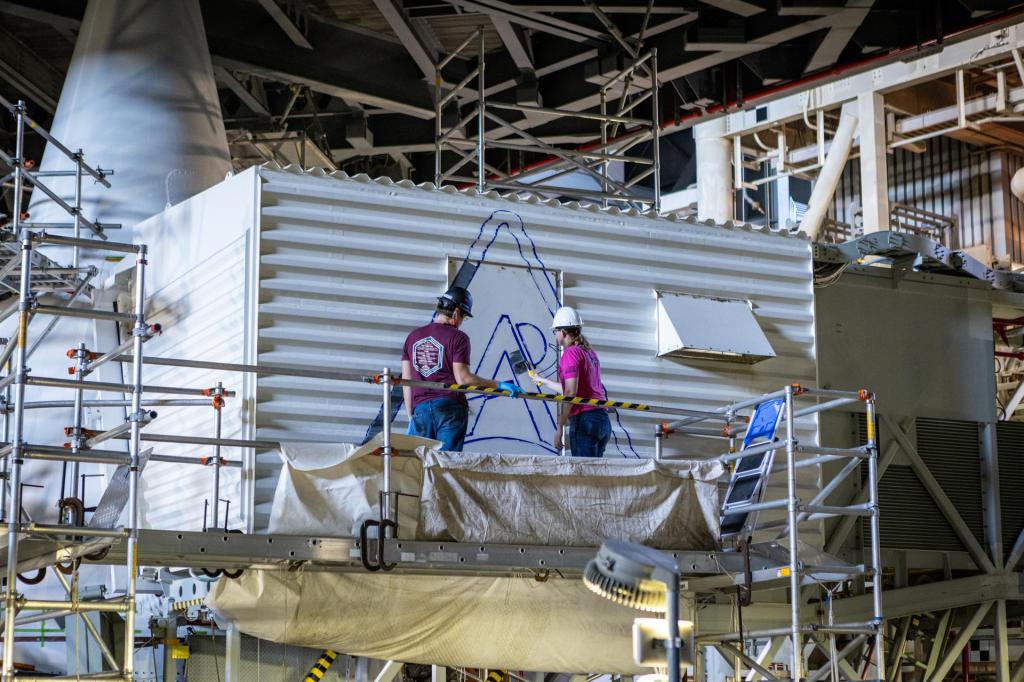
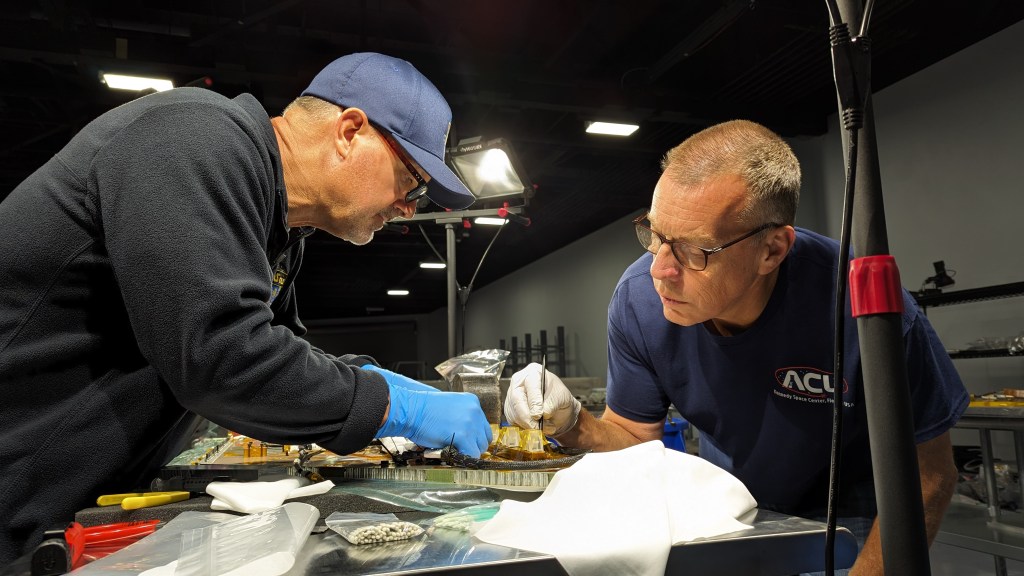
Cooperative Agreement Notice
The 2026 Notice of Funding Opportunity has been released and may be found in NASA’s Solicitation and Proposal Integrated Review and Evaluation System (NSPIRES).
Competitive Grant Opportunity
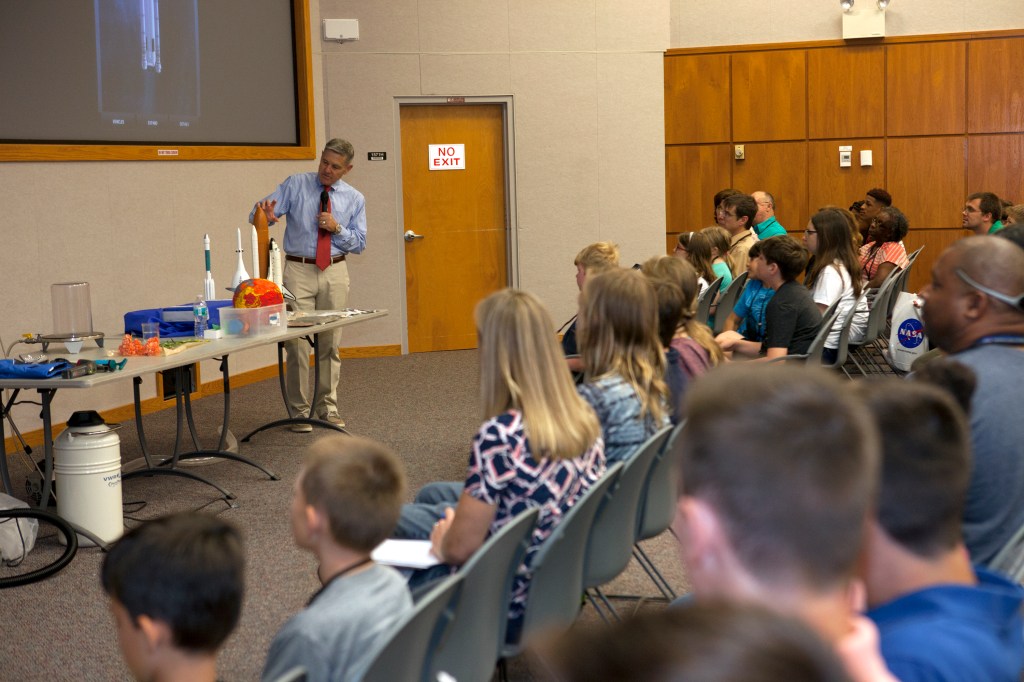
NASA Teams Engaging Affiliated Museums and Informal Institutions (TEAM II) enables informal education institutions to bring meaningful NASA connections and mission-inspired STEM content and programs into their communities via the TEAM II competitive awards program.
Next Gen STEM for Careers
The aerospace industry offers outstanding career opportunities for skilled technical workers who possess strong technological, scientific, and engineering capabilities—many of which do not require a bachelor’s degree for entry.
Explore Aerospace Skilled Technical Workforce Opportunities about Next Gen STEM for Careers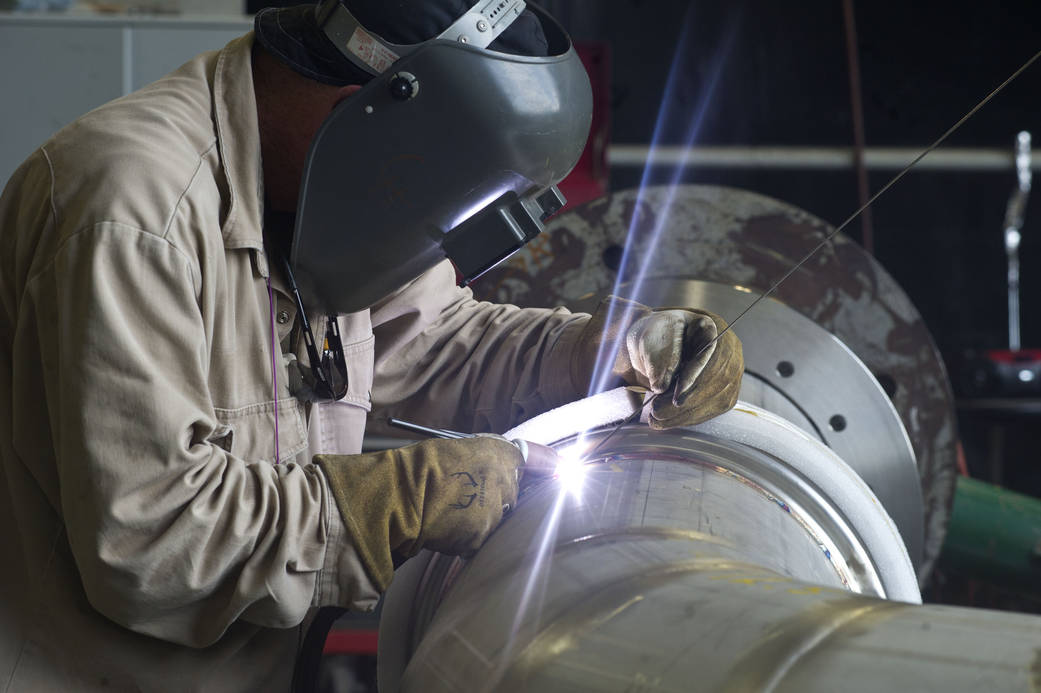
Contact Us
If you have any questions or would like more information about NASA State Hubs, please contact:
Maria Arredondo, Program Manager
NASA Office of STEM Engagement
Phone: 216-433-5689
Email: hq-nasahub@mail.nasa.gov