


















Artemis II Science
Artemis II science lays the foundation for safe and efficient human exploration of the Moon and Mars.
Artemis II Lunar Science Data Release
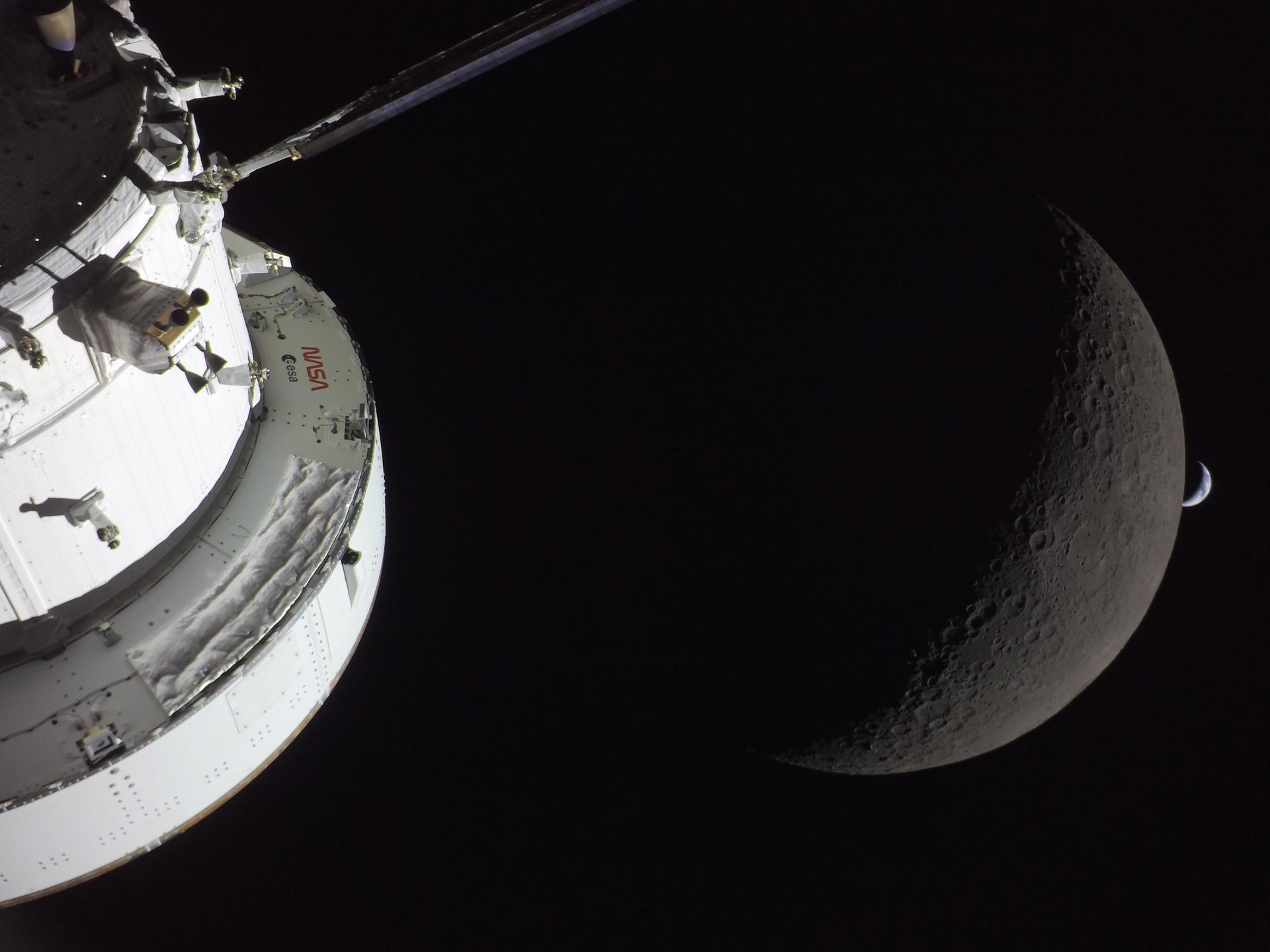
NASA’s Artemis II crew traveled around the Moon and back and, along the way, captured scientific observations of our nearest neighbor. Check out highlights of their images, audio recordings, and drawings at the link below.
Learn More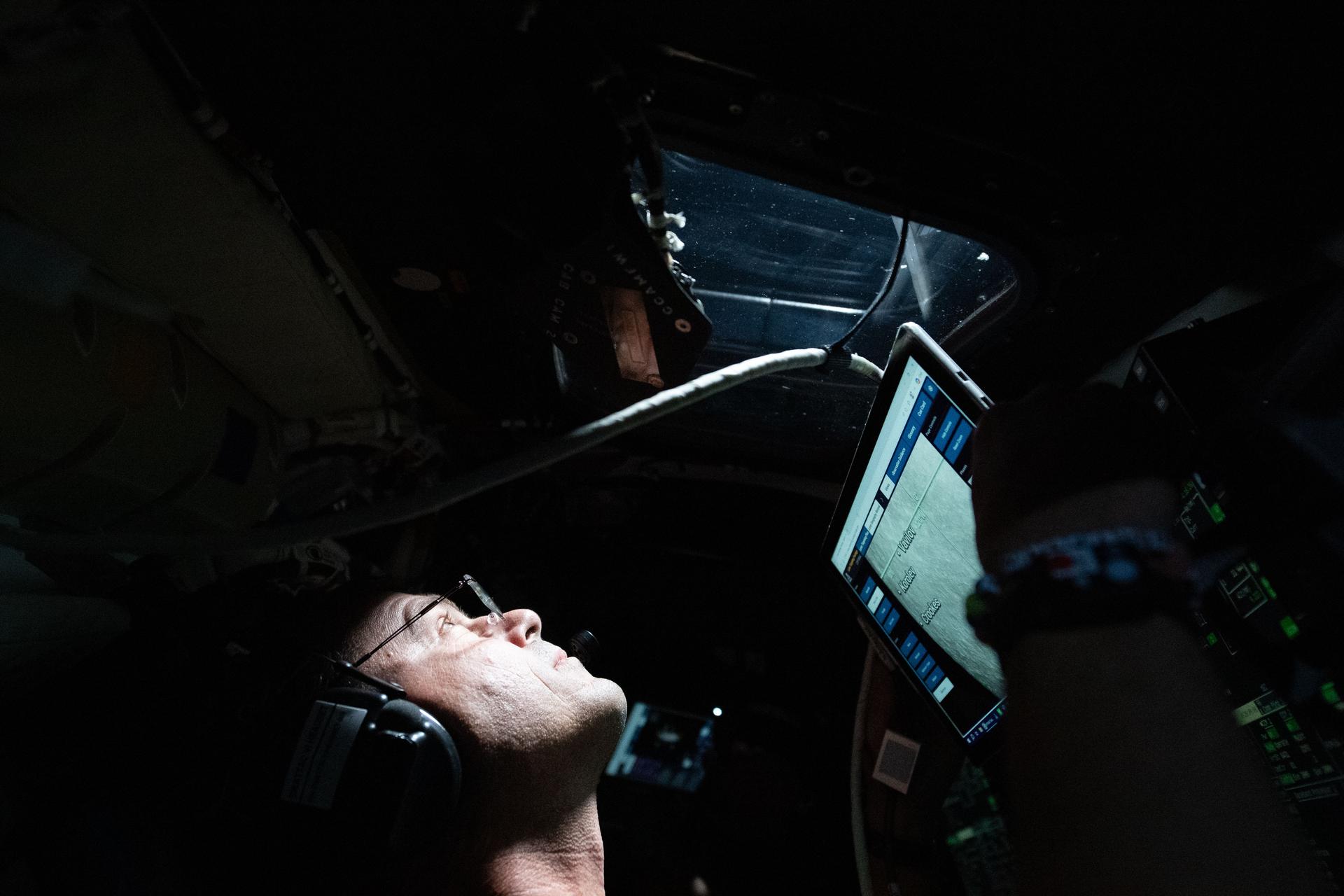
Artemis II Science
What We’re Learning
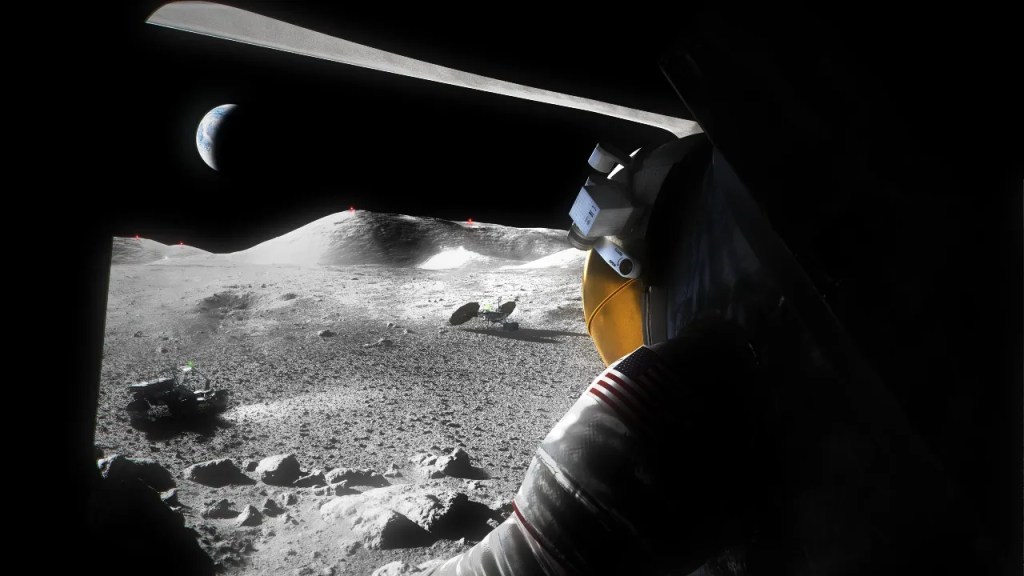
The Artemis II mission carried astronauts farther from Earth and closer to the Moon than any human has been in more than half a century. From this unique vantage point and environment, the Artemis II crew worked with scientists on Earth to facilitate science investigations to inform future human spaceflight missions.
Astronaut Health
The following studies focused on the health of Artemis II astronauts, providing NASA researchers with an unprecedented glimpse into how deep space travel influences the human body, mind, and behavior. Results will help the agency build future interventions, protocols, and preventative measures to best protect astronauts on future missions to the lunar surface and to Mars.
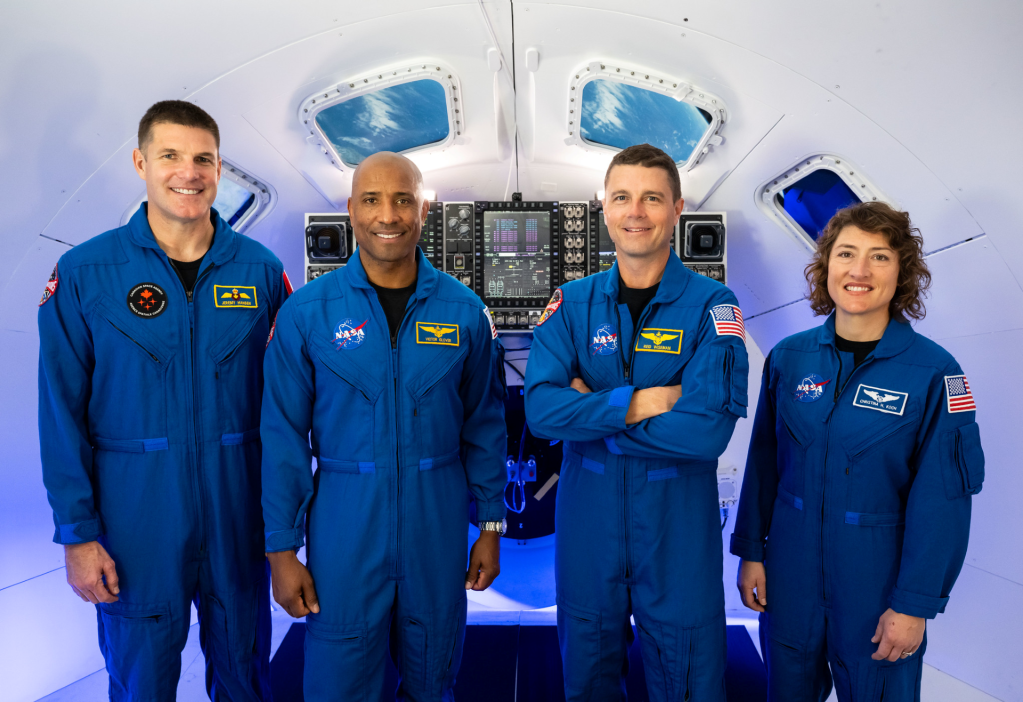
Studies Advance Human Spaceflight Research
These studies provide an overview of how NASA is using Artemis II data to better characterize the ways deep spaceflight affects the human body.
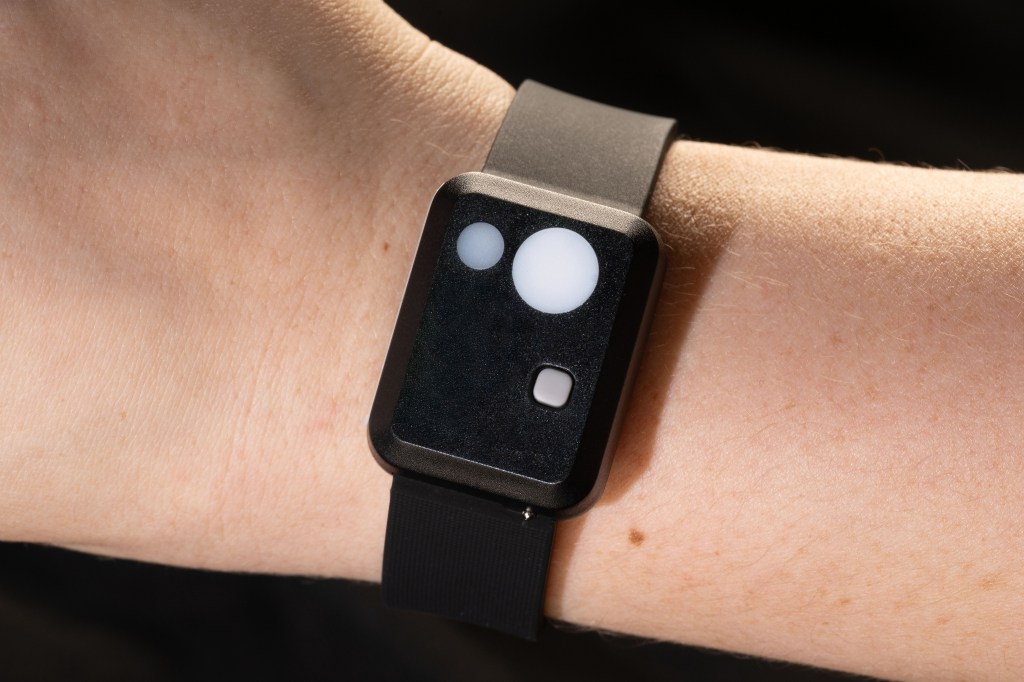
ARCHeR
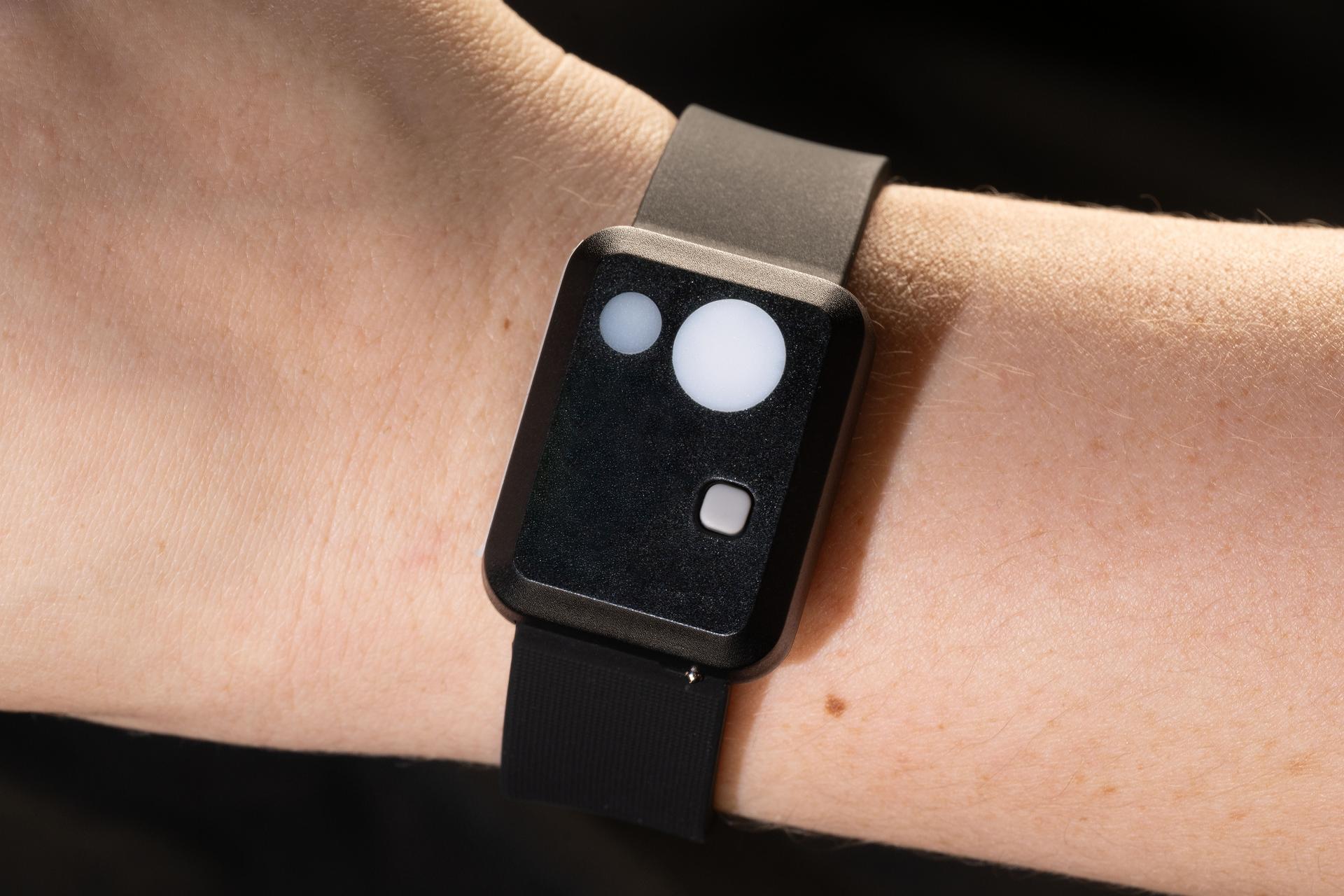
ARCHeR monitored participating Artemis II astronauts' well-being, activity and sleep patterns to learn more about human health and performance in deep space.
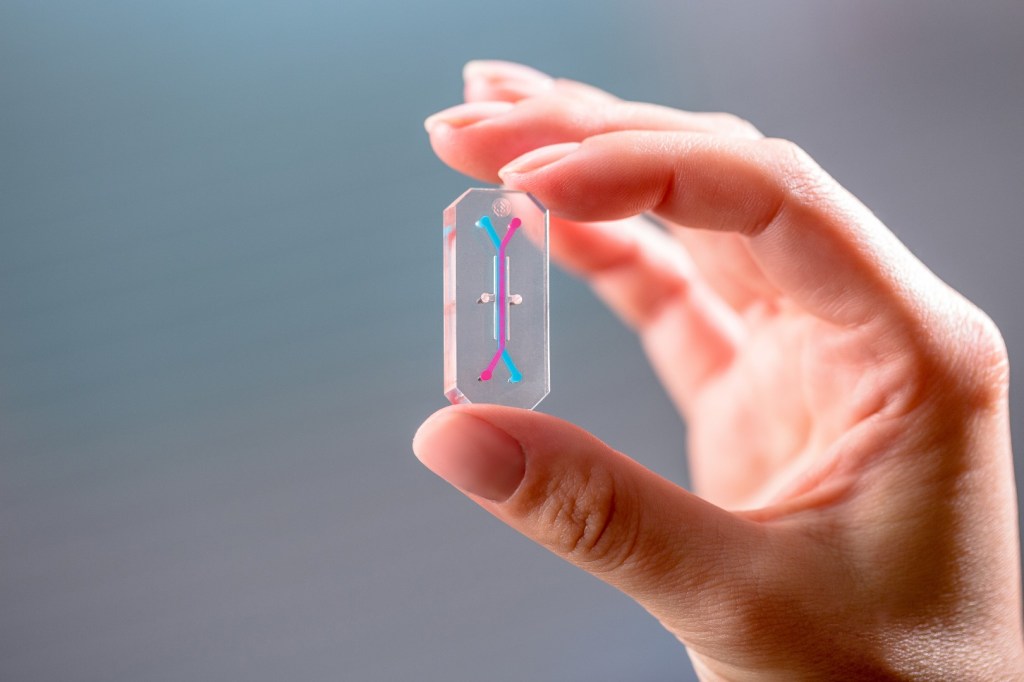
AVATAR
The AVATAR investigation is studying the effects of increased radiation and microgravity on crew health during Artemis II.
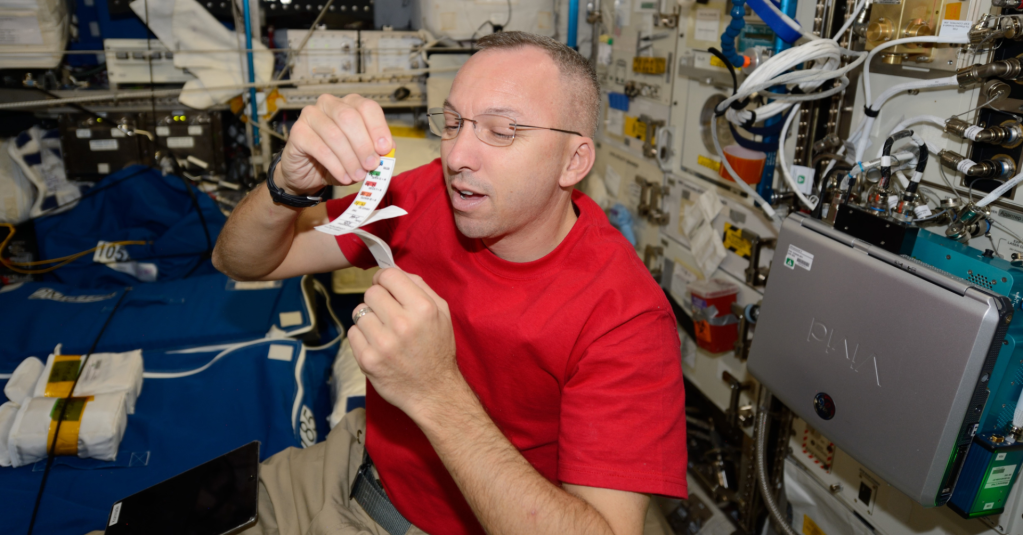
Immune Biomarkers
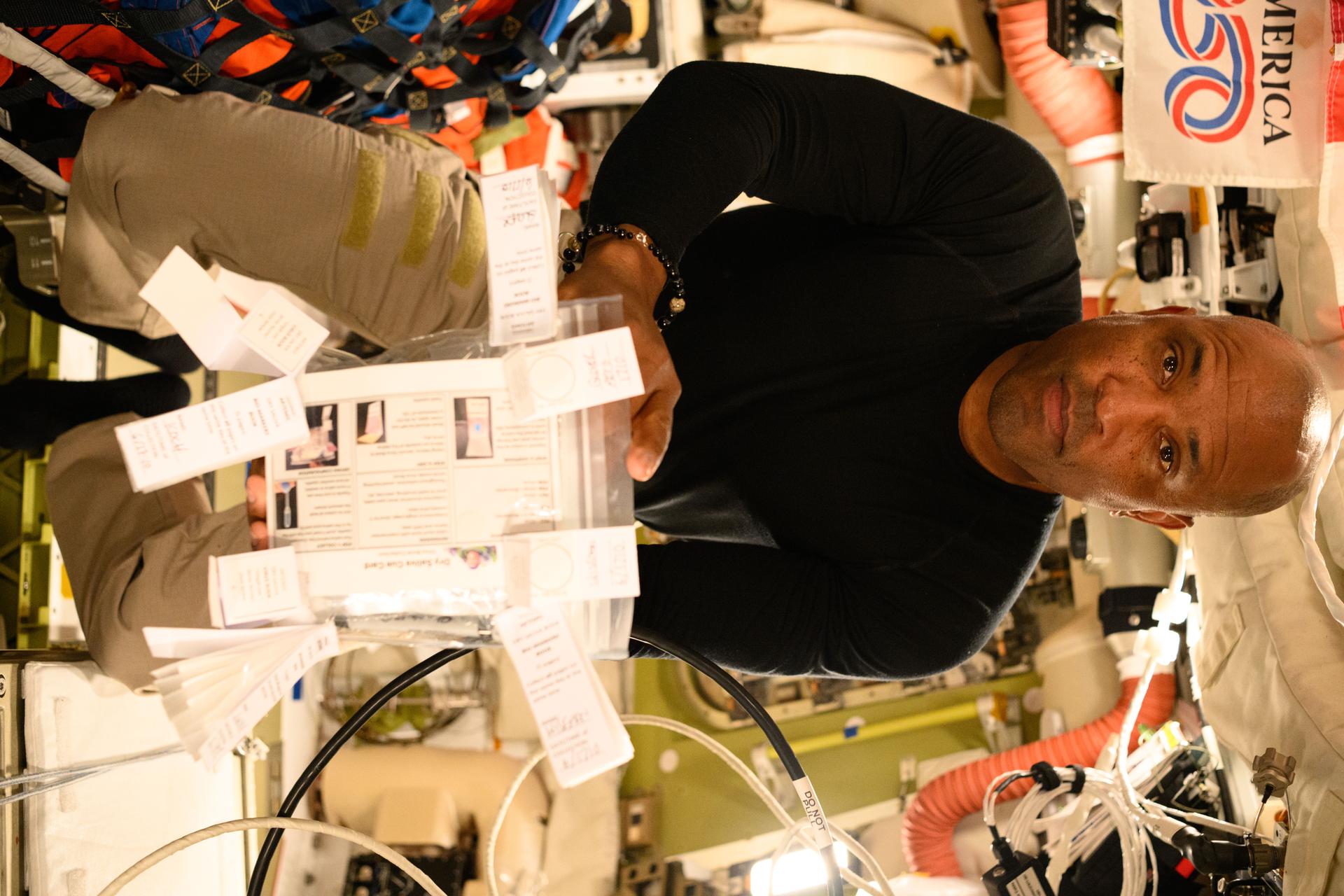
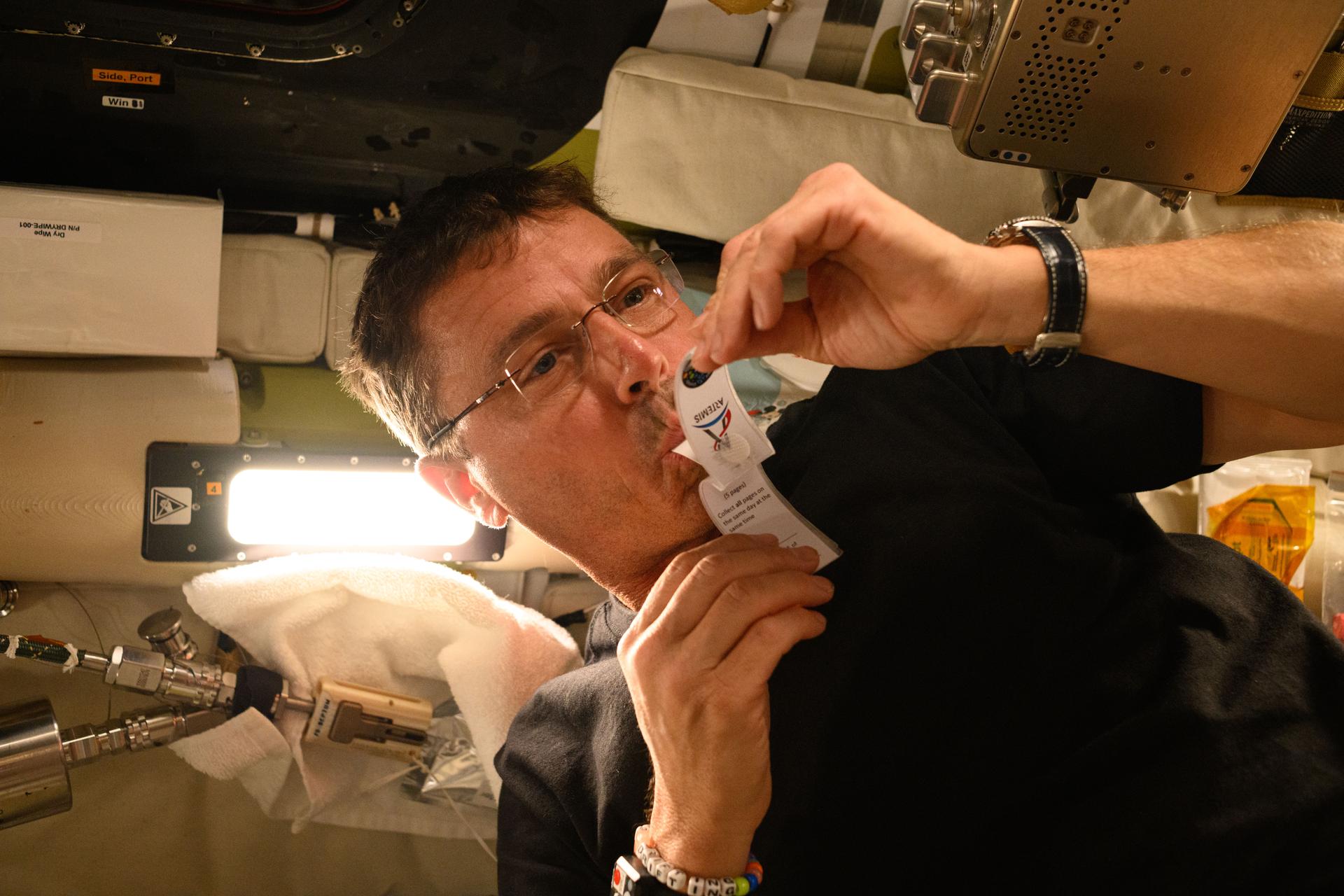
Scientists are analyzing blood and saliva samples from Artemis II crew members to see how deep space changes the immune system.
Artemis II Standard Measures
The crew supplied a consistent set of health information to a data bank so that future researchers can learn more about astronaut health.
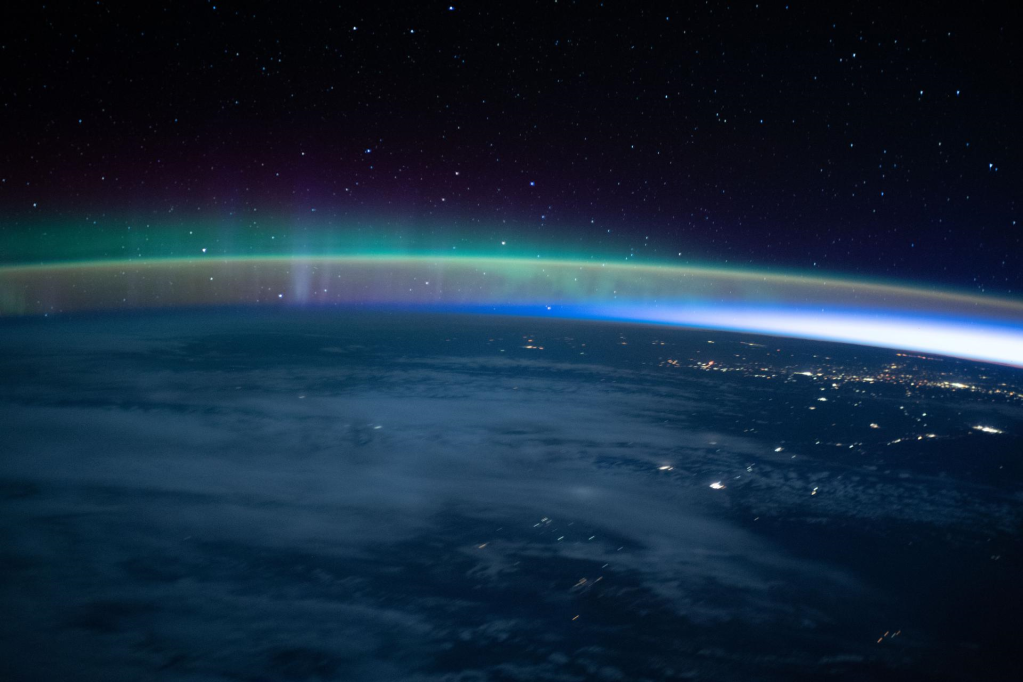
Radiation Studies
Artemis II equipment monitored radiation levels inside and outside the Orion capsule to help characterize the deep space environment.
Observe and Record
Lunar Science
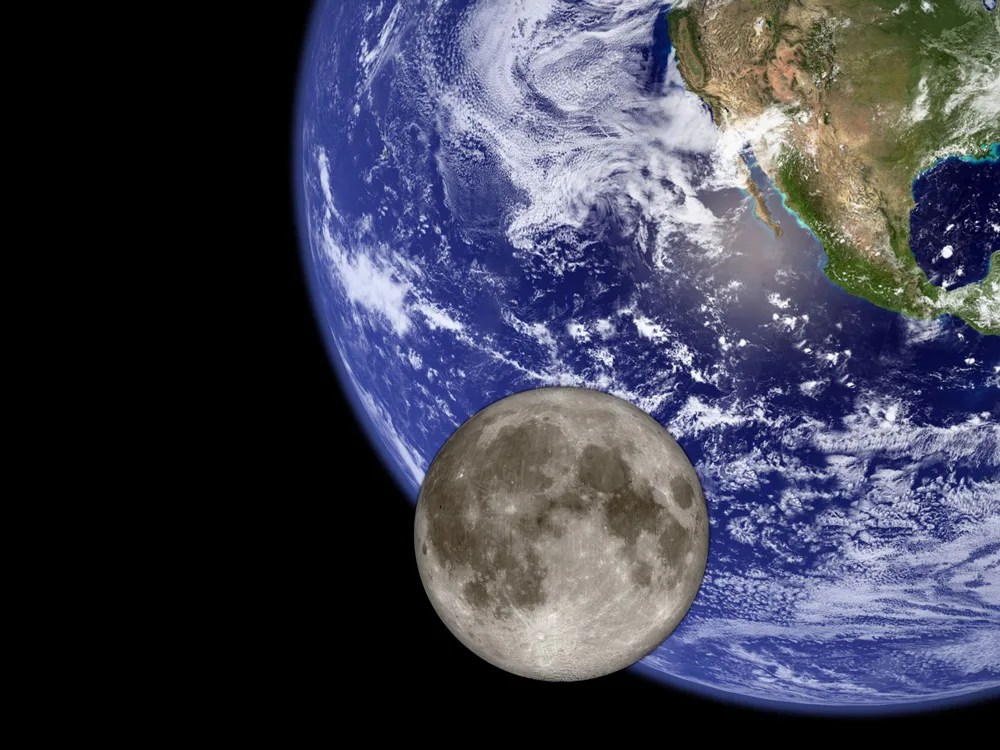
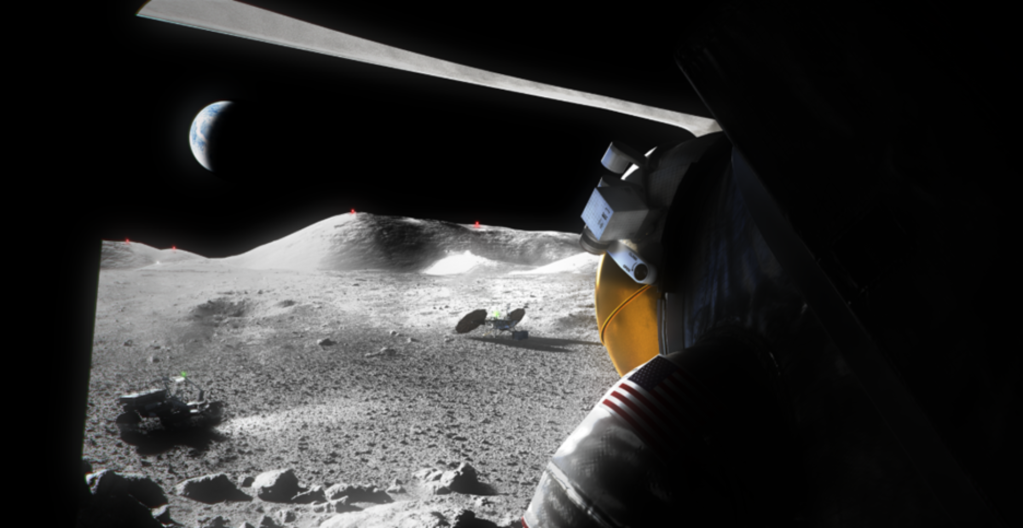
The Artemis II astronauts were the first humans to fly by the Moon in more than 50 years, serving as scientific ambassadors to our nearest neighbor.
On the journey to the Moon and back, the Orion spacecraft traveled past the far side of the Moon — the side that always faces away from Earth. During this three-hour period, astronauts analyzed and photographed geologic features such as impact craters and ancient lava flows. They relied on the extensive geology training they received in the classroom and in Moon-like places on Earth to describe nuances in shapes, textures, and colors — the type of information that reveals the geologic history of an area. These skills are critical to exploring the Moon’s South Pole region through future missions.
Learn More about Lunar Science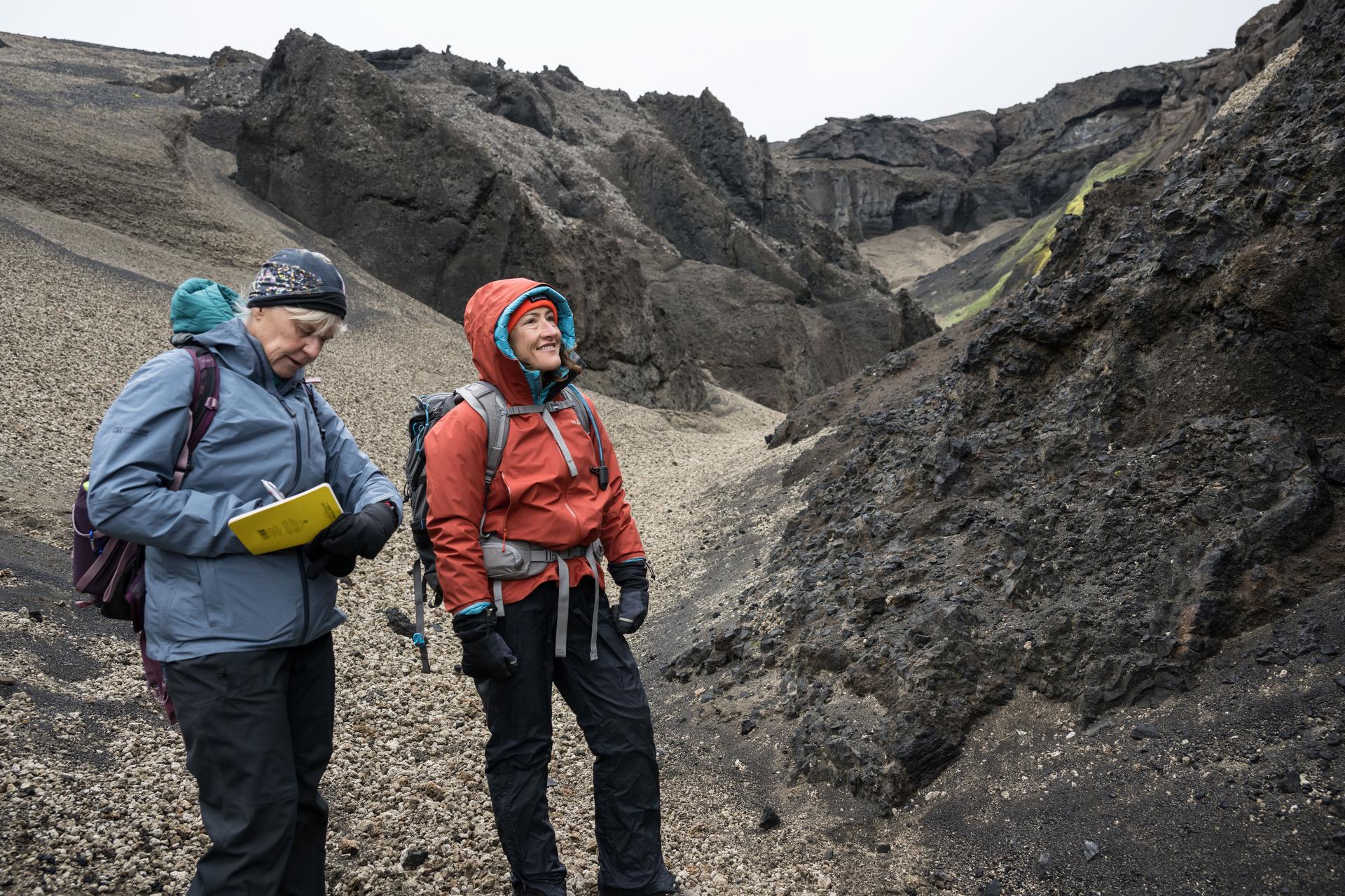
Science in Action
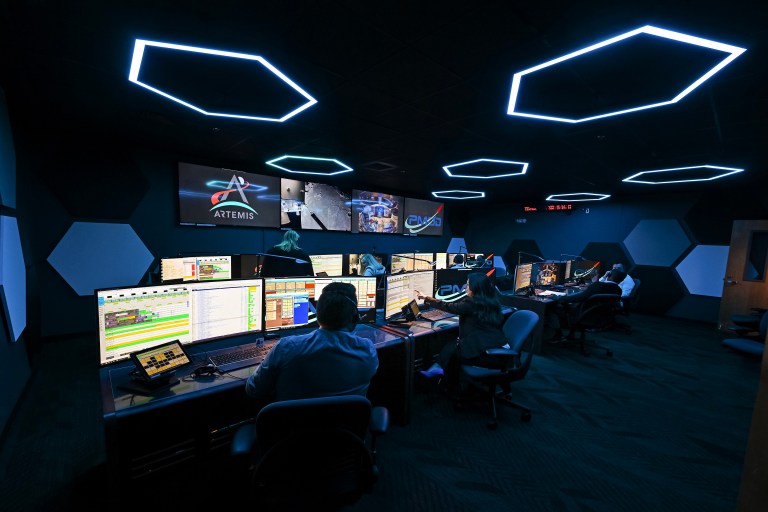
Payload Management
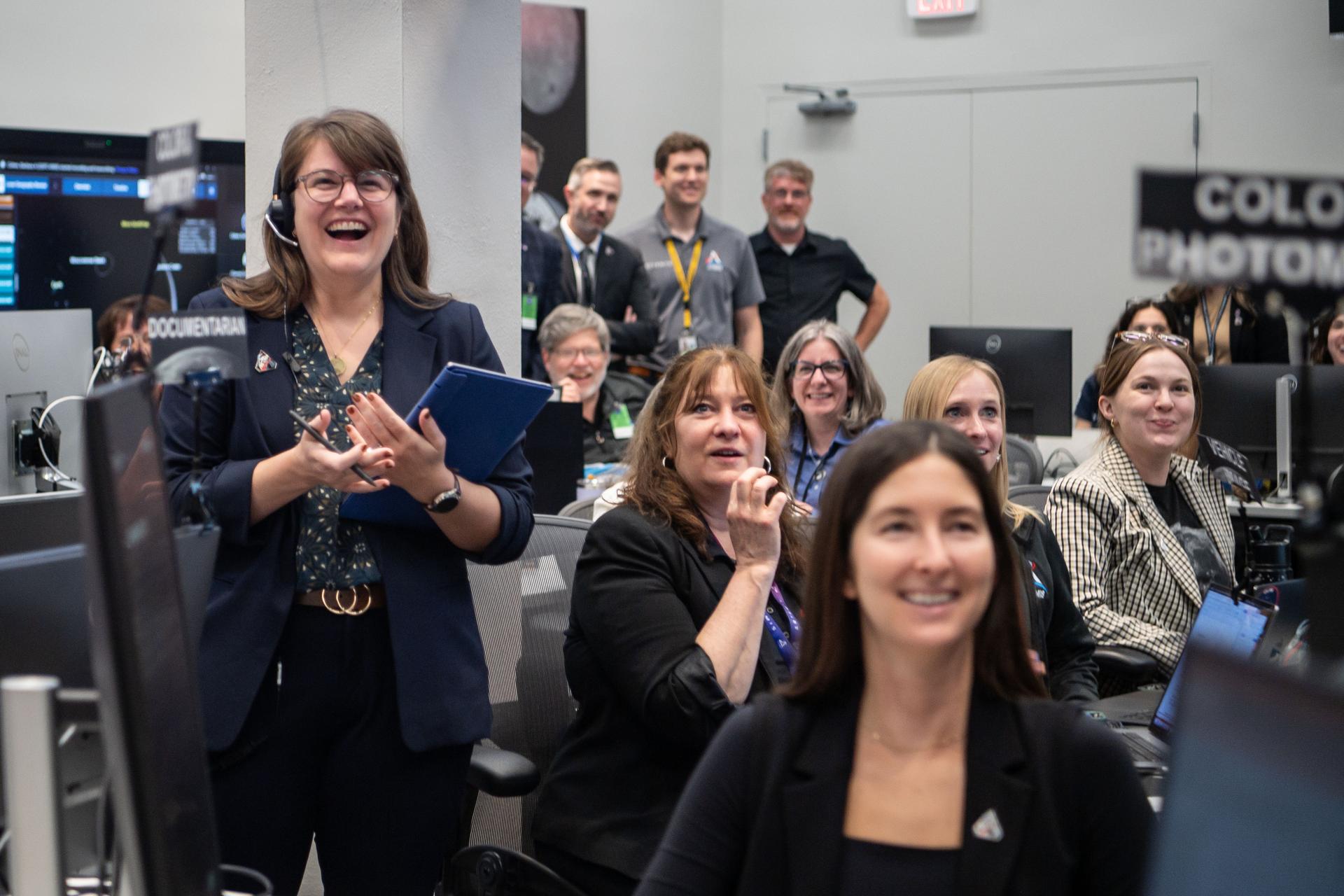
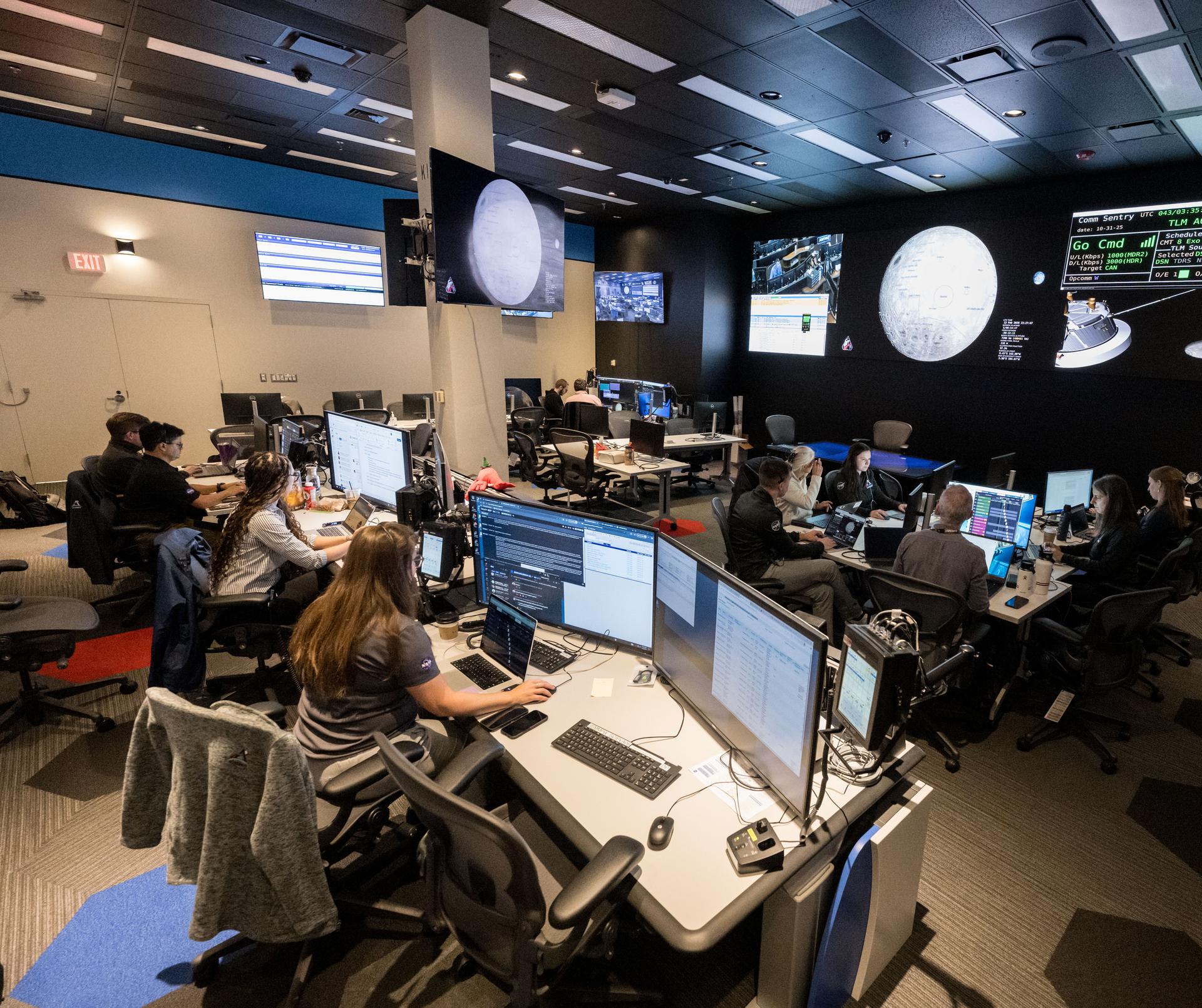
The flight control team within the Payload and Mission Operations Division at NASA’s Marshall Space Flight Center in Huntsville, AL monitored and managed a subset of Artemis II science from the Lunar Utilization Control Area during the Artemis II mission. Drawing on extensive training and execution from nearly 25 years of continuous International Space Station payload operations, these specialists provided critical operations support for the astronaut health studies.
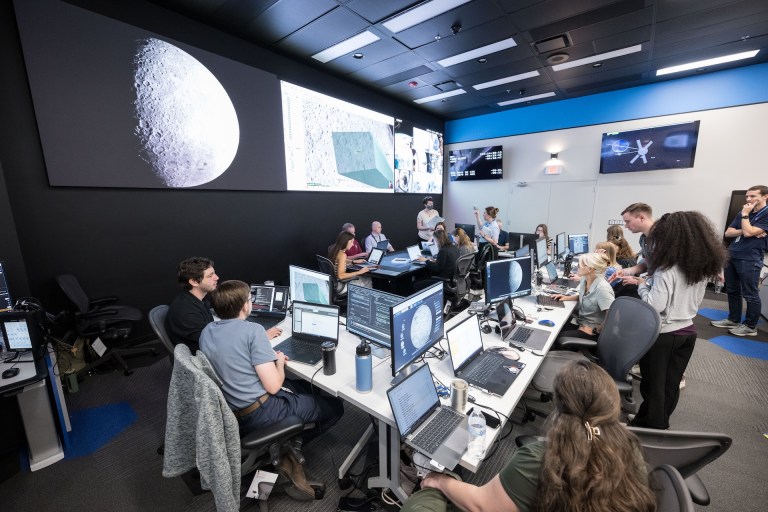
Real-Time Science Operations
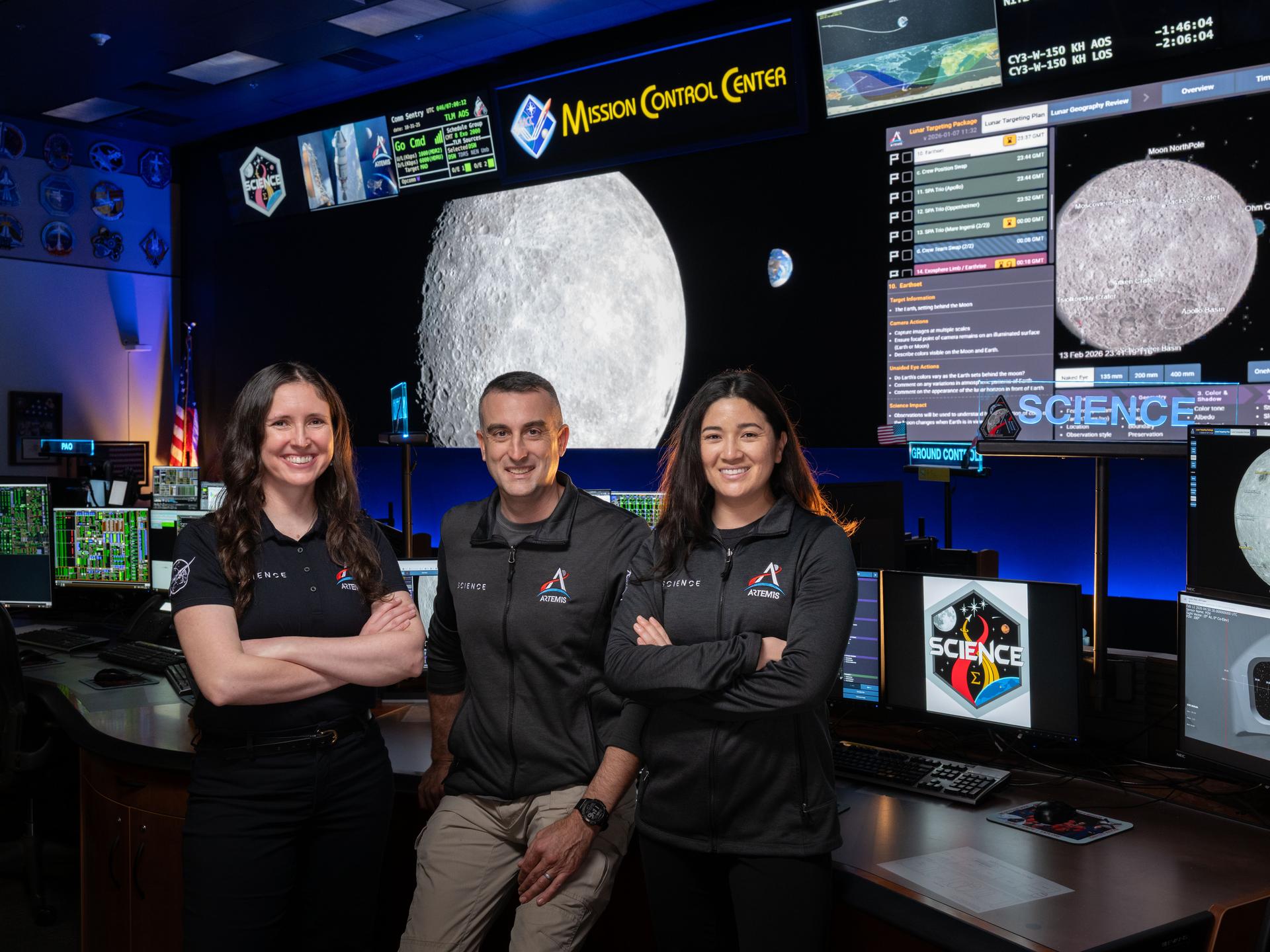
A team of scientists with expertise in impact cratering, volcanism, tectonism, and lunar ice provided real-time data analysis and guidance to the crew in space from the Science Evaluation Room in mission control at NASA’s Johnson Space Center in Houston. Artemis II provided an opportunity for scientists and flight engineers to call upon the years of testing and simulations that the teams have done together.
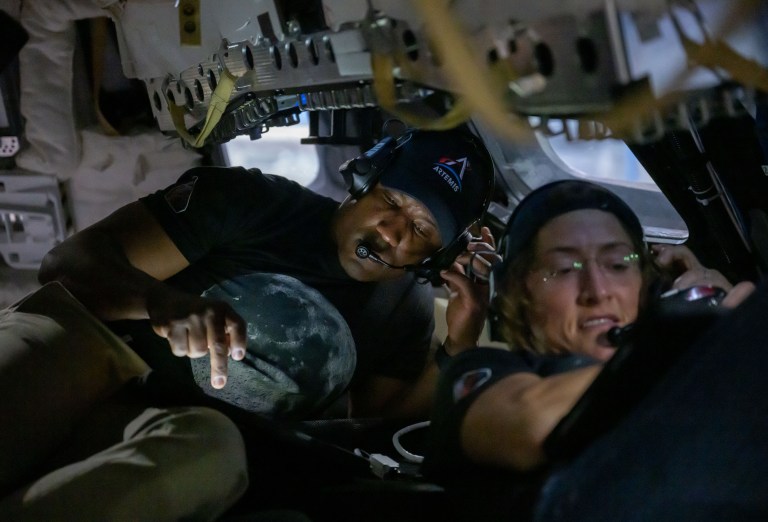
Astronauts as Scientists
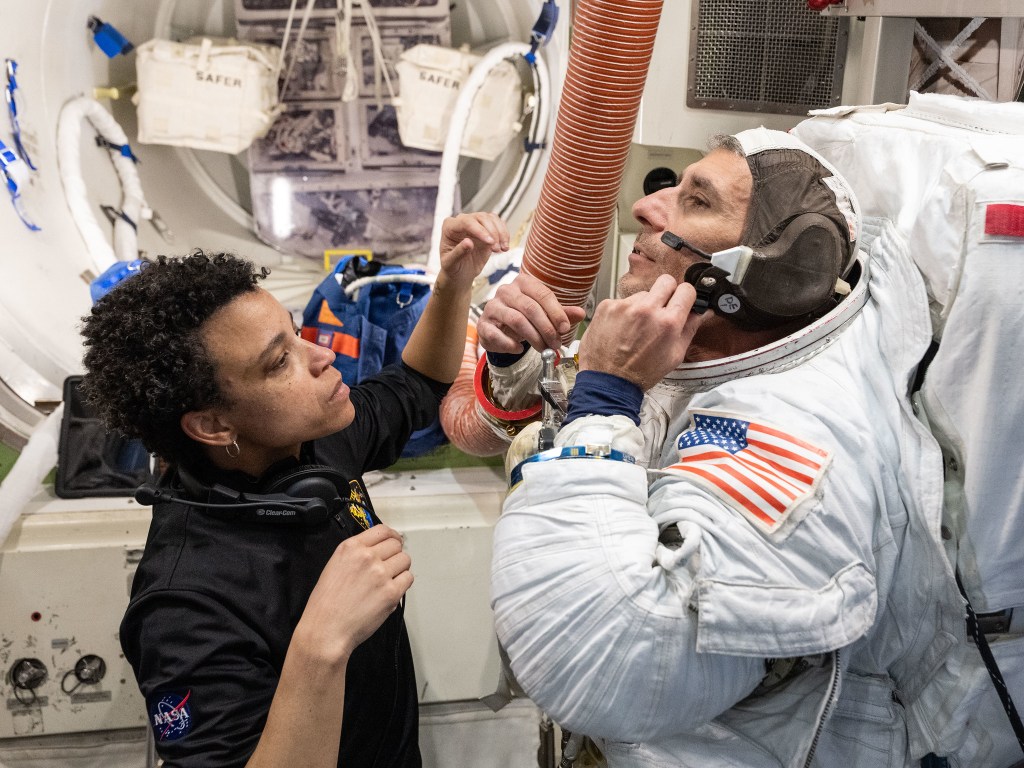
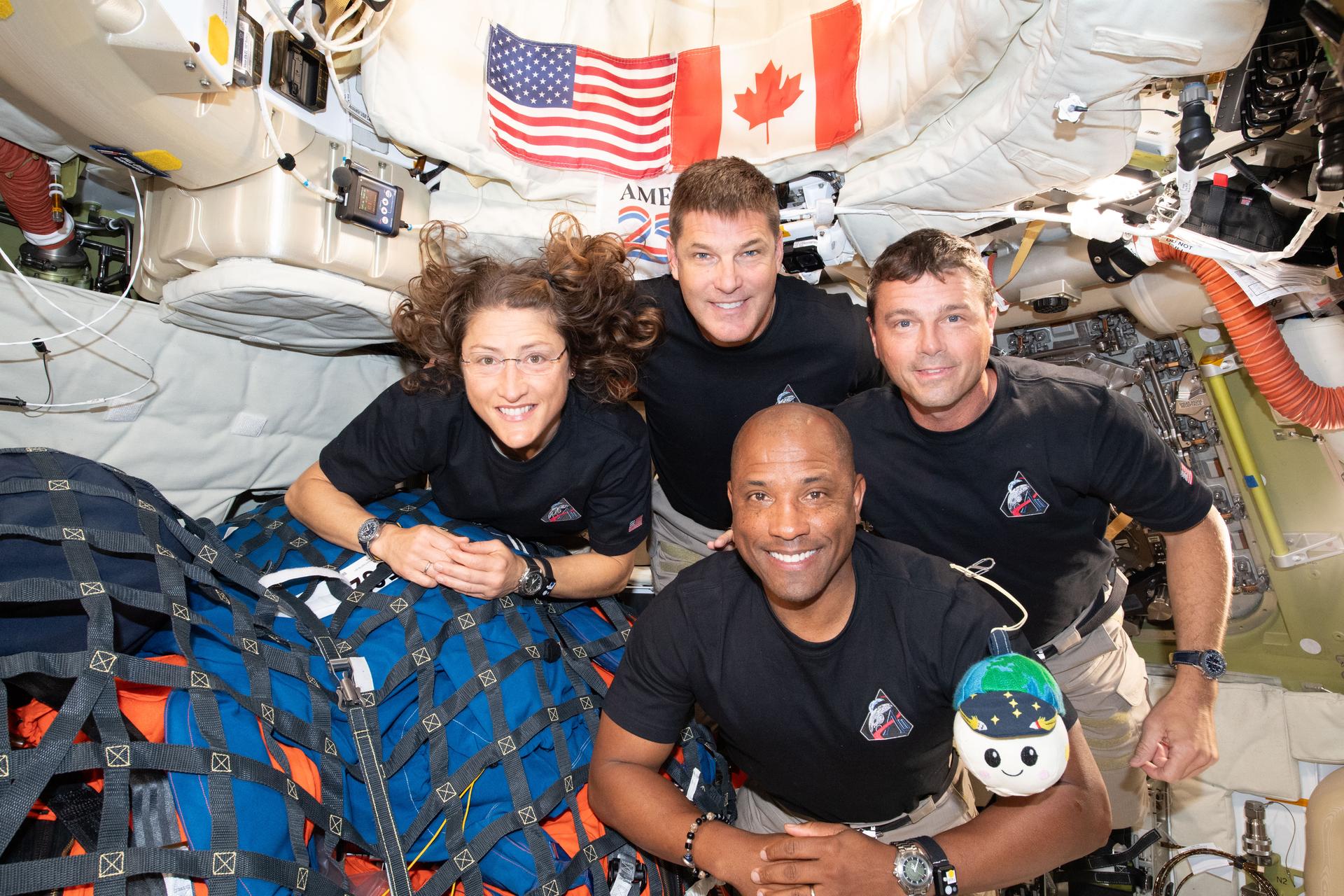
Here, Artemis II crew members Victor Glover and Christina Koch train in a mockup Orion capsule on cameras similar to the ones they used to capture the Moon’s geologic features in flight. Artemis II gave crew members a chance to participate in groundbreaking human health research while putting the lunar science skills they’ve been developing in trainings to a real-life test.
Space Weather
The Artemis II crew flew well beyond Earth’s protective magnetosphere and were exposed to some of the harshest elements in space. NASA and NOAA provided 24/7, real-time space weather forecasting and analysis to the Artemis II mission manager, flight director, and console operators during the mission. The Artemis II space weather team tracked coronal mass ejections and solar flares — powerful phenomena that have the potential to harm human tissue and disrupt electronic systems — and were prepared to provide advanced warnings for crew to take protective measures aboard Orion had it been necessary.
Learn MoreArtemis II Mission Science

CubeSats
Several international space agencies conducted scientific research through Artemis II
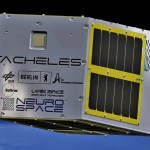
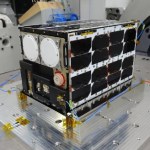
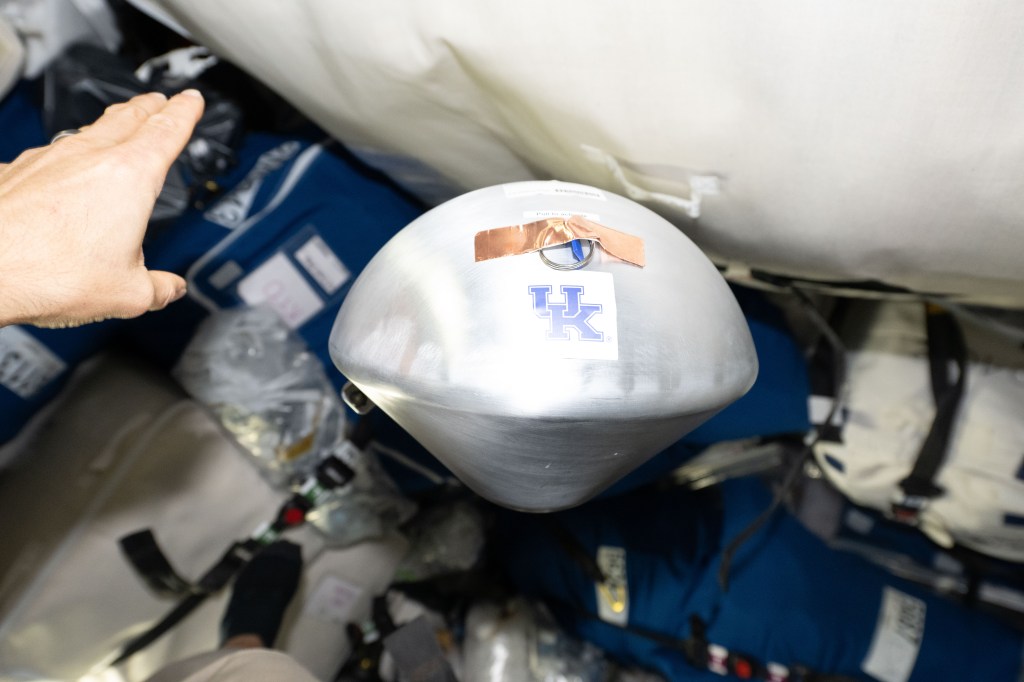
Space agencies from Germany, South Korea, Saudi Arabia, and Argentina flew CubeSats aboard Artemis II. The CubeSats, which had their own distinct objectives from NASA’s primary mission of sending four astronauts around the Moon, were deployed in high Earth orbit on April 1, 2026 once the rocket was a safe distance from the crewed spacecraft. For more information on the CubeSats, please reach out to the space agencies listed below.
Learn More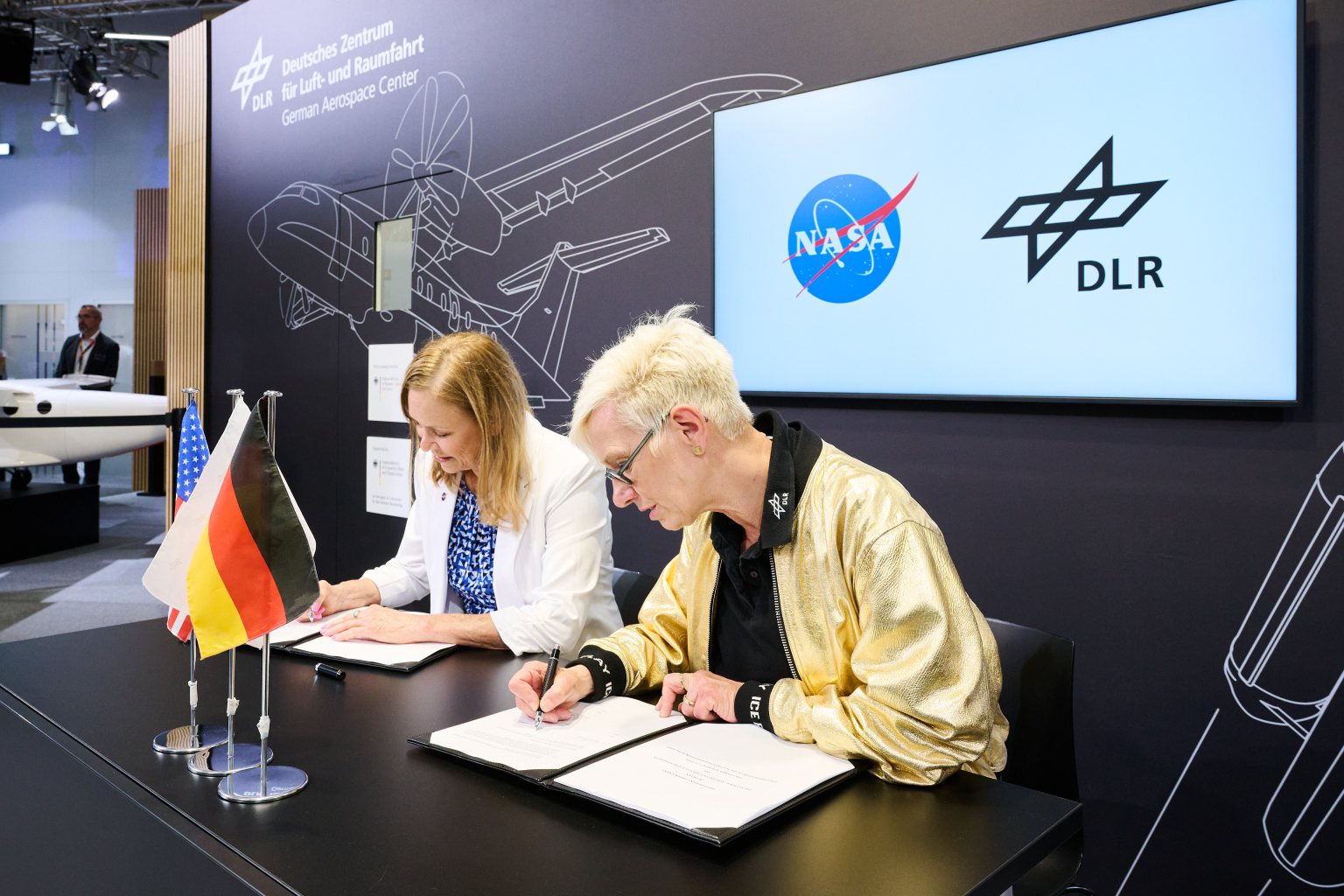
cubesats