










NASA’s Discovery Program
Competitive Planetary Exploration in the 21st Century

By David W. Brown
Velocity and audacity defined the Discovery Program at its inception in the early 1990s, when it emerged in response to limited flagship mission opportunities and budget uncertainty. Designed for focused, low-cost planetary exploration, Discovery marked a shift from traditional directed missions. The early history of the program is covered in NASA’s Discovery Program: The First Twenty Years of Competitive Planetary Exploration. This book, NASA’s Discovery Program: Competitive Planetary Exploration in the 21st Century, brings the story of the Discovery Program up to 2025.
Through 2025, Discovery launched 14 missions and inspired the New Frontiers program after helping revive Mars exploration in the 1990s. Despite its success, Discovery faced institutional resistance due to its competitive, cost-capped model. Over time, growing ambitions for missions and risk aversion led to more reviews, longer development cycles, and increased costs, making it harder for lean proposals to compete with flagship-like missions. Adopting innovative technologies enabled efficiency and substantial savings in some cases, but also introduced risks that hindered some missions.
International partnerships added complexity, too, requiring more nuance and coordination, especially when foreign partners provided critical hardware. The COVID-19 pandemic further disrupted missions, causing delays, retirements, and communication challenges.
The Discovery Program’s accomplishments are nothing short of extraordinary, from landing on an asteroid, to revolutionizing our understanding of exoplanets, and returning comet samples to Earth. This program’s unique history is now captured here.
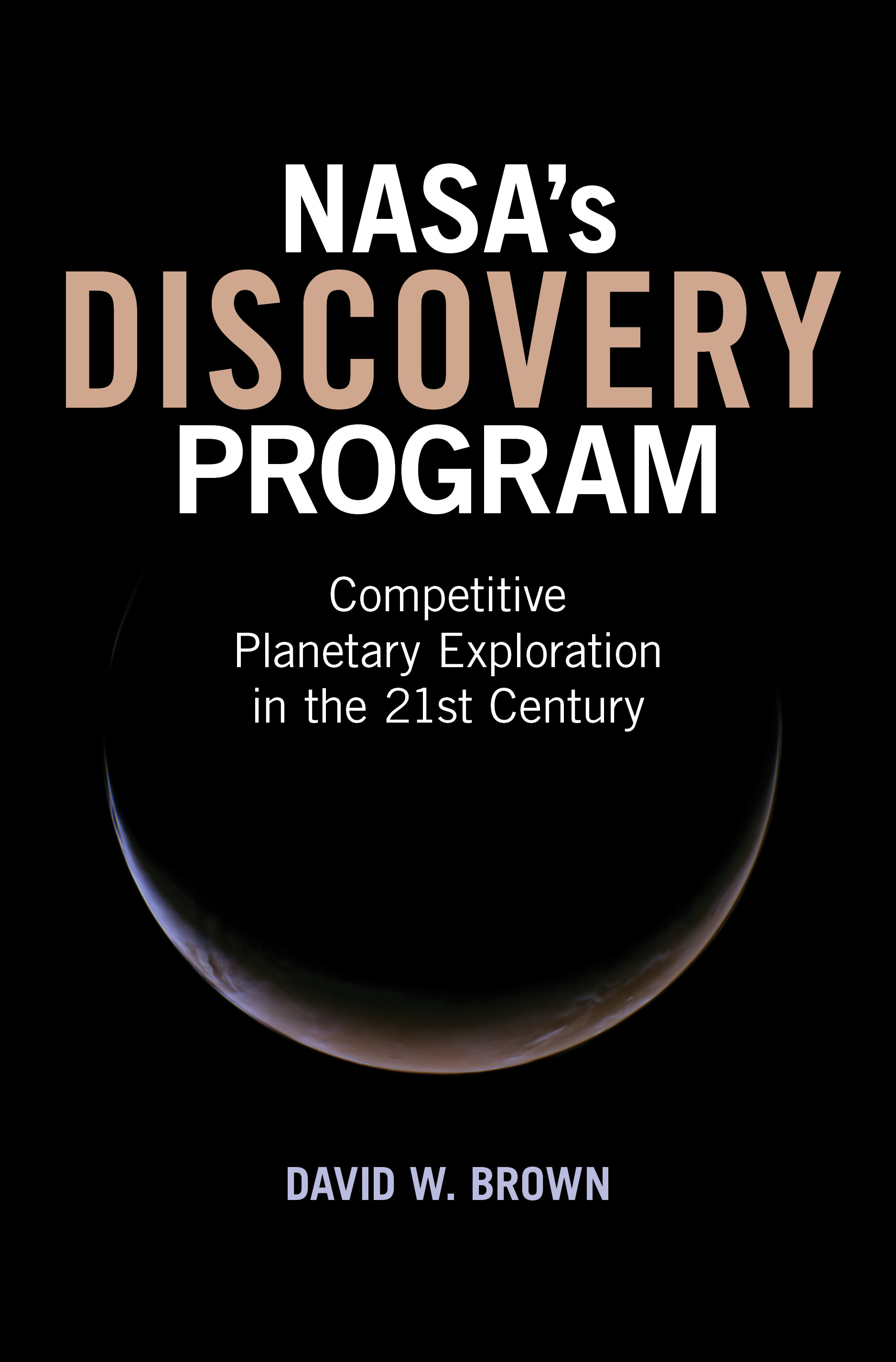
NASA SP-2026-4239

Discovery and New Frontiers Program Oral Histories
The NASA History Office has collected oral history interviews to document the experiences of individuals who have dedicated their time and expertise to the Discovery and New Frontiers planetary exploration missions, including lessons learned, science objectives and methodologies, mission proposal processes, team dynamics, and management decisions.
Explore the Collection
More History Publications
Explore more titles in NASA's History Series.