













Steerable Antennas for Lunar Vehicles
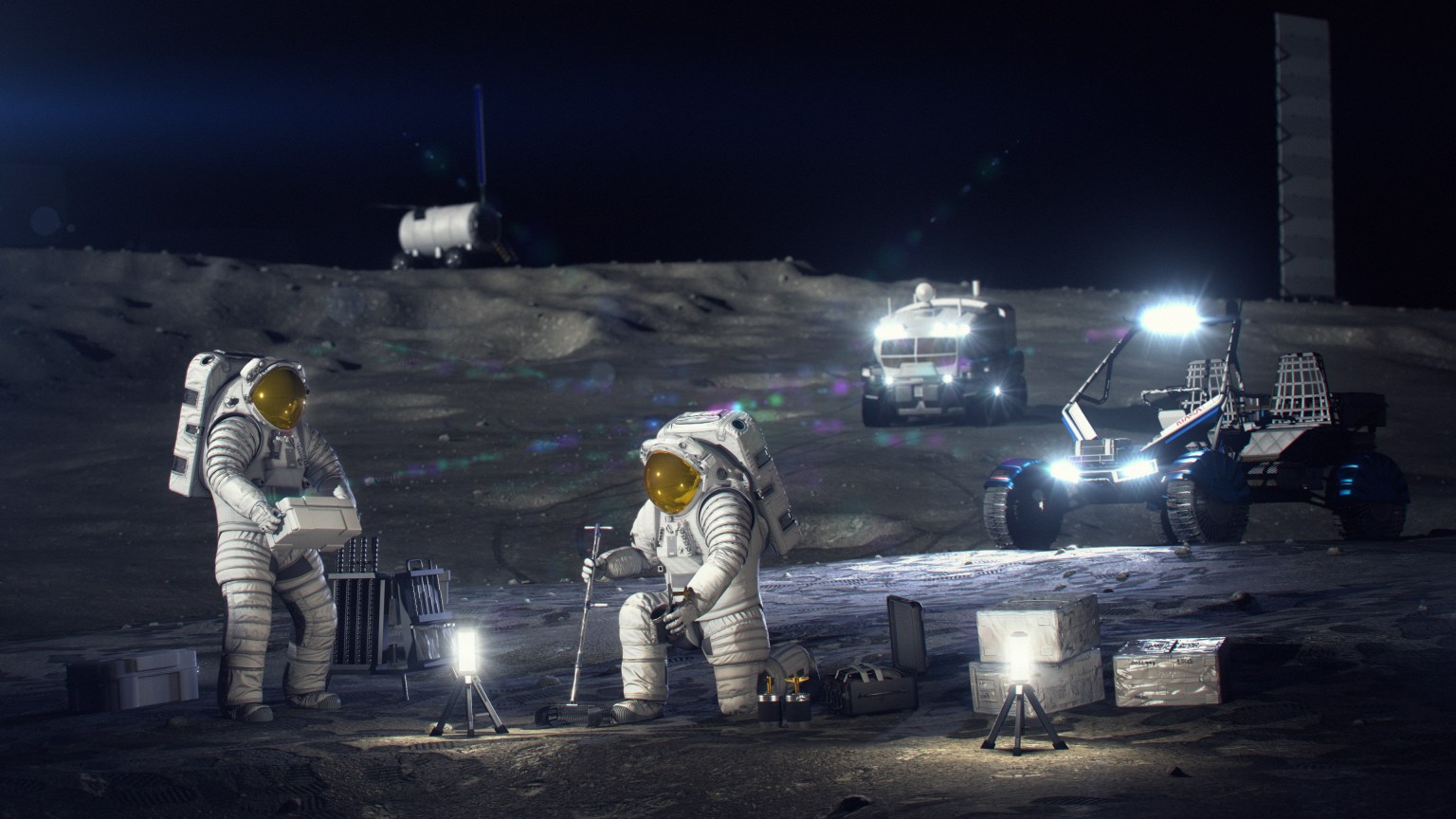
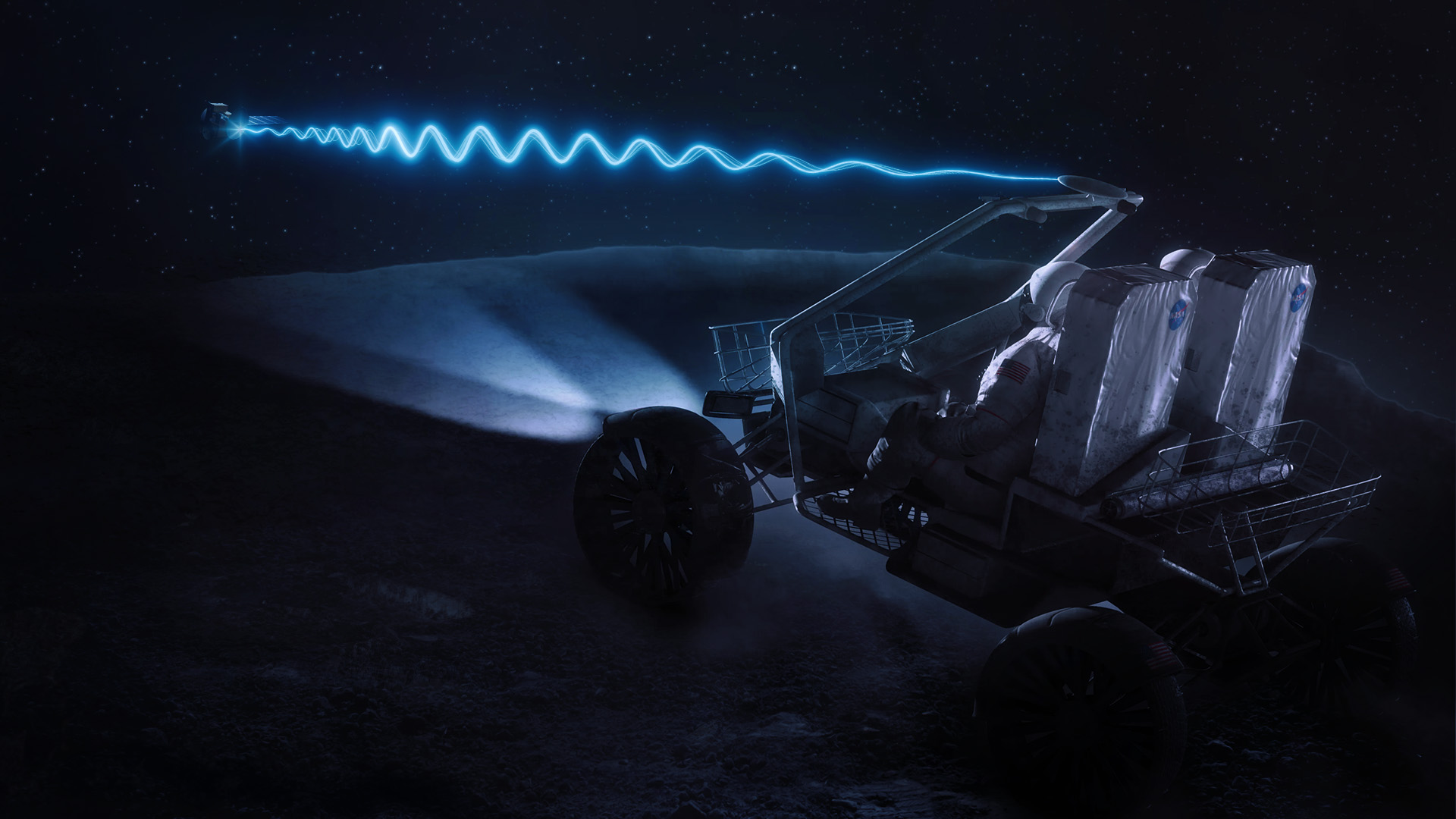
Astronauts and rovers will need powerful, dependable communications systems when exploring the Moon. NASA is partnering with industry to develop a new communications antenna that will enable lunar vehicles to send science data, like 4K video footage and health information, to Earth while driving across the surface of the Moon.
Advancing Lunar Communications
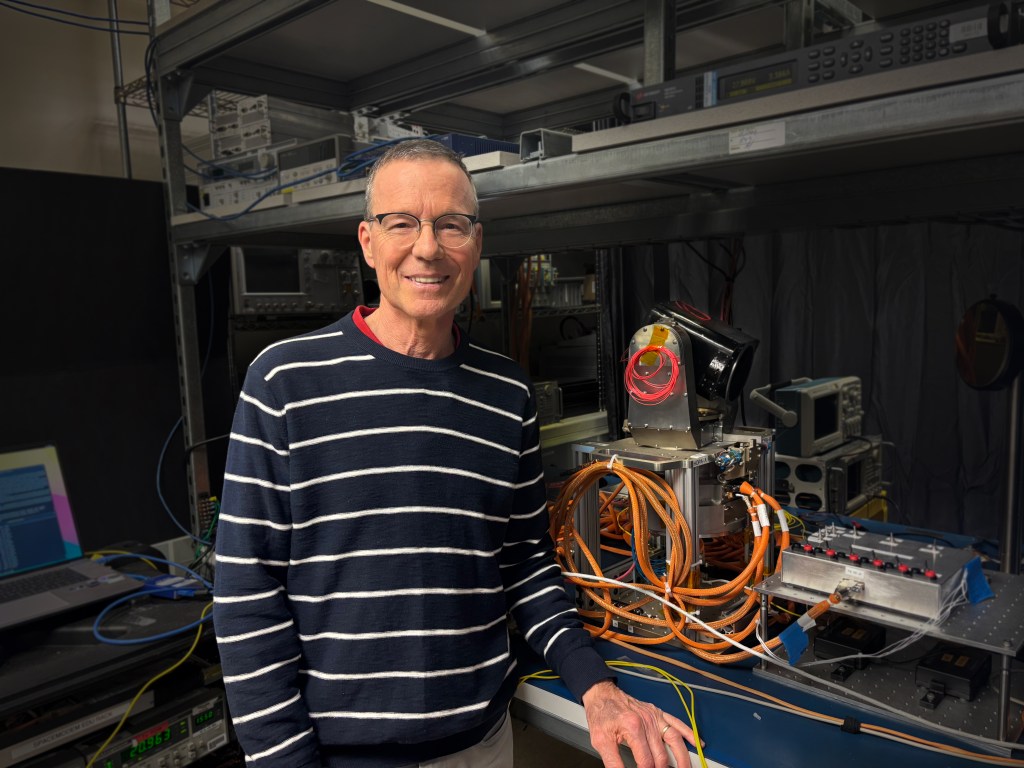
NASA's Ka-band Steerable Terminal for Lunar Environments (KaSTLE) project is working with industry to develop a communications-on-the-move solution using phased array technology allowing mission control to receive real-time video from astronauts while they’re traveling across the lunar surface. Streaming high-definition video while in motion is critical to ensure the safety of astronauts during extravehicular activities, enhancing science opportunities and exploration objectives through live feedback with Earth.
Learn More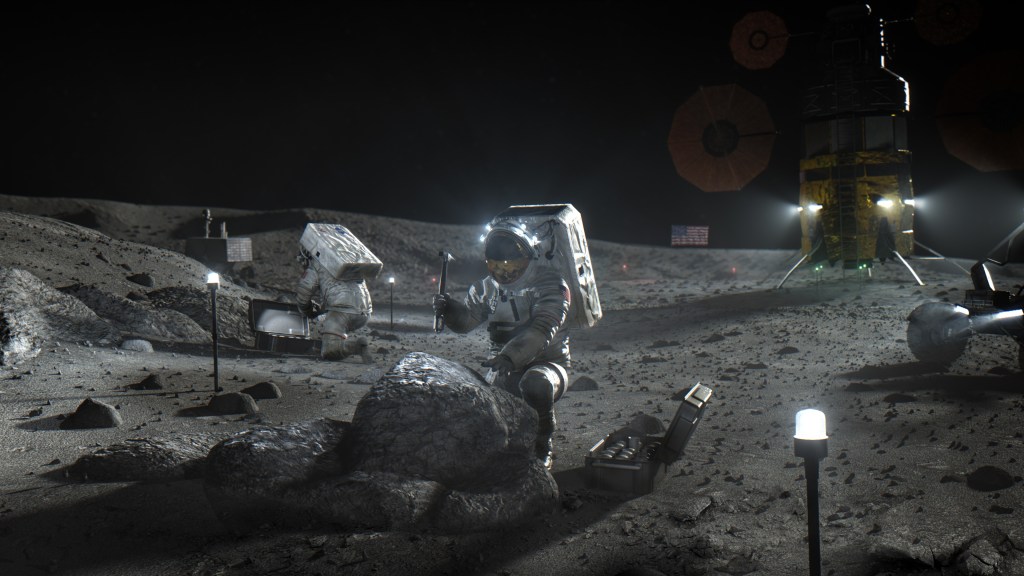
Phased Array Technology
NASA is working with industry to extend the use of electronically steerable antennas, or phased array antennas, to the lunar surface. Phased array antennas are made of many small antennas that work together to steer communications signals toward their target, even as they move away from the antenna or make unexpected turns. By steering its signal in a focused beam, these antennas could allow mission controllers on Earth to locate and track lunar assets more quickly and with greater accuracy.
Learn MoreLunar Terrain Vehicles
Human mobility on the lunar surface is crucial for enhancing scientific discovery. The LTV will be the ultimate lunar surface terrain vehicle with advanced power management, autonomous driving, state of the art communications and navigation systems, along with other extreme environment technologies that will provide the ability to collect and conduct science while keeping astronauts and the vehicle safe and ready for its next mission.
Learn More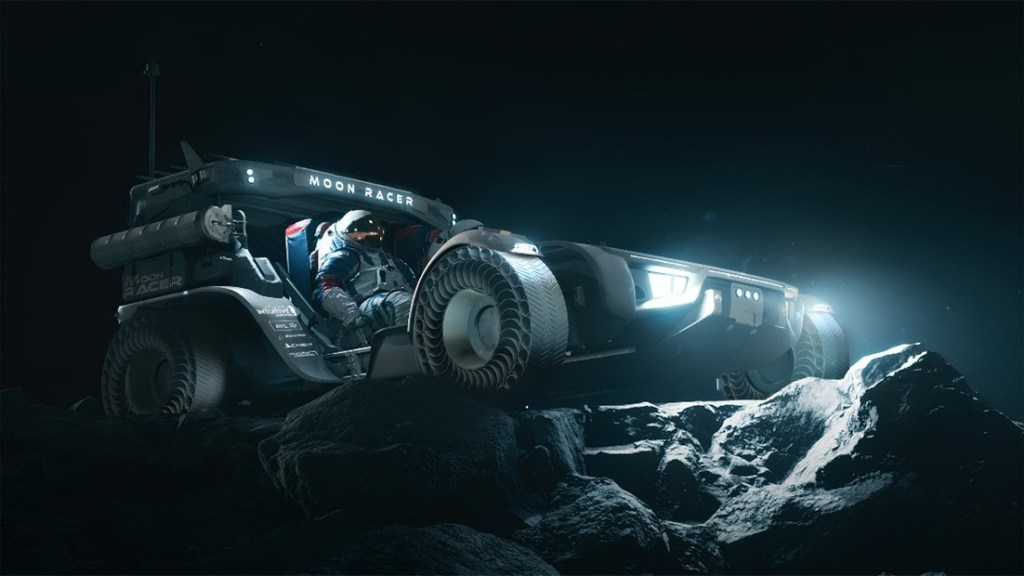
Fueled by Commercial Partnerships
NASA continues to maximize the economic and technological benefits of combining government expertise with commercial innovation. The KaSTLE antenna design is developed in partnership with commercial industry through the agency’s Small Business Innovation Research Program, which allows entrepreneurs, startups, and small businesses with less than 500 employees to receive funding and non-monetary support to build, mature, and commercialize their technologies.
Learn More