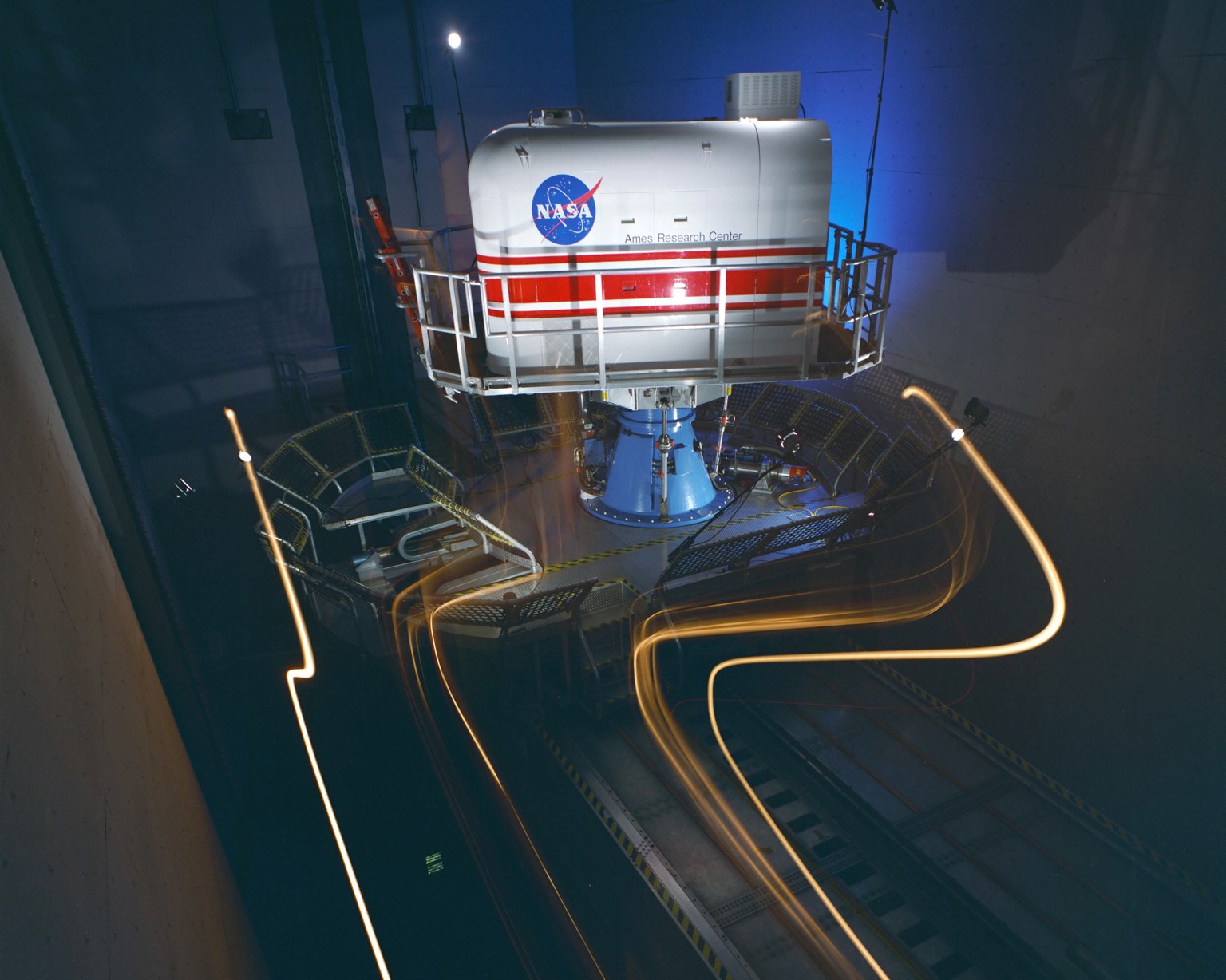













Imagine stepping into a machine that can make you feel like you’re flying a spacecraft, piloting a next generation air taxi, or landing on the Moon, all without leaving the ground. NASA’s Vertical Motion Simulator, the largest of its kind in the world, does exactly that. And now, with new upgrades, it’s more powerful and realistic than before.
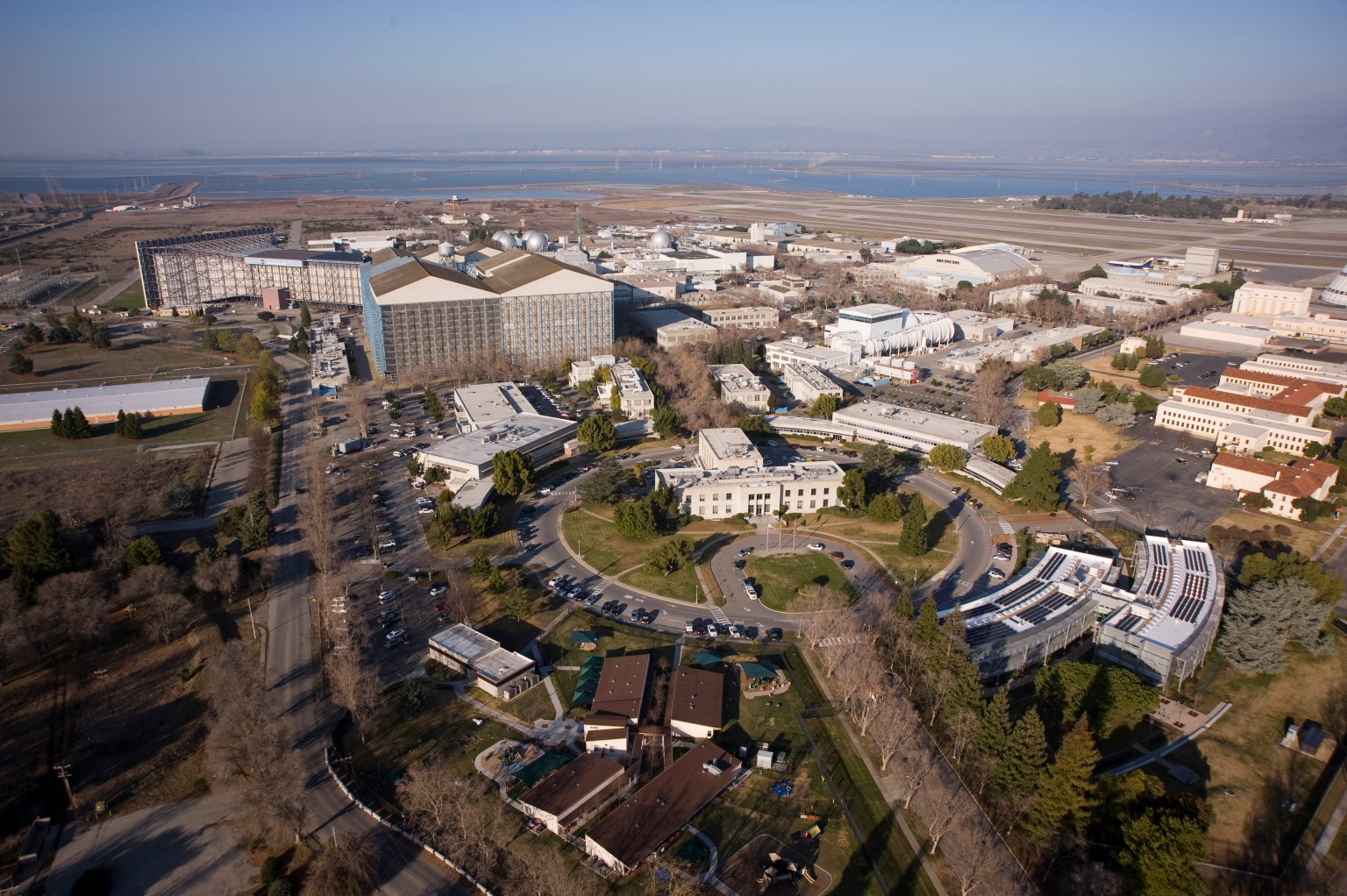
The Vertical Motion Simulator, located at NASA’s Ames Research Center in California’s Silicon Valley, has shaped the future of aviation and spaceflight since 1979. It allows pilots and researchers to experience realistic aircraft motion due to its ability to travel 60 feet vertically and 40 feet horizontally, simulating vehicles ranging from helicopters to spacecraft with high accuracy.
New improvements are making the simulator even more powerful. One of the biggest changes is the switch from analog systems to modern digital technology. This upgrade includes a dome surrounding the simulator’s cockpit with advanced 4K projectors that create visuals with nearly 20/20 clarity, giving pilots clearer, sharper images and a larger field of view of the world outside the cockpit.
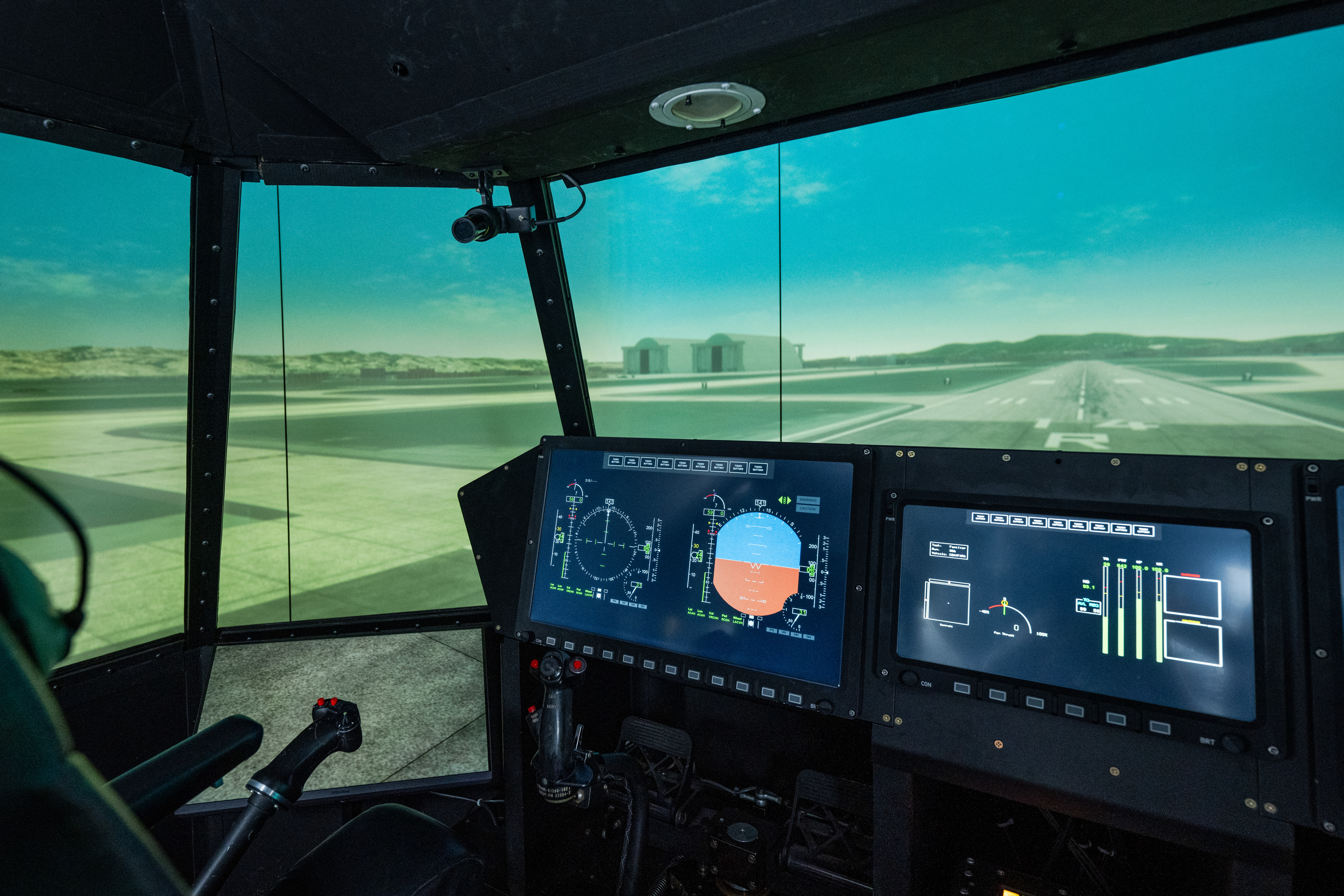
“The new dome configuration and improved systems can support far more aggressive mission tasks while giving pilots and crews a more realistic environment to work in,” said Diana Acosta, aerospace simulation research and development branch chief at NASA Ames. “It strengthens how teams coordinate, react, and manage challenging scenarios, exactly the kind of preparation we need for the missions coming next.”
The system also can automatically line up and color‑match images to integrate them into a simulated background, a process that used to take hours, or even days, to do by hand.
In the past, changing simulation configurations from lunar lander to air taxi required swapping out the cab, a large, heavy structure that was time‑consuming and complex to move. Instead of replacing an entire cab, teams can use lighter, removable inserts that include only the controls, seats, and panels needed to stand in for a specific vehicle. The inserts drastically reduce physical labor and cut the time needed to configure a simulation in half.
The upgrades to the Vertical Motion Simulator will enable tests of next-generation aircraft and spacecraft before they ever leave the ground, bringing us closer to safer skies, more efficient air travel, and successful human landings on the Moon and Mars.