












Neurology Studies and Crew Departure Preps Fill Station Schedule
Neurology studies and crew departure preparations filled the schedule aboard the International Space Station on Thursday. Expedition 74 also kept up the maintenance of the orbital lab replacing electronics and GPS gear and organizing cargo.
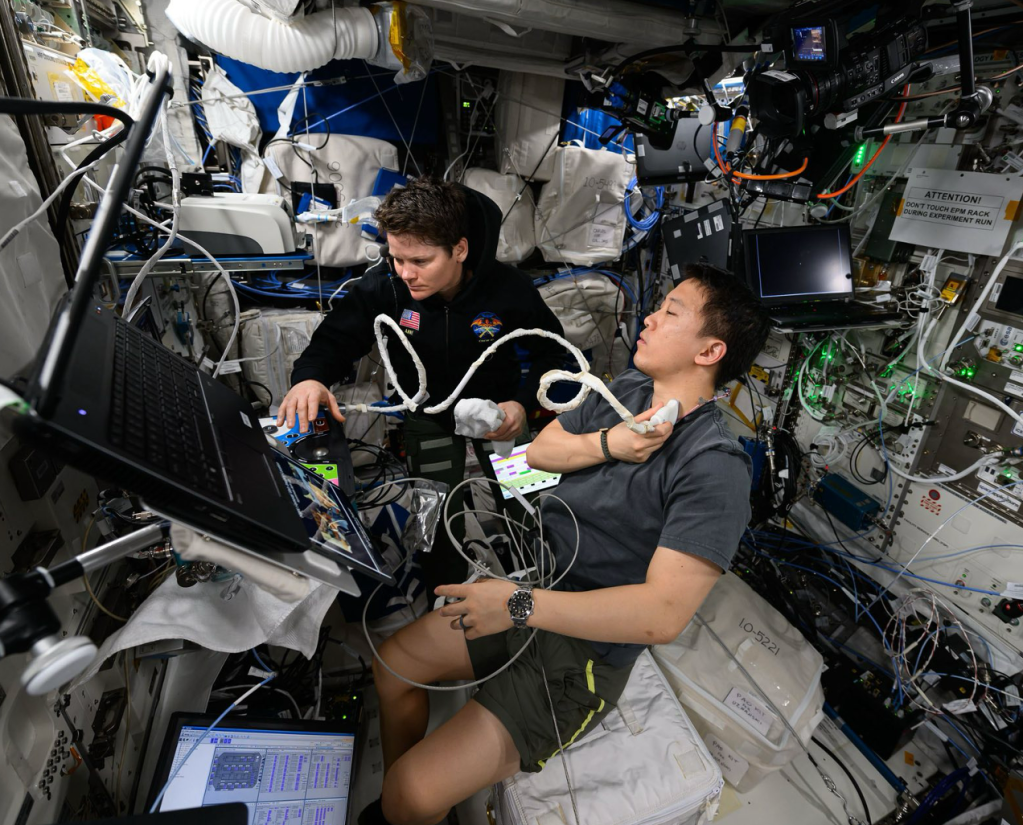
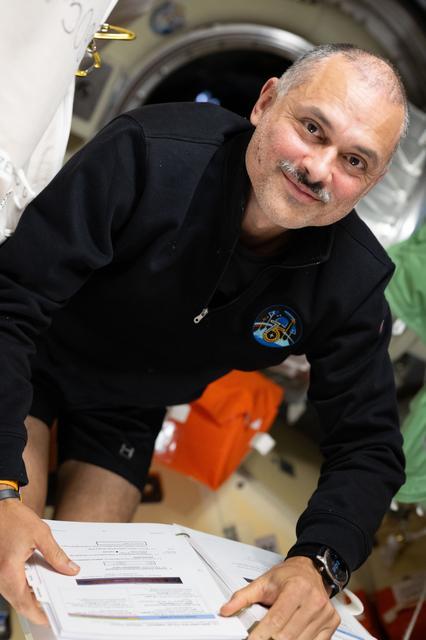
NASA flight engineer Chris Williams continued a second day scientific operations for the CIPHER suite of 14 human research studies. Williams began his shift collecting his blood and urine samples for processing and analysis. Next, he participated in a series of robotics and spatial cognition tests to assess his thinking skills and how he judges distance, direction, and motion in microgravity. Results of the tests will help doctors assess the effects of microgravity on an astronaut’s brain structure and function.
Williams then joined NASA flight engineer Jessica Meir in the Quest airlock and cleaned the spacesuit helmets they wore during a spacewalk together on June 30. The pair then gathered together inside the Kibo laboratory module and called down to officials from Spain and talked about promoting the space economy. Meir wrapped up her shift transferring cargo in and out of the Cygnus XL resupply ship and disposing obsolete biology research gear.
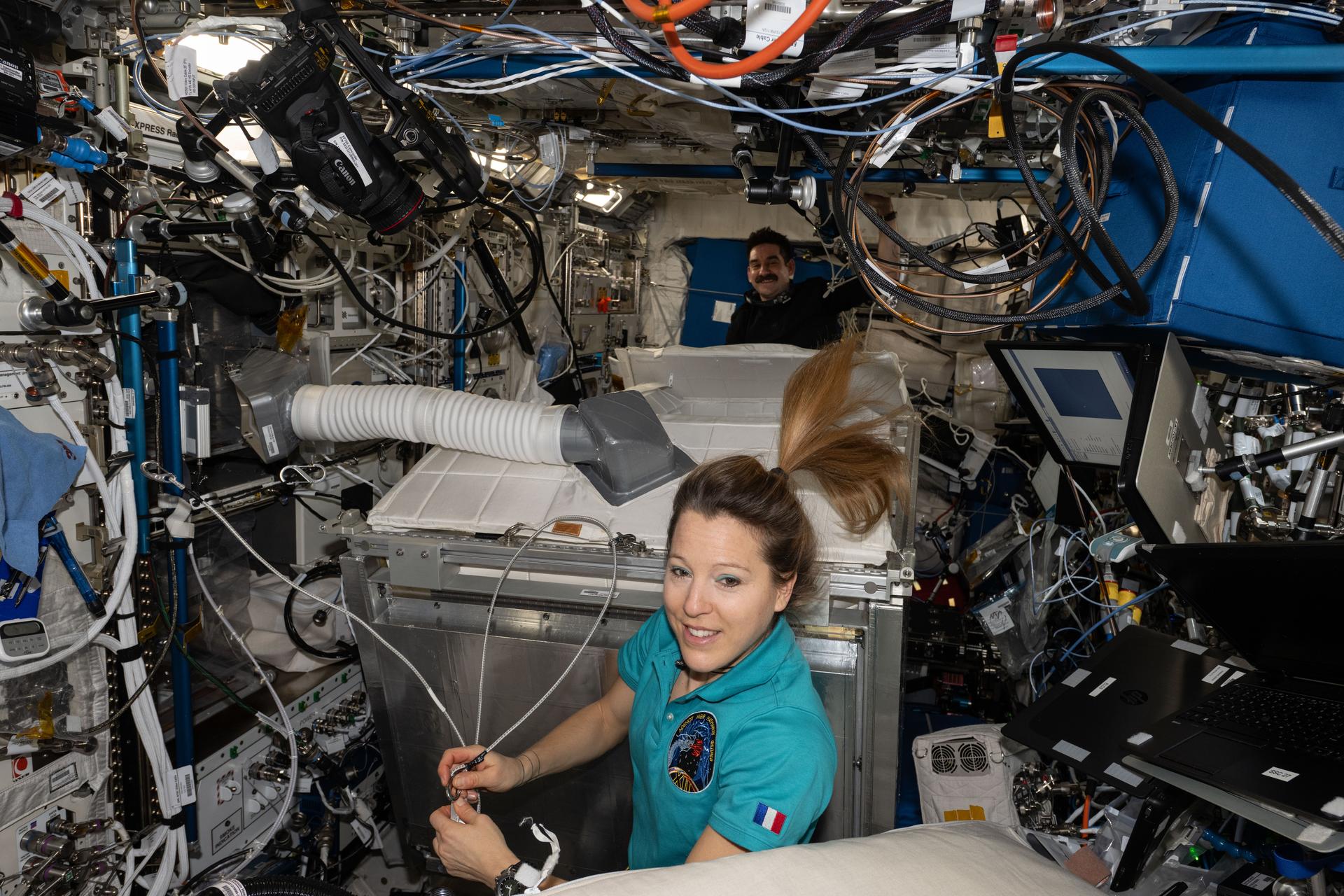
Flight engineers Jack Hathaway of NASA and Sophie Adenot of ESA (European Space Agency) focused mainly on lab maintenance inside the orbital outpost throughout Thursday. Hathaway began by powering down the Harmony module’s electronic systems and hardware connections. Next, he installed a temporary ventilation system to keep Harmony cool while he replaced a remote power controller module. Afterward, he returned Harmony to a powered configuration and stowed the maintenance hardware.
Adenot kicked off her shift reorganizing cargo inside Kibo and stowing packing gear leftover after the SpaceX Dragon cargo spacecraft departed on June 14. The ESA astronaut wrapped up her shift swapping out a Global Positioning System (GPS) receiver in the Destiny laboratory module. The GPS receiver provides high‑precision position, velocity, timing, and orientation information of the space station and visiting spacecraft.
Roscosmos cosmonauts Sergey Kud-Sverchkov and Sergei Mikaev, who are returning to Earth at the end of the month with Williams, tested a specialized suit that reverses space-caused fluid shifts toward a crew member’s head. The lower body negative pressure suit may offset the effects of living in weightlessness and ease the adjustment to Earth’s gravity after a long-term spaceflight. Flight engineer Andrey Fedyaev inspected the Zarya module’s stowage areas then serviced the Elektron oxygen generator inside the Zvezda service module.
Learn more about station activities by following the space station blog, @space_station on X, as well as the ISS Facebook and ISS Instagram accounts.
Get the latest from NASA delivered every week. Subscribe here.
