



















NASA’s New X-59 Test Pilot Gets Behind Controls for Ground Test
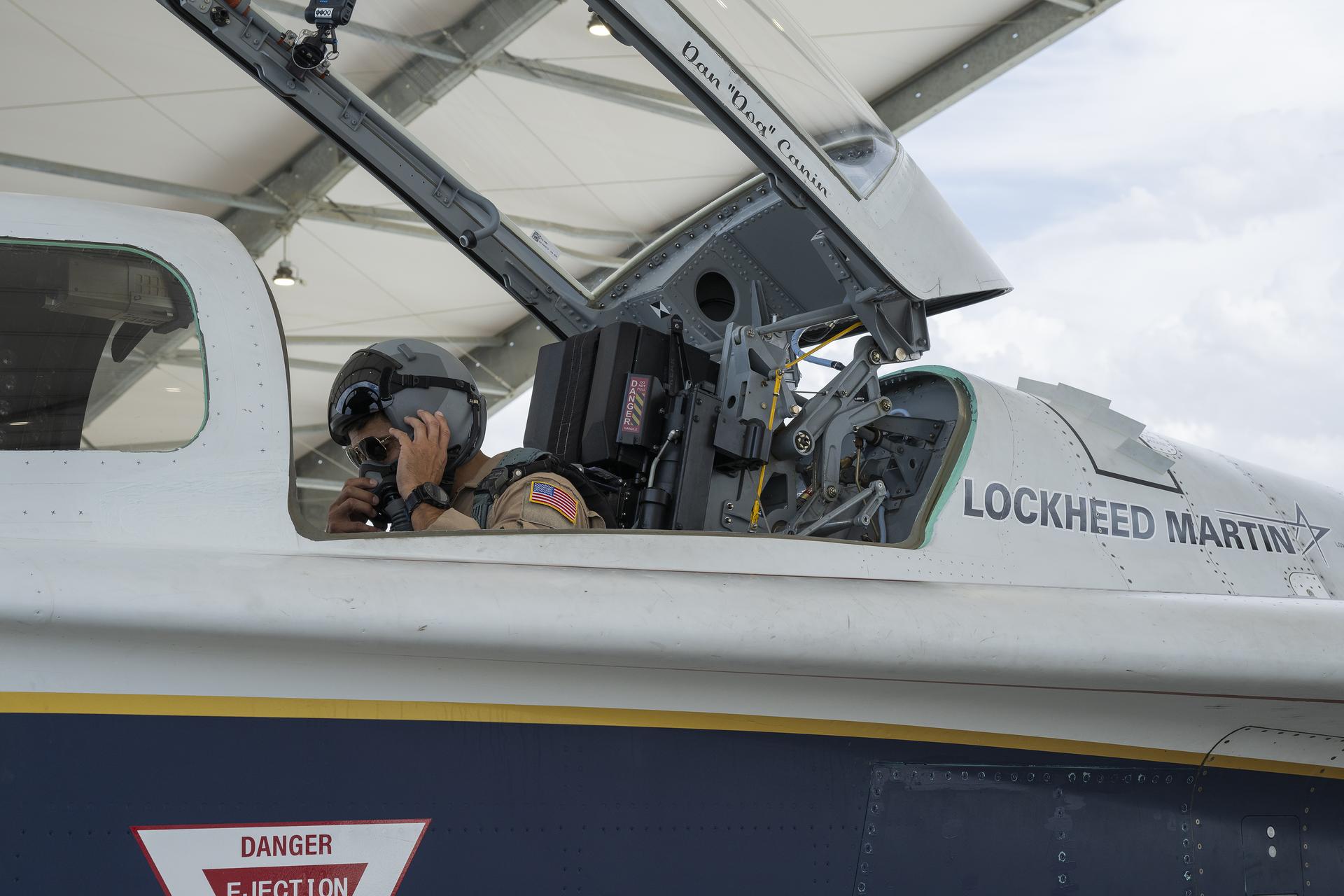
This summer, NASA test pilot Mike Lippert powered up the X‑59 cockpit for the first time, running the aircraft’s engines on the ground during a key step in his months of preparation and training to fly the experimental aircraft.
“Getting into the cockpit of the X‑59 felt very comfortable,” said Lippert, the newest X-59 test pilot for NASA’s Quesst mission. “The whole team has done a tremendous job of making sure I am trained and prepared.”
Lippert’s first powered interaction with the aircraft demonstrated how mentorship works in NASA’s test pilot community. The X‑59’s two established pilots, Nils Larson and Jim “Clue” Less, guided him throughout the test. Larson monitored Lippert’s coordination with the control room, while Less answered questions and provided coaching.
Their feedback, along with insights from experienced engineers, turned the startup sequence into a detailed training exercise to strengthen Lippert’s understanding of the X‑59’s systems and the pace of test operations.
The X-59 is a revolutionary design, shaped to create a quiet thump instead of a sonic boom when flying faster than the speed of sound. The test pilots’ experience and skill will allow NASA to safely test the aircraft, then eventually fly it over U.S. communities to gather data on how the public perceives the sounds it makes.
The engine run also introduced Lippert to the X‑59’s maintenance crew. As the test progressed, Lippert saw how the cockpit and control room work together during critical operations. Watching the real-time rhythm, he said, provided a better understanding of how NASA’s flight test teams align to ensure safety and precision.
Lippert credited the test team’s operating practices and leadership for helping him prepare for flight. He spent extensive time in the X-59’s high-fidelity simulator — designed to match the aircraft’s cockpit — for training, aircraft familiarization, and mission rehearsal. The simulation team’s members are absolute experts on the aircraft and have been key contributors to his, training and the program as a whole, Lippert said.
Lippert said he felt energized after powering on the aircraft’s systems for the first time, adding the milestone left him feeling ready for upcoming test flights. The X-59 will continue to progress through envelope expansion and test its performance under various flight conditions. In the coming months, it will advance toward acoustic validation flight tests to study the sonic thumps it is designed to make.
Learn more about the Quesst mission on NASA’s site.
