
At 9:20 a.m. EDT, the hatch closed between the SpaceX Dragon spacecraft and the International Space Station, marking the start of NASA’s SpaceX Crew-12 return operations.
NASA’s SpaceX Crew-12 Closes Dragon Hatch, Preps for Departure
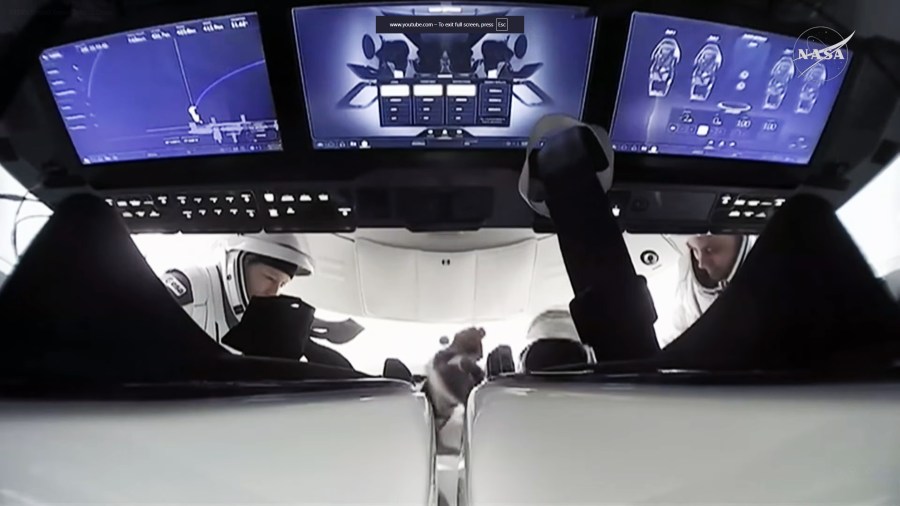

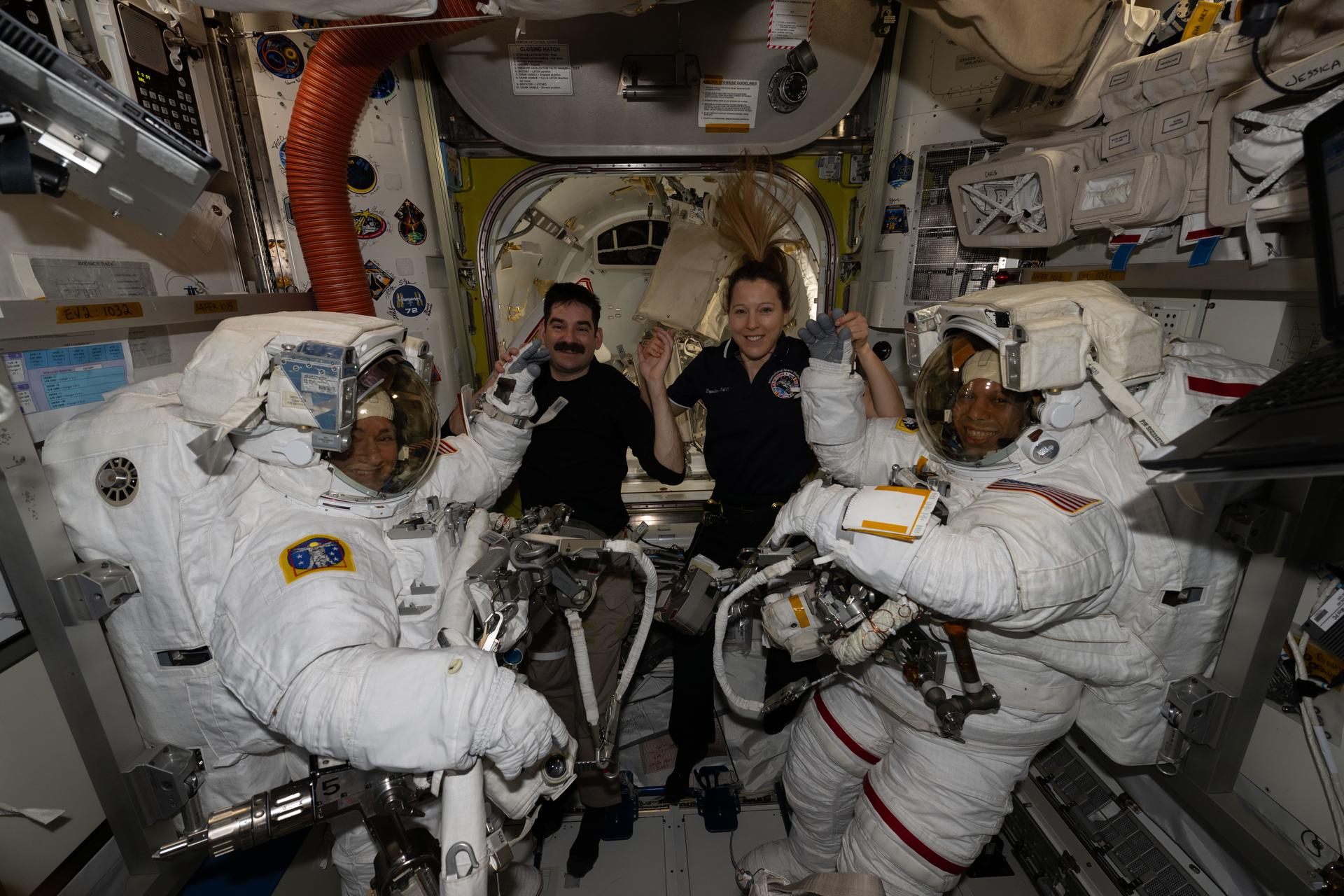



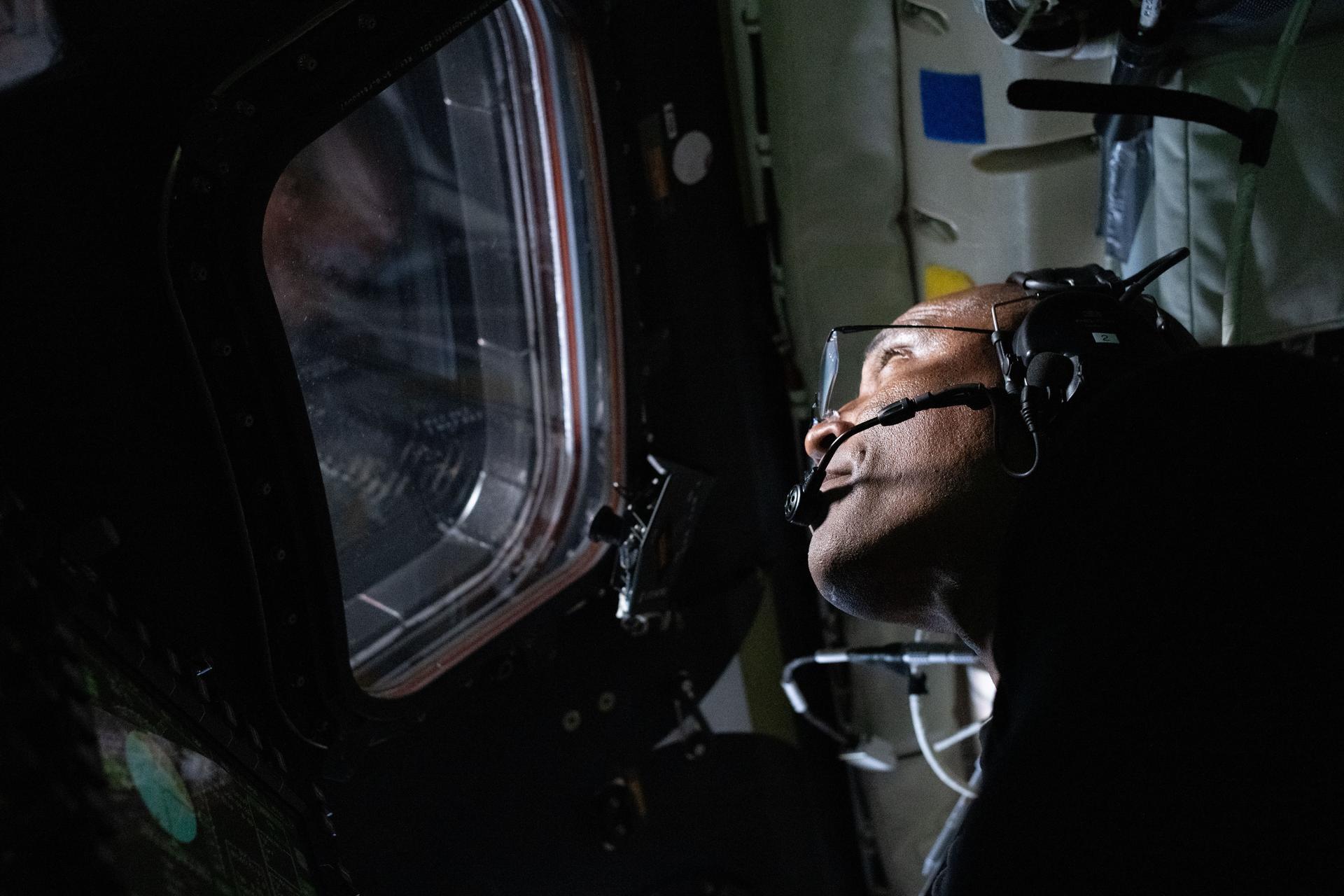




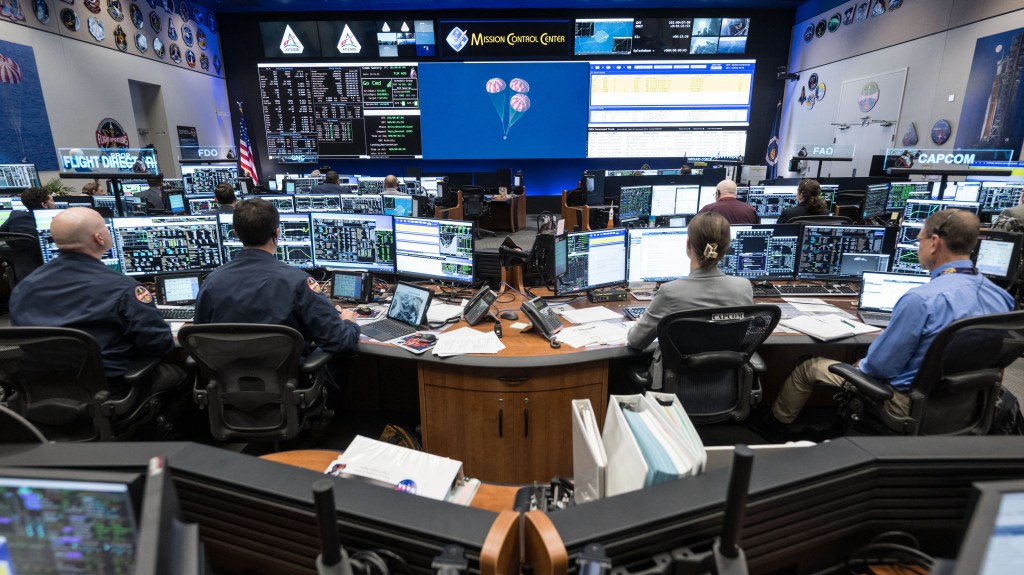

At 9:20 a.m. EDT, the hatch closed between the SpaceX Dragon spacecraft and the International Space Station, marking the start of NASA’s SpaceX Crew-12 return operations.

NASA astronauts Jessica Meir and Jack Hathaway, ESA (European Space Agency) astronaut Sophie Adenot, and Roscosmos cosmonaut Andrey Fedyaev will close the hatch at approximately 6:20 a.m. EDT between the SpaceX Dragon spacecraft and the International Space Station.

Four Expedition 75 crew members are in their final full day aboard the International Space Station as they prepare to undock aboard a SpaceX Dragon spacecraft and return to Earth. Their departure will leave seven residents aboard the orbital outpost to continue advanced space research and lab maintenance.
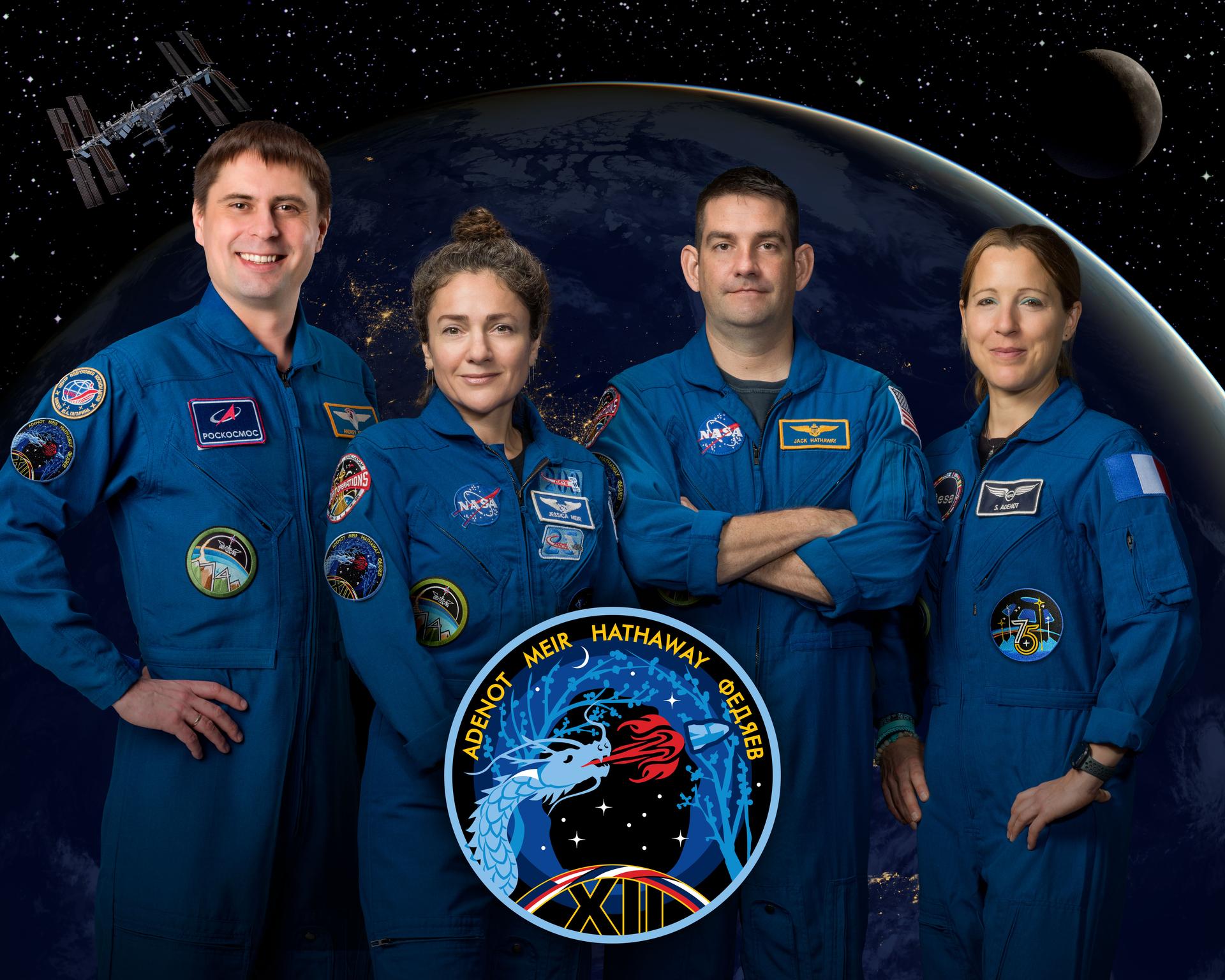
Following a review weather and splashdown conditions off the coast of California, NASA and SpaceX are targeting no earlier than 1:05 a.m. EDT, Wednesday, Oct. 7, for the undocking of the agency’s Crew-12 mission from the International Space Station.
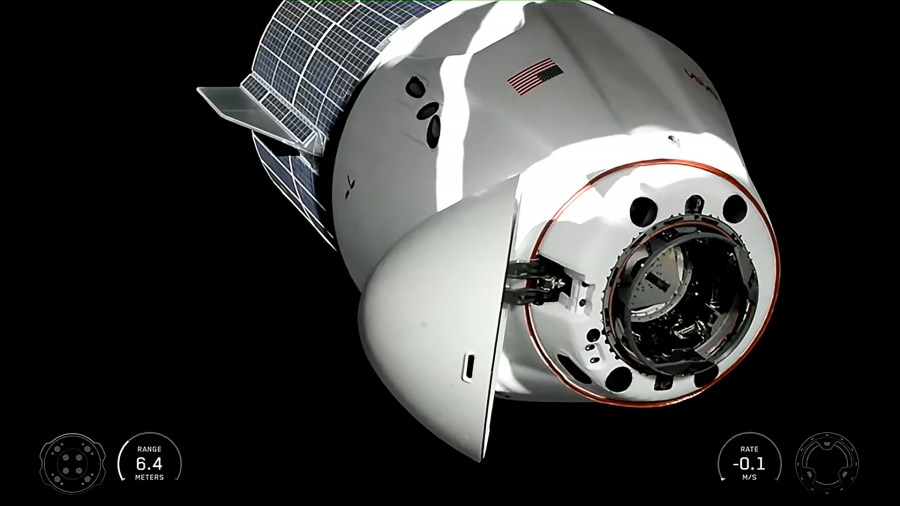
NASA astronauts Jessica Meir and Jack Hathaway, ESA (European Space Agency) astronaut Sophie Adenot, and Roscosmos cosmonaut Andrey Fedyaev arrived at the International Space Station as the SpaceX Dragon spacecraft docked with the orbiting complex at 3:15 p.m. EST.
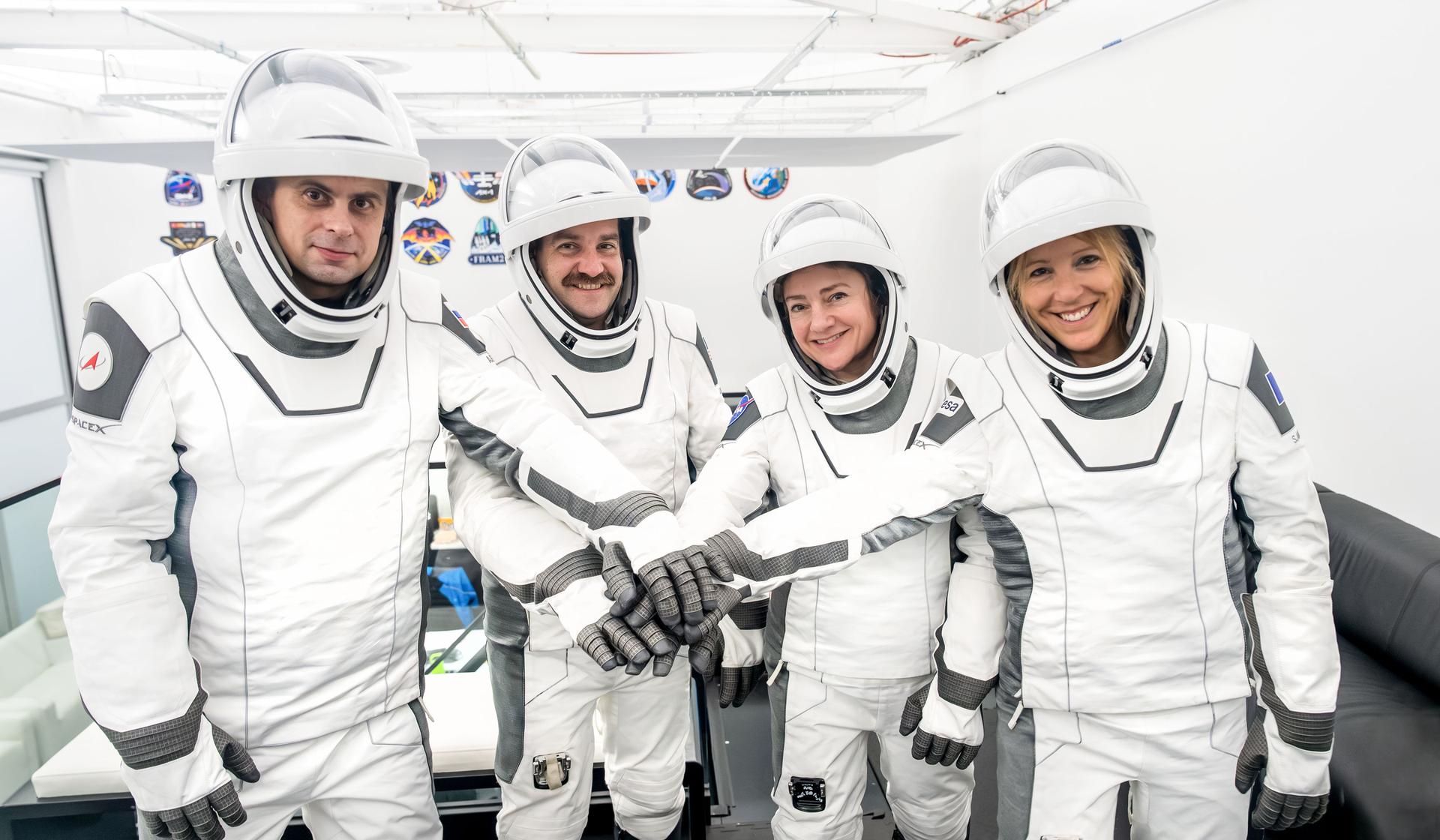
NASA’s live arrival coverage of the agency’s SpaceX Crew-12 mission is underway on NASA+, Amazon Prime, and the agency’s YouTube channel as NASA astronauts Jessica Meir and Jack Hathaway, ESA (European Space Agency) astronaut Sophie Adenot, and Roscosmos cosmonaut Andrey Fedyaev make their way to the International Space Station.
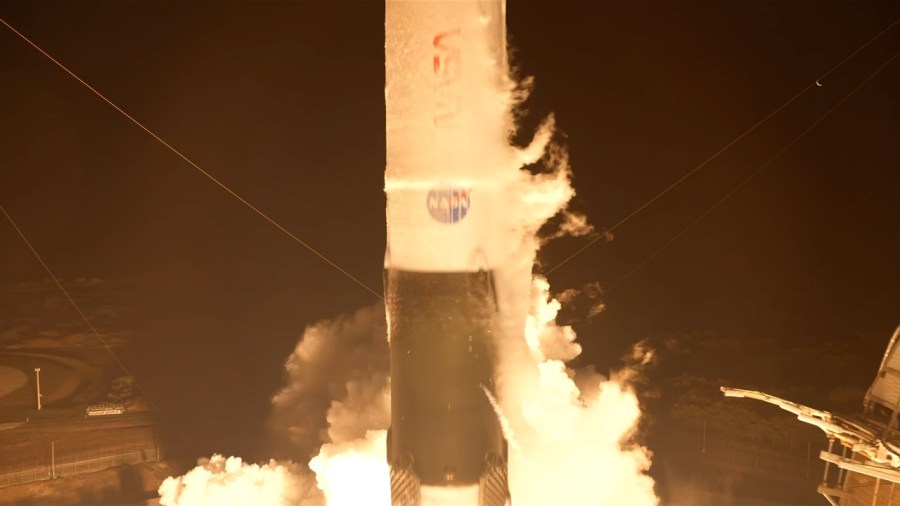
NASA astronauts Jessica Meir and Jack Hathaway, ESA (European Space Agency) astronaut Sophie Adenot, and Roscosmos cosmonaut Andrey Fedyaev, and their SpaceX Dragon spacecraft have reached orbit, and the nosecone has opened. The crew will spend roughly the next 34 hours to rendezvous and dock with the International Space Station. A postlaunch news conference will […]
At 5:24 a.m. EST, The Dragon spacecraft separated from the Falcon 9’s second stage and began flying on its own. The spacecraft is traveling at approximately 17,500 miles per hour (28,200 kilometers per hour). In less than a minute, the Dragon crew spacecraft nosecone open sequence will begin.
The spacecraft now is in orbit and will autonomously dock to the Harmony module’s space-facing port. The crew will soon open their visors and get out of their suits during the ride.
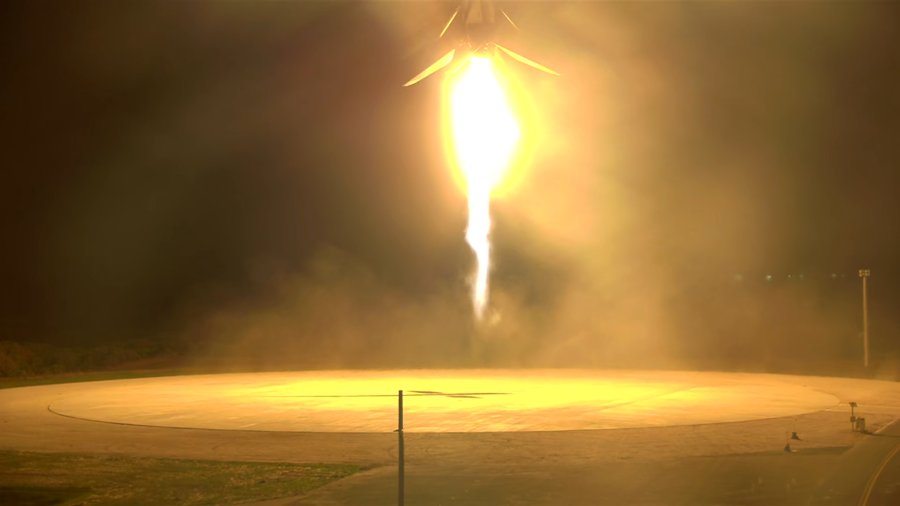
The first stage of the SpaceX Falcon 9 rocket has completed its descent and landed inside the Space Launch Complex 40 perimeter at Cape Canaveral Space Force Station in Florida. As previously mentioned, this marks the first time SpaceX has launched and landed a booster from the same launch complex in Florida. On Jan. 30, […]
SpaceX’s Falcon 9 rocket reached Max-Q, the moment of peak mechanical stress on the rocket. Following this, first stage main engine cutoff occurred, and the rocket’s first and second stages have separated.
The rocket’s first-stage booster is scheduled to return to Space Launch Complex 40 at Cape Canaveral Space Force Station in Florida — marking the first time SpaceX has launched and landed a booster from the same launch complex at Cape Canaveral Space Force Station.
Next, the Falcon 9’s second-stage engine will ignite to carry Crew-9 and the Dragon spacecraft closer to the International Space Station.