











Lab Astro Interviews
Meet the people of our community. Learn more about the path to our field, inspiration of for this specialization, and efforts to advance our understanding of the universe.
Newsletter Issue 3 Interview
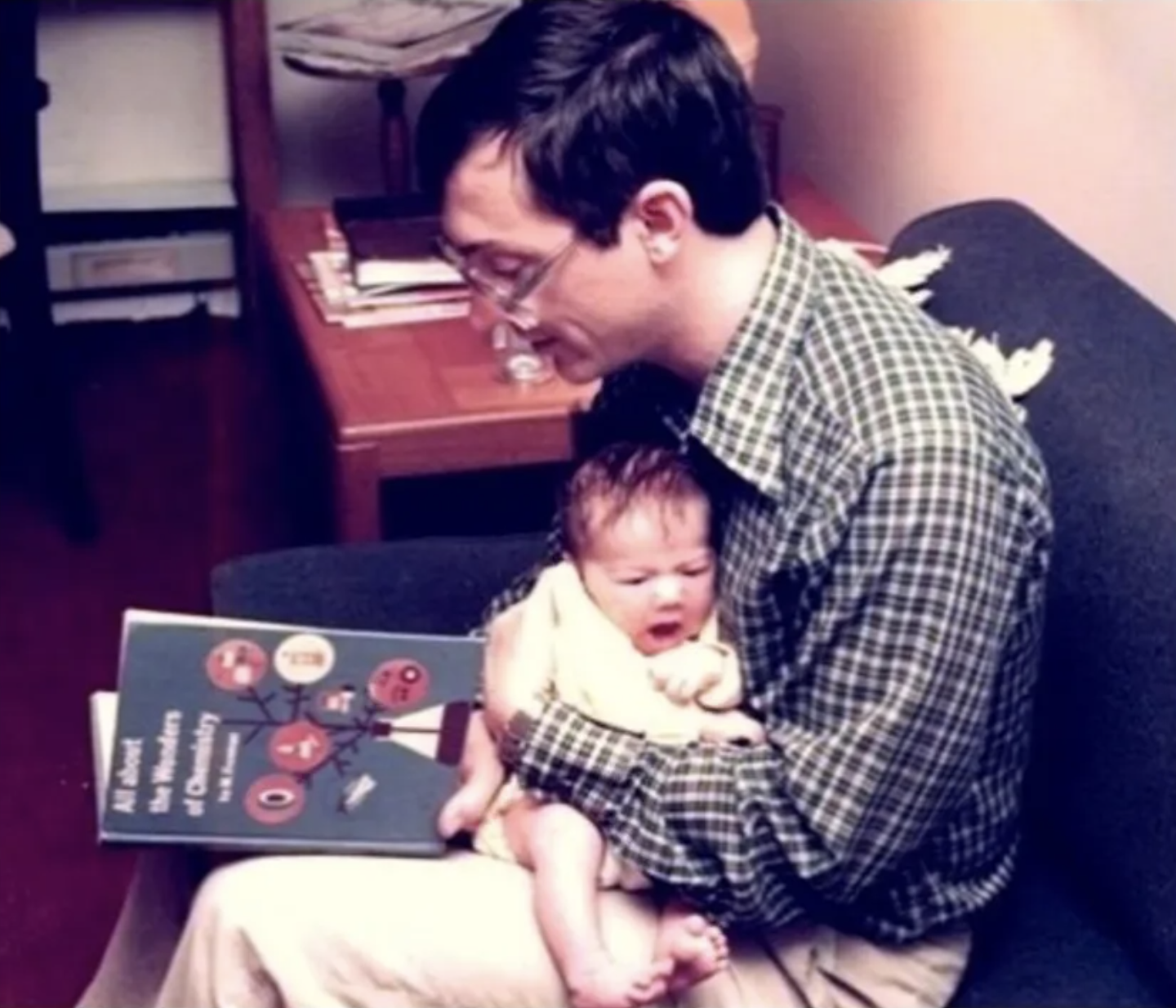
Interview with Dr. Reggie Hudson
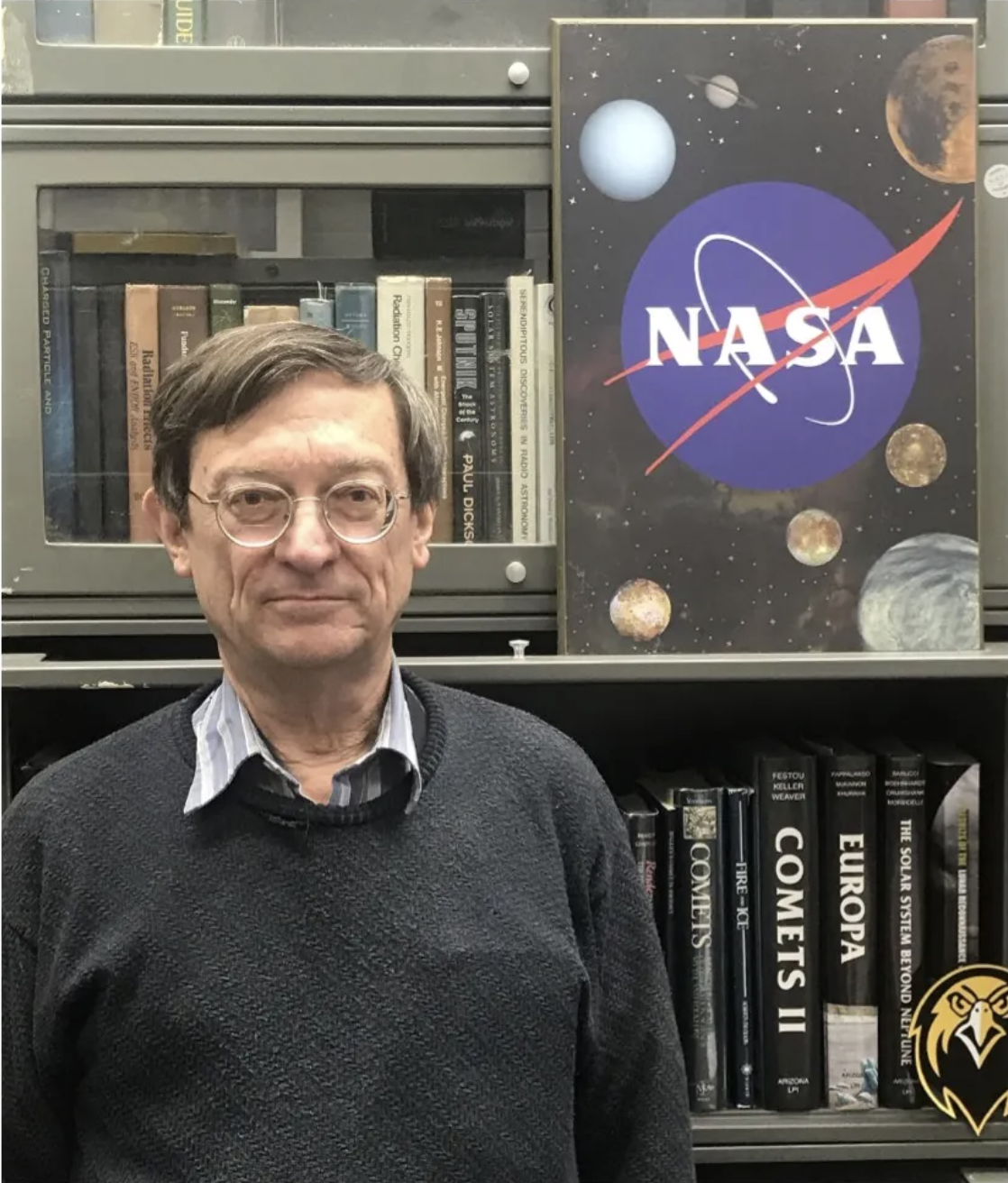
Reggie Hudson is a research astrochemist at the NASA Goddard Space Flight Center in Greenbelt, Maryland. He earned his PhD in physical chemistry with low-temperature spectroscopic studies of radiation-produced free radicals. He served as the 2016-2017 Chair of the American Chemical Society’s Astrochemistry Subdivision and was awarded the American Astronomical Society’s Laboratory Astro-physics Prize in 2023. HIs current area of interest is the formation, destruction, and properties of molecules that make up interstellar and Solar System ices.
What inspired you to become a scientist?
I grew up in the middle of the Space Race, following each NASA launch and splashdown. At one time I could recite the names of all of the Mercury and Gemini astronauts in the order in which they were launched from Florida. An exciting time for sure and I wanted to be in on the action.
What is your current research about?
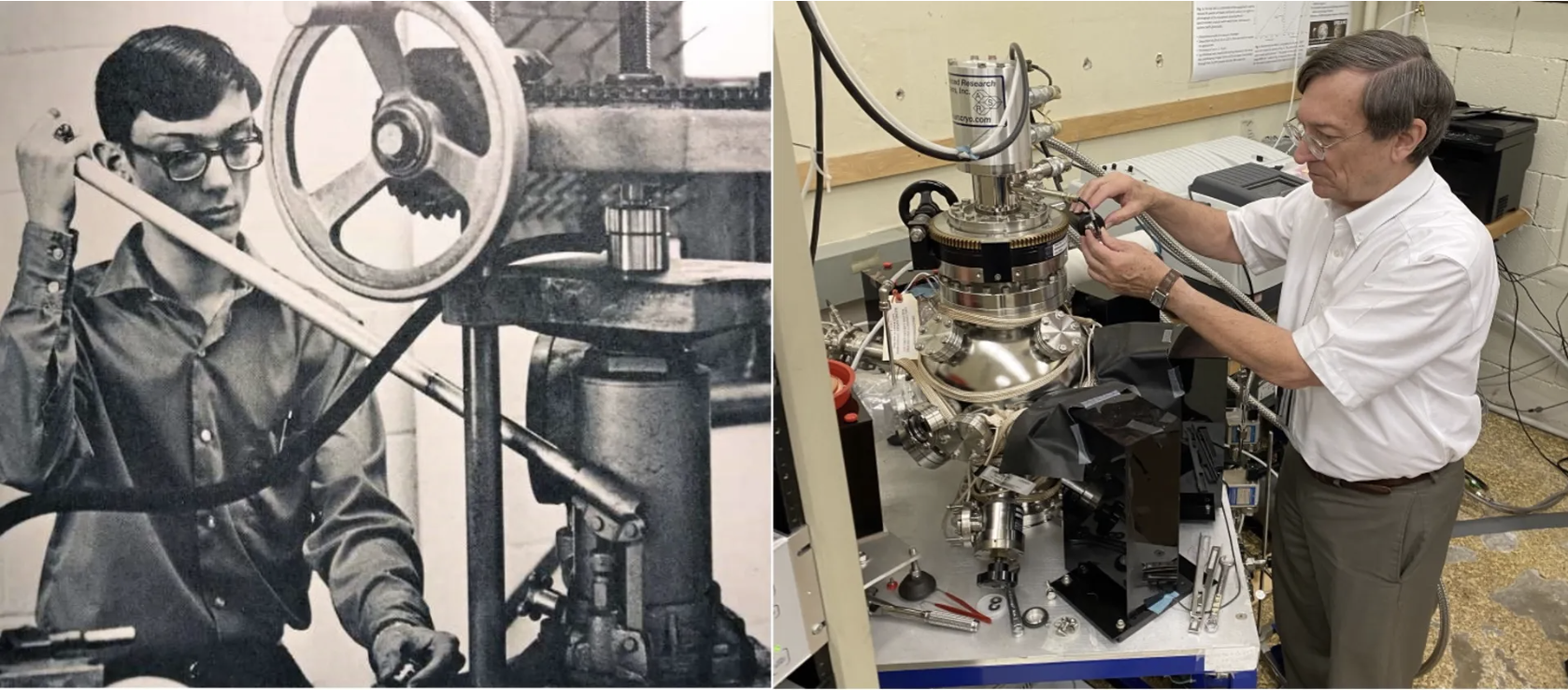
As a youngster, I had no clue how to become an astronaut, but astronomer seemed to be the next best thing. I started stargazing but still had no real know-ledge of the astronomical profession. However, lab scientists were on TV and in movies, so I ended up with chemistry sets and then it was on to chemistry in high school, college, and beyond. After grad school I had a great career teaching (Eckerd College, Florida), but it was hard to stay at the research level. A summer fellowship with NASA changed that.
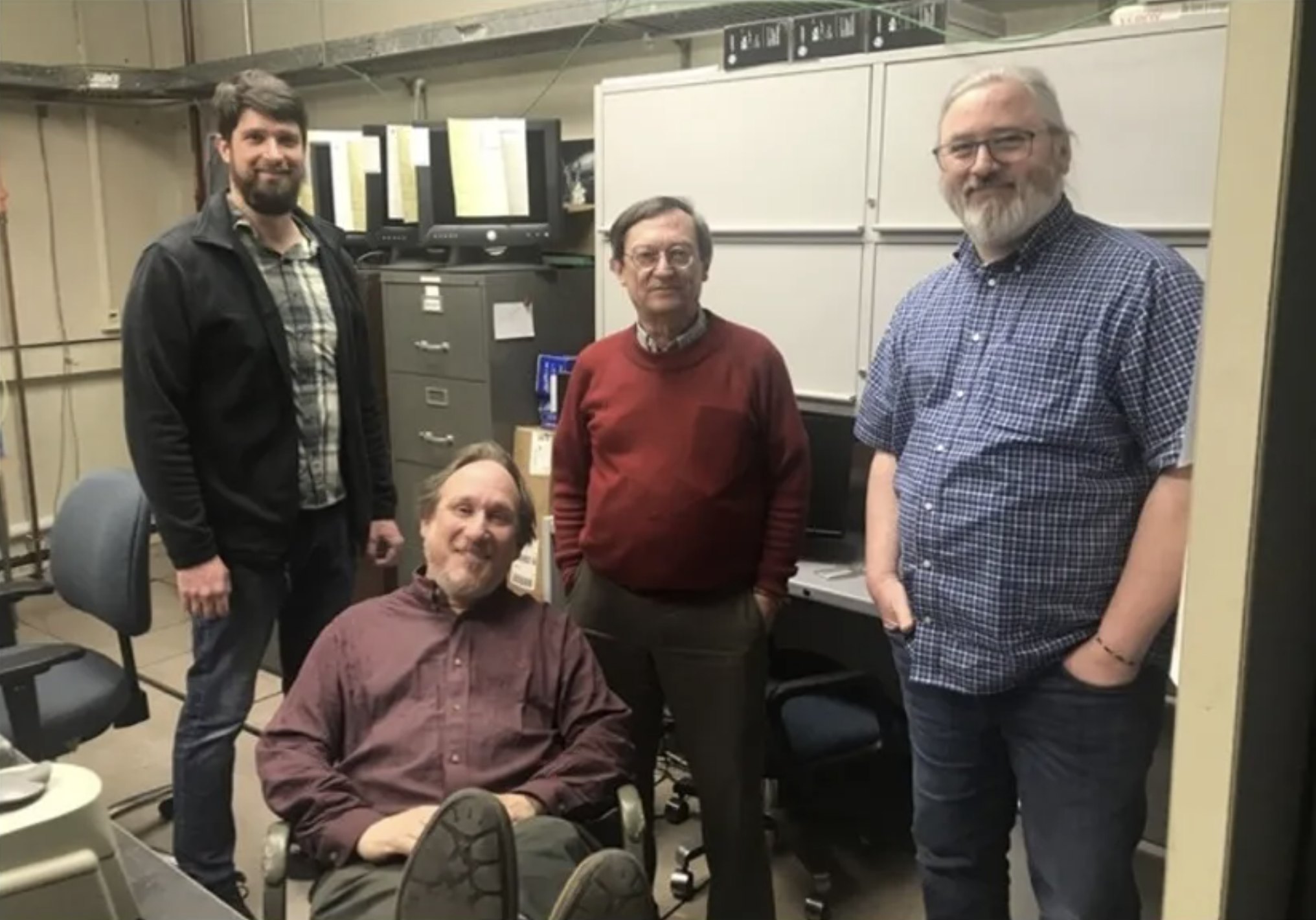
Progress was extremely slow in the first decade, with Marla Moore as the only full-time employee working on ices. The arrival of Perry Gerakines in 1999 was a milestone as he brought in European contacts, knowledge of the Infrared Space Observatory (ISO), and experience with far-UV photolysis. He and I both got job offers from NASA about 10 years later. Mark Loeffler was with us for a few years before answering the siren call of academia. Chris Materese soon joined the group and skillfully handles most of our radiation work. We’ve had productive interactions with many NASA and non-NASA researchers, as well as large missions such as Galileo, Cassini, New Horizons, Spitzer, Hubble, and of course JWST.
How has the field of astrochemistry evolved since you started your career?
A big change is what can be called the “professionalization” of the field. There now are astrophysics/ astrochemistry groups within both the American Astronomical Society and American Chemical Society. Related to this change is that the standards and expectations for laboratory work have risen over the past few decades. The “quick and dirty” measurements from the past have given way to work at a higher and more rigorous level in many research groups. There also has been a welcome influx of theoreticians with a molecular focus, calculating structures, spectra, reaction paths, and physical proper-ties. The internet has made communication much faster and offers the potential for ready exchange of results. Unfortunately, there still are too many re-search groups that seem to have a mortal fear of sharing data and computer codes. One thing that does not seem to have changed is a reluctance to make testable predictions.
What impact has your research had in the field? What do you consider to be your greatest achievement in your research regarding astrochemistry in general and astrophysical ices in particular?
Science is a community effort, so it’s hard to judge my own impact. My guess is that I’ve influenced activity in the field of “radiation astrochemistry” by showing the many types of chemical and physical changes resulting from radiolysis of extraterrestrial ices, such as oxidations, reductions, eliminations, acid-base reactions, and so forth. I also think that I played an influential role in the “cyanate wars”, showing that the cyanate anion can be formed in many ways in laboratory and interstellar ices and identified by IR spectroscopy. In another area, I think my colleagues and I have been influential in helping to clean the literature of some older, questionable laboratory results, delivering state-of-the-art measurements of IR band strengths and optical constants. Finally, I believe that I’ve influenced the field by encouraging my colleagues to post lab data and open-source computer routines (okay, code) on websites for free and easy access, something that our group started doing about 25 years ago.
Which open question in astrochemistry would you like to see answered in the near future?
There are so many that it’s hard to choose just one. The diffuse interstellar bands are probably on every spectroscopist’s list. Two ice problems in which our group has been involved are the missing nitriles and the missing sulfur issues in interstellar ices. Many interstellar nitriles have been identified in the gas phase, but none in interstellar ices. We suspect that nitriles in H2O-rich irradiated ices get converted to cyanate and then to CO2, but quantitative studies remain to be done. Similar thoughts apply to H2S and thiols. Our suspicion is that they are missing due to ready oxidation, but relevant experiments are scarce. See also my answer to the next question.
What do you consider to be important laboratory astrophysics data still needed?
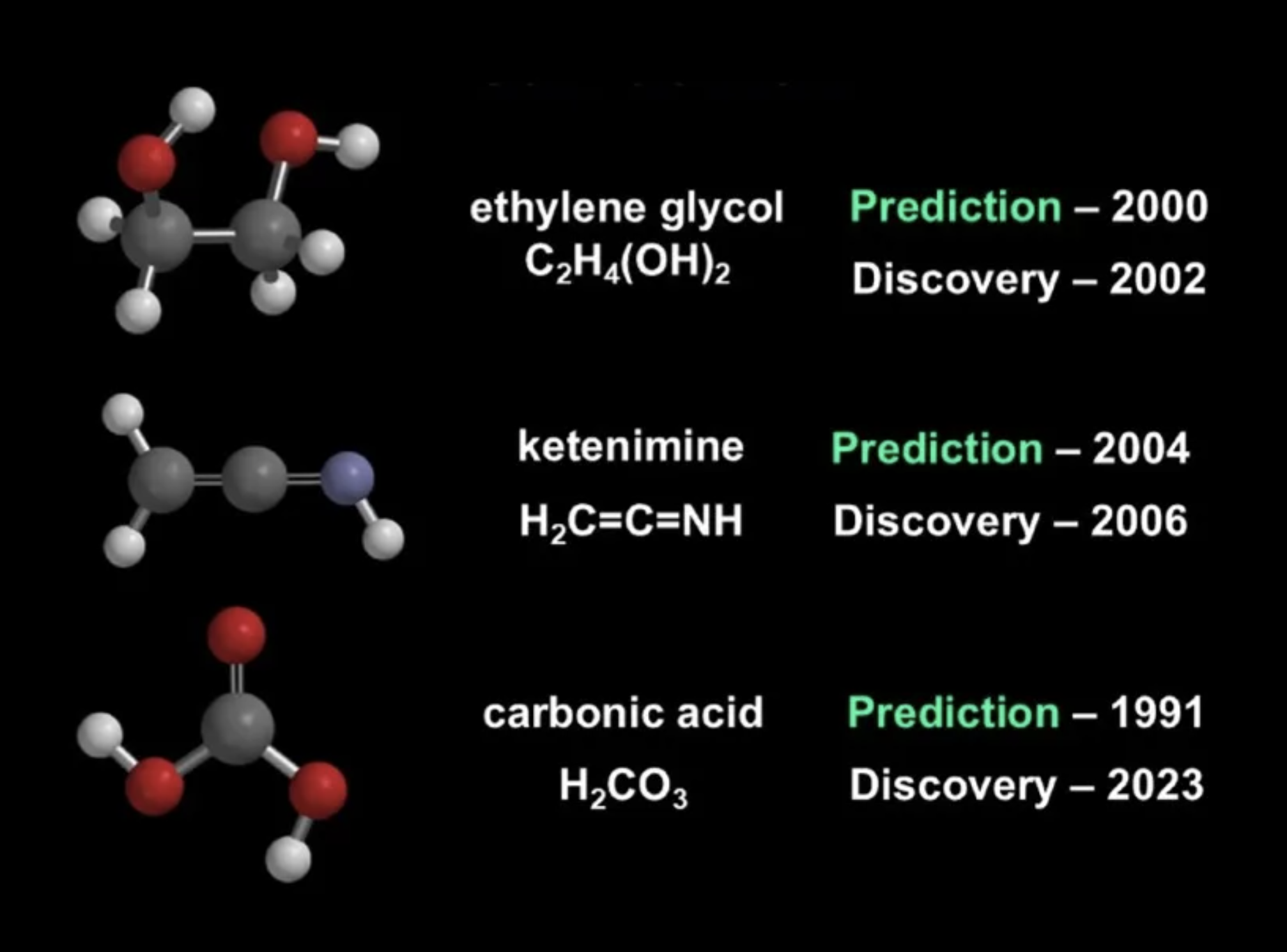
Our group almost exclusively studies the IR spectra and chemical and physical properties of ices. We’ve used our lab results to successfully predict new interstellar molecules, but we’d like to have quanti-tative measurements connecting the ice and gas phases. We published some rather primitive experiments years ago, but we could not quanti-tatively connect ice composition and gas-phase composition. Quantification is difficult.
What was the most important advice somebody gave you? Do you have any advice for early-career scientists who are interested in working in astrochemistry?
Perhaps the most important advice, which I’ve tried to follow, is to read widely and deeply. For early-career people, remember that science didn’t start in the year 2010, so be sure to study the old, original references for whatever you cite in your papers. Such work can lead to interesting new research ideas and can help to avoid mistakes.
Lab work is very expensive, so I also would recommend a focus on new research problems, as opposed to reinventing the wheel. I can also mention a comment attributed to Niels Bohr: “An expert is someone who has made all the mistakes in a particular field.” Don’t hesitate to talk to experts. They can save you lots of time.
How do you balance your professional and personal life? What do you do outside of work?
I wish I could say that I’m still an amateur astronomer, but the light pollution in the Baltimore-Washington DC area has pretty much brought that hobby to an end for me. I’ve long been a history-of-science buff, stretching back almost to elementary school. This has led my family and me, and also my co-workers, on some interesting treks in search of scientific sites. I’m also a book nut, haunting local sales for old and unusual volumes.
Newsletter Issue 2 Interview
Interview with Dr. Peter Gao
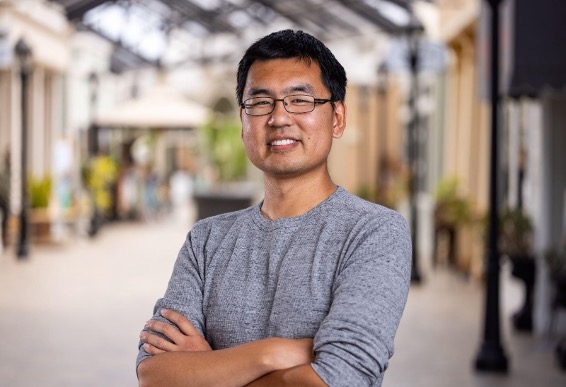
Peter Gao received his PhD in Planetary Science from Caltech in 2017. He then moved to the San Francisco Bay Area as a NASA Postdoctoral Program (NPP) Fellow at NASA Ames Research Center, working on exoplanet and brown dwarf cloud modeling, followed by three years at UC Berkeley, as one of the inaugural 51 Pegasi b Postdoctoral Fellows, where he continued his investigation of exoplanet clouds and hazes. After three years, he was offered the NHFP Sagan Fellowship at UC Santa Cruz, where he spent one year before moving to the Washington DC area to become a permanent staff scientist at the Earth and Planets Laboratory of the Carnegie Institution for Science.
How did you get into exoplanet research?
I started my career as a graduate student at Caltech studying clouds and hazes (aerosols) in the atmospheres of Venus, Titan, and Pluto. Specifically, I modeled the microphysical processes — nucleation, condensation, eva-poration, and coagulation — that controlled their formation and their size and spatial distributions. As I neared the end of my PhD program, however, I noticed an interest from the community in more exotic clouds and hazes in exoplanet atmospheres and how they affected the interpretation of exoplanet data. At the time, most of the models used to simulate such clouds and hazes were simplified and lacked predictive power. Working with an exoplanet scientist at Caltech, I applied my microphysics model to exoplanet clouds and hazes to predict their distribution from first principles, and found a diverse set of behaviors depending on the specific cloud and haze material and the background atmospheric state.
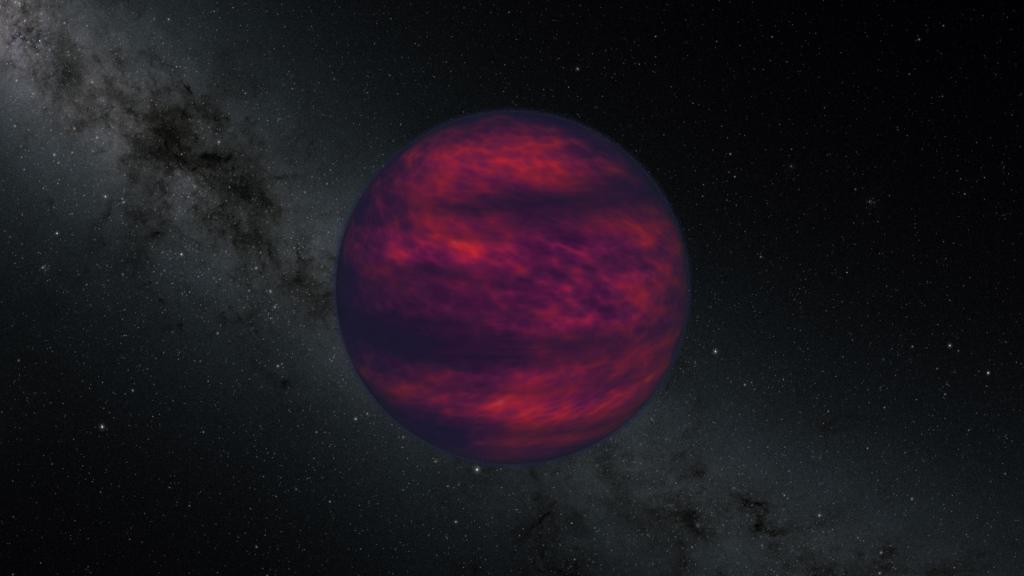
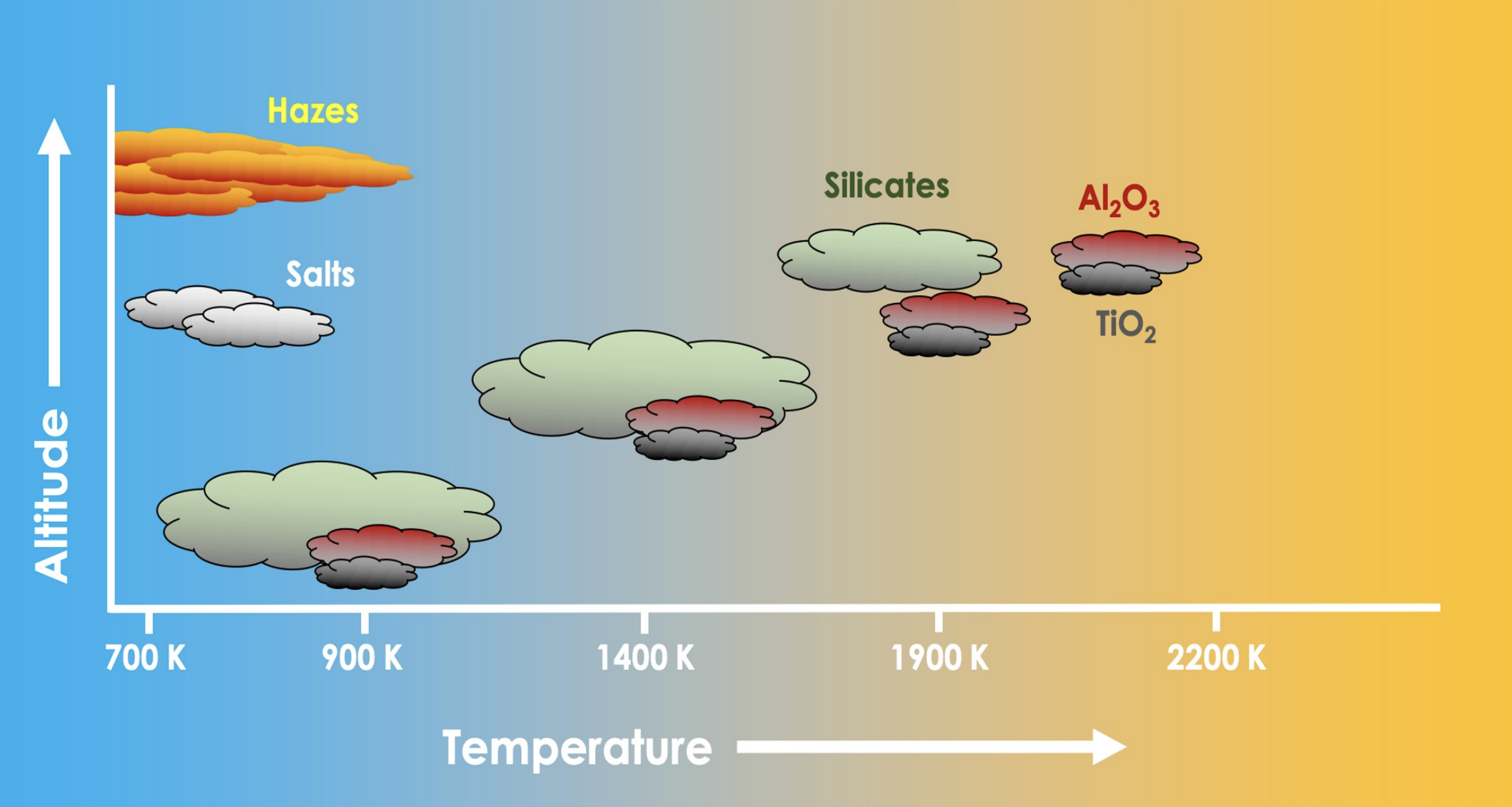
I continued to pursue this topic into my postdoc years at NASA Ames, UC Berkeley, and UC Santa Cruz, eventually constructing a standard microphysics model for condensate clouds in atmospheres dominated by hydrogen and helium, which I applied to explain the cloudiness trend in hot and warm Jupiters (Figure 1). In 2021, I started my permanent position as a staff scientist at the Earth and Planets Laboratory of the Carnegie Institution for Science, where I expanded beyond exoplanet cloud and haze research into interpretation of exoplanet atmospheric data from the James Webb Space Telescope (JWST).
What is your current research about?
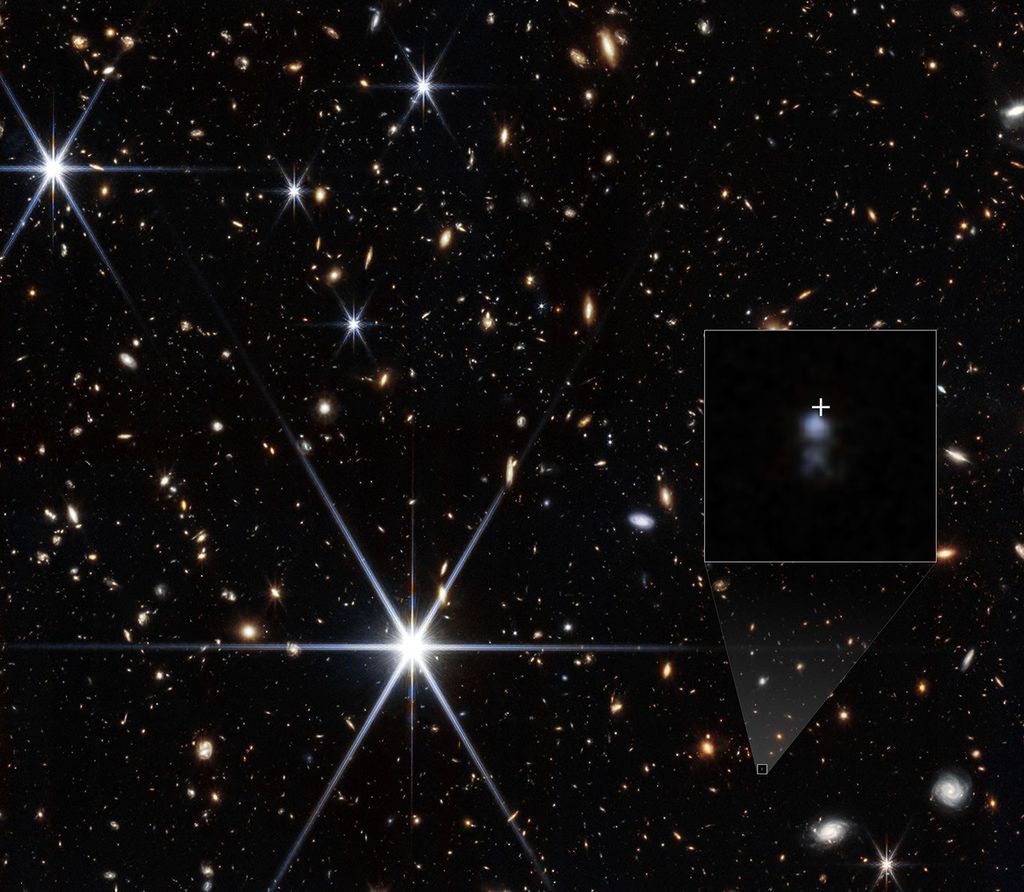
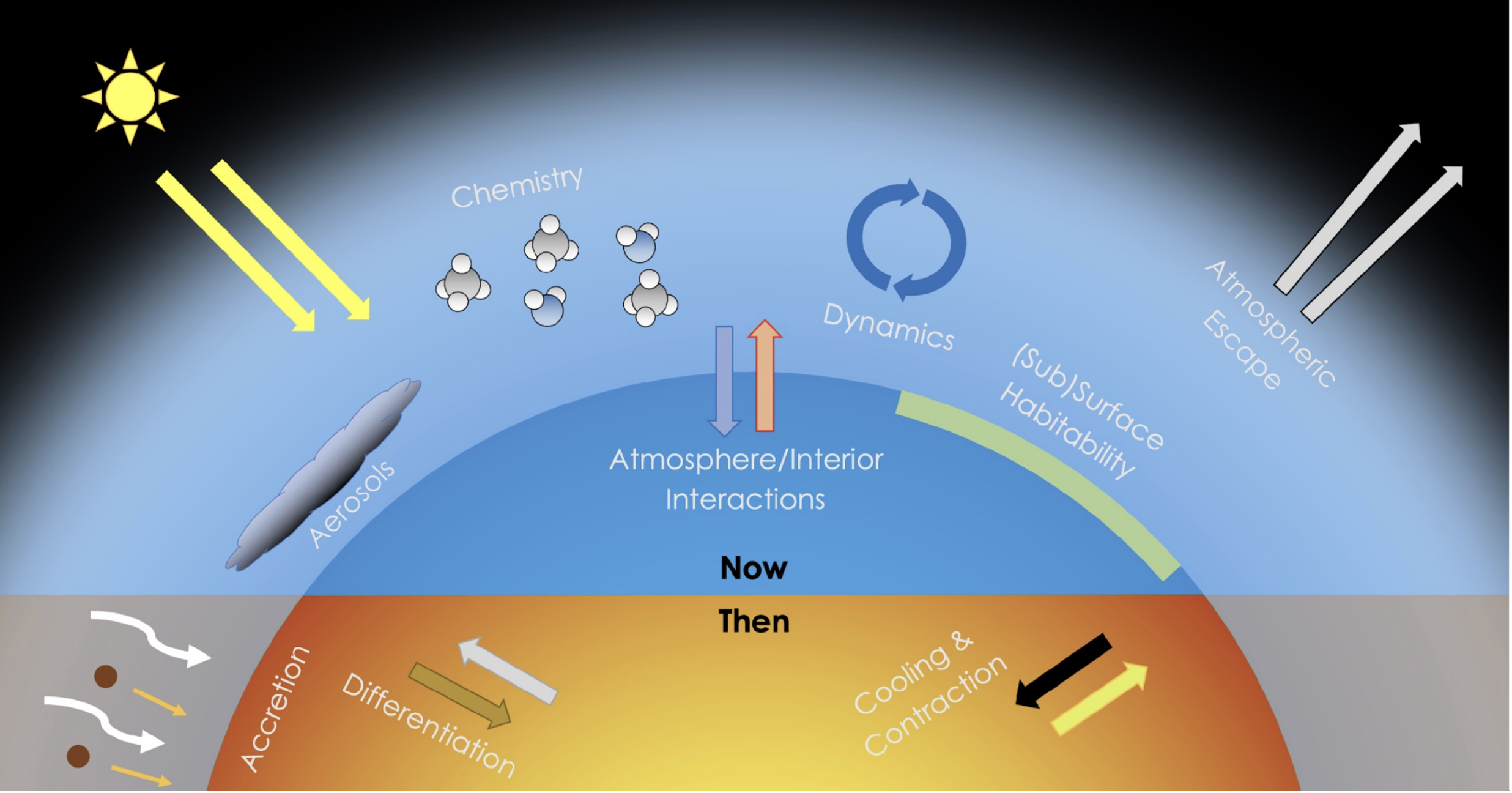
My current research focuses on understanding the formation and evolutionary processes of the exoplanet population through modeling of atmospheric observations from JWST (Figure 2). I use a suite of tools, including retrievals, radiative–convective equilibrium forward models, photochemical models, and aerosol micro-physics models to interpret transmission and emission spectra from JWST of a range of planets, from rocky worlds to gas giants. My specific interests lie in three topics: (1) the nature of extremely young (<100 Myr) planets, which can tell us about the initial conditions of planet evolution, (2) connecting system architecture to the atmospheric composition of giant planets, which can better constrain their formation processes, migration scenarios, and dynamical histories than just knowing their atmospheric composition alone, and (3) atmosphere–interior interactions of sub-Neptunes, which can greatly affect the observed atmospheric state and offer clues to the nature of this enigmatic population.
A lot of my present motivation and joy in my research stems from the flood of new data we are getting, not just from JWST, but also from ground-based facilities capable of high-contrast and high-spectral-resolution obser-vations. As a Co-I on several JWST programs, I have the privilege of seeing connections between different datasets made possible by the shared laws of physics and chemistry that control these planets’ atmospheres. It is an awesome feeling seeing what was predicted decades ago falling into place, a feeling only eclipsed by seeing the unpredicted, which happens often and leads to brand new questions to explore.
How has the field of exoplanet research evolved since you started your career?
When I started graduate school in 2010, the discoveries of the Kepler mission were only a few months old and atmospheric charac-terization of exoplanets were limited to mostly photometry and low-resolution spectroscopy of hot Jupiters. The predictions of models far outpaced what could be tested with the available data. Since then, the field has grown exponentially in both research and people. Models became more sophisticated — and also open — more publicly available codes arrived on the scene, allowing more people, especially junior scientists, to make substantial contributions. With the launch of JWST and development of new ground-based instru-ments, we are now finally able to test the myriad of predictions from chemical, dynamical, and aerosol models that have been applied across the exoplanet population. The bottleneck is no longer just the astronomical data, but rather the accuracy of the models and the lack of important experimental data as well, prompting a new push to solve these issues. In addition, smaller planets, including sub-Neptunes and rocky planets, are now a major focus thanks to the improved ability to observe them, but both the observational data and models of their atmospheres and interiors are still in their infancy. It’s a very exciting time!
How has your research impacted the field?
I like to think that I made a significant contri-bution to the study of clouds and hazes in exoplanet atmospheres, and helped promote the use of microphysical models in interpreting exoplanet data. During my career I saw clouds and hazes evolve from a nuisance that plagued datasets to a major subfield of study in exoplanet science, and I hope I played a positive role in making that happen.
Which open question in exoplanet research would you like to see answered?
I would like to see the nature of sub-Neptunes revealed in the near future. Given their abundance in the exoplanet population, not knowing what they really are, or how they came to be, seems like a major problem. Luckily this problem is being attacked from multiple fronts, through astronomical obser-vations, advanced models, and laboratory work. With their powers combined I think it would be just a matter of time before we can say something fundamental about them as a population. Meanwhile, I think we are close to “solving” giant exoplanets in terms of their origins, migration pathway, and atmospheric state. Between system architecture measu-rements (e.g., spin-orbit alignment, planet multiplicity, eccentricity distribution), atmo-spheric composition data, and investigations into their atmospheric chemistry, dynamics, and aerosol content through space and ground-based spectroscopy, I think we can soon — within the next decade I hope — say how hot, warm, and cold exo-Jupiters come to be and evolve over Gyr timescales.
What do you consider to be important laboratory astrophysics data still needed for exoplanet research?
We desperately need more laboratory studies in exoplanet science!! There are fundamental problems in the field that can only be solved through experimental research. I would divide the necessary work into those that support models and astronomical observations, and those that offer unique insights that neither models nor observations can provide. In the former category are measurements of gaseous opacities and chemical reaction rates at a wide variety of pressures, temperatures, and compositions (especially sulfur!!) that control the results of radiative-convective equilibrium and photochemical models. In the latter category are (1) high pressure experiments that can directly tell us the conditions in the interiors of sub-Neptunes and giant planets, including how various materials mix, and (2) direct experimental simulation of aerosol formation through condensation of a mix of species (e.g., Mg, SiO, Fe, Al) and gradual generation of haze particles through chemical reactions; these are vital in helping us understand what the formation pathways of aerosols are in exoplanet atmospheres.
What was the most important advice somebody gave you?
It’s ok to say no to things, but at the same time it’s an artform to recognize great opportunities from not-so-great ones.
Do you have any advice for early-career scientists interested in exoplanet research?
I would say that this is an extremely exciting time to enter the field given the current flood of data and the promise of an even greater deluge of data to come from Gaia, the Roman Space Telescope, and the Extremely Large Telescopes (ELTs), and that there are way more questions than there are people working on them. Exoplanet science is such a young and developing field that merely scratching the surface would reveal major mysteries. For example, what is even a sub-Neptune? We still don’t have a good idea on a population level. In terms of specific advice, I think one should keep note of the latest discoveries in exoplanet science, but also immerse oneself in related fields, such as Solar System and stellar science, which could inspire new ways to look at mysteries in exoplanet science that are already well known in those fields. My work in applying aerosol microphysics to exoplanets is a perfect example of this. Exoplanet science is becoming more and more interdisciplinary every day and having a wide base of knowledge across astrophysics, planetary science, and Earth science will be helpful for making sense of the observations to come.
What inspired you to become a scientist?
I wanted to study geology and astronomy since I was a kid when I was given children’s books on those topics filled with images of landforms and planets, the latter taken by the Voyager probes. Years later I got to thank Ed Stone, the Project Scientist of the Voyager missions, in person for his inspiring work at a DPS meeting, which was pretty neat. I would say watching folks like Carl Sagan when I was a teen was also impactful in making me want to test my assertions instead of just believing them.
How do you balance your professional and personal life?
It’s very difficult! I have young kids so when I am not working, I am taking care of them and all the other chaotic things that happen in a family with young kids. I very much feel like I am flying through life by the seat of my pants, hopping from one thing to another with no real firm trajectory, but it seems to have worked out so far in life and work, thanks to my supportive partner and colleagues. It’s chaos but also thrilling and rewarding!
Issue 1 Interview
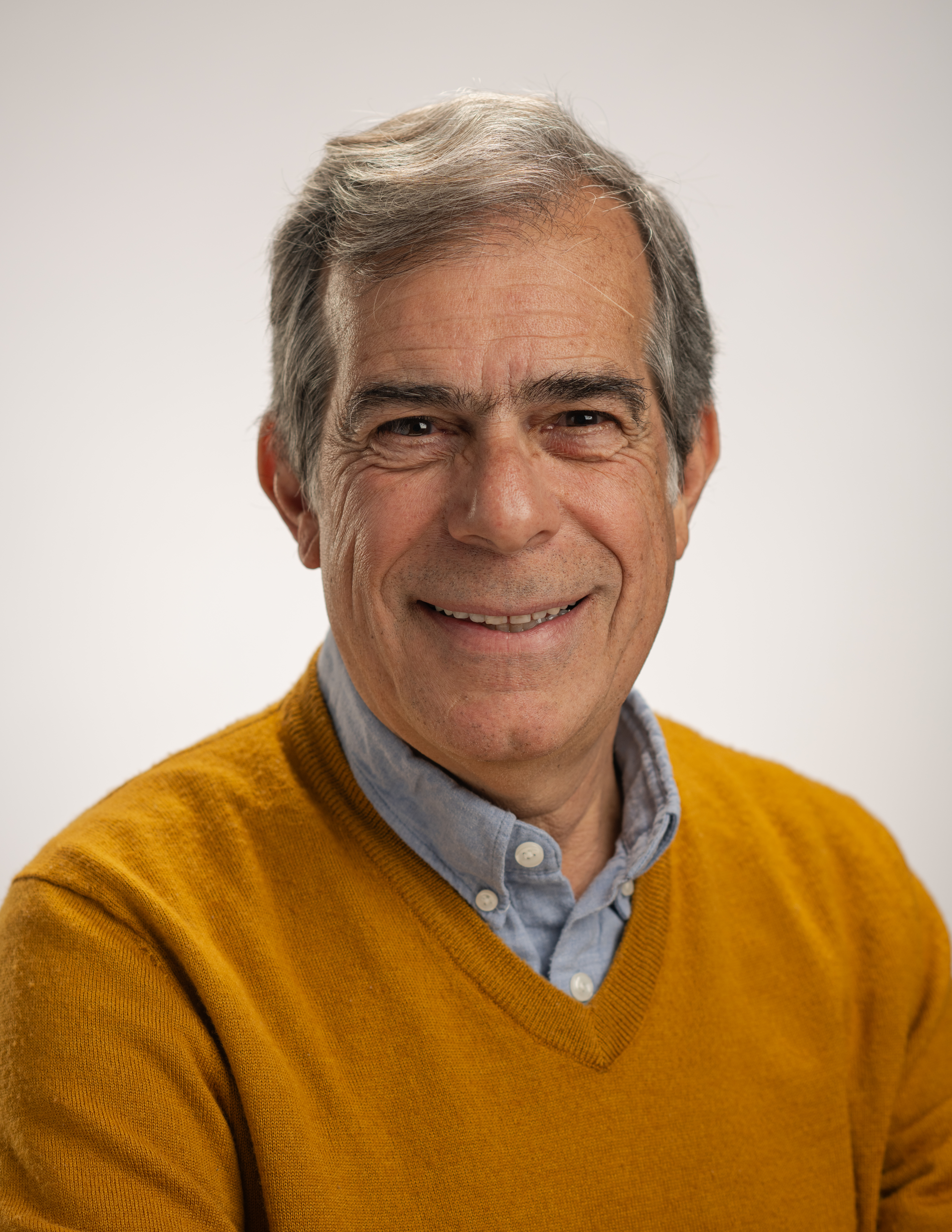
Interview with Dr. Farid Salama
Farid Salama is an Astrophysicist in the Space Science and Astrobiology Division at NASA Ames Research Center. His current research is centered around the study of interstellar, planetary and exoplanetary molecules and ions in the laboratory and the formation of grains and aerosols from molecular precursors in astrophysically relevant environments.
How did you get into Lab Astro research? Can you tell us about your career path?
I got into lab astro research by coincidence. I had not been involved in astronomy and astrophysics before. My background was in Molecular Physics and Physical Chemistry working on molecules and molecular ions. After I graduated from my PhD, I applied for a postdoc and received two offers for positions in Northern California.
One offer was in UC Berkeley, at the Lawrence Berkeley Lab (LBL) in the laboratory of Prof. Pimentel who had developed the technique of Matrix Isolation Spectroscopy (MIS) to work with Heinz Frei on the use of laser reaction excitation spectroscopy as a tool to locate extremely weak vibronic transitions that can be activated by near-infrared photons. The goal of the research project was to identify molecules that can offer a way to accomplish new chemical synthesis with long-wavelength near-infrared solar photons.
The second offer was a National Research Council (NRC) fellowship to work at NASA Ames with Lou Allamandola who was just setting up a new IR Lab Astro Laboratory in the Space Science Division to support the NASA Kuiper Airborne Observatory (KAO). This is where I got exposed to Laboratory Astrophysics for the first time with the opportunity to work on Jupiter’s moon, Io. My core project, however, was to set up a Lab Astro Laboratory in the UV-Visible range using my experience with MIS and VUV spectroscopy. I found this multidisciplinary work fascinating, and I decided to continue working in this field. In addition, having built and set up a new experimental system I was keen to work and perform research with this new tool close to my heart.
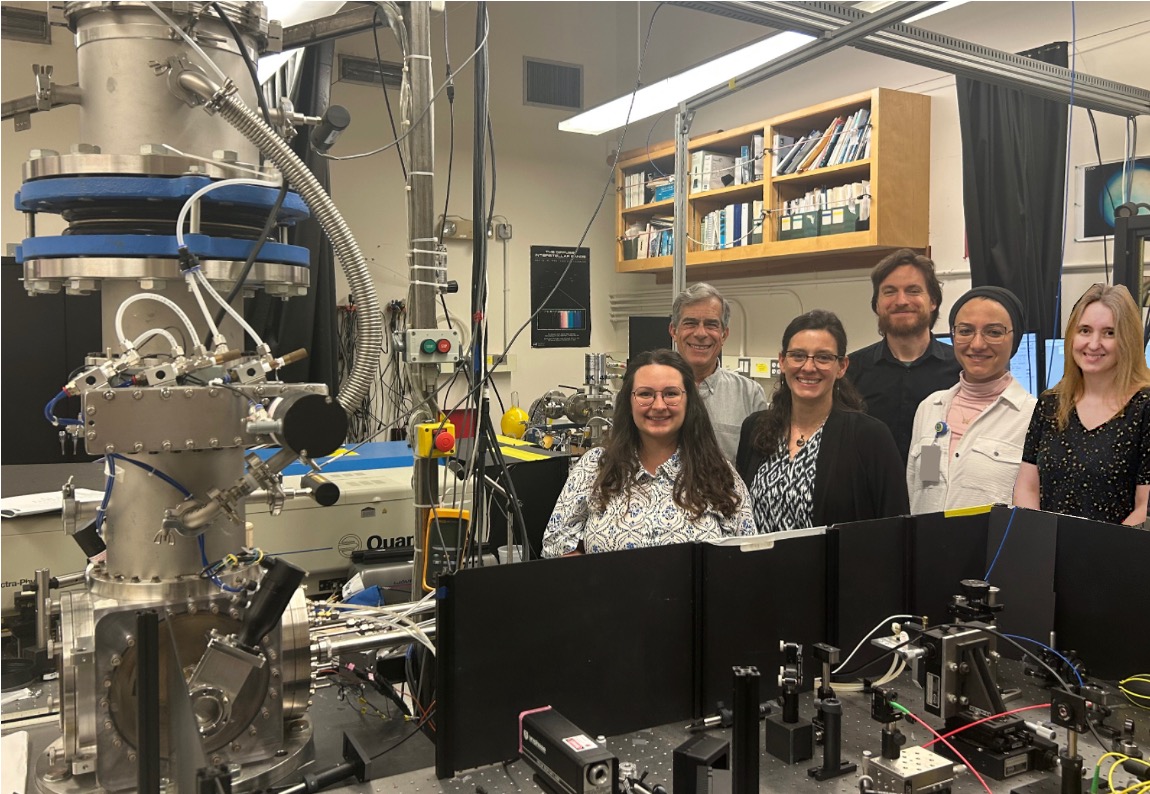
Briefly, my career path is as follows: graduate student and PhD in molecular physics at the University of Paris-Orsay and the Pierre & Marie Curie Institute in Paris, followed as postdoc at the LBL, UC Berkeley, and, since then, worked in the Astrophysics branch of the Space Science Division at NASA Ames first as a NRC fellow, then as a UC Berkeley Astronomy research assistant, SETI PI and finally as a NASA civil servant. I’m currently the Director of the COSmIC Facility where I have had the pleasure to work with a fantastic team of young and seasoned scientists and engineering technicians over the past years who helped make it possible to build this truly unique laboratory facility.
What inspired you to become a scientist? Which scientist had the largest impact on your research or inspired you?
I was initially not considering going into research and becoming a scientist. I was advised and encouraged by my university Professors to go beyond the Master and try a one-year postgraduate degree for advanced studies (DEA in France). I ended up selecting a project, among the many I had been presented with, that was based on molecular spectroscopy using the MIS technique. This was the first time I was confronted with research, and I found that I was actually very interested in continuing in this direction.
Many scientists I met during my career had a large impact on my research and inspired me. In science we build ourselves on the knowledge and experience of the scientists who preceded us. As the saying goes: “We stand on the shoulders of the giants that preceded us”. To cite a few, these include my thesis adviser, Janine Fournier, who guided me in my first exposure to a research lab, Antoine Fournier, the Director of the Lab, who was an unconventional scientist who taught me a lot too. The discussions I had with Sidney Leach who was leading the Molecular Photophysics Laboratory in Orsay had also a strong impact on my career choices. When I moved to the US and started my career as a researcher, the late George Pimentel in UC Berkeley, Lou Allamandola and Xander Tielens at NASA Ames are among the researchers who inspired me a lot.
I was also quite inspired by the late Giacinto Scoles, a Professor in Princeton and a pioneer in the study of intermolecular forces whom I met as a PhD student visiting the University of Waterloo in Canada in 1985 during my postgraduate studies. I happened to attend a seminar he gave at the university where he encouraged young students and early career scientists to choose a topic that attracted them regardless of its current popularity or conceived importance and to work hard until becoming a world expert in the subject topic. His advice was that this approach helped science. His advice struck me as worth following and my career and experience showed me how correct his advice was.
What is your current research about? What motivates you in your research? What do you enjoy the most about your research?
My research centers on molecular spectroscopy and mass spectrometry in the areas of laboratory astrophysics and astrochemistry in conjunction with ground-based and space-based ultraviolet, optical and infrared astronomy (Diffuse Interstellar Bands (DIBs) and Aromatic Infrared Bands (AIBs) in galactic and extragalactic environments; planetary ices; planetary and exoplanetary atmospheres, …).
What motivates me in my research is to increase our knowledge and strengthen our understanding of the composition of the materials that surround us (interstellar clouds, circumstellar environments, planets, planetary atmospheres, exoplanets, comets…). I’m also driven by the curiosity of identifying elements that are ubiquitous in space such as the hundreds of absorption bands in the visible and the emission bands in the IR.
What do you consider to be your greatest achievement in your research? What impact has your research had in the field?
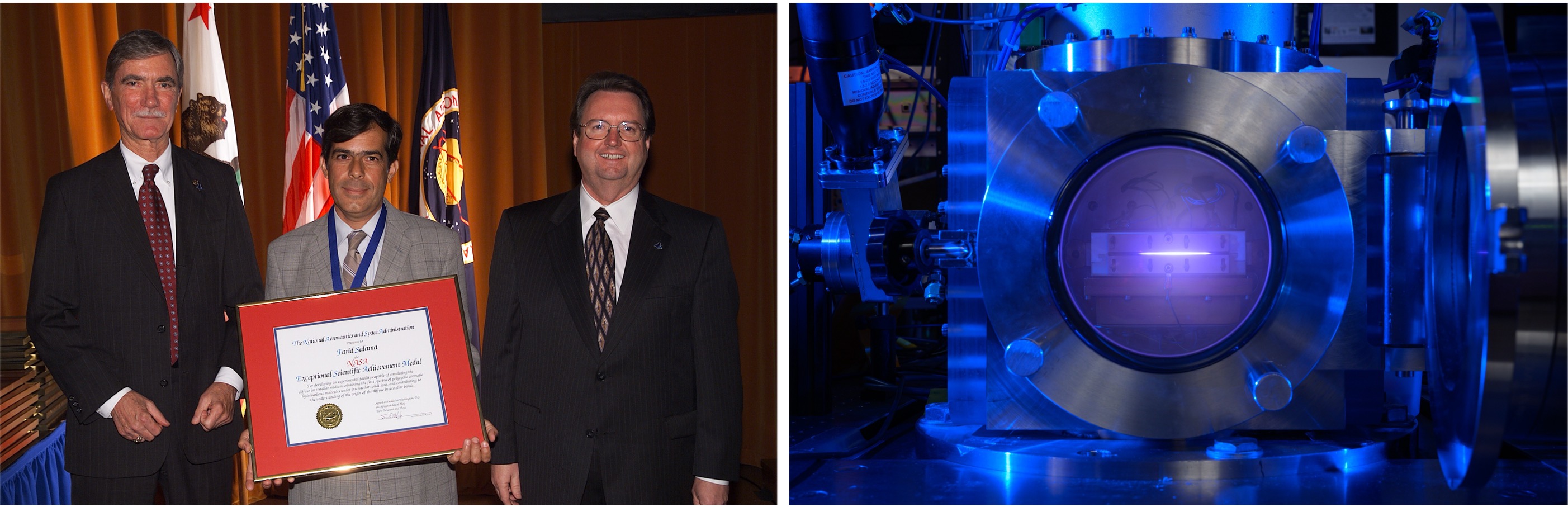
I consider the design and development of the Cosmic Simulation Chamber (COSmIC) to generate laboratory analogs of interstellar, circumstellar, planetary and exoplanetary molecules, ions and grains as my greatest achievement. This unique facility has had a strong impact in interstellar and circumstellar astrophysics, planetary and exoplanetary studies and has allowed breakthroughs such as the first survey of DIBs in translucent clouds for PAH signatures, the formation of circumstellar grain analogs in the laboratory, and the measurements of planetary and exoplanetary haze molecules and aerosols.
The COSmIC Facility impact was recognized with a NASA Award for “recognition of the unique and exceptional contribution to astrophysics and planetary advances.
How has the field evolved since you started your career in Lab Astro? What role did you play in it?
The field of Lab Astro has largely evolved since I started my career and continues to evolve at an impressive pace. Because of its multidisciplinary aspect and the requirement to address problems and issues that are beyond the current level of knowledge in fundamental science (physics, chemistry, …), Laboratory Astrophysics is continuously challenged to push the limits of science. The discovery of a new form of carbon (C60 fullerene) that resulted from a laboratory study of potential carriers of the Diffuse Interstellar Bands led to a Nobel prize for the researchers and is a testimony to the strong impact of Laboratory Astrophysics on basic sciences.
The role I have been playing in Lab Astro has had various components: direct contribution to science results, leadership and mentorship as laboratory director and advocacy for the field.
Regarding the science aspect, I contributed to a better knowledge of the spectra of PAH ions by providing the first spectroscopic data on the electronic spectra of isolated PAHs molecules and ions measured with COSmIC under astrophysically relevant conditions that led to the first survey of PAHs in the search of Diffuse Interstellar Bands in galactic and extragalactic environments. I also contributed to the formation of laboratory analogs of circumstellar carbon grain with COSmIC. I also contributed to the first results on planetary ices on Io (Jupiter’s moon) for comparison with infrared airborne data as well as the formation of laboratory analogs of planetary aerosols with COSmIC for a better understanding of Titan’s (Saturn/s moon) and other planetary hazes. I also participated to the ORGANIC experiments on the multi-user facility EXPOSE-R on the International Space Station where I investigated the chemical evolution, survival, destruction, and chemical modification of PAHs and fullerenes in space.
Regarding the science advocacy aspect, I played a key role in the establishment of laboratory astrophysics as a recognized and vital field of science. I am a co-founder of the Laboratory Astrophysics Division of the American Astronomical Society (AAS) launched in 2012, and I helped found the Astrochemistry sub-commission of the American Chemical Society subsequently launched. I also founded the International Astronomical Union (IAU) Laboratory Astrophysics Commission. In both cases, I played a leading role, as Chair of the AAS LAD Division and first President of the IAU Commission.
Which open question in Lab Astro would you like to see answered in the near future?
I would like to see a full identification and characterization of the species (molecules, ions, grains…) responsible for the Diffuse Interstellar Bands (DIBs) seen all over the universe, in galactic and
extragalactic environments. Identifying the DIBs is a key open question for astrophysics and astronomy. Identifying the carriers of the DIBs has various implications from probing the Galactic structure and evolution to unraveling interstellar chemistry and answering fundamental questions in astrobiology.
What was the most important advice somebody gave you?
Most important advice: choose a topic that attracts you (see Giacinto Scoles above) and believe in and advocate your research.
Do you have some advice for early career scientists?
My advice: choose a science field that you like/enjoy, make sure to work in a friendly environment with a friendly team (teamwork is essential), although research is competitive, try to always work with an open team spirit. Stay motivated, curious and, most of all, modest. Learn to open up to other fields and activities and look to each for the values they provide to our global knowledge. Most importantly, work hard, do not get discouraged and stay patient; remember that research is more than often a long and hard endeavor that always brings results if you believe in your work. Always keep in mind the high ethical requirements in research: honesty and fairness.
What are the top books that you recommend reading to get started in the field of Lab Astro?
There are a large number of publications that have been published in the past two or three decades that have witnessed the evolution of the field of Lab Astro. Some examples include proceedings from Laboratory Astrophysics workshops and conferences.
A non-exhaustive list of books is provided below:
– Proceedings of Laboratory Astrophysics workshops and conferences:
– NASA LAW books (1990, 1998, 2002, 2006, …)
– ECLA 2020
– IAU Proceedings (IAU 371, IAU350, 280, The Molecular Universe, Proceedings of the 280th Symposium of the IAU, …)
– Molecular Spectroscopy in Astrophysics, Spectrochimica Acta, Part A: Molecular and Biomolecular Spectroscopy, Elsevier, Vol. 57, 613 – 958, 2001….etc….
How do you balance your professional and personal life?
I have always tried to balance my professional and personal life as well as I could. It is not always an easy thing to do but I strongly believe that it is essential to have a balanced life. Outside of work I spend most, if not all, my time with my family (and my dog). I very much enjoy walking or hiking with my family and my friends. I also spend time reading and/or watching movies or listening to music. I also enjoy traveling, and discovering and exploring new places for the first time.