








NeMO-Net Patch
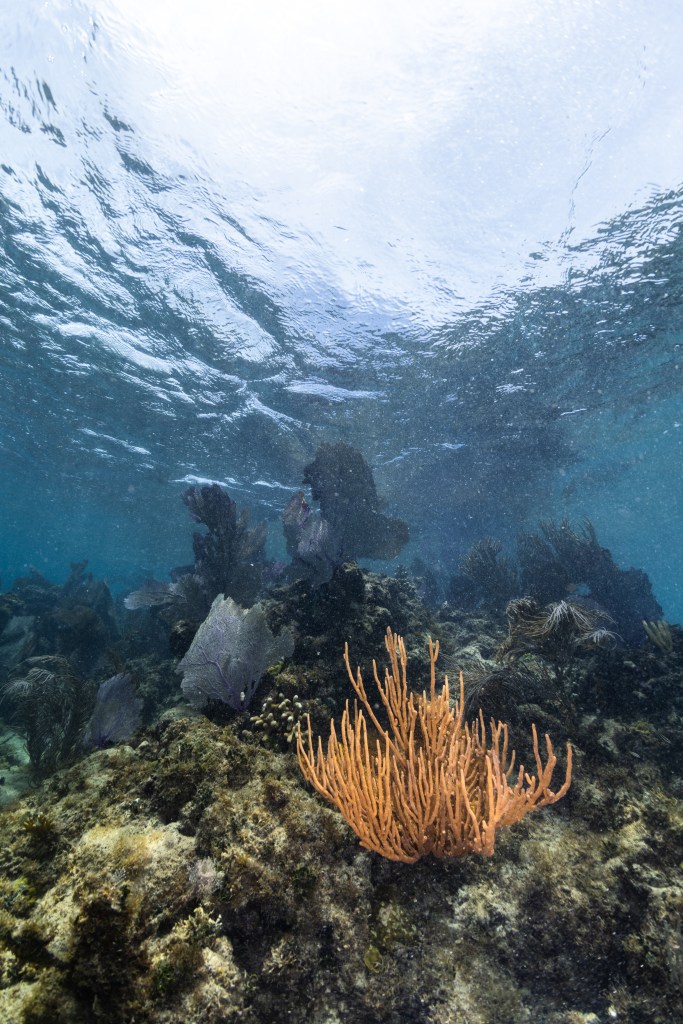
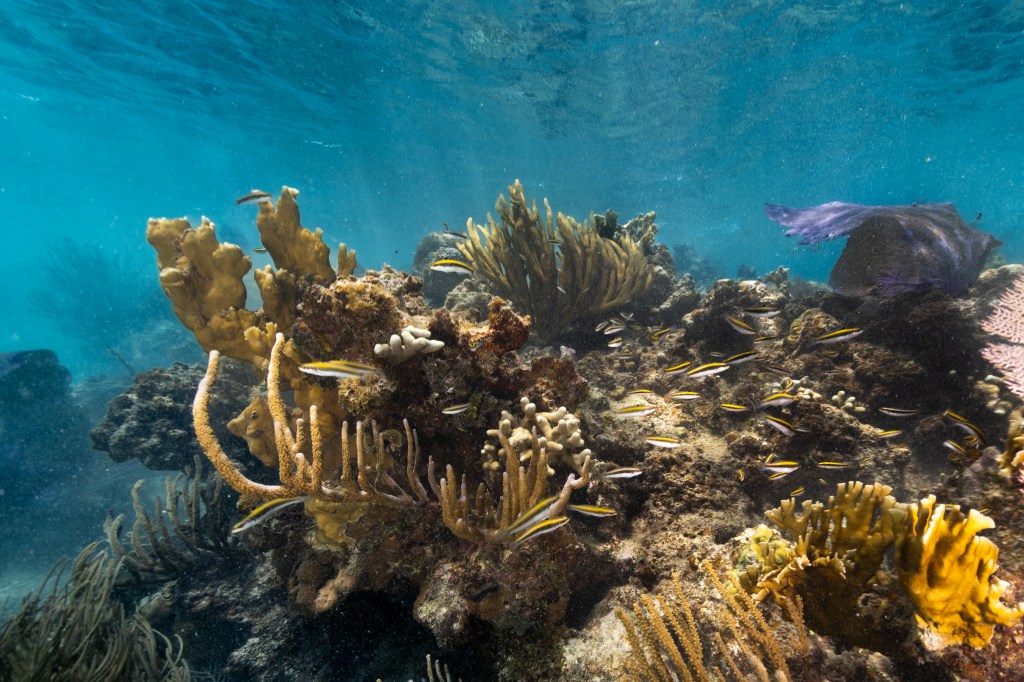
NeMO‑Net is a NASA game and citizen science project where you help classify coral reef images by painting 2D and 3D pictures of coral. The classifications you make train a NASA neural network to better assess the health and makeup of coral reefs around the world.
Age
11+
Duration
~1 hour
NeMO-Net Patch Activity
Dive into real coral reef data and help NASA scientists map the ocean floor.
- Meet the coral reefs inside the NeMO-Net game
- Explore ocean reefs
- Paint and classify coral
- Make your mark on NASA ocean science
What is NeMO-Net?
NeMO-Net is a single player iPad game where you help classify coral reefs by painting 2D and 3D images of coral. The data you collect in the game trains NASA’s neural network to study coral reef health around the world.
How does it work?
NeMO‑Net turns the classifications you make in the game into real science! NASA uses your coral drawings to train a smart computer program, called a neural network, that studies coral reefs around the world.
The program compares your work with super-detailed 3D images of reefs taken by NASA’s FluidCam, then uses that information to improve satellite and airborne images. This helps scientists understand coral reef health and changes in oceans at a scale and detail that was never possible before.