












Space Logistics
NASA
Technology Catalog
A NASA Technology Catalog is a systematically arranged and curated list of technologies within a defined capability area that serves as a reference tool for stakeholders and customers.
Each catalog includes both “push” and “pull” technology developments that are funded by NASA; however, it does not represent an exhaustive list of all possible technology solutions within that capability area.
Purpose
The purpose of the catalog is to provide accessible information about NASA-funded technologies to improve technology adoption and enhance collaboration.
Learn More
Technology catalogs are intended to offer a snapshot of relevant technologies within a particular capability area. For additional information, click the hyperlink in each technology title to access its TechPort page or, when a TechPort page is not available, an alternative source.
If you would like additional information about a specific technology, its licensing potential, or how to connect with the developers, please contact hq-techport@mail.nasa.gov.
What Is Considered Logistics Technology?
Logistics technologies support any phase of space logistics including transportation, cargo sustainment, cargo offloading and manipulation, surface mobility, cargo loading and transfer, surface mating, and disposal.
- Logistics-specific technologies are those that provide a core function of the logistics workflow, such as cargo offloading, manipulation, or tracking.
- Logistics-affiliated technologies* are those within tangential technology areas that support logistics elements or assets, such as power systems for logistics carriers or dust-tolerant connectors.
*Transportation, mobility, and communications technologies serve important functions within logistics; however, these domains are classified as distinct capability areas and will have their own technology catalogs. Cross-cutting technologies included in this catalog, such as autonomous systems and robotics, will also have a separate catalog describing technologies that are not affiliated directly with logistics.
Technology Readiness Level (TRL)
9. Actual system flight proven through successful mission operations.
8. Actual system completed and “flight qualified“ through test and demonstration.
7. System prototype demonstration in an operational environment.
6. System/sub-system model or prototype demonstration in an operational environment.
5. Component and/or breadboard validation in relevant environment.
4. Component and/or breadboard validation in laboratory environment.
3. Analytical and experimental critical function and/or characteristic proof of concept.
2. Technology concept and/or application formulated.
1. Basic principles observed and reported.
Logistics-Specific Technology Area
Included technologies are typically at or above Technology Readiness Level (TRL) 4. Some lower TRL technologies are included due to relevancy.
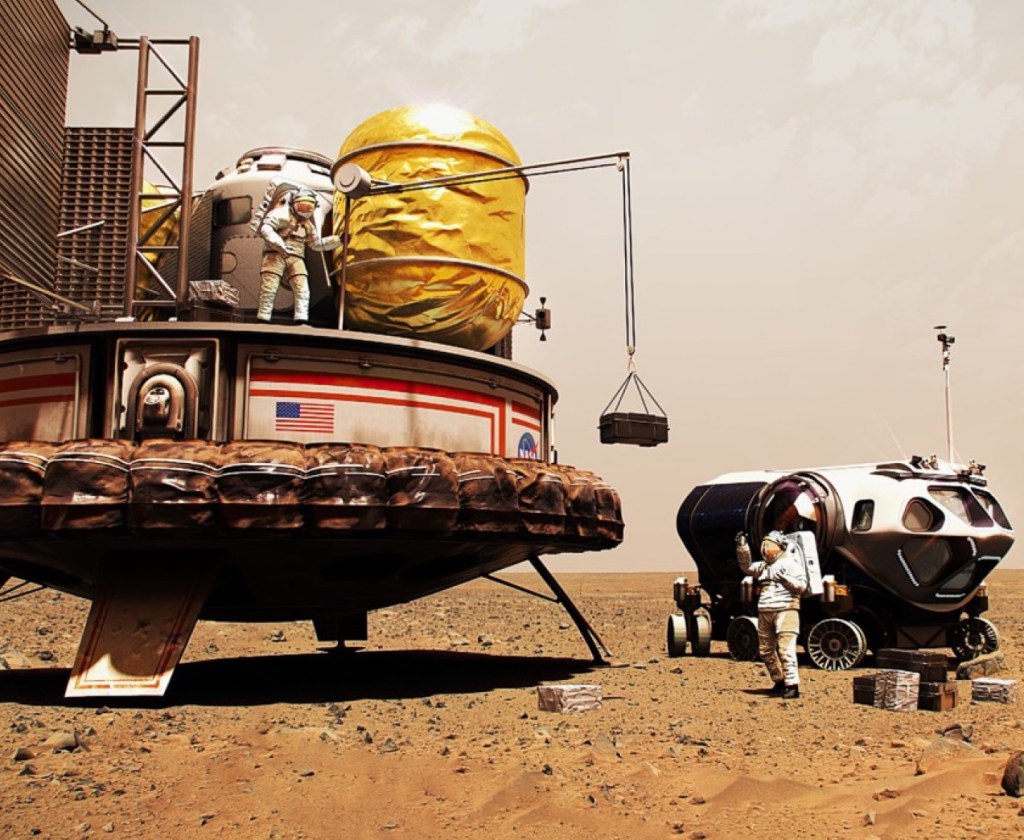
Cargo Manipulation
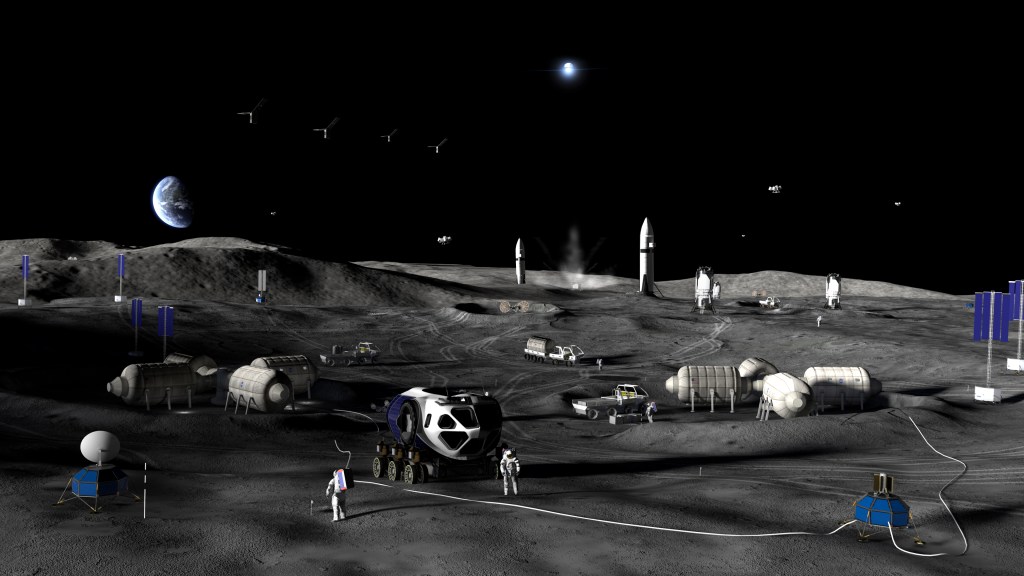
Surface Mating
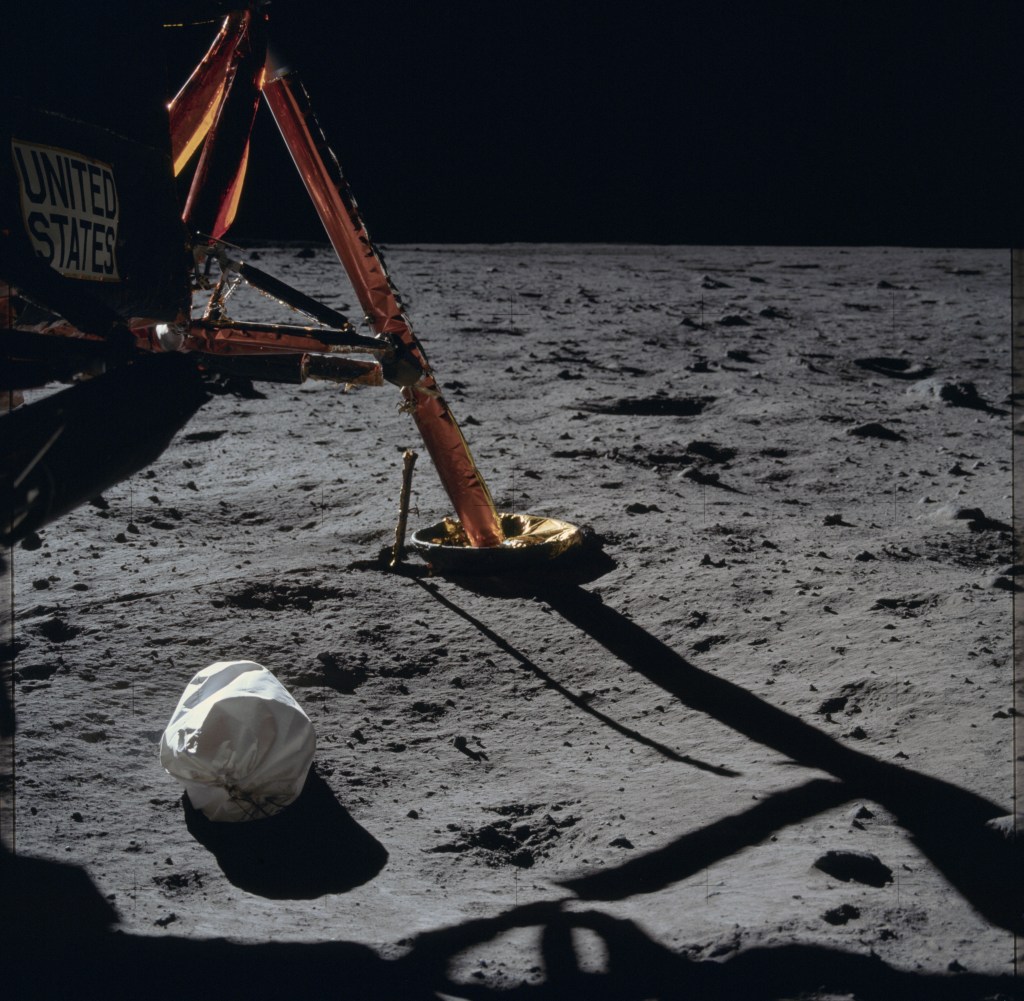
Trash/Waste Management
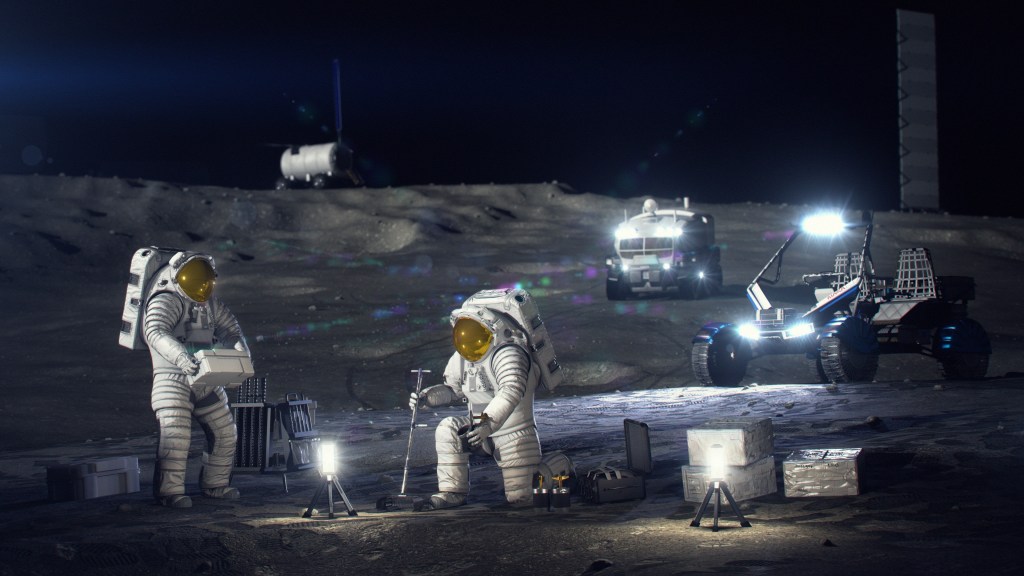
Logistics Reduction
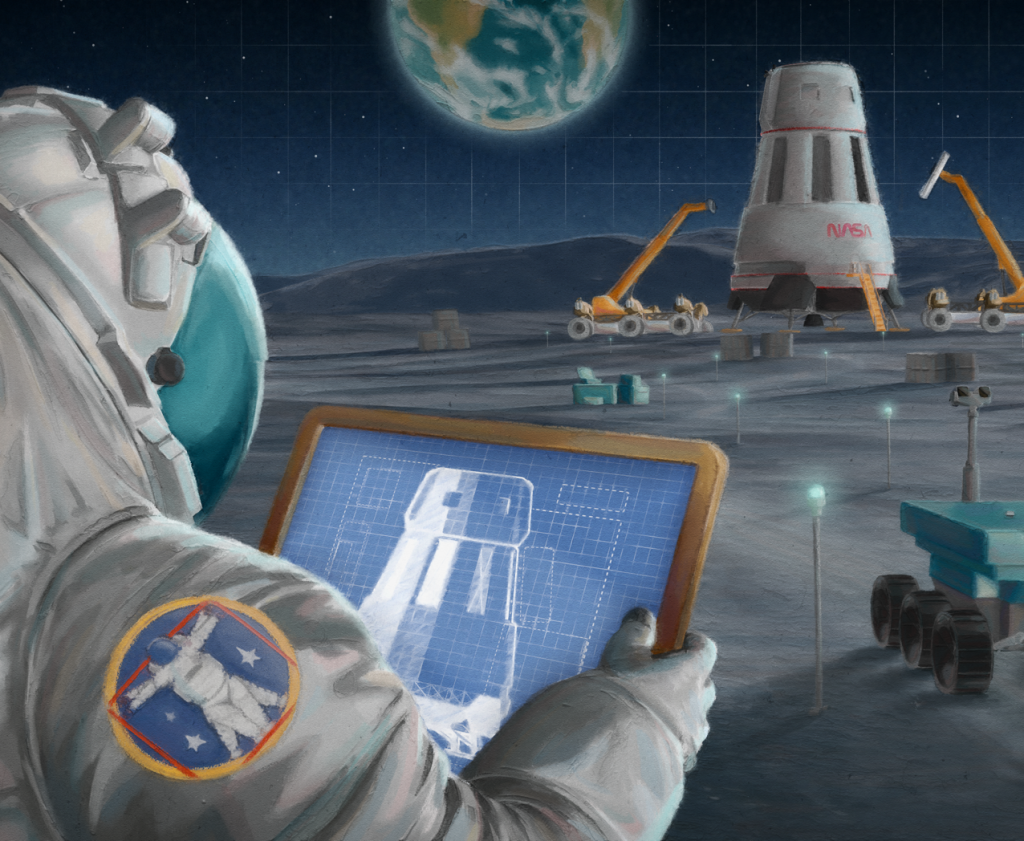
Logistics Tracking
Logistics-Affiliated Technology Area
Included technologies are typically at or above Technology Readiness Level (TRL) 4. Some lower TRL technologies are included due to relevancy.
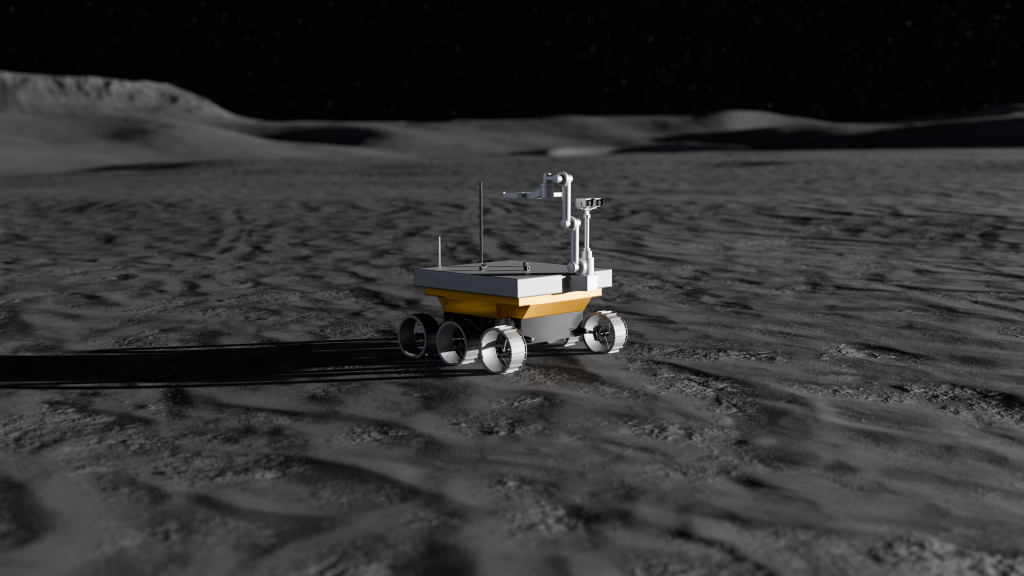
Autonomous Systems and Robotics
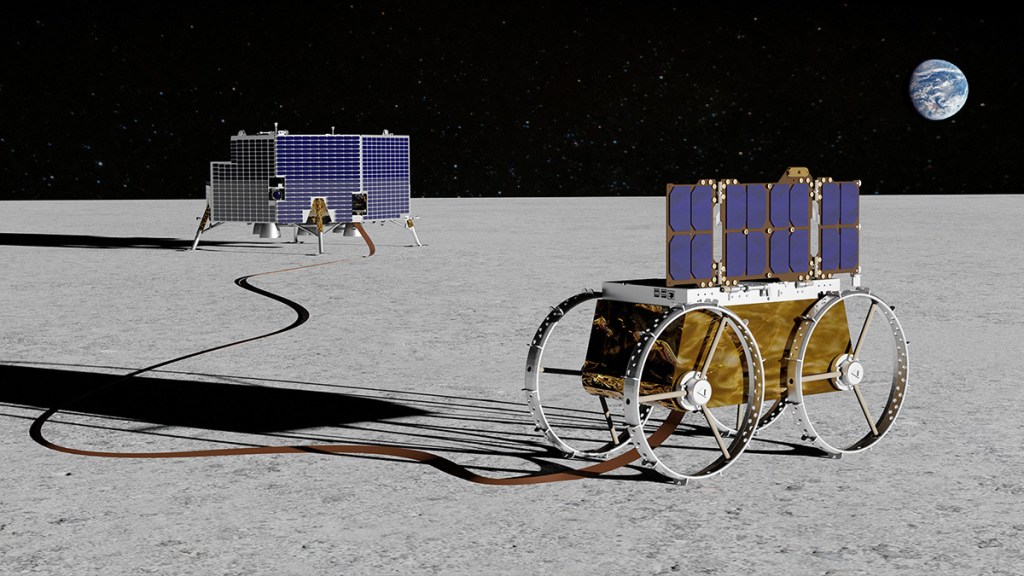
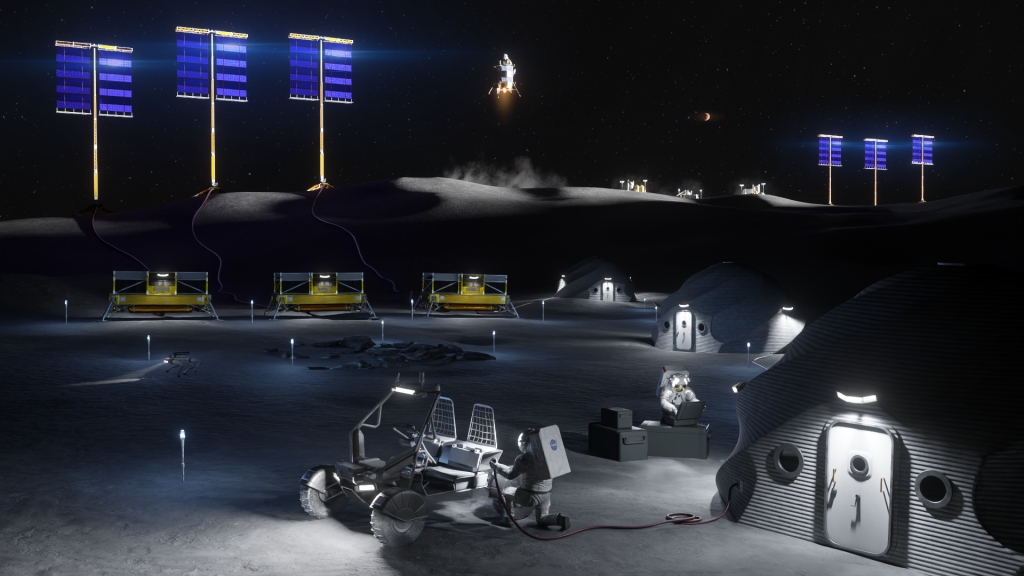
Fluid Transfer
Thermal Management
Radiation Protection

Dust Mitigation