












Risks of Human Spaceflight
NASA’s Human Research Program (HRP) seeks to understand specific risks associated with the hazards of human spaceflight. Learn more about these risks below.
About Human Spaceflight Risks
NASA’s Human Research Program has identified several specific risks to human health associated with five hazards of spaceflight. The effects of these risks vary depending on whether humans are traveling to low Earth orbit, the Moon, or Mars. Learn more about each identified risk.
For more background, explore the five hazards of human spaceflight.
Risks Involving Human Physiology
Risk of Altered Immune System Responses
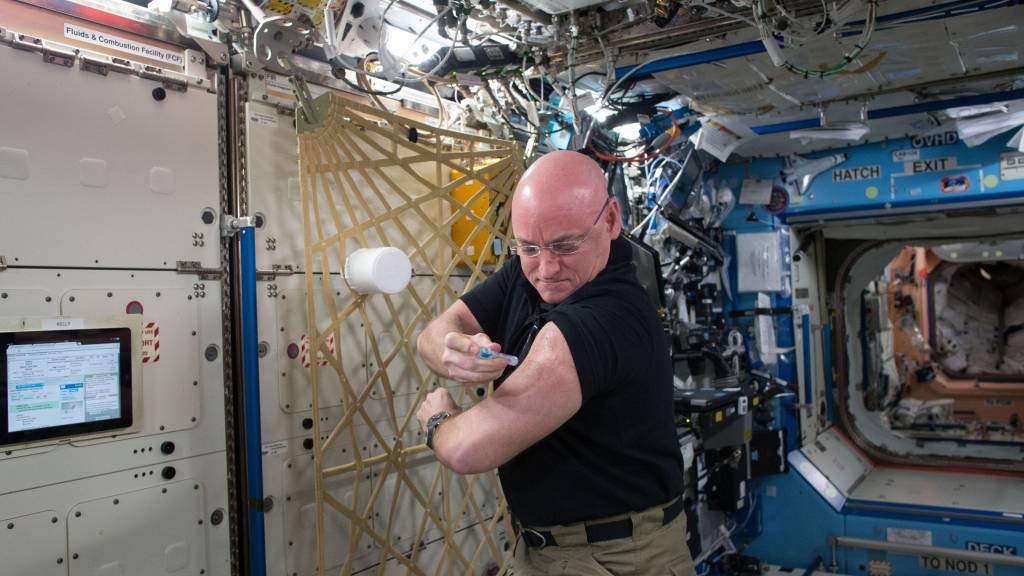
The stresses of spaceflight can awaken inactive viruses inside the bodies of astronauts, leading to rashes and other symptoms. Ongoing work seeks to further understand changes in the immune system to better protect astronaut health.
Risk of Altered Sensorimotor and Vestibular Function
Astronauts can experience motion sickness, issues with hand-eye or gait coordination, and dizziness during gravitational changes, making it difficult to walk or operate a vehicle. Ongoing research seeks to help astronauts recover faster from these changes so they can perform tasks inside and outside spacecraft.
Risk of Cardiovascular Adaptations
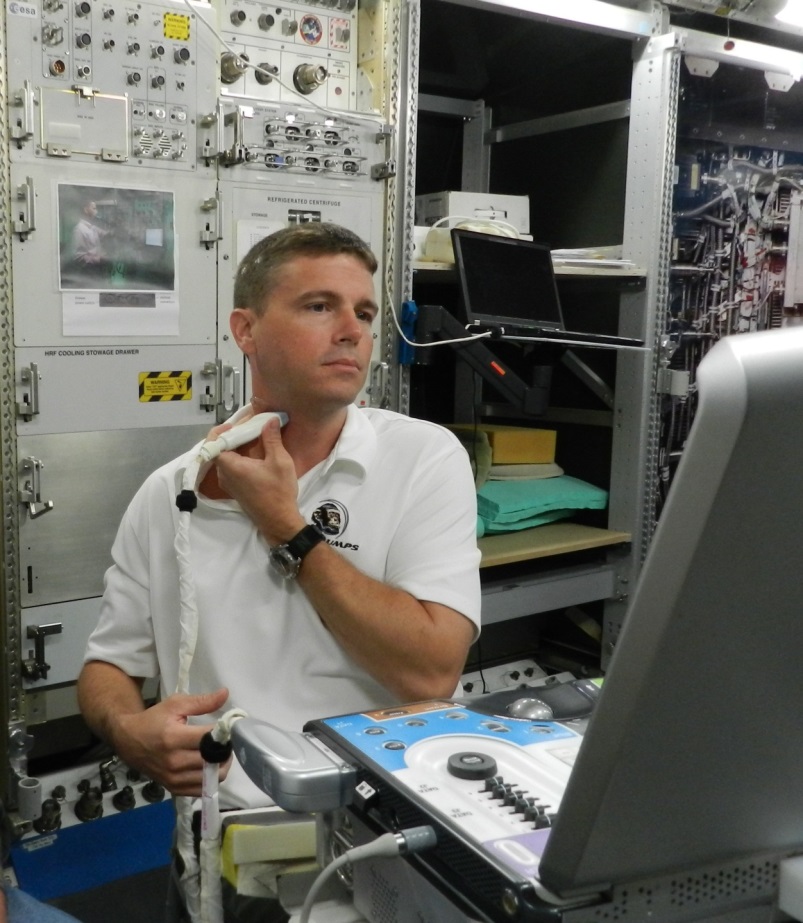
Weightlessness alters blood circulation and how the heart and blood vessels function, potentially increasing the risk of cardiovascular events. Research focuses on minimizing these unhealthy changes.
Risk of Decompression Sickness
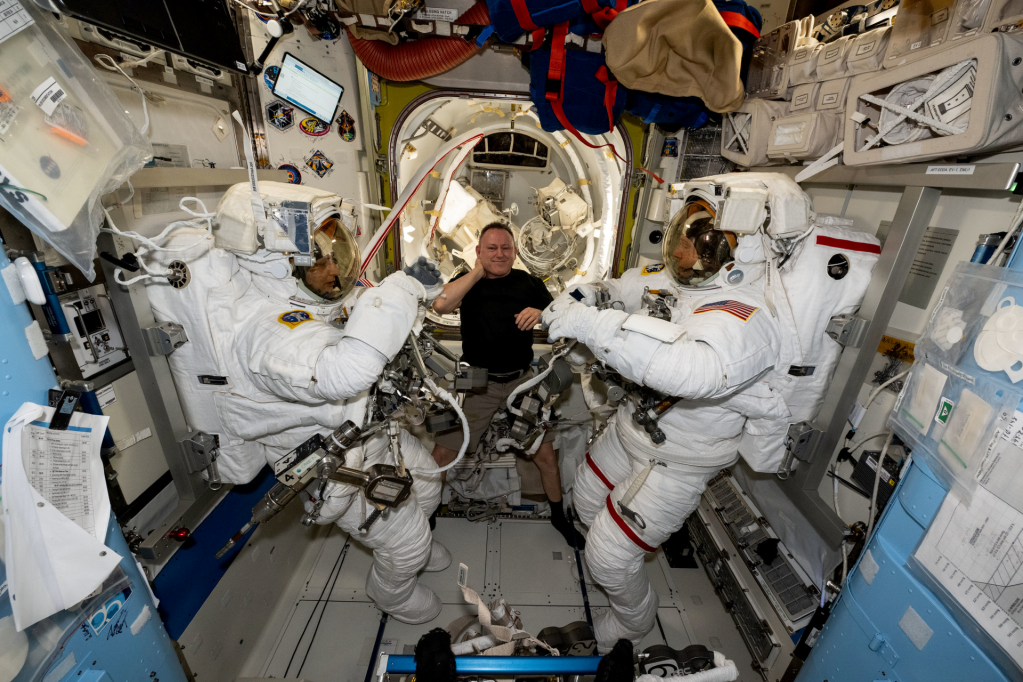
Transitioning from a pressurized spacecraft to a lower-pressure spacesuit can cause health and mission complications when dissolved nitrogen starts to bubble within body tissues. Research focuses on developing better prevention and faster treatment options.

Risk of Host-Microorganism Interactions
Skin and gut microbiomes can change in space, potentially increasing the risk of crew members getting sick. To help keep crews healthy, researchers are exploring these microbial ecosystems and how they evolve in space.
Risk of Hypoxia
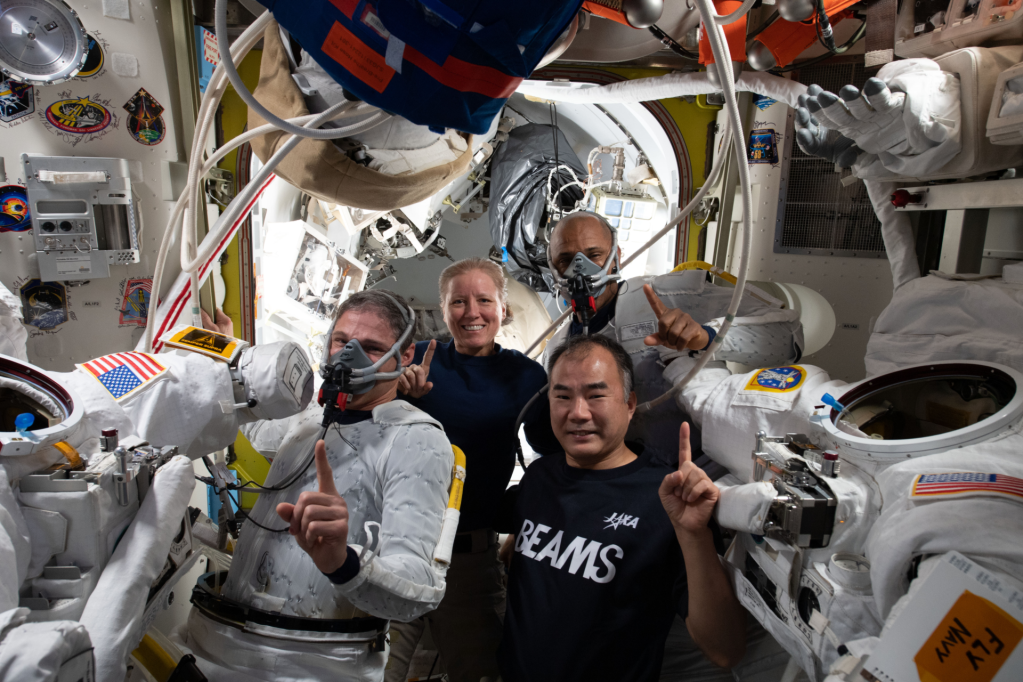
Astronauts on future deep space missions will take steps to avoid “the bends” during spacewalks, but following those steps also elevates the risk of mild hypoxia — a condition that occurs when oxygen levels in body tissues become lower than normal.
Risk of Inadequate Food and Nutrition
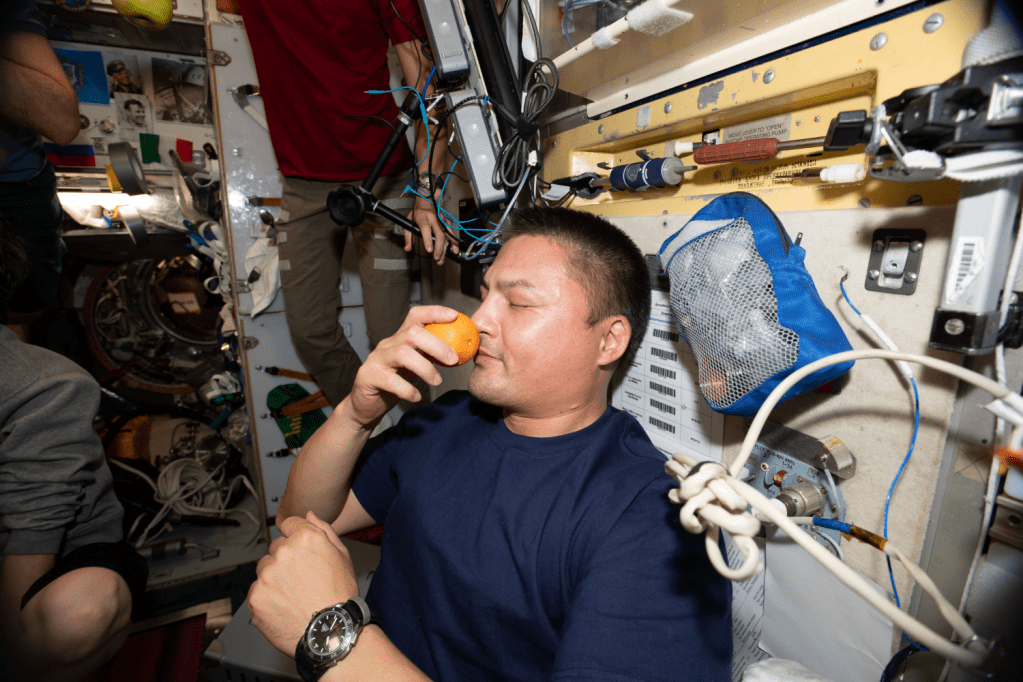
A healthy, balanced diet is an essential element of crew health and performance. Ongoing research focuses on designing enjoyable, long-lasting, and nutritious meals for deep space missions and understanding the consequences of inadequate nutrition.
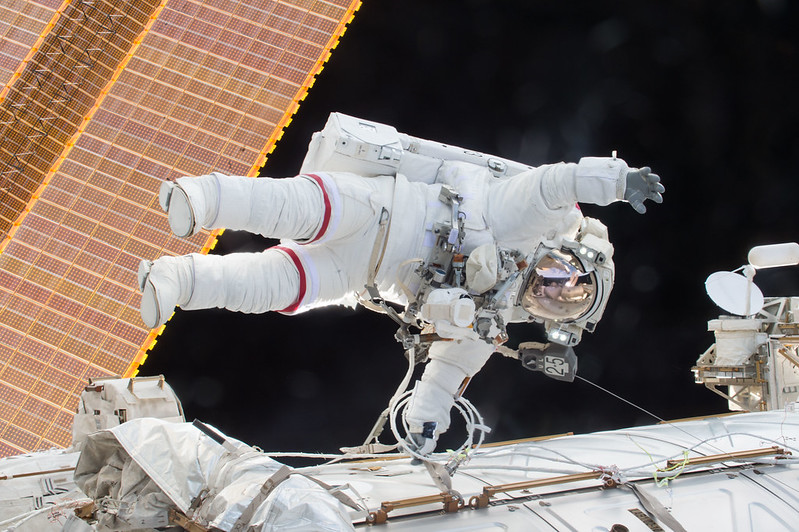
Risk of Injury and Compromised Performance from Spacewalks
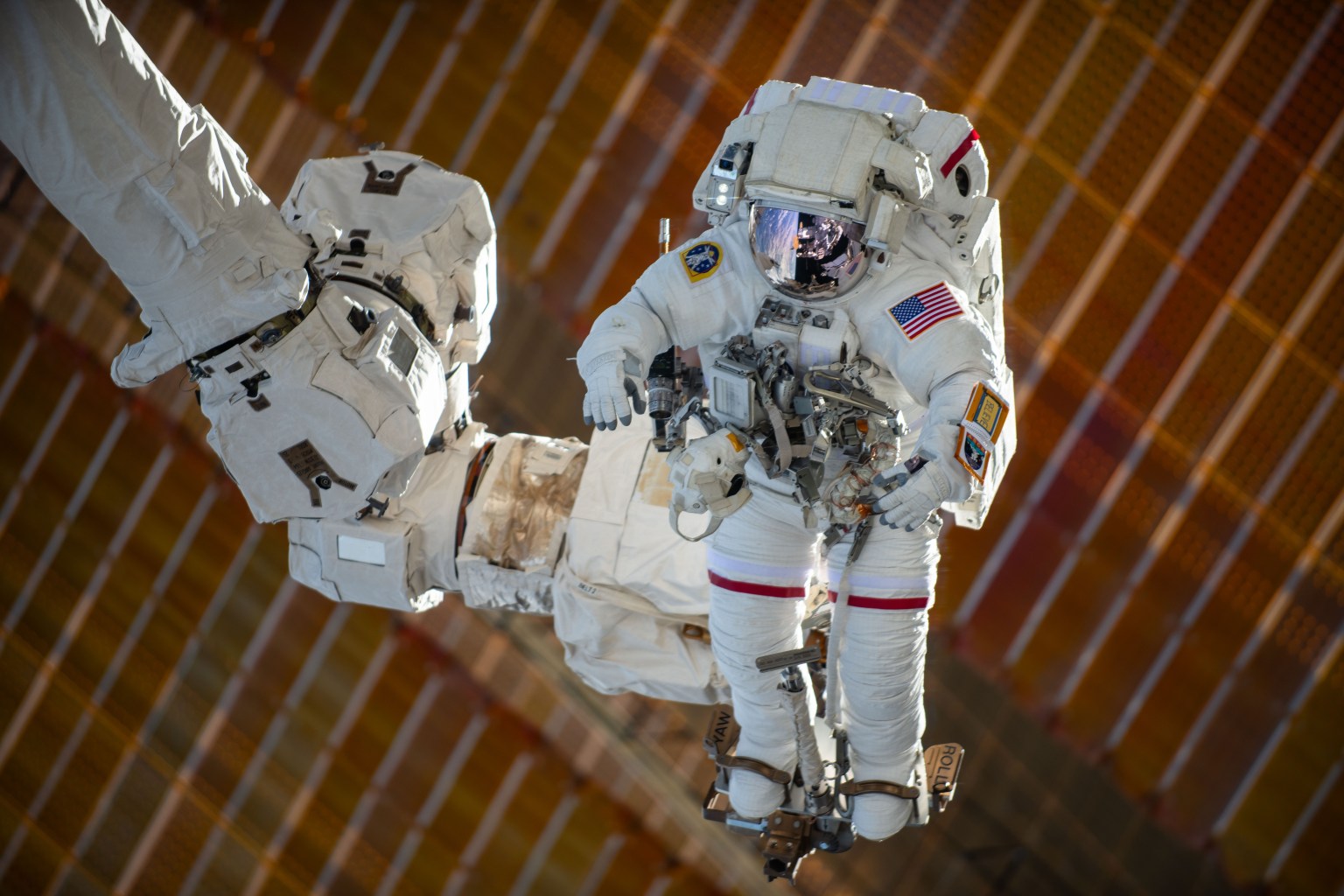
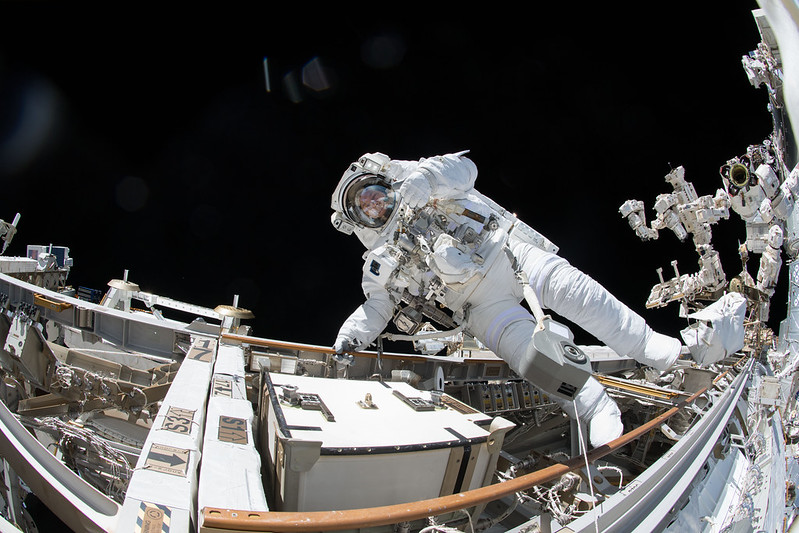
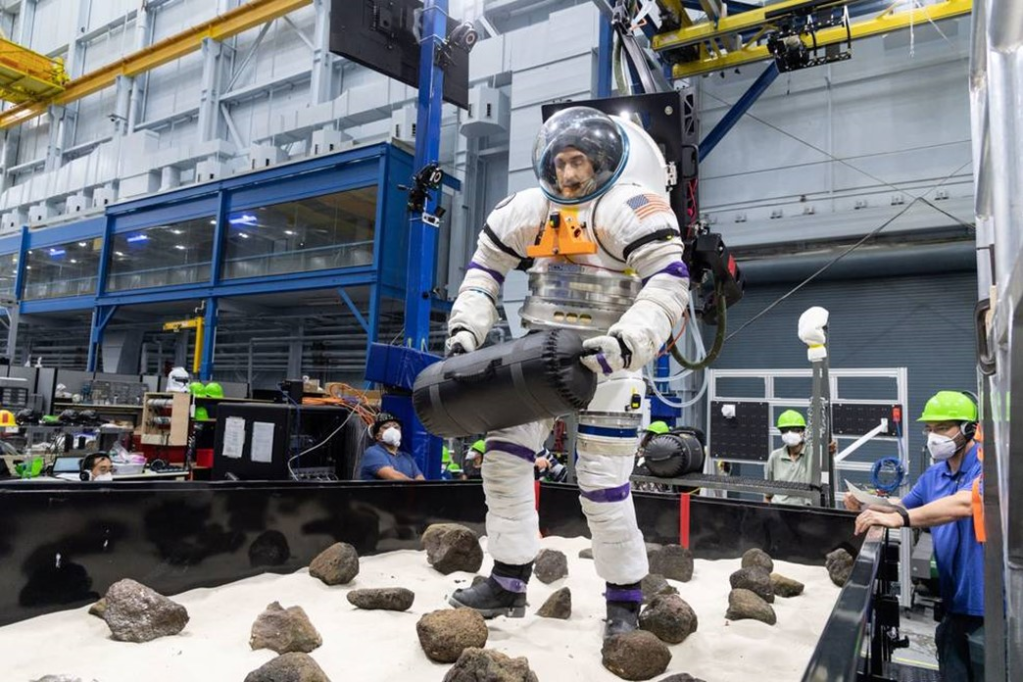
Working in a spacesuit is challenging. In addition to cognitive fatigue and injury, crew members must also manage risks in the spacewalk environment, including decompression sickness, and low oxygen and high carbon dioxide levels. Research focuses on characterizing human performance in spacesuits and balancing pressure and oxygen levels.
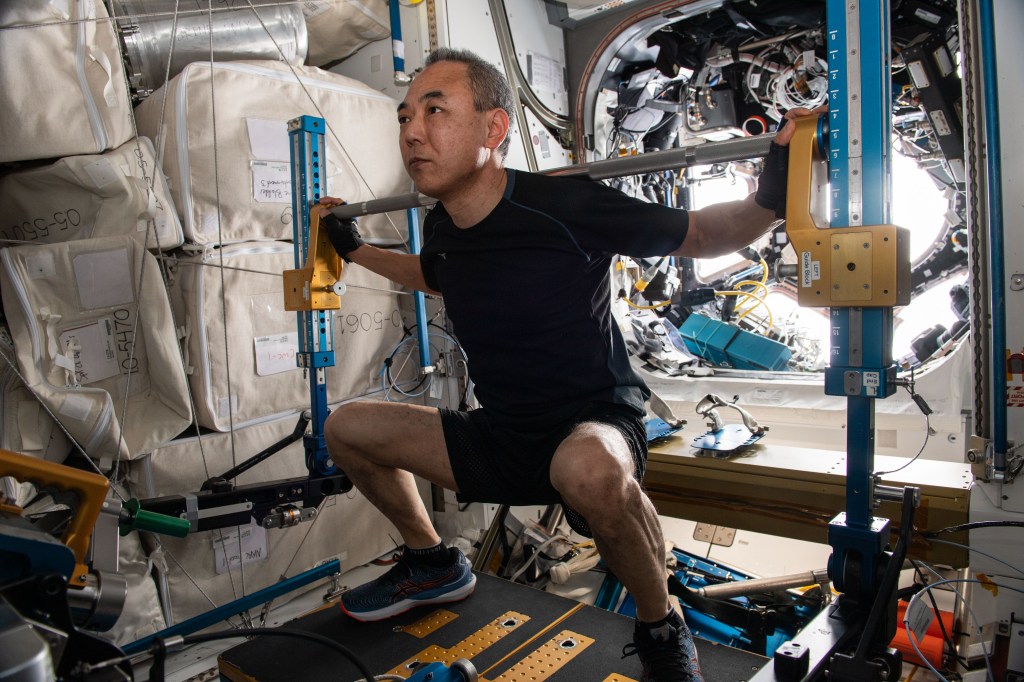
Risk of Reduced Cardiorespiratory and Musculoskeletal Fitness
All astronauts perform exercise during their mission to counteract losses in bone density, muscle strength, and heart and blood vessel performance. Researchers are studying what types of exercise will best protect their health and their ability to perform spacewalks.

Risk of Spaceflight Associated Neuro-ocular Syndrome (SANS)
The structure of the eyes and brain can change with spaceflight. Research focuses on understanding the long-term health consequences of these changes and preventing them from occurring.
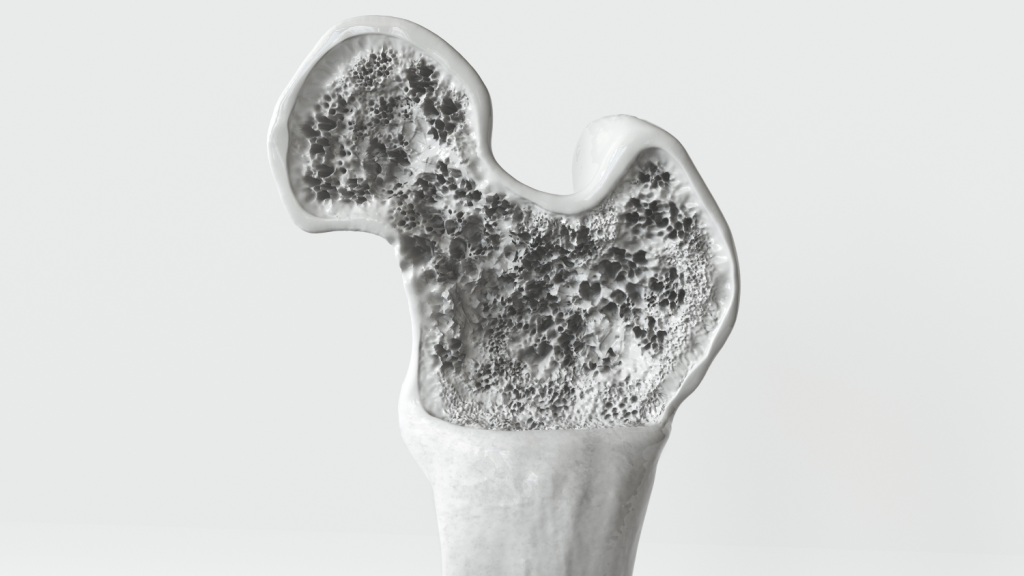
Risk of Spaceflight-Induced Bone Changes
Without gravity, bones break down and become more brittle, boosting the chances of painful breaks. Ongoing research seeks to better understand and quantify these losses, and help preserve bone strength through diet, exercise, and medication.
Risks Involving Behavioral Performance and Human Factors
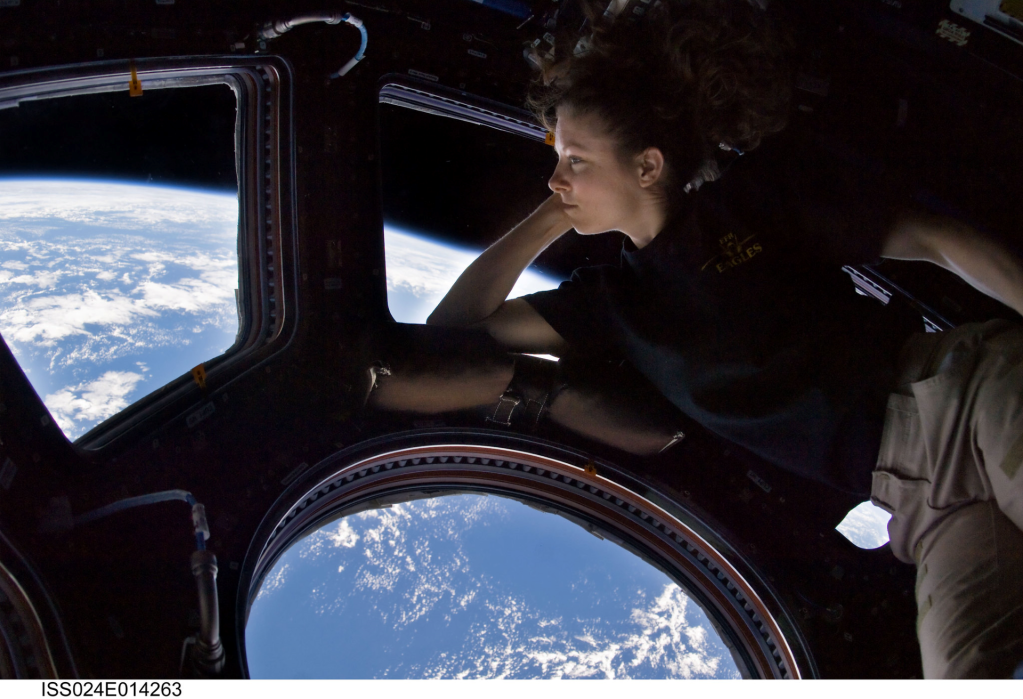
Risk of Behavioral Changes and Psychiatric Disorders
Isolation, radiation, distance from Earth, and other intense space stressors may all take a toll on the mental health of the crew. Ongoing research seeks to better understand and quantify these psychological risks.
Risk of Inadequate Teamwork
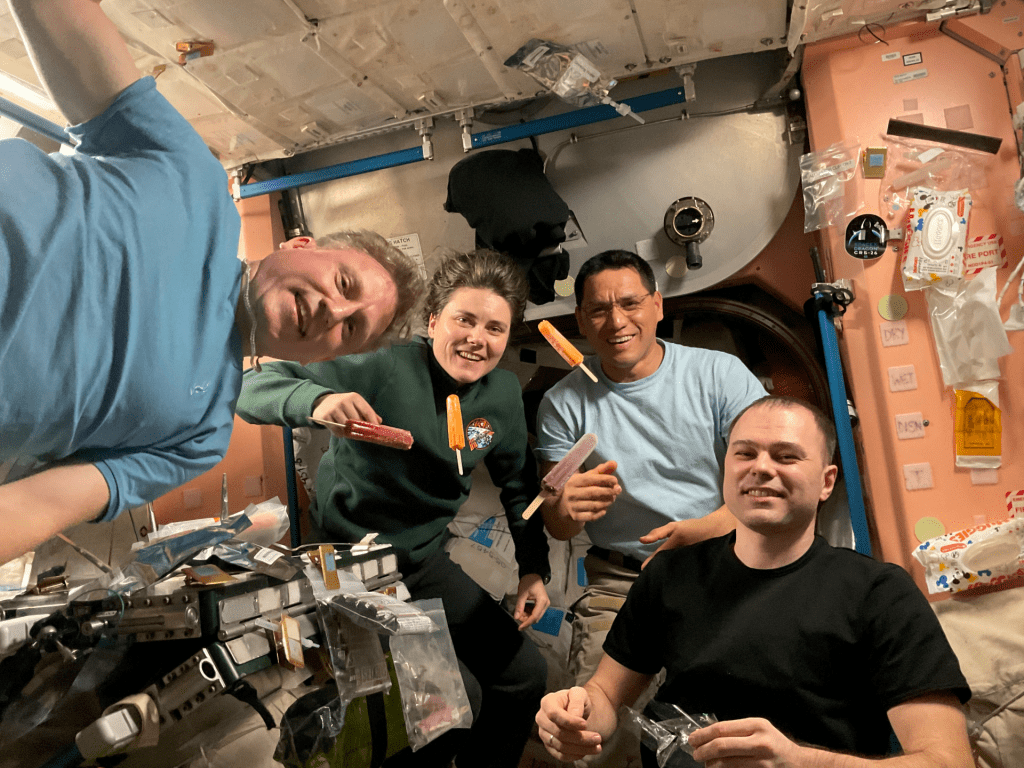
Selecting a crew that works well together is essential for mission success and safety. Researchers are studying how to help teams in prolonged isolation and confinement function efficiently and quickly recover after setbacks occur. They’re also mapping the myriad risks from miscommunications and related team tensions.
Risk of Inadequate Sleep and Irregular Schedules
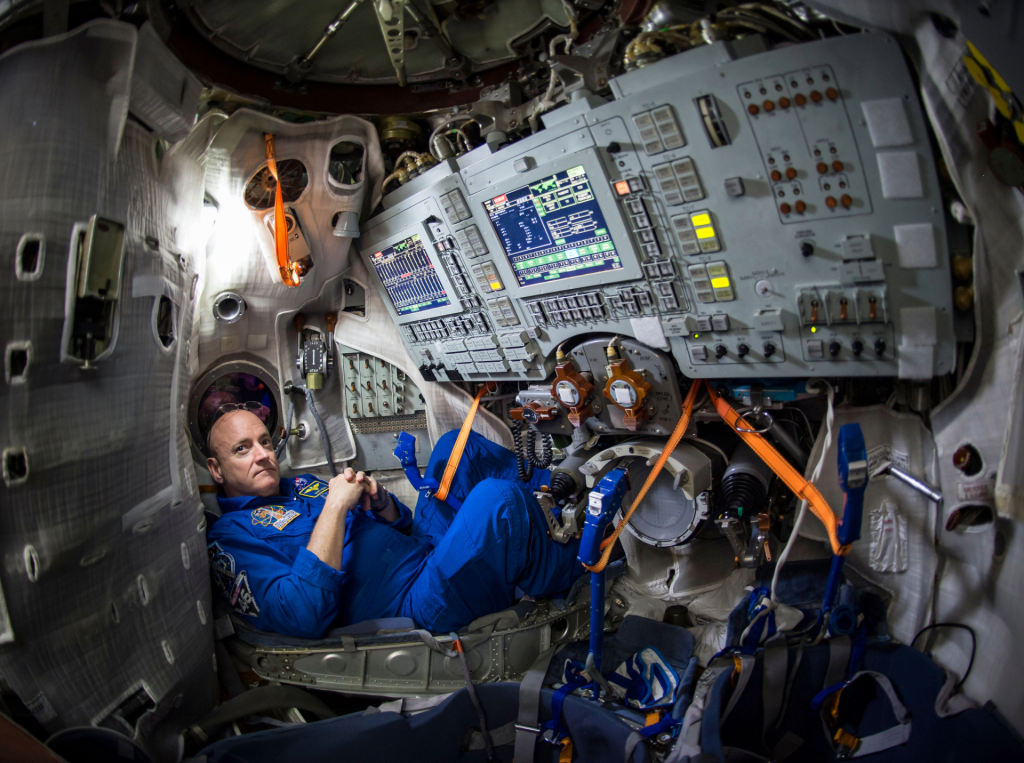
Space crews experience multiple hazards simultaneously. Stressors include chronic sleep loss, constant work demands, and irregularities in their internal biological clocks. Understanding how to reduce the effects of these stressors on crew health and safety is an ongoing area of research.
Risk of Inadequate Systems Operations Support
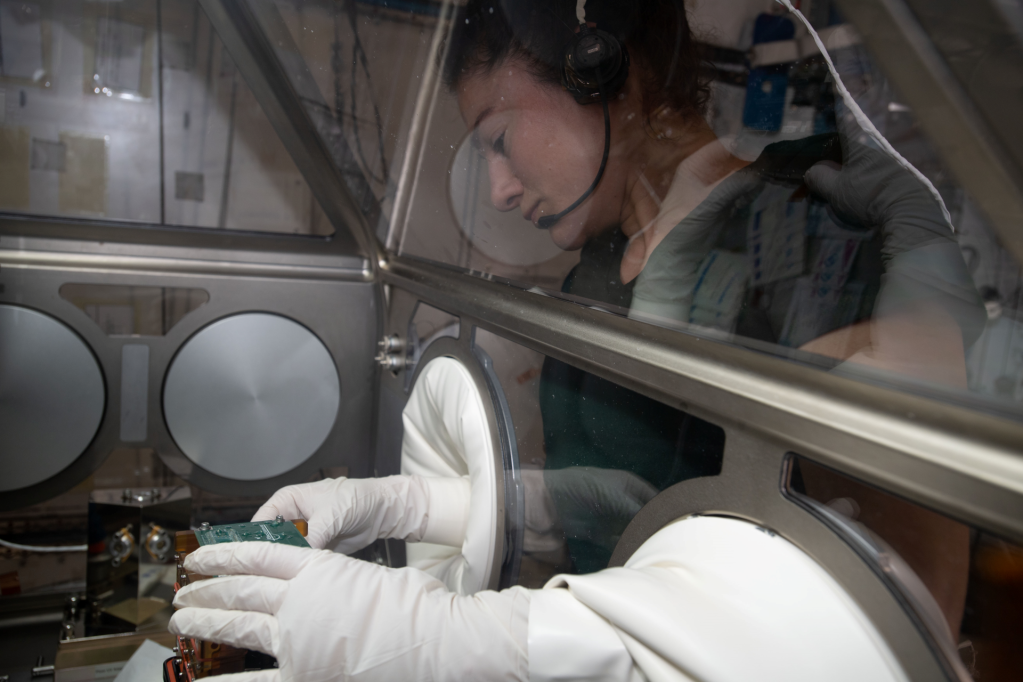
Future crews on deep space missions must be able to live and work in an environment where they may face unexpected problems with software, vehicles, or other systems. Research focuses on understanding when crews need information, the types and timing of required training, or other support options.
Risk of Injury from Dynamic Loads
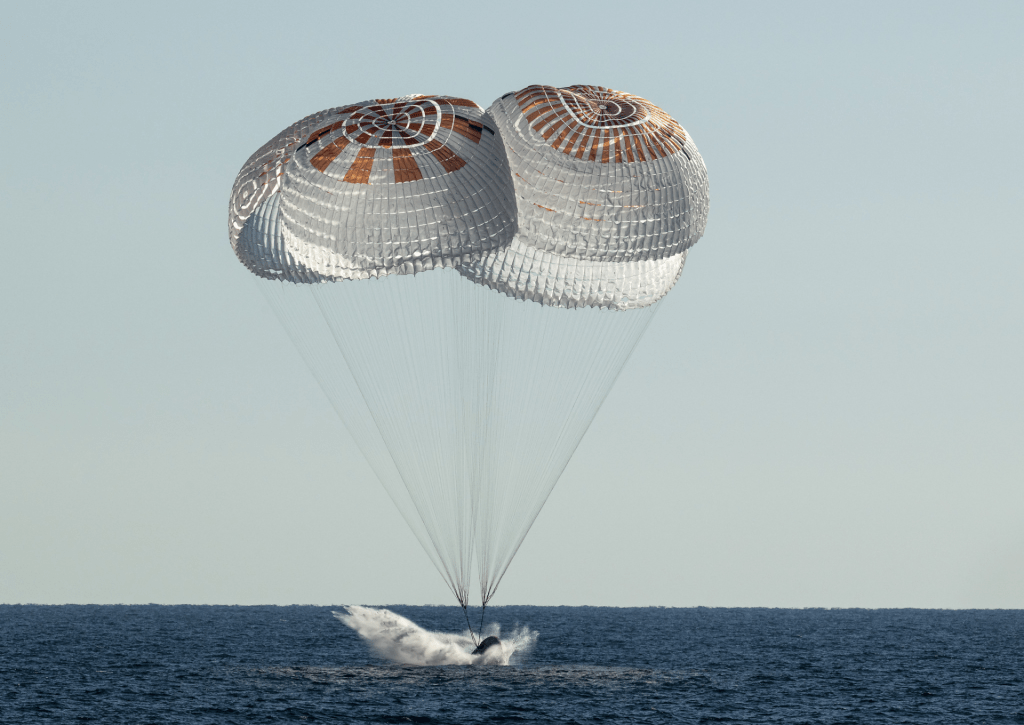
During landing activities, crews risk getting injured. Understanding the likelihood of such injuries and how to better prevent them are areas of ongoing research.
Risks Involving Space Radiation
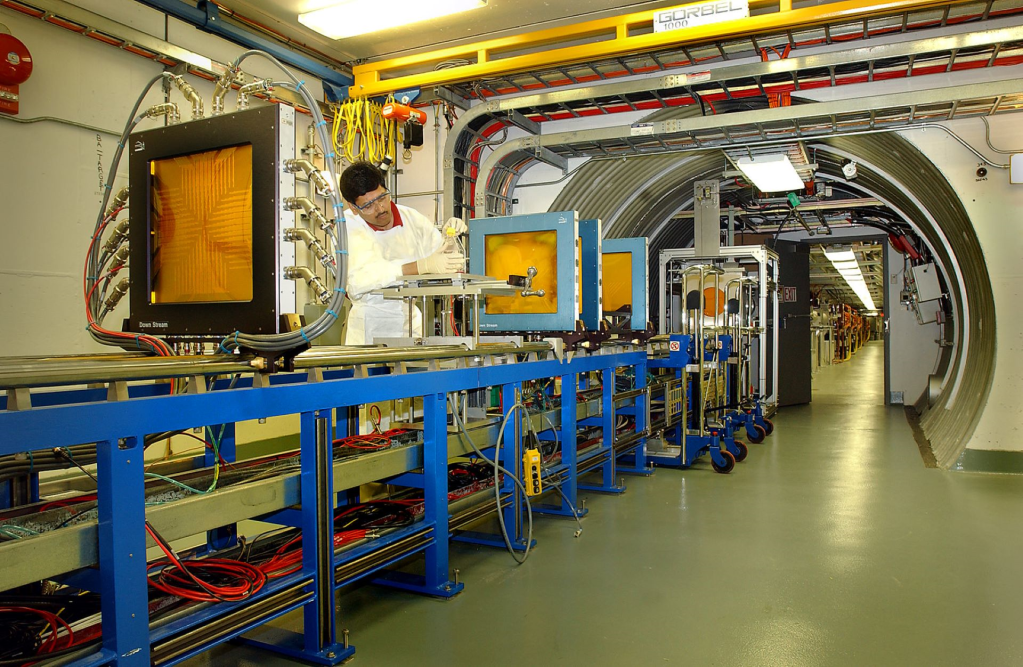
Risk of Radiation-Induced Cancers
Crews exposed to radiation from space may be more likely to develop cancer. Identifying the best ways to mitigate this risk and understand what interventions may help are ongoing research priorities.