








Earth-Independent Operations (EIO) Laboratory
The Earth-Independent Operations (EIO) Laboratory is one of three teams in the Human-Computer Interaction (HCI) Group at NASA Ames Research Center’s Human Systems Integration Division. The EIO team is focused on characterizing and mitigating the risks associated with decreased ground support on human spaceflight missions beyond low-Earth orbit.
NASA’s current mission operations paradigm for human spaceflight, which originated with Project Mercury and endured through Apollo, the Space Shuttle, and the International Space Station missions, is one of near-complete real-time dependence on experts on the ground to control and manage the combined state of the mission, vehicle, and crew. Ground teams monitor and analyze telemetry data, respond to a persistent rate of significant, urgent anomalies and alarms.
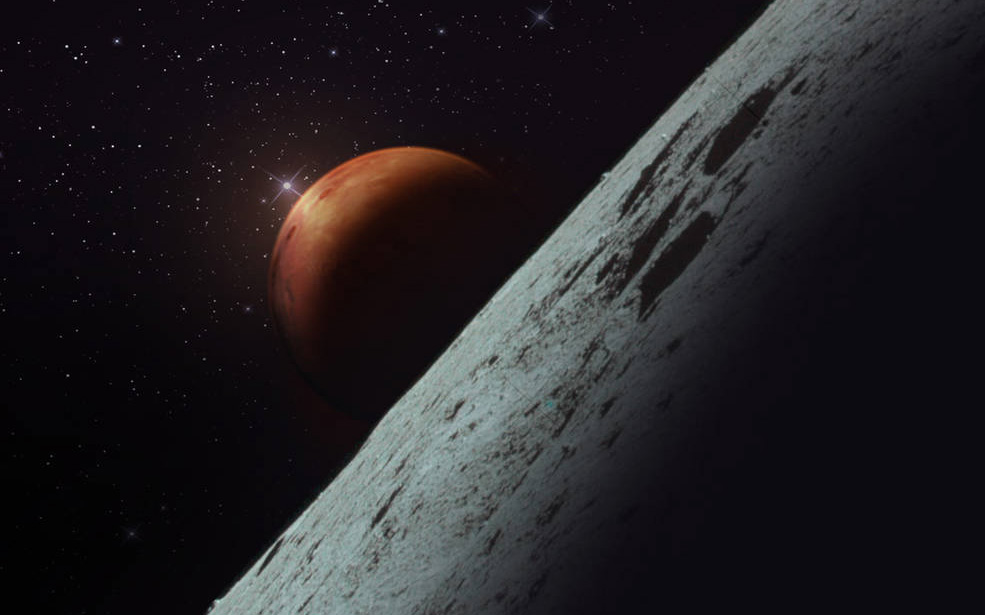
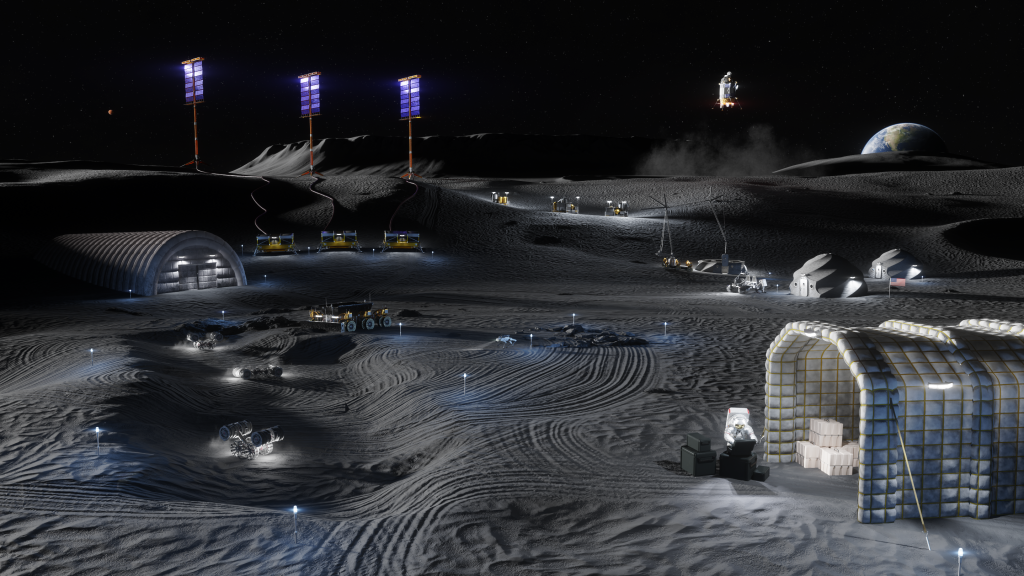
As missions move beyond low-Earth orbit to the Moon and Mars, increasingly high-latency communications will prohibit this real-time operational support. While there are many risks associated with reduced real-time ground support, of particular concern is how to ensure that the crew will have adequate onboard support to enable urgent problem solving.
The EIO Team conducts human-centered research to inform technology development that shifts initial problem solving from the ground to the human-system team onboard the vehicle. Specific technology development areas include onboard vehicle health monitoring, anomaly response, and complex procedure execution. The EIO team works with several NASA programs to increase Earth independence, including the Mars Campaign Office (MCO), the Human Research Program (HRP) and the NASA Engineering and Safety Center (NESC).
Contact– Alonso Vera- alonso.vera@nasa.gov