









Biotechnology, Spacesuit Work, and Dragon Packing Start Week Aboard Station
Biotechnology research including growing human lung cells and managing blood flow in space awaited the Expedition 75 crew on Monday. Spacesuit checks, cargo packing, and Earth observations rounded out the busy schedule aboard the International Space Station at the beginning of the week.
The advanced health studies aboard the orbital outpost take advantage of the weightless environment to study phenomenon difficult or impossible to achieve in Earth’s gravity. Insights may help keep astronauts healthy during a long duration spaceflight and enhance medical care on Earth.
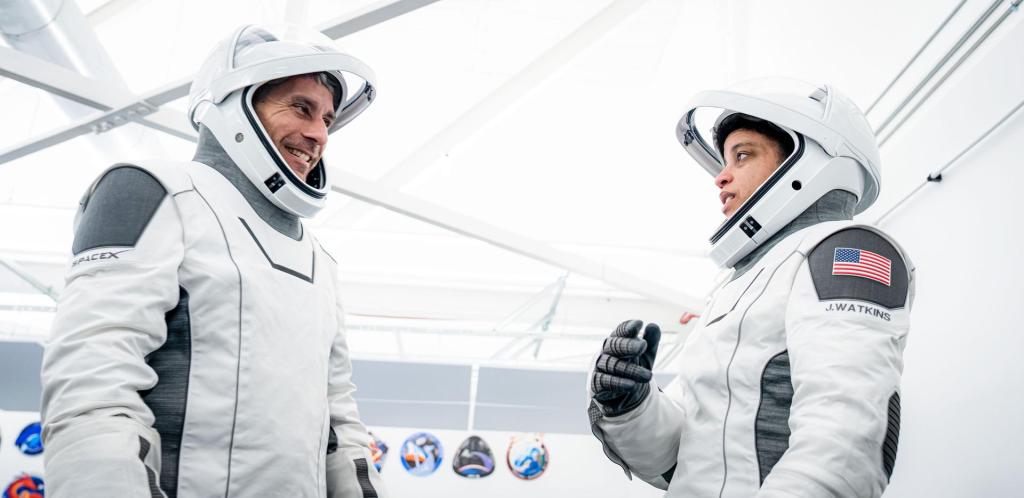
NASA flight engineers Jessica Watkins and Luke Delaney joined each other in the Columbus laboratory module during the first half of their shift on Monday and studied how to prevent space-caused blood flow abnormalities, such as fluid shifts toward the head. Watkins scanned her veins with the Ultrasound 3 device and measured her blood pressure using the specialized Thigh Cuff. Delaney assisted during the biomedical operations as doctors on the ground monitored in real time. Results may inform new cardiovascular health techniques protecting crews in space and patients on Earth.
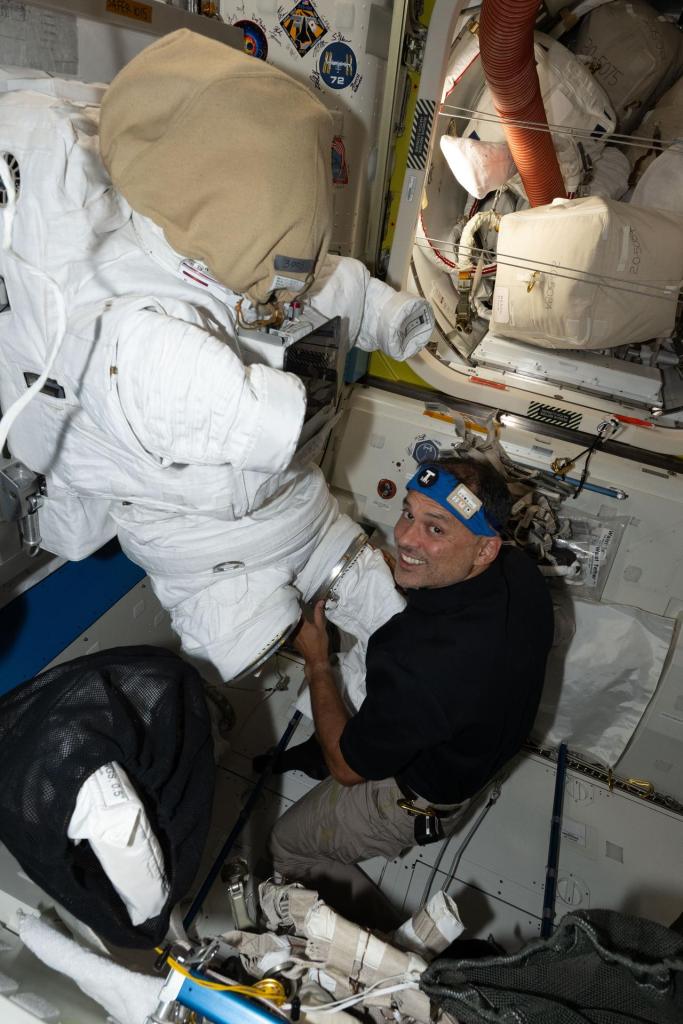
After lunchtime, the duo partnered together again inside the Quest airlock and serviced a variety of spacesuit components. Watkins inspected a spacesuit that was delivered aboard a SpaceX Dragon cargo spacecraft on Oct. 15. She assembled the suit’s helmet, arms, and legs, installed communications gear, then stowed the suit afterward. Delaney removed batteries from the emergency jet packs that are attached to spacesuits that would help a spacewalker maneuver back to the orbital outpost in the unlikely event they became untethered.
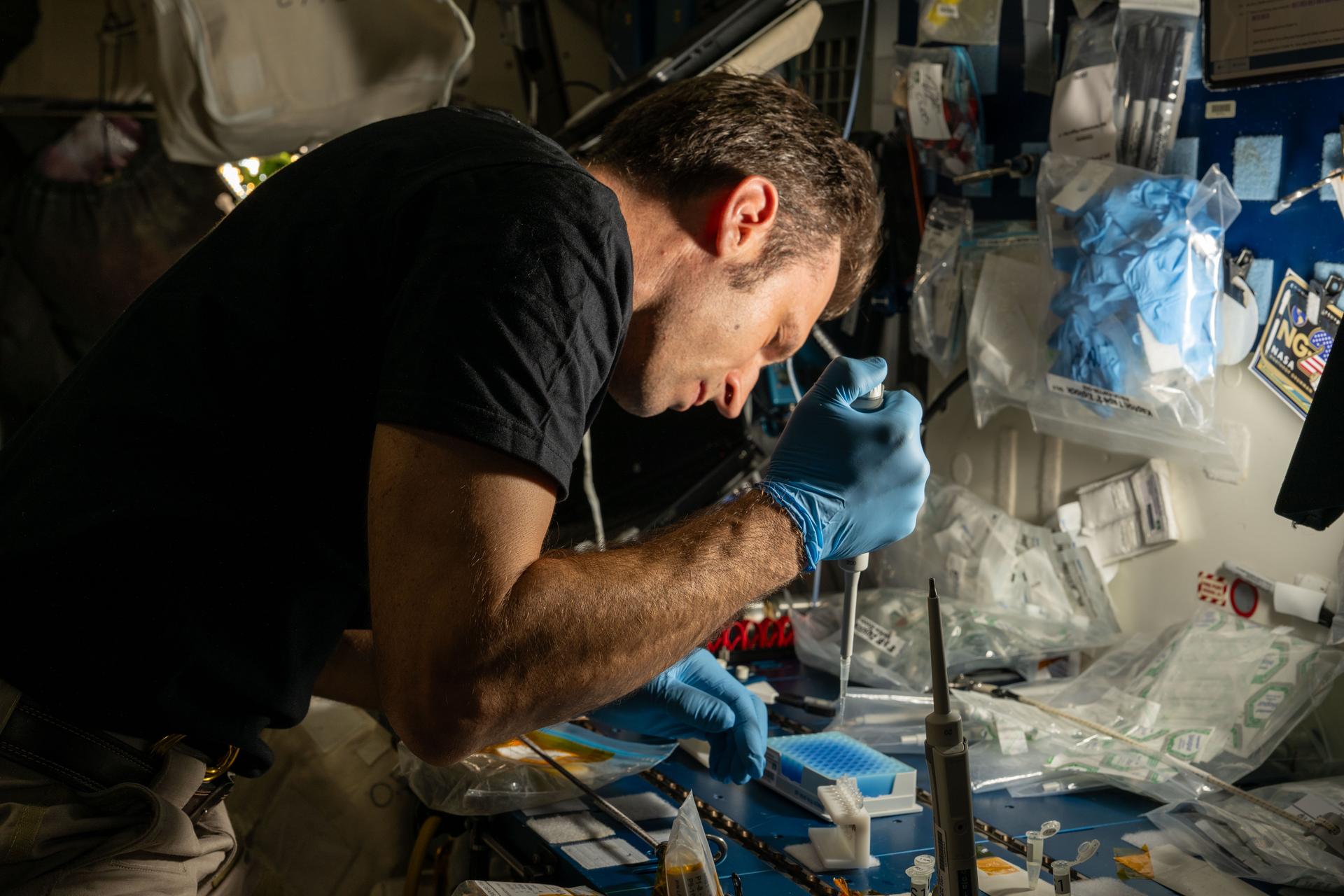
NASA flight engineer Anil Menon thawed and nourished human lung epithelial cells—cells that line the respiratory tract and lungs—for an investigation to learn how to grow and maintain lung cells in microgravity. The research may improve future space biology investigations and promote higher quality disease therapies. Flight engineer Joshua Kutryk of CSA (Canadian Space Agency) activated the Acute Care Testing in Space (ACTIS) facility and tested blood samples helping doctors monitor crew health.
Menon and Kutryk also transferred research samples from completed experiments out of station science freezers and into portable freezers then stowed them inside Dragon. Dragon is nearing the end of its stay at the orbital lab and will return to Earth soon for a splashdown in the Pacific Ocean where NASA and SpaceX personnel will retrieve the cargo spacecraft and its payloads for analysis.
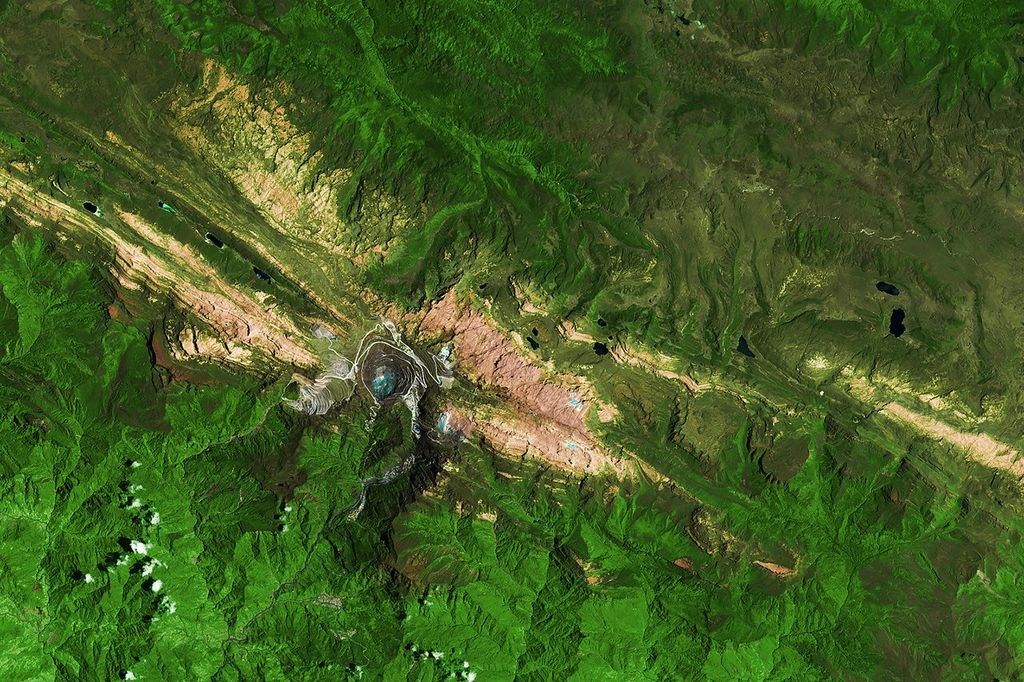
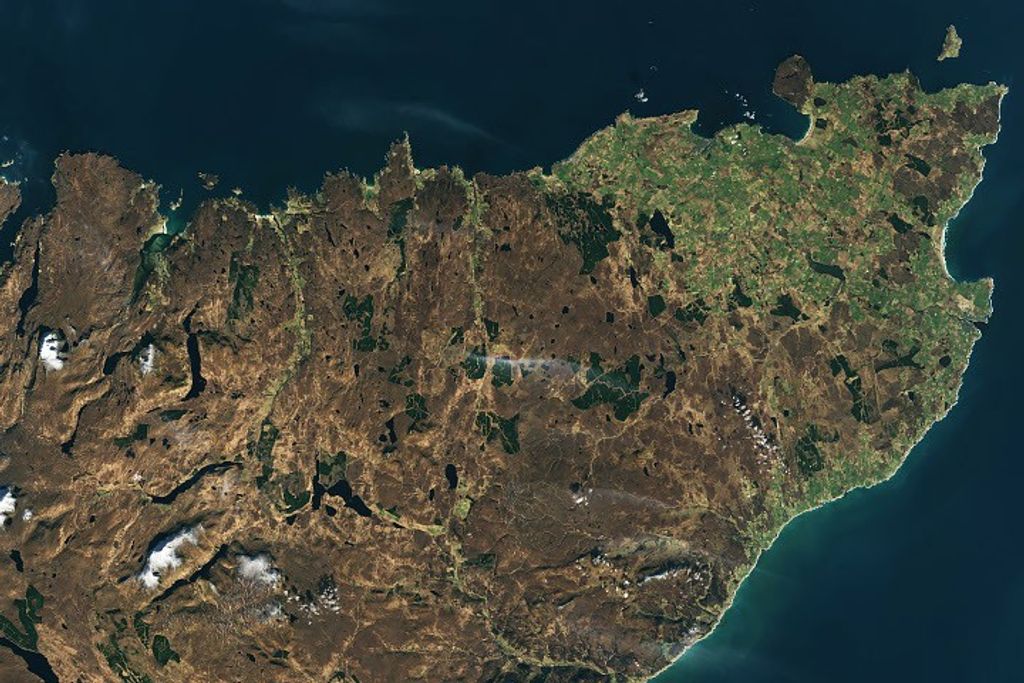
Roscosmos flight engineer Sergey Teteryatnikov worked throughout Monday conducting a variety of Earth observation sessions photographing landmarks from South America, across the Atlantic Ocean, to Africa. Cosmonauts Pyotr Dubrov and Anna Kikina, station commander and flight engineer respectively, focused their efforts on lab maintenance working on communications gear, electronics equipment, and life support hardware.
Learn more about station activities by following the space station blog, @space_station on X, as well as the ISS Facebook and ISS Instagram accounts.
Get the latest from NASA delivered every week. Subscribe here.
