





STS-51B
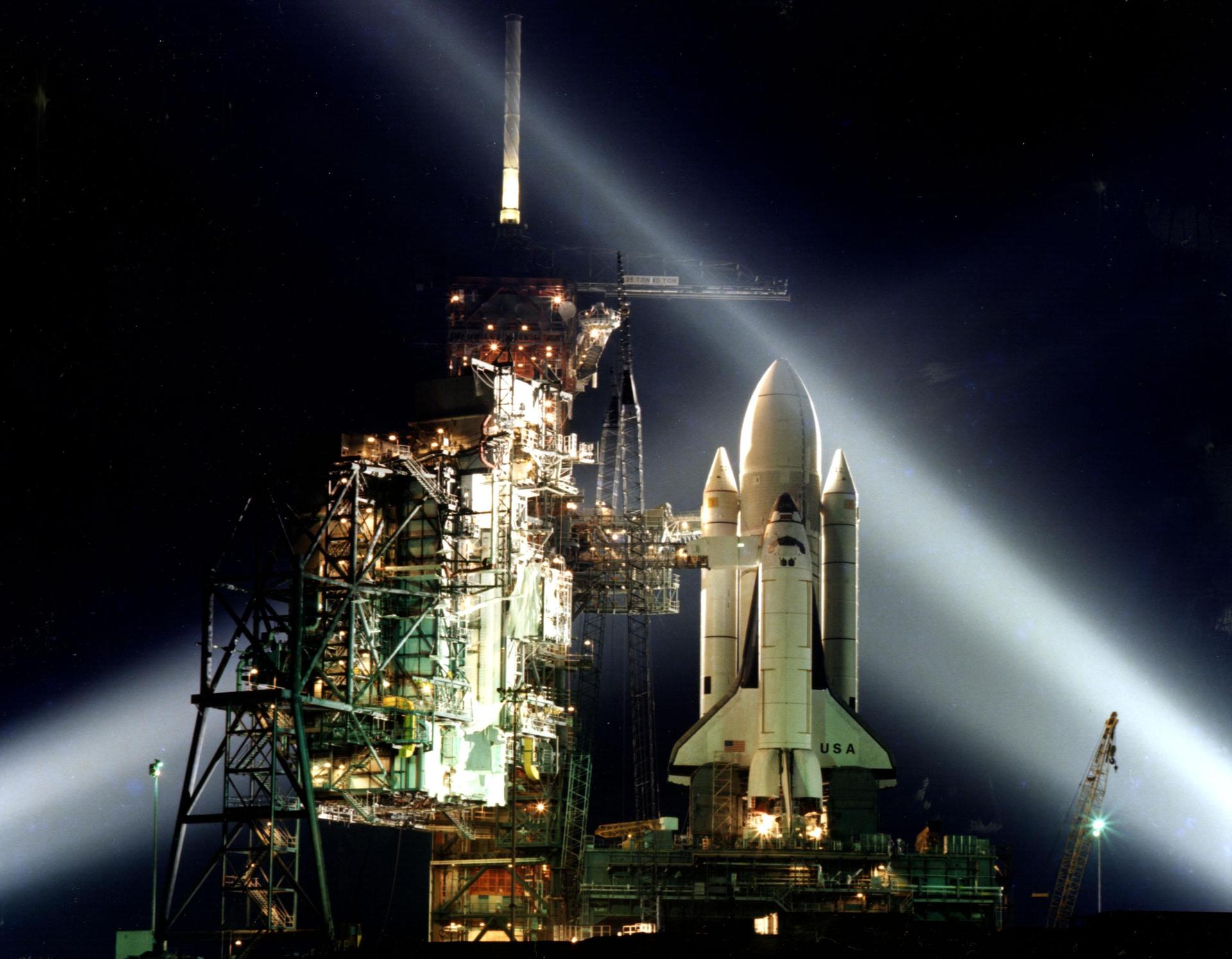
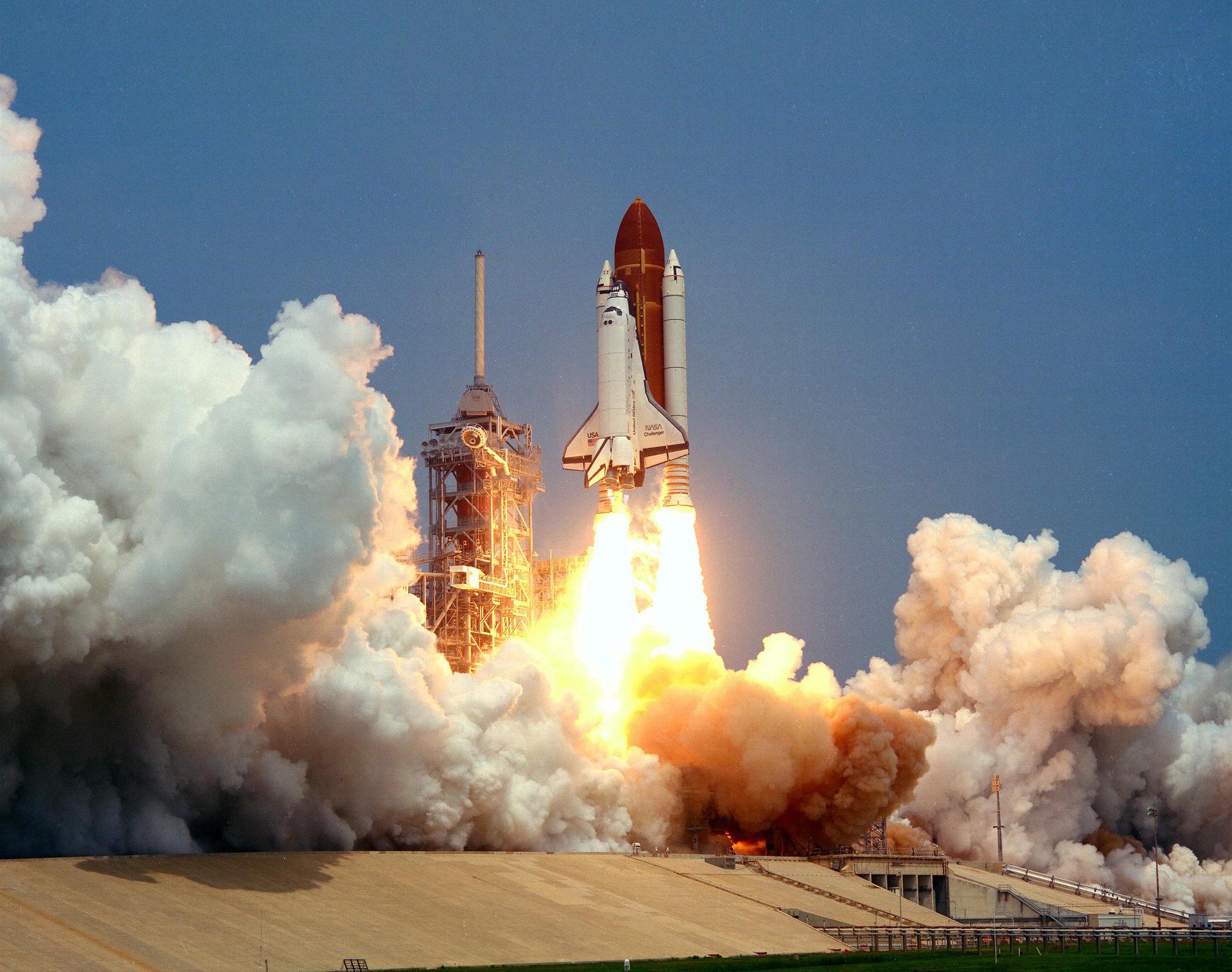
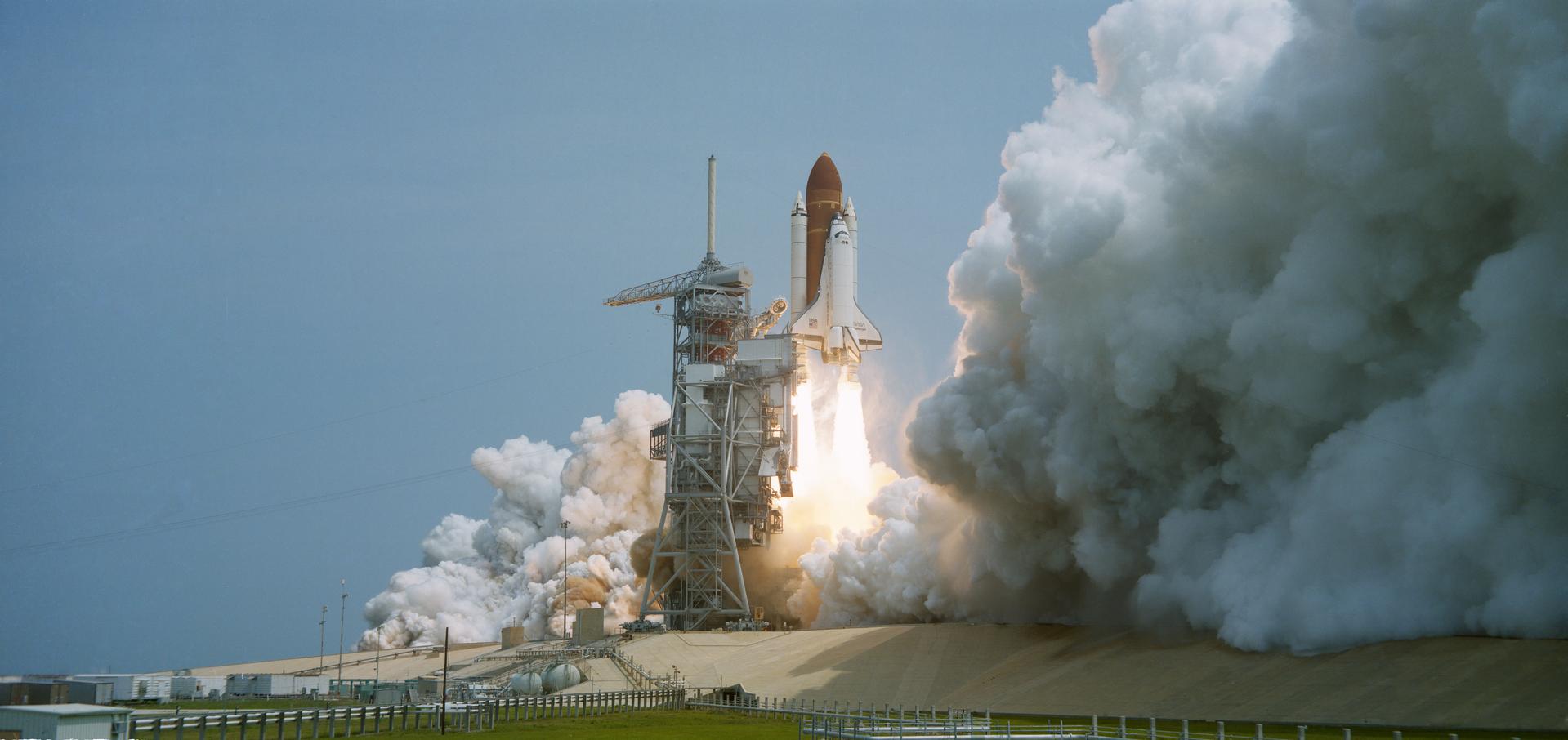
STS-51B was the 17th flight of NASA's Space Shuttle Program, and the seventh flight of Space Shuttle Challenger.
Space Shuttle
mission duration
Launch
Landing
Mission Facts
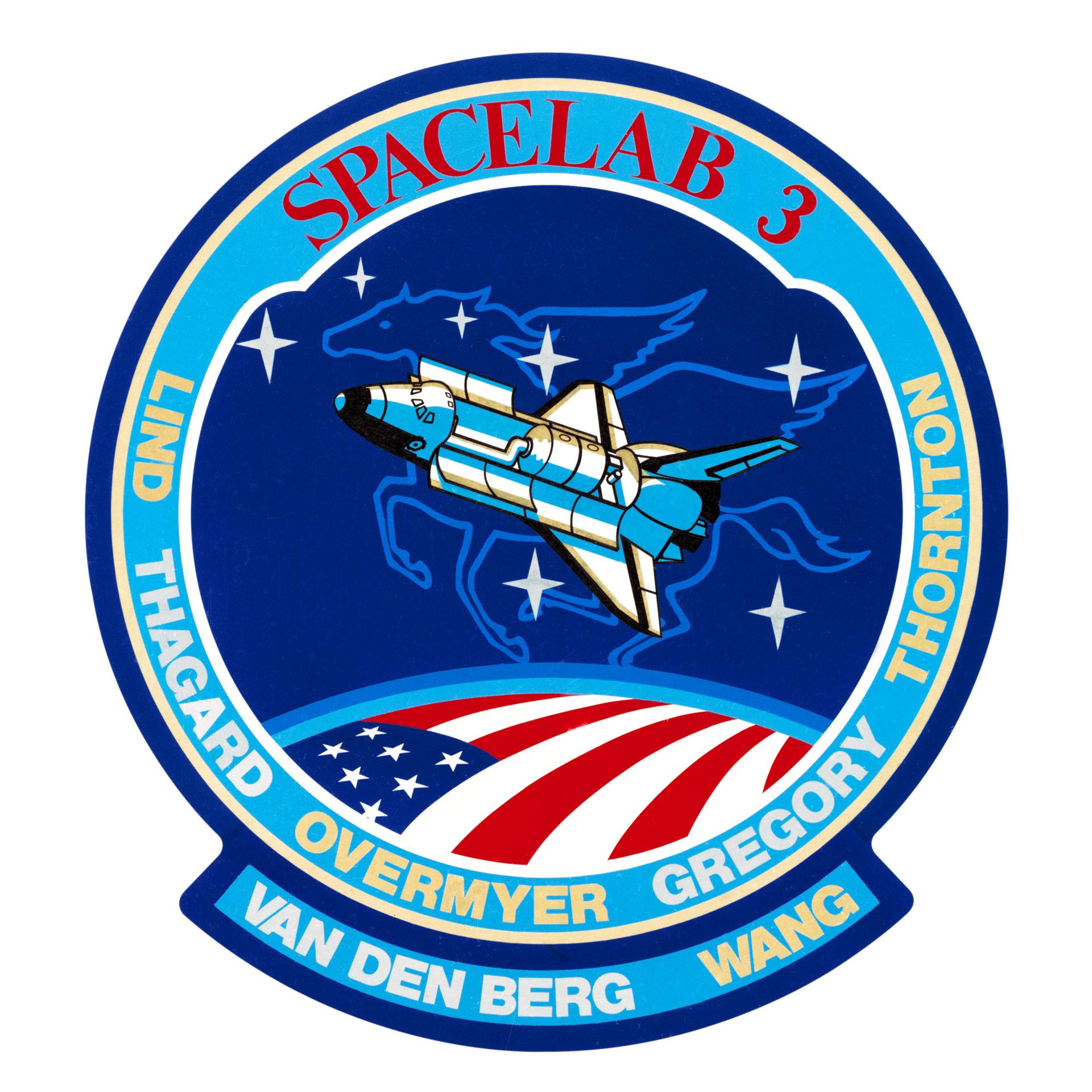
Mission: Spacelab-3
Space Shuttle: Challenger
Launch Pad: 39A
Launch Weight: 246,880 pounds
Launched: April 29, 1985 at 12:02:18 p.m. EDT
Landing Site: Edwards Air Force Base, Calif.
Landing: May 6, 1985 at 9:11:04 a.m. PDT
Landing Weight: 212,465 pounds
Runway: 17
Rollout Distance: 8,317 feet
Rollout Time: 59 seconds
Revolution: 111
Mission Duration: 7 days, 0 hours, 8 minutes, 46 seconds
Orbit Altitude: 222 nautical miles
Orbit Inclination: 57 degrees
Miles Traveled: 2.9 million
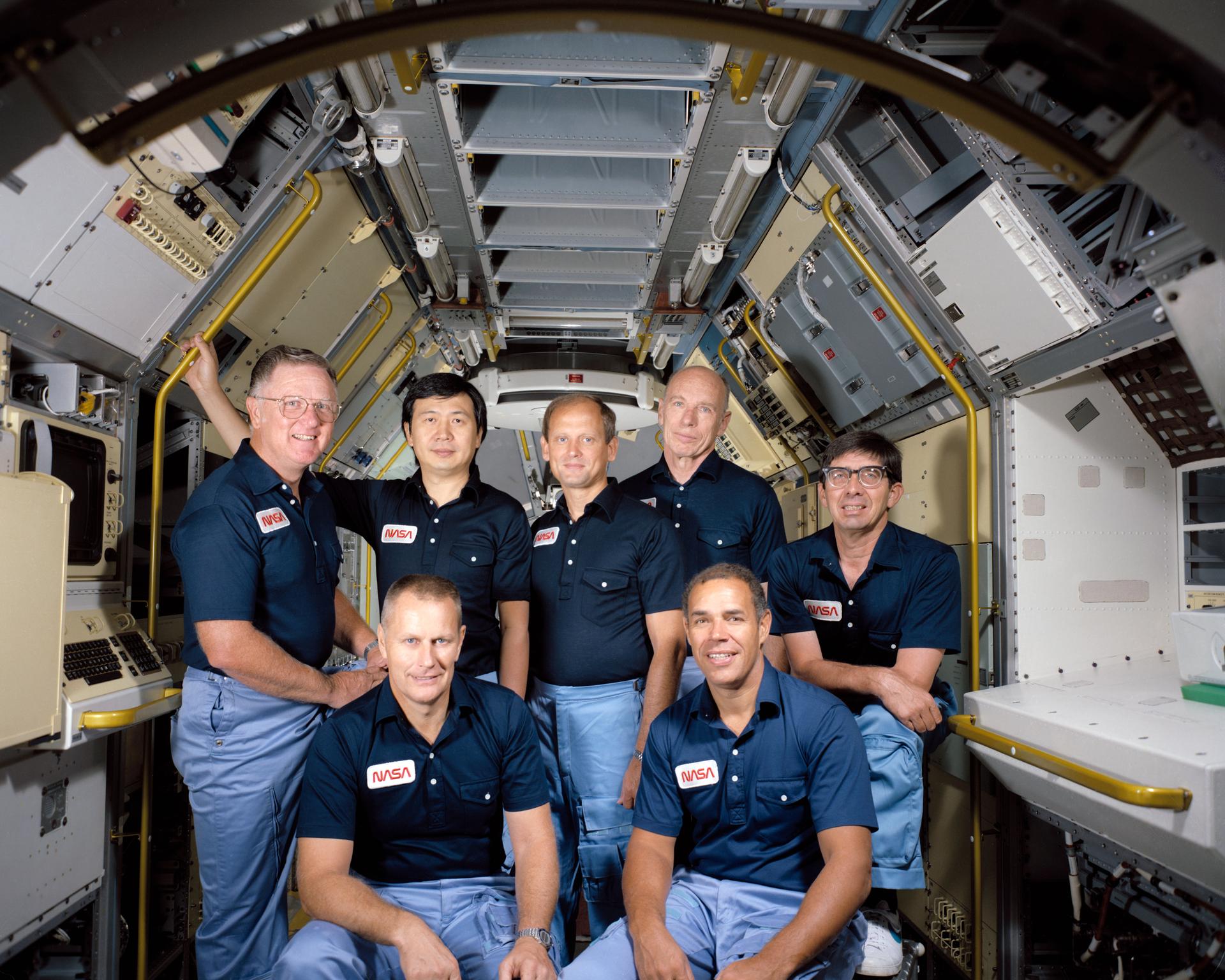
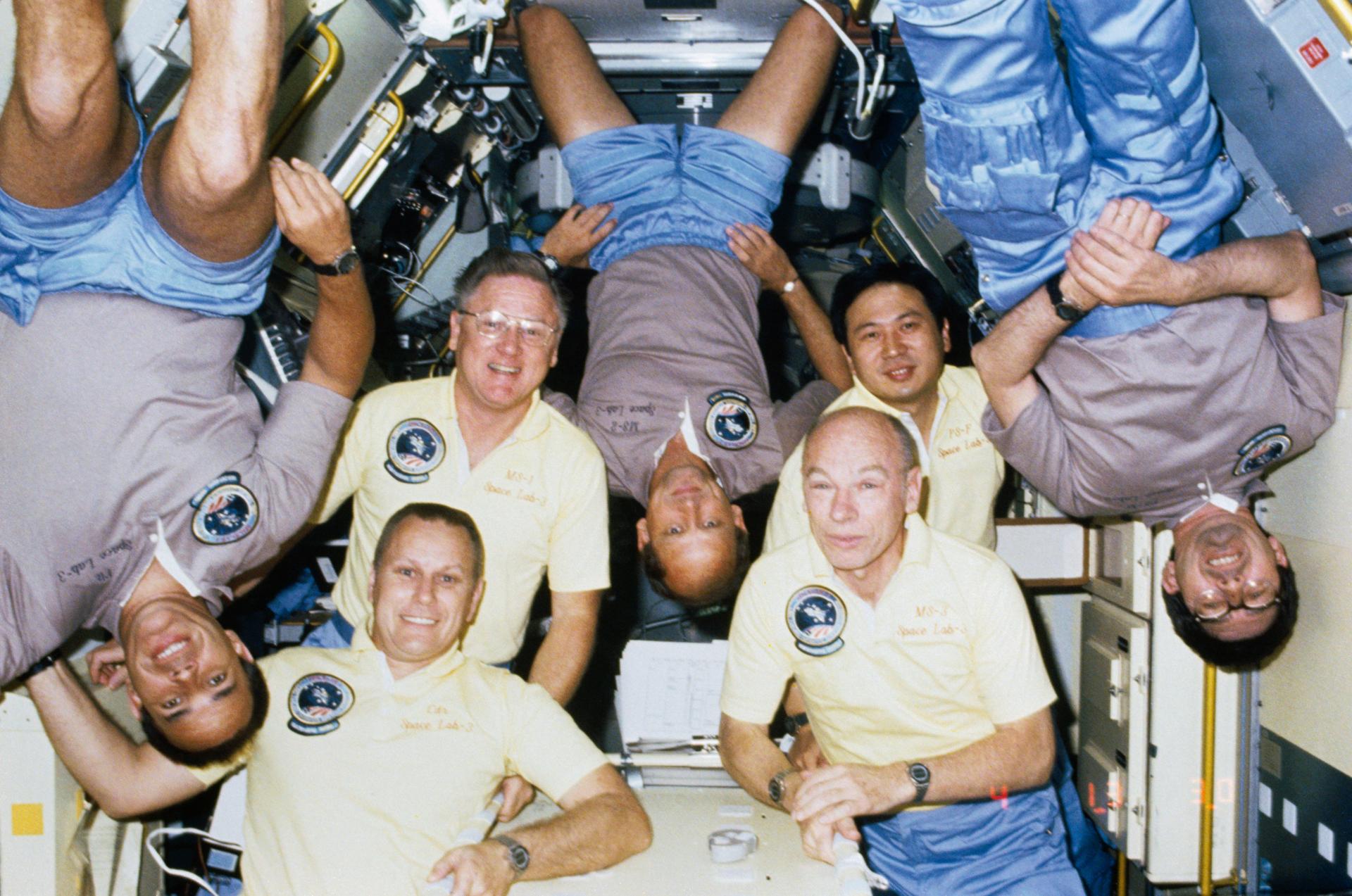
Crew:
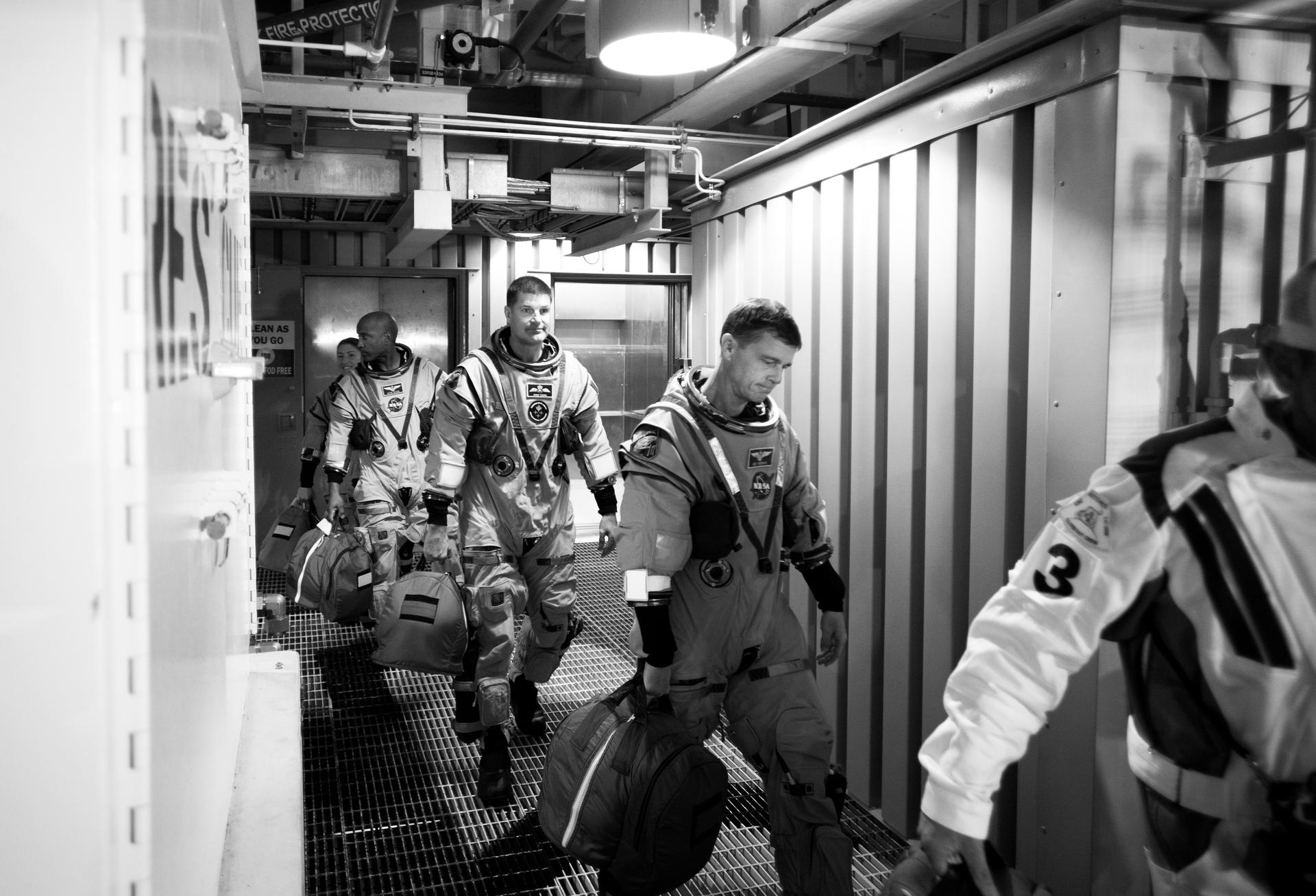
Robert F. Overmyer, Commander
Frederick D. Gregory, Pilot
Don L. Lind, Mission Specialist
Norman E. Thagard, Mission Specialist
William E. Thornton, Mission Specialist
Lodewijk van den Berg, Payload Specialist
Taylor G. Wang, Payload Specialist
Launch/Landing Highlights
The flight was first manifested as 51-E but it was rolled back from pad due to a timing problem with the TDRS-B payload. Mission 51-E was cancelled and the orbiter was remanifested with 51-B payloads. The launch on April 29 was delayed two minutes, 18 seconds due to a launch processing system failure.
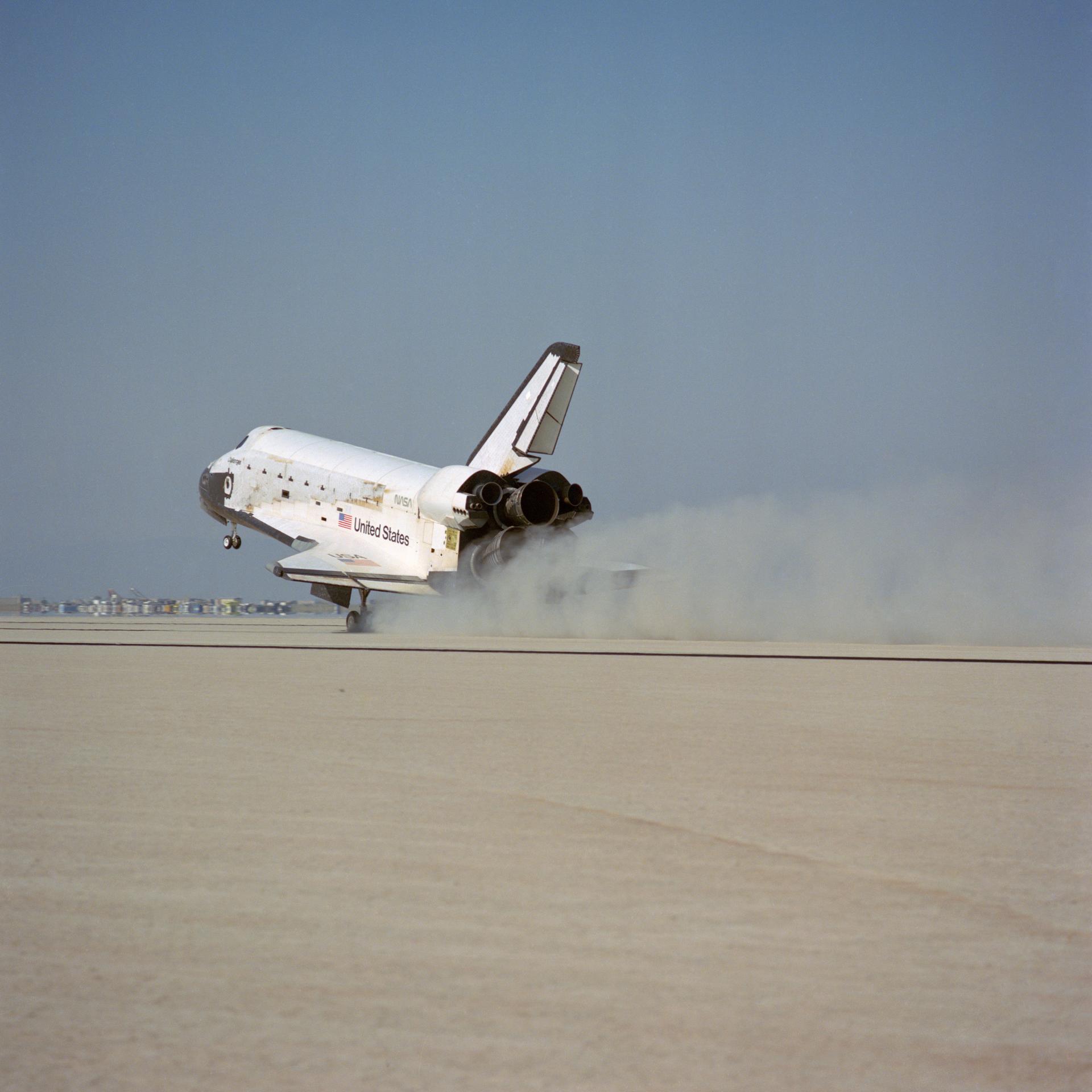
The orbiter made its first crosswind landing at Edwards Air Force Base in California and returned to Kennedy Space Center on May 11, 1985.
Mission Highlights
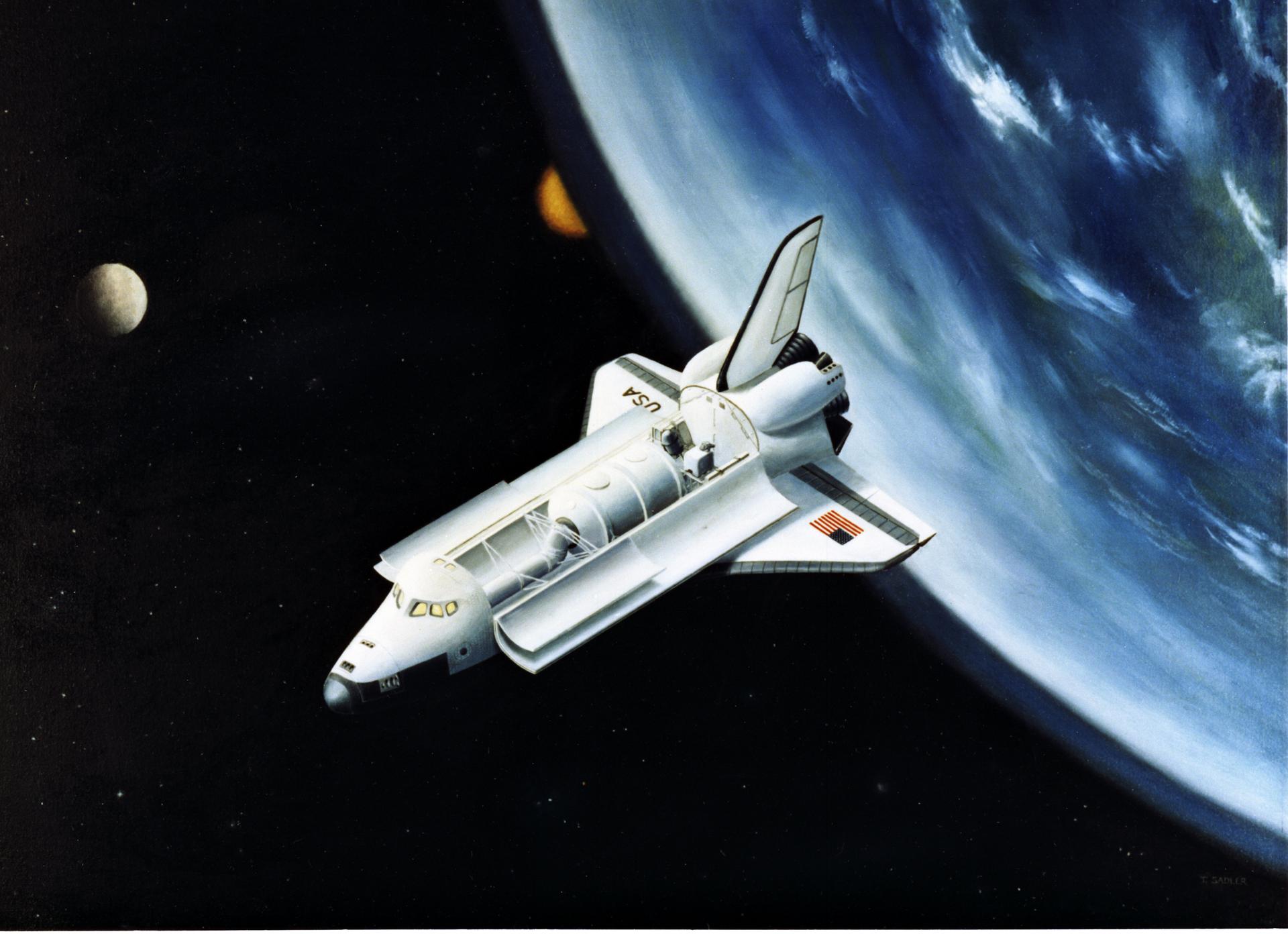
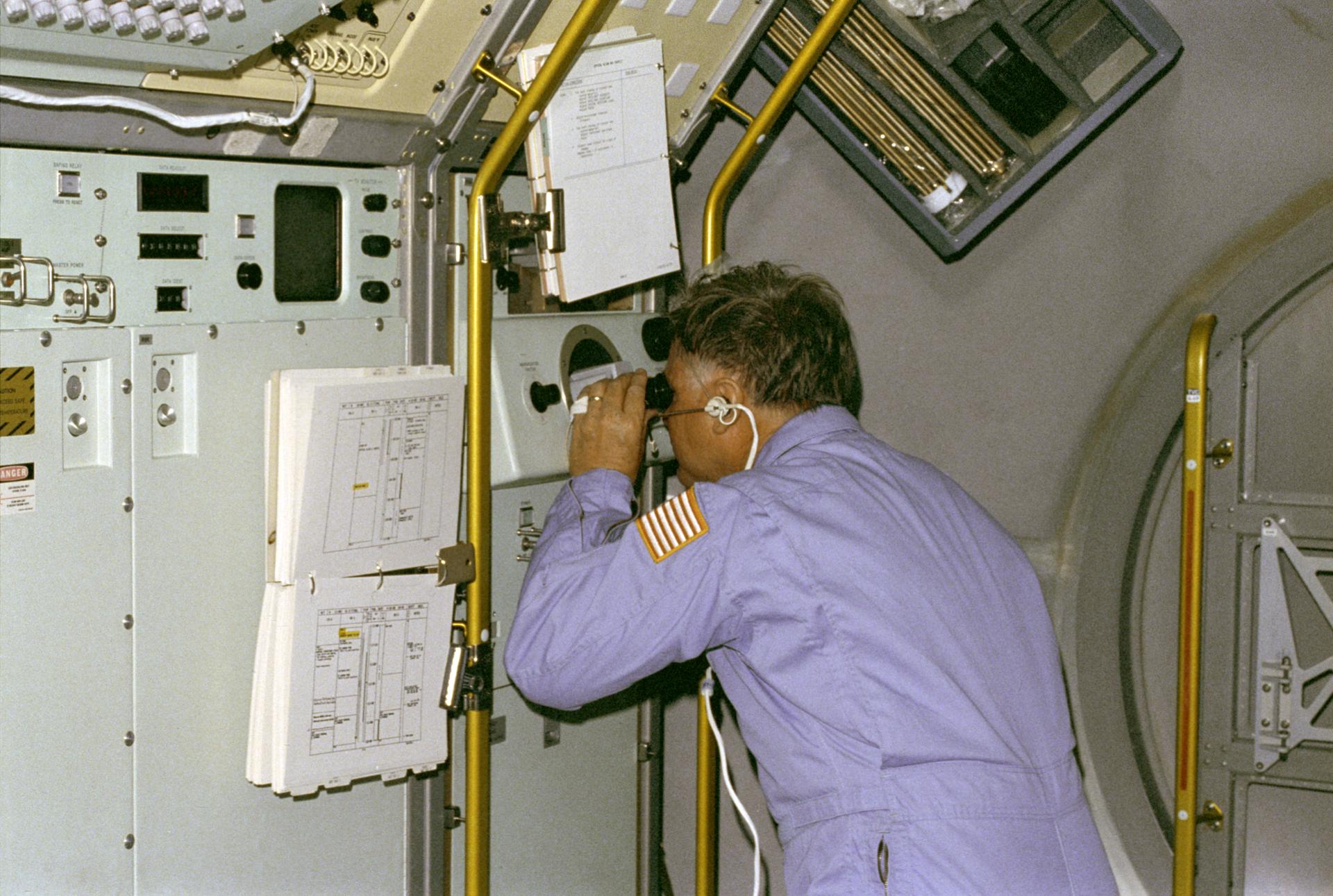
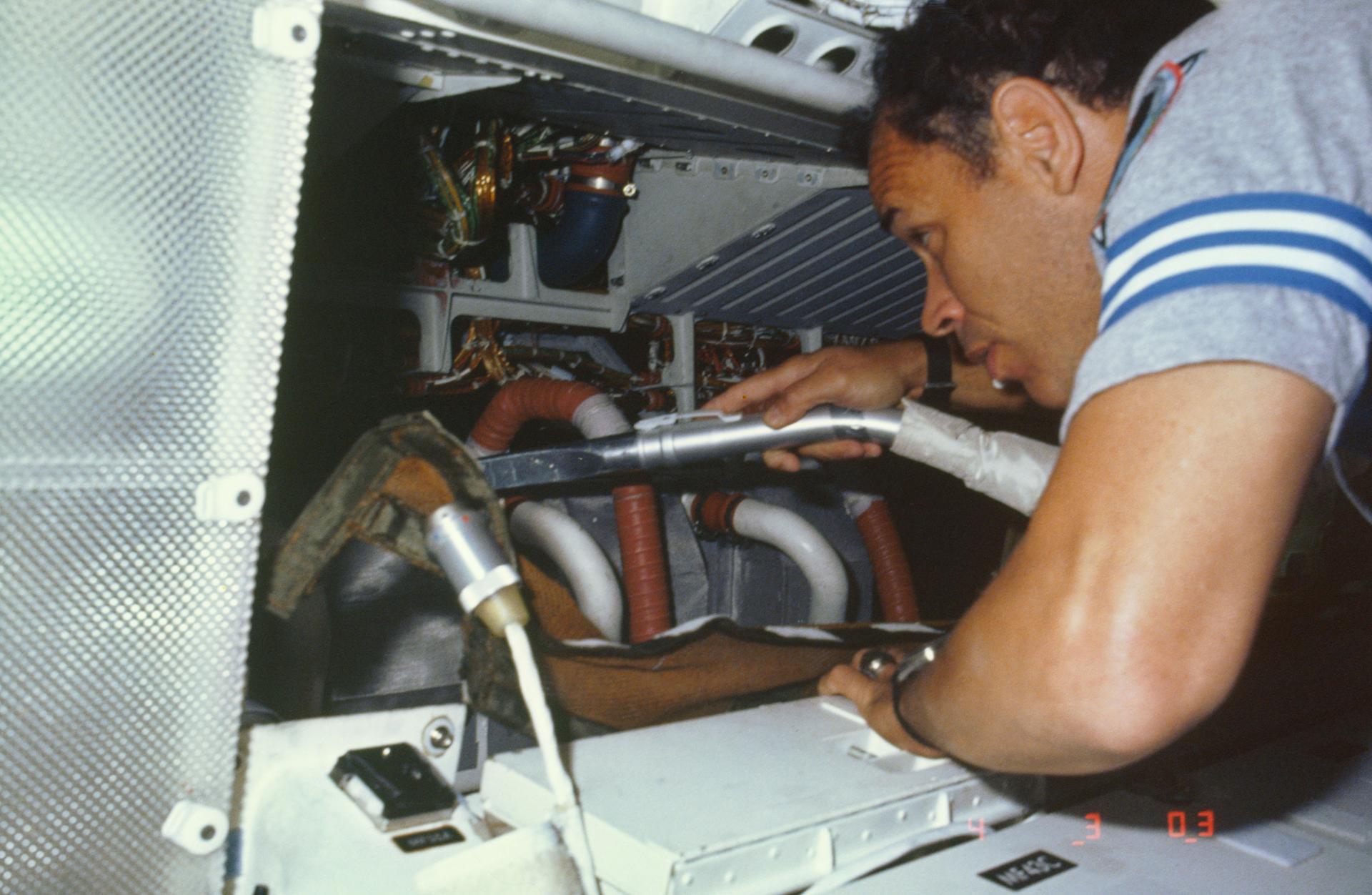
The primary payload was Spacelab-3. This was the first operational flight for the Spacelab orbital laboratory series developed by the European Space Agency. Spacelab includes five basic discipline areas: materials sciences, life sciences, fluid mechanics, atmospheric physics, and astronomy. The main mission objective with Spacelab-3 was to provide a high quality microgravity environment for delicate materials processing and fluid experiments. Two monkeys and 24 rodents were observed for the effects of weightlessness. Of the 15 Spacelab primary experiments conducted, 14 were considered successful. Two Get Away Specials were on board.
STS-51B
Shuttle News


Retired Space Shuttle Locations
Shuttle Atlantis – Kennedy Space Center Visitor Complex Shuttle Discovery – Steven F. Udvar-Hazy Center Shuttle Endeavour – California Science…
Read the Story