










Frequently Asked Questions
Curious about Safety at Wallops? Find answers to some of the most common questions regarding Safety and Mission Assurance (SMA) at Wallops, including safety responsibilities, emergency procedures, flight safety systems, and information about NASA range operations.
Frequently Asked Questions (FAQs)
Who is responsible for Safety at WFF?
Every employee here at WFF is responsible for the safety of themselves and their co-workers. If you witness a safety hazard or incident, please take the time to report it with the appropriate link under “Safety Information“.
Where can I find out about current emergency conditions at WFF?
Please dial (757) 824-1333 to contact Wallops Emergency Services.
What is a Flight Safety Analysis?
A Flight Safety Analysis is required on each range to establish any operational constraints needed to control risk to life, health, and property.
What is a Flight Safety System, and what does it do?
A Flight Safety System provides a means of preventing a launch or aeronautical vehicle and its hazards, including any payload hazards, from reaching any populated or other protected area in the event of a vehicle failure. This includes the Flight Termination System (FTS) which will destruct the vehicle in the event of a serious malfunction.
How do Ground Safety and Institutional Safety differ?
Ground Safety is more concerned with he ground operations related to missions whilst Institutional Safety is concerned with worker safety and health.
What is a Range?
A range is a permanent or temporary volume of land, sea, or airspace over which orbital, suborbital, or atmospheric vehicles are tested.
What is Range Safety?
Range Safety is the application of safety policies, principles, and techniques to protect the public, workforce, and property from hazards associated with range operations
How is NASA Range Safety Organized?
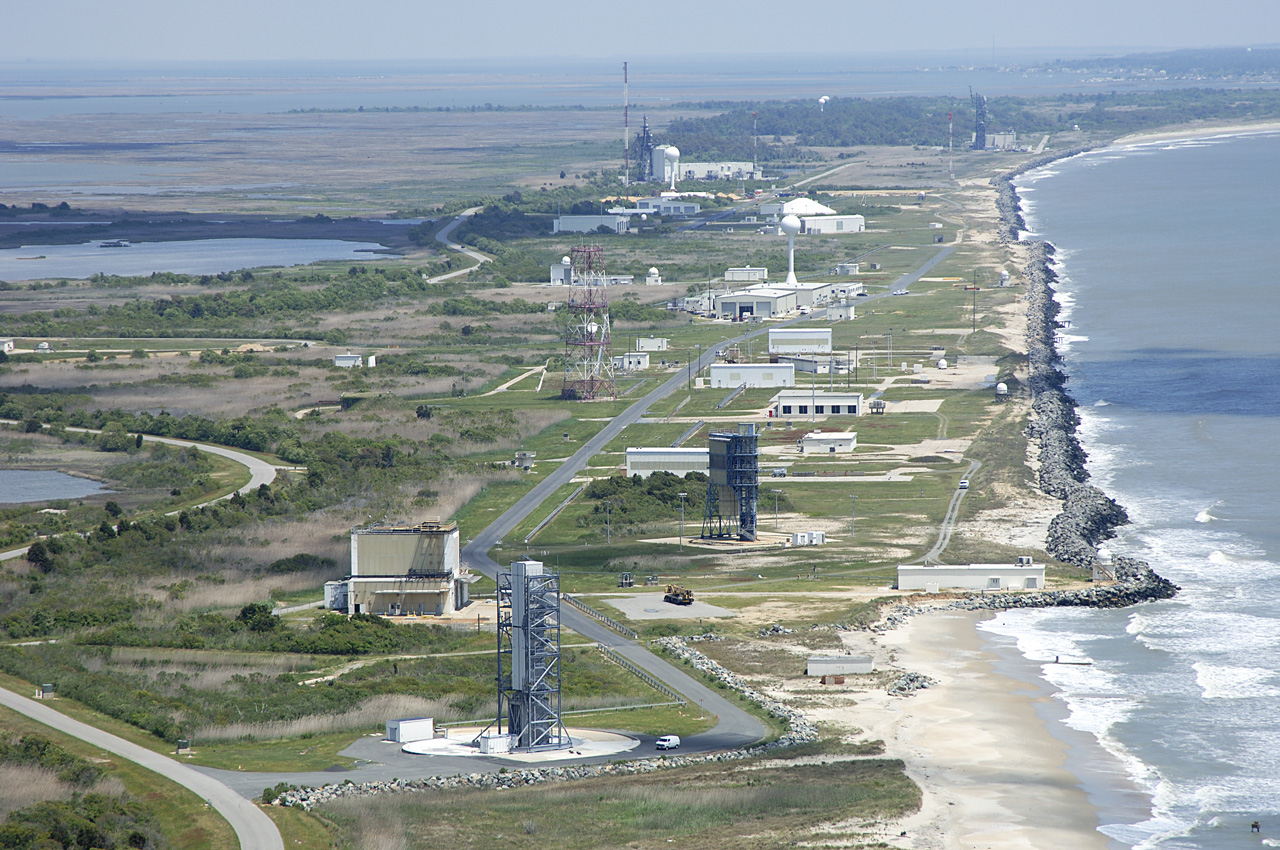
NASA Range Safety is primarily managed by NASA HQ – Office of Safety and Mission Assurance. The next level of responsibility falls under NASA Kennedy Space Center – Safety and Mission Assurance. Finally, each NASA launch center has its own management which falls under NASA HQ and Kennedy Space Center.
Who is a Range Safety Officer (RSO) and why are they important?
A person responsible for safety during a range operation. An RSO has the authority to hold or abort the operation. They may also take a risk mitigation action, which can include terminating the vehicle. RSO is synonymous with the term Mission Flight Control Officer at some DOD ranges.
Where are some of the different NASA range and launch sites located?
– Kennedy Space Center, FL
– Wallops Flight Facility, VA
– Dryden Flight Research Center, CA
– Space Launch Complex – 2, CA
What are some different types of Hazards?
Some types of potential hazards include toxic compounds, explosions, and the impact of debris
I have a question that isn’t answered here
For more specific questions, please contact Wallops Flight Facility at (757) 824-1000