











Project Mercury
We are driven to explore the unknown, discover new worlds, push the boundaries of our scientific and technical limits, and then push further.
Retrospective
Crewed Missions
Years (1958-1963)
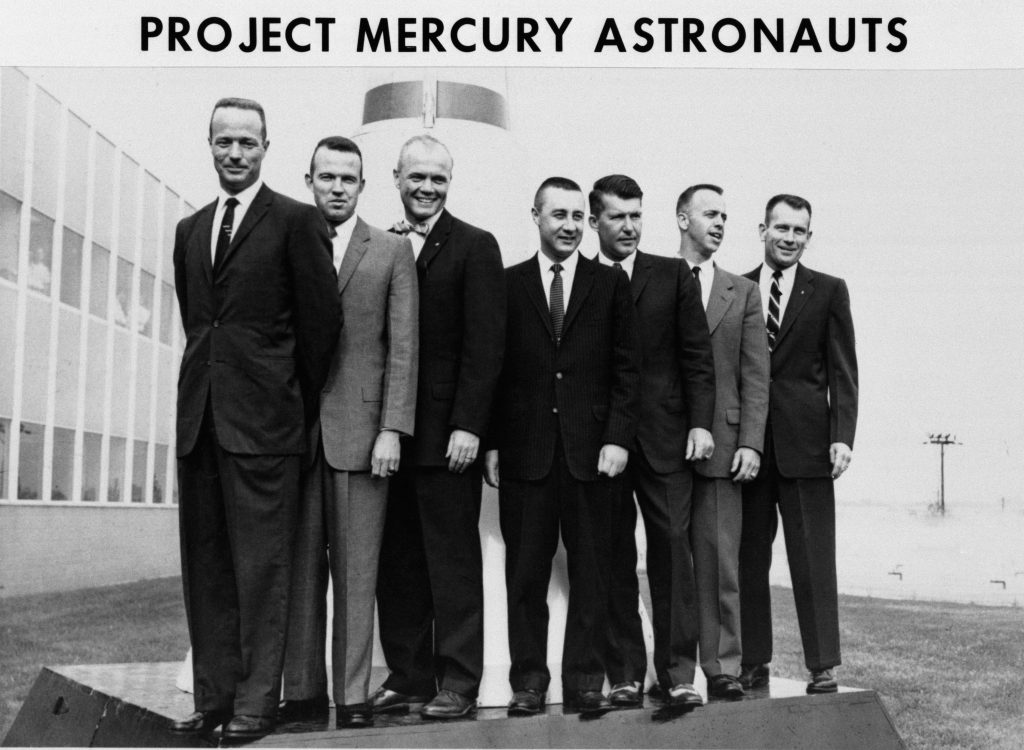
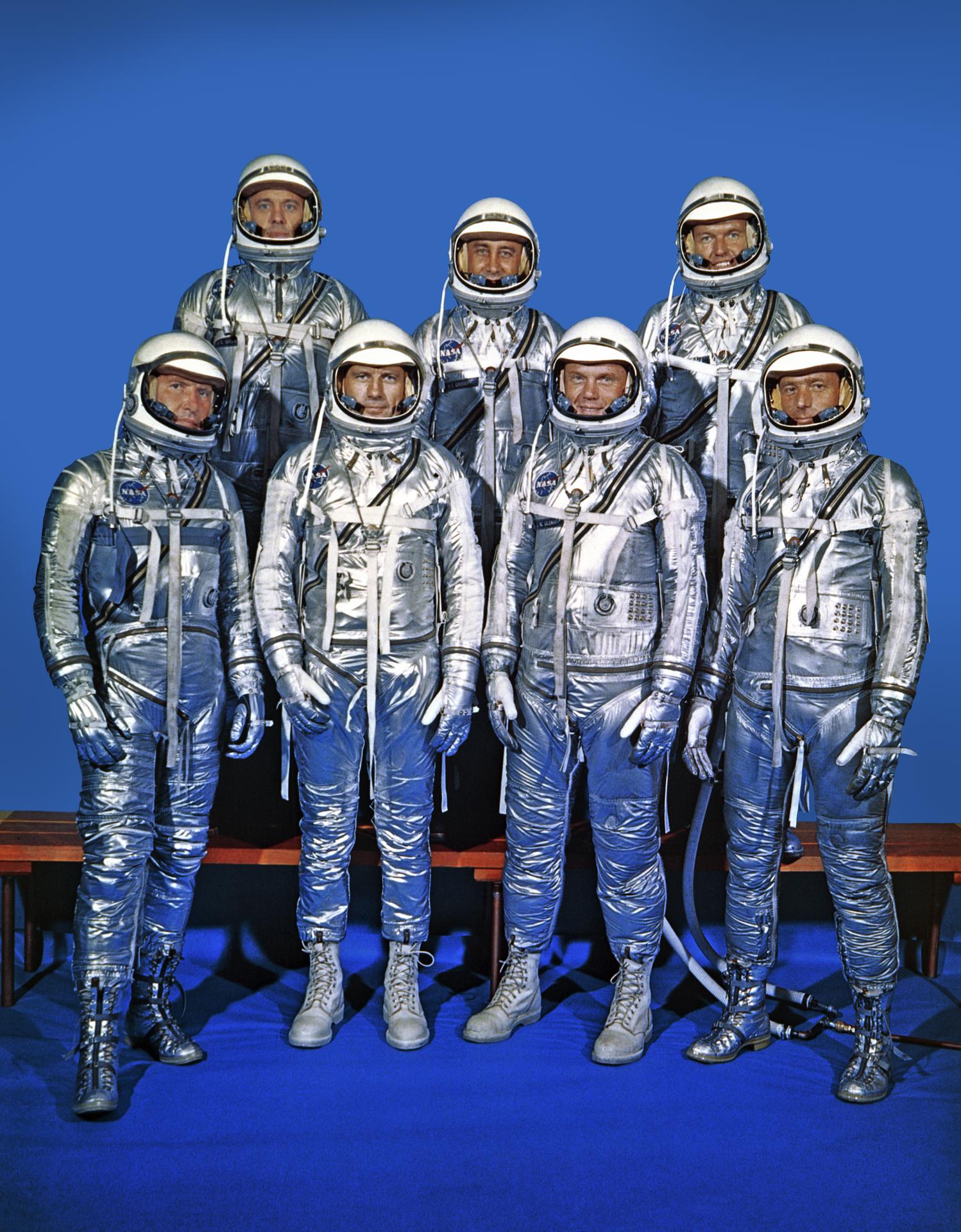
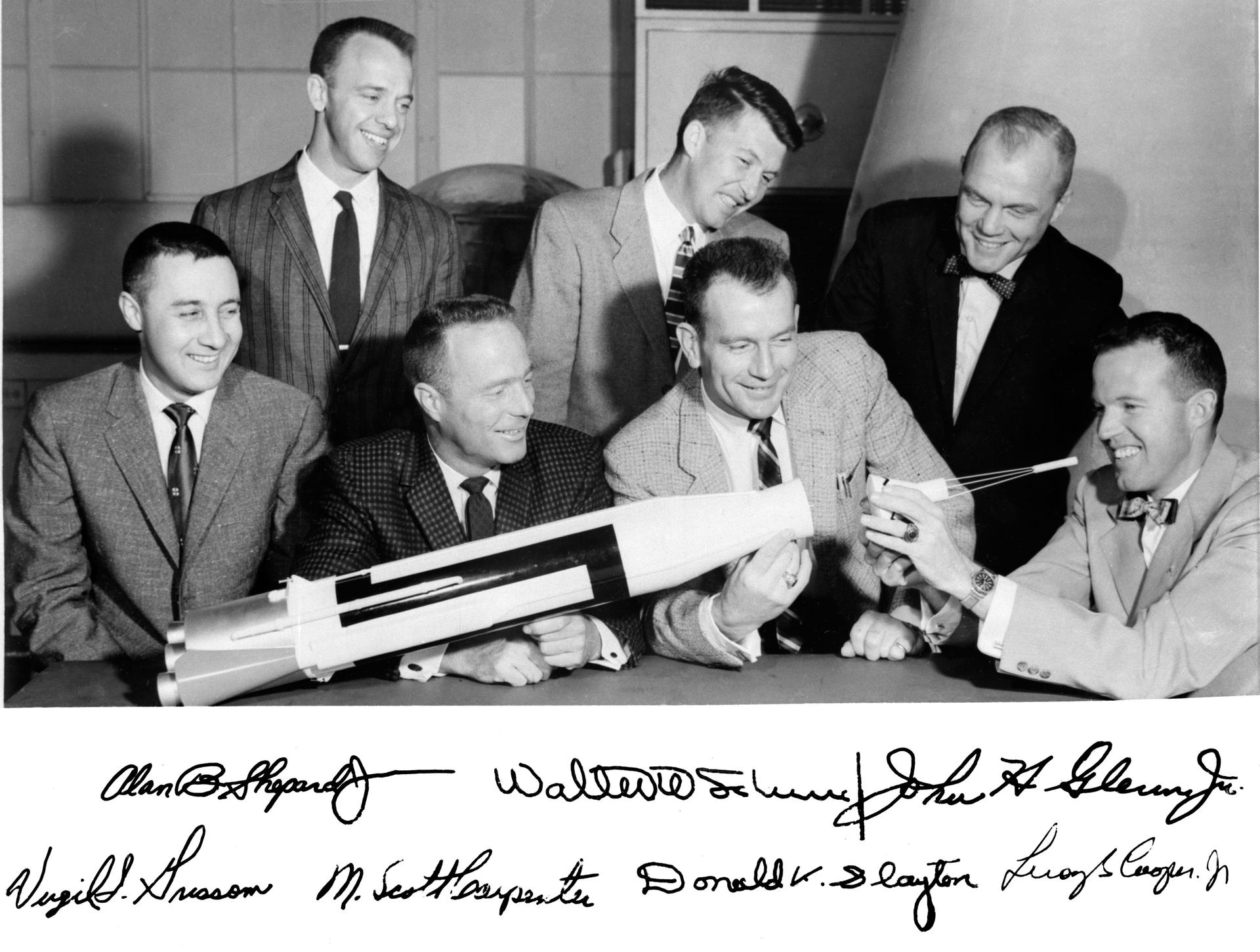
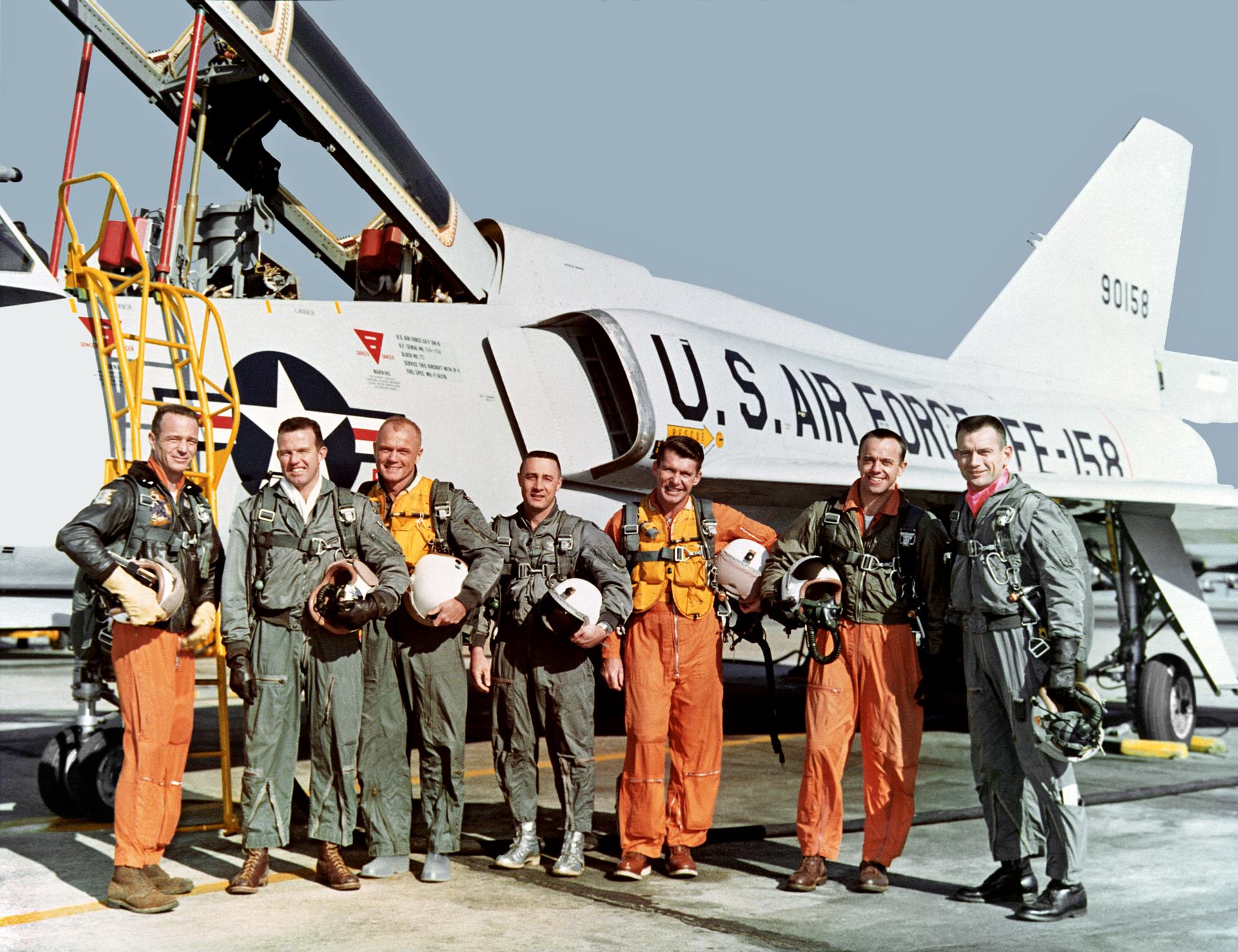
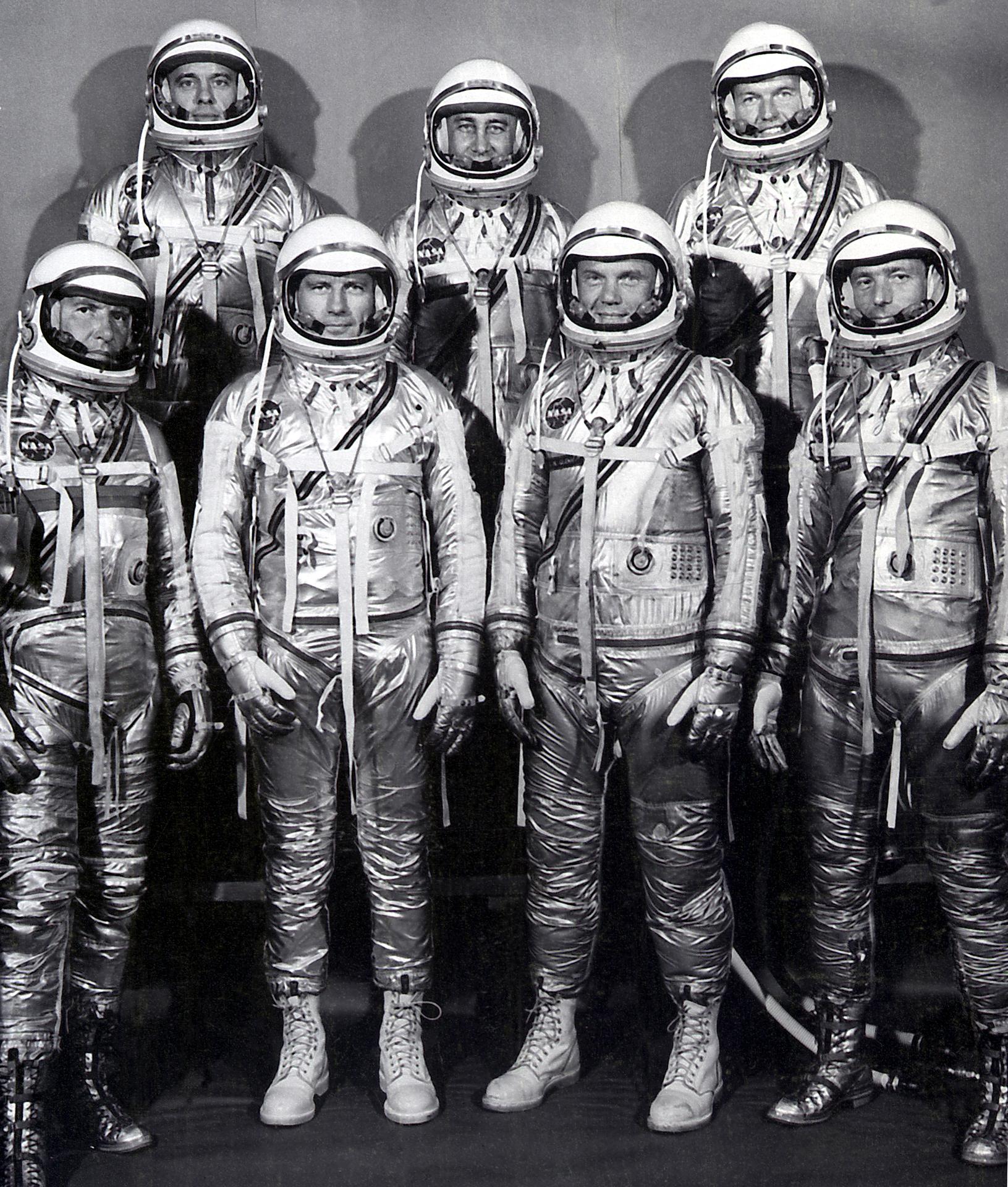
The Mercury Seven
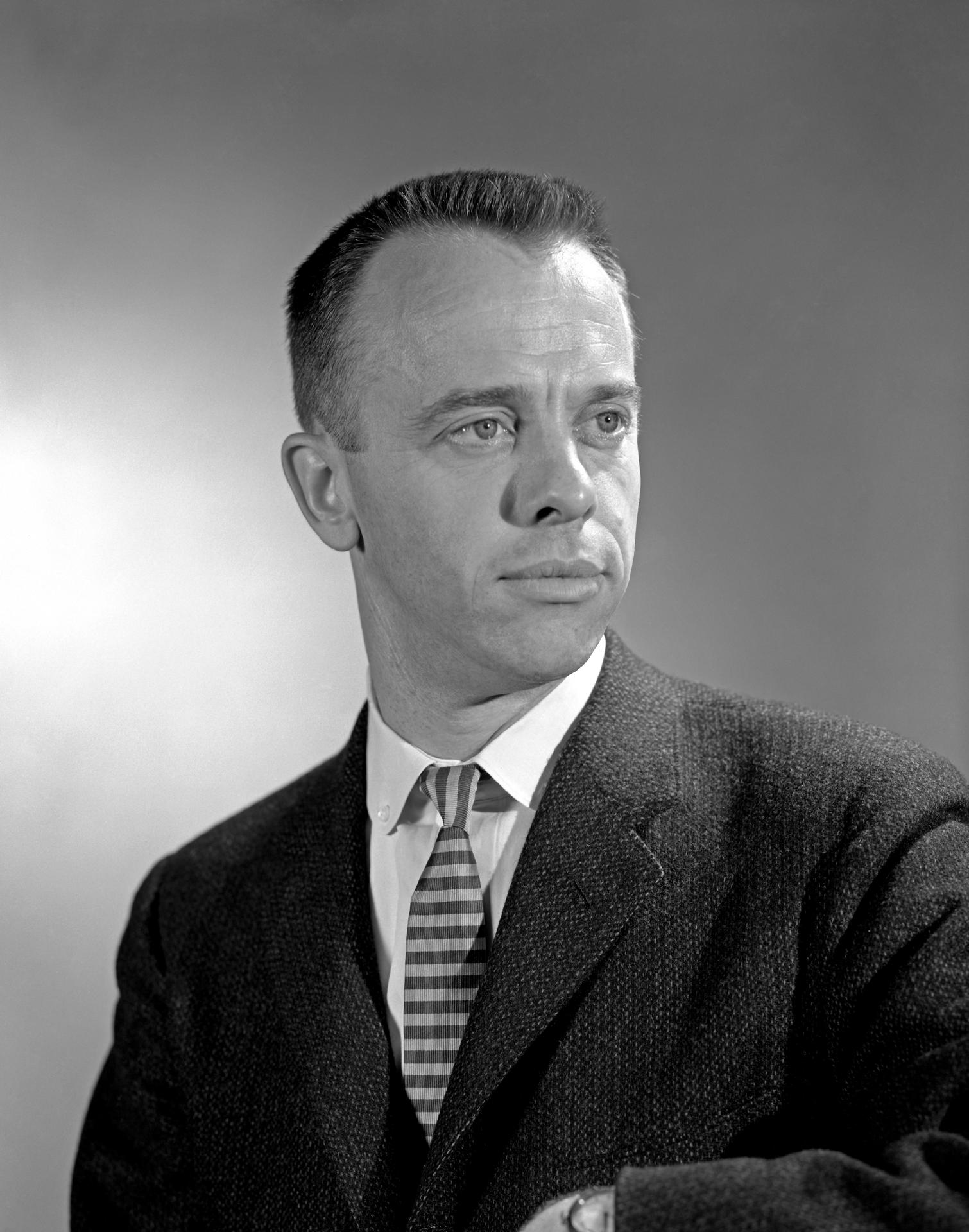

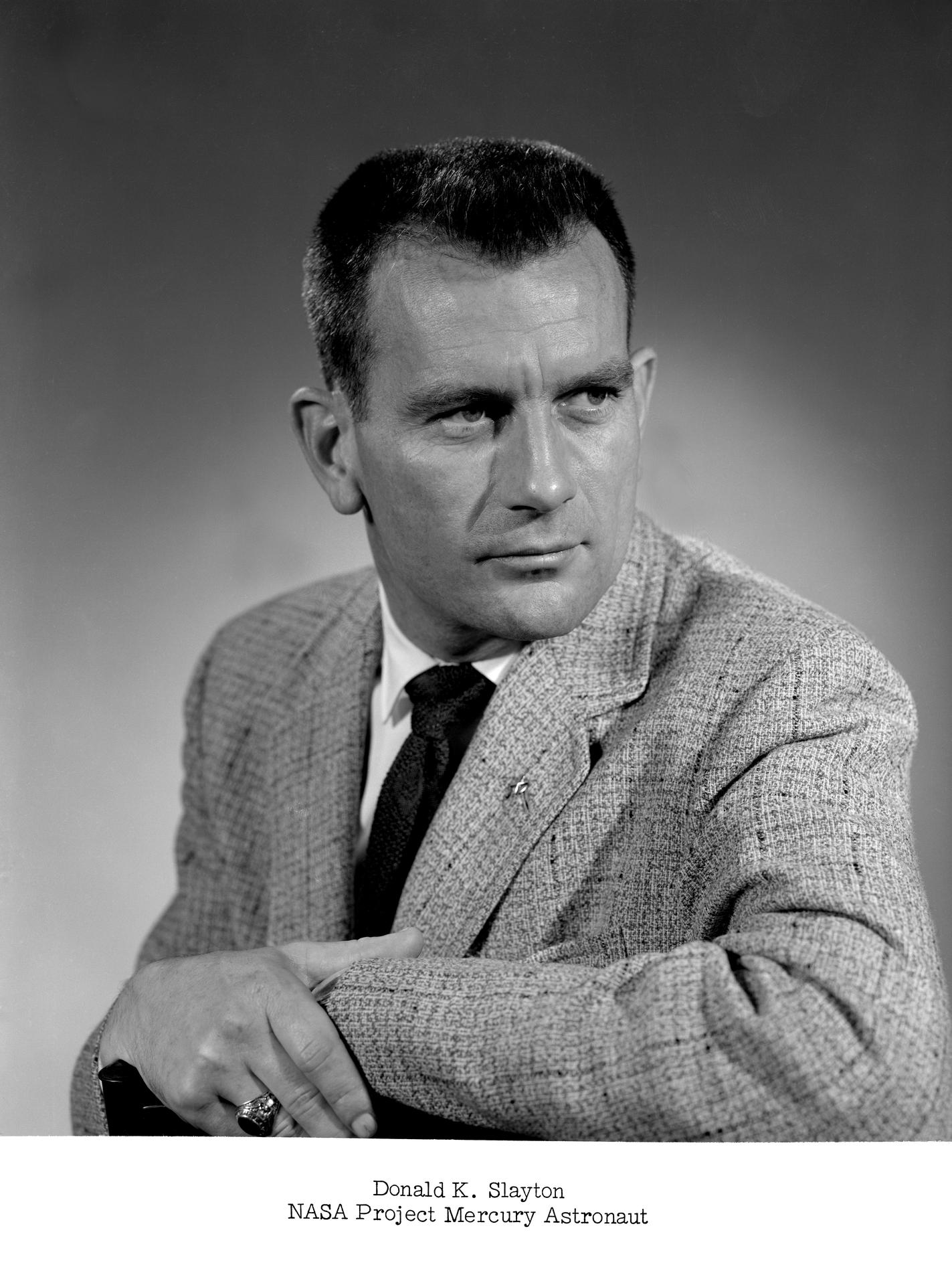
Crewed Project Mercury Missions
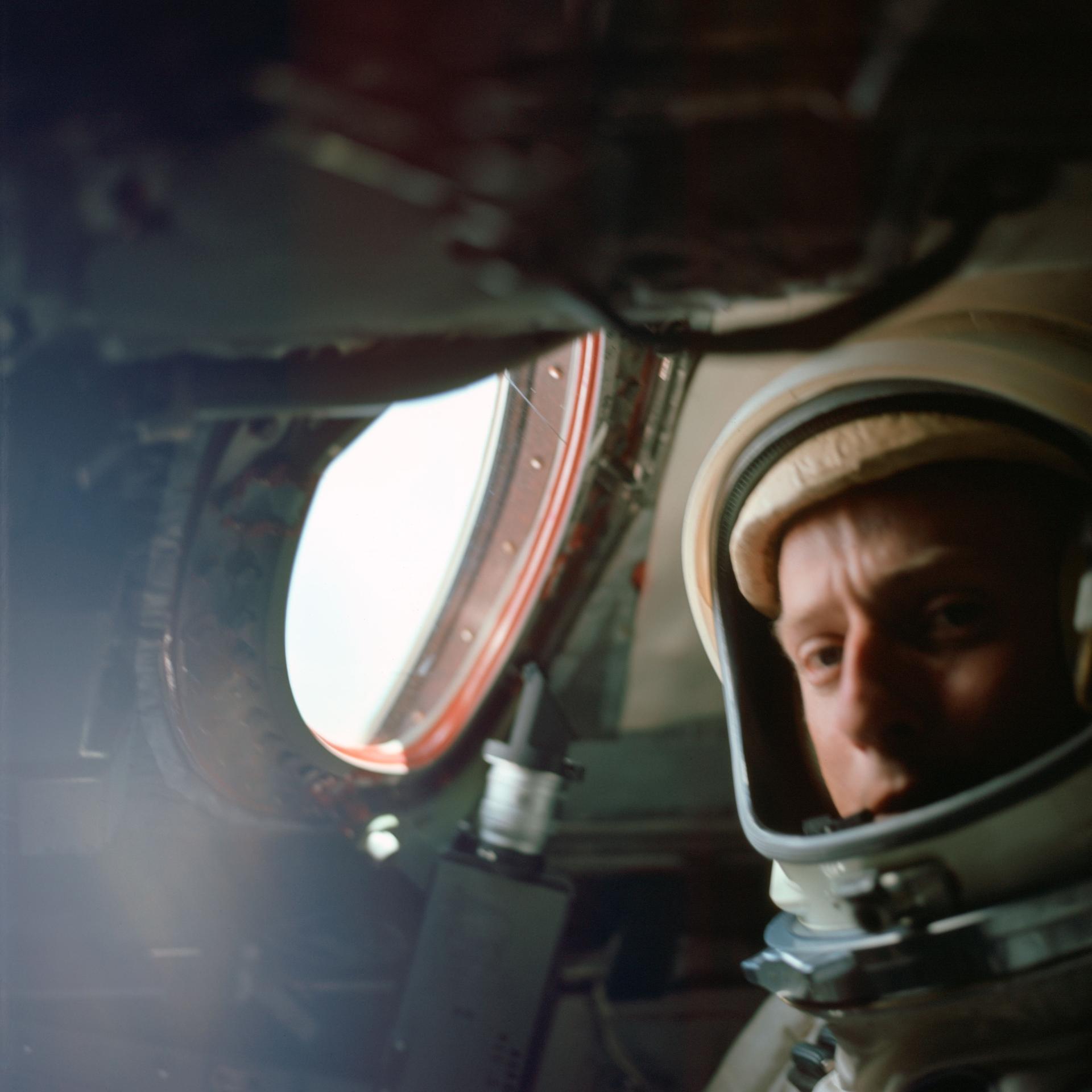
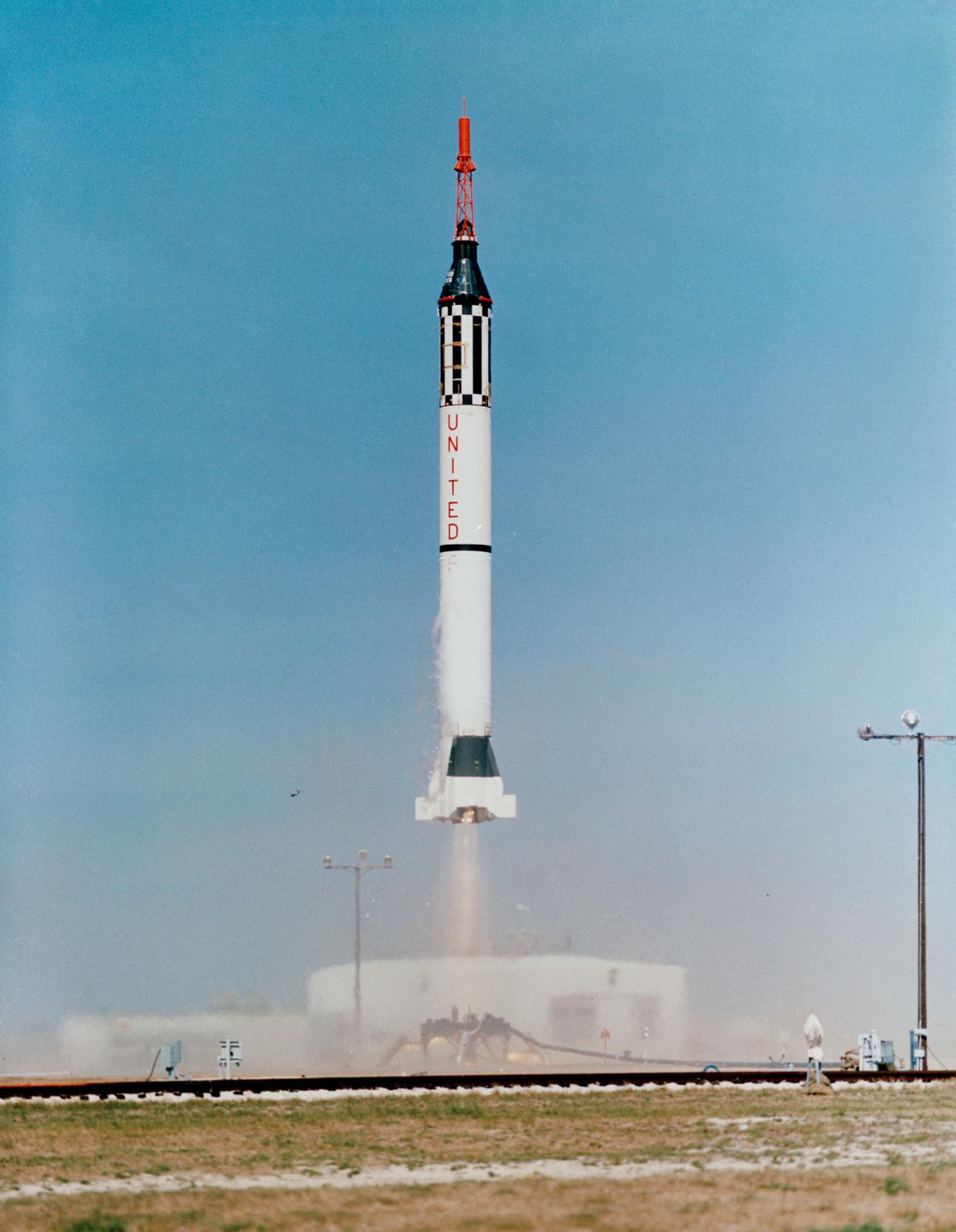
From May 1961 to May 1963, NASA launched six astronauts into space as part of its first human spaceflight program.
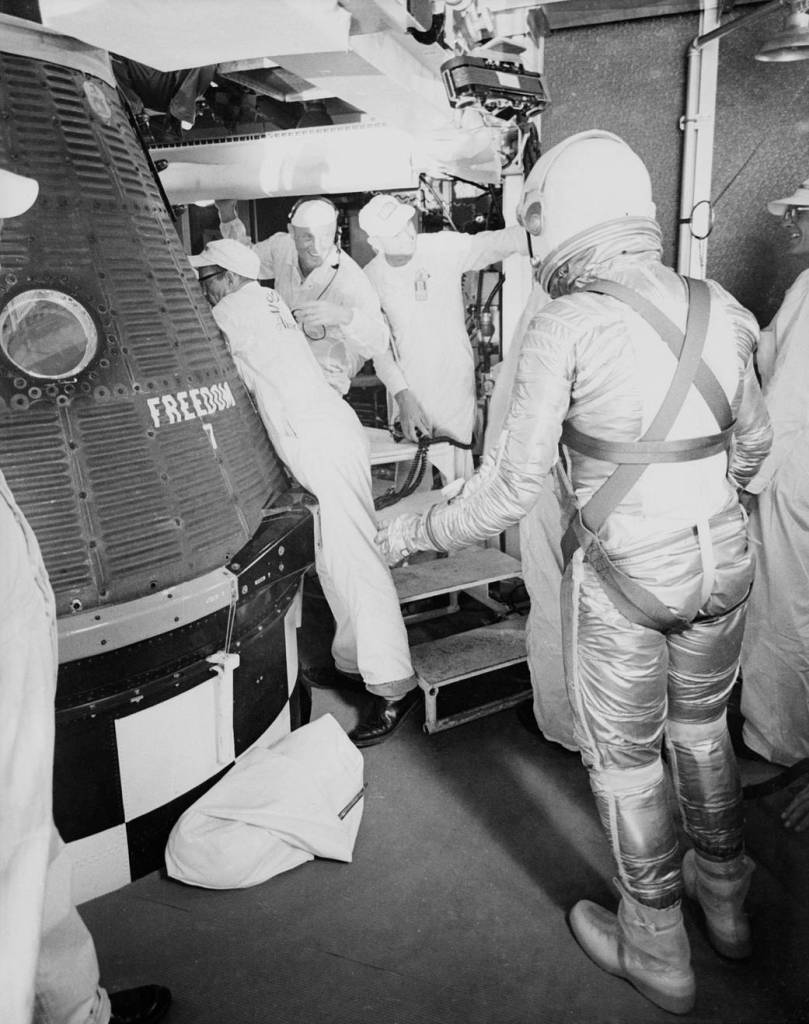
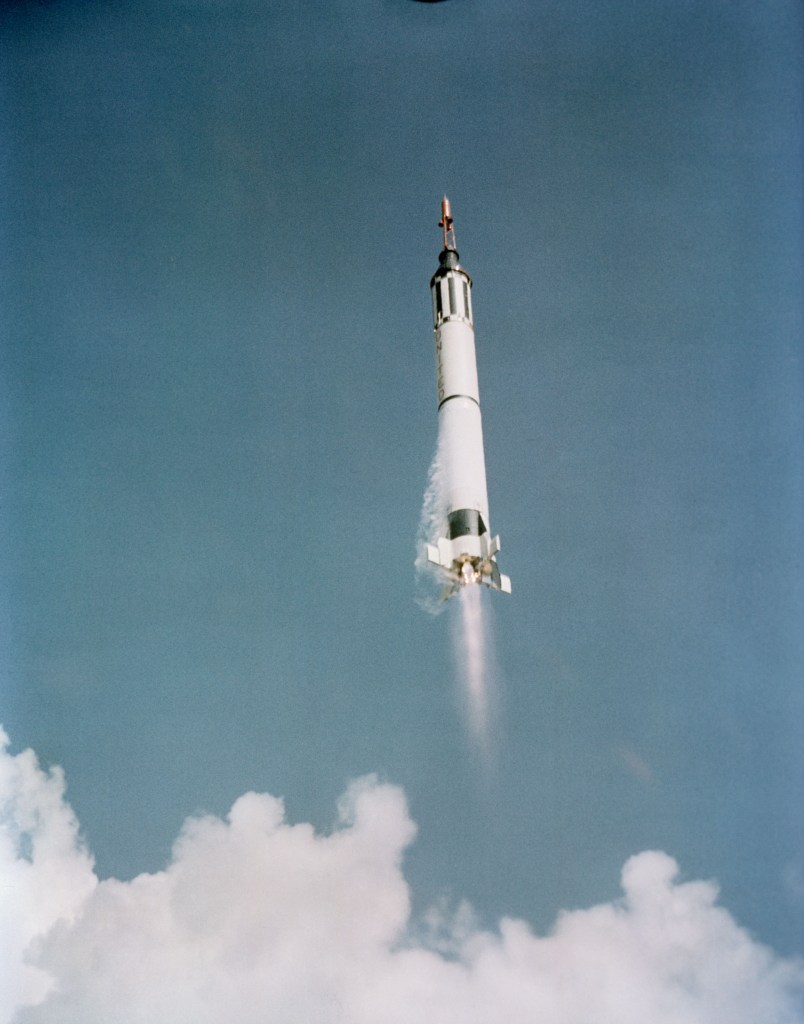
Mercury-Redstone 3: Freedom 7
NASA's first human spaceflight on May 5, 1961, Mercury-Redstone 3 was piloted by astronaut Alan Shepard.
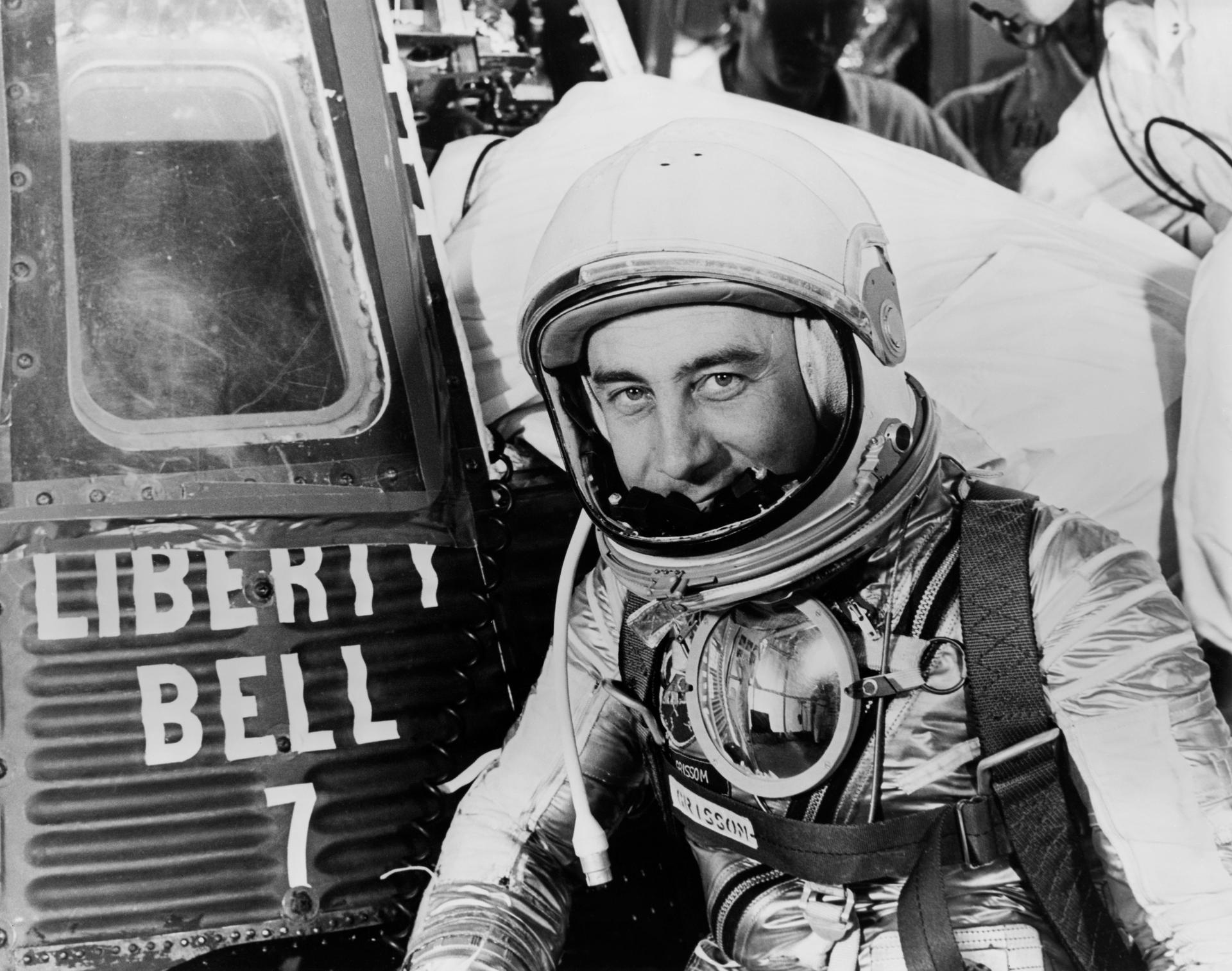
Mercury-Redstone 4: Liberty Bell 7
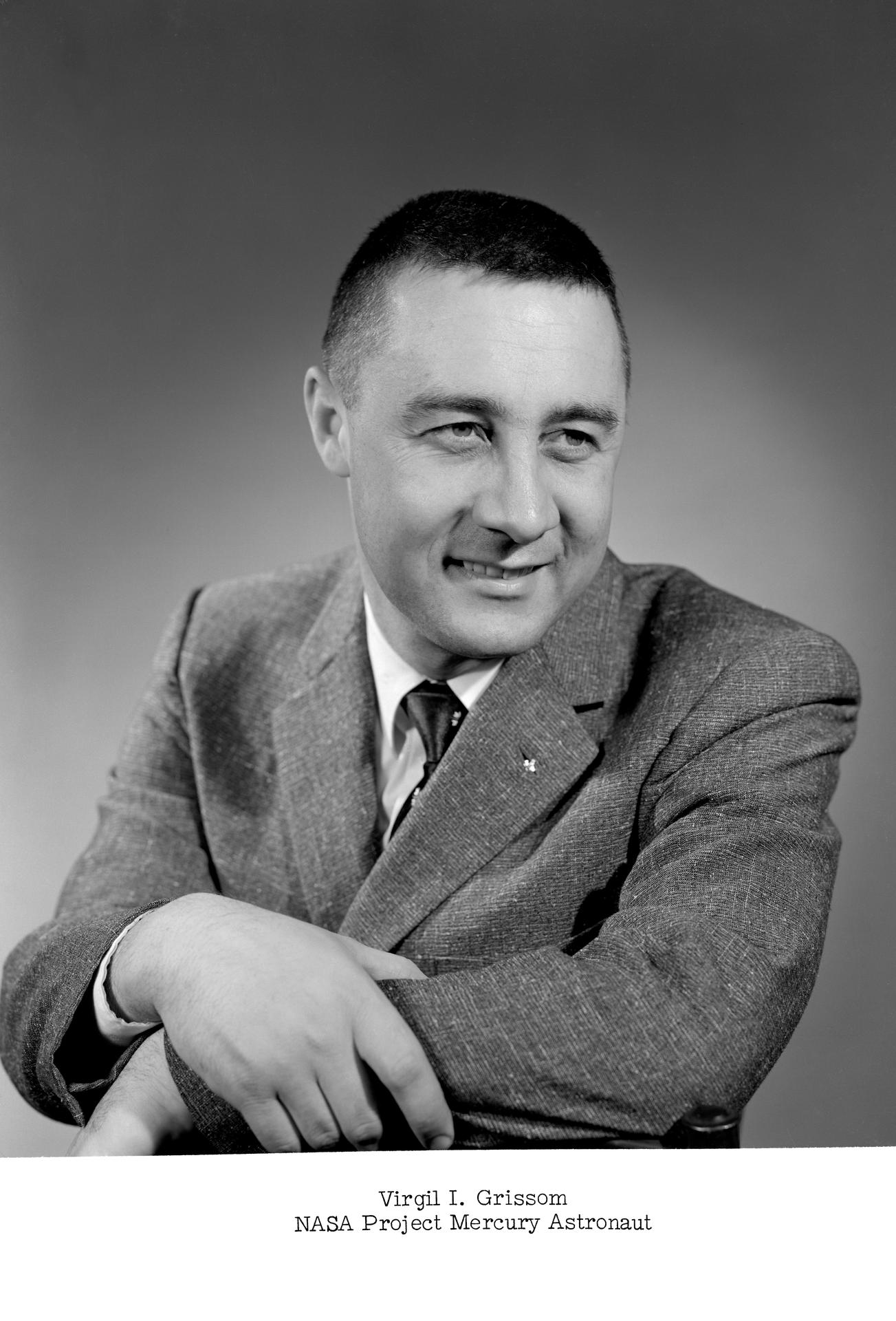
Astronaut Virgil I. "Gus" Grissom was launched into space for the second U.S. crewed spaceflight on July 21, 1961.
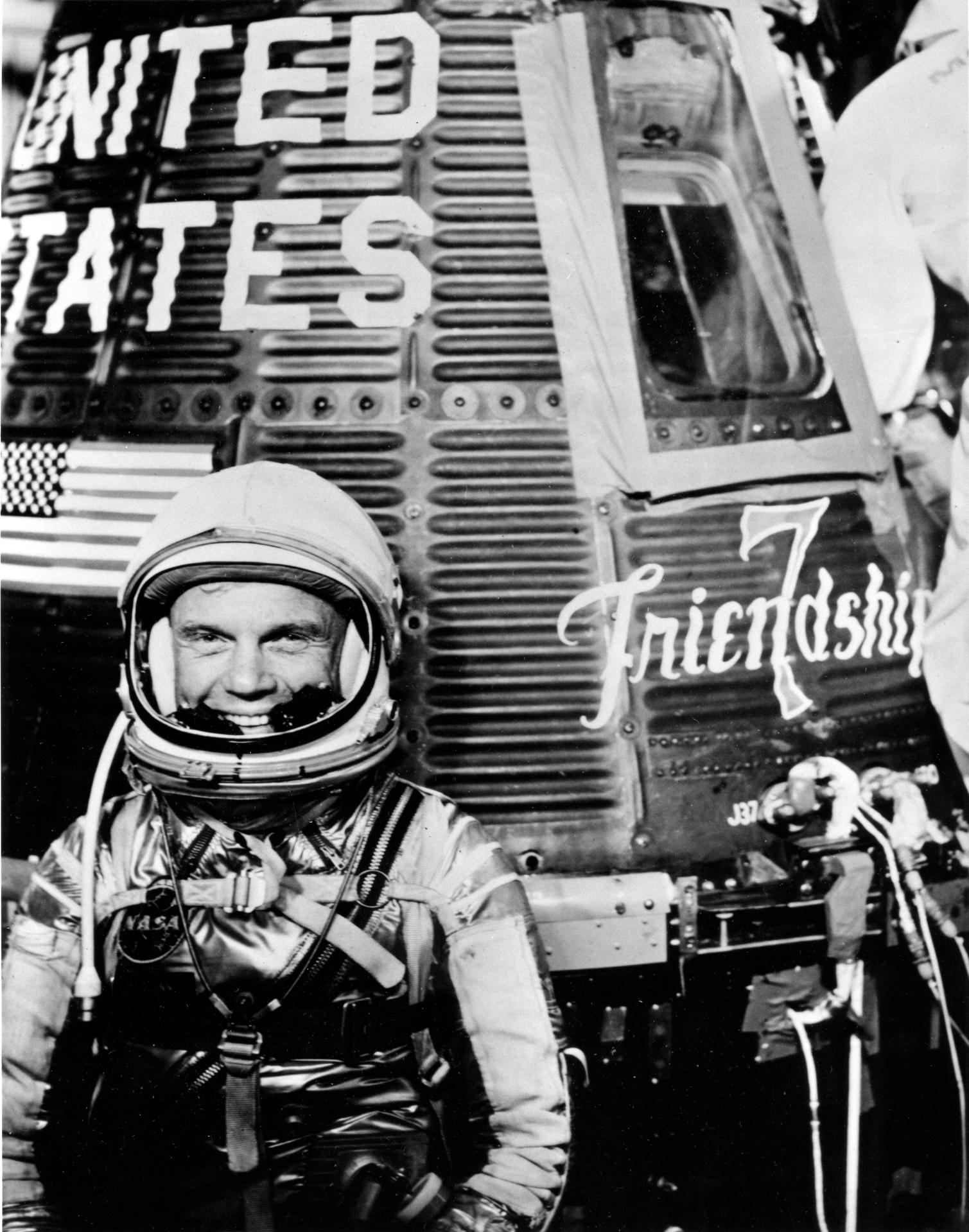
Mercury-Atlas 6: Friendship 7
John Glenn became the first American to orbit the Earth on Feb. 20, 1962, circling the Earth three times.

Mercury-Atlas 7: Aurora 7
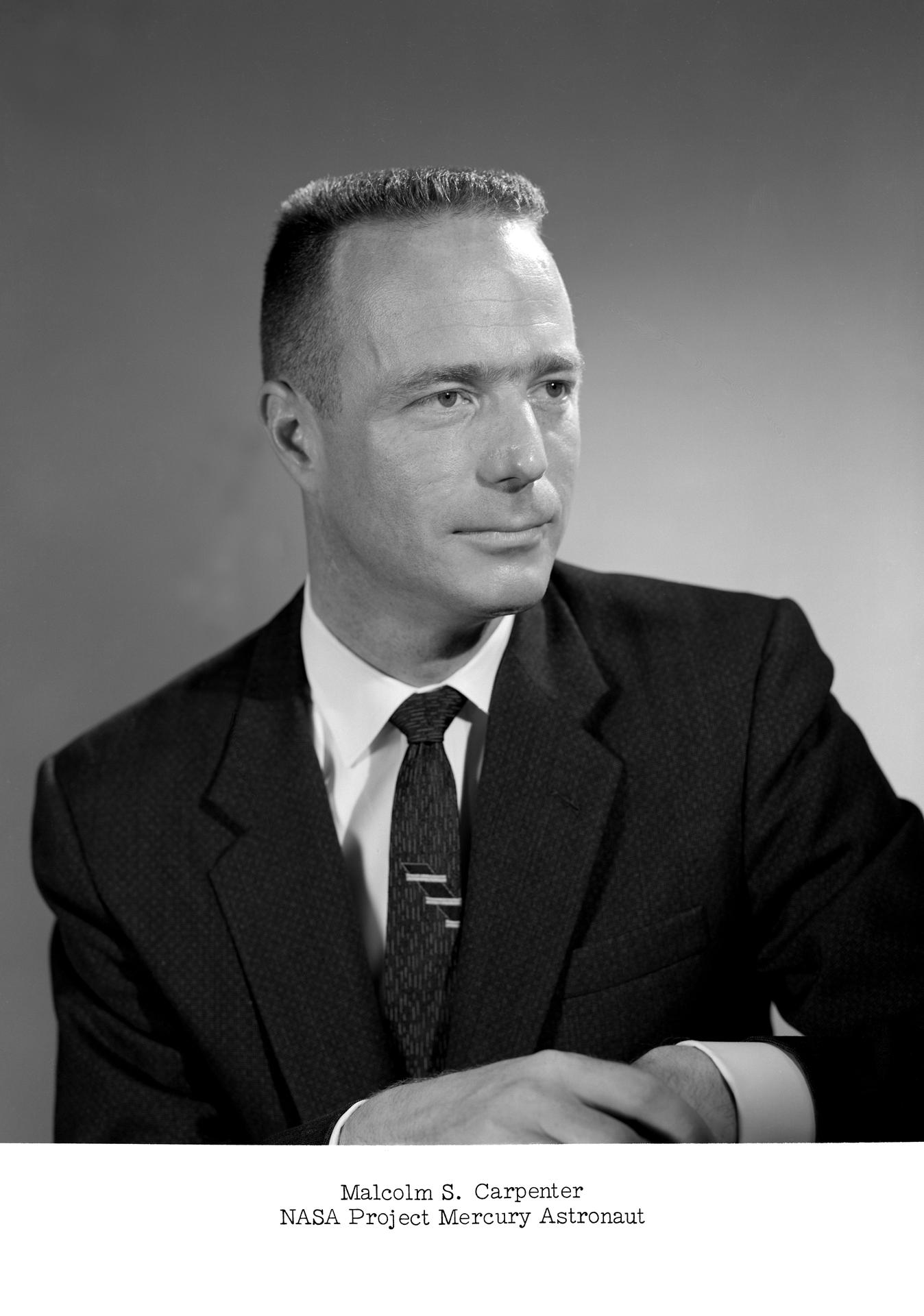
Astronaut M. Scott Carpenter completed the fourth crewed U.S. spaceflight, circling Earth three times and performing experiments in orbit.

Mercury-Atlas 8: Sigma 7
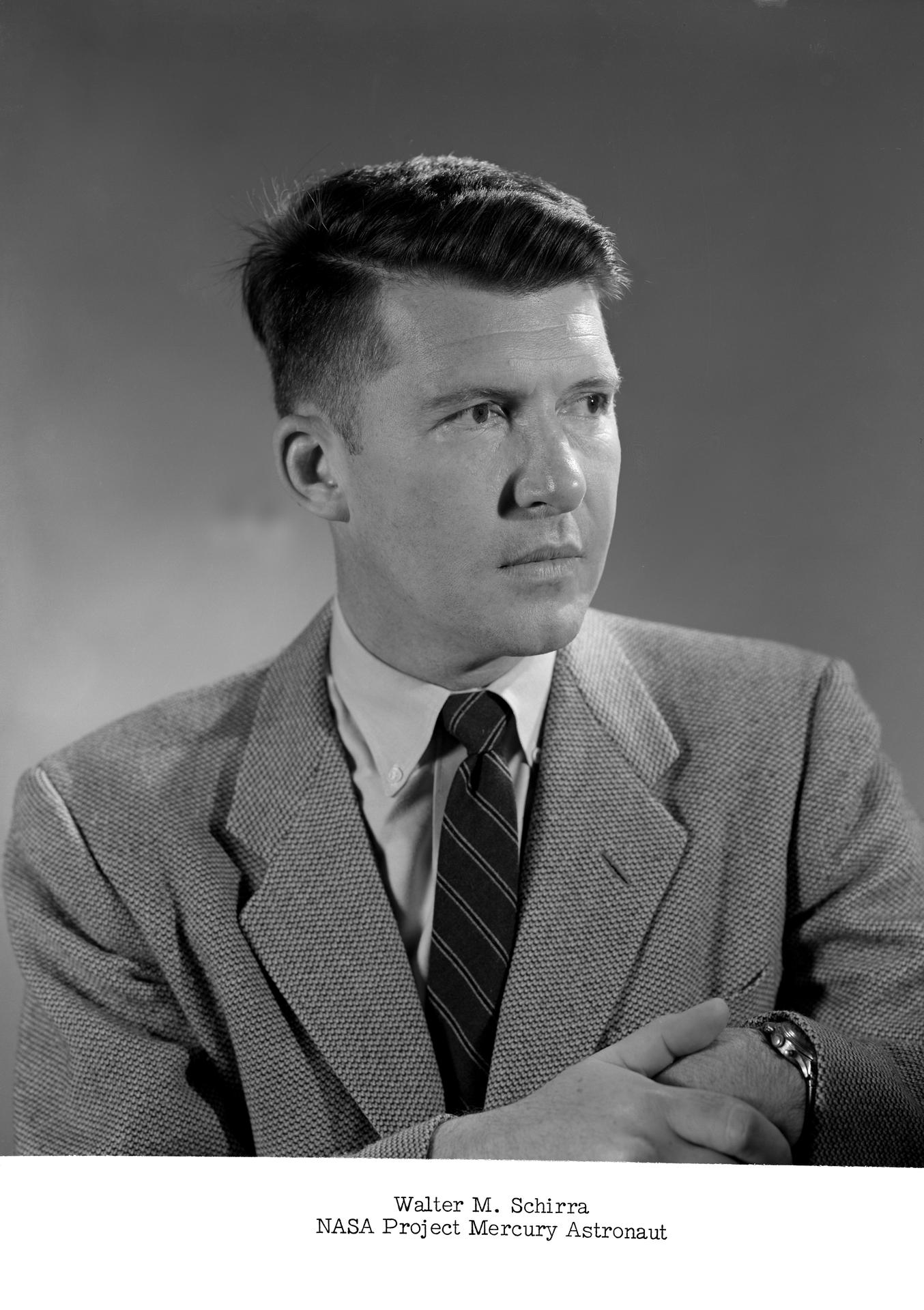
On Oct. 3, 1962, astronaut Walter M. “Wally” Schirra completed America’s third and then-longest orbital spaceflight, completing six orbits around Earth.
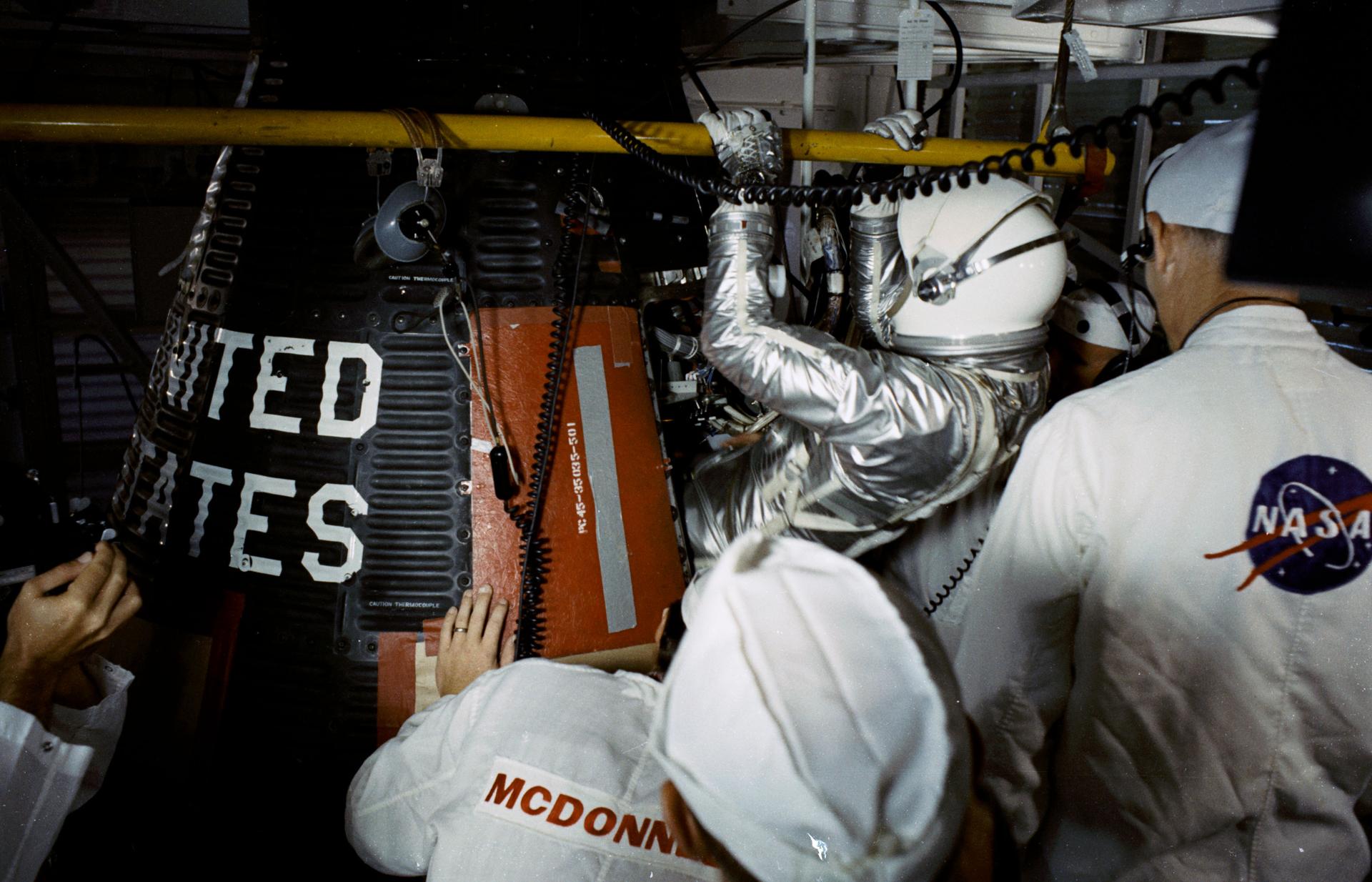
Mercury-Atlas 9: Faith 7
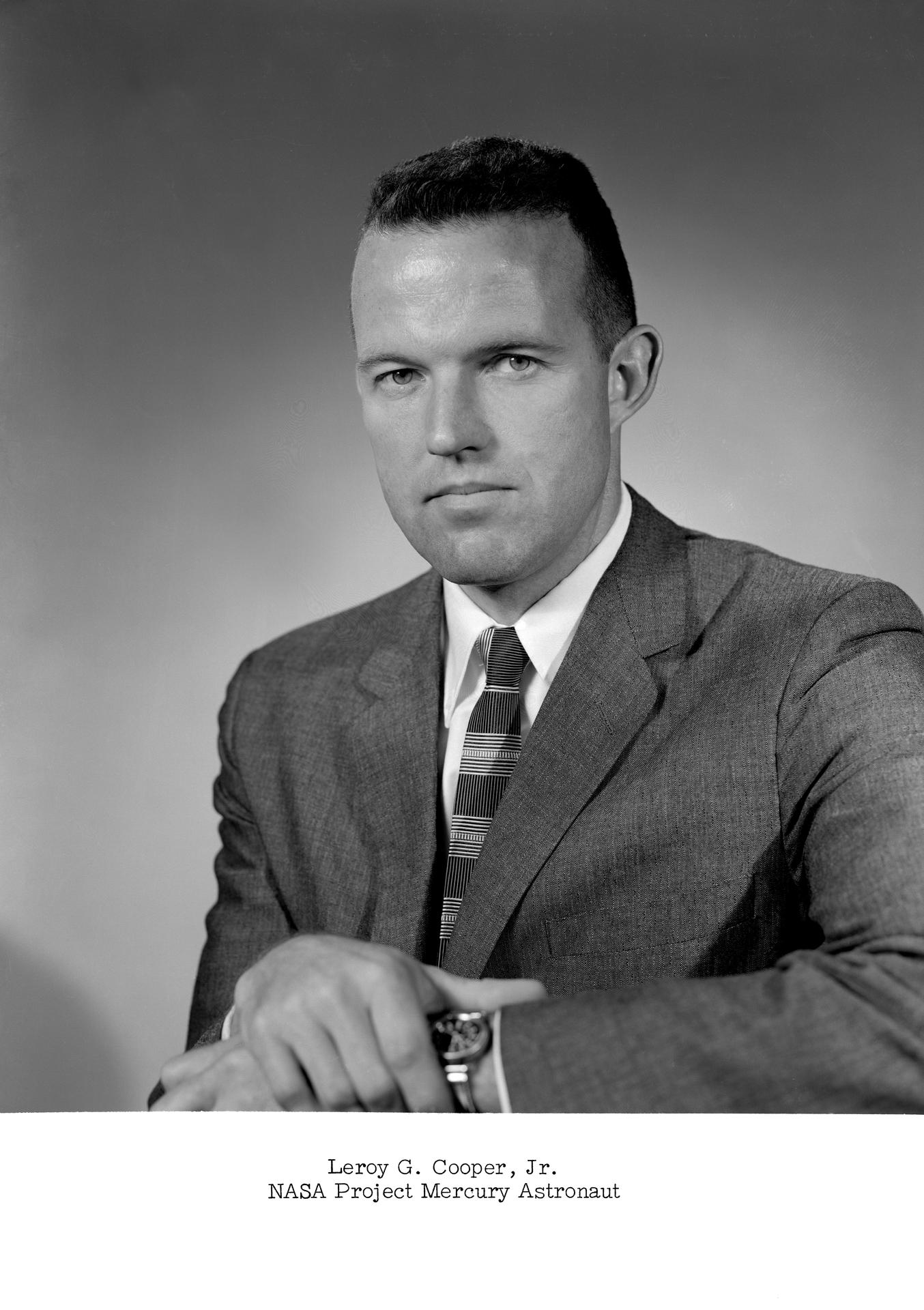
For the final crewed mission of Project Mercury in May 1963, astronaut L. Gordon Cooper completed 22 orbits around the Earth.
In the Beginning: Project Mercury
In October 1958, just six days after NASA formally organized, America’s first human spaceflight program was born. Project Mercury’s manned…
Read the Story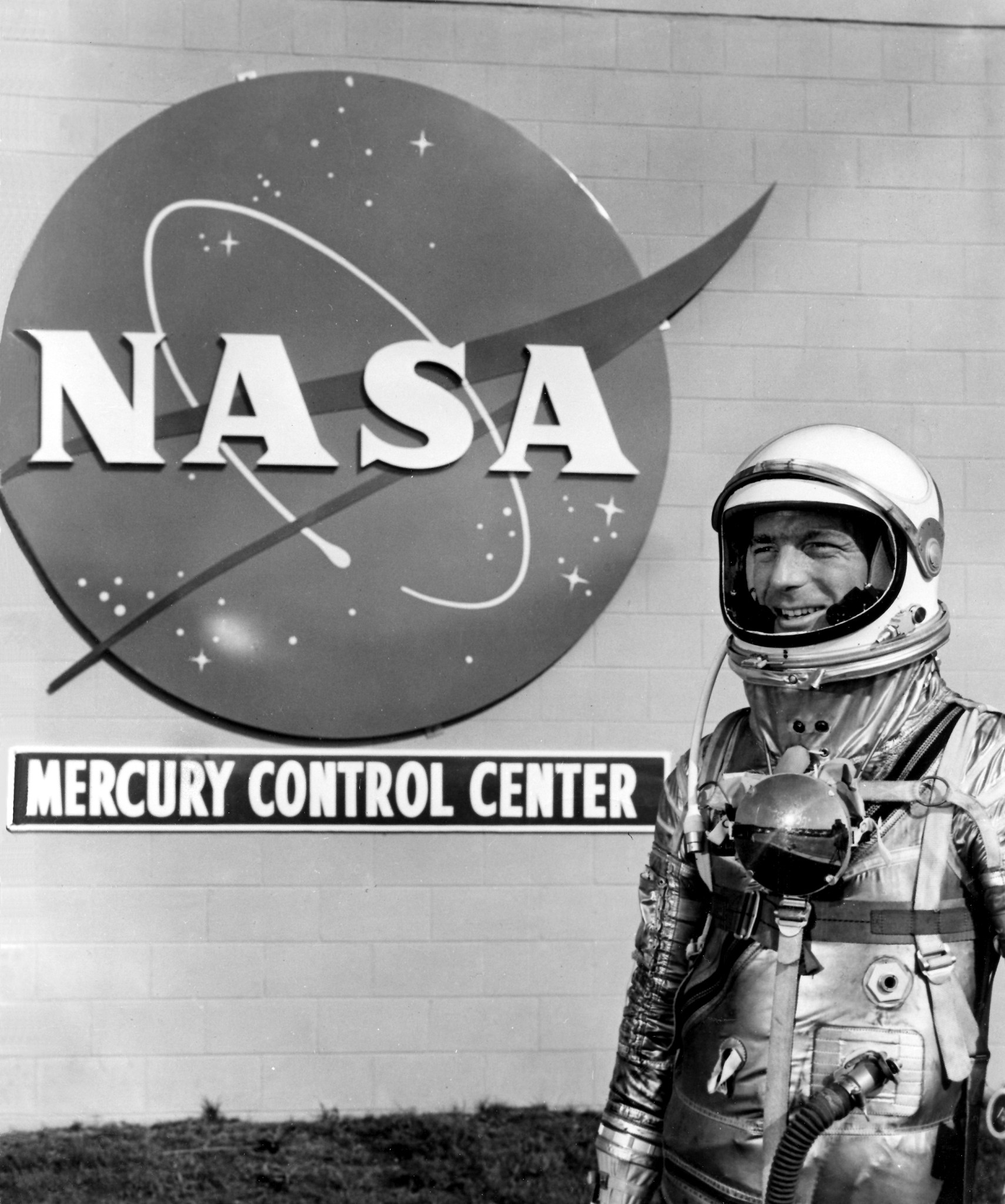
Learn More
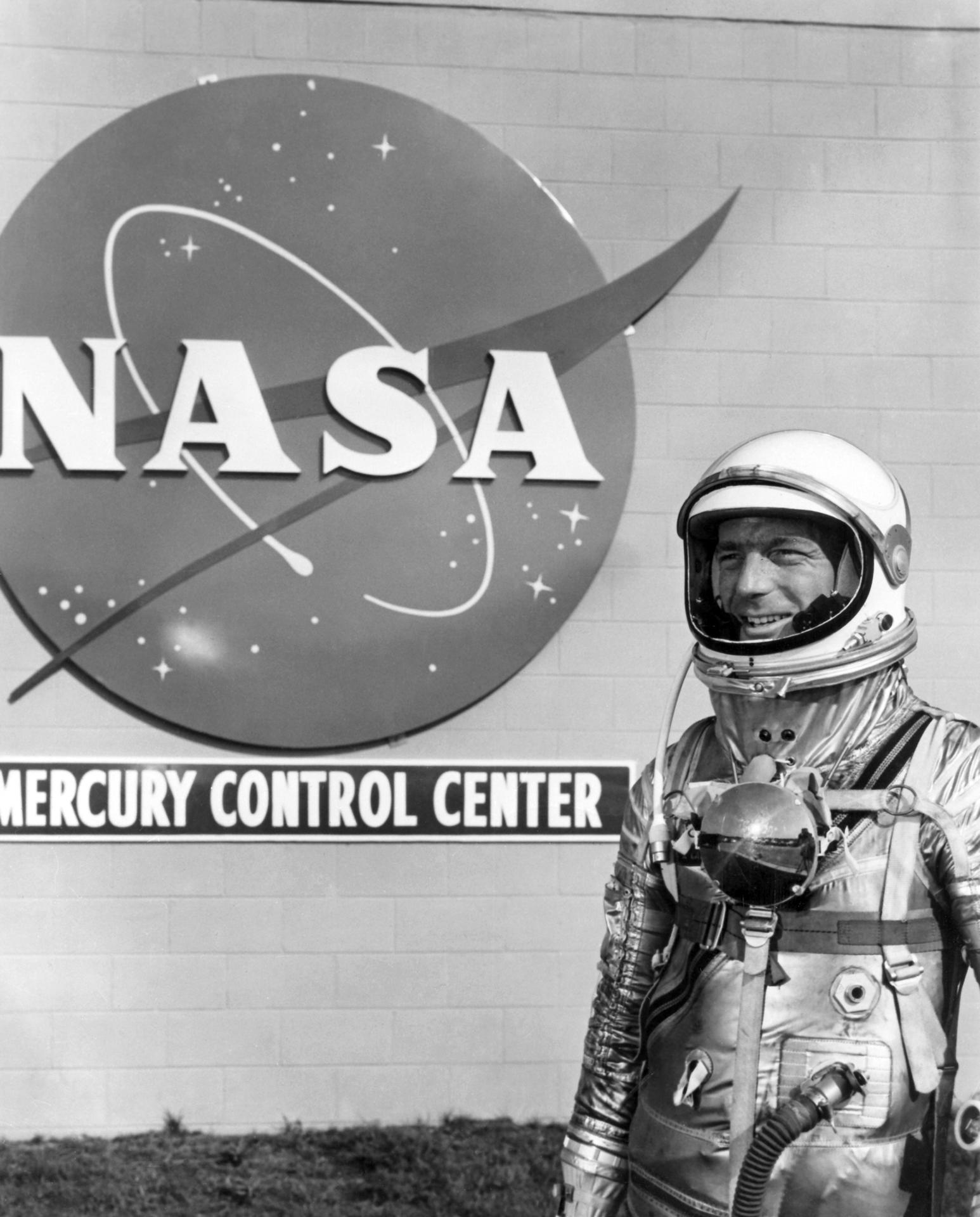
Project Mercury Objectives and Guidelines
The objectives of the Mercury Project, as stated at the time of project go-ahead, were as follows: 1. Place a manned spacecraft in orbital flight around the earth. 2. Investigate man's performance capabilities and his ability to function in the environment of space. 3. Recover the man and the spacecraft safely.
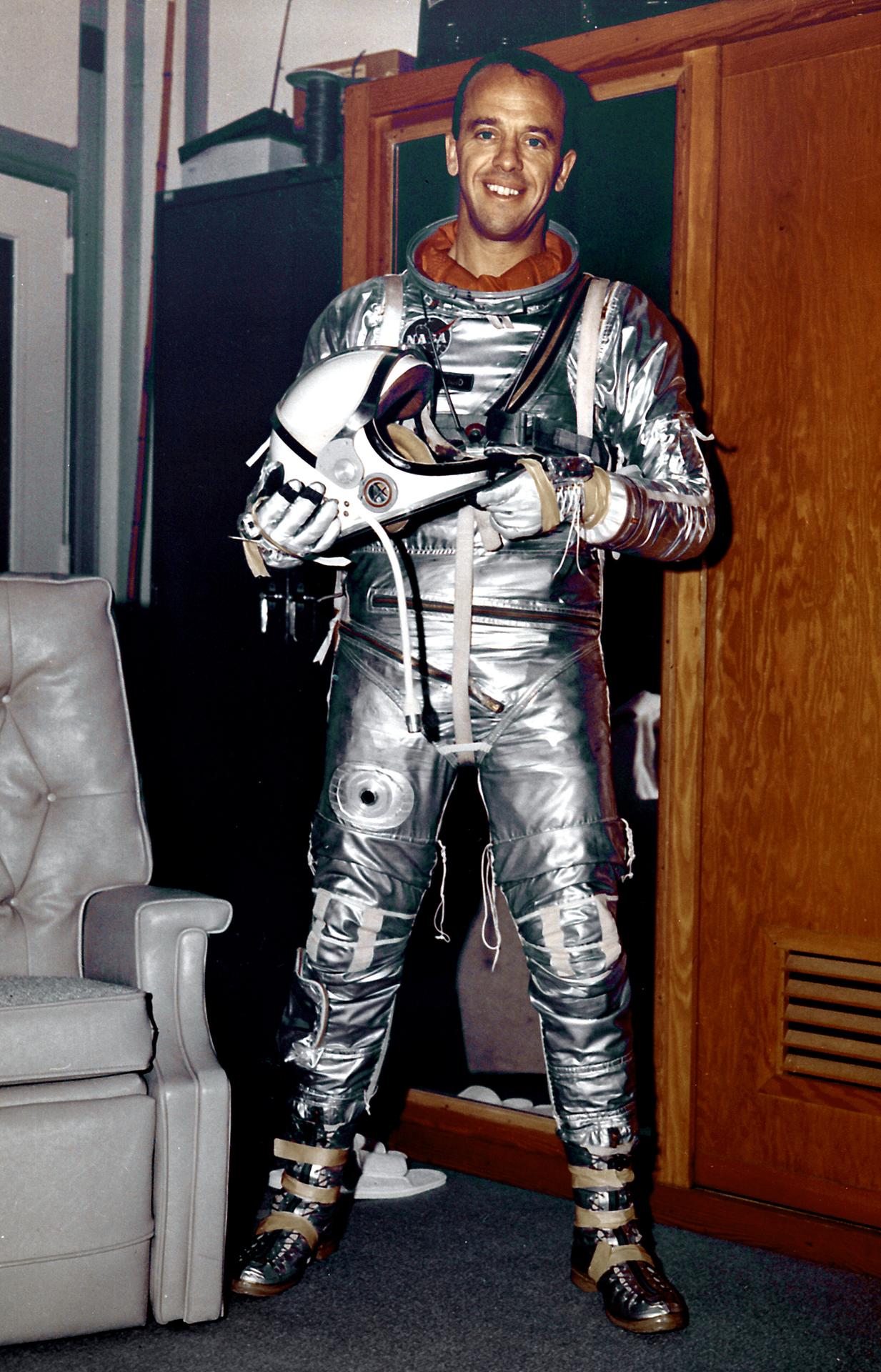
Project Mercury Astronaut Selection
Now that men had been chosen to serve as the focal points for all this effort, new spirits animated the Space Task Group. Indeed, the Nation as a whole began to participate vicariously in Project Mercury when, on April 9, 1959, at a press conference the public met the seven men chosen to be this Nation’s nominees for the first human voyagers into space.
Project Mercury Summary
The United States' first manned space flight project was successfully accomplished in a 5 year period of dynamic activity which saw more than 2,000,000 people from many major government agencies and much of the aerospace industry combine their skills, initiative, and experience into a national effort.
NASA’s First Astronauts
This historic NASA documentary offers footage on the selection and training of the Mercury Seven astronauts.
See More Historic VideoAdditional Resources
- Oct. 1, 1958: NASA is created.
- Oct. 7, 1958: NASA formally organizes its first “man-in-space program.”
- Nov. 26, 1958: NASA’s first human spaceflight program is named “Project Mercury.”
- Dec. 1958: NASA’s astronaut selection committee decides the candidate pool will be from military test pilots.
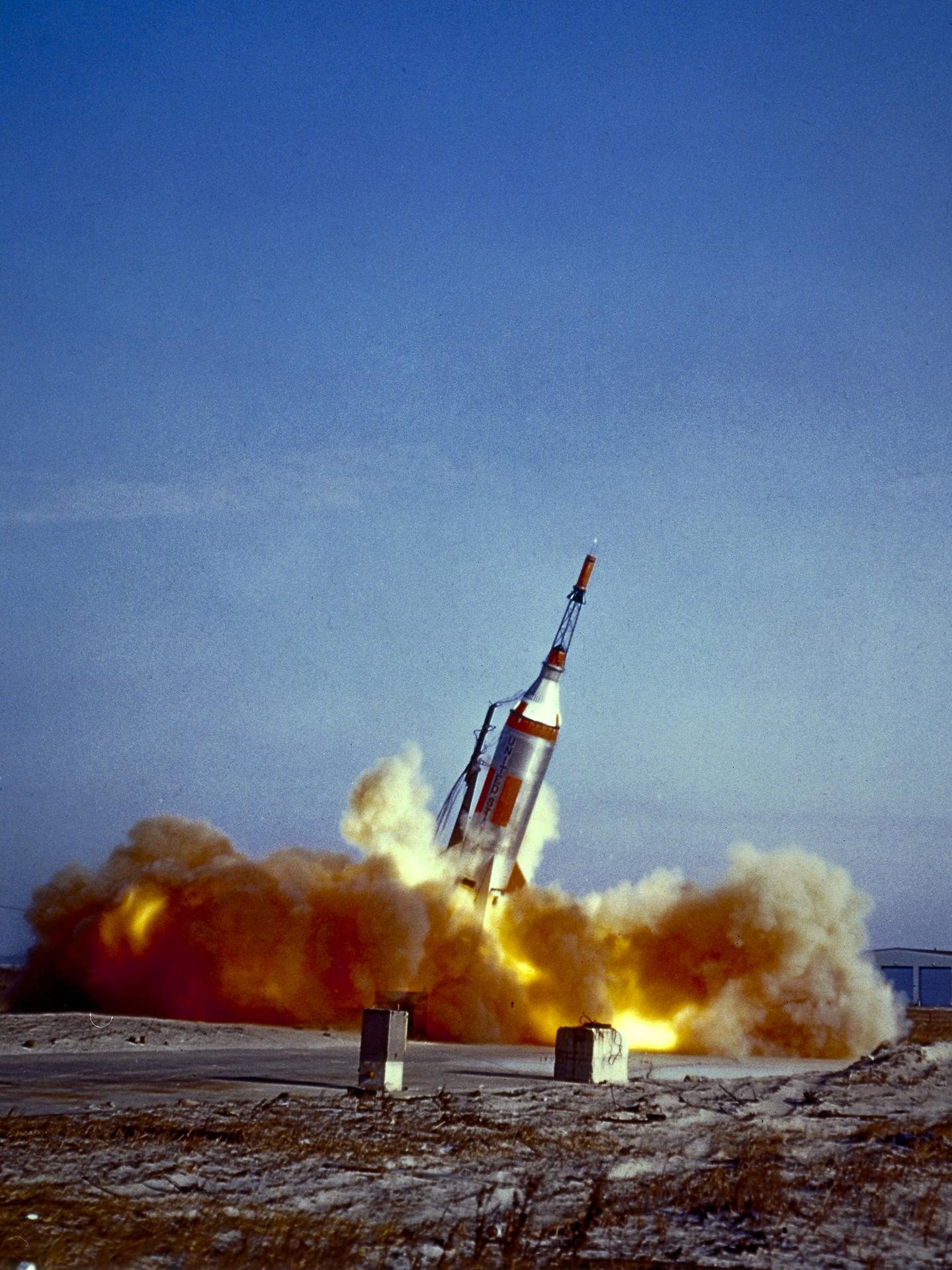
- Dec. 4, 1958: Launch of a monkey named Sam on Little Joe 2.
- Jan. 1959: Service records of 508 astronaut candidates screened.
- Feb. 1959: Astronaut candidates pared down to 110 men.
- Mar. 1959: More testing of candidates; Pool winnowed to 32 men.
- Late Mar. 1959: Eighteen men recommended without medical reservation.
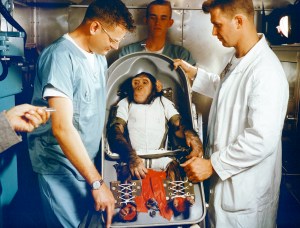
- Jan. 31, 1961: Launch of Ham (a chimpanzee) on Mercury-Redstone 2.
- Apr. 1, 1959: Selection committee decides on Mercury Seven.
- Apr. 9, 1959: NASA introduces Carpenter, Cooper, Glenn, Grissom, Schirra, Shepard, and Slayton to the world at press conference.
- Jan. 21, 1960: Launch of Miss Sam (a monkey) on Little Joe IB.
- May 5, 1961: Launch of Alan Shepard in Freedom 7, first American human suborbital flight.
- July 21, 1961: Launch of Gus Grissom in Liberty 7, second American human suborbital flight.
- Nov. 29, 1961: Launch of Enos (a chimpanzee) on Mercury-Atlas 5, an orbital flight.
- Jan. 3, 1962: Project Gemini formally conceived.
- Feb. 20, 1962: Launch of John Glenn in Friendship 7, first American human orbital flight.
- May 24, 1962: Launch of Scott Carpenter in Aurora 7.
- Oct. 3, 1962: Launch of Walter Schirra in Sigma 7.
- May 15, 1963: Launch of Gordon Cooper in Faith 7, the final mission of Project Mercury.
- Results of the Second Manned Suborbital Space Flight, July 21, 1961. 1961. (Pre-SP).
- Results of the Second U.S. Manned Orbital Space Flight. 1962. SP-6.
- Results of the Third U.S. Manned Orbital Space Flight. 1962. SP-12.
- Mercury Project Summary—Results of the Fourth Manned Orbital Flight (NASA Technical Report). Washington, DC: NASA, 1963. SP-45
- Grimwood, James M., Project Mercury: A Chronology. Washington, DC: NASA, 1963. SP-4001. (HTML version)
- Link, Mae Mills., Space Medicine in Project Mercury. Washington, DC: NASA, 1965. SP-4003.
- Pitts, John A., The Human Factor: Biomedicine in the Manned Space Program to 1980. Washington, DC: NASA, 1985. SP-4213
- Swenson, Loyd S. Jr., James M. Grimwood, and Charles C. Alexander, This New Ocean: A History of Project Mercury. Washington, DC: NASA, 1966. SP-4201.
Transcripts of the interviews, denoted by their dates, are linked.
Astronauts
- M. Scott Carpenter, Mercury Astronaut (3/30/98, 1/27/99)
- L. Gordon Cooper, Mercury Astronaut (5/21/98)
- John H. Glenn, Mercury Astronaut (8/25/97)
- Walter M. Schirra, Mercury Astronaut (12/1/98)
- Alan B. Shepard, Mercury Astronaut (2/20/98)
Astronaut Selection and Training
- Warren J. North, Chief, Flight Crew Support Division, responsible for Mercury-era astronaut selection/training oversight (9/30/98)
- Robert B. Voas, Psychologist and Astronaut Training Officer (5/19/02)
Mercury Flight Operations
- Arnold D. Aldrich, Guidance Navigation and Control (GNC) Officer/ Mission Control (6/24/00, 5/24/02)
- Joseph S. Algranti, NACA/NASA pilot/flight operations (aircraft operations and crew transport support) (8/10/98)
- Donald D. Arabian, Systems engineer/Mission Control (2/3/00)
- John H. Boynton, Engineer/Mission Planning & Analysis Division (MPAD). (3/6/09, 3/19/09)
- Marlowe D. Cassetti, Mission analysis and guidance/performance (12/21/98, 5/10/99)
- Dennis E. Fielder, Network/communications and operations integration for flight control infrastructure (7/6/00)
- Jerome B. Hammack, Mercury-Redstone Project engineering (8/14/97)
- John D. Hodge, Flight Director/Mission Control (4/18/99)
- Christopher C. Kraft, Jr., Flight Director, architect of Mercury Mission Control (4/23/08, 4/14/09, 2/11/10, 8/6/12, 8/5/14)
- Eugene F. Kranz, Assistant Flight Director/Mission Control (3/19/98, 4/28/99)
- John S. Llewellyn, Flight Dynamics/Retrofire (FIDO/RETRO) Officer/Mission Control (9/15/97, 2/14/00, 2/24/00)
- Catherine T. Osgood, Mathematician/Mission Planning & Analysis Division (MPAD) (11/15/99)
- Jones W. “Joe” Roach, Remote-site CapCom/Mission Control, (1/24/00)
- Sigurd A. Sjoberg, Flight operations coordinator (7/8/97, 8/24/98)
- Robert F. Thompson, Head, Recovery Operations Branch, Landing/Recovery Division (8/29/00, 9/11/00, 10/3/00)
Mercury Program Management and Leadership
- Robert C. Seamans,NASA Associate/Deputy Administrator, Headquarters policy/decision-making (9/30/98, 11/20/98)
Space Task Group (STG) and Engineering
- Aleck C. Bond, Engineering support (systems test/evaluation for early spacecraft work (8/25/98, 9/3/98, 7/15/99)
- Robert G. Chilton, Guidance and control engineering for spacecraft technology (4/5/99)
- Stanley H. Cohn, Mathematician/computer specialist supporting guidance and analysis (10/19/98)
- Charles J. Donlan: Project Mercury Associate Director (4/27/98)
- David D. Ewart, Aerodynamics/guidance engineering (3/6/99)
- Stanley Faber, Stability/control and flight simulation work (5/8/02)
- Maxime A. Faget, Chief of Flight Systems for spacecraft design (6/18/97, 8/19/98)
- W. Walter “Walt” Guy, Systems engineering/crew systems (10/30/06, 11/27/06, 1/29/07)
- Claiborne R. Hicks, Technical engineering roles (4/11/00)
- James Kirby Hinson, Systems engineering and flight systems (5/22/00)
- Caldwell C. “C.C.” Johnson, Systems Engineering Branch Head (4/1/98, 5/12/98, 4/27/99)
- John W. Kiker, Mechanisms Branch chief; engineering innovations (5/5/99)
- Jack A. Kinzler, Chief, Technical Services Division supporting hardware operations (6/9/97, 1/16/98)
- Kenneth S. Kleinknecht, Mercury Project Manager (9/10/98, 7/25/00)
- Dorothy B. Lee, Aerotechnologist/aerospace engineer for spacecraft heat analysis (11/10/99)
- Glynn S. Lunney, Engineer and Flight Dynamics Officer (3/9/98, 1/28/99)
- J. Thomas Markley, Engineering/operations analyst supporting mission planning (6/24/99)
- Charles W. Mathews, Mercury Operations Division Chief, systems/ops engineering (5/1/98, 2/25/99)
- C. Frederick Matthews, Research engineer, Flight Control Branch (6/23/99)
- Owen E. Maynard, Engineer (4/21/99)
- Owen G. Morris, Engineer, Systems Test Branch (5/20/99, 6/30/99, 11/12/13)
- Robert O. Piland, Engineer/manager, Flight Systems Division (8/21/98)
- Henry O. Pohl, Engineering leadership across launch vehicle/spacecraft development (2/9/99)
- G. Merritt Preston, Chief of Preflight Operations (2/1/00)
- Paul E. Purser, Special Assistant to the Manned Spacecraft Center Director (2/3/99)
- Rodney G. Rose, Instrumentation/structures engineering (11/8/99)
- Ralph S. Sawyer, Instrumentation/electronics engineering (10/7/99)
- Emil R. Schiesser, Aerodynamic engineer, Mission Analysis Branch (11/2/06, 12/7/06)
- Joseph G. “Guy” Thibodaux, Chief, Propulsion and Power Division; solid rocket and spacecraft propulsion systems engineering (10/20/99)
- George A. Watts, Engineer, Heat Transfer Section, Flight Systems (3/7/99)
- Carroll H. “Pete” Woodling,Simulator engineer, Theoretical Mechanics Division (1/19/00)
- John F. Yardley, McDonnell Aircraft engineer (6/29/98, 6/30/98)
Suits, Life Support, and Human Factors
- Dr. Charles A. “Chuck” Berry, Astronaut selection and flight operations medical lead (4/29/99)
- A. Duane Catterson, Flight surgeon supporting medical operations/human factors (2/17/00)
- Richard S. Johnston, Life support systems engineer (8/11/98, 9/2/98, 11/3/98, 12/2/98)
- Harry Larson and David Myers, Gallaudet Eleven human factors subjects (1/29/20)
- James W. McBarron, Space suit engineer (4/10/00, 9/28/12)
- Dee O’Hara, Astronaut nurse (4/23/02)
- Alan M. Rochford, Suit/altitude-chamber technician; crew insertion and suit operations (9/15/98)
- Robert E. “Ed” Smylie, Head, Environmental Control Systems Branch (4/17/99)
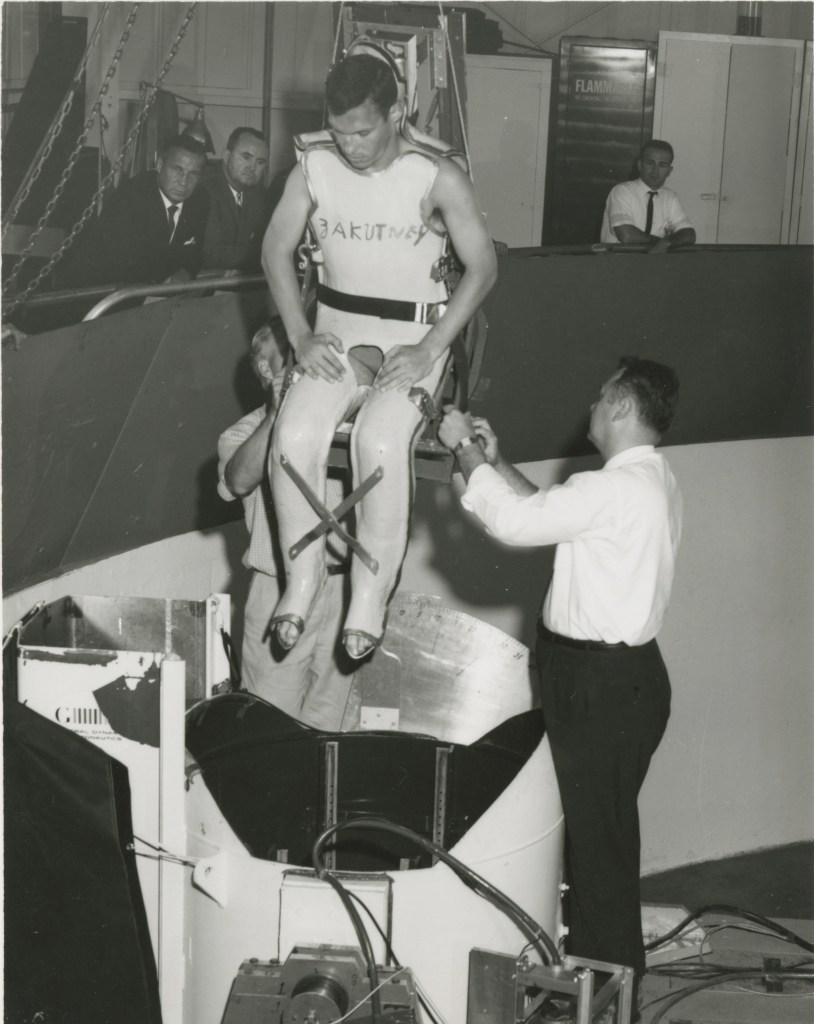
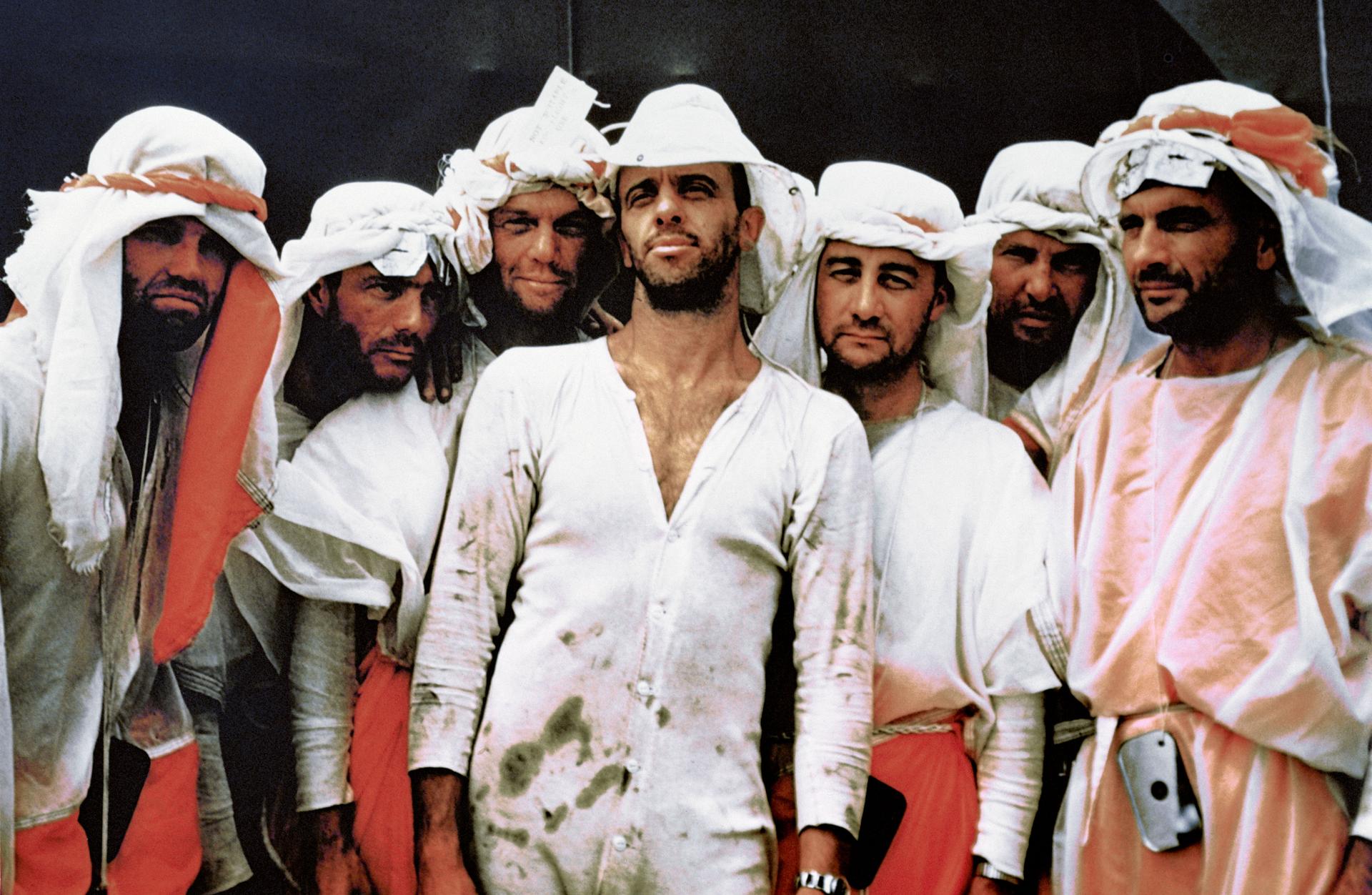
How 11 Deaf Men Helped Shape NASA’s Human Spaceflight Program
Before NASA could send humans to space, the agency needed to better understand the effects of prolonged weightlessness on the human body. So, in the late 1950s, NASA and the U.S. Naval School of Aviation Medicine established a joint research program to study these effects and recruited 11 deaf men aged 25-48 from Gallaudet College (now Gallaudet University). Today, these men are known to history as the “Gallaudet Eleven.”
Learn More