





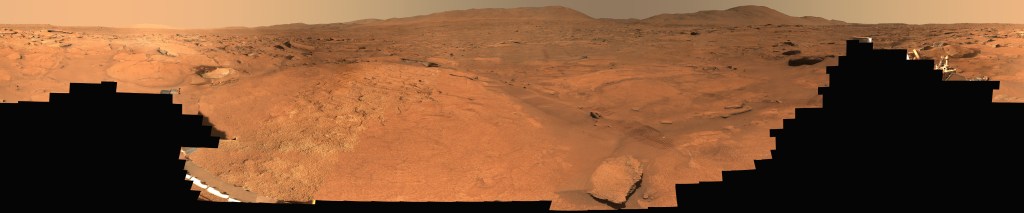







NASA’s technical workforce put boots on the Moon, tire tracks on Mars, and the first reusable spacecraft in orbit around Earth. Learn what’s next as they build missions that redefine the future with amazing discoveries and remarkable innovations.
NASA’s technical workforce put boots on the Moon, tire tracks on Mars, and the first reusable spacecraft in orbit around Earth. Learn what’s next as they build missions that redefine the future with amazing discoveries and remarkable innovations.
Dr. Cynthia Null, NASA Technical Fellow for Human Factors, discusses the myths of human limitations and how she got involved in the scientific discipline of human factors.
Dr. Cynthia Null, NASA Technical Fellow for Human Factors, discusses how understanding human capabilities and limitations can help engineers reduce risk and design safer, more successful missions from the start.
Heather Koehler, NASA Technical Fellow for Flight Mechanics, explains how knowledge at NASA is passed from person to person, program to program.
NASA’s experimental X-59 airplane went supersonic for the first time on June 5, 2026. What's next for the mission that aims to reopen the skies to quiet commercial supersonic flight?