








An official NASA podcast bringing you mind-blowing stories you won’t find anywhere else. What does it take to launch a rocket? What happens when we go looking for life beyond Earth? And what can the universe teach us next? With extraordinary access to the people and places behind NASA’s exploration of space, Curious Universe brings you closer to the discoveries shaping what we know about our universe. Don’t forget your curiosity.
An official NASA podcast bringing you mind-blowing stories you won’t find anywhere else. What does it take to launch a rocket? What happens when we go looking for life beyond Earth? And what can the universe teach us next? With extraordinary access to the people and places behind NASA’s exploration of space, Curious Universe brings you closer to the discoveries shaping what we know about our universe. Don’t forget your curiosity.
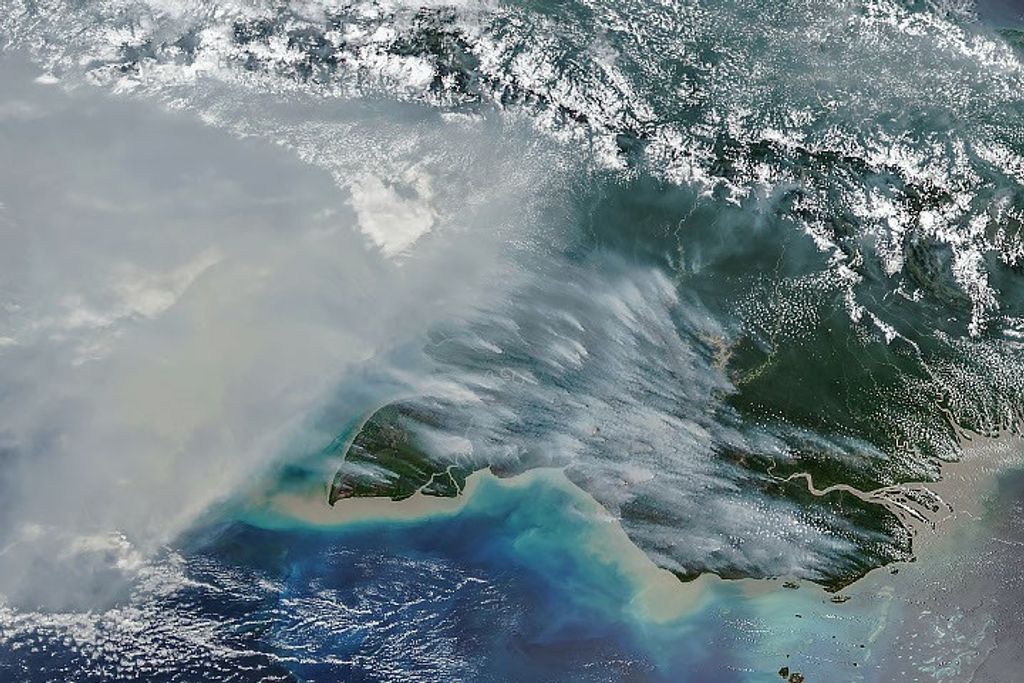
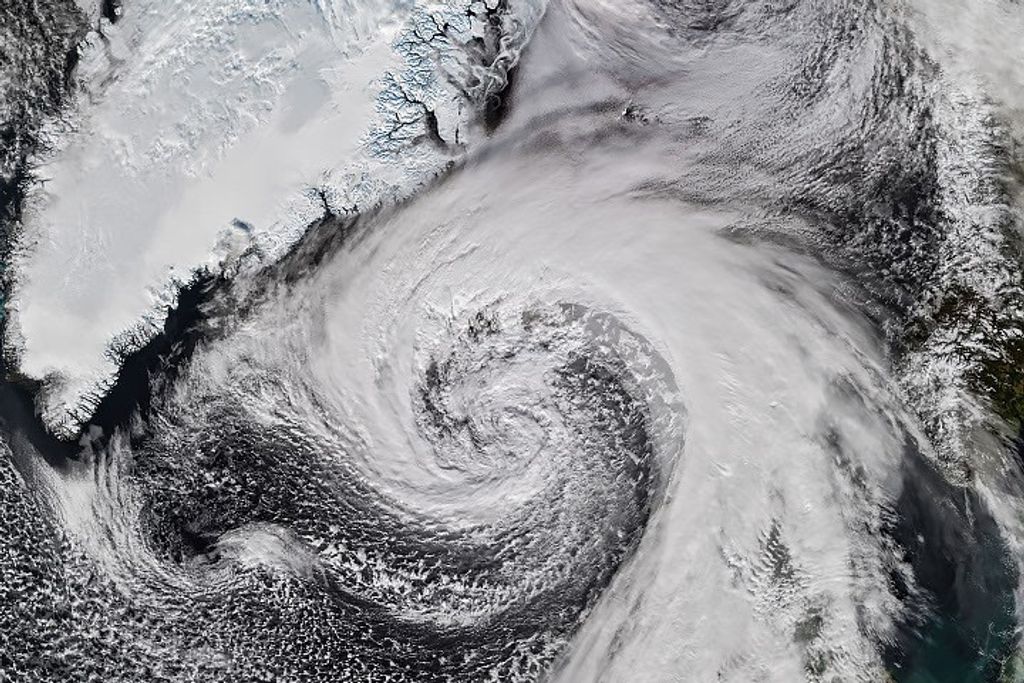
NASA is an exploration agency, and one of our missions is to know our home. In the 1960s, NASA astronauts orbiting the Moon captured a revelatory view of Earth. Today, NASA explores our home planet with a fleet of dozens of spacecraft. In this episode–the first in a miniseries all about Earth–we take in the view from space with Karen St. Germain, the director of NASA’s Earth Science Division.
There’s one planet NASA studies more than any other: Earth. With our unique vantage point from space, NASA collects information about our home in ways nobody else can. In this podcast miniseries, celebrate our home planet by learning how NASA studies Earth—including unique views of ocean color and sea level, land data that helps farmers improve crop production, and researching our atmosphere from the air we breathe to layers high above us that protect every living thing on the planet.
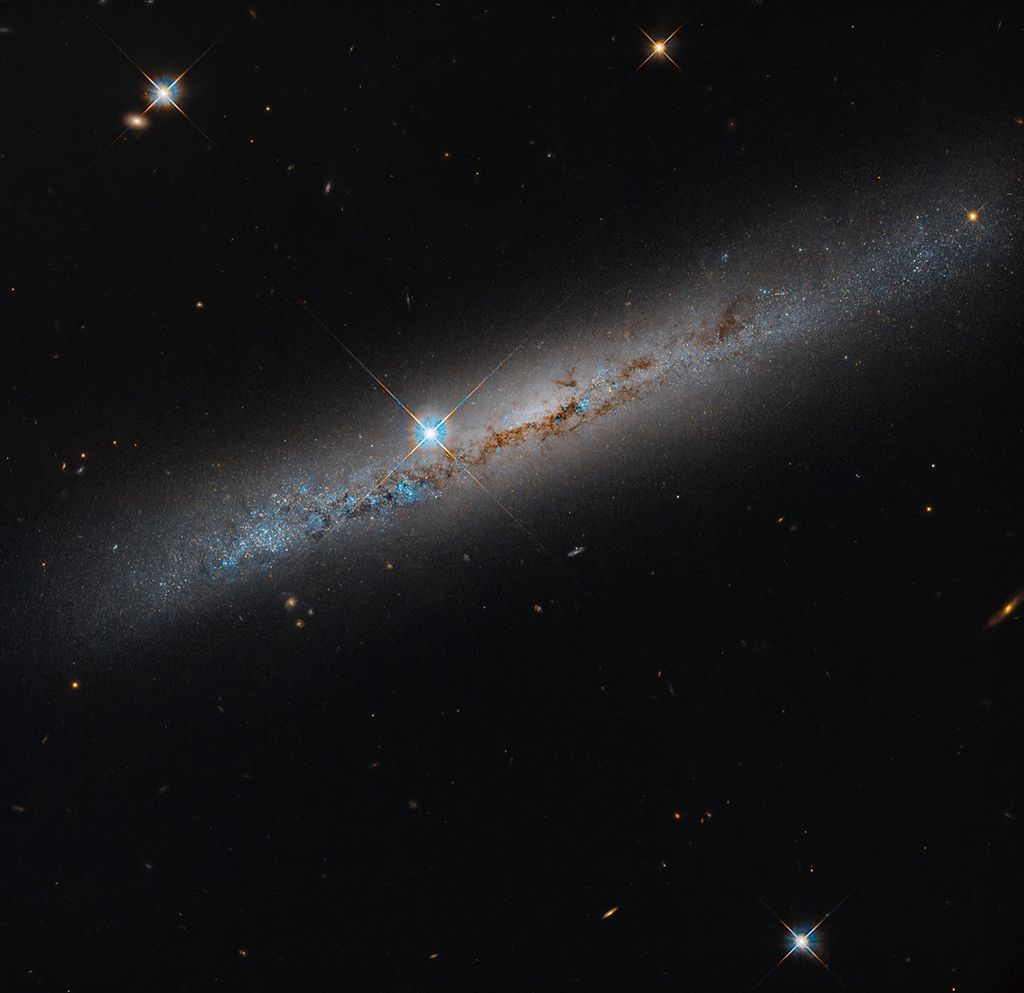
NASA has a long history of bringing together science, engineering and art. Space exploration is a human endeavor—one that requires creativity. In this special live episode, NASA astronaut Matthew Dominick and comedian and musician Reggie Watts talk flow states, aircraft ejector seats and more. Plus, a new NASA tool that lets you make music from iconic Hubble Space Telescope imagery.
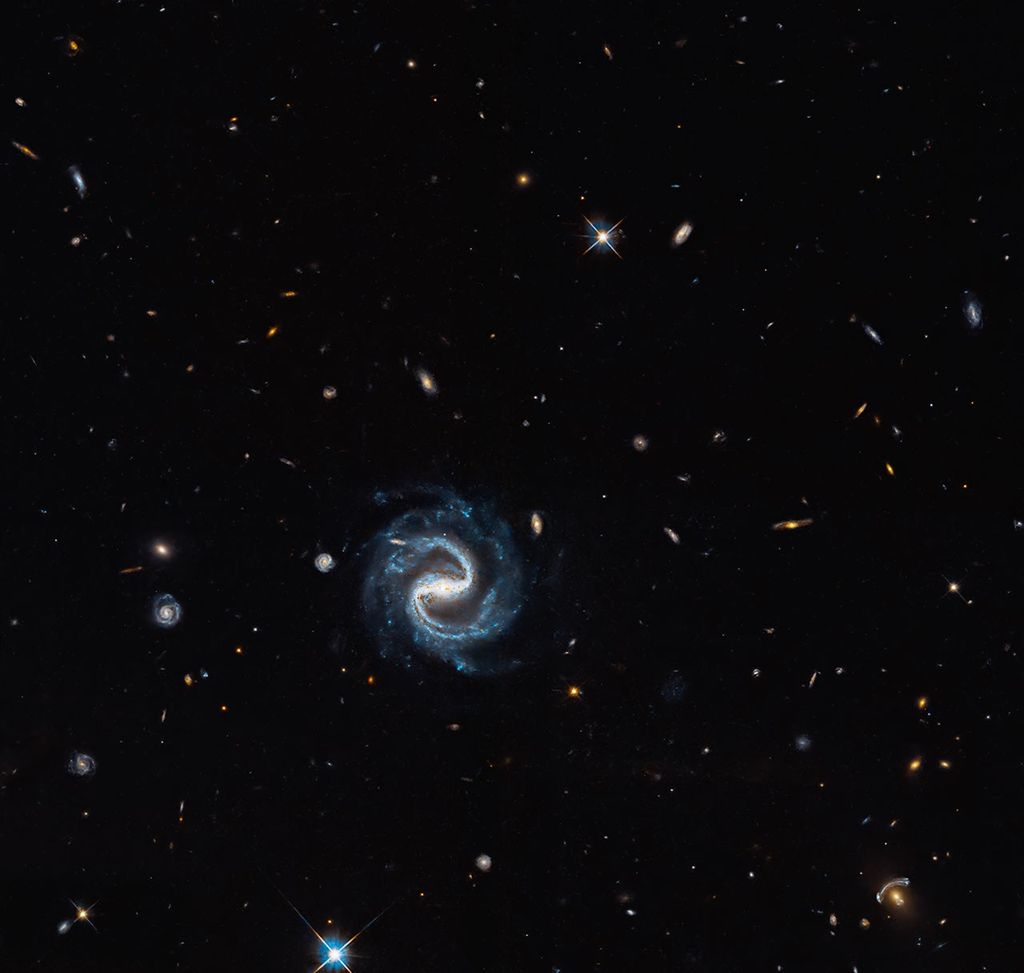
When it launched in 1990, NASA expected the Hubble Space Telescope to last for about 15 years. Thirty-five years later, Hubble is still showing us the universe as no other telescope can. Go behind the scenes with Morgan Van Arsdall, deputy operations manager for Hubble, on an audio tour of Hubble’s control center. Morgan’s team keeps Hubble operating smoothly, and when something goes wrong, they snap into action to fix it. Plus, hear how Hubble tag-teams with newer observatories—including the James Webb Space Telescope—and continues to push the frontiers of astronomy.