


















AstroNav
Introduction
The AstroNav instrument represents a generational leap forward in deep-space exploration, transforming spacecraft from remote-controlled vehicles, dependent on Earth for commands, into self-reliant explorers that can immediately react to their environment.
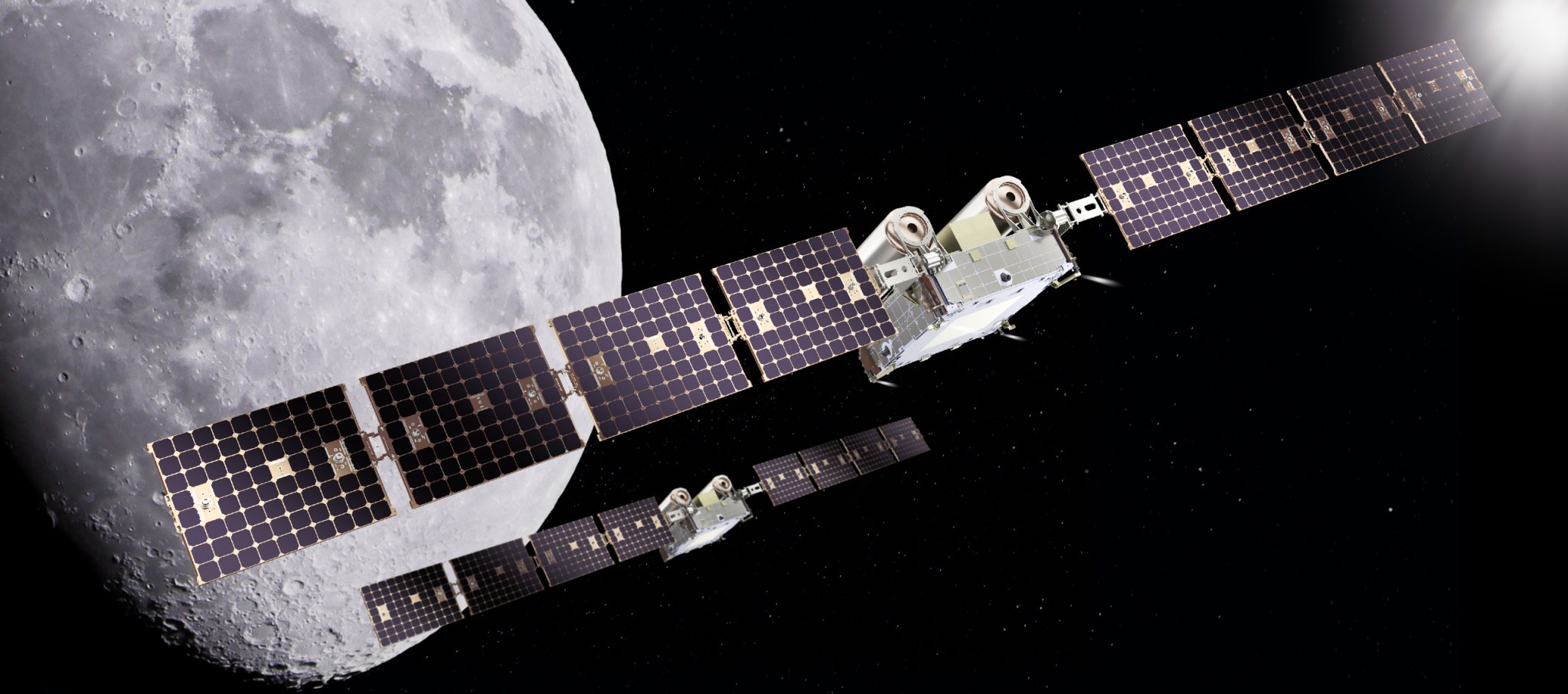
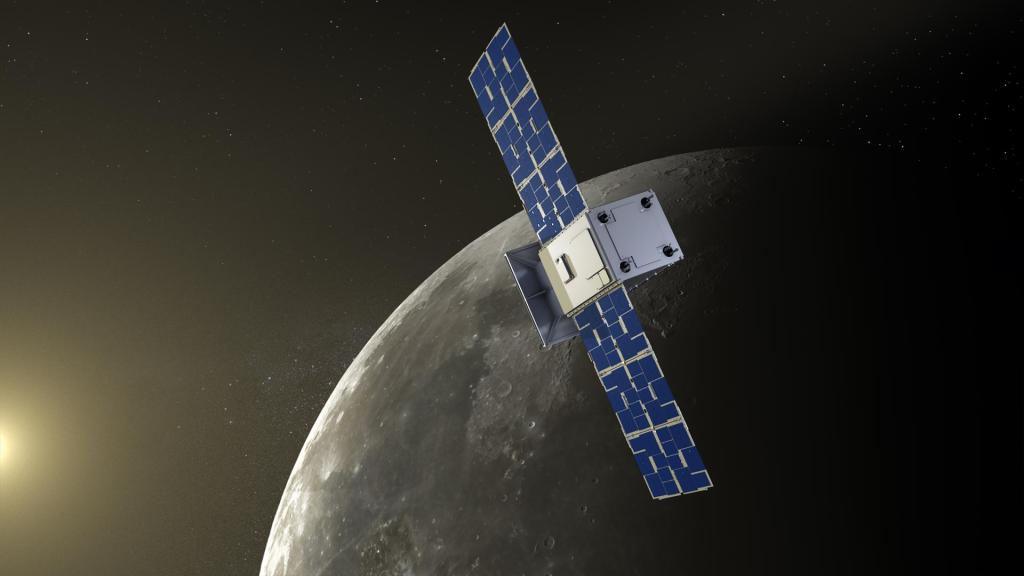
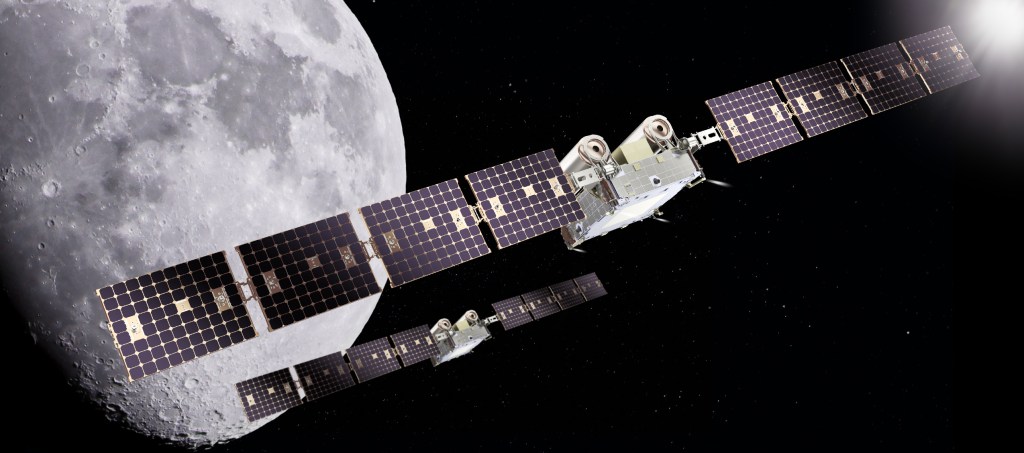
By enabling real-time navigation updates directly on board, AstroNav is designed to make independent space missions possible. AstroNav will validate its capabilities as a tech demo on NASA’s CAPSTONE 02 mission to lunar orbit, which is targeted for launch in late-2027.
Why Build AstroNav Now?
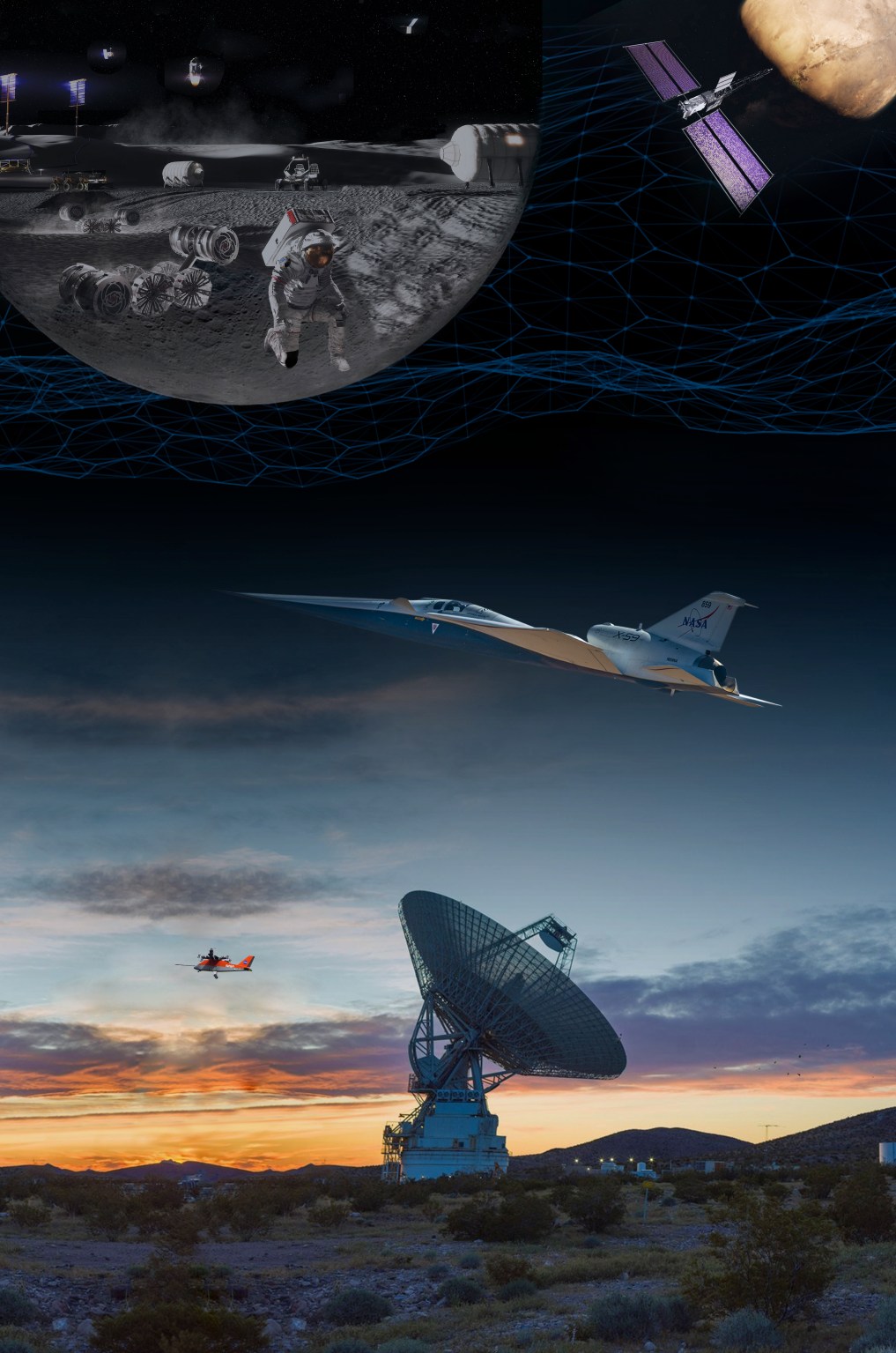
Humanity is entering a new era of distributed exploration — lunar bases, asteroid missions, planetary orbiters, and deep-space probes operating simultaneously.
As communication networks become congested and missions push farther out, real-time autonomy becomes essential. AstroNav represents the next step toward self-reliant spacecraft that can make navigation updates instantly — supporting sustainable exploration of the Moon, Mars, and beyond.
The Problem
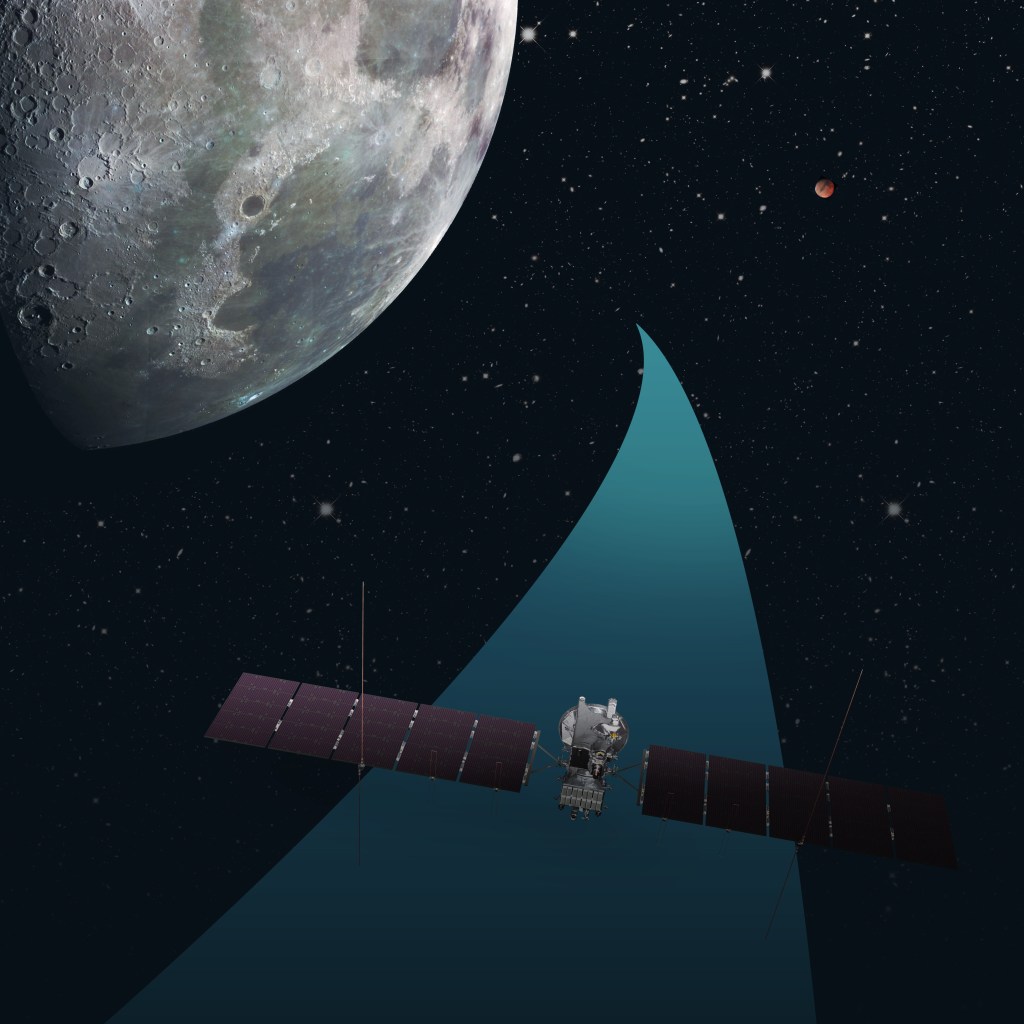
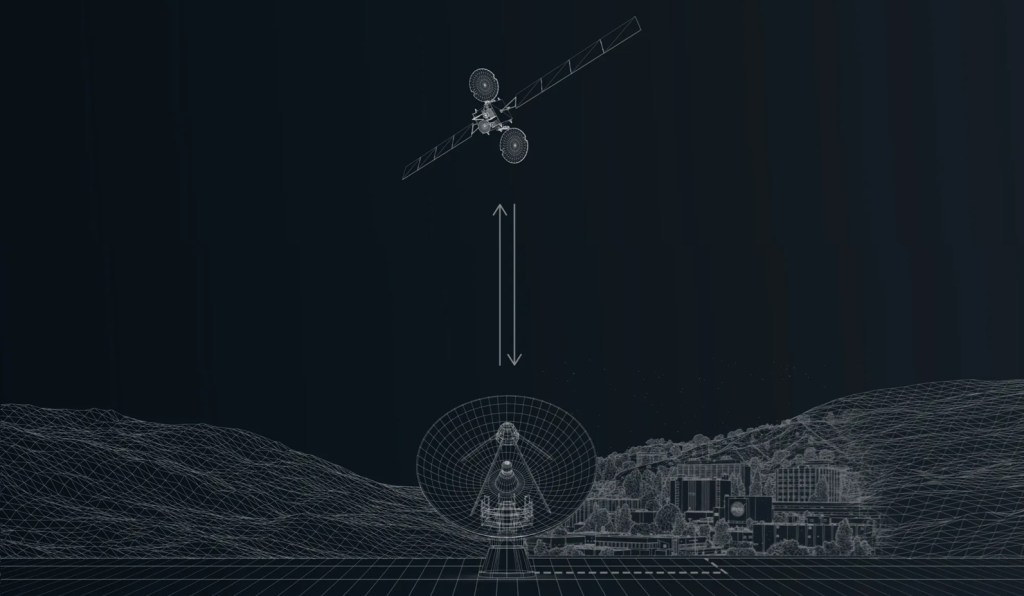
Deep space missions currently rely heavily on Earth-based navigation, requiring near constant communication with ground stations and a standing army of people to figure out where the spacecraft is.
This dependency limits exploration of distant objects, hinders spacecraft autonomy, creates unnecessary delays due to the vast distances involved, and significantly increases operational cost and complexity. AstroNav eliminates that bottleneck by enabling spacecraft to determine and control their own trajectory in real time — without constant updates from Earth. It reduces latency, improves mission safety, and allows fleets of spacecraft to operate independently, even far beyond Earth’s communication reach.
A Solution
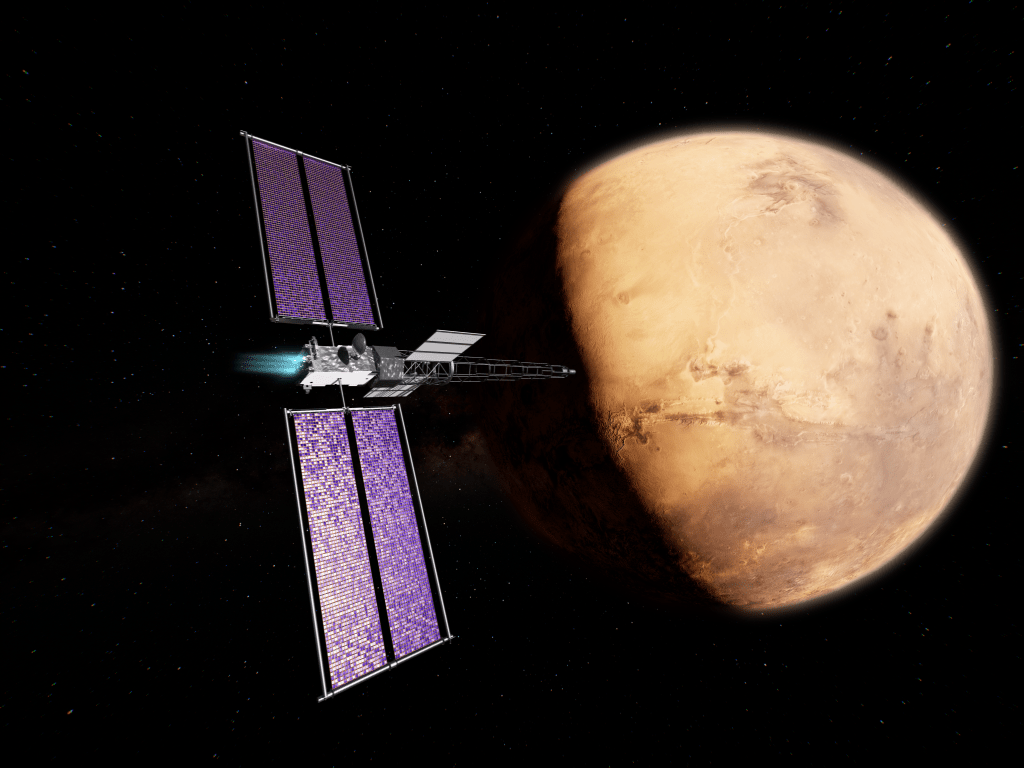
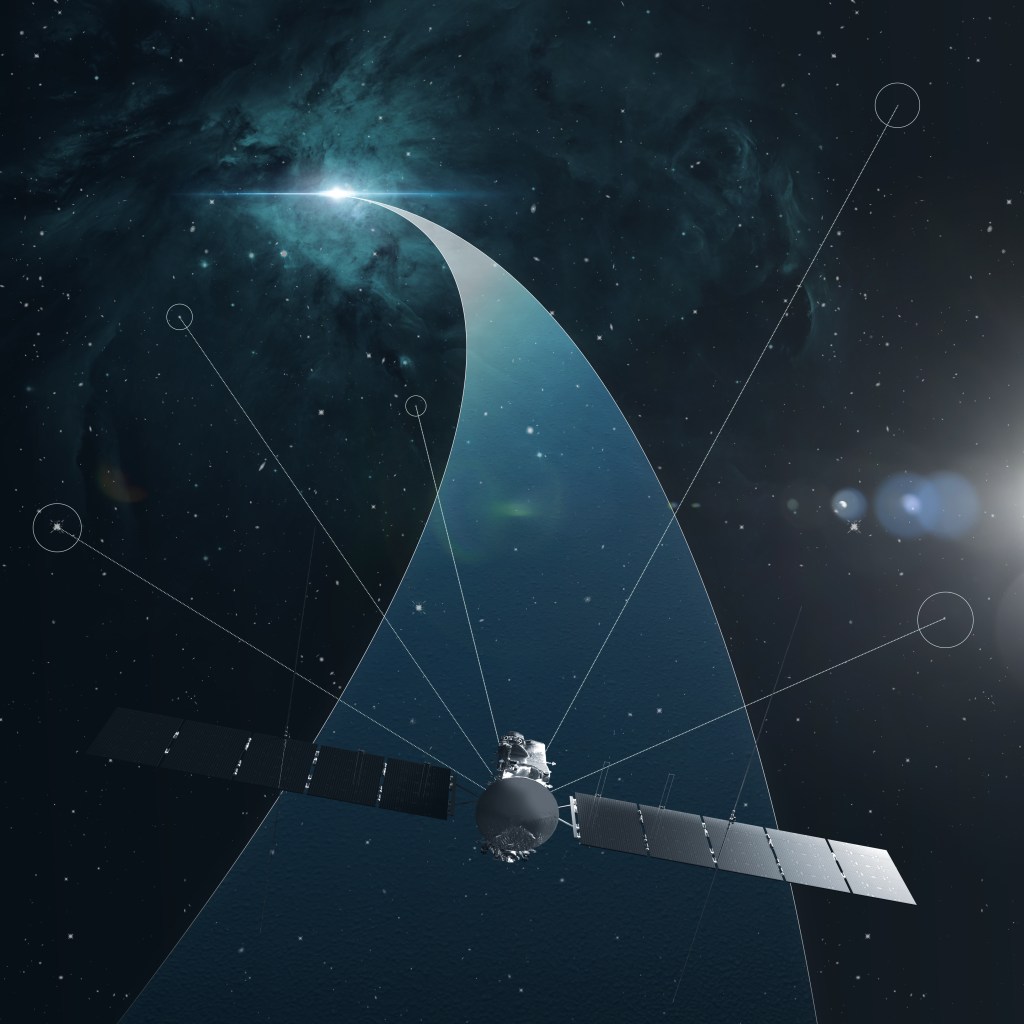
A solution is AstroNav, an onboard autonomous navigation system that gives spacecraft the ability to know where they are — and control where they’re going — without relying solely on Earth.
By combining advanced algorithms and sensor data from multiple sources, AstroNav computes the spacecraft’s position and velocity in real time and designs maneuvers to guide it towards its target. This removes critical dependence on the Deep Space Network for routine updates, allowing missions to react instantly to new conditions, conserve communication bandwidth, and operate safely even when contact with Earth is delayed or interrupted. In essence, AstroNav transforms spacecraft from being remote-controlled to being self-reliant explorers.
How AstroNav Works
-
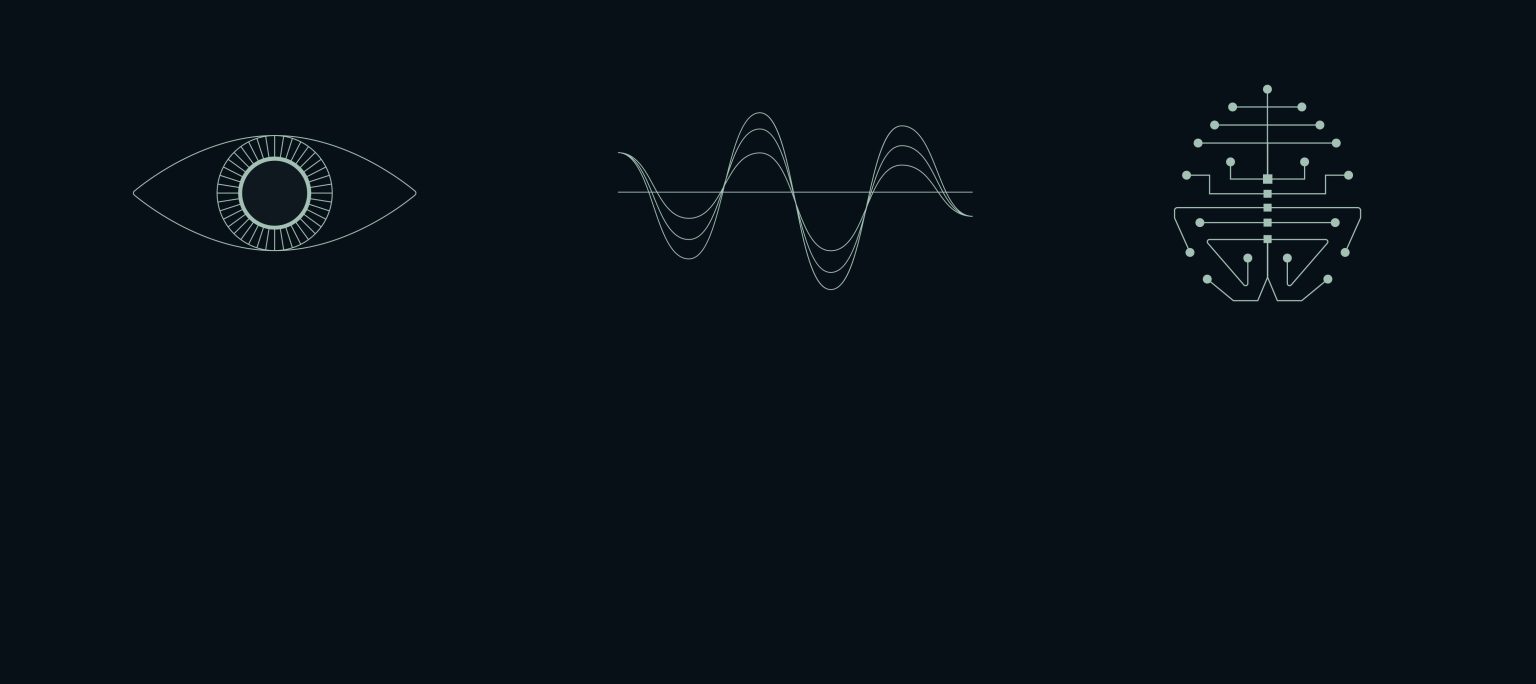
Eyes
AstroNav collects optical imagery of various planetary objects, such as asteroids, planets, and stars. This data provides the bearing and range to these objects.
 A minimal line-art icon of a stylized eye.NASA/JPL-Caltech
 -
Ears
AstroNav measures precise Doppler and a range signals from Earth when paired with an atomic clock.
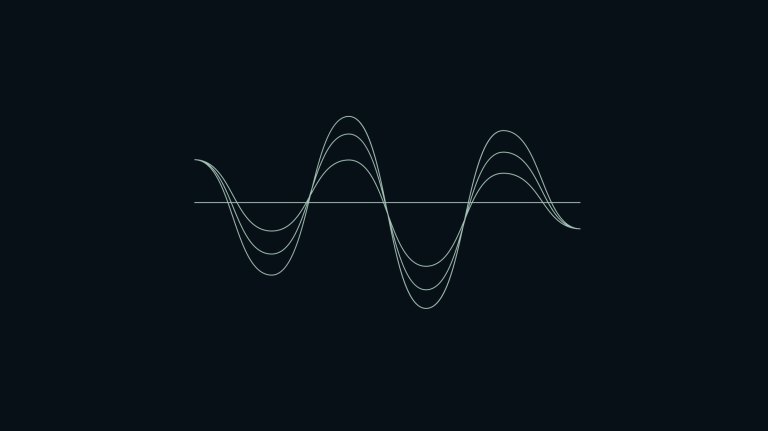 A line-art icon of overlapping wave frequencies.NASA/JPL-Caltech
 -
Brain
Using the onboard sensors, AstroNav determines the spacecraft’s trajectory in the solar system autonomously, continuously refining accuracy through probabilistic estimation.
 A stylized line drawing of an icon representing an autonomous spacecraft’s brain.NASA/JPL-Caltech
CAPSTONE 02 AND OTHER NAVIGATION TECH DEMOS

NASA Announces New Spacecraft Technology Demonstration Mission at Moon
NASA is working with industry to advance the next phase of cislunar infrastructure for the agency’s Artemis program and Moon…
Read the Story